
If you’re searching for tips for renting a car in Costa Rica, you’re probably trying to figure out how to do it right without overpaying or getting caught in a stressful situation.
I’ve been there. Renting cars in Costa Rica looks easy at first, but once you start comparing prices, insurance, and car types, things get confusing fast.
Still, renting a car here is often the easiest way to travel, especially if you’re short on time and want the freedom to explore at your own pace.
My own experience with hiring a car in Costa Rica didn’t go well, and I ended up paying 1500 USD at the end of my trip because I chose the wrong car rental company.
The rental company was Avanti Car Rental. When I booked, it appeared under the name Routes Car Rental, but when I arrived to pick up the car, the company operating the rental was actually Avanti. Based on my experience, whatever you do, don’t book with this company!!
That’s exactly why I put this guide together, so you don’t repeat my mistakes.
In this post, I’ll show you how to rent a car in Costa Rica. You’ll find practical tips, common scams to avoid, a clear breakdown of insurance, and everything I wish I had known before renting a car in Costa Rica. And if you’re curious, I’ll also share my full story (of how I was probably scammed!) at the end.
Should I rent a car in Costa Rica?
For most travelers, the answer is yes. Renting a car in Costa Rica is often the easiest way to get around, especially if you’re short on time and want to see more than one region.
Having a car gives you full flexibility. You can stop at beaches that aren’t on bus routes, reach national parks early, and stay in hotels that are hard to access by shuttle or public transport.
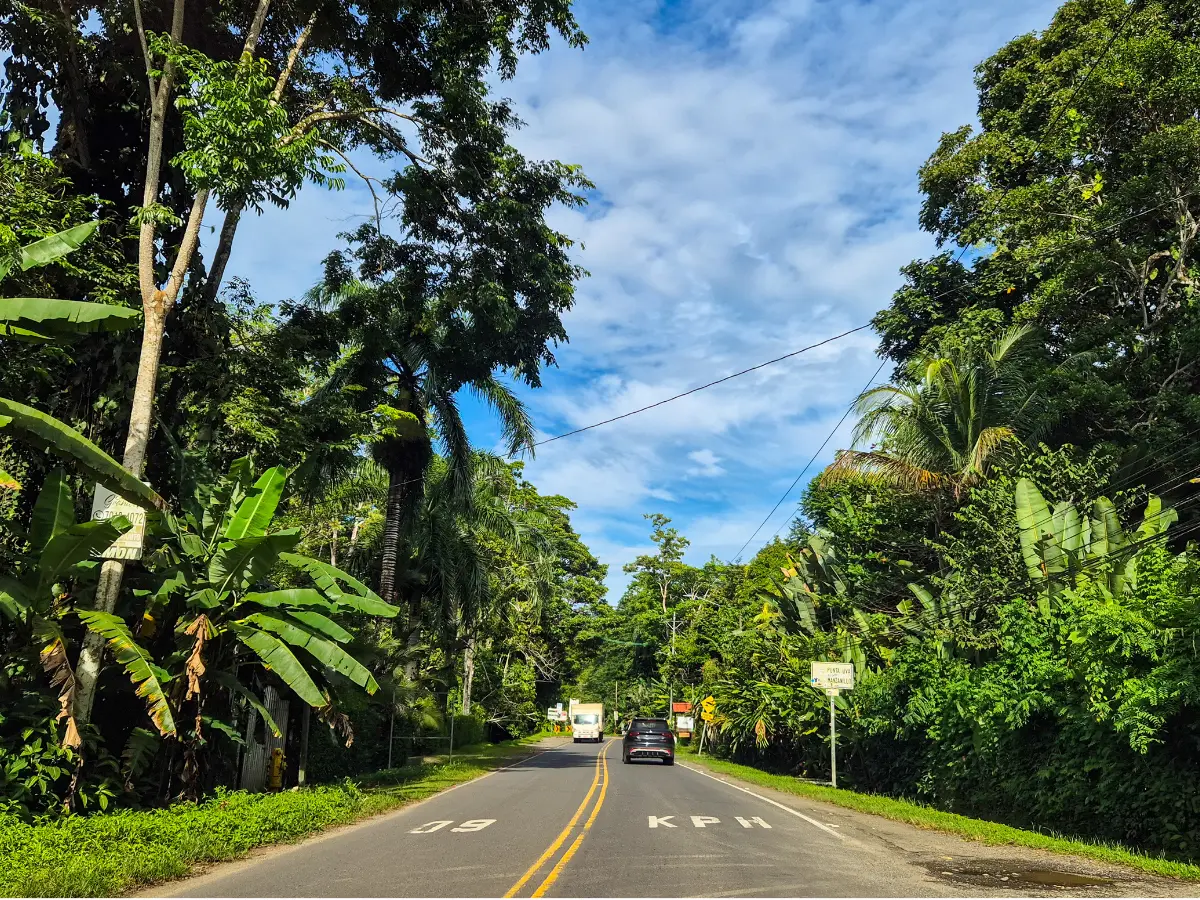
That was my case. I had a tight itinerary and wanted full control of my route. And honestly, I found driving here very easy. The roads are green, scenic, and relaxing, which makes long drives feel much shorter than expected.
If you’re planning a road trip, renting a car in Costa Rica makes the whole experience smoother and more enjoyable.
What do you need to rent a car in Costa Rica?
Before booking, it helps to know exactly what rental companies will ask for. Most requirements are simple, but a few details can catch people off guard.
How old do you have to be to rent a car in Costa Rica?
Most rental companies require drivers to be between 21 and 25 years old, depending on the provider. Some charge a young driver fee if you’re under 25.
Always double-check this with the company you’re booking with, since rules vary.
Do you need an international driving license?
In my case, I didn’t need one. My Portuguese driving license was accepted without any issue.
For most travelers, an international driving permit is not required as long as your license uses Roman characters. Still, it’s worth confirming this if your license is issued outside Europe or North America.
Do you need a credit card to rent a car in Costa Rica?
Yes, in most cases. Rental car companies in Costa Rica usually require a credit card in the main driver’s name to hold a security deposit.
The deposit can range from 500€ to 2,000€ (580 – 2328 USD), depending on the car type and insurance you choose.
If you’re renting a car in Costa Rica without a credit card, you still have options. On platforms like Discover Cars, you can filter results to show companies that accept debit cards or require lower deposits. Choosing full coverage insurance can also reduce the deposit and give you extra peace of mind.
How to book a car rental in Costa Rica the easy way
Booking the right car is less about luck and more about timing and strategy. A few small choices can make a big difference in price and stress.
Book early, especially in high season
High season in most places of Costa Rica runs from December to April, with another busy period in July and August. During these months, prices rise fast and availability drops.
If you’re traveling during high season, book as soon as your dates are confirmed. Waiting usually means fewer options and higher prices.
Use a comparison site to find the best deal
I always recommend using Discover Cars to book your rental. It’s the tool I used on my trip through Costa Rica.
- You can compare offers from major and local companies in one place.
- Prices are often cheaper than booking directly.
- Most bookings come with free cancellation, so you can lock in a good rate and change it later if needed.
- You’ll also see clearly what’s included, like insurance, mileage, and deposit amounts.
Pick-up at the airport vs. in the city
You can pick up your car at the airport or at a city branch. Both options work, but they’re not equal.
Airport pick-up is usually more convenient, especially if you’re arriving from abroad and want to hit the road right away. City pick-up can sometimes be cheaper, but the savings often disappear once you add transport to get there.
One thing to know is that even airport rentals are often located outside the terminal. At San José airport, most companies operate a short shuttle service that takes 5 to 15 minutes. I picked up my car near the airport, but not inside the terminal, for example.
Tips for renting a car in Costa Rica
These tips come from real experience, including mistakes I wish I hadn’t made. If you follow them, you’ll avoid most of the stress people associate with rental cars in Costa Rica and enjoy the trip instead.
Book with a reputable platform
This is the easiest way to protect yourself from surprises. Booking through a comparison platform lets you see prices, insurance options, reviews, and conditions in one place.
Small or unknown rental car companies in Costa Rica can look cheaper at first, but that often comes with hidden risks. Missing insurance, unclear policies, or poor customer support are common issues.
That’s why I always book through Discover Cars. You get:
- Free cancellation
- The option to add more complete insurance
- All the rental details clearly shown in one place
- A simple way to compare rental cars in Costa Rica without opening endless tabs
It’s not about finding the cheapest deal. It’s about booking safely.
Only accept a car that’s in good condition
This is a big one. If something feels off at pickup, don’t ignore it.
Red flags to watch for:
- Very old cars
- High mileage
- Visible damage
- Loose parts or broken interior pieces
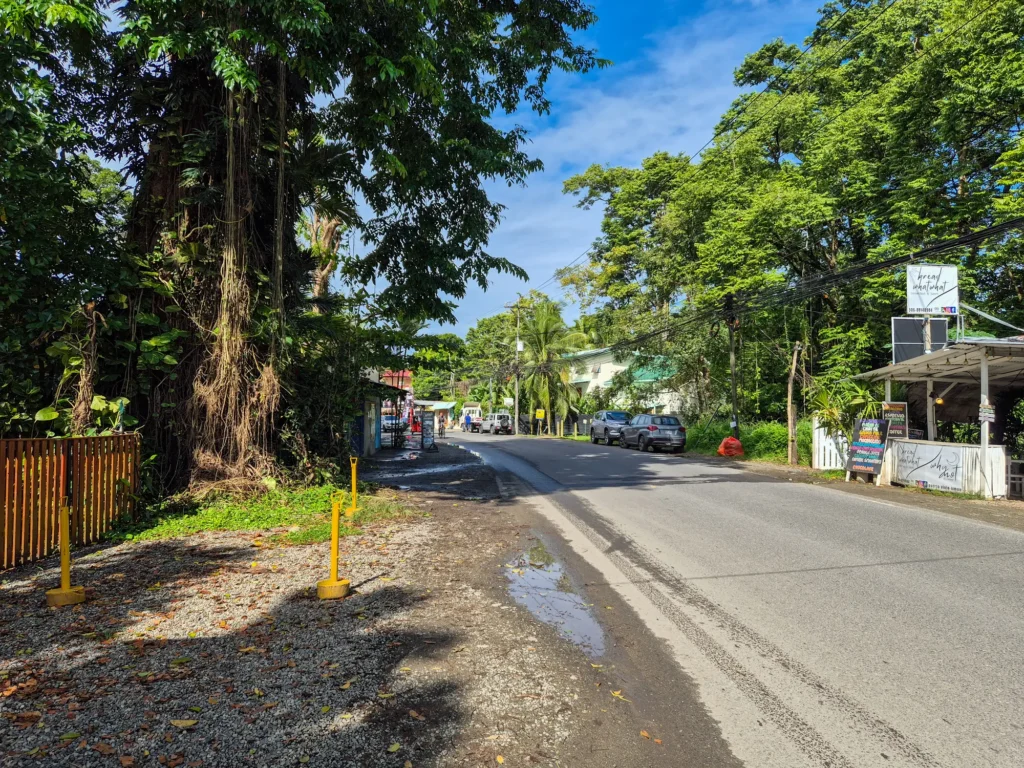
We had to change our car throughout the trip and we were given an old replacement car by Avanti Car Rental (although, when we booked it, it was Routes Car Rental), which we should have refused. At the time, we felt pressured and just wanted to continue the trip. Looking back, that decision caused everything that came after.
Inspect the car carefully before leaving
Never skip this step, even if you’re tired or in a rush.
Before you leave the parking lot after picking up the car:
- Take photos and videos of all sides
- Check tires, rims, and undercarriage
- Look inside the car
- Make sure all damage is written in the contract
Do this even if you have insurance. If it’s not documented, it can be blamed on you later.
Understand if you need a 4×4
There’s a lot of confusion around renting a 4×4 in Costa Rica. For most main roads, you don’t need one. But for some hotels, waterfalls, and rural areas, it’s essential.
For example, our hotel in Uvita clearly required a 4×4 to reach it. We confirmed this by email and again at pickup. Still, the car we received wasn’t a real 4×4. It was AWD, which is not the same thing.
If you know you’ll need one:
- Opt for a 4×4 car rental in Costa Rica
- Confirm it in writing
- Ask again at pickup
- Before leaving, ask the agent to show you how to activate the 4×4 (we forgot to do this and didn’t realize the car we got wasn’t actually a 4×4)
Sadly, some companies label cars as 4×4 when they aren’t. Don’t assume. Check.
Choose manual or automatic
You’ll find both options available, but because Costa Rica gets so many visitors from the US, many rental cars are automatic.
If you’re not comfortable driving a manual car, especially on hills or gravel roads, go for an automatic. It makes the drive easier and less stressful, especially if you’re not used to the car.
Be realistic about Costa Rica’s road conditions
Most drives are beautiful and enjoyable. Many routes aren’t highways, but they’re still easy to drive and very scenic.
That said, expect:
- Gravel roads in some areas
- Potholes
- Steep hills, especially in Monteverde and around Uvita
On our route, the roughest roads were in Monteverde and Uvita. However, the only place we needed a 4×4 was on the road to our hotel in Uvita. Outside of those situations, we didn’t feel that a 4×4 was necessary for most of the itinerary, including places like La Fortuna, Puerto Viejo, and Manuel Antonio.
Traffic is usually calm, except in San José. Drives can take much longer than expected, so plan extra time. I also don’t recommend having a car if you’re only staying in the city.
Decide if you really need a one-way rental
In most cases, you don’t. Costa Rica is small, and most travelers arrive and leave through San José.
Doing a one-way rental often adds unnecessary fees without much benefit. Unless your itinerary is very specific, it’s easier and cheaper to pick up and return the car in the same place.
For most travelers, round-trip rental cars in Costa Rica make the most sense.
Common car rental scams to avoid in Costa Rica
These situations don’t happen to everyone. In fact, most rental experiences go smoothly. But when things go wrong, they usually follow the same patterns. Knowing them in advance can save you a lot of stress and money.
Paying for damage without written proof
This is one of the most common and most expensive mistakes travelers make. And I fell for this one.
If a rental company says you caused damage, never accept a verbal explanation only. Always ask for:
- A written damage report
- Photos of the damage
- A detailed invoice with the breakdown of costs
This is exactly what happened with Avanti Car Rental (when we booked it was with Routes Car Rental) in our case.
We were told that the second car they gave us (which was very old!) had broken down because of misuse. No written report was provided at the counter. The amount we had to pay was shown on a calculator, and we were told we would receive an invoice later.
We only received the invoice more than a month after returning home. When it finally arrived, it was vague, with very general wording that could mean almost anything. At the counter, they even told us they could adjust the wording of the invoice if we wanted to submit it to an insurance company. That’s a huge red flag.
If there’s no clear documentation at the moment you’re asked to pay, don’t pay. Once you leave the counter, it becomes almost impossible to challenge what’s written later on the invoice, and the company can claim almost anything.
Feeling pressured at drop-off
Problems often happen on the last day of your trip. You’re tired, you have a flight to catch, and you just want to be done with it.
That pressure is exactly when bad decisions happen.
My biggest mistake was not taking enough time at drop-off. We argued for almost 40 minutes, felt completely exhausted, and eventually gave in. Looking back, I still don’t understand why we agreed to it, but I know now that fatigue played a huge role in that decision.
If something comes up:
- Arrive early to return the car
- Don’t rush the process
- Ask for written documents
- Take photos and videos again at drop-off
Giving yourself extra time is one of the simplest ways to protect yourself when returning rental cars.

Cheap rental cars that get expensive at pickup
This is one of the most common car rental scams in Costa Rica, and it catches a lot of people off guard.
You’ll see very cheap prices online, sometimes as low as 10€ -15€ (12-17 USD) per day. But when you arrive to pick up the car, the price suddenly doubles or even triples. That’s because the mandatory third-party liability insurance wasn’t included in the original quote.
This insurance is required by law in Costa Rica, and you can’t decline it. Some rental companies hide this cost to make their prices look cheaper online.
I won’t go into detail here, because the next section explains rental car insurance in Costa Rica step by step. But if you see a deal that looks too good to be true, this is usually why.
Rental car insurance in Costa Rica explained
Rental car insurance in Costa Rica is easily the most confusing part of the whole process.
It’s also where most unexpected costs, arguments, and bad experiences happen.
Prices often look great online, but what you see at checkout is rarely the final price. Mandatory insurance, exclusions, and deductibles are usually added later, which is why so many travelers feel caught off guard at pickup.
Why car rental insurance in Costa Rica is so confusing
A certain level of insurance coverage is required by Costa Rican law, but not all companies or booking sites include this cost in their initial quote.
On top of that:
- Insurance terms vary widely between companies
- Coverage names are inconsistent
- “Full insurance” means different things depending on who you book with
I honestly thought I had full insurance because I booked it directly with the rental company. I didn’t. What I actually had was only third-party liability. And because I’d rented cars in many other countries without any issues, I lowered my guard and didn’t question it enough.
Mandatory insurance vs optional coverage
Every rental car in Costa Rica must include third-party liability insurance, and you cannot decline it.
You’ll see it listed under different names:
- Liability Protection (LP)
- Third Party Insurance (TPI)
- Third Party Liability (TPL)
- Supplemental Liability Insurance (SLI)
- Additional Liability Insurance (ALI)
Because third-party liability insurance is mandatory in Costa Rica, rental companies are much stricter about this coverage. Even if you have insurance through a credit card, they will usually ask for official proof that it’s valid in Costa Rica and covers your exact travel dates.
If you plan to use your credit card insurance, ask the card issuer for a written confirmation before the trip. Without that document, most companies won’t accept it.
If you’re booking through Discover Cars, you can still add their insurance, which covers much more than just third-party liability. Just keep in mind that, in most cases, you’ll still need to pay the local third-party liability insurance at pickup, since it’s required by law.
What third-party liability usually covers
- Damage to other vehicles
- Damage to property
- Injuries to other people
What third-party liability does not cover
- Damage to your rental car
- Towing costs
- Mechanical failures blamed on misuse
- Scratches and dents
- Undercarriage damage
- Theft of the rental car

On the other hand, CDW, or Collision Damage Waiver, covers damage to the rental car itself.
It’s usually optional, but very strongly pushed at pickup.
What CDW usually covers
- Damage to the rental car
- Accidental damage
What CDW usually does not cover
- Tires and rims
- Undercarriage damage
- Windshield damage
- Towing
- Mechanical failure blamed on misuse
- Damage on unpaved or restricted roads
Why “full insurance” doesn’t always mean full protection
Many local companies use “full insurance” as a marketing term, not a clear definition.
Even when CDW is included, policies can still have:
- High deductibles
- Exclusions for certain roads
- No coverage for towing or breakdowns
- No coverage for mechanical issues
My experience with local rental insurance
I booked insurance directly with the local rental company because the deposit was lower. At the time, it felt like a smart decision.
It wasn’t.
When the car broke down and they blamed us for misuse, the insurance we booked directly with Avanti Car Rental (when we booked it was with Routes Car Rental) covered nothing. No towing. No repairs. No protection. That’s when I realized how limited the coverage really was.
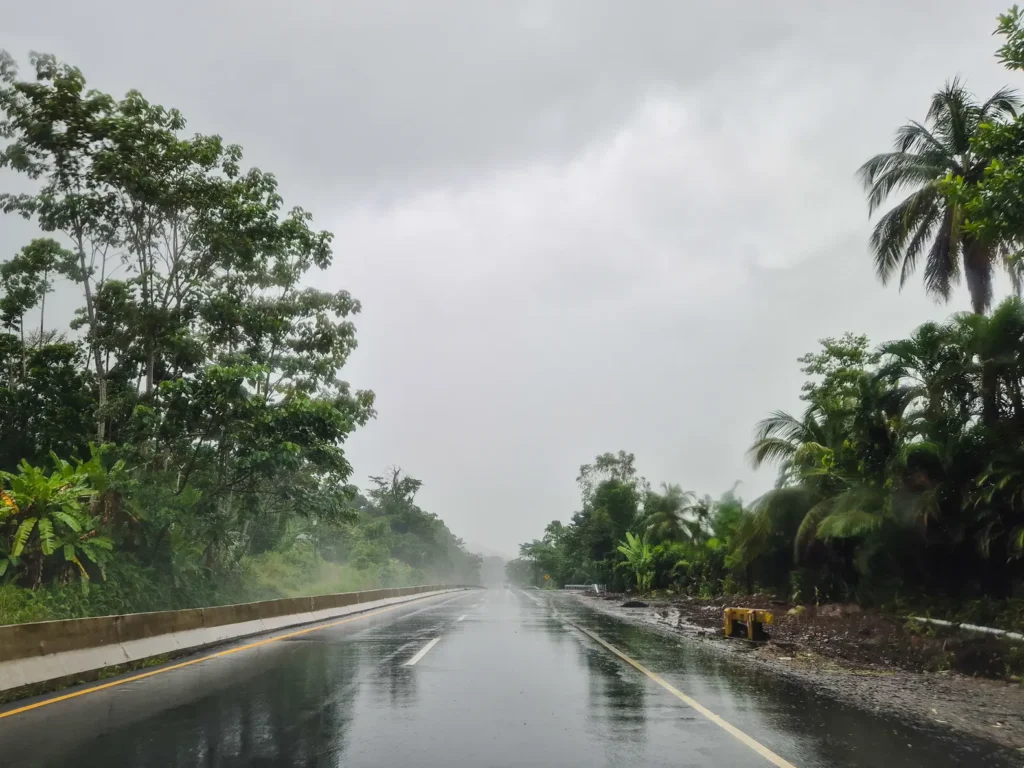
Why I now always add full coverage through Discover Cars
Now I always add full coverage when booking through Discover Cars. Their insurance usually includes:
- Damage to the car
- Theft
- Towing
- Administrative fees
Before confirming the booking, I also make sure the option I’m choosing clearly includes third-party liability, CDW, and roadside assistance, since not all rental options come with the same coverage. This extra check takes a minute, but it avoids a lot of stress later.
How to choose the right insurance when renting a car in Costa Rica
Before you leave the counter:
- Read exactly what’s included and excluded
- Don’t rely on the word “full” alone
- Confirm coverage for towing and breakdowns
- Ask for written documentation of insurance conditions
- Take photos/videos of the car
Cost of renting a car in Costa Rica
Costa Rica is not a cheap destination for car rentals, and prices are usually higher than travelers expect. The main reason is insurance, combined with high demand, especially during peak travel months.
Average car rental prices in Costa Rica
The cost of renting a car in Costa Rica varies a lot depending on season, car type, and insurance.
Here’s a realistic range to expect:
- A small manual car usually costs between 35€ and 60€ (41 – 70 USD) per day
- An automatic or SUV often starts around 60€ to 90€ (70 – 105 USD) per day
- A true 4×4 can easily reach 80€ to 120€ per day (93 -140 USD), especially in high season
These prices usually look lower online at first. Mandatory insurance is often added later, which is why final costs feel higher than expected.
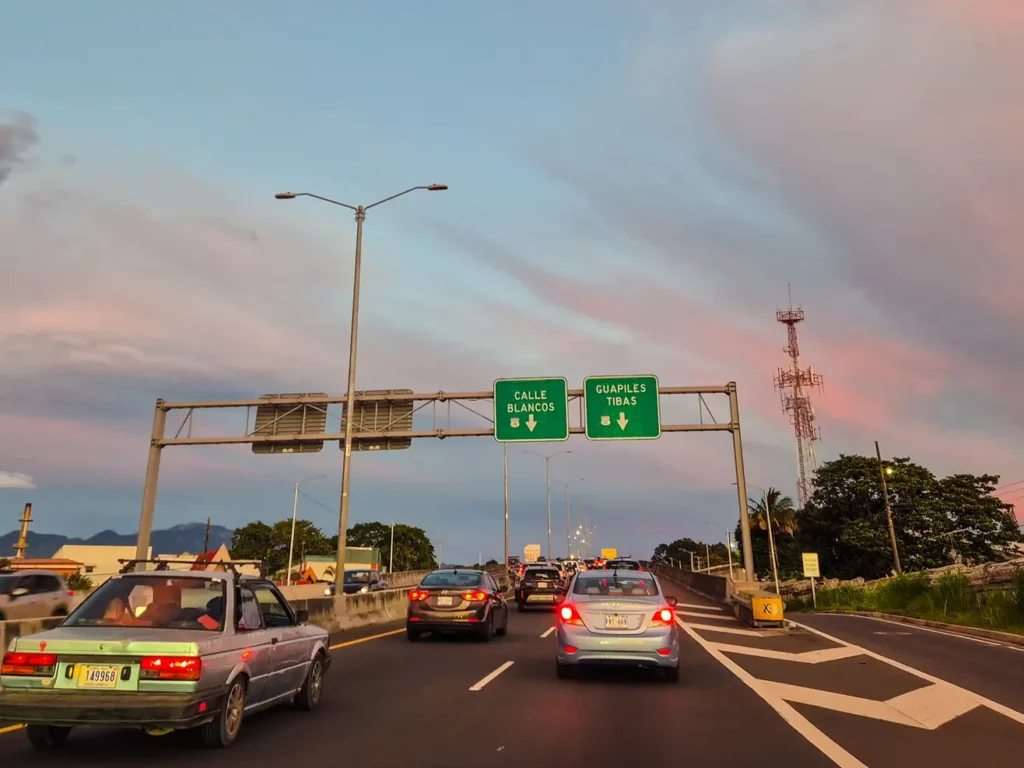
What affects the price
- Season: High season runs from December to April, with another busy period in July and August. Prices rise fast and cars sell out early.
- Location: Airport pickups are usually more expensive due to extra fees. At San José airport, most rental companies are located outside the terminal and provide a free shuttle that takes 5 to 15 minutes.
- Car type: Automatics, SUVs, and real 4×4 vehicles cost significantly more than basic manual cars.
- Insurance: Mandatory third-party liability insurance can easily double the base price if it’s not included in the quote.
- Extras: Additional drivers, child seats, Wi-Fi hotspots, and GPS increase the final cost.
- Rental length: Longer rentals can lower the daily rate, but insurance still adds up, especially on multi-day rentals.
My rental car experience in Costa Rica (what went wrong)
I’m sharing this for one reason only: so you don’t repeat the same mistakes I did. Most people have a smooth experience renting cars in Costa Rica. I didn’t. And the lessons I learned the hard way can save you a lot of stress and money.
All of this happened with Avanti Car Rental (when we booked it was with Routes Car Rental), which is why I strongly recommend avoiding them.
This isn’t here to scare you. It’s here to help you travel smarter.
Here’s the factual version of what went wrong:
- I booked a 4×4, confirmed it by email, and confirmed it again at pickup. The car we received wasn’t a real 4×4. It was AWD.
- When we needed the 4×4 feature to reach our hotel, the company replaced the car with an old, worn-out vehicle (more than 140.000 km, broken in places, fuel tank didn’t close properly, and so much more)
- That second car broke down on the last day of the trip.
- At drop-off, we were blamed for the breakdown and charged 1500 USD.
- We were asked to pay without a written report or invoice. The amount was shown on a calculator.
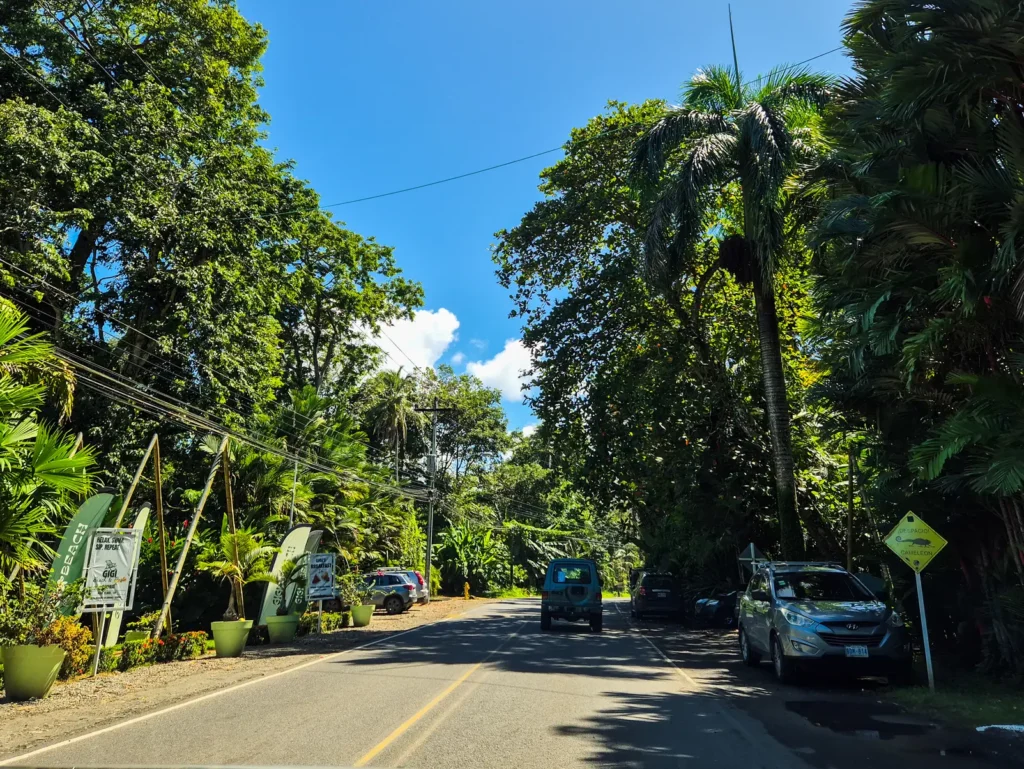
These are the key takeaways I want you to remember:
- Always verify the car type. If you need a 4×4, make sure it’s a real one. Ask to see how it’s activated before leaving.
- Never accept a replacement car that’s clearly in bad condition. Old cars with visible damage are more likely to cause problems.
- Insurance details matter more than price. Read every line, even if it takes more time at pickup.
- Don’t pay for damage without documentation. No report, no invoice, no payment.
- Give yourself time at drop-off. Rushing leads to bad decisions.
Now I’ll always add full coverage when booking through Discover Cars. The coverage is more complete, even though it means a higher deposit because the insurance isn’t with the rental company itself.
Practical driving tips for Costa Rica
Most of the time, driving in Costa Rica felt calm and relaxed, with the only real chaos happening around San José. Once you leave the city, driving becomes part of the experience, not a stressful task.
These tips will help you feel confident on the road and avoid common mistakes.
Driving style and what to expect
Local driving style is generally relaxed and predictable. Outside the capital, traffic is light and people are patient.
In San José, things are different. Traffic can be heavy and slow, especially during rush hour. If you can, avoid driving there at peak times or skip having a car in the city altogether.

Speed limits and police checkpoints
Speed limits are posted, but they change often and can be easy to miss.
We saw several police checkpoints during our trip, but we were never stopped. They’re normal and usually nothing to worry about. Just slow down and follow instructions if asked.
Fuel stations and payment tips
Fuel stations are easy to find, and most accept both cash and card. In many places, an attendant fills the tank for you, which is very convenient.
Most stations have both fuel types.
💡 EXTRA TIP: Double-check your fuel type before leaving the rental office. Putting the wrong fuel in the tank can turn into an expensive mistake.
Navigation apps that work best
We used both Waze and Google Maps, and they worked well throughout the country.
Waze is especially useful for real-time traffic and road conditions, while Google Maps is better for planning routes ahead of time.
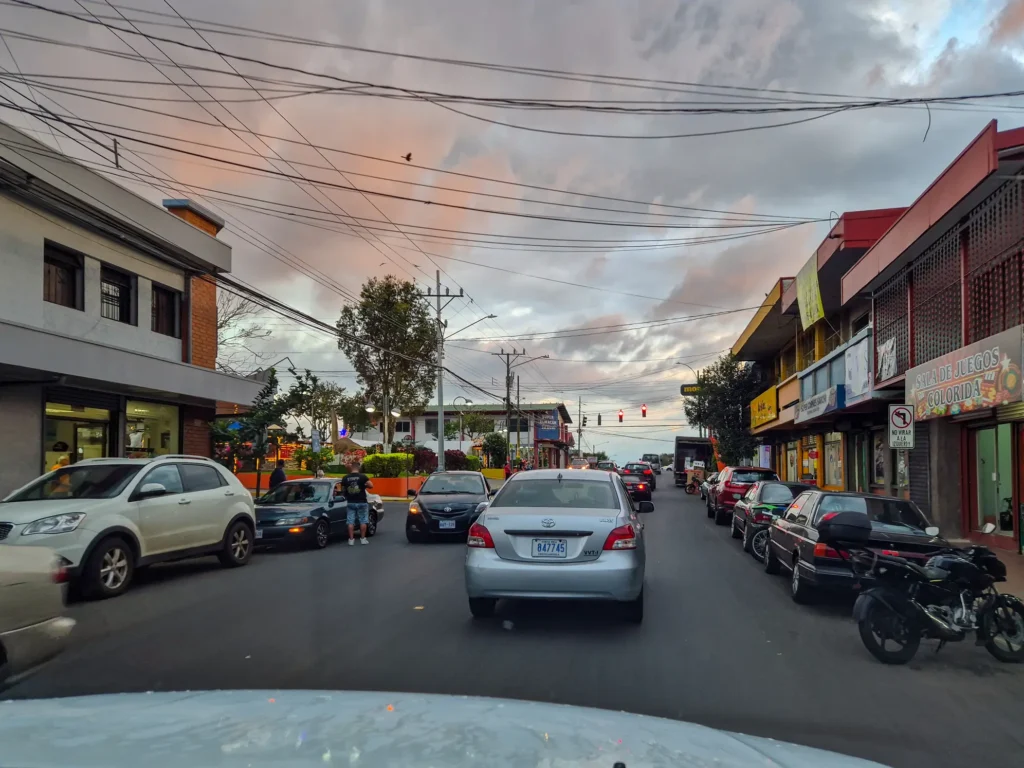
Road conditions
Road conditions vary a lot depending on where you are. Main highways are usually in good shape, but once you head into rural areas, expect:
- Narrow roads
- Gravel sections
- Potholes
- Steep hills
Drive slowly, especially after rain, and don’t be afraid to turn around if a road feels unsafe.
If something goes wrong on the road
If you’re involved in an accident or something happens to the car, always call the police immediately, even if it seems minor.
Without a police report, your insurance likely won’t cover the damage, even if the accident wasn’t your fault.
Don’t leave the scene until the police arrive and you get a report. Also, notify the rental company right away and follow their process for filing a claim.
This step is critical to avoid unexpected costs later.
Tolls in Costa Rica
There aren’t many toll roads, and the tolls are cheap.
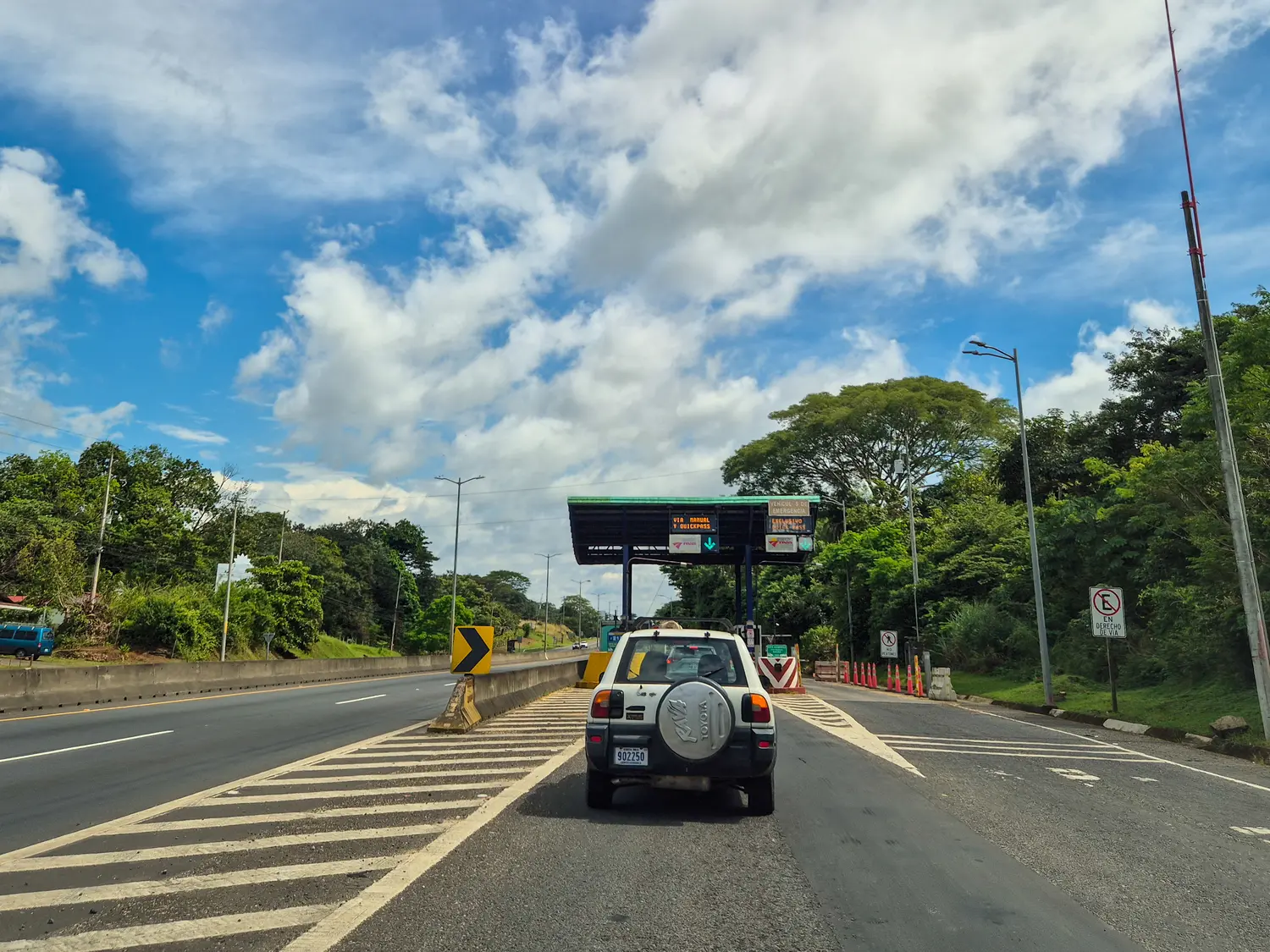
Most tolls only accept cash, except for a few near San José that accept card. I always kept some small bills in the car just in case.
Parking in cities and villages
Parking is generally easy in small towns and villages. In cities, use paid parking lots when possible, especially overnight.
I never felt unsafe parking the car, but I was careful not to leave anything visible inside. We even bought simple steel cables with a lock to secure our luggage in the trunk when we had to leave the car unattended for longer periods.
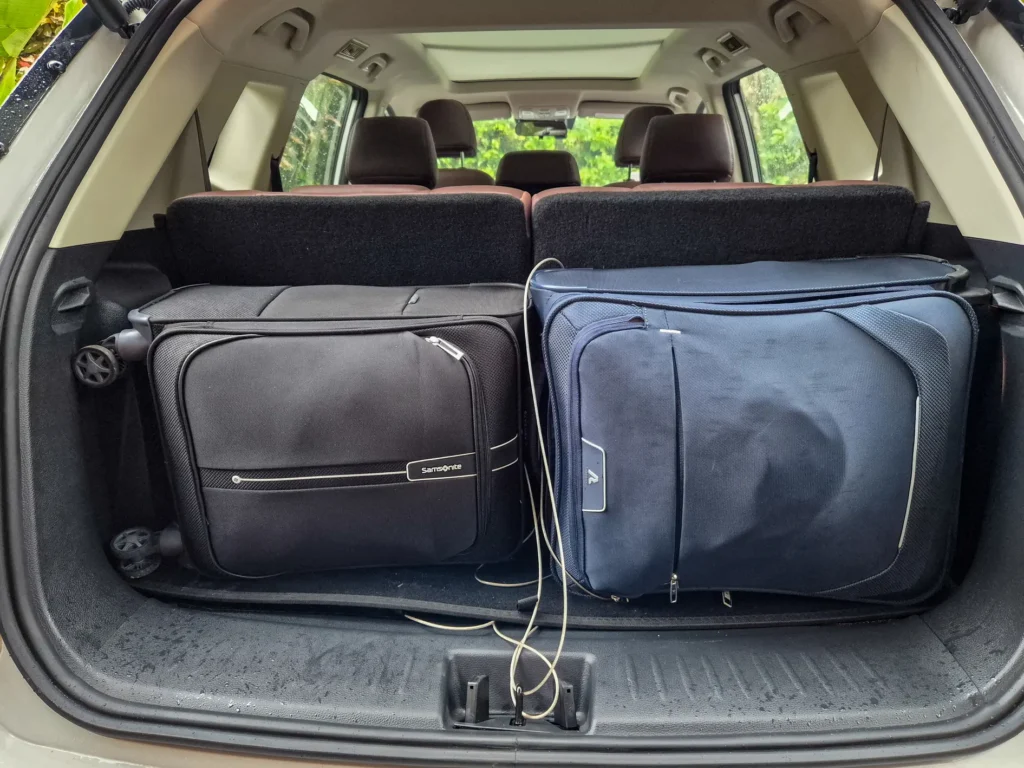
Our rental car didn’t have a trunk cover, so we bought a black motorcycle cover at a supermarket to hide the bags. It’s not perfect, but it made the car less tempting.
Is it safe to drive in Costa Rica?
Yes, I felt safe driving in Costa Rica the entire time.
Like anywhere, petty theft can happen, especially if bags are visible. Basic precautions go a long way. Keep things out of sight, lock the car, and use common sense.
If you do that, driving here is not only safe, but one of the best ways to see the country.
Final thoughts
Most rental experiences in Costa Rica go smoothly. Truly. And I don’t want my story to scare you away from an otherwise amazing destination. Costa Rica is 100% worth the trip, and having a car can make it even better if you book it the right way.
The biggest lesson is simple. Understand exactly what the insurance covers, know what car you’re getting, and choose a reliable platform and rental company. And yes, based on my experience, I strongly recommend avoiding Avanti Car Rental (when I booked it was with Routes Car Rental).
If you want the safest option, I suggest finding your rental car through Discover Cars and adding their full coverage. Even if you still need to pay the mandatory third-party liability with the local company, this extra layer of protection can save you from major stress and unexpected costs later.
Have you rented a car in Costa Rica before? Or are you planning to do it soon?
Disclaimer: this post may contain some affiliate links, which means I get a small commission if you buy something through my links. This doesn’t represent any additional cost to you and you’ll be supporting my work here on the blog😊