

Are you looking for a Cahuita National Park guide that actually helps you plan your visit? Then you’re in the right place.
I visited Cahuita National Park during my Costa Rica trip, and it ended up being one of my favorite stops in the country.
I found it to be quite different from most national parks there. It’s quieter, easier to explore, and far less popular than places like Manuel Antonio. I saw many animals here, and actually fewer people around. I honestly loved it.
This guide is here to make your planning simple. I’ll walk you through logistics, entrance fees, wildlife spotting, trail information, and practical tips so you know exactly what to expect. If you’re looking for relaxed things to do in Cahuita, this park is the best choice.
Before we dive deeper, here’s a quick snapshot to answer the most common questions:
- Is Cahuita National Park worth visiting? Yes, especially if you want wildlife, beaches, and a calm vibe.
- How long do you need? Half a day with an early start is enough for most travelers. One full day to spend more time at the beach.
- Do you need a guide? No, you can visit on your own and still see plenty of animals.
- Which entrance should you choose? I’ll explain the two entrances and help you pick the best one for your plans. But, I personally prefer the Puerto Vargas entrance.
In a hurry? Plan your trip to Cahuita National Park now!
🐒 Top things to do in Cahuita: Walk the 8 km/5 mi one-way coastal trail, spot wildlife like monkeys and raccoons, relax on quiet beaches, or snorkel on the coral reef with a guide.
📍Park entrances: Cahuita National Park has two entrances, Cahuita town and Puerto Vargas. It’s usually better to start at Puerto Vargas because parking is easier and you can finish the hike in Cahuita town, where food options and transport are easier to find.
💰 Entrance fees: The Cahuita town entrance works on a donation system, and cards are accepted. Puerto Vargas has a fixed fee of 3000 colones (6 USD/ 5€) per person, including parking.
⌛ How long do you need to visit Cahuita National Park: Half a day is enough for most travelers. Plan around 3 to 4 hours to walk the full trail comfortably.
⏰ Opening hours: Cahuita National Park is open from 7 am to 4 pm, so it’s best to start in the morning to have enough time to walk the full trail comfortably.
😴 Where to stay near Cahuita National Park: Puerto Viejo. I recommend staying at Cabinas Montesol.
🍃 Guided tours: If you want help spotting animals and learning more about the park, I recommend booking a guided hike through Cahuita National Park, which gives you expert insight into the wildlife and ecosystem.
💸 How to pay in Costa Rica: Credit and debit cards are widely accepted, but it’s still useful to carry some cash. Colones are used for small purchases, while USD is often accepted in tourist areas. Use Revolut to pay by card and avoid foreign transaction fees.
💊 Best travel insurance for Costa Rica: I recommend Heymondo for its excellent balance between affordability and quality.
🛜 Best way to stay connected in Costa Rica: If your phone supports eSIM, Airalo (MARIAN4315 = 3€ off) is the easiest option. Otherwise, buy a local SIM from Kolbi, Liberty or Claro.
About Cahuita National Park
Cahuita National Park is one of the most relaxed national parks in Costa Rica. It sits right on the Caribbean coast and mixes jungle, wildlife, and beaches in one easy walk.
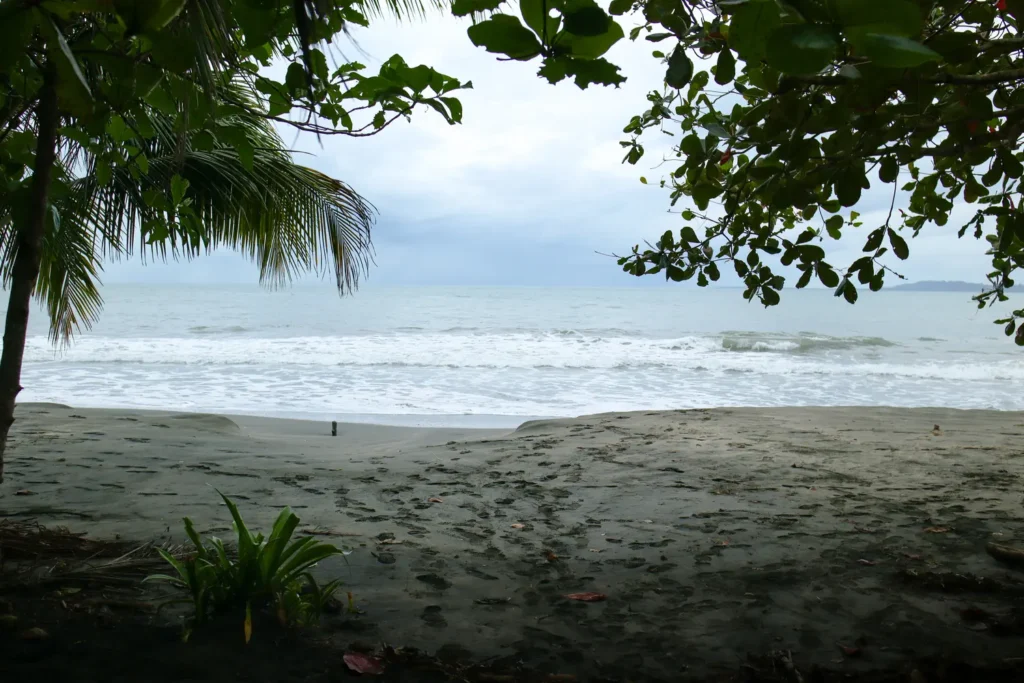
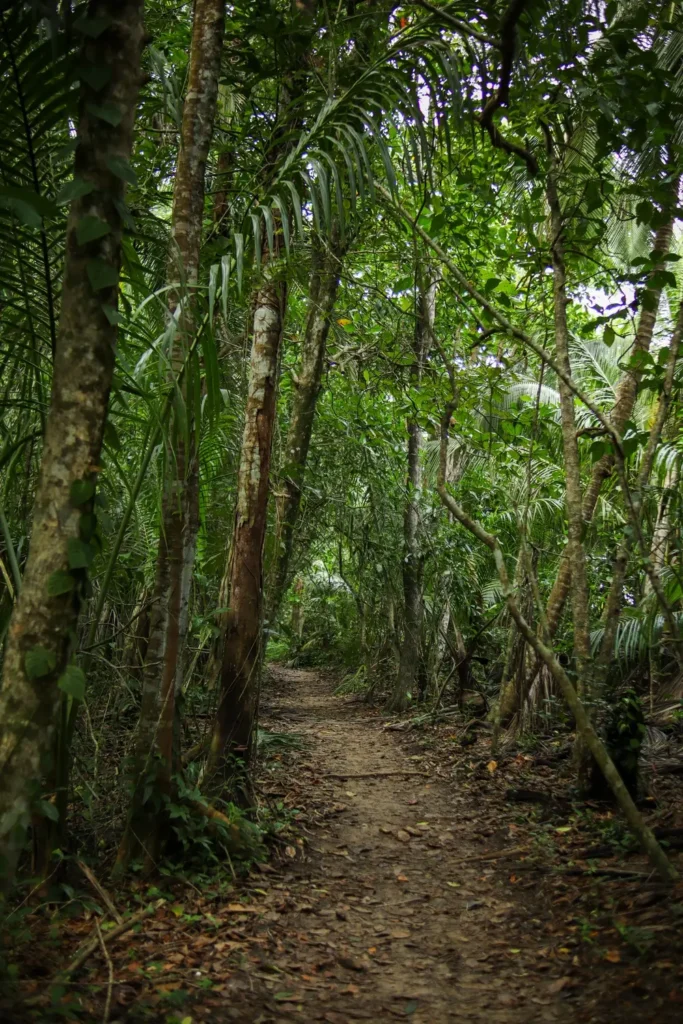
What really surprised me here was how close the trail stays to the ocean. You’re often walking with the beach right next to you. The coastal hiking trail feels open and scenic, not boxed in by forest the whole time.
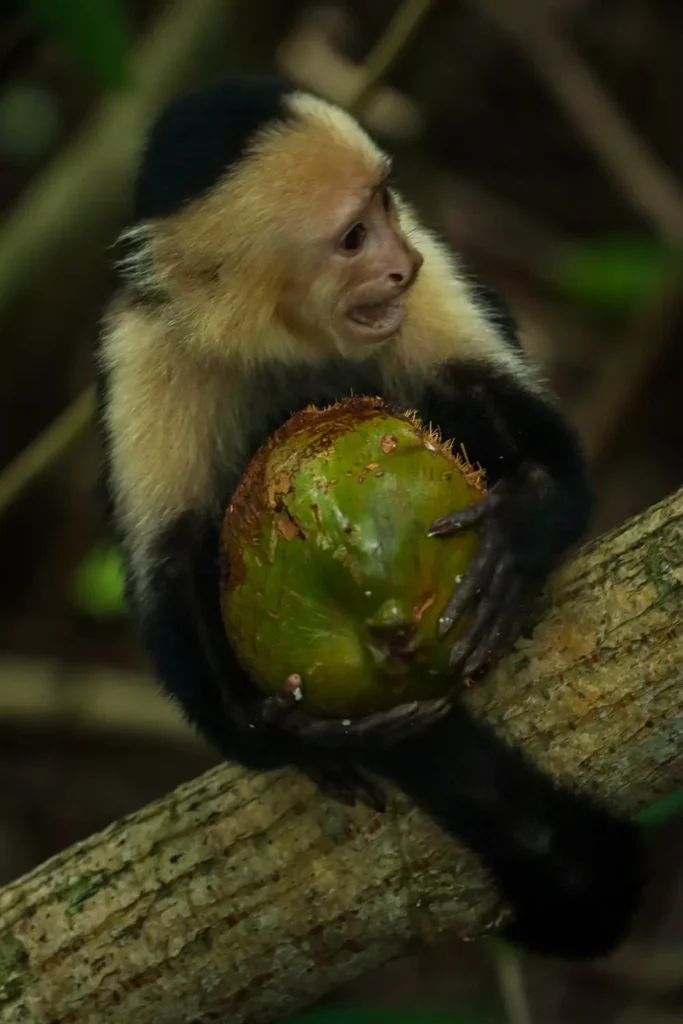
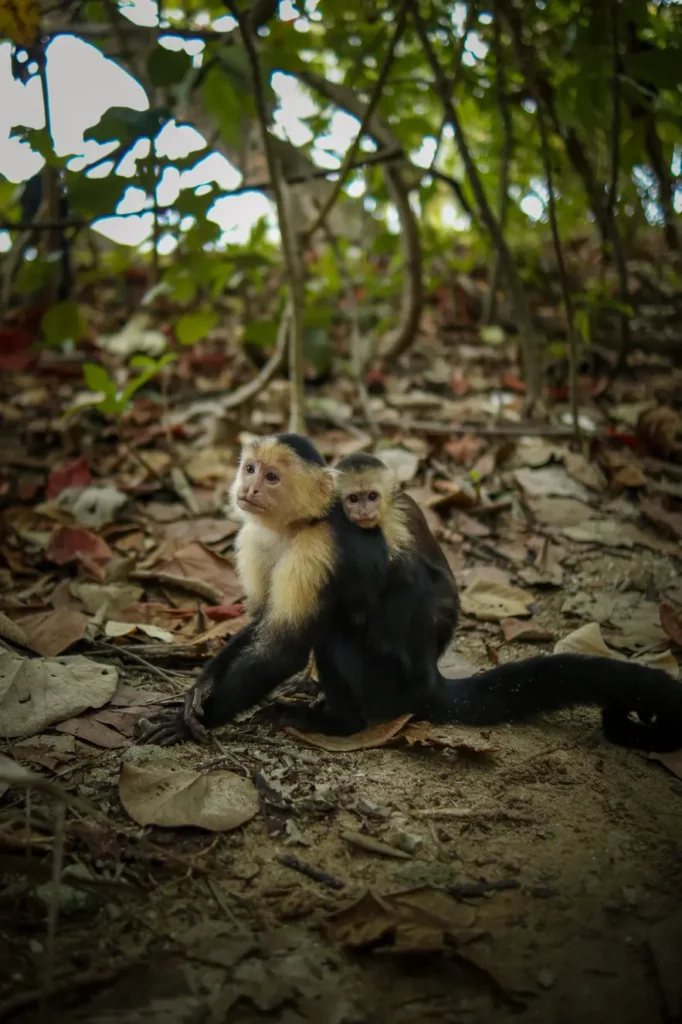
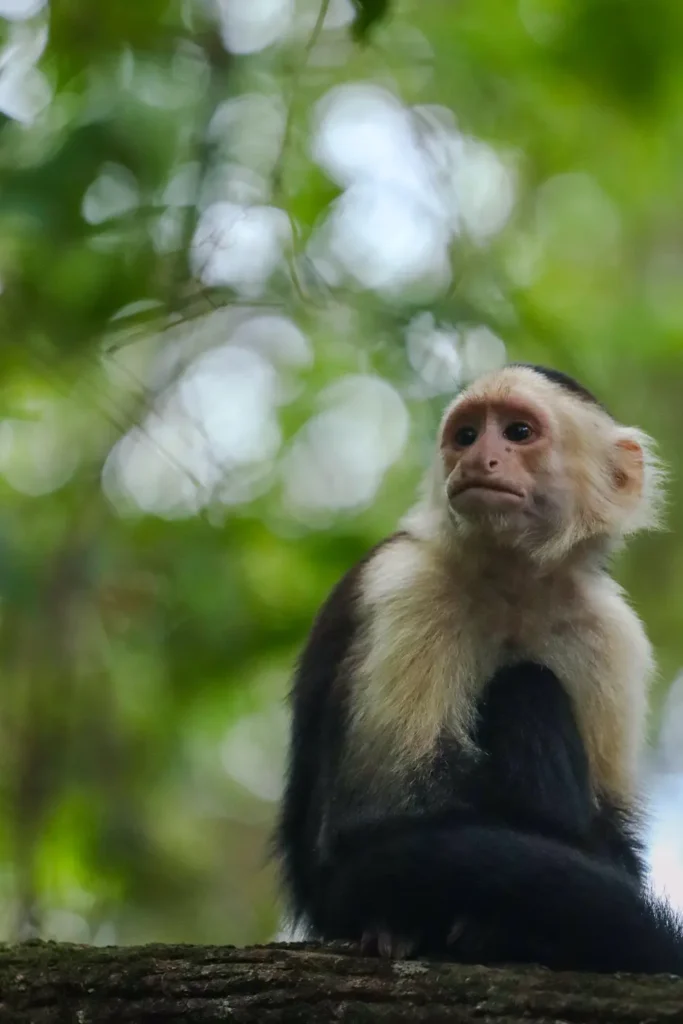
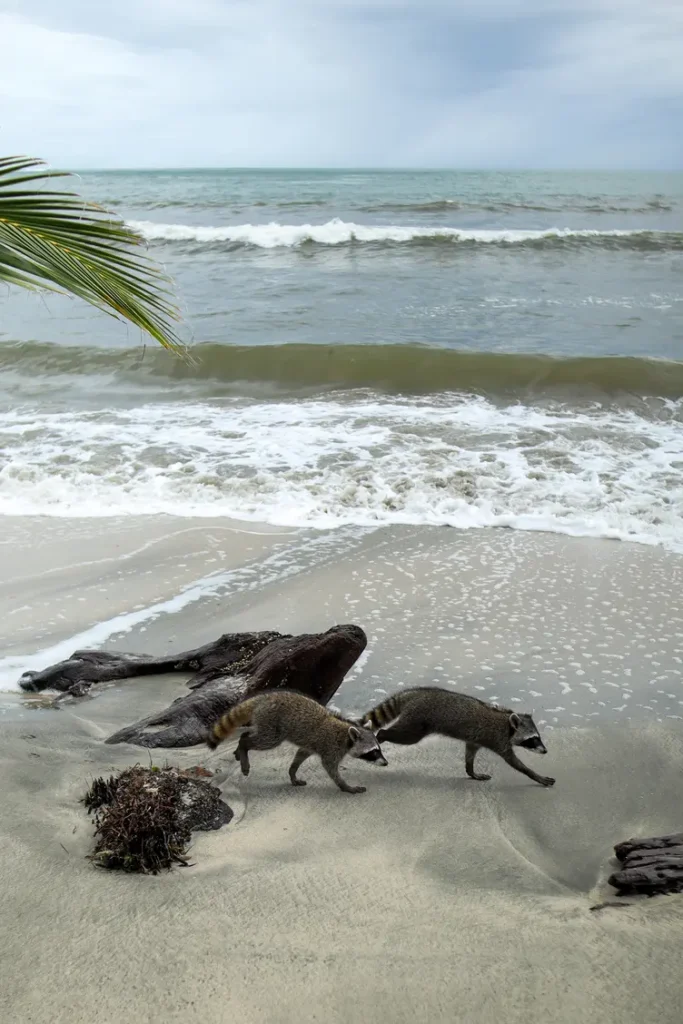
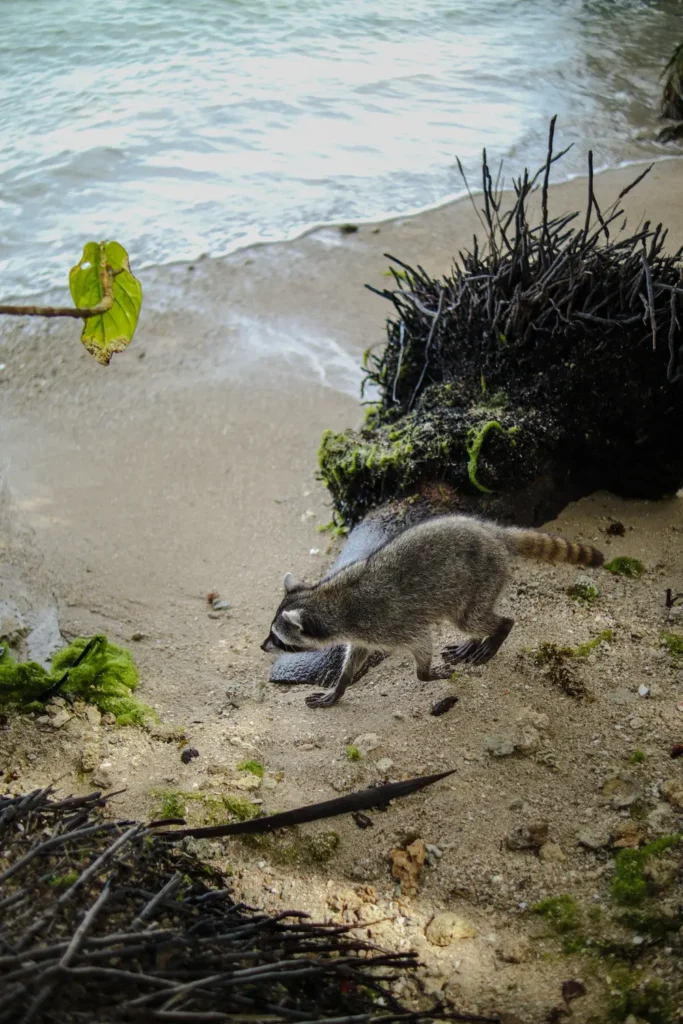
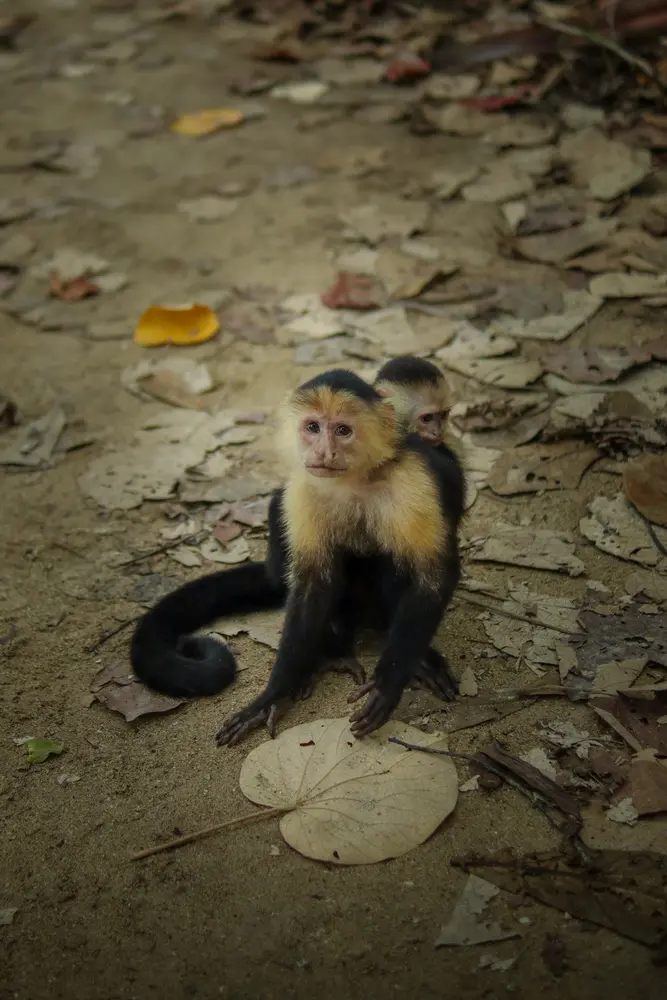
Wildlife spotting is also surprisingly easy. I saw raccoons, monkeys, and some really cool butterflies without even trying. You don’t need special skills or patience here, just keep your eyes open.
There are also beaches inside the park. I didn’t stop to swim, but it’s absolutely possible and probably feels amazing after a long walk in the heat and humidity. Just know that some areas aren’t great for swimming due to currents. I’ll explain which spots are safer later in the guide.
Where is Cahuita National Park
Cahuita National Park is located on Costa Rica’s Caribbean coast, in the Limón province.
Here’s how it sits in relation to nearby places:
- Right next to Cahuita, you can walk to one of the entrances from town
- About a 25-minute drive from Puerto Viejo
- Roughly 40 minutes south of Limón
Staying nearby makes visiting the park very easy. A lot of travelers choose to visit Cahuita National Park while staying in Puerto Viejo. The distance isn’t long, and it works well as a half-day trip by car, taxi, or bus.
The 2 entrances to Cahuita National Park
Cahuita National Park has two different entrances, and choosing the right one can make your visit much easier. Both give access to the same coastal trail, but the experience at the start and end is not the same.
This is the key thing to know when planning a visit to Cahuita National Park. The main trail is one-way. You can walk it back and forth, but it doesn’t really make sense. Starting at one entrance and finishing at the other is easier and saves energy.
Cahuita Town Entrance/ Kelly Creek Station
- Donation-based entrance system
- The donation is optional, not mandatory. But you should provide a contribution
- Located at the edge of Cahuita town
- Google Maps location
Most people start here because it’s cheaper (donation-based) and very accessible. There are a few restaurants nearby, which is handy before or after the hike. I ate at Soda Kawe, and the food was really good. Simple, local, and filling.
From this entrance, you start the trail close to the beach. You’ll usually spot wildlife early on, especially monkeys and raccoons near the forest edge.
Puerto Vargas Entrance
- Cahuita National Park entrance fee here is 3000 colones (~6 USD/ 5€)
- Located south of Cahuita town
- Google Maps location
In my opinion, this entrance makes more sense logistically. There’s a large parking area, which is great if you’re driving. When you finish the trail on the Cahuita side, you have more food options and it’s easier to catch a bus or taxi back.
The Puerto Vargas entrance is not right on the main road. You still need to walk a bit from the parking area to reach the trail, and again at the end to get back to where buses pass.
💡 EXTRA TIP: Getting back is easy, and it’s much simpler to find transport from the Cahuita town entrance than from Puerto Vargas. Buses pass more often and taxis are easier to get. The bus costs about 3 USD (~2.6€) per person, while a taxi is around 10 USD (~8.5€) total. We chose a taxi for the flexibility, and with two people, the 4 USD difference felt worth it after a long, humid walk.
Cahuita National Park entrance fee
The Cahuita National Park entrance fee depends on which entrance you use. This is one of the things that often confuses first-time visitors.
At the Cahuita town entrance, the system is donation-based. There’s no fixed price, and the donation is optional. A commonly suggested amount is around 5 USD (~4.2€), but you can give less or more. You pay at the small stand near the entrance, and they accept card payments, which is convenient if you don’t have cash.
At the Puerto Vargas entrance, there’s a fixed fee of 3000 colones (~5€/ 6 USD), and this already includes parking right next to the start of the trail. We paid in cash, in colones, and the process was quick and straightforward.
Cahuita National Park opening hours
Cahuita National Park officially opens from 7 am to 4 pm, even though some official sources still mention 8 am. On the ground, entry from 7 am is normal.
I strongly recommend starting in the morning. The trail is a bit long, the heat builds up quickly, and the park closes relatively early, like most places in Costa Rica.
The last recommended entry time is around 12 pm if you want enough time to walk the full trail without rushing. Entering later than that makes the visit feel tight and stressful.
For wildlife spotting, mornings are best. Animals are more active, temperatures are lower, and there’s usually less noise from other visitors, which makes sightings easier.
How to get to Cahuita National Park
Getting to Cahuita National Park is straightforward, especially if you’re already on the Caribbean coast. Here’s how to do it depending on where you’re coming from.
» From Cahuita town
- Walking distance from town (if you’re entering through the Cahuita entrance), depending on where you’re staying
- Very easy access if you’re sleeping nearby
Even so, I actually suggest starting the day by taking transport to the other entrance and finishing the walk in Cahuita town.
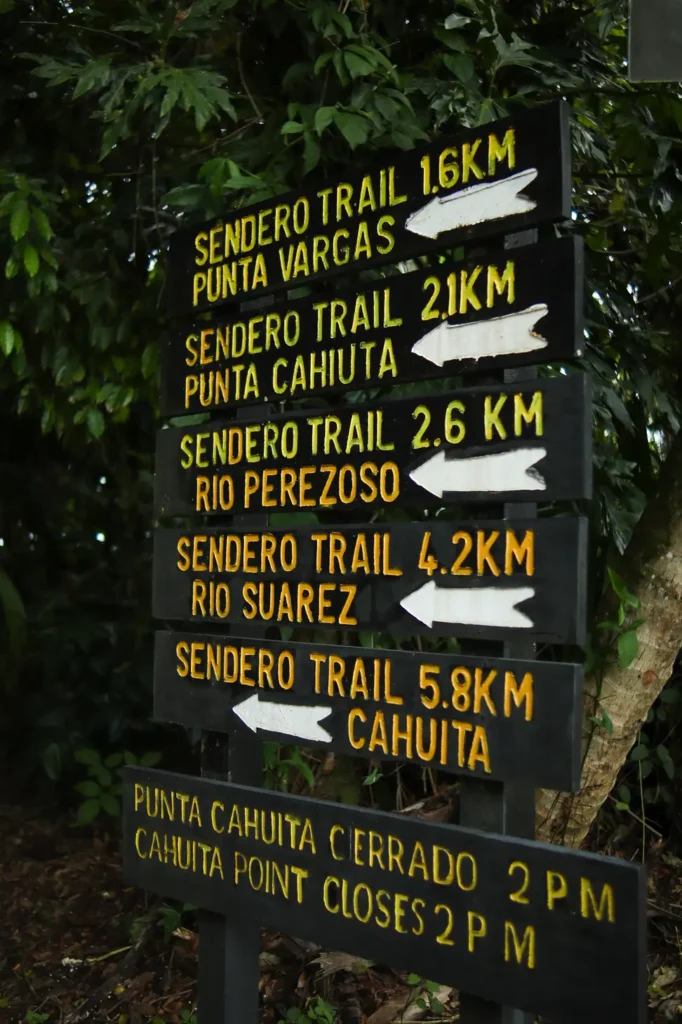
That way, you end the hike close to restaurants, buses, and your accommodation, and you can simply walk back instead of arranging transport when you’re tired.
Parking is available near town if you’re driving, but spaces are limited during busier hours.
» From Puerto Viejo
- Driving time is about 15 minutes
- Renting a car is easy on the Caribbean coast, and DiscoverCars is a solid option for comparing prices in Costa Rica
Parking is available near both entrances, with the largest and easiest parking area at Puerto Vargas.
A taxi from Puerto Viejo costs around 25 USD / 21€, depending on where you’re staying.
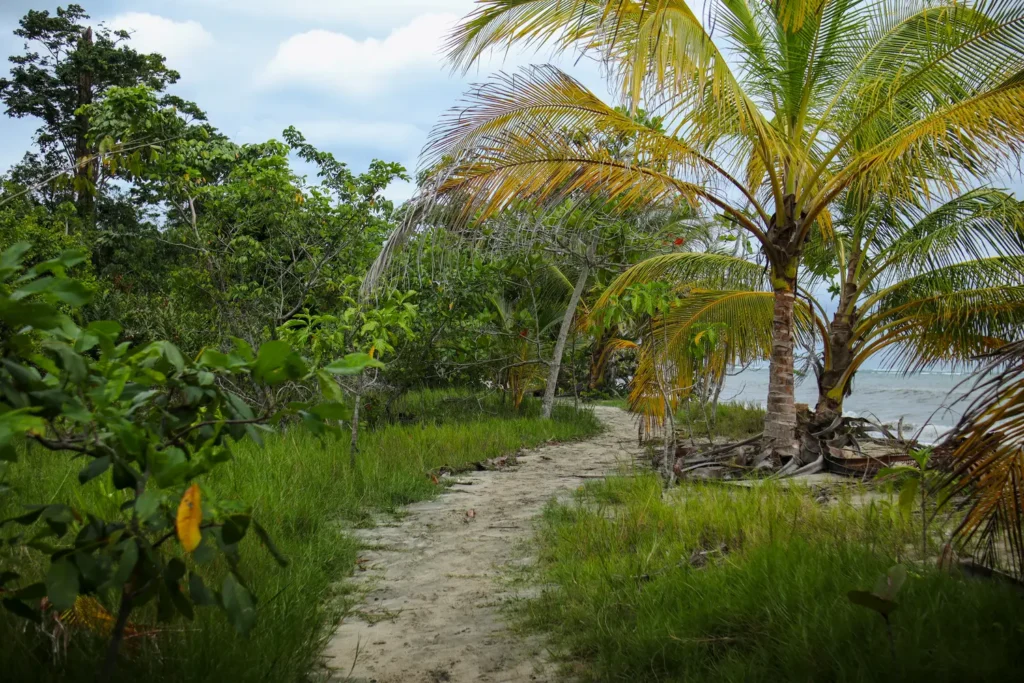
If you’re planning to take the bus from Puerto Viejo to Cahuita National Park, go to the center of Puerto Viejo the day before. Check schedules and prices in advance, as they don’t always run very frequently. You can check the bus stop and info point here.
This also works well for the return trip from Cahuita to Puerto Viejo, especially if you finish the hike on the Cahuita side.
» From San José
- Several bus options connect San José to Cahuita
- You can compare routes, times, and prices here
Travel time is usually 4.5 to 5 hours, depending on traffic and stops.
Driving from San Jose takes roughly the same amount of time. The distance is around 200 km.
I don’t recommend visiting the park on the same day you arrive from San José. It’s much better to travel the day before, stay overnight in Cahuita or Puerto Viejo. This way, you’ll visit Cahuita National Park the following morning without rushing.
💼 TRAVEL INSURANCE: It’s one of those things you hope you won’t need… but it can save you a lot of money and stress if something goes wrong.
I personally use Heymondo because it offers strong coverage at a reasonable price, including medical expenses, lost luggage, and electronics.
What I like most is how easy it is to manage everything through their app, especially if you ever need assistance while traveling.
🎉 Get 15% off until June 28. The discount is already applied through the link below, but only for a limited time.
If you’ve been planning a trip, this is a good time to secure your policy before the offer ends.
Cahuita National Park Map & Trail Overview
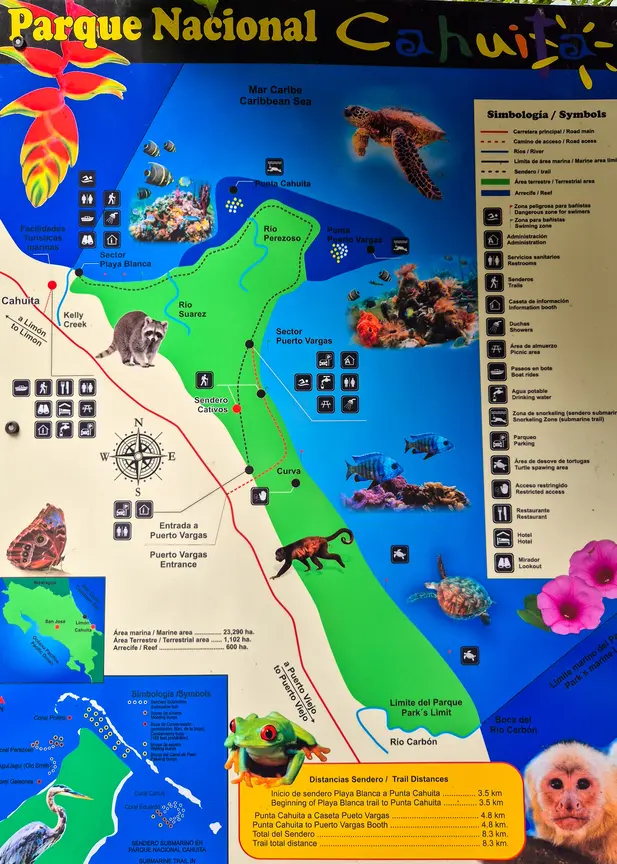
There is one main trail at Cahuita National Park. It’s very simple to follow, which makes this hike feel approachable even if you’re not used to long walks. The main trail runs for about 8 km, starting at Playa Blanca near Cahuita town and ending at Puerto Vargas (or the other way around if you start at Puerto Vargas).
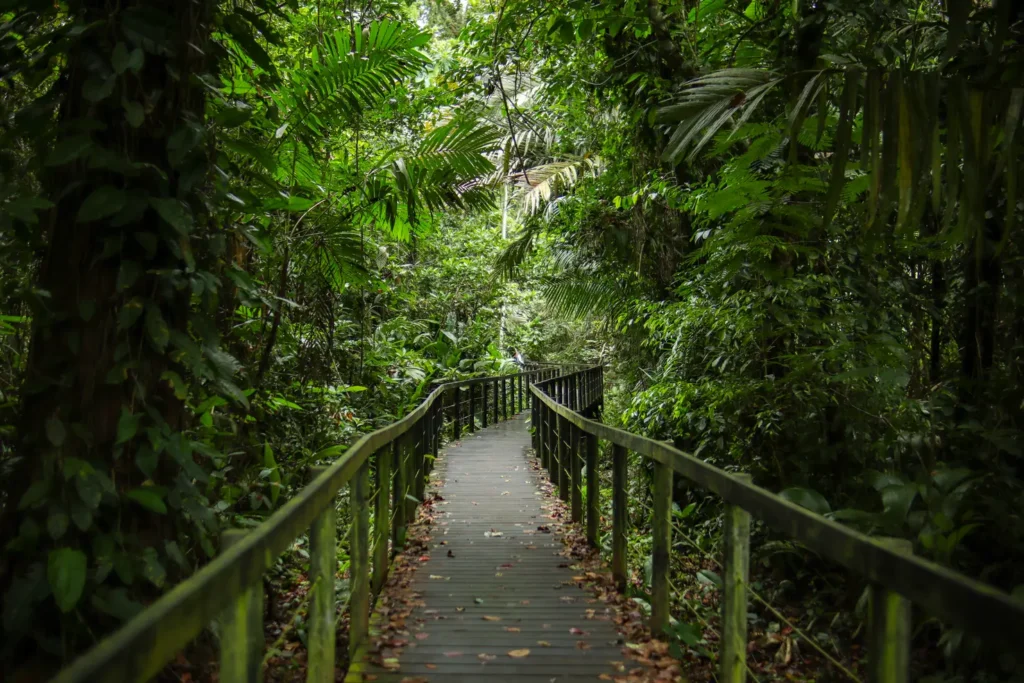
The trail is a bit long, but it’s mostly flat, which makes it much easier than it sounds. It’s straightforward from start to finish. At some points, you’ll see signs with different trail names, which can feel confusing, but the rule is simple. Just keep going straight. There’s really no way to get lost.
This is a one-way hike, and while we did see a few people walking back the same way, it doesn’t make much sense. It’s more tiring and takes away from the experience. Starting at one entrance and finishing at the other is the better option.
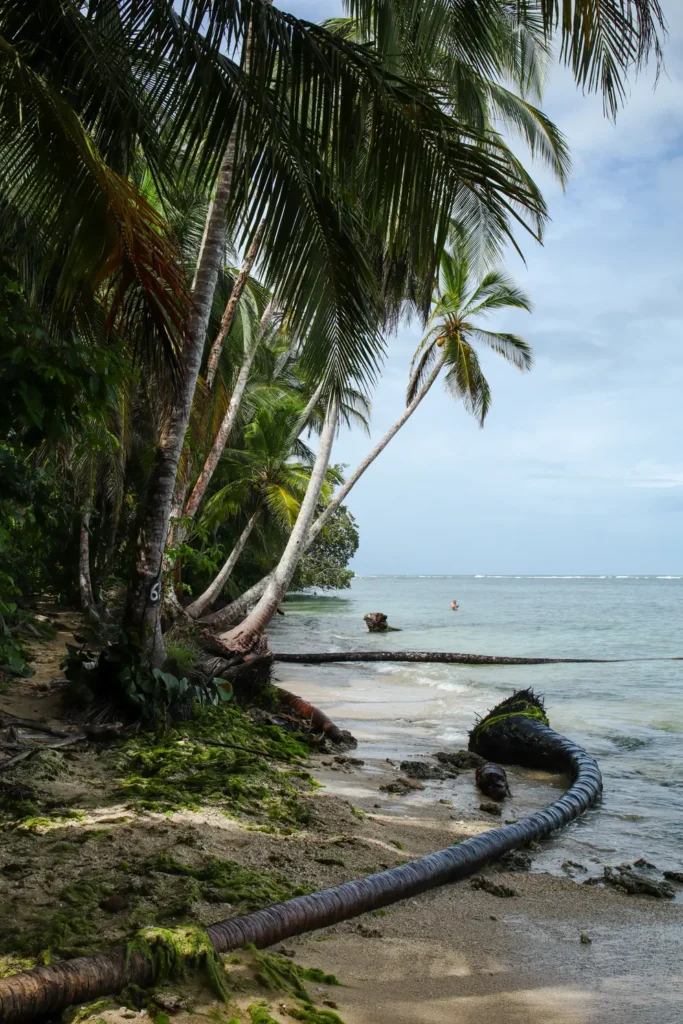
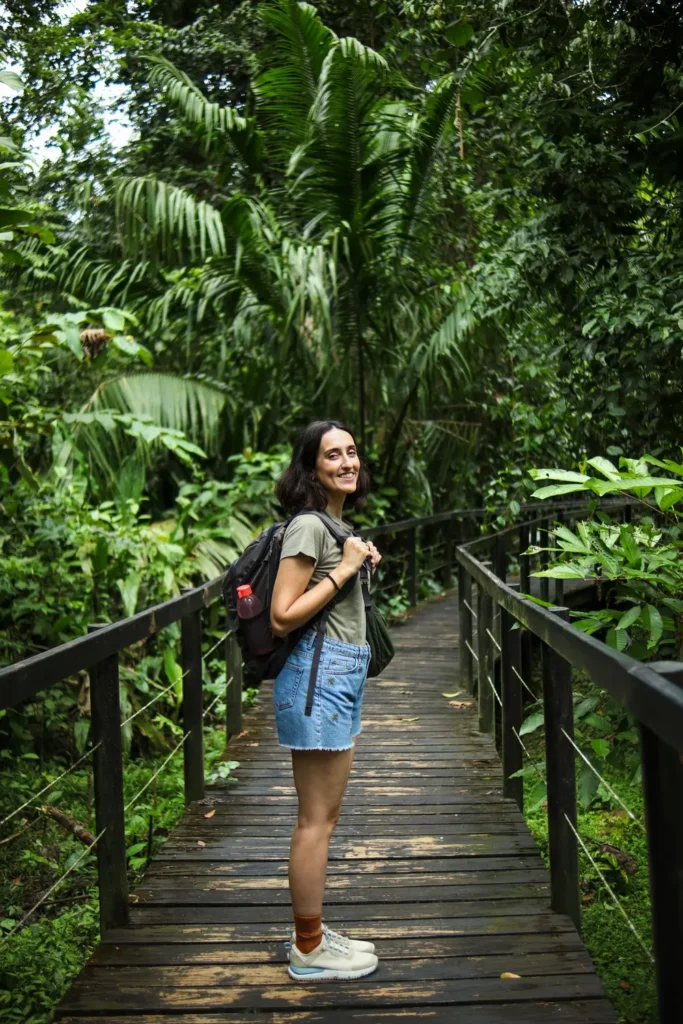
How long it takes depends on your pace. We stopped a lot for photos and wildlife, and still spent around 4 hours inside the park. If you walk faster and don’t stop as much, you can do it in less time.
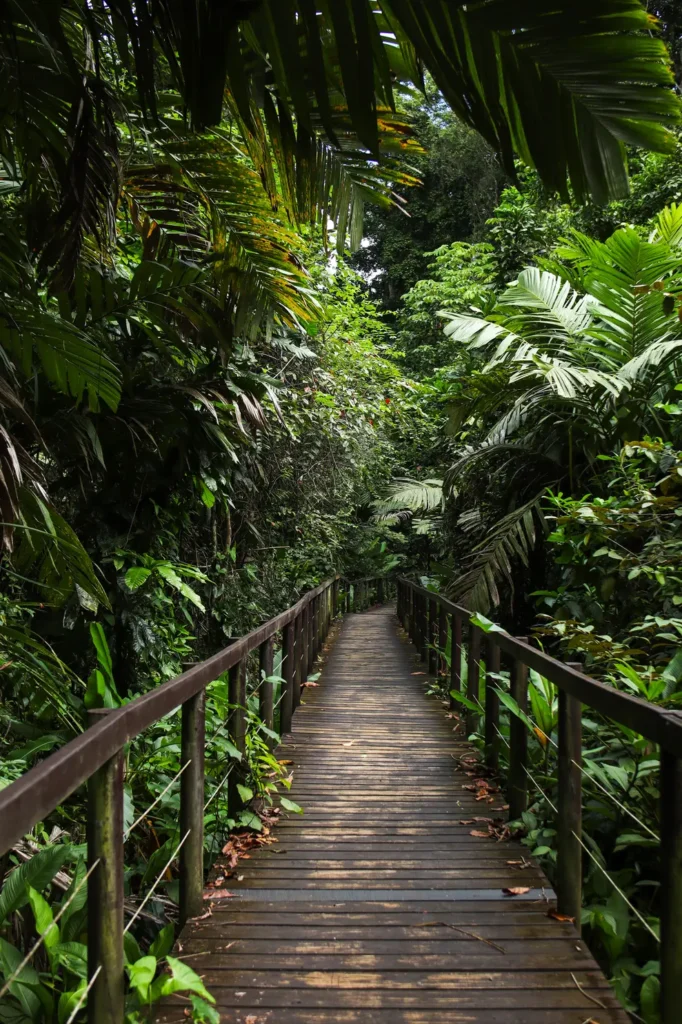
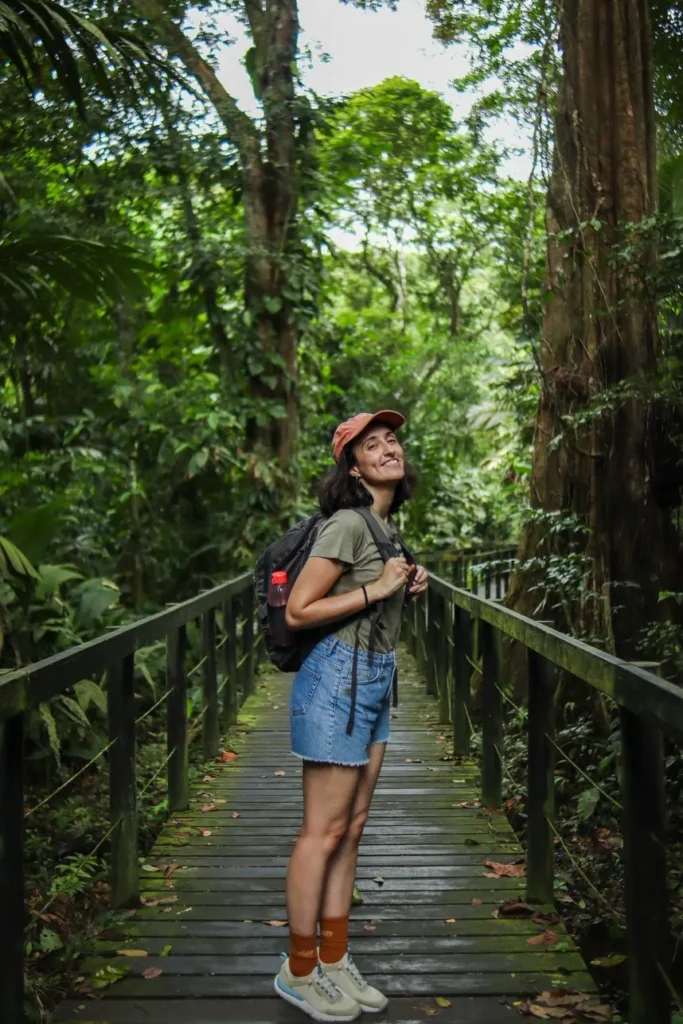
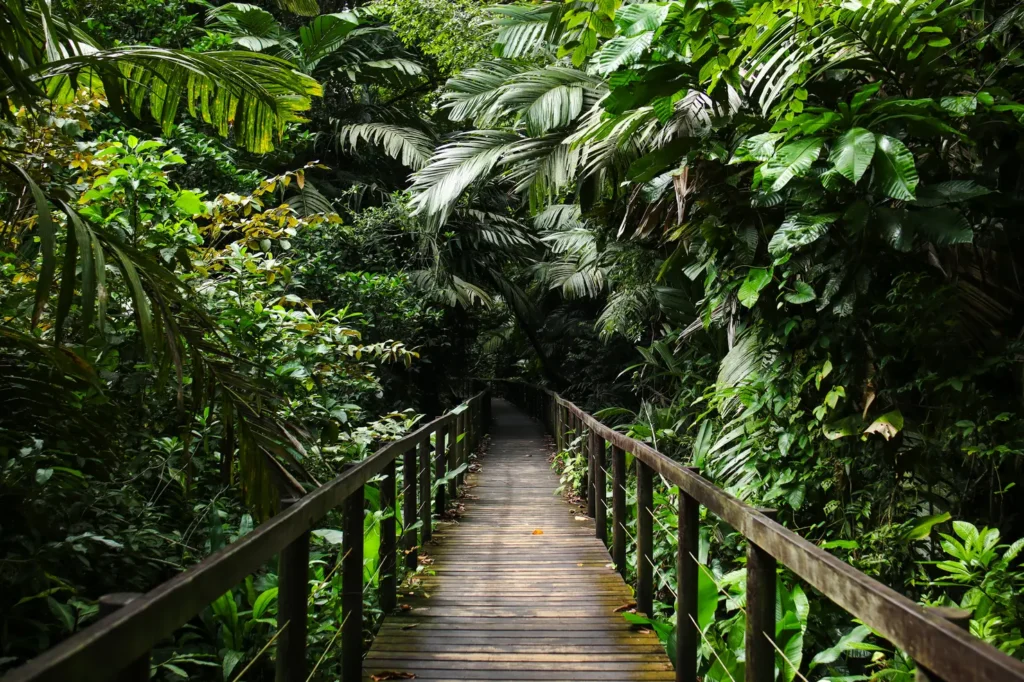
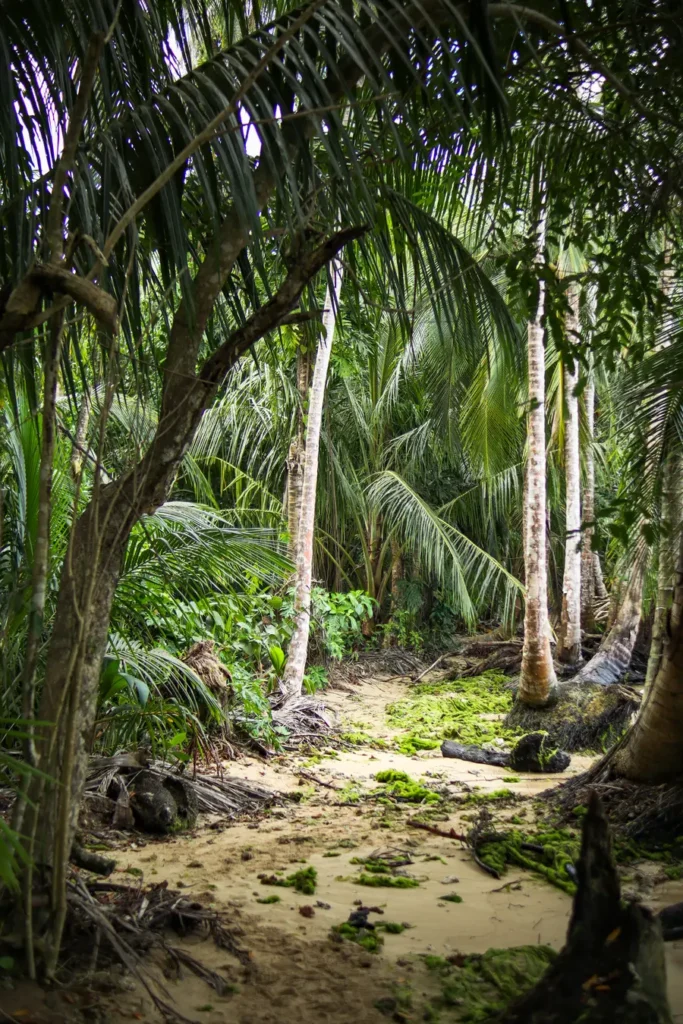
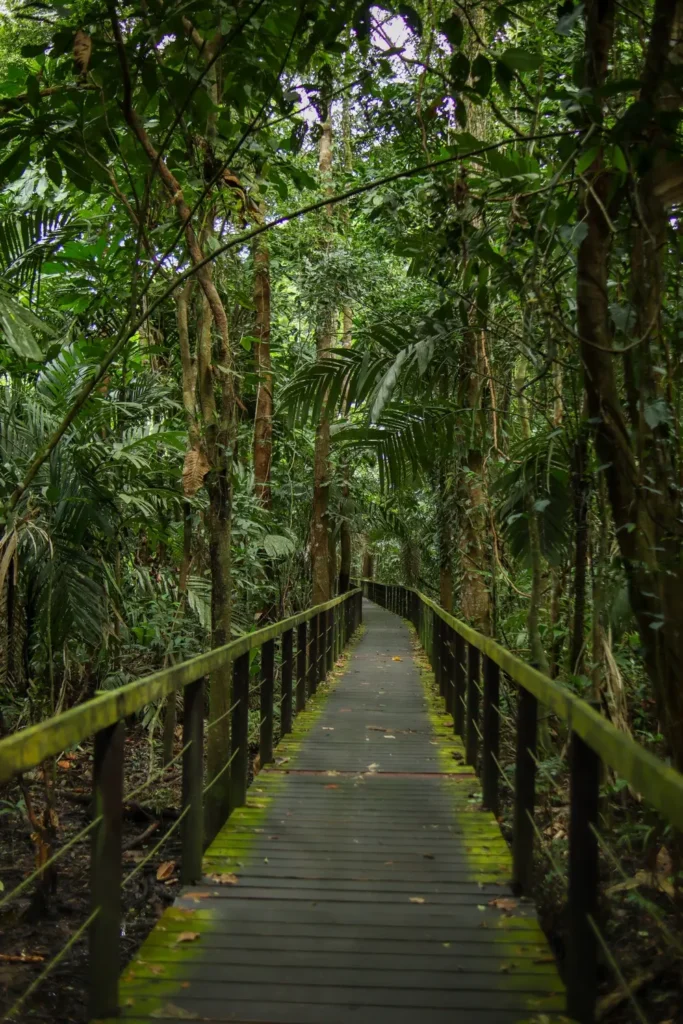
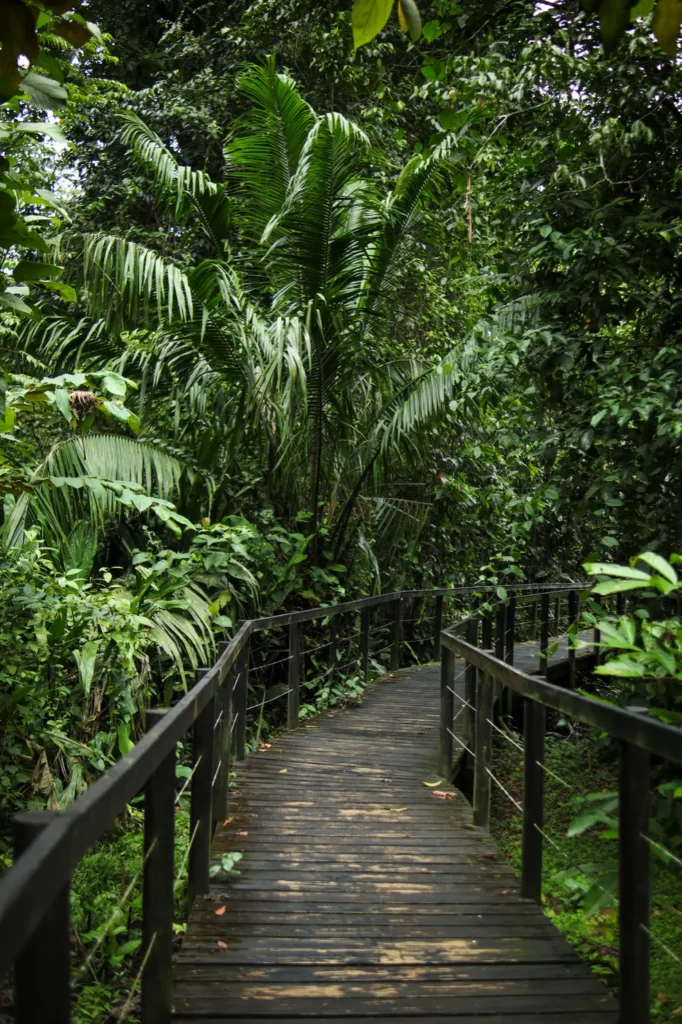
The first 2.5 km are on wooden boardwalks, and this was honestly one of my favorite parts. You walk through the forest until you reach the first beach, Playa Puerto Vargas. After that, the trail changes. Some sections run right next to the sea, and a few parts involve walking over rocks and shallow water, which can be a bit trickier to pass.
Where to stay to visit Cahuita National Park
Choosing where to stay can shape your whole experience, especially if you want to keep things easy and flexible.
Staying in Cahuita town
Staying in Cahuita is ideal if you want a quiet base close to nature.
Pros of staying nearby:
- Walking access to one of the park entrances
- Easy logistics on visit day
- Calm atmosphere, especially in the evenings
Who it’s best for:
- Travelers without a car
- Those who prefer a slower pace
- Anyone who wants to visit the park early without transport planning
Staying in Puerto Viejo
Puerto Viejo is a very popular base for visiting the park, and for good reason.
Pros of staying in Puerto Viejo:
- More accommodation options
- Better restaurant variety
- Livelier nightlife
- Only 15 minutes by car from the park
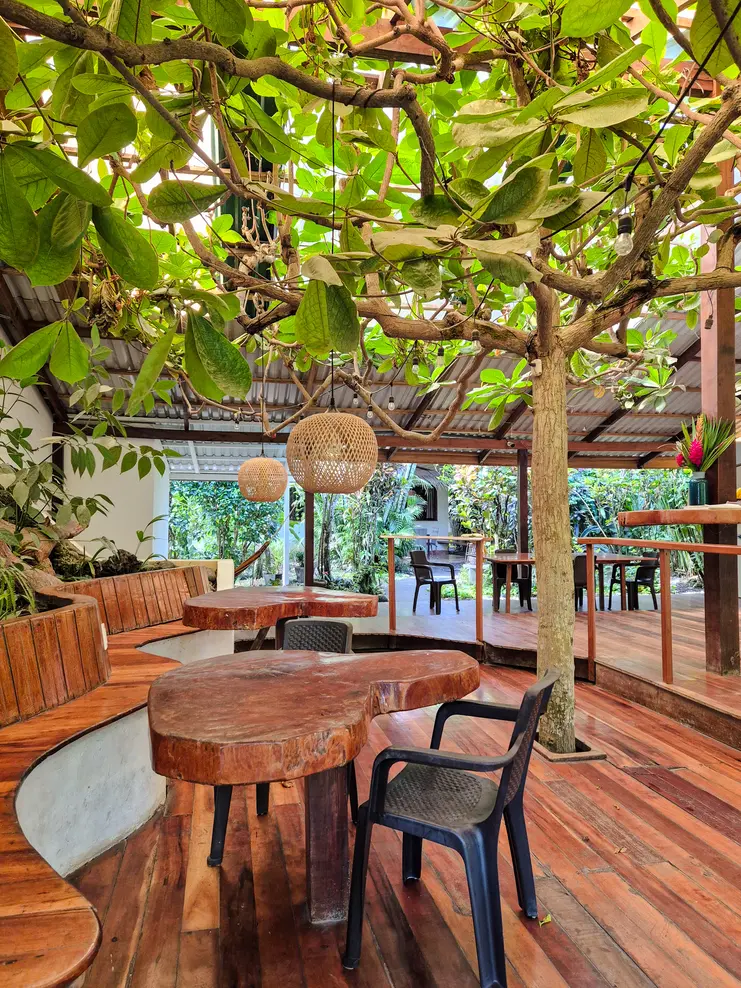
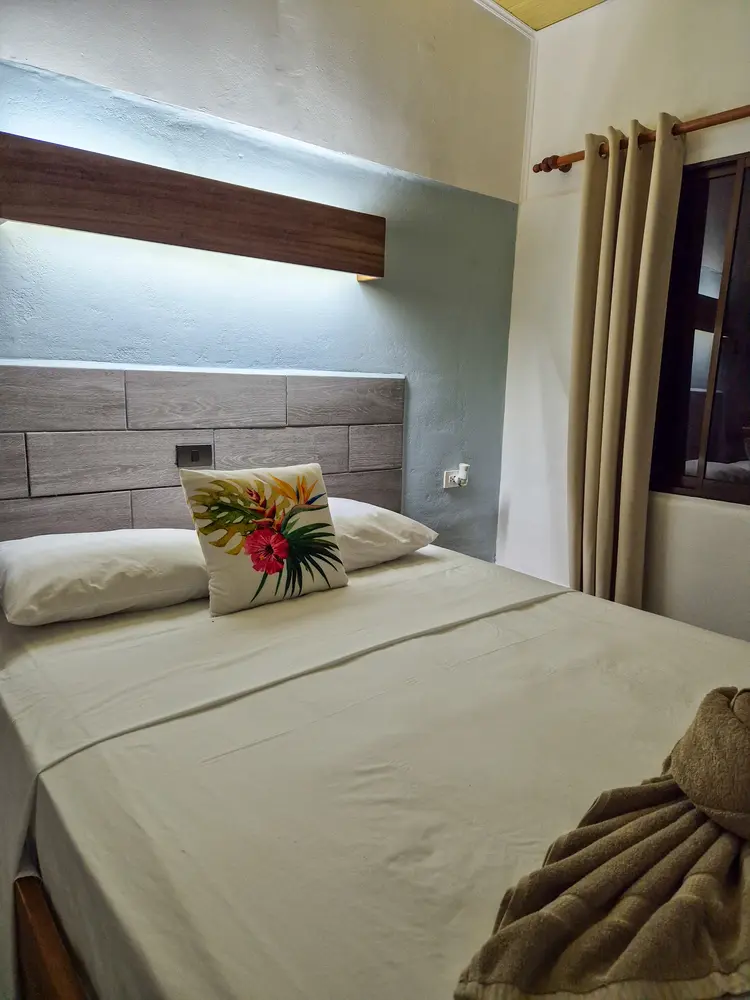
I stayed at Cabinas Montesol, and I really recommend it. The room was comfortable, nothing fancy, but exactly what we needed.
There’s parking, it’s a short walk from the center of Puerto Viejo, and it felt practical and relaxed. We stayed there for three nights, and it worked perfectly as a base for exploring the area.
If you want more choice and a livelier vibe after hiking, Puerto Viejo is the better option. Here are other accommodation options in Puerto Viejo:
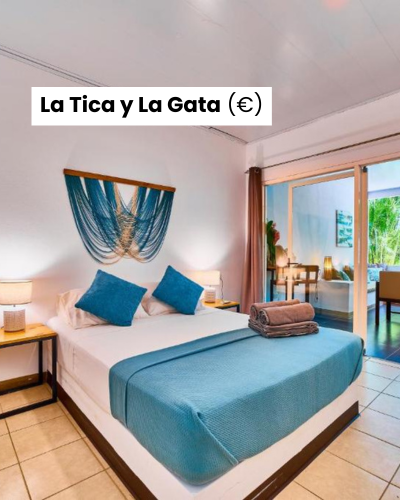
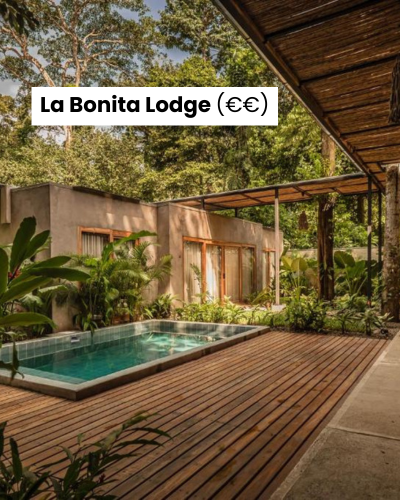
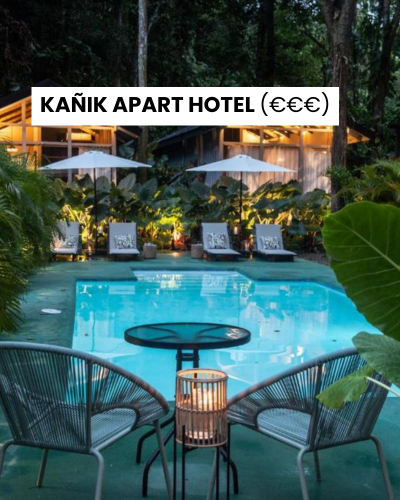
Hiking in Cahuita National Park
Main Coastal Trail
The main trail is about 5 miles/ 8 km, and it’s what most people mean when they talk about Cahuita National Park hiking. On paper, it sounds long. In reality, it’s manageable because the trail is almost completely flat.
The difficulty comes from the humidity, not the terrain. That’s what made it harder for me. The toughest section was near the beach. There were a few obstacles on the ground, and walking close to the sea meant even more heat and humidity, which really adds up.
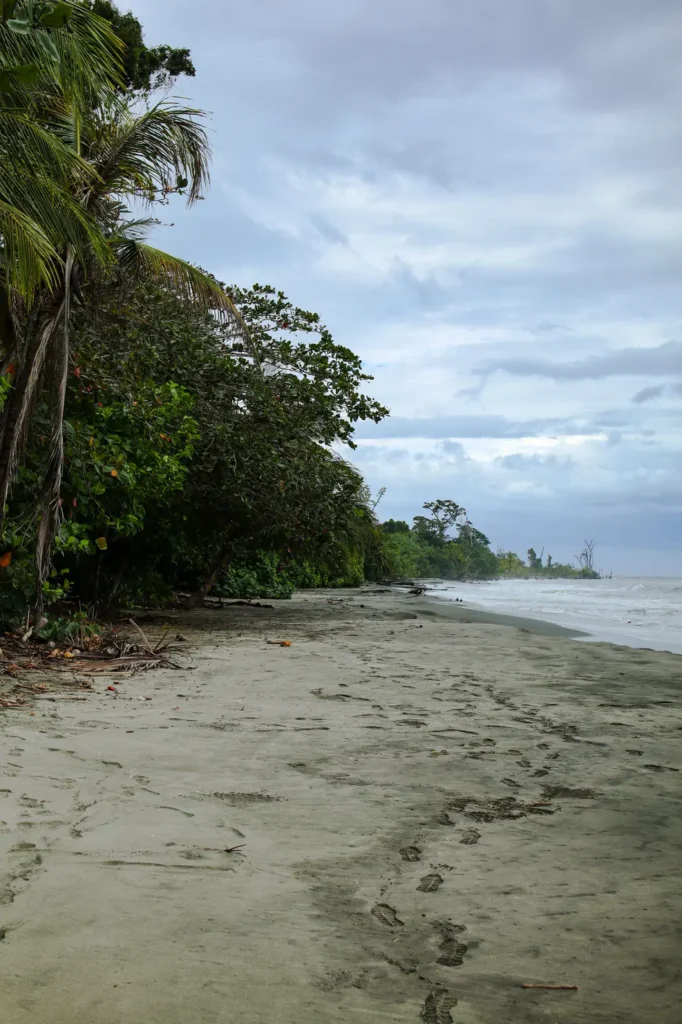
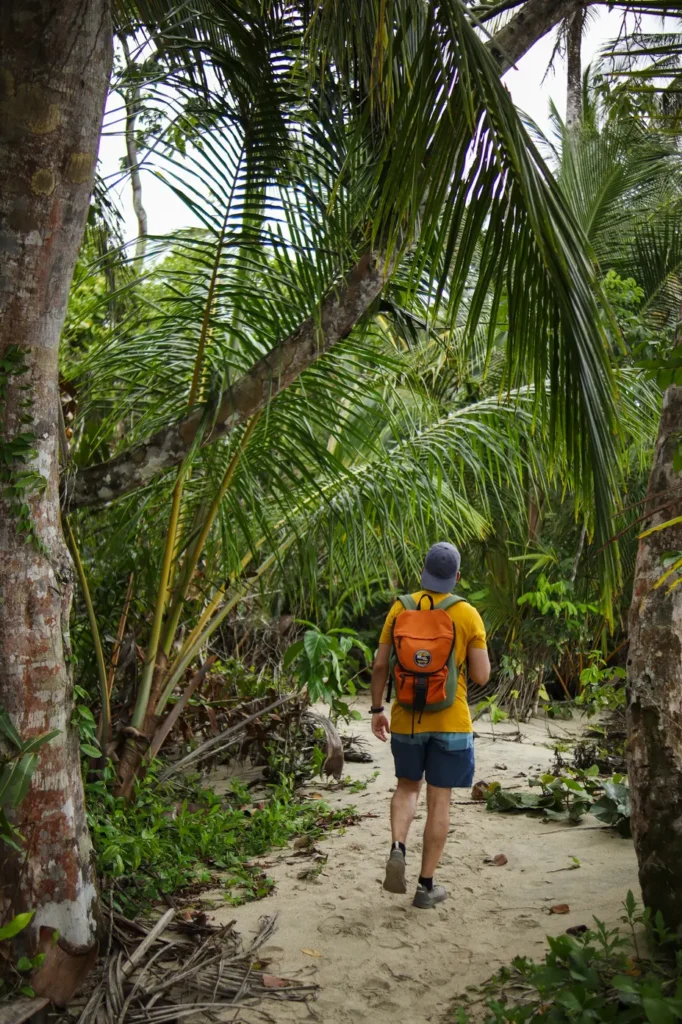
Here’s what you’ll see along the way, section by section:
- From the Puerto Vargas entrance to Playa Puerto Vargas, the boardwalks are beautiful. This was one of my favorite parts of the hike.
- Playa Puerto Vargas, the sea was rough when I visited. There were fallen trees, strong waves, and a lot of heat and humidity. You walk right next to the beach here.
- Punta Cahuita, a good spot to stop and eat something before continuing.
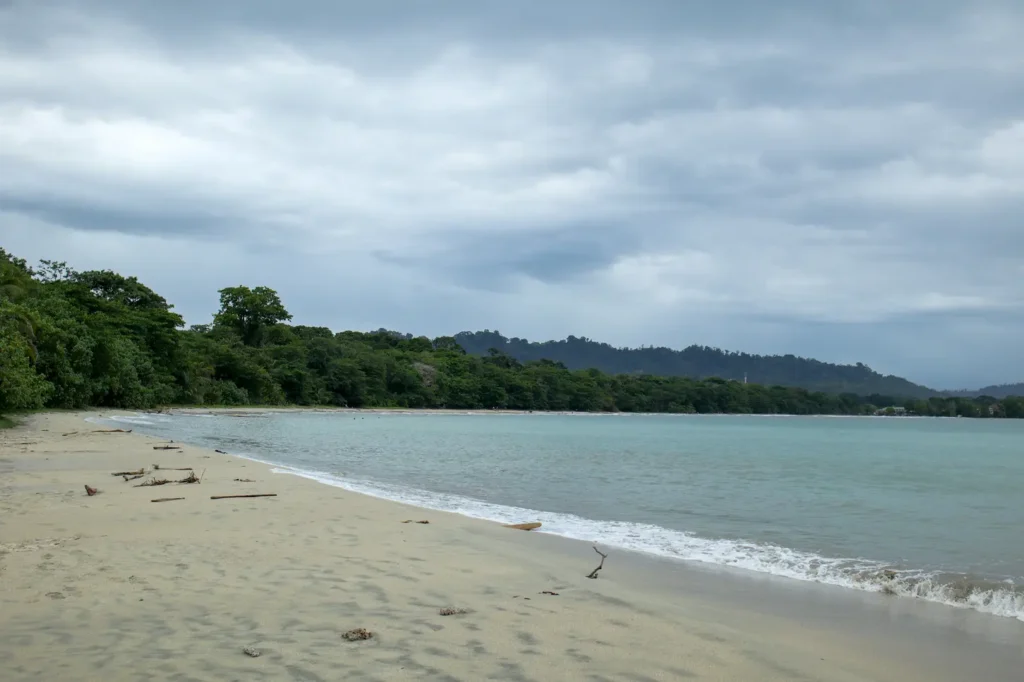
- From Punta Cahuita to the Cahuita entrance, more walking along the beach and forest edges. We thought about going into the water, but the sea was too rough and the sky started to close in. This beach is also much busier, since most visitors enter from this side.
Is the hike suitable for everyone?
You don’t need to be super fit to do this hike. A basic fitness level is enough, as long as you’re comfortable walking for a few hours in hot and humid weather.
We saw families with small kids on the trail. I’m not sure they did the full route, but the initial boardwalk section is much easier and works well for shorter walks.
What makes this one of the easiest national park hikes in Costa Rica is the lack of elevation. No steep climbs, no technical sections. Just a long, flat walk with plenty to see along the way.
Wildlife you can see in Cahuita National Park
Wildlife is one of the main reasons to visit Cahuita National Park, and it’s one of the places in Costa Rica where spotting animals feels genuinely easy.
Common animals you can see here include:
- Sloths
- Monkeys
- Raccoons
- Iguanas
- Birds
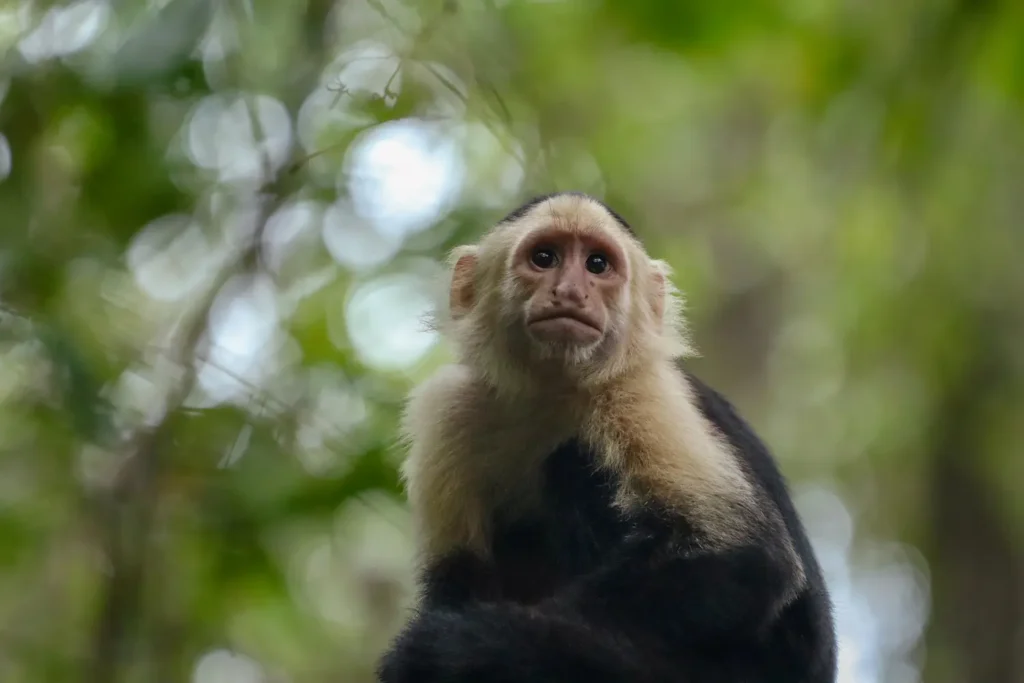
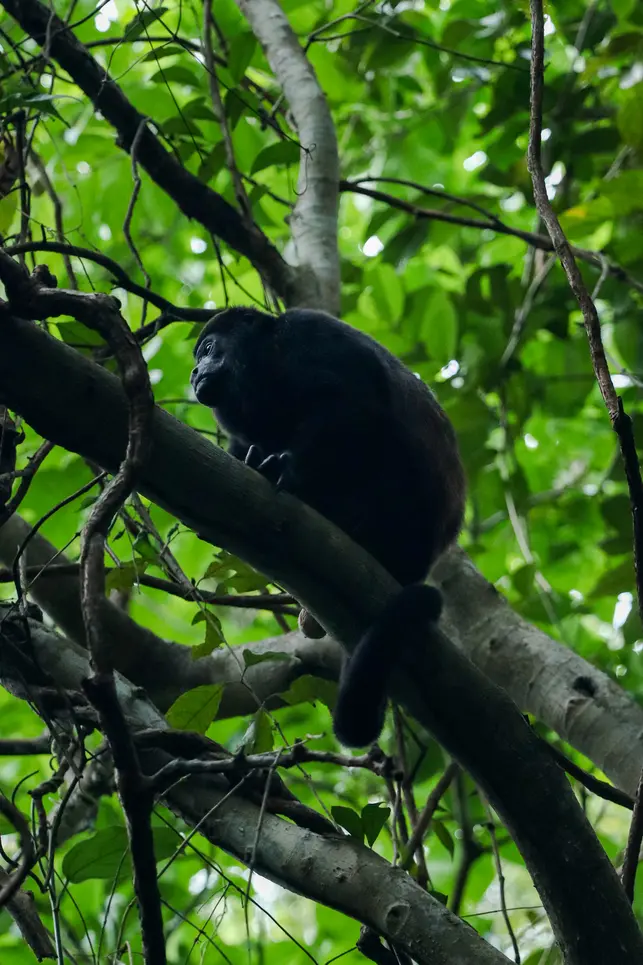
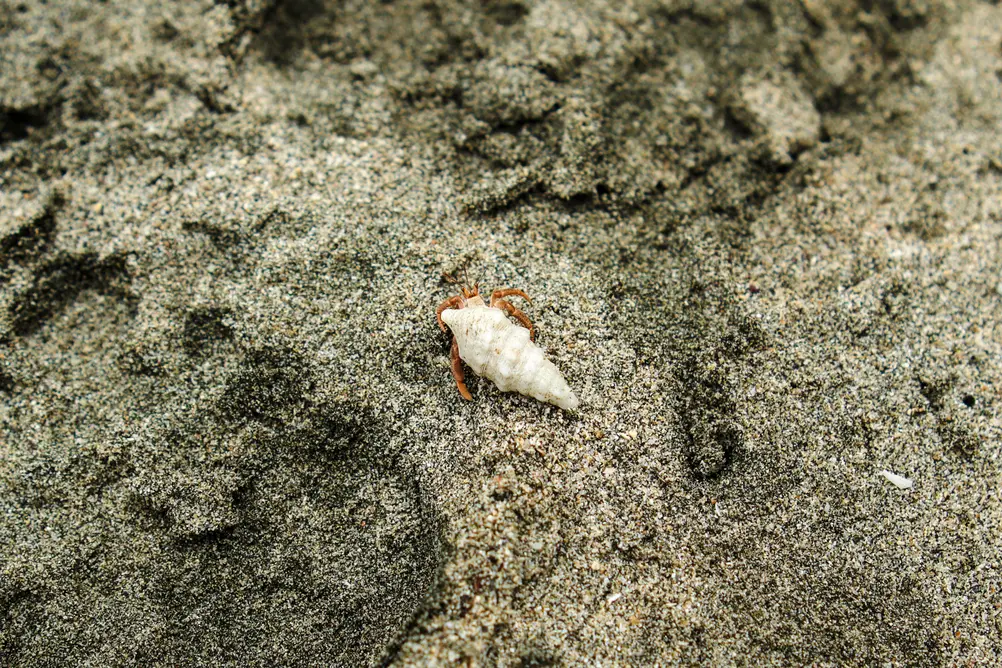
During my visit, we saw butterflies, capuchin monkeys, howler monkeys, raccoons, and crabs, all without a guide. Most sightings happen along the main coastal trail, especially near fruit trees, forest edges, and quieter sections away from the busiest beaches.
The best time of day to see wildlife is in the morning. Animals are more active, it’s cooler, and there’s less noise on the trail.
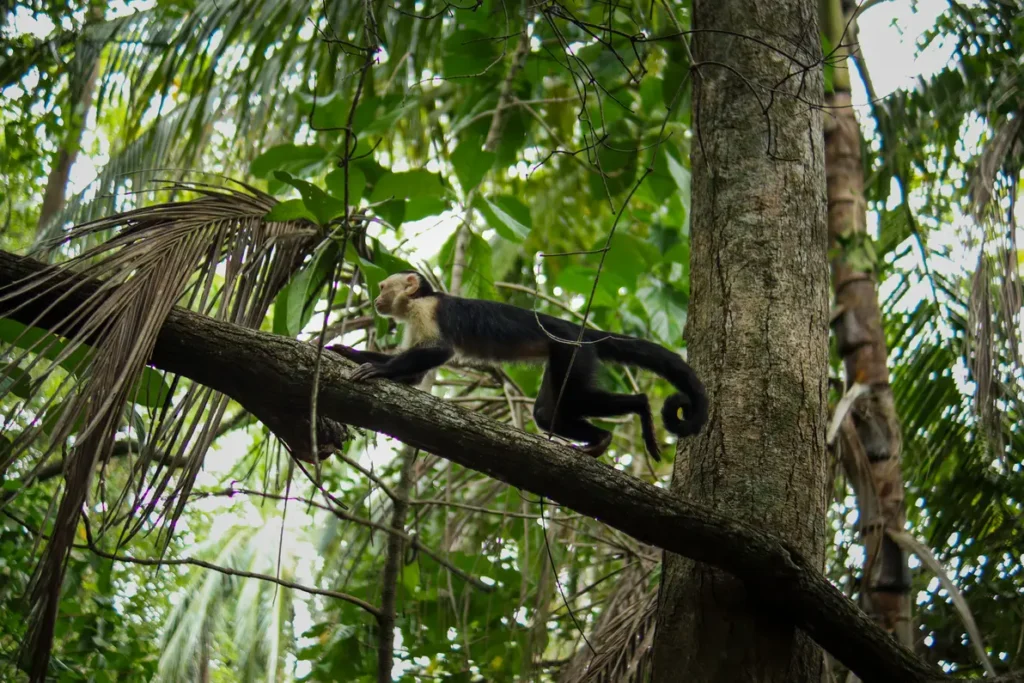
One thing I really loved was the atmosphere on the hike. There was a quiet, collaborative spirit among visitors. Whenever someone stopped and looked up, they’d tell others what they were seeing. People spoke softly to avoid scaring the animals, and it felt like everyone was working together so no one missed out.
Beaches inside Cahuita National Park
One of the nicest surprises about Cahuita National Park is that the trail passes several beaches. You’re never far from the ocean, which makes the long walk feel lighter, even if you don’t end up swimming much.
Playa Blanca
- Located near the Cahuita town entrance
- Easy to reach at the end of the hike (if starting at the Puerto Vargas entrance)
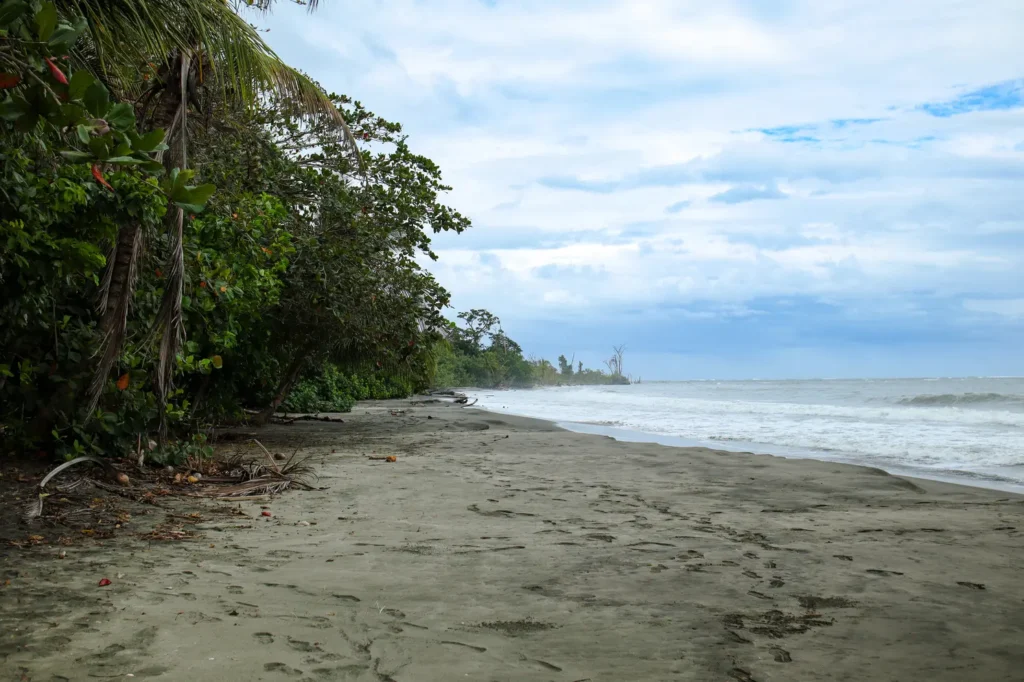
Swimming here can be tricky. Some areas are dangerous due to strong waves, but they’re clearly marked. We planned to go to the beach at the end of the trail, but when we reached Playa Blanca, the waves were strong and we decided to skip it.
There are shaded areas thanks to the trees nearby, which makes it a good spot to rest, even if you don’t go into the water.
Playa Puerto Vargas
- Located near the second entrance
- Much quieter than Playa Blanca
This beach feels more peaceful because fewer people reach it. It’s a nice place to slow down, sit in the shade, and take a break. Swimming depends a lot on sea conditions, so it’s best to check how rough the water looks before going in.
Important things to know about the beaches at Cahuita National Park
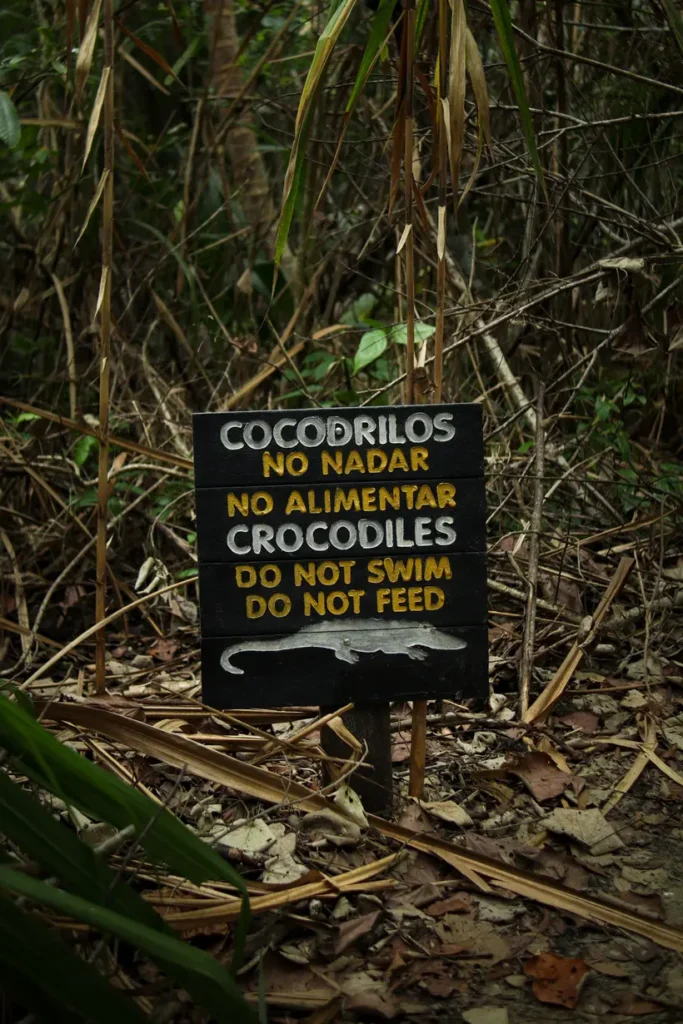
→ Some areas are dangerous due to currents, but these zones are clearly signposted
→ Along the trail, you’ll also find small beaches and quiet coves, which can be great spots to cool off halfway through the hike
→ Be careful with the manzanillo tree. It’s poisonous. Don’t touch the fruit, don’t sit under it, and avoid standing beneath it when it rains
Snorkeling in Cahuita National Park
Cahuita is well known for snorkeling because it protects one of the largest coral reef systems in Costa Rica. The reef sits close to shore, which makes it accessible, but also very sensitive.
The best conditions for snorkeling depend a lot on the sea. Calm water, good visibility, and low swell are key. This usually happens during the drier months on the Caribbean coast. Even then, conditions can change fast.
Snorkeling here is only done with a guide. After an earthquake affected the reef, independent snorkeling with your own gear is no longer allowed. This helps protect the coral and keeps visitors safe, since currents can be strong in certain areas.
Underwater, you can see colorful fish, coral formations, and sometimes rays or sea turtles if conditions are right.
If you want to do it properly, I recommend booking one of the highly rated Cahuita snorkeling tours like this one. It combines snorkeling and hiking in a way that makes the most of your visit.
This tour includes:
- A 15-minute boat ride to reach the snorkeling areas
- Two guided snorkeling sessions in protected reef zones
- Drop off at Punta Cahuita beach for a short break and fresh seasonal fruit
- A 1-hour guided hike inside the park with a certified local guide
- Use of professional wildlife spotting equipment, including an HD telescope
- Excellent chances to see monkeys, sloths, birds, poison dart frogs, iguanas, raccoons, and more
Visiting Cahuita National Park with or without a guide
Choosing between visiting on your own or joining a guided tour really depends on your budget, travel style, and where else you’re spending money in Costa Rica.
Visiting on your own
Personally, there are places where I think a guide makes a huge difference, like Monteverde. But since travel budgets are usually limited, I prefer to save guided tours for parks where wildlife is harder to spot. Cahuita National Park is not one of those places.
Pros:
- Full flexibility to walk at your own pace
- Much lower cost
- Easy logistics
Cons:
- Less information about the animals you see
- Wildlife can be harder to spot without trained eyes
That said, I still saw plenty of animals without a guide here, which is why I think visiting independently works very well in Cahuita.
Visiting with a guide
A guide definitely adds value, especially when it comes to spotting animals you’d otherwise miss. Guides know where to look and how to find wildlife even when it’s well hidden.
Typical Cahuita National Park tours last around 2 to 3 hours, which works well if you don’t want to do the full trail on your own.
A solid option is this well-rated 2.5 hour guided hike, which focuses on wildlife spotting and learning more about the park without rushing the experience.
A guide is especially worth it if:
- You want to learn more about wildlife and ecosystems
- You struggle to spot animals on your own
- You’re short on time
The only activity where a guide is mandatory is snorkeling on the reef. If you want to snorkel, you must join a guided tour.
Best time to visit Cahuita National Park
The Caribbean coast follows a different weather pattern than the rest of Costa Rica. Rainy and dry seasons don’t line up with the Pacific side, which is why Cahuita often surprises people.
The drier months on the Caribbean coast are usually February to April and September to October. These months tend to have calmer seas and better visibility, which makes them ideal for wildlife spotting and snorkeling.
The best months for wildlife and snorkeling are typically September and October, when the sea is calmer and rain is less frequent. Visibility is usually better, and conditions feel more stable.
The worst months to visit are usually December and January, when rain can be heavier and seas rougher, especially for snorkeling.
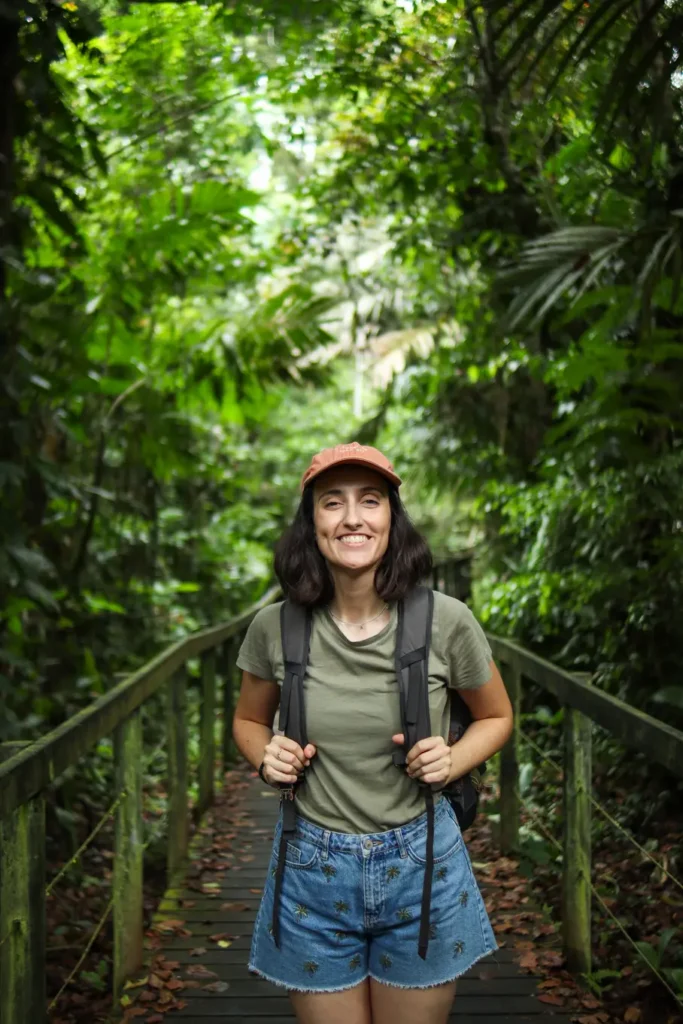
From personal experience, I visited at the end of November, and it was great. No rain, comfortable weather, and perfect conditions for hiking the trail without feeling rushed.
What to bring to Cahuita National Park
Packing the right things makes a big difference, especially with the heat and humidity.
Here’s what I recommend bringing:
- Lightweight clothes that dry quickly
- Comfortable walking shoes. Even though part of the trail runs along the beach, it’s still 8 km, and there are occasional obstacles
- Swimwear
- Hat and sun protection
- Rain protection, just in case
- Binoculars if you want a better chance of spotting wildlife
- A reusable water bottle. There are a few refill points along the trail, but not many
- Snacks or food if you plan to stay all day. I read online that food wasn’t allowed, but we weren’t checked when entering through Puerto Vargas. If you want to have lunch inside the park, you’ll need to bring it
- Bug spray
- Reef-safe sunscreen
- Phone or camera
Frequently Asked Questions about Cahuita National Park
» Is Cahuita National Park free?
Cahuita National Park is not completely free, but one of its entrances works on a donation system.
If you enter through the Cahuita town entrance, you’re asked to leave a voluntary donation, usually around 5 USD/~4.2€, but the amount is up to you. Card payments are accepted there.
If you enter through Puerto Vargas, there’s a fixed entrance fee of 3000 CRC (5€/6 USD), which also includes parking right next to the trail. Both entrances give access to the same main trail, so the difference is mostly logistical, not what you’ll see inside.
» How long does it take to visit Cahuita National Park?
Most visitors spend 3 to 4 hours inside the park. That’s enough time to walk the full 8 km/5 mi coastal trail, stop for photos, spot wildlife, and take short breaks.
If you walk faster and don’t stop much, you can do it in less time. If you want to relax on the beaches or take lots of wildlife photos, plan closer to half a day. You don’t need a full day unless you’re also snorkeling with a tour.
» Can you swim inside the park?
Yes, you can swim inside Cahuita National Park, but only in certain areas. Some beaches and sections have strong currents and are not safe for swimming, but these zones are clearly signposted.
Along the trail, there are also small coves and calmer spots that can be great for a quick dip, especially to cool off during the hike. Always check conditions before entering the water, and avoid swimming where warning signs are present.
» Can you visit Cahuita National Park in one day?
Yes, Cahuita National Park is perfect for a half-day or one-day visit.
Many travelers visit it as a day trip from Puerto Viejo or stay nearby in Cahuita town. You can easily hike the main trail, spot wildlife, and relax on the beach all in one day.
If you’re short on time, this park fits very well into a Caribbean coast itinerary without feeling rushed.
» Do you need to book tickets in advance?
No, you do not need to book tickets in advance for Cahuita National Park.
Unlike parks such as Manuel Antonio, entry here is handled directly at the entrances. You simply show up, pay the donation or fixed fee depending on the entrance, and go in.
This makes Cahuita much easier to visit last minute and ideal for flexible travel plans.
» What amenities are available inside Cahuita National Park?
Amenities are basic but useful. Each entrance has two restrooms, and there’s a shower at the Cahuita town entrance.
Near Playa Puerto Vargas, you’ll find potable water and restrooms. There is no food sold inside the park, so if you plan to stay for several hours, bring snacks or lunch. This is especially important if you’re walking the full trail.
Final thoughts on this Cahuita National Park guide
If you’re looking for a place that feels calm, natural, and easy to explore, Cahuita delivers.
It’s one of the few national parks in Costa Rica where you can walk at your own pace, spot wildlife without trying too hard, and enjoy the coast without crowds.
This Cahuita National Park guide was written to help you plan your visit to the park so you can fully enjoy it.
For me, Cahuita stood out because it felt real and unpolished, and that’s exactly why it became one of my favorite places in the country.
If you’re still planning your trip to Cahuita National Park and need further help, let me know in the comments.
Disclaimer: this post may contain some affiliate links, which means I get a small commission if you buy something through my links. This doesn’t represent any additional cost to you and you’ll be supporting my work here on the blog😊