

Are you planning a visit and want a Manuel Antonio National Park guide that actually helps you plan your visit without stress? Then I’m sure you’ll find this guide helpful.
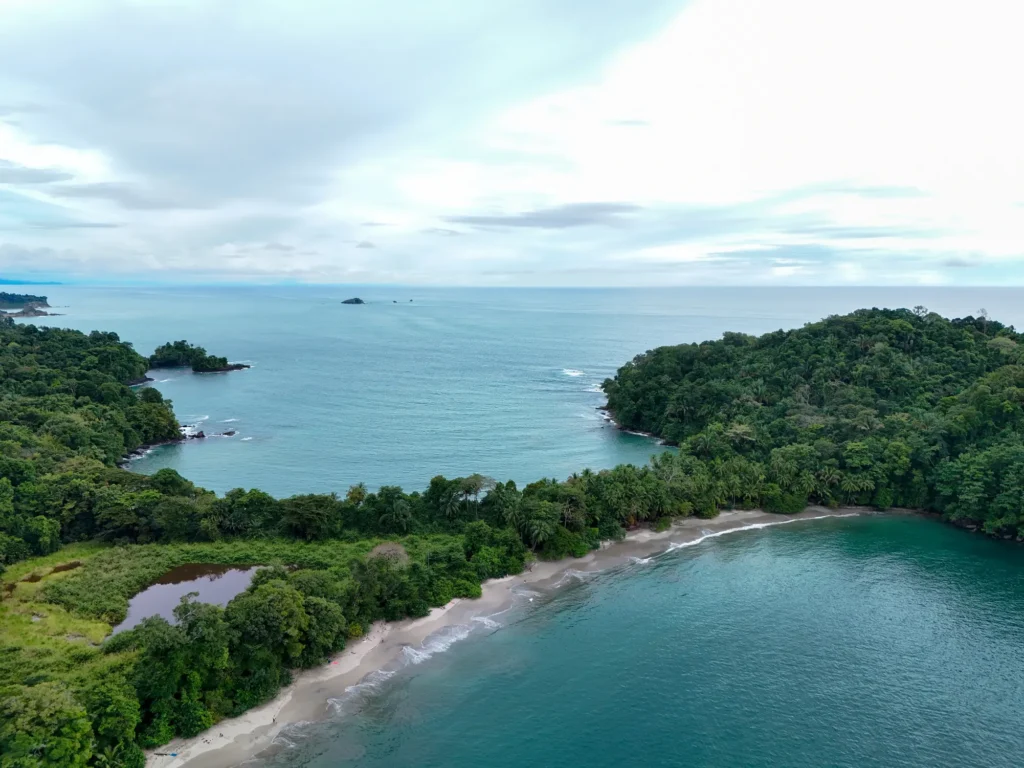
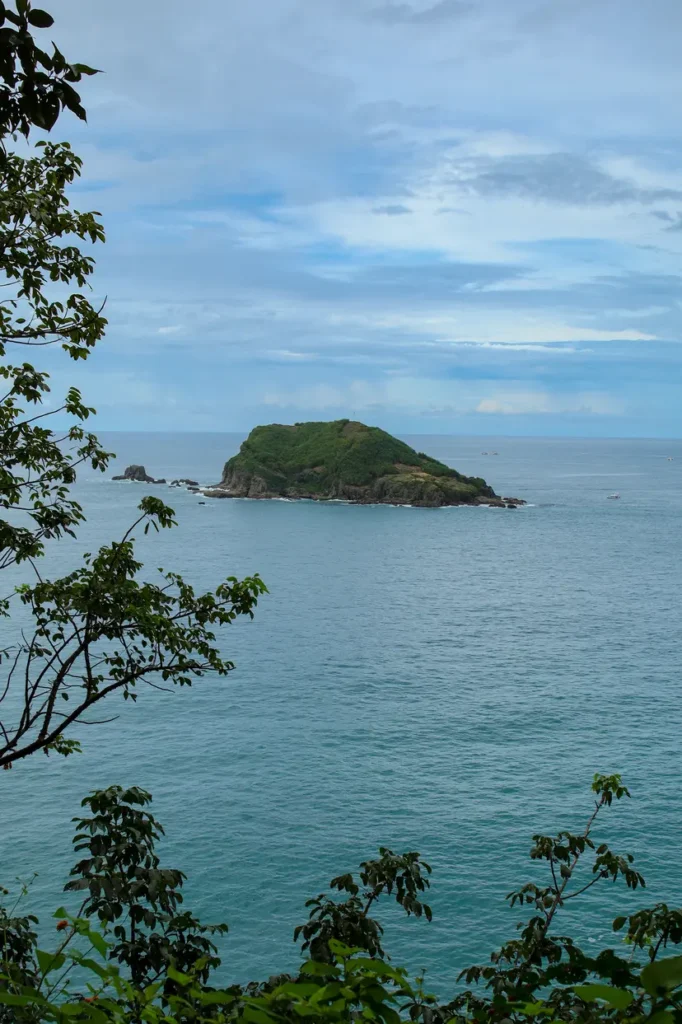
I visited Manuel Antonio during my Costa Rica trip, and it quickly became one of my favorite spots in the country. The park mixes jungle, wildlife, and some of the best beaches I saw in Costa Rica.
Cahuita offers a similar combo, but I enjoyed Manuel Antonio more. I saw more animals, and the beaches honestly surprised me.
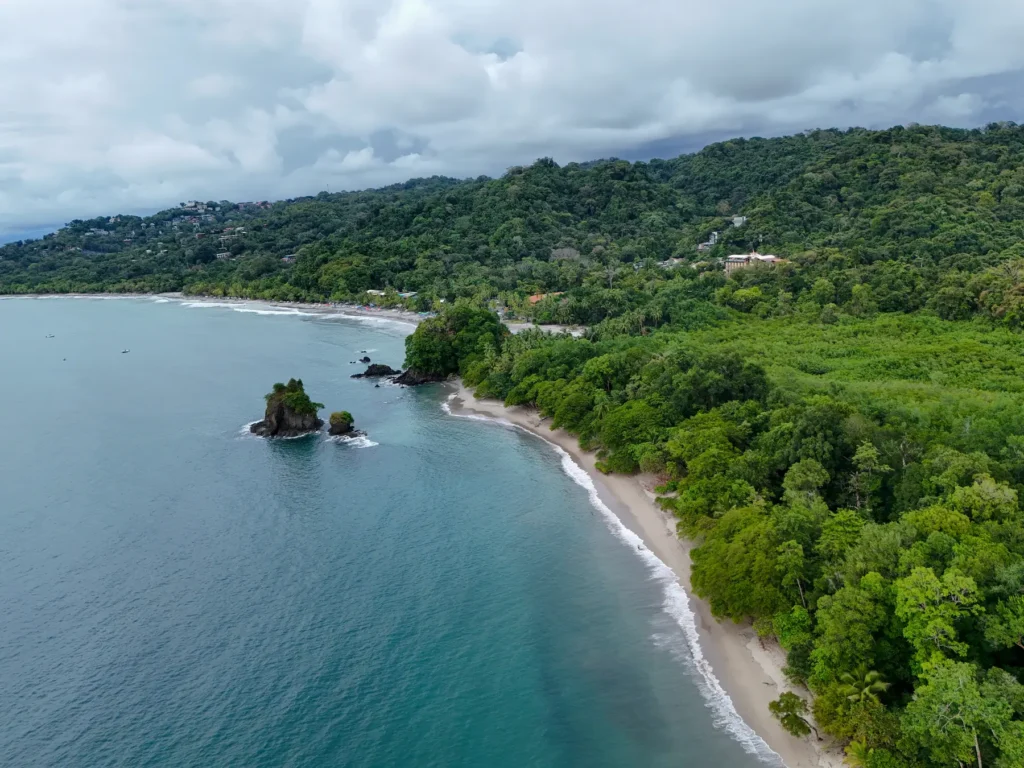
Manuel Antonio is one of the most visited national parks in Costa Rica, and also one of the smallest. That sounds like a downside, but it’s actually why it’s so easy to visit. Trails are short, everything is well marked, and you can see a lot in just one day if you plan it right.
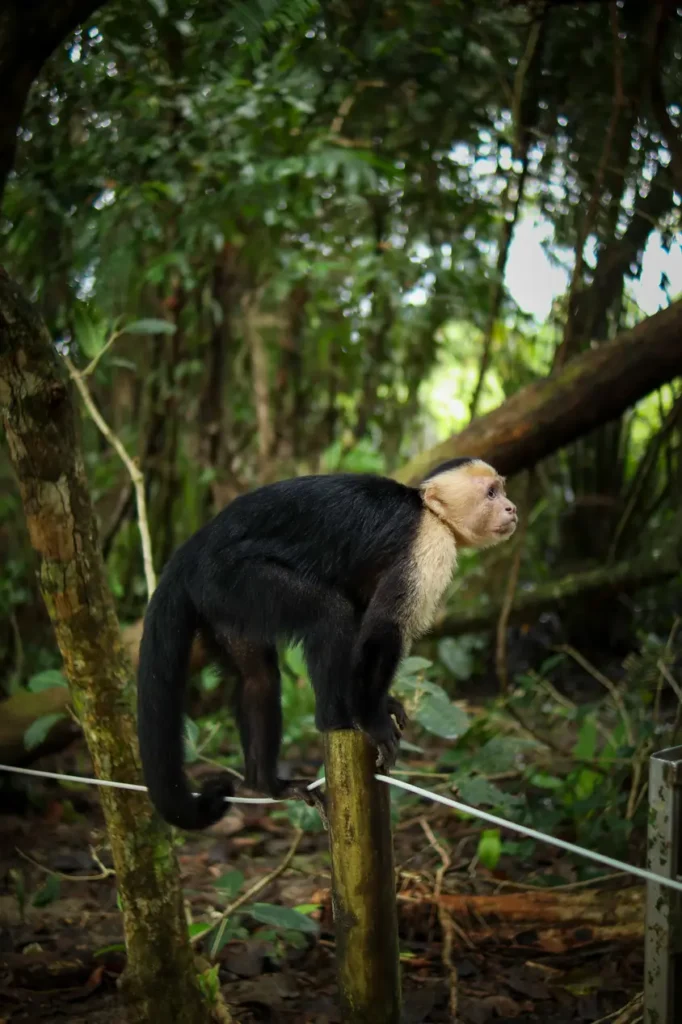
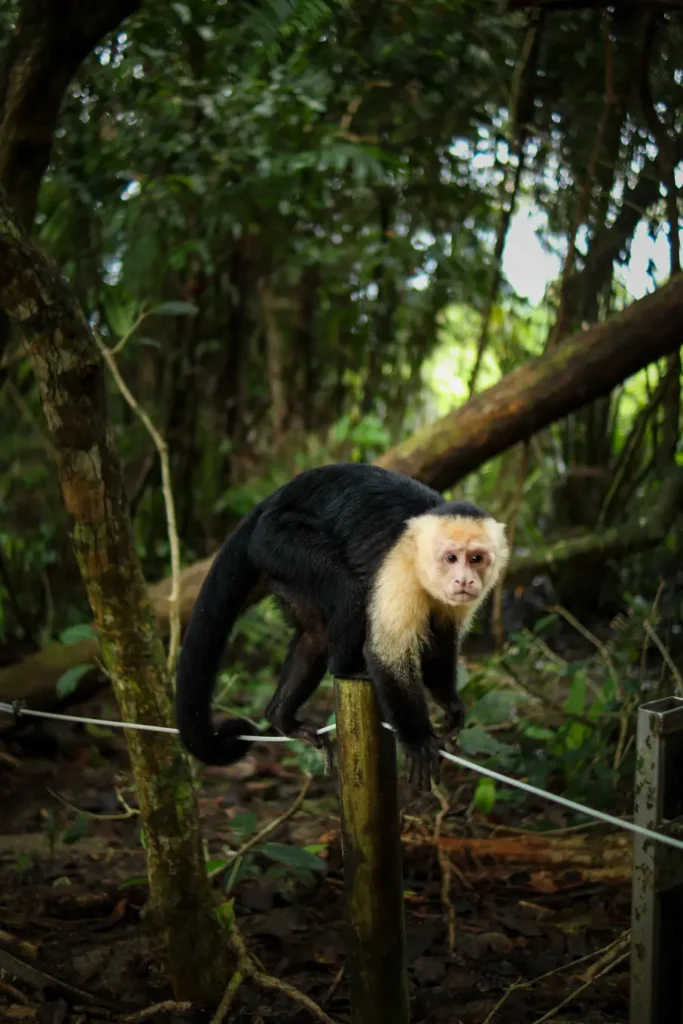
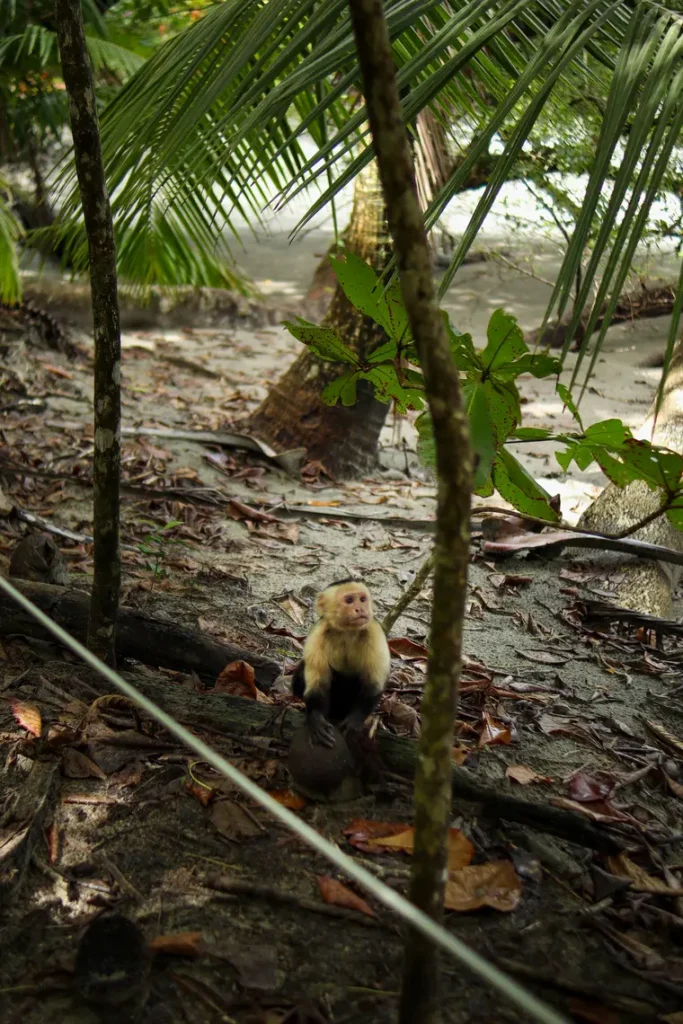
On my visit, I spotted iguanas, capuchin monkeys, howler monkeys, sloths, and several birds.
If you’re wondering about what to do at Manuel Antonio National Park and what are the best things to do in Manuel Antonio National Park, this guide will save you from common mistakes.
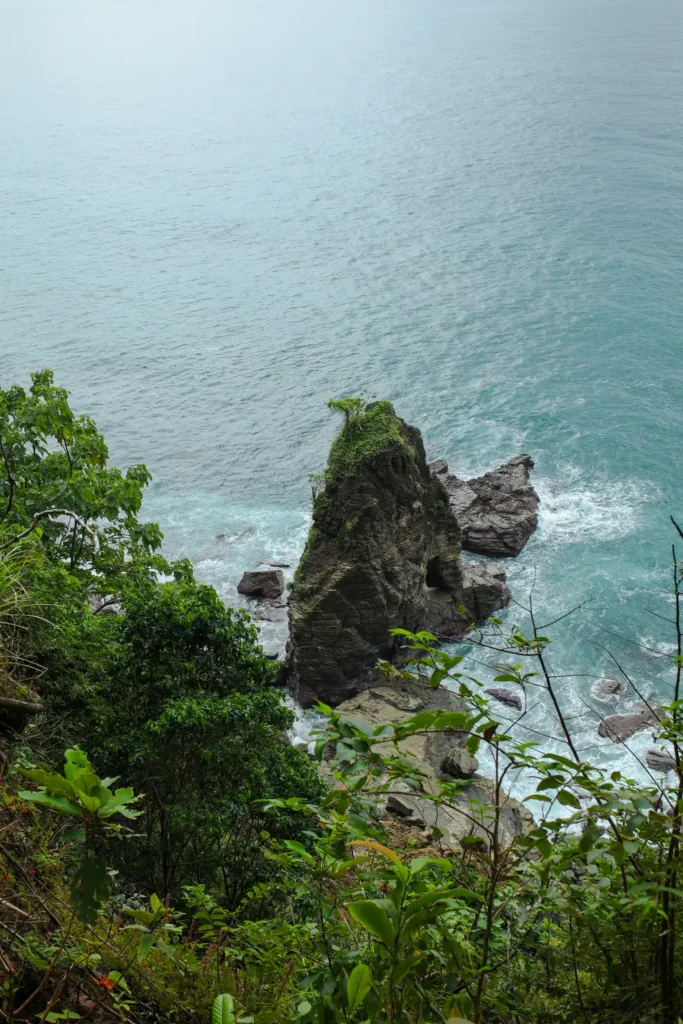
Here’s what I’ll cover in this guide 👇
- How to plan a smooth day trip to the park
- Tickets, opening hours, and when to arrive
- Parking tips and how to avoid scams
- Trails and beaches worth your time
- Wildlife you can realistically expect to see
- What to bring, what not to bring, and where to stay nearby
If you’re spending a day in Manuel Antonio National Park, this guide will help you make the most of it without rushing.
In a hurry? Plan your trip to Manuel Antonio National Park now!
🦥 Main highlights: Sloths, capuchin monkeys, howler monkeys, iguanas, easy hikes, and some of the best beaches in Costa Rica
⌛ How long do you need to visit Manuel Antonio National Park: 1 full day
🕒 Opening hours: 7 am to 4 pm. Beaches close at 3 pm. The park closes every Tuesday.
🎫 Entrance fee: Adults – 16 USD ~/14€. Tickets must be booked online in advance and often sell out
🔍 Guided tours: A guided visit can really help with wildlife spotting. Guides know where to look and use spotting scopes, which makes seeing sloths and monkeys much easier. This guided tour of Manuel Antonio National Park with entrance included is a solid option if you want an easy, well-organized visit.
😴 Where to stay near the park: El Faro Containers Beach Hotel (it’s within walking distance)
💸 How to pay in Costa Rica: Credit and debit cards are widely accepted, but it’s still useful to carry some cash. Colones are used for small purchases, while USD is often accepted in tourist areas. Use Revolut to pay by card and avoid foreign transaction fees.
💊 Best travel insurance for Costa Rica: I recommend Heymondo for its excellent balance between affordability and quality.
🛜 Best way to stay connected in Costa Rica: If your phone supports eSIM, Airalo (MARIAN4315 = 3€ off) is the easiest option. Otherwise, buy a local SIM from Kolbi, Liberty or Claro.
Where is Manuel Antonio National Park
Manuel Antonio National Park is located on Costa Rica’s central Pacific coast, just south of Quepos.
Quepos is the closest main town and usually the cheaper place to stay. If you’re on a tight budget, it can make sense. That said, I still recommend staying in Manuel Antonio itself, even though there isn’t much to see or do there.
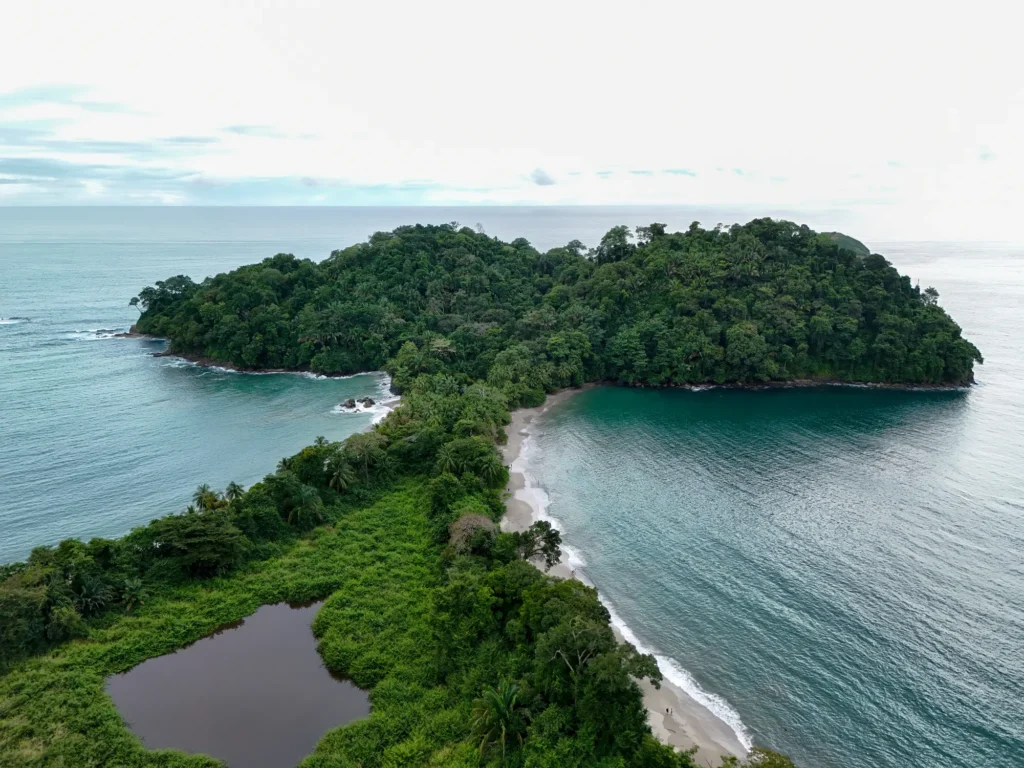
There’s a small town called Manuel Antonio, and that’s where the park entrance is. The town is quiet and compact, but it feels more relaxed than Quepos. For me, staying here made the whole experience calmer and easier, especially early in the morning.
Distance (by car) from major destinations
- Uvita: About 1 hour
- San José: Around 3 hours
- Monteverde: Around 3 hours
- La Fortuna: About 5 hours
If you’re planning a visit, staying nearby the night before really matters. The park opens early at 7 am and closes early too. Getting there first thing in the morning gives you cooler temperatures, fewer crowds, and more time inside. That’s why I always suggest spending at least one night in Manuel Antonio before your visit.
How to get to Manuel Antonio National Park
Some people try visiting Manuel Antonio National Park as a day trip from other places in Costa Rica. I don’t recommend it.
Staying one night in Manuel Antonio or even Quepos makes the visit much easier. A few hotels are within walking distance of the entrance, which really helps since parking near the park isn’t simple.
I stayed at El Faro Containers Beach Hotel, and being so close meant we got to the entrance quickly and without stress.
Getting to Manuel Antonio National Park by car
Driving to Manuel Antonio National Park is straightforward. The roads are in good condition and well signed. Parking is the tricky part, not the drive itself.
- San José: Around 3 hours without traffic
- Uvita: Around 1 to 1.15 hours
- Quepos: About 10 to 15 minutes
A 4×4 is not necessary. A regular car is more than enough. I drove from Uvita the day before and stayed in Manuel Antonio. On the morning of the visit, I was already just minutes away from the entrance, which made a huge difference.
Getting to Manuel Antonio National Park by bus
Public transport works well if you’re traveling on a budget.
- Buses run from San José to Quepos several times a day
- From Quepos, take the local Manuel Antonio bus
The Manuel Antonio bus runs along Route 618 between Quepos and the park area about every 30 minutes. Stay on the bus until the last stop. This stop is near Playa Espadilla Norte, not directly at the park entrance.
From there, walk along a short road called Beach Trail to reach the entrance. You can find it easily on Google Maps. The walk is short and flat.
Bus fares are affordable, and this is a solid option if you don’t plan to drive.
Getting to Manuel Antonio National Park by taxi or shuttle
If you’re unsure about how to visit Manuel Antonio National Park on your own, transfers are also a simple option. You can check routes and prices from different parts of the country here.
Another easy option is booking a guided visit that includes transportation from your hotel. This works well if you don’t want to deal with parking or logistics. I recommend this tour to Manuel Antonio.
Parking at Manuel Antonio National Park
There is no official parking lot at Manuel Antonio National Park. Parking happens along the access road that leads to the entrance, and you’ll see several small car parks as you drive to the entrance. None of these are official (even if they say so!!). Be careful with people claiming their lot is “the official one” or the “best option.” That’s not how parking works here.
If you’re visiting by car, this is really your only option. Arrive early and aim to park as close to the entrance as possible. One of the closest car parks to the entrance is this one, which can save you a longer walk in the heat.
Parking prices vary, but you can usually expect to pay around 10 USD / ~8.5€ for a full day. Payment is typically in cash, so make sure you have small bills with you.
Arriving early makes a big difference. You’ll have more choices, park closer, and avoid the stress of driving up and down the road. This is also why staying nearby the night before helps so much.
Don’t leave valuables in the car. Lock the doors and keep bags out of sight. While parking felt generally safe in Costa Rica and Manuel Antonio, basic precautions are always important.
You’ll likely be stopped on the road by people trying to direct you to their parking lots, often far from the entrance. Ignore them and keep driving. Some may also try to sell tours or tell you tickets are sold out. You don’t need to accept anything.
Parking stress is one of the main reasons I recommend staying close to the park. I stayed at El Faro Containers Beach Hotel, and being so close meant we reached the entrance quickly and avoided all the hassle.
Opening hours at Manuel Antonio National Park
Manuel Antonio National Park is open from 7 am to 4 pm. The beaches inside the park close earlier, at 3 pm, to give everyone enough time to walk back to the entrance before closing.
While it’s technically possible to enter later, it doesn’t make much sense to arrive after 12 pm. You’ll feel rushed, miss out on some trails, and won’t really enjoy the beaches.
The park is absolutely worth a full day, but it also closes quite early. Because of that, most visitors arrive in the first hours of the morning. We entered at 7.40 am, and there was already a noticeable queue.
The park is closed on Tuesdays, so you’ll need to plan your visit around that. Always double-check the calendar before booking tickets, especially if your Costa Rica itinerary is tight.
Opening hours also affect wildlife spotting. Early mornings are cooler, animals are more active, and the park feels completely different. The same goes for the beaches. Arriving early means calm water, fewer people, and a much more relaxed experience. A few hours later, crowds build up fast.
Tickets are sold with timed entry slots. The first entry slot runs from 7 am to 7.40 am, and the last slot is from 1 pm to 2.30 pm. I don’t recommend the last slot at all, since you won’t have enough time inside. When you book a slot, you can enter at any point during that window, but don’t arrive late. I’ve heard of people being denied entry for missing their time.
If there’s one simple rule here, it’s this. Get there as early as you can. It makes the whole visit better.
Best time to visit Manuel Antonio National Park
Best time of day to visit
Early morning is hands down the best option.
The park opens at 7 am, and arriving early gives you several advantages. You’ll have higher chances of spotting wildlife, trails feel calmer, and the temperatures are more manageable. Even if your main goal is beach time, mornings feel completely different.
Heat and humidity are no joke here. To really enjoy the park, you’ll end up doing some walking, even if you take it slow. Starting early makes hiking far more comfortable, especially before the sun gets strong.
Beaches are indeed quieter in the morning, but the entrance can already feel busy. I arrived around 7.40 am, and there was already a decent line to get in. Still, once inside, the experience was much better than later in the day.
Best time of year to visit
The dry season, from November to April, is generally the best time to visit the park. The weather is more stable, trails are easier, and beach conditions are better. The busiest months are late December, January, and February, when crowds peak.
The rainy season runs from May to November. You’ll see fewer visitors, but rain is more likely, especially in the afternoons. Some days are still great, though, and mornings can be surprisingly clear.
Average temperatures stay fairly consistent year-round. Expect around 26°C to 30°C (79°F to 86°F) during the day, with high humidity making it feel warmer.
I visited in early December, right during the transition between seasons. The night before our visit, it rained heavily for a few hours. The next day, though, the weather was fantastic. That’s the reality here. Timing helps, but a bit of luck always plays a role.
Do you need a tour guide for Manuel Antonio National Park?
It depends on your travel style, budget, and what you want to focus on during your visit.
Visiting with a guide has one big advantage: wildlife spotting. This is where guides really add value.
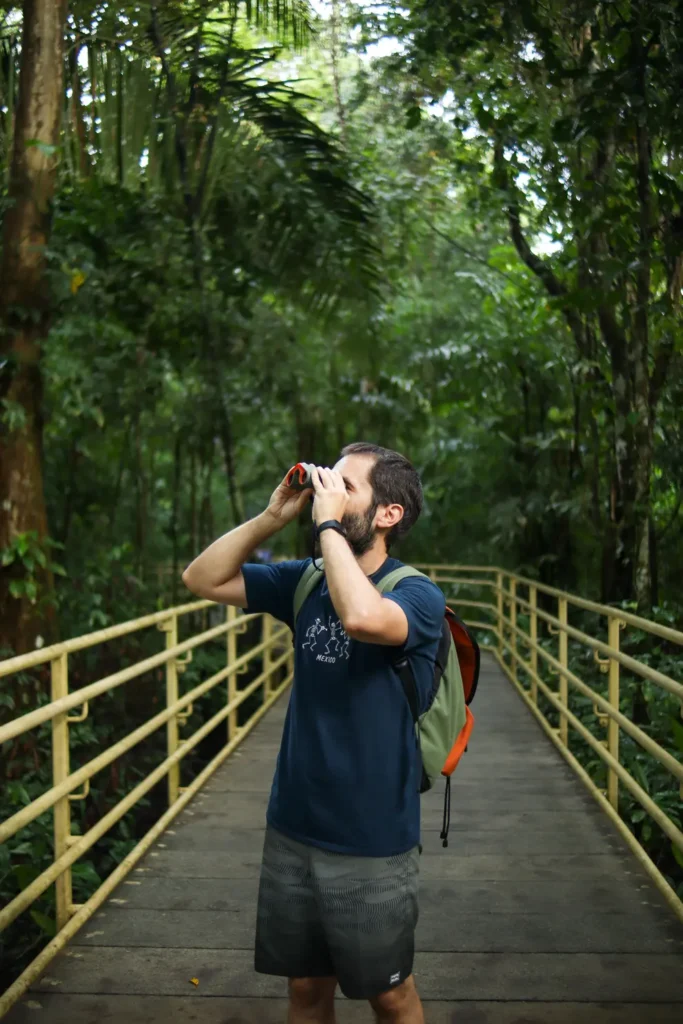
Many guides have years of experience finding animals, and they usually carry spotting scopes or binoculars that make a huge difference. If seeing animals is your top priority, a guided tour makes things much easier. This tour already includes the entrance ticket.
Also, when booking tours, check if the entrance ticket is included. Many tours don’t include it, and you’ll need to book your park ticket separately.
Visiting without a guide also works. You’ll still have chances of seeing animals, especially monkeys and iguanas. Other animals might be harder to spot (sloths, for example).
However, without a guide, you’ll have more freedom. You can explore the trails at your own pace and spend more time on the beaches, which are honestly one of the highlights of the park.
I decided not to book a guide here. Costa Rica isn’t cheap, and I had already done two guided tours elsewhere, a night tour in Tortuguero and another in Monteverde. We got lucky with wildlife, especially sloths. Another group spotted them high up in a tree, and we were able to see them too. That said, it really was luck.
If your budget allows it, and you’re not visiting many other areas in Costa Rica rich in wildlife, I’d lean toward booking a guided tour. Most tours last around 2 to 3 hours. After that, you can stay inside the park and explore the beaches and trails on your own, which gives you the best of both worlds.
Wildlife in Manuel Antonio National Park
The animals in Manuel Antonio National Park are one of the main reasons people include this stop on their Costa Rica itinerary. I went in with high expectations for Costa Rica in general, especially for sloths, and honestly didn’t see many elsewhere. That’s why spotting them here felt extra special.
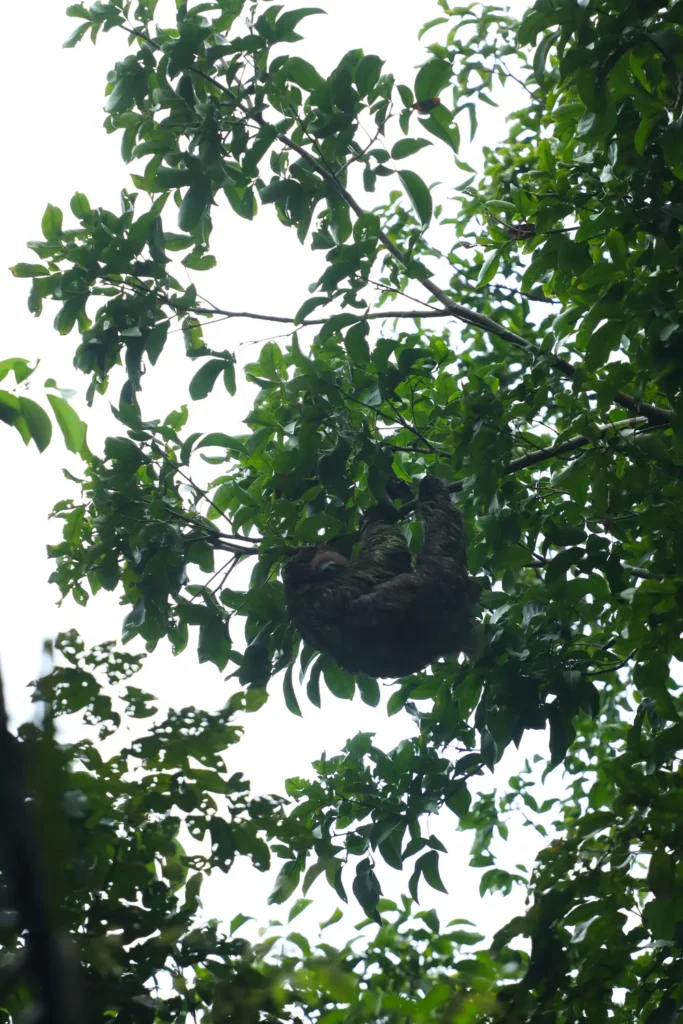
Sloths were the highlight for me. We saw them from a distance, but it was still unforgettable. At one point, we spotted a mother sloth holding her baby high up in a tree. Even far away, that moment alone made the visit worth it.
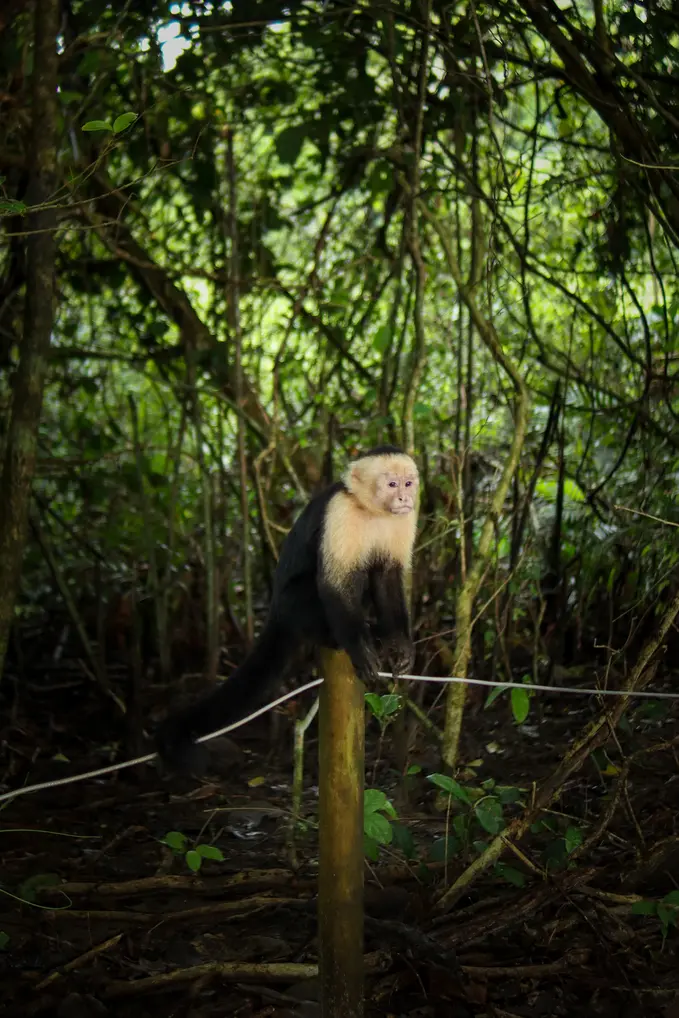
Monkeys are everywhere. You can usually see white-faced capuchin monkeys, squirrel monkeys, and howler monkeys. Capuchins are the most active and curious. Howler monkeys are harder to spot but easy to hear. Their calls echo through the forest and I must admit it’s quite funny.
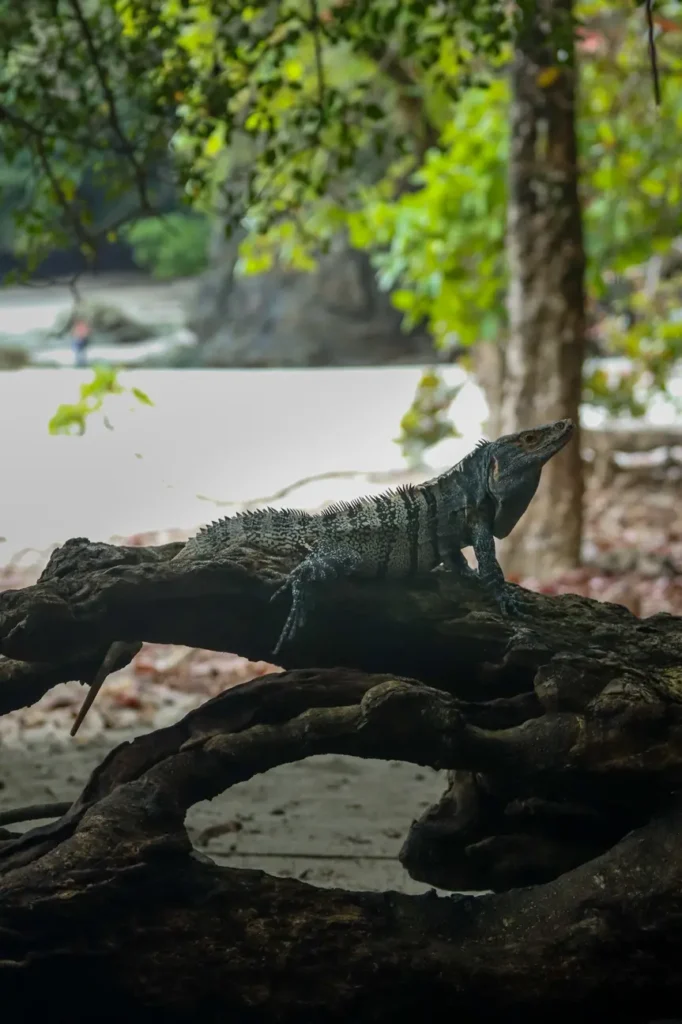
Iguanas are almost impossible to miss. You’ll often see them resting near trails or close to the beaches. Some are huge and completely unfazed by people walking past.
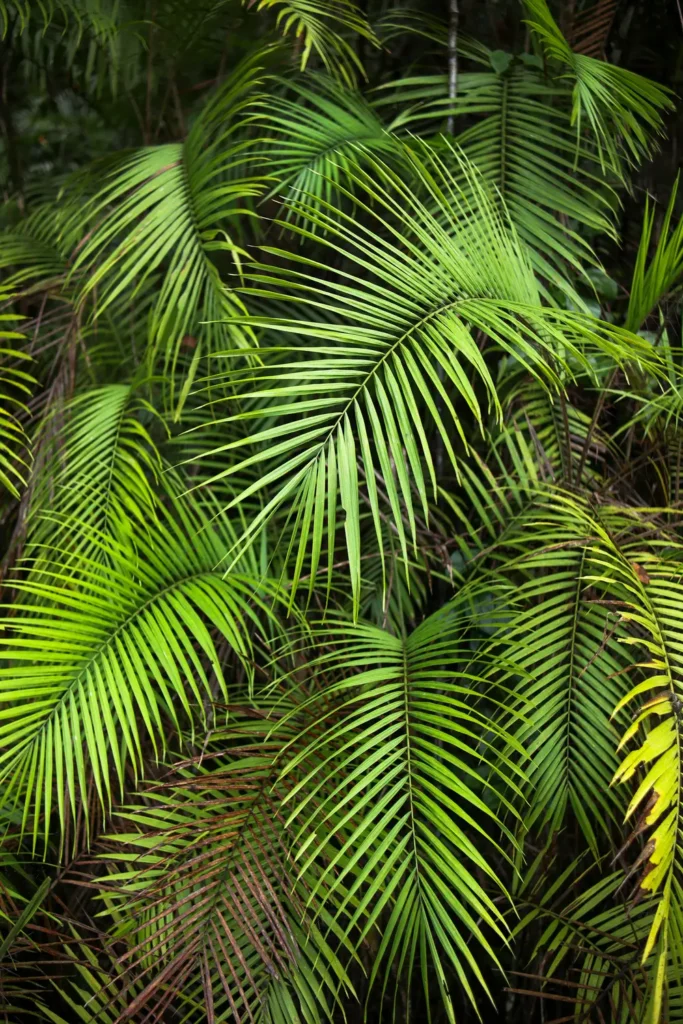
Bird life is also impressive, even if you’re not a bird expert. I saw several colorful birds along the trails, especially in quieter areas of the park.
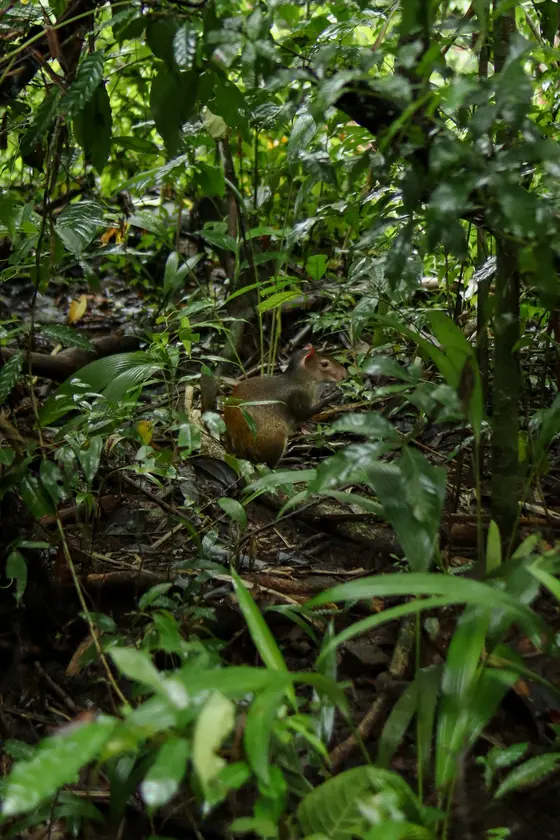
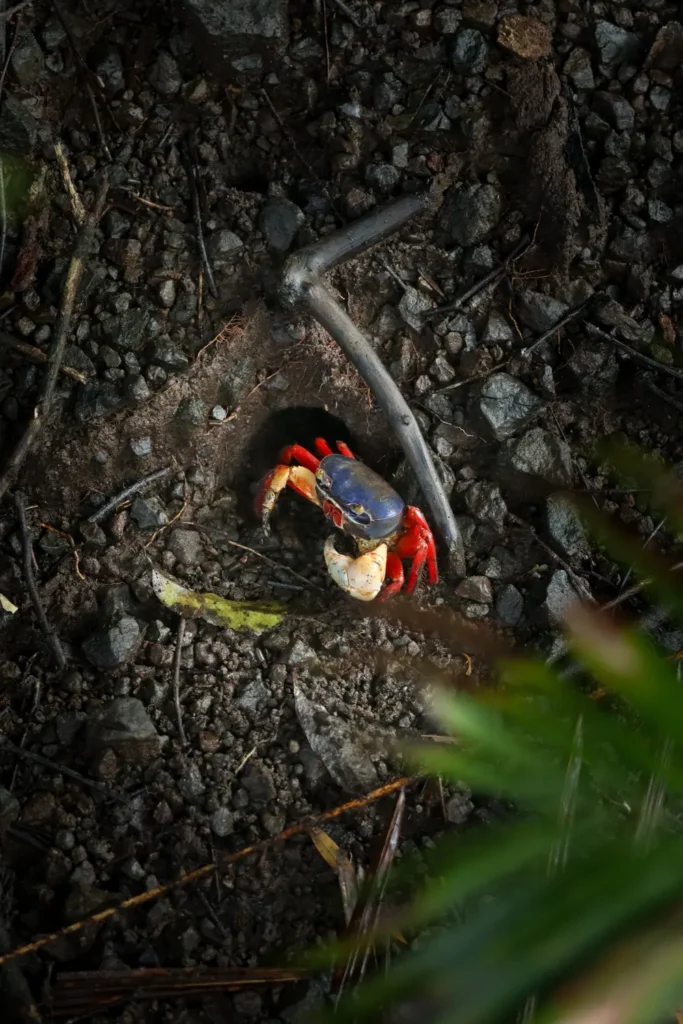
Near the beaches, keep an eye on the ground. Crabs move fast and are easy to overlook. Agoutis are another common sight. They look a bit like large rodents and tend to dart across paths when it’s quieter.
Wildlife sightings here depend a lot on timing and luck. Arriving early and walking slowly really helps. Even without a guide, there’s a good chance you’ll see something memorable if you stay patient and observant.
🎫 This is also where guides really help. If this is the only park you’re visiting in Costa Rica and wildlife spotting is a priority, I recommend booking a guided tour to increase your chances of seeing animals. Guides know where to look and often carry spotting scopes that make a big difference. This tour includes the entrance ticket and is a solid option.
Facilities inside the park
Manuel Antonio National Park is well set up for visitors, especially if you’re planning to spend several hours inside.
There are bathrooms spread throughout the park, including near the main trails and beach areas. Changing rooms are also available, which makes it easy to switch between hiking and beach time.
One thing that really stood out is how strict the park is with food. You’re not allowed to bring any food inside, and bags are checked at the entrance. This was the most restrictive park we visited in Costa Rica in that sense. If you’re spending the day here, the cafeteria in the middle of the park is your main option for lunch.
All food bought at the cafeteria must be eaten there. This rule helps prevent animals from accessing human food. The menu is simple. They sell sandwiches, pizza, and other quick meals. Still, prices weren’t as high as I expected, especially considering it’s the only place to eat inside the park.
Because most people spend the whole day here, the cafeteria gets busy around lunchtime. Expect longer lines if you go between late morning and early afternoon. Eating a bit earlier or later can save you time.
Drinking water is available inside the park, which is a big plus given the heat and humidity.
How long to spend at Manuel Antonio National Park
Plan to spend a full day at Manuel Antonio National Park. Even though it’s one of the smallest national parks in Costa Rica, there’s a lot to do.
You’ll be walking several trails, stopping to spot wildlife, and spending time at the beaches. Having enough time makes the experience much more relaxed.
Arrive as early as possible. The park opens at 7 am, and I strongly recommend booking the first entry slot, from 7 am to 7.40 am. Early entry gives you cooler temperatures, fewer people, and more energy to enjoy everything.
As a reference, I spent around 6 hours inside the park, and it felt like the right amount of time. I didn’t rush around and had time for trails and beaches.
Manuel Antonio National Park entrance fee
The park’s entrance fee must be paid online and booked in advance. Only 3,000 tickets are sold per day, and this is one of the most popular parks in Costa Rica. Tickets often sell out, especially in high season.
Tickets can only be purchased through the official SINAC website.
You’ll need to create an account on the SINAC website before buying tickets, so don’t leave this for the last minute.
Current prices are (taxes not included):
- Adults over 12 years old: 16 USD (~14€)
- Children from 2 to 12 years old: 5 USD (~4€)
Tickets are valid for one day only.
When buying tickets, you’ll also need to choose an entry time slot. The first slot runs from 7 am to 7.40 am, and the last slot is from 1 pm to 2.30 pm. I don’t recommend the last slot, since you won’t have much time inside before the park closes.
If you’re booking a guided tour, always confirm whether the entrance ticket is included. Some tours include it, while others require you to purchase the ticket separately.
What to wear and bring to the park
Manuel Antonio National Park is hot and very humid. Honestly, it was one of the most uncomfortable places we experienced in Costa Rica when it comes to weather.
Dress for that. Lightweight, breathable clothing makes a huge difference, especially if you plan to walk several trails.
For footwear, even though there are beaches, you’ll still be walking on dirt paths and forest trails. Comfortable sneakers are perfect. You don’t need hiking boots. Just avoid flip-flops if you plan to explore more than the beaches.
What you are not allowed to bring
Food is not allowed inside the park. Bags are checked at the entrance, and this was by far the strictest park we visited in Costa Rica. They really do enforce this here.
Single use plastics are also banned. This includes plastic bags and disposable bottles. I had read online that this rule existed in other parks, but this was the only place where checks were done seriously.
Cigarettes are not allowed, and drones are also prohibited inside the park.
When you buy your ticket online, you’ll receive a list of items you’re not allowed to bring. Read it carefully and plan ahead. It’ll save you time and frustration at the entrance.
Day trip packing list
Bring only what you really need. Keep it simple. Here are a few ideas:
- Small backpack
- Reusable water bottle filled with water. There are refill stations inside the park
- Sunscreen and insect repellent. We didn’t bring ours because we thought it might be confiscated, but we saw plenty of people using both
- Swimsuit
- Towel for the beach
Where to stay to visit Manuel Antonio National Park
Staying close to the park makes a big difference. Manuel Antonio National Park opens early, and getting there first thing in the morning is one of the best ways to enjoy it properly.
When you stay nearby, you avoid early drives, parking stress, and rushing to make your entry slot. It also means you can arrive calmer and with more energy.
Where I stayed
I stayed at El Faro Containers Beach Hotel, and the location was the main reason I chose it. The hotel is very close to the park entrance, which made the morning of the visit much easier.
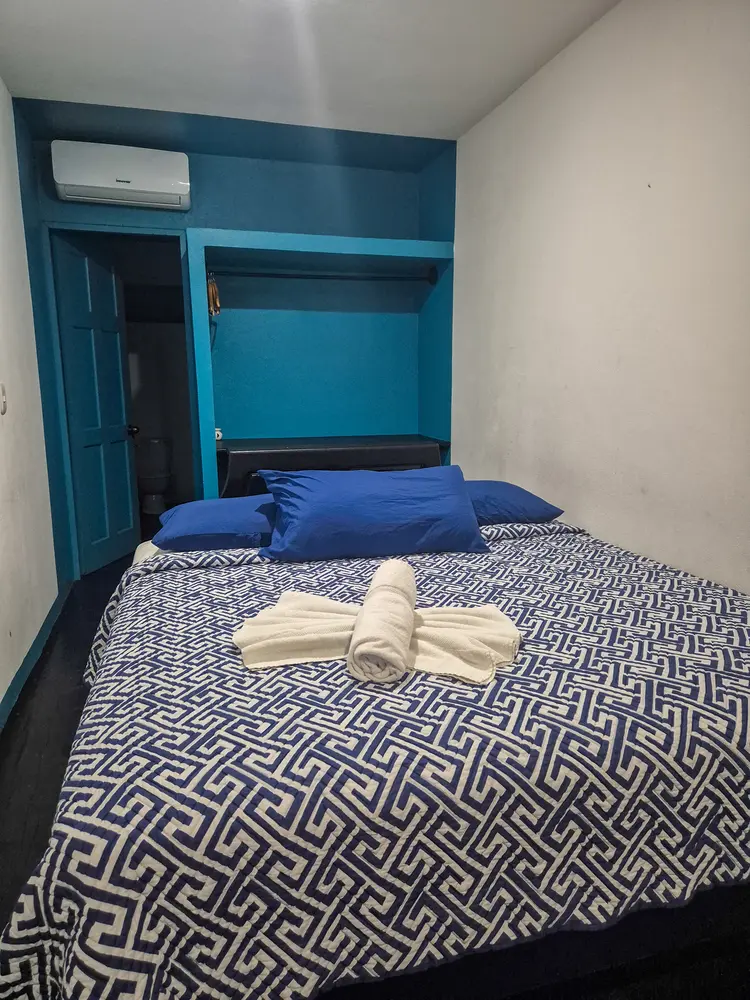
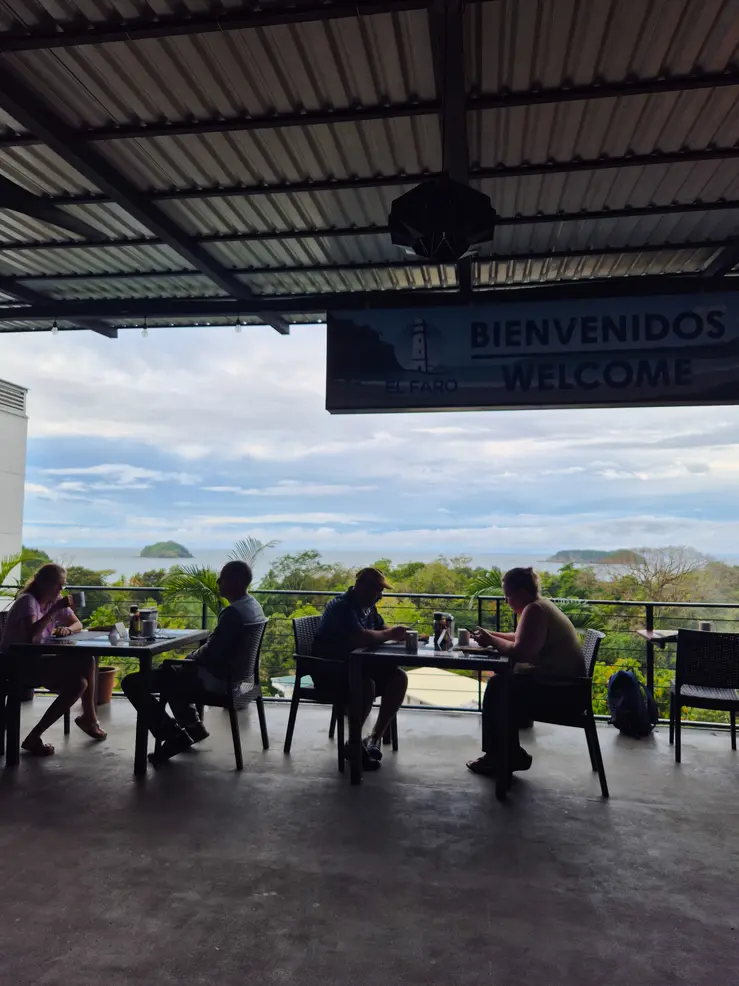
The facilities felt a bit dated, but everything worked well. There’s on-site parking, which was a big plus.
Breakfast was good and served at the table. It included one hot drink, one juice, and one main dish chosen from a short list of four or five options. Simple, but more than enough before heading to the park.
Best areas to stay near the park
Manuel Antonio is the best option if your priority is visiting the park early. The area is quiet, relaxed, and very close to the entrance. There isn’t much to see or do, but for one night before the visit, it works perfectly.
Here are some of my favorite accommodation options in Manuel Antonio:
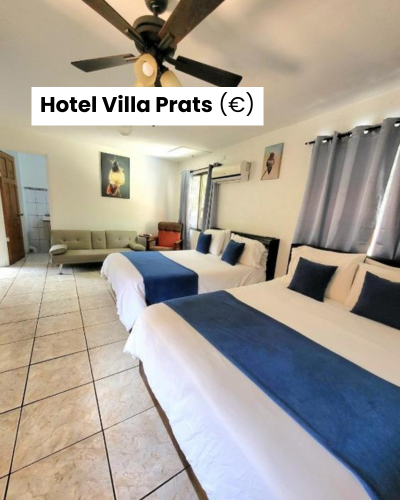

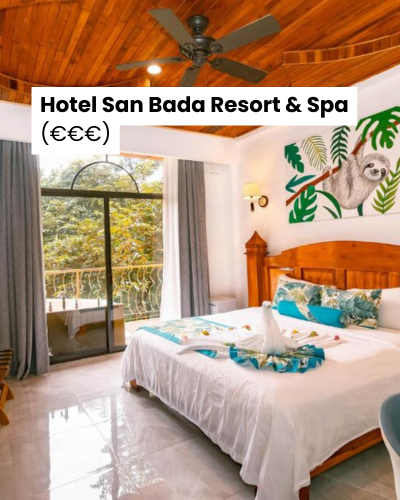
Another viable option is staying in Quepos. Quepos is about a 20 minute drive from the park and usually cheaper.
It has more restaurants and services, but staying there means dealing with traffic, parking issues, or paying for parking near the park.
Here are a few options for Quepos:
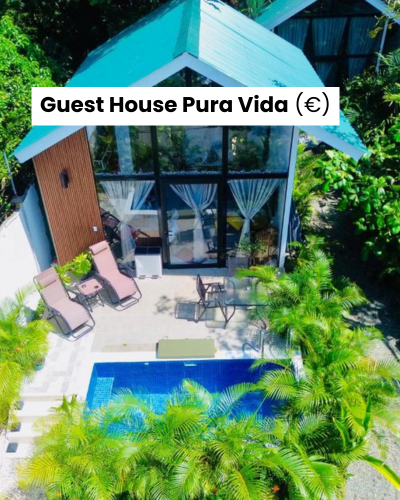
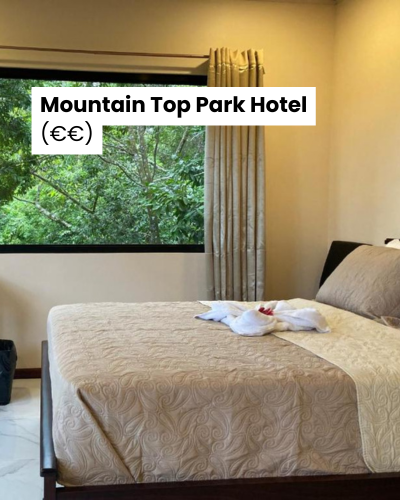
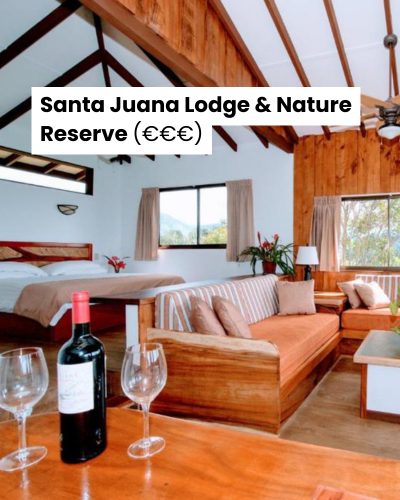
If you want an easy morning, Manuel Antonio is the better choice.
💼 TRAVEL INSURANCE: It’s one of those things you hope you won’t need… but it can save you a lot of money and stress if something goes wrong.
I personally use Heymondo because it offers strong coverage at a reasonable price, including medical expenses, lost luggage, and electronics.
What I like most is how easy it is to manage everything through their app, especially if you ever need assistance while traveling.
As a Ticket to Take Off reader, you get 5% off, already applied when booking through the link below.
Hiking in Manuel Antonio National Park
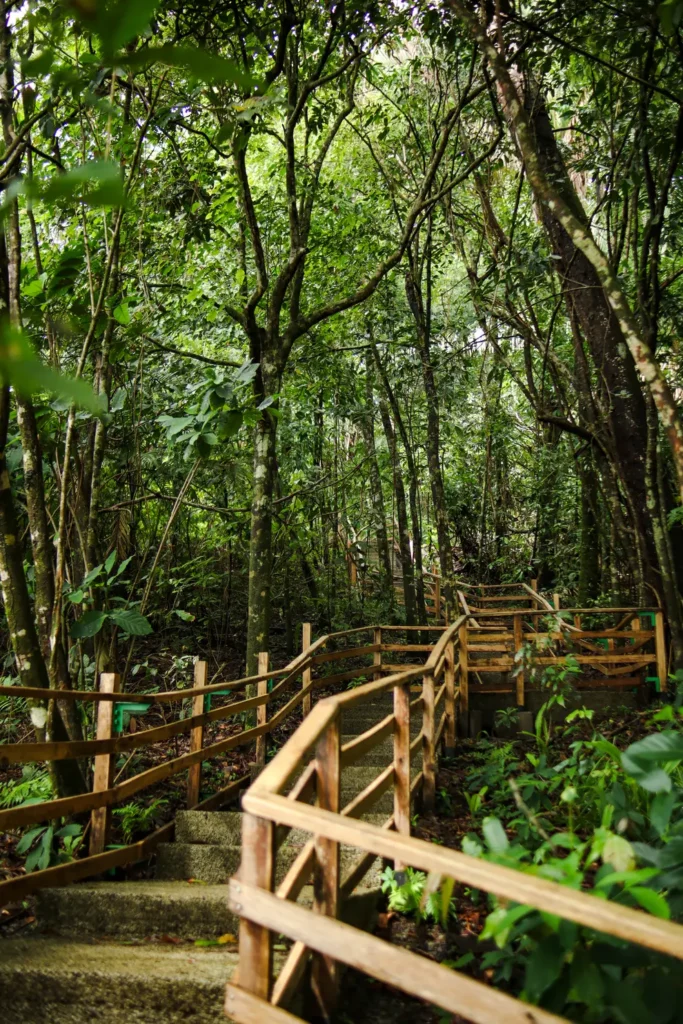
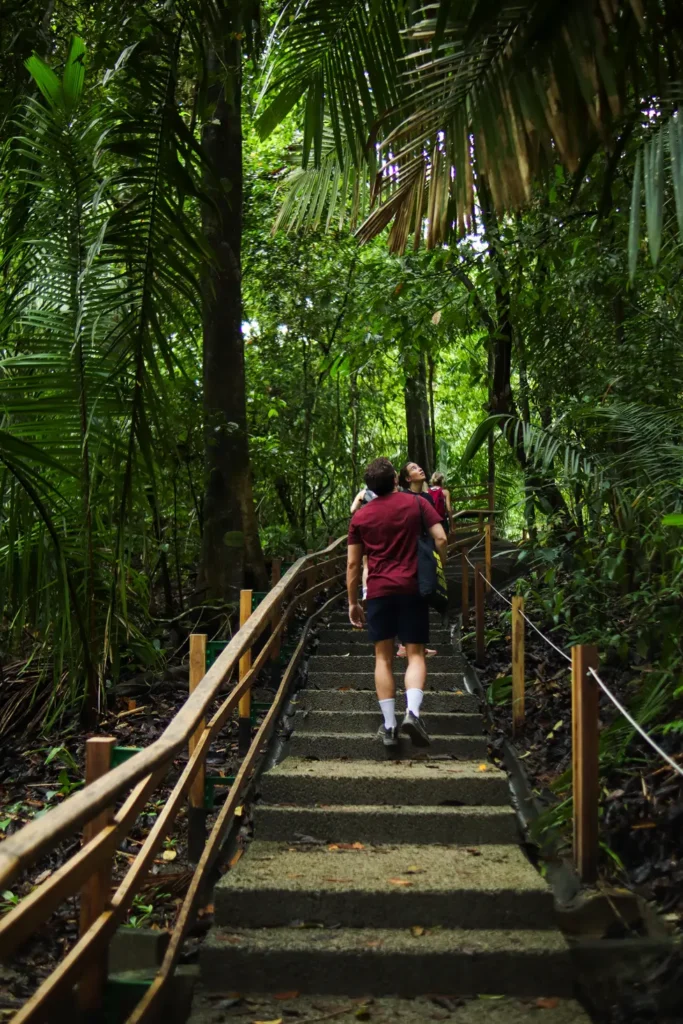
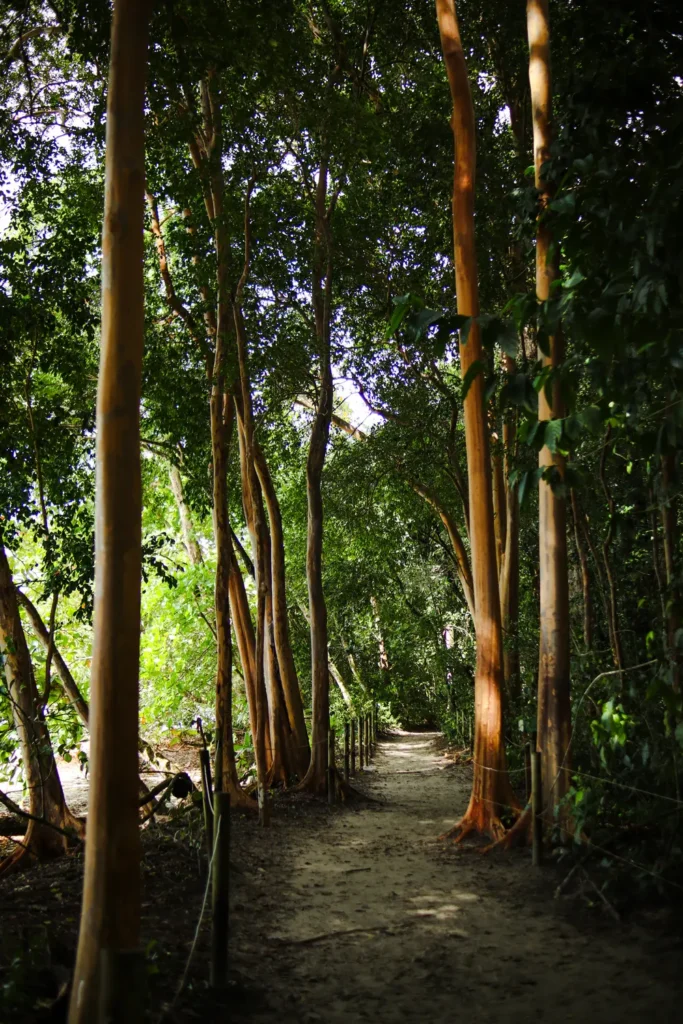
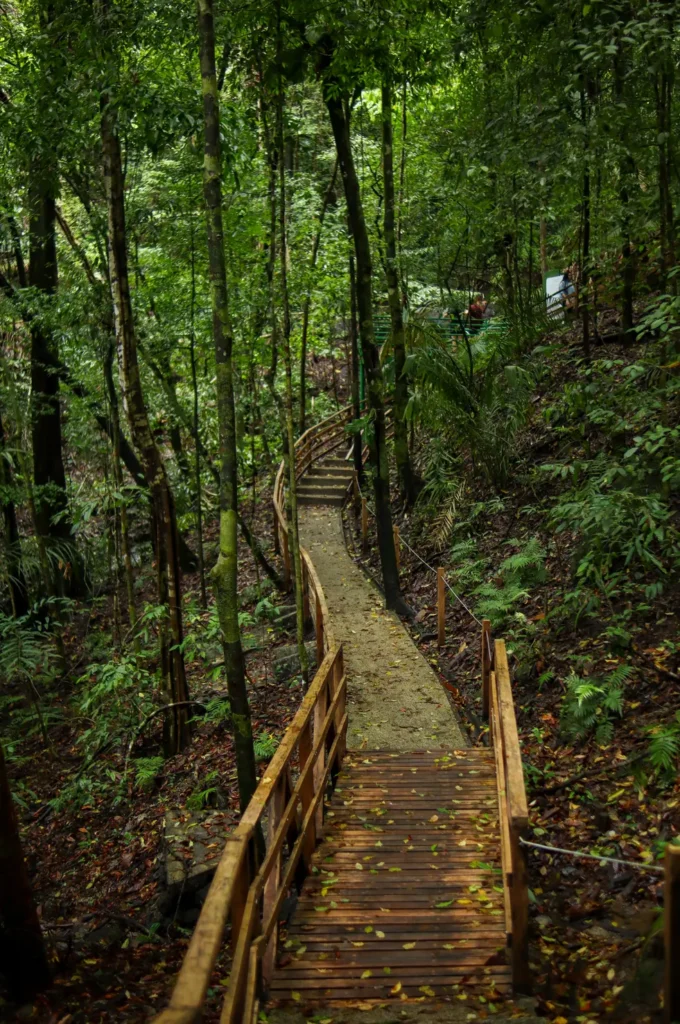
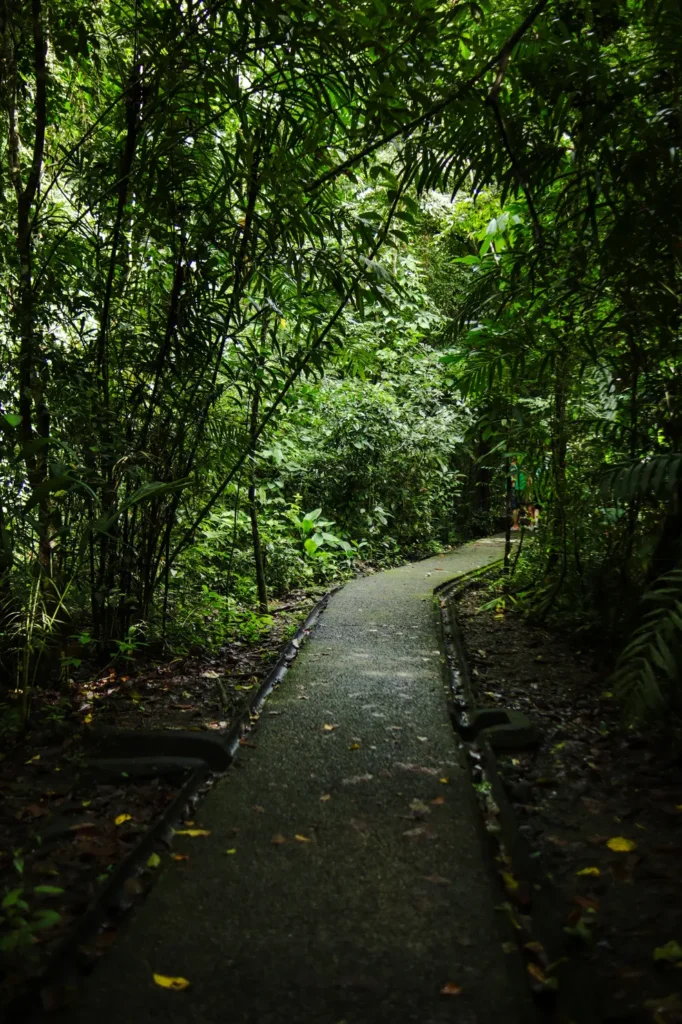
The hikes in Manuel Antonio National Park are mostly easy, well-maintained, and clearly marked.
You don’t need to hike everything, but because the park is small, it’s realistic to cover most trails in one day. Hiking here is less about distance and more about scenery and wildlife.
Most trails are flat and connected. The main exception is the Mirador trail, which is a bit harder due to elevation.
Also note that some trails may close depending on conditions. When I visited, the Puerto Escondido trail was closed. Always check signage at the entrance.
To help you plan your visit, here’s a map of Manuel Antonio National Park, which helps to understand the trails:
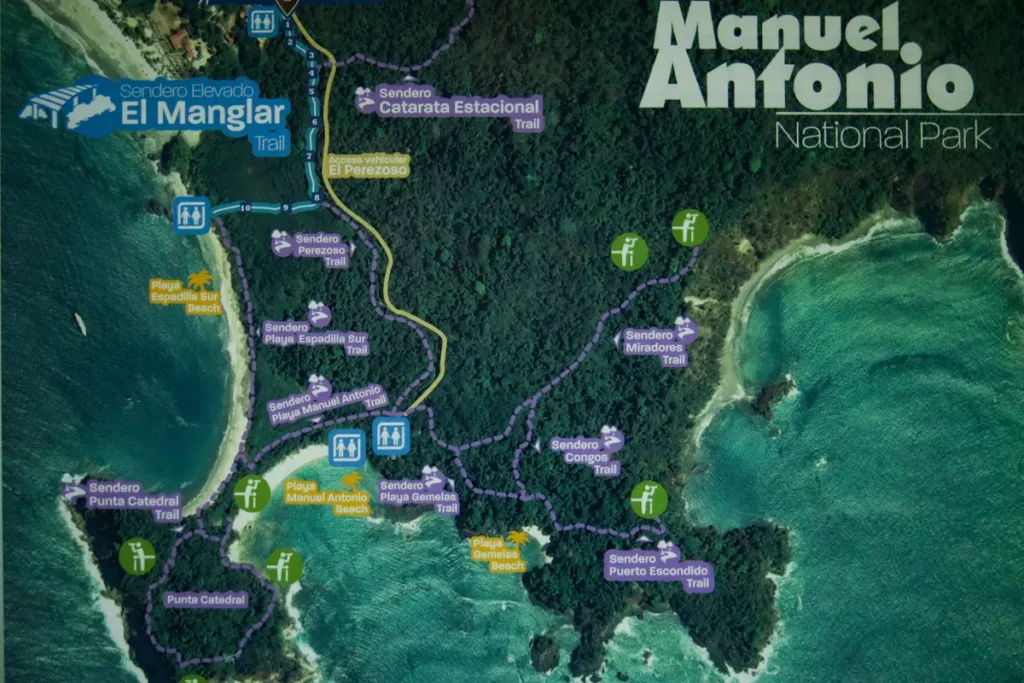
Main hiking trails overview
| Trail name | Length | Highlights |
|---|---|---|
| Access Road | 1.1 km (0.68 mi) | Flat trail, connects beaches and viewpoints, high wildlife spotting chances |
| Sendero Perezoso (Universal Trail) | 600 m (0.37 mi) | Fully paved, wheelchair friendly, good for sloths. We saw one at the end |
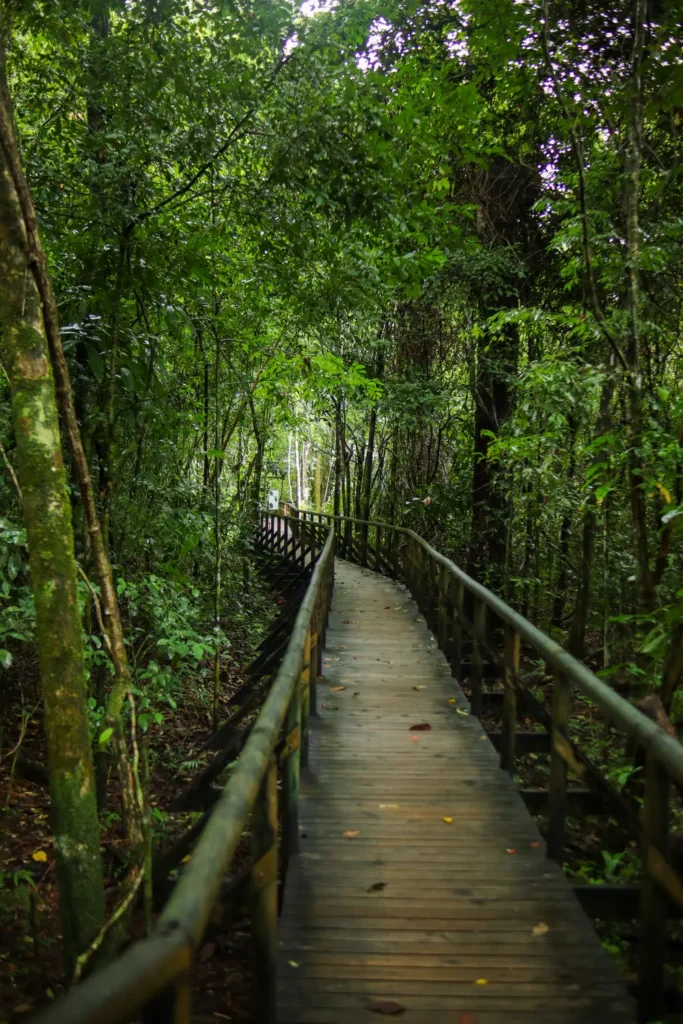
| Sendero El Manglar | 1 km (0.62 mi) | Elevated boardwalk through mangroves, starts near the entrance |
| Sendero Punta Catedral | 1.2 km (0.75 mi) | Loop trail, coastal views, stairs, one of the longest trails |
| Sendero Mirador | 1 km (0.62 mi) | Uphill section, coastal viewpoint, best done early |
| Sendero Playa Manuel Antonio | 400 m (0.25 mi) | Flat path connecting trails to the main beach |
| Sendero Playa Espadilla Sur | 1 km (0.62 mi) | Leads directly to the beach, access only at start or end |
| Sendero Playa Gemelas | 400 m (0.25 mi) | Short detour to a quieter, less crowded beach |
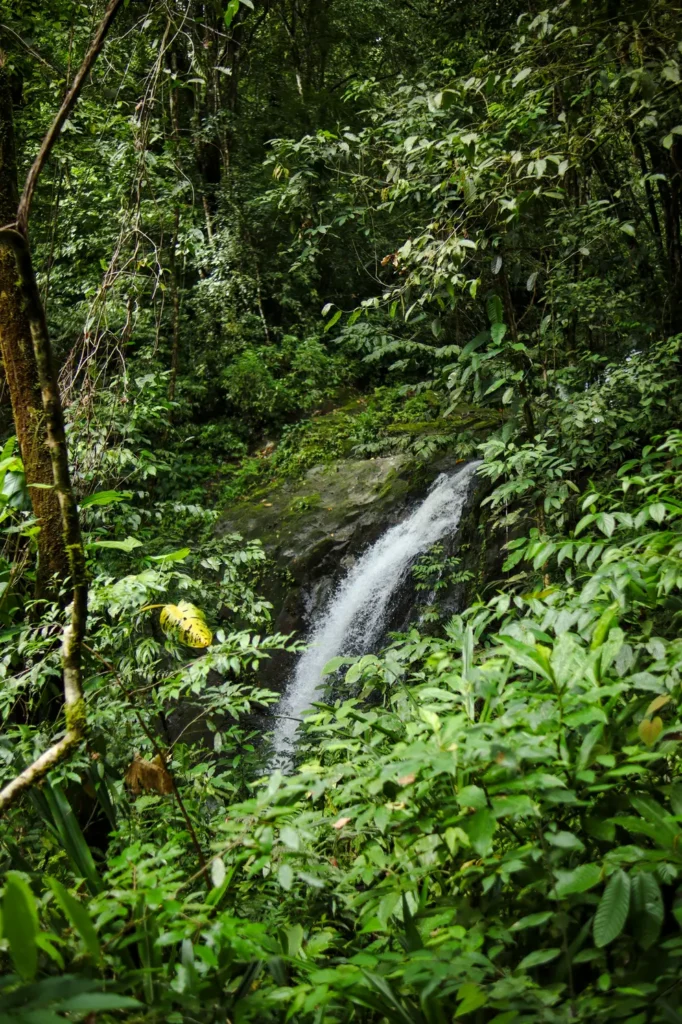
| Sendero La Catarata | 0.7 km (0.43 mi) | Small seasonal waterfall, interesting but not a highlight |
| Sendero Los Congos | 300 m (980 ft) | Short, quiet trail |
| Sendero Puerto Escondido | 400 m (0.25 mi) | Sometimes closed, check conditions on arrival |
How to combine the trails in one day
If you want a smooth one day flow, start on the Access Road and do Sendero La Catarata first if it’s open and in season. You can also leave it for the end.
Continue on the Access Road, connect to Sendero El Manglar without turning toward the beach, then move on to Sendero Perezoso. From there, hike Punta Catedral for the views. After that, head to Playa Manuel Antonio for a swim and some rest.
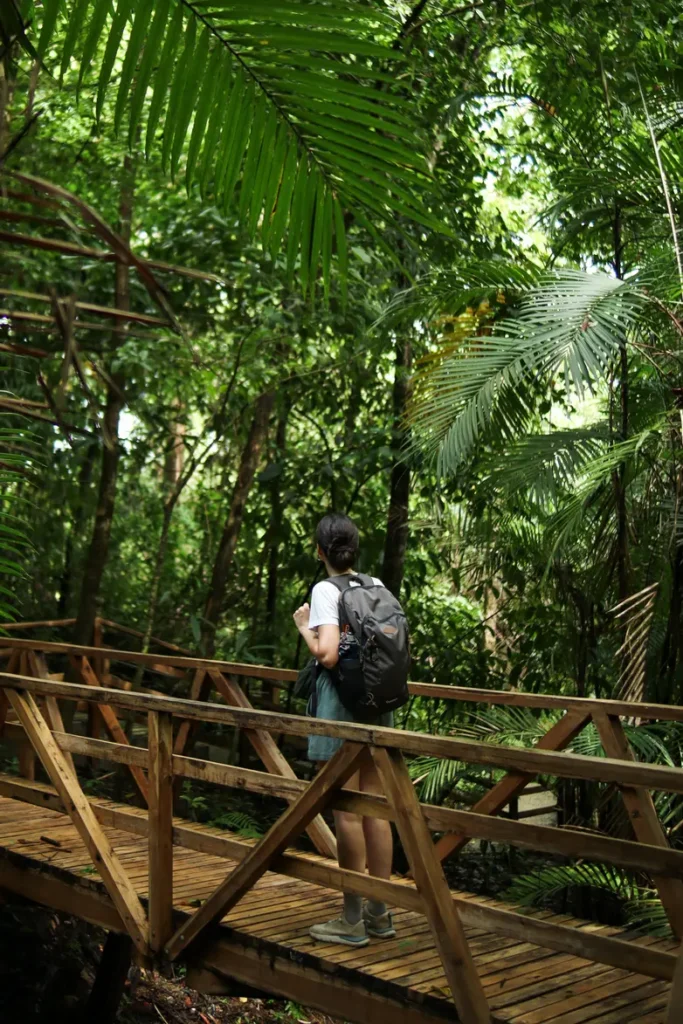
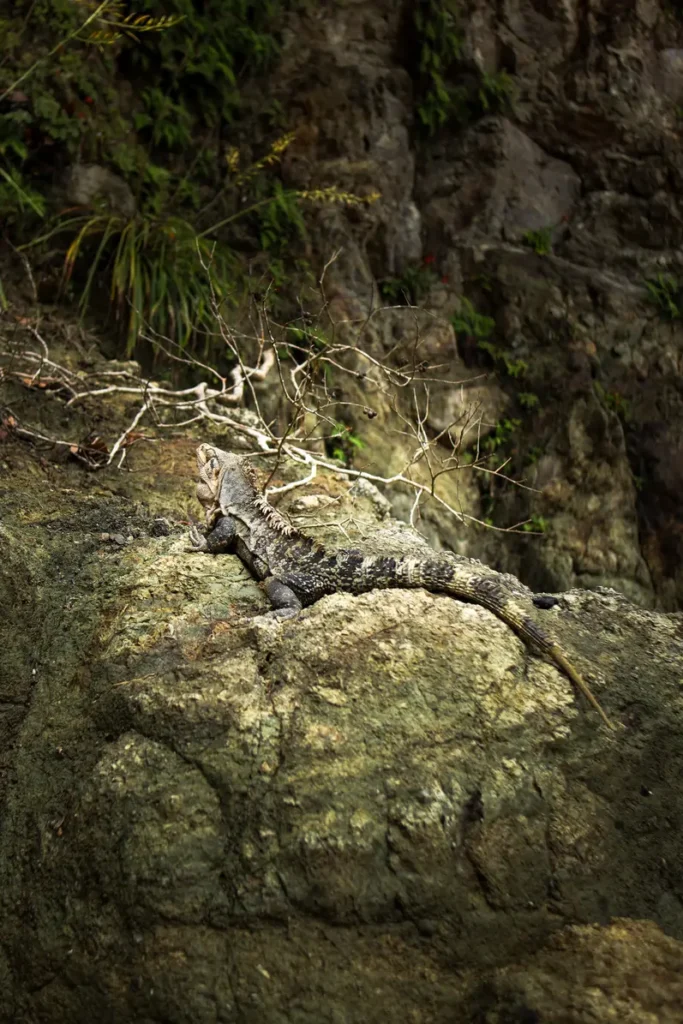
Later, have lunch at the cafeteria, cross to Playa Espadilla Sur if you want and head back toward the entrance via the Playa Espadilla Sur trail, reconnecting with the Manglar trail.
One last tip. If you book a guided tour, try to schedule it as early as possible. Most tours cover the Access Road, Manglar trail, and Perezoso trail. That works well, since you can then explore beaches and additional trails on your own afterward.
Beaches in Manuel Antonio National Park
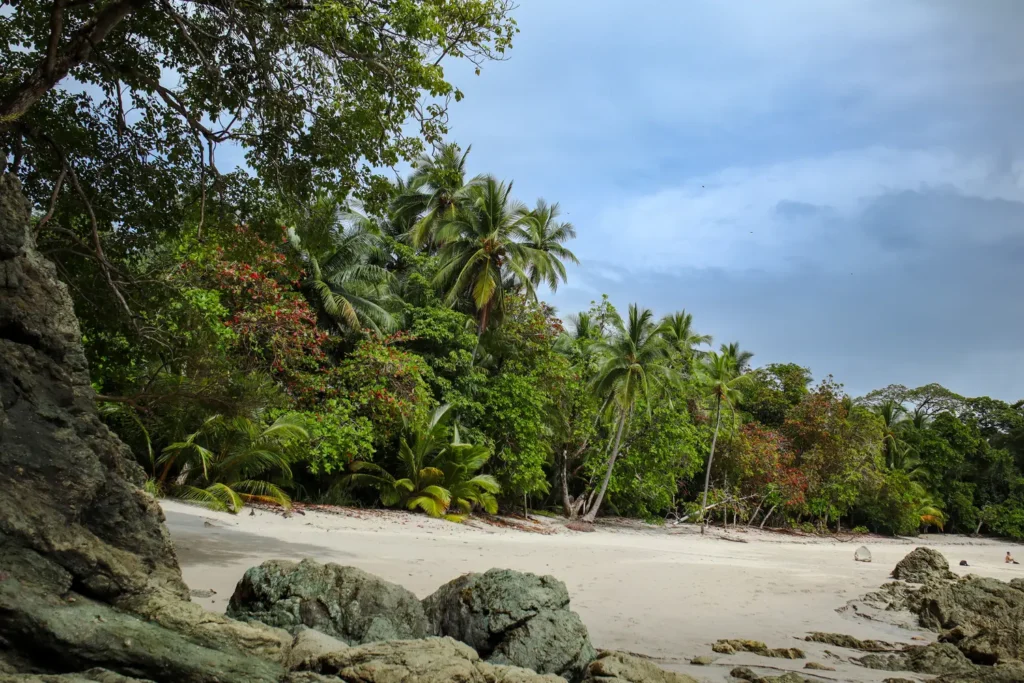
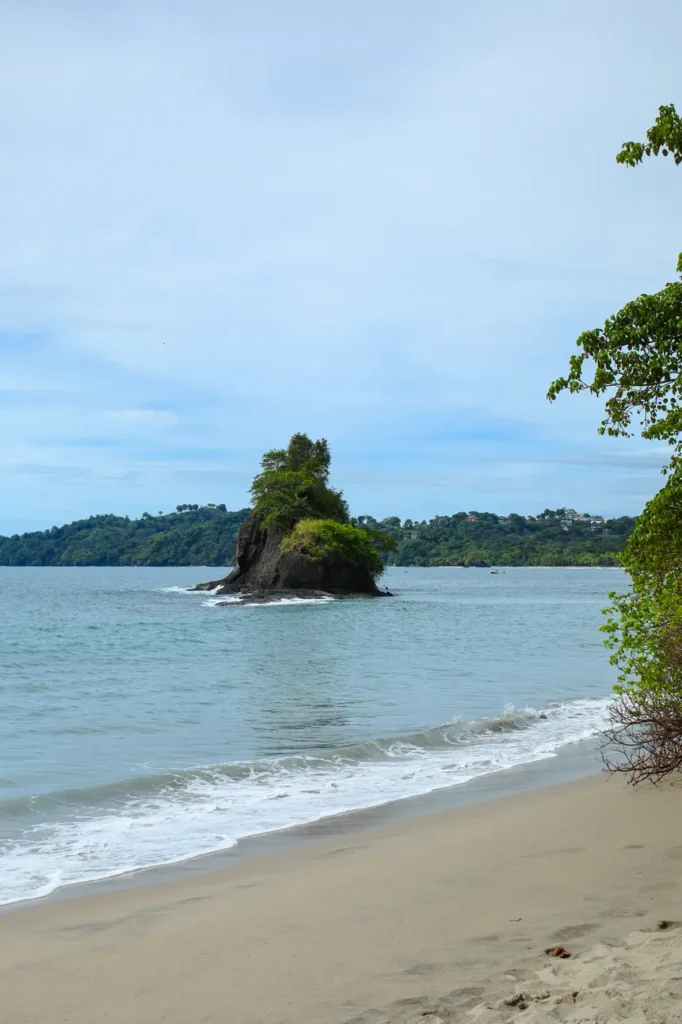
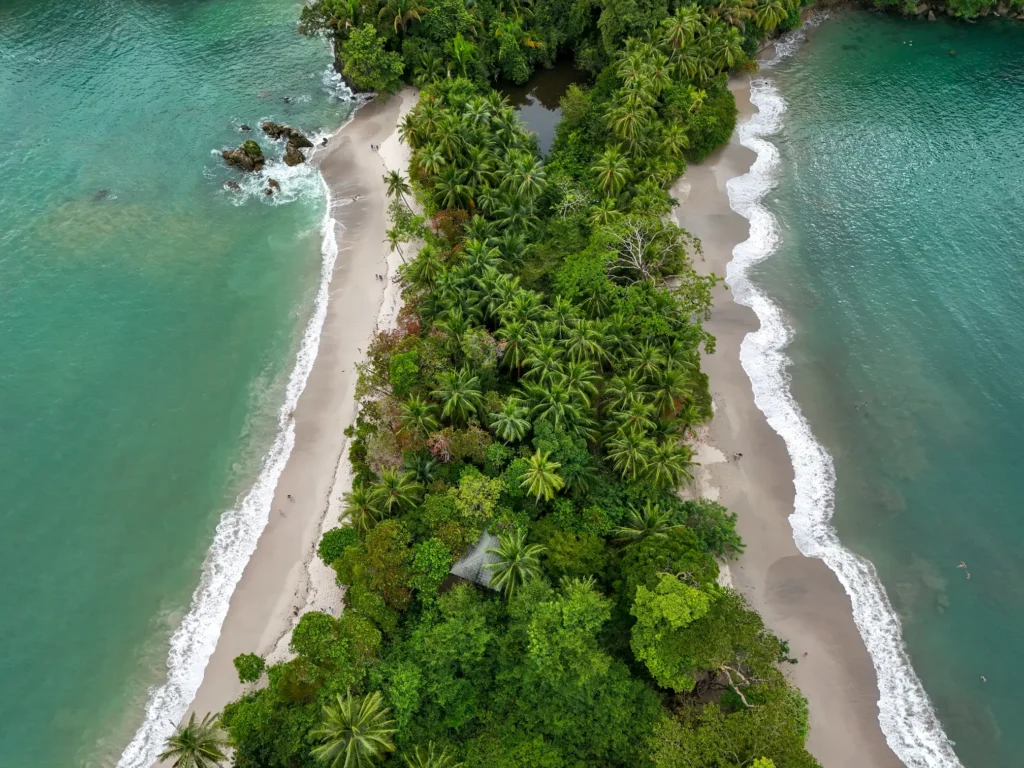
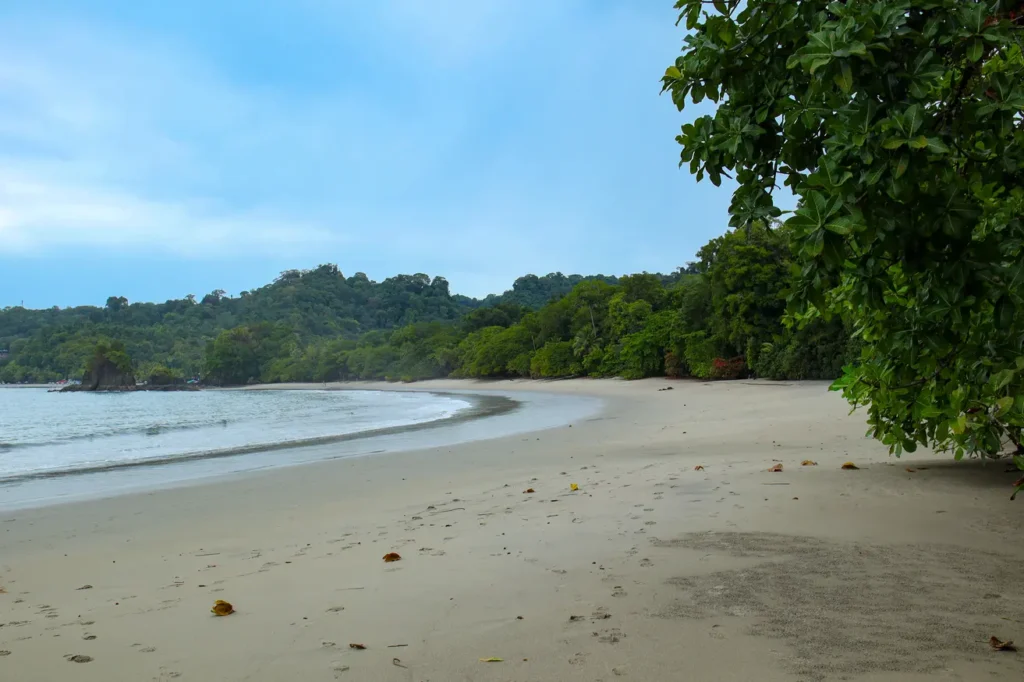
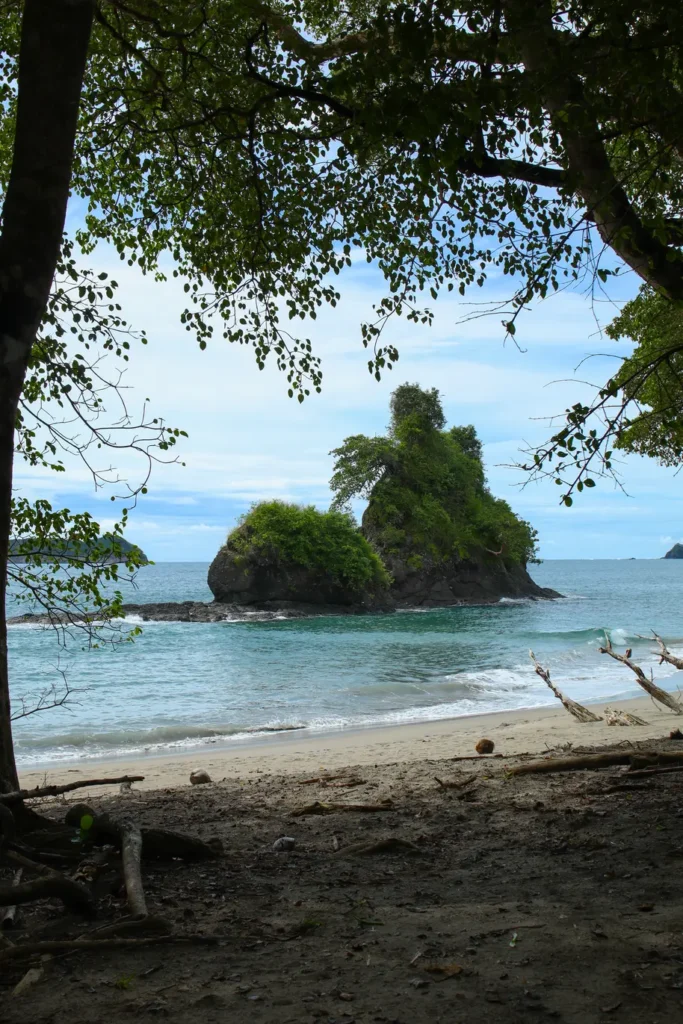
The beaches in this park are another of the main reasons why people visit. You’re walking through the forest and, minutes later, you’re stepping onto a beach with clear water and jungle all around. That combination is what makes this park so special.
Swimming conditions vary. Playa Manuel Antonio is the best option for bathing, while Playa Espadilla Sur has stronger currents and is not the safest place to swim.
Playa Manuel Antonio
This is the most popular beach in the park. If you arrive early, you can still enjoy it with very few people, which makes a huge difference.
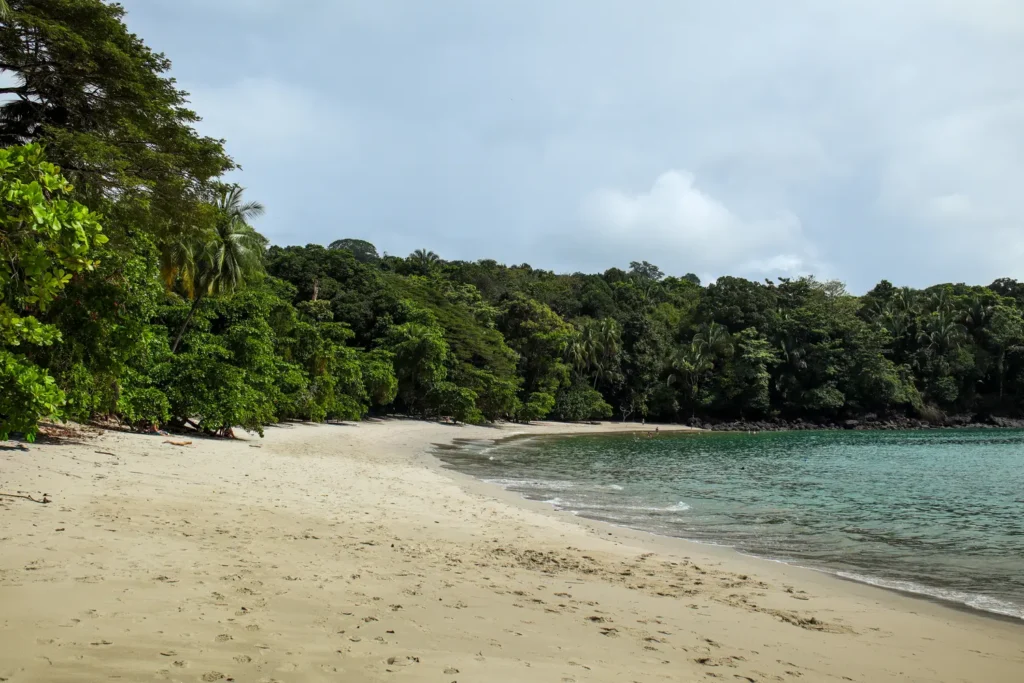
The water is usually calm and great for swimming. It’s also the closest beach to the main trails, so it’s easy to combine with hiking.
One thing to watch out for here is monkeys. Don’t leave your belongings unattended, as they’re quick and curious.
Playa Espadilla Sur
This is a much larger beach and feels like a natural continuation of Playa Espadilla Norte, which sits outside the park. Access is easy, and it’s a nice place to relax and walk along the sand.
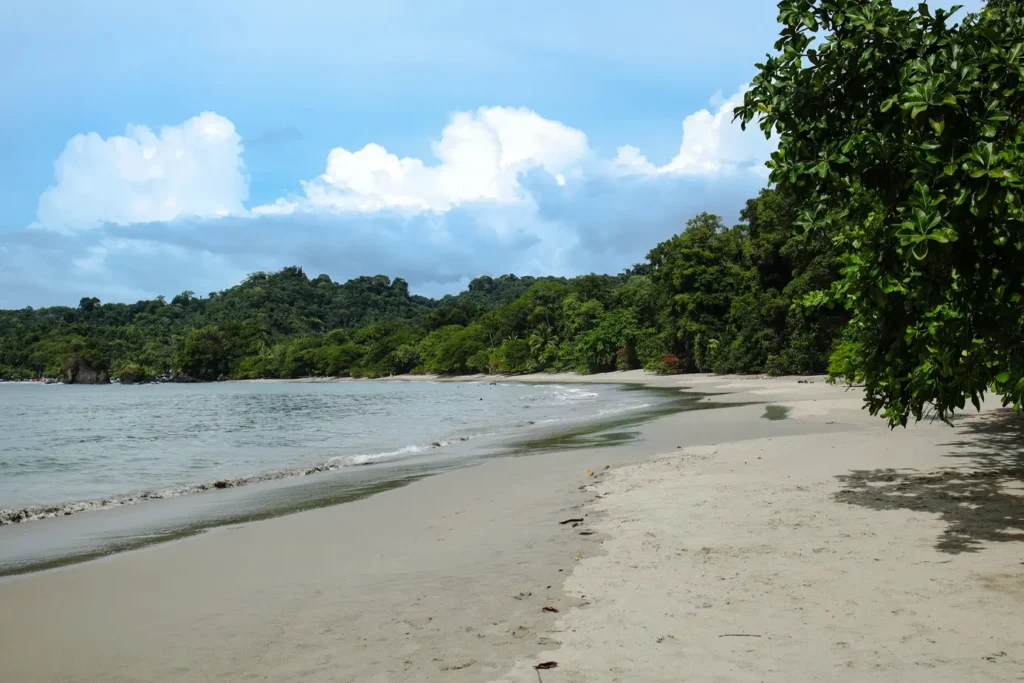
That said, currents here are stronger, and it’s not the best spot for swimming. You can only access the beach at the beginning or end of the trail, not halfway through, so plan accordingly.
Playa Gemelas
Playa Gemelas is smaller and quieter. It’s often skipped because access is a bit less straightforward, which keeps crowds away.
It’s a good option for a short swim break or a quieter stop if Playa Manuel Antonio feels too busy.
Playa Escondido
This beach is less visited and feels more secluded, but access requires a short detour. When I visited, the access to Playa Escondido had been closed for a long time, so don’t count on being able to reach it. Always check current conditions when you enter the park.
Final thoughts
This Manuel Antonio National Park guide was created to help you plan a smooth, realistic, and enjoyable day in one of Costa Rica’s most popular parks.
It’s small, busy, and very structured, but if you plan it well, it’s absolutely worth it. The mix of wildlife, jungle trails, and beaches is hard to beat.
What really makes the difference here is timing. Arriving early, knowing how tickets work, understanding the parking situation, and being clear about what you want to prioritize will shape your entire experience.
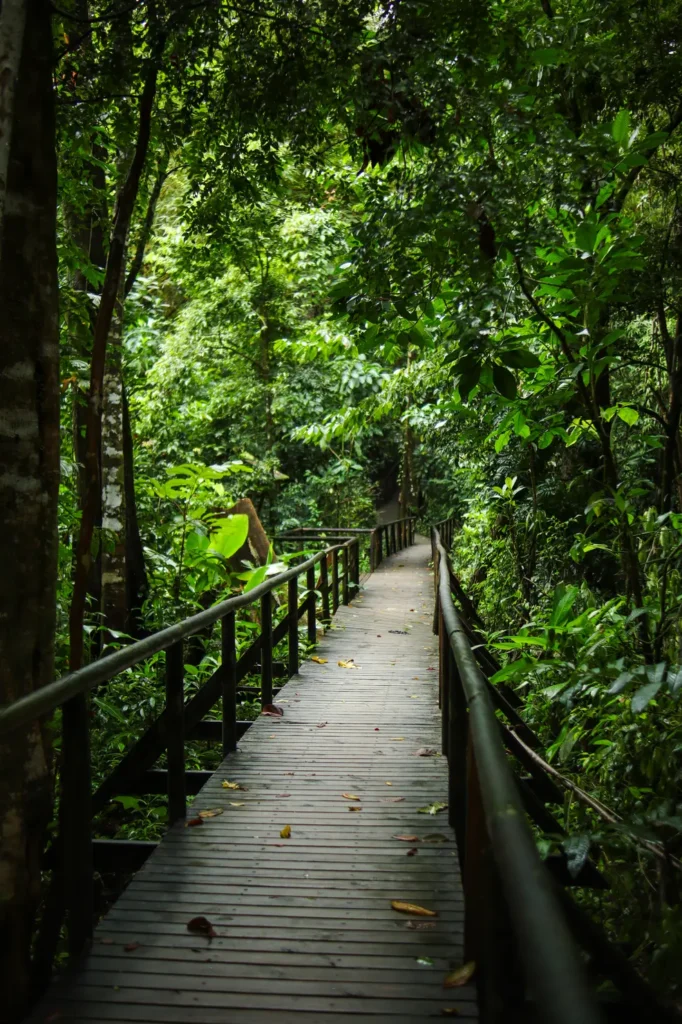
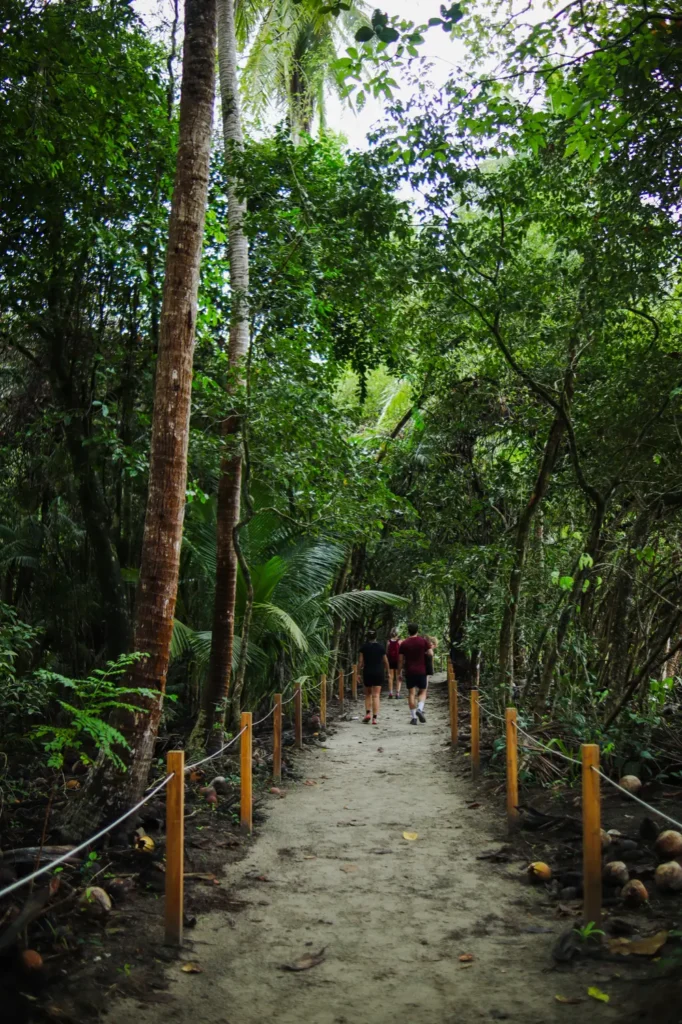
There are plenty of things to do in Manuel Antonio National Park, but you don’t need to do everything to enjoy it. Choosing the right activities in Manuel Antonio and pacing your day makes the experience far more enjoyable.
For me, it was one of my favorite places in Costa Rica. Seeing wildlife so close to the trails and then ending the day at the beach felt like the perfect balance.
Looking for more tips for visiting Manuel Antonio National Park? Ask away in the comments!
Disclaimer: this post may contain some affiliate links, which means I get a small commission if you buy something through my links. This doesn’t represent any additional cost to you and you’ll be supporting my work here on the blog😊