

If you’re looking for a clear, honest guide to Catarata del Toro waterfall, you’re in the right place. This is one of those waterfalls in Costa Rica that looks unreal in photos. And somehow feels even bigger in real life.
Catarata del Toro sits in Bajos del Toro, about 1.5 hours from San José and also from La Fortuna. The drive is part of the adventure. The roads are narrow, steep, and often foggy. There are big climbs and sharp turns. But if you take it slow, it’s totally doable.
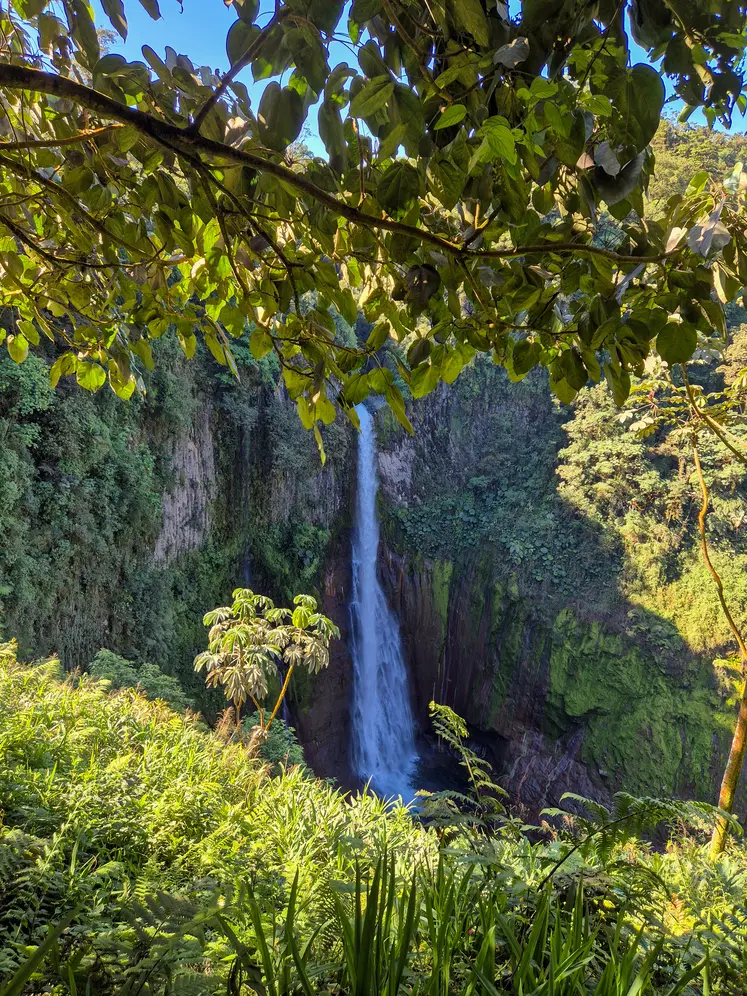
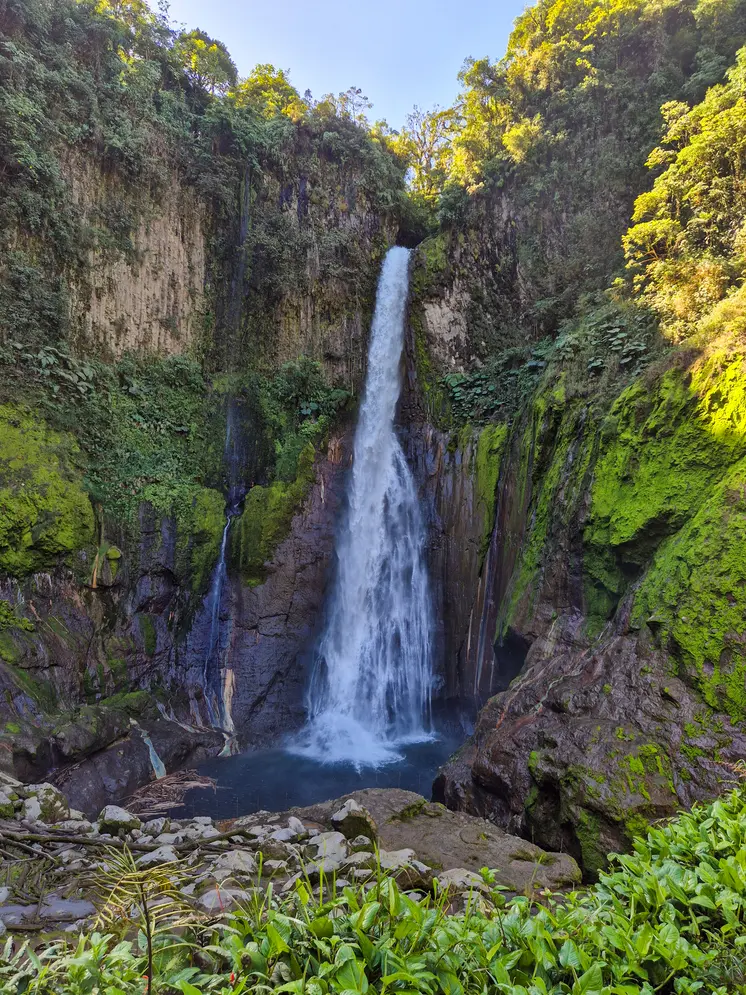
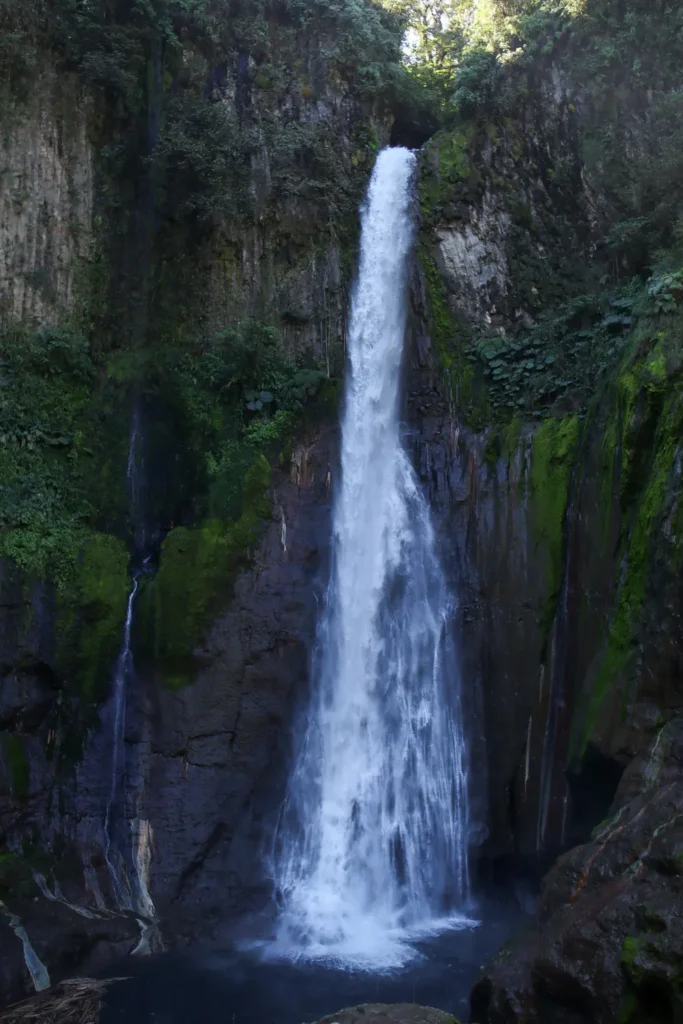
The waterfall itself drops 90 meters (~300 ft), straight into the crater of an old volcano. It’s one of the most impressive waterfalls in Costa Rica, no question. The first time I saw it, I just stood there for a moment. It’s massive. And the sound alone makes you feel small in the best way.
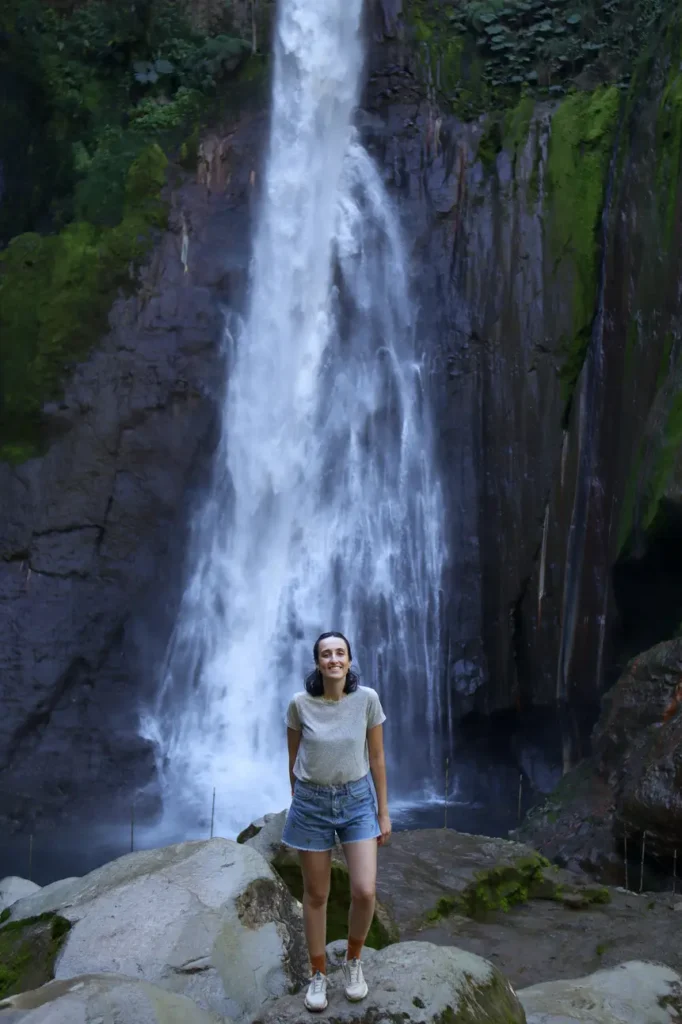
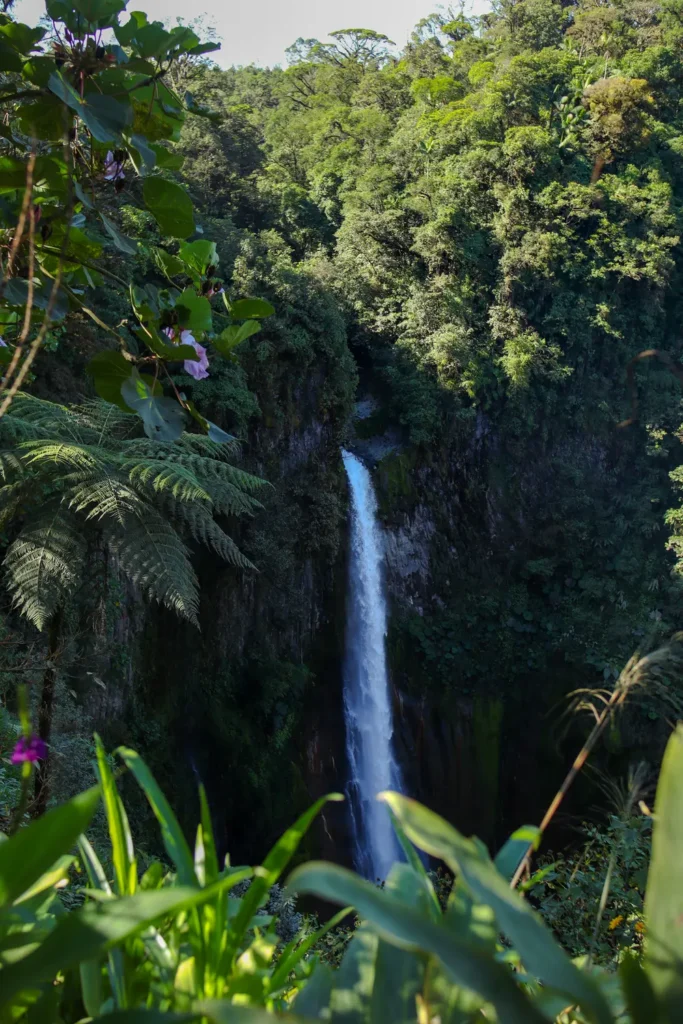
The visit takes around 1h30 to 1h40 in total. The trail is well-maintained but includes a long set of stairs down to the base. The way back up is the hardest part. It took me about 15 minutes with two or three stops to catch my breath. It’s manageable, just don’t rush it.
The waterfall is privately owned, which means the paths are safe, clean, and clearly marked. Many people combine this visit with the Blue Falls, since the owner is the same and there’s a combined ticket option.
Below, I’ll walk you through everything step by step. From how to get there, to what to wear, to the best time to go.
In a hurry? Plan your trip to Catarata del Toro now!
📍 Location: Bajos del Toro, Costa Rica (about 1h30 from San José and La Fortuna)
🚗 Parking: Free parking is available next to the ticket office
💰 Entrance fee: 15 USD/12.8€ per person, 25 USD/21€ combo ticket with Blue Falls
⏰ Opening hours: Monday to Saturday, 7 am to 5 pm (last entry at 4.30 pm). Closed on Sundays
⌛ Time needed: 1h30 to 2 hours
🥾 Trail length: 3 km / 1.9 mi round trip
⚠️ Difficulty: Easy going down, moderate on the way back up
💸 How to pay in Costa Rica: Credit and debit cards are widely accepted, but it’s still useful to carry some cash. Colones are used for small purchases, while USD is often accepted in tourist areas. Use Revolut to pay by card and avoid foreign transaction fees.
💊 Best travel insurance for Costa Rica: I recommend Heymondo for its excellent balance between affordability and quality.
🛜Best way to stay connected in Costa Rica: If your phone supports eSIM, Airalo (MARIAN4315 = 3€ off) is the easiest option. Otherwise, buy a local SIM from Kolbi, Liberty or Claro. However, Kolbi is the only network that has coverage in Bajos del Toro.
Where is Catarata del Toro
Catarata del Toro is located in Bajos del Toro, a small mountain village often called the land of waterfalls. And for good reason. This area has more waterfalls than almost anywhere else in the country, yet it still feels untouched and calm. You can find the exact location here.
It’s about 1h30 from San José, 1h30 from La Fortuna, and 1h20 from Poás. The distances aren’t long. But the roads make the journey slower than you expect.
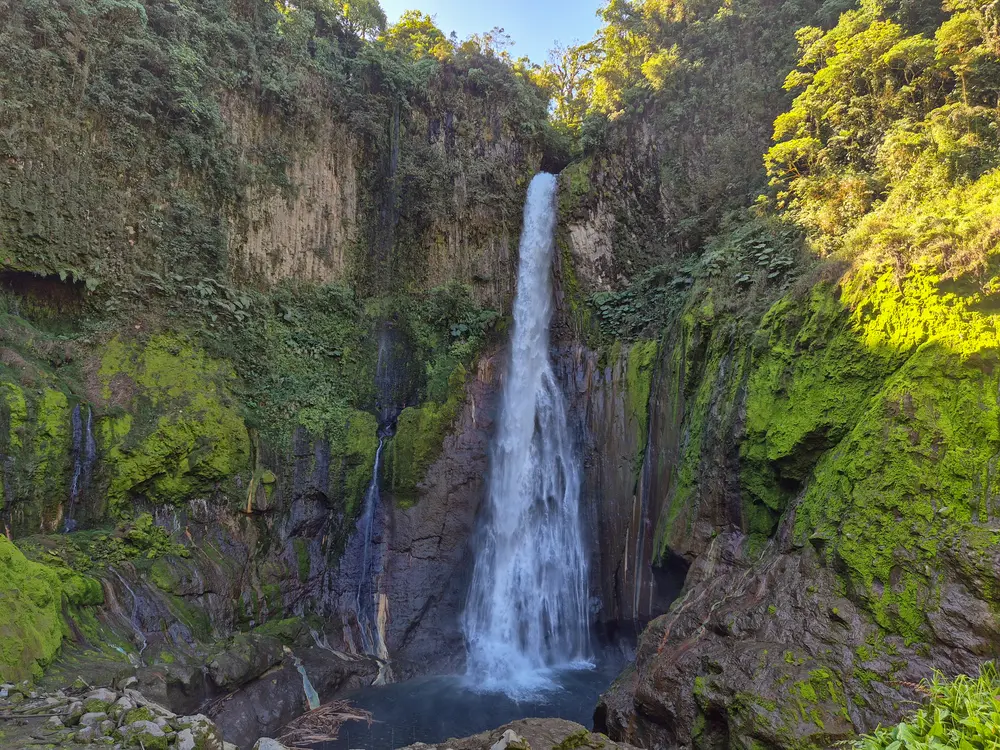
What makes this place special is how quiet it is. Even though Bajos del Toro is home to some of the most impressive waterfalls in Costa Rica, it sees a fraction of the tourists. That alone already makes it worth the detour.
This particular waterfall also feels different from many others in the country. The drop is massive and dramatic. It falls straight into the crater of an old volcano, which gives it a wild and raw feel you don’t get in many other places in the country.
I noticed the difference the moment I arrived. It was colder. Quieter. Almost silent. After spending time in places like La Fortuna or Manuel Antonio, this felt like a reset. No crowds. No noise. Just nature and fresh air.
How to get to Catarata del Toro waterfall
Getting here takes a bit of effort. But that’s also why it feels so special once you arrive. There are very few public transport options in this area, so planning ahead matters.
Driving to Catarata del Toro
Having a car is hands down the best way to reach and explore Bajos del Toro. Public transport is very limited, and without a car, you’ll miss most of what the area has to offer.
The roads are steep, narrow, and full of curves. Driving here requires patience. After visiting, I realized there’s actually a better road that Google Maps doesn’t always suggest. We arrived from the south, but a smoother option is to take Route 126 and then enter Bajos del Toro from the north via Route 708.
You don’t need a 4×4 to get to Bajos del Toro. A regular car is enough as long as you drive carefully and take your time.
Another thing to be ready for is fog. We drove through thick mist that reduced visibility a lot. This is common in the area. Drive slowly, use your lights, and don’t rush it.
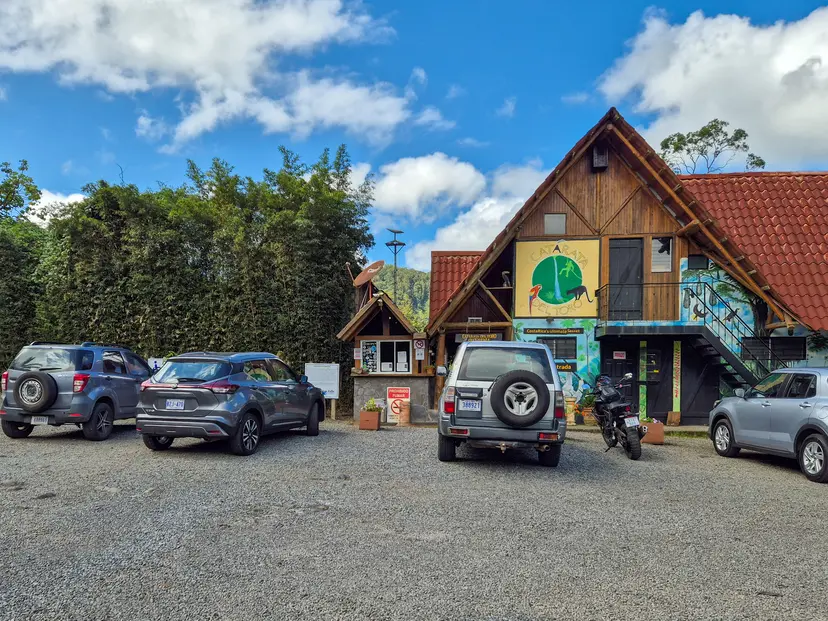
From the “center” of Bajos del Toro is quite easy to reach Catarata del Toro. There’s a parking lot right next to the waterfall’s ticket office.
🚗Renting a car in Costa Rica can get confusing fast, especially when different companies show very different prices for what looks like the same car.
I usually use DiscoverCars to compare options across multiple rental companies in one place. It makes it much easier to spot the best value and avoid overpriced deals.
You can also filter by things like insurance and reviews, which helps avoid unpleasant surprises at pick-up.
👉 Check prices for your dates here
Visiting Catarata del Toro as a day trip
You can visit Catarata del Toro as a day trip from several places like San José, La Fortuna or Poás. Without traffic, all three journeys take about 1h30. That said, traffic is very common when leaving San José or La Fortuna, especially in the morning. It’s a good idea to plan extra time so you’re not rushing the visit.
I actually considered doing it as a day trip from San José at first. But once I looked at the roads and driving time, staying overnight in Bajos del Toro made much more sense. So, I honestly don’t recommend this option.
Where to stay to visit Catarata del Toro
If you want to make the most of your time here, I really recommend staying in Bajos del Toro. This saves you hours of driving and lets you enjoy the area at a slower pace.

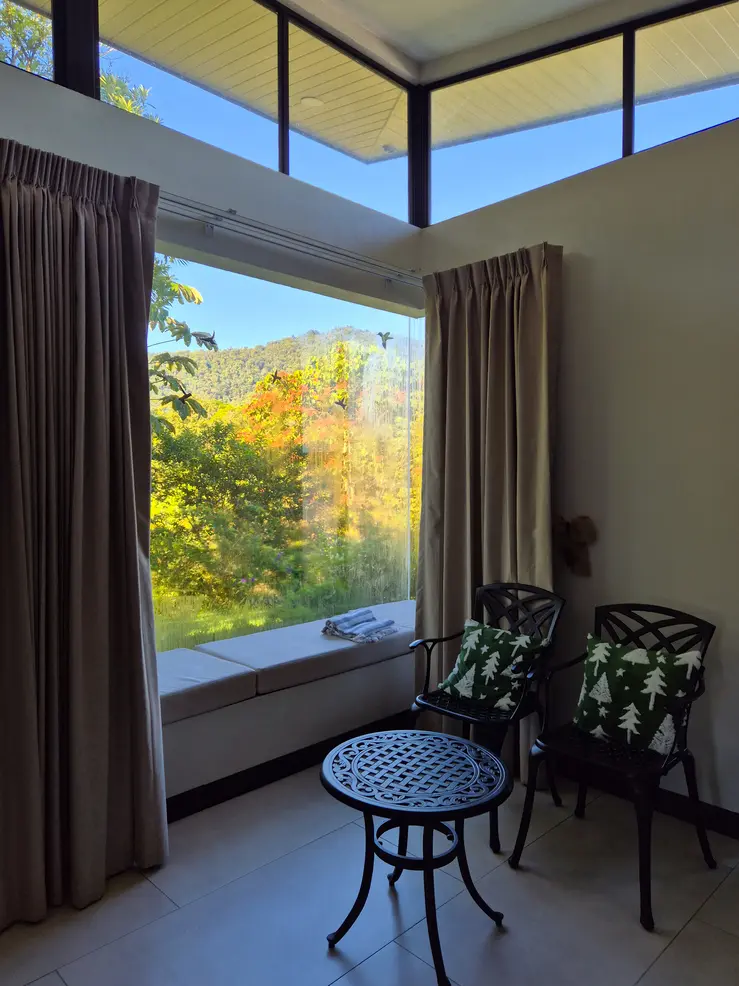
I stayed in this Airbnb and honestly wished I had booked more nights. The hosts were incredibly kind. When we had a problem with our rental car, they tried everything to help us, even though it wasn’t their responsibility.
The place itself was modern, surrounded by nature, and very quiet. My favorite part was a small corner with a view of the garden outside. It was the kind of place where you want to sit, slow down, and do nothing for a while.
The only downside was finding the house at night. The location is a bit tricky in the dark. However, if you arrive during the day, it’s much easier and far less stressful.
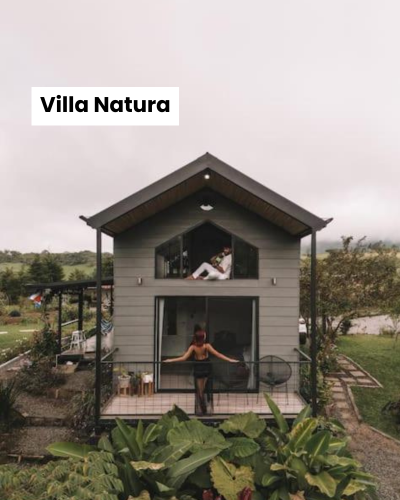
Even though there aren’t many accommodation options in Bajos del Toro, here are a few more (Villa Natura below is actually owned by the same people of the Airbnb where I’ve stayed):


Entrance fee, opening hours, and facilities
The current entrance fee is 15 USD /12.8€ per person. There’s also a combo ticket for 25 USD/21€ that includes the Blue Falls. I highly recommend getting the combo option. The Blue Falls are worth the extra time and money, and visiting both in the same day makes a lot of sense.
You can check the most up-to-date prices on the official website.
You can pay by card in colones or in cash using USD, euros, or colones.
Catarata del Toro is open Monday to Saturday from 7 am to 5 pm. It’s closed on Sundays. The last entrance is at 4.30 pm, so don’t arrive too late.
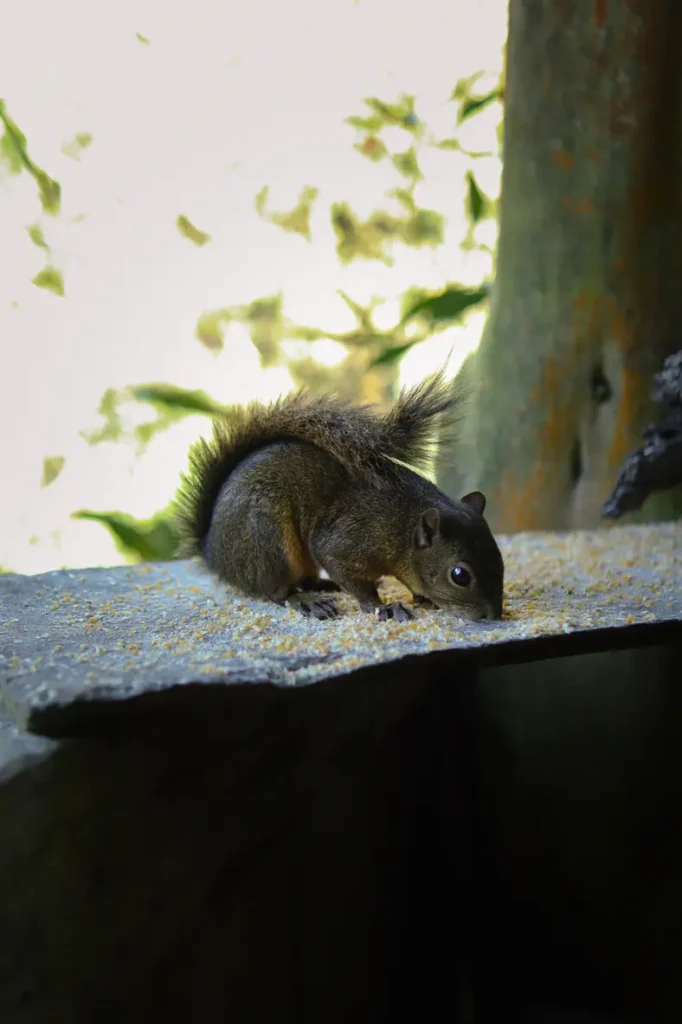
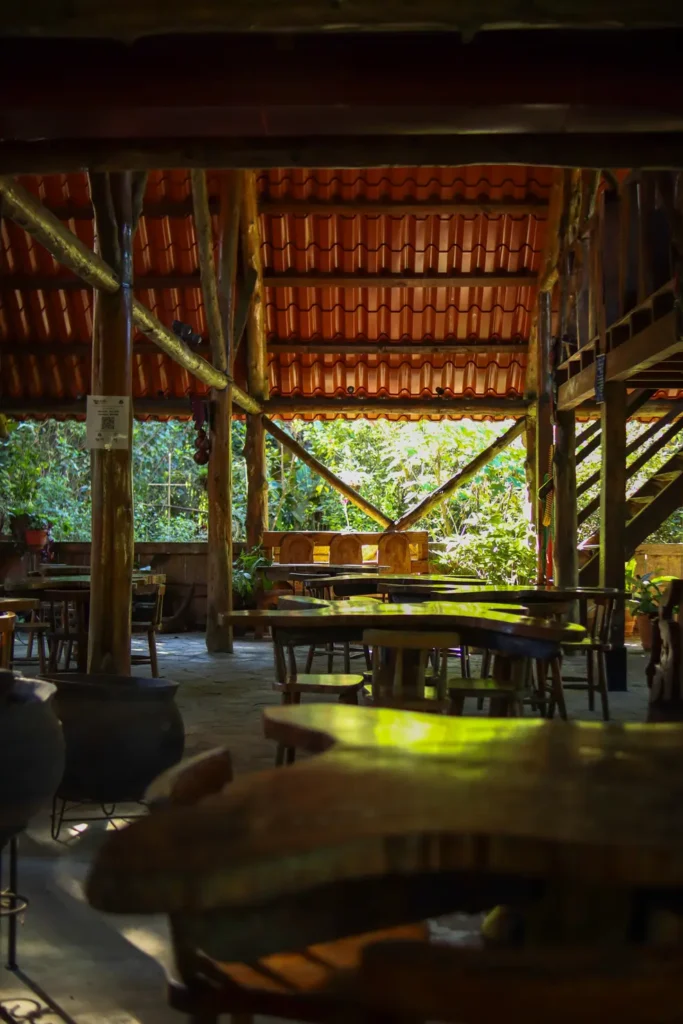
There are bathrooms on site and a small café near the entrance. Even if you don’t plan to eat, it’s worth spending a few minutes here. There are hummingbird feeders, not as many as in Monteverde, but still fun to watch. We also saw a squirrel hanging around, which made the stop even nicer.
💼 TRAVEL INSURANCE: It’s one of those things you hope you won’t need… but it can save you a lot of money and stress if something goes wrong.
I personally use Heymondo because it offers strong coverage at a reasonable price, including medical expenses, lost luggage, and electronics.
What I like most is how easy it is to manage everything through their app, especially if you ever need assistance while traveling.
As a Ticket to Take Off reader, you get 5% off, already applied when booking through the link below.
The hike to Catarata del Toro waterfall
This is the part most people worry about. And honestly, it’s not as bad as it sounds. The hike is short, well-organized, and very manageable if you take it slow.
Trail overview
The full trail is around 3 km/ 1.9 mi, and it took us about 1h40 round trip, including stops. Most of the walk is downhill on the way to the waterfall, which makes the first part feel easy and relaxed.
There are more than 200 stairs in total. The trail is well marked with white and green paths, so navigation is simple for the most part. The only moment I found confusing was on the way back, when we followed the green path through the garden and struggled a bit to find the exit.
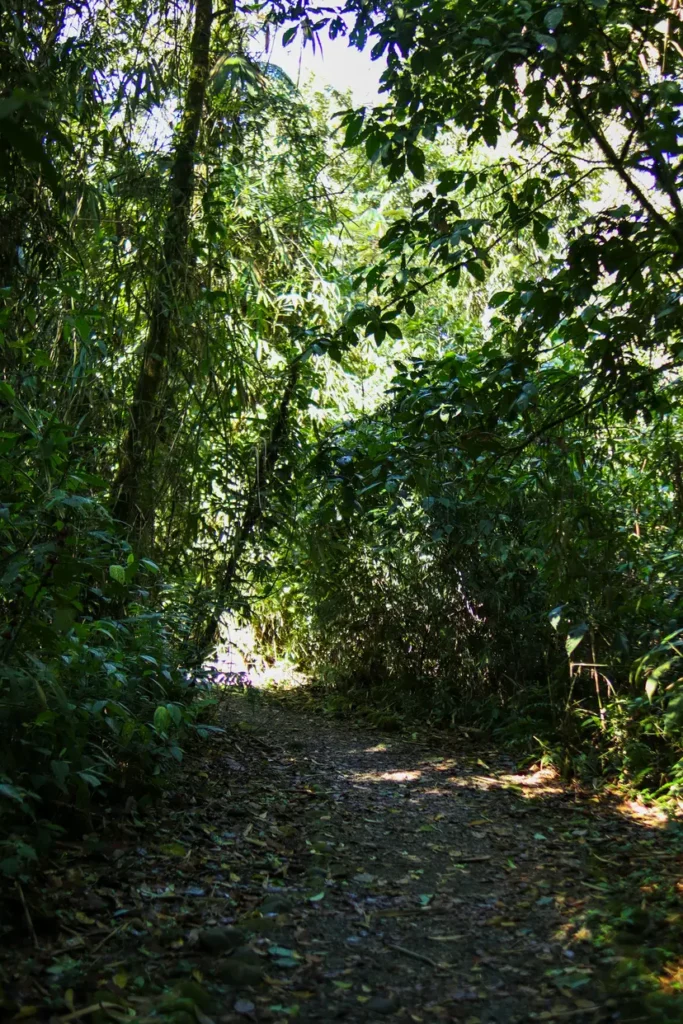
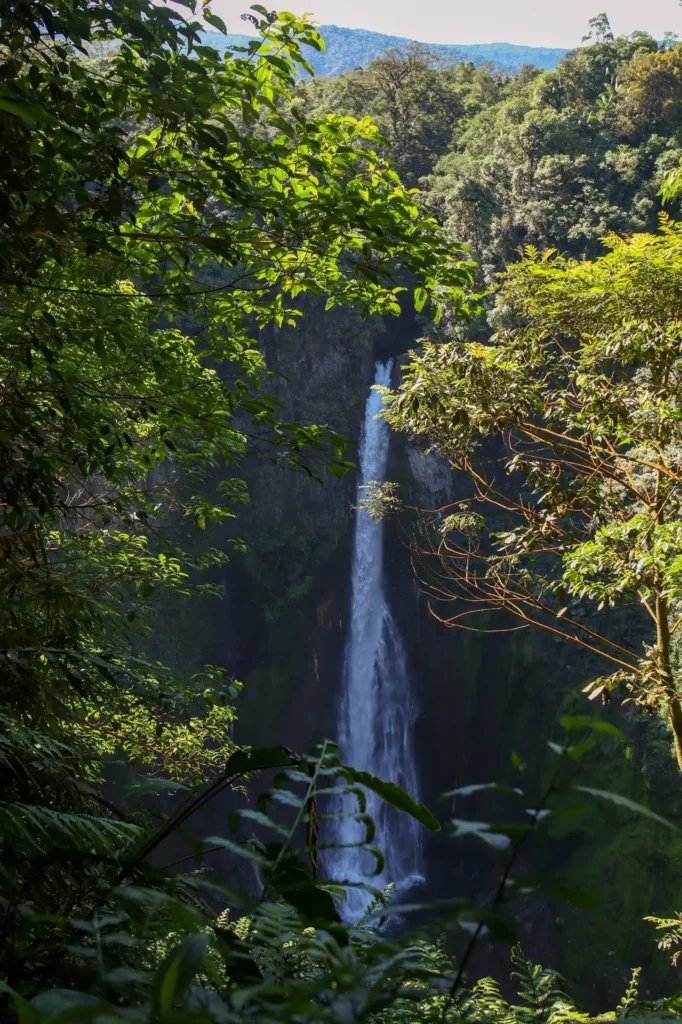
The difficulty level depends on the direction you’re heading. Going down to the waterfall is fairly easy unless you have knee issues. The way back up is the hardest part. But it’s very doable. There are benches along the trail where you can rest. We took about 15 minutes to climb the main staircase, with two or three stops to catch our breath.
This hike isn’t ideal for people with knee problems, mobility issues, or anyone who struggles with stairs. For everyone else, it’s more about pacing than fitness.
Forest trail section
Right at the start of the trail, you already get a view of the waterfall from above. It’s the kind of moment that makes you stop immediately. And it only gets better from there.
As you walk down, you pass several viewpoints where you can see the waterfall from different angles. Each one feels different, and it’s worth stopping at all of them.
The staff at the entrance suggested we start on the White trail, go straight to the waterfall, and then return via the Green trail through the garden at the back of the property. I had read online that the green trail was a nice detour, but honestly, I didn’t find it very special. That said, it doesn’t add much time, so you can still do it if you’re curious.
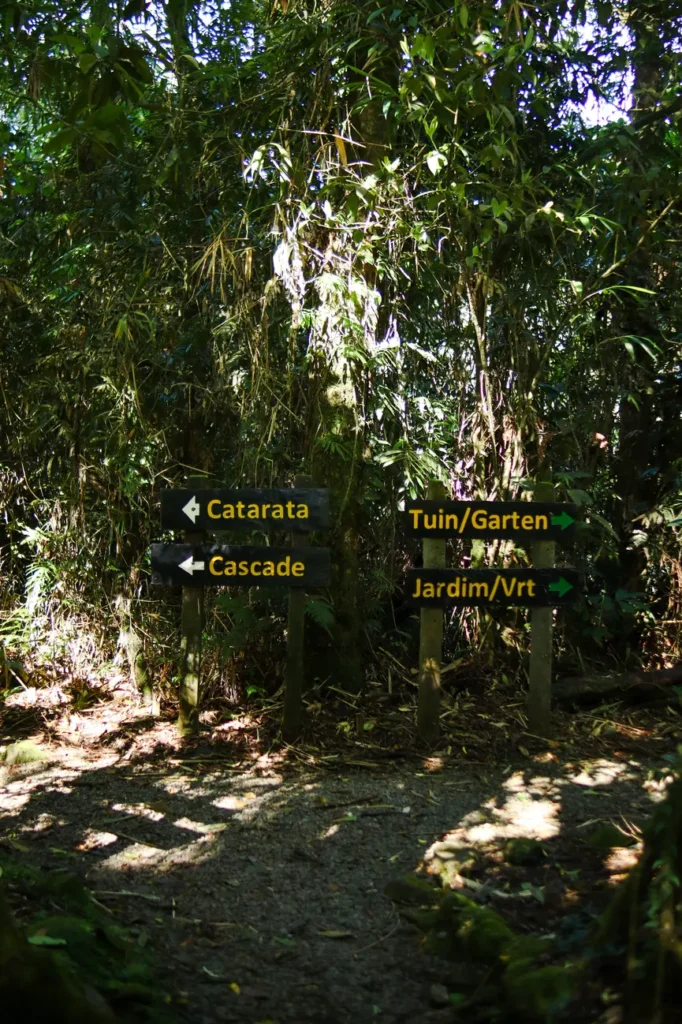
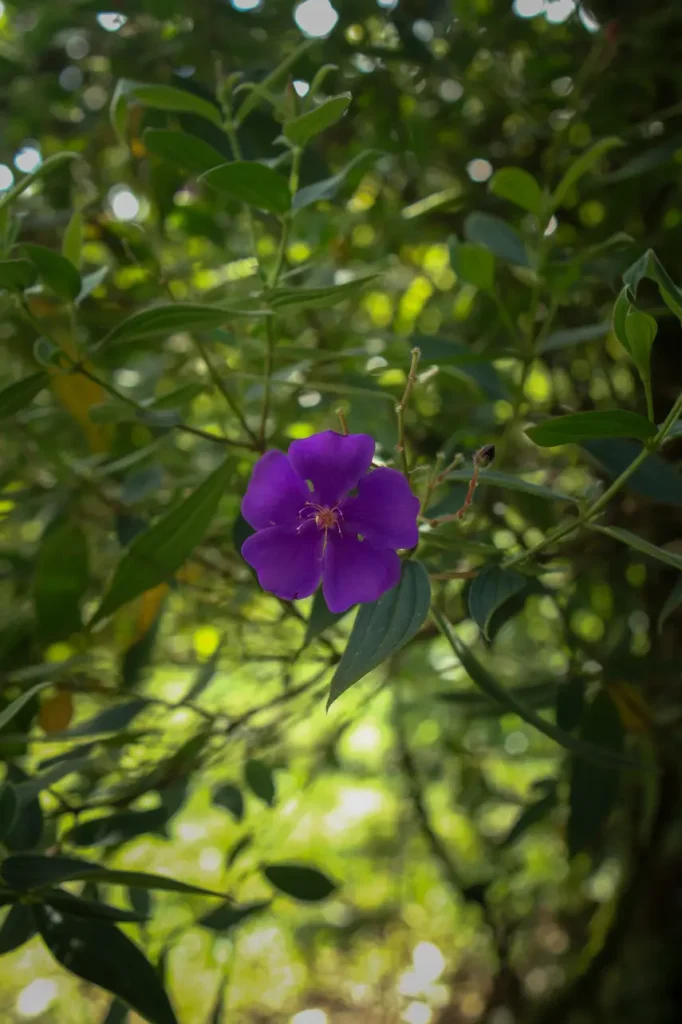
The walk from the entrance to the first set of stairs takes around 12 minutes. Some sections are shaded, others are more open. But Bajos del Toro is much cooler than most places in the country, so the temperature felt comfortable, especially since we went early in the morning.
The stairs
To reach the base of the waterfall, you have to go down a large staircase and some more steps a few meters ahead. There’s no way around it. The staircase has over 200 steps, some made of concrete and others of packed dirt.
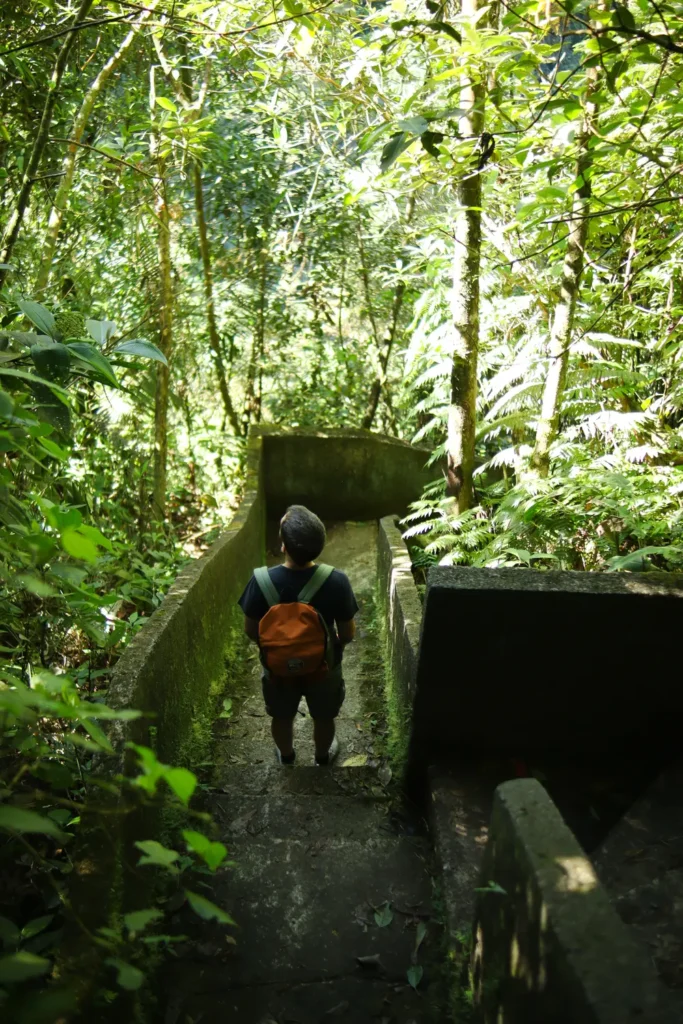
Many of the steps are quite high, which makes the climb harder on the way back up. And yes, this is one of those moments where you’re walking down and already thinking about how tough the return will be.
Still, it wasn’t as bad as I expected. The climb back up took us about 15 minutes just for the main staircase. It was tiring, but totally manageable with a few short breaks.
The viewpoint and the base of the waterfall
Once you reach the bottom of the final staircase, you can walk closer to the waterfall. The ground here is uneven and often wet due to the constant moisture in the air, so take your time and watch your footing.
This is where you really feel the power of the Catarata del Toro hike paying off. The waterfall is massive. The water crashes down with force, and you can hear it before you even see it fully.
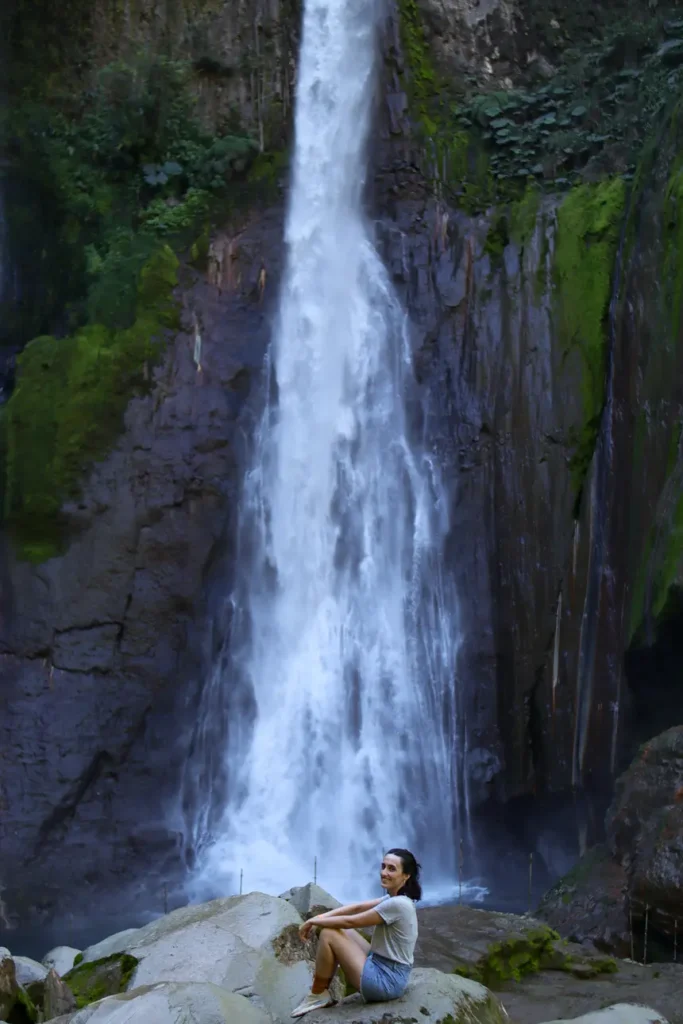
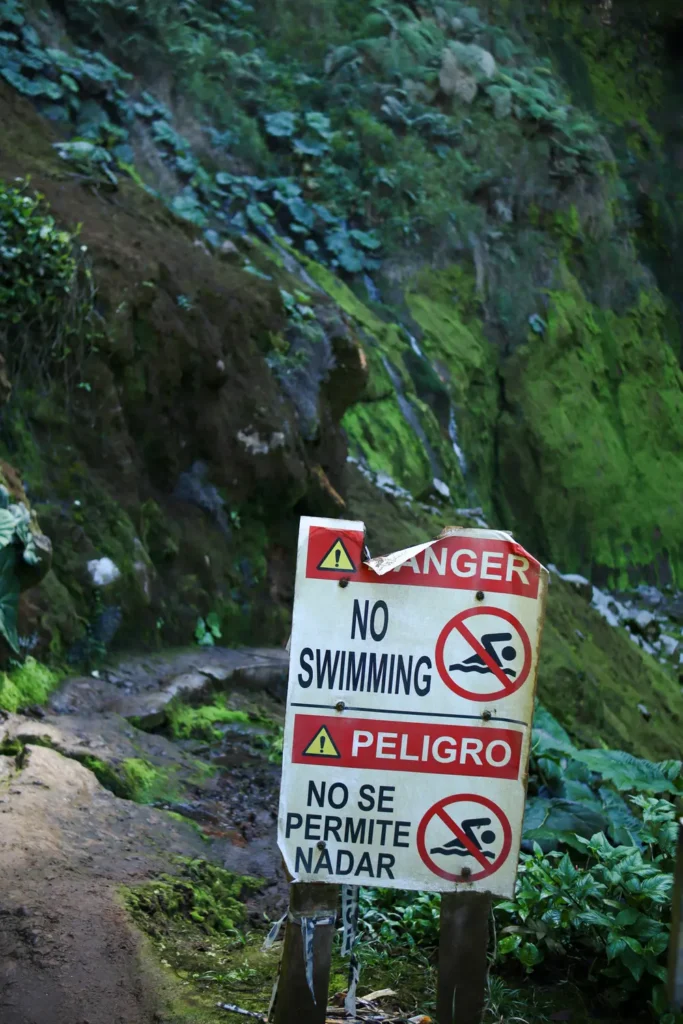
Swimming isn’t allowed here, and for good reason. The current is strong, and there’s a barrier to stop people from getting too close.
If swimming is part of your plan, don’t worry. There are other waterfalls in the area where it’s possible to get in the water. The Blue Falls are the best option nearby, with a combo ticket available at the entrance.
Best time to visit Catarata del Toro
Catarata del Toro can be visited year-round, but the experience changes a lot depending on the season and even the time of day.
The best months to visit are during the dry season, from December to April. The trail is less muddy, and the stairs feel easier. Visibility is also better, which helps with photos and viewpoints.
During the rainy season, from May to November, the waterfall is even more powerful. Everything is greener. But you should expect more rain, slippery paths, and even more fog.
The best time of day is early morning to avoid the crowds, especially if you visit on a Saturday. But the truth is, crowds here are nothing like in other parts of Costa Rica. Even if you visit later in the day, you’ll probably still have space to enjoy it without feeling rushed.
One thing to keep in mind is fog. It can roll in quickly and change the entire atmosphere in minutes.
💡 EXTRA TIP: If you’re also planning to visit the Blue Falls, keep in mind that tickets for both waterfalls are bought at the ticket booth near Catarata del Toro’s entrance. The staff suggested we start with Catarata del Toro and visit the Blue Falls afterward, which made the day feel much more balanced and helped us manage time and energy better.
What to pack for Catarata del Toro
- Shoes: Wear closed shoes with a good grip. The walk isn’t technical, but some sections near the waterfall are slippery even when it’s not raining.
- Clothes: Bring light layers. Bajos del Toro is cooler than most places in Costa Rica, especially in the morning.
- Rain jacket: A light rain jacket is very useful near the waterfall, where there’s constant moisture in the air, even on dry days.
- Small backpack: If possible, use a water-resistant backpack to keep your things dry and your hands free.
- Water: Bring enough water. You’ll appreciate it on the climb back up the stairs.
- Camera or phone
- Insect repellent: Mosquitoes aren’t a big issue here, but it’s still good to have some with you, especially if you visit the Blue Falls too.
How long you need at Catarata del Toro
Most people spend 1h30 to 2 hours visiting Catarata del Toro. This includes walking the trail, going down to the base of the waterfall, taking photos, and resting a bit before the climb back up.
If you combine it with the Blue Falls, you’ll need more time. The hike there is longer, and how long you stay depends on how many waterfalls you choose to see. There are several falls inside the property, and it’s easy to spend hours exploring them.
If you plan to visit both Catarata del Toro and all the Blue Falls in one day, I recommend setting aside a full day. That way, you won’t feel rushed, and you can enjoy both areas at a comfortable pace without having to watch the clock.
Final thoughts
Catarata del Toro waterfall is one of the most impressive stops you can add to a Costa Rica itinerary, especially if you enjoy quieter places that still feel wild and real. It takes a bit of effort to get here, but that’s exactly why it’s not overrun with tourists.
If you’re happy to deal with stairs and a bit of driving, this visit is incredibly rewarding. The trail is well-maintained, the views are unforgettable, and the experience feels very different from more crowded destinations.
If you’ve already been, tell me what you thought in the comments. And if you’re planning your visit and still have questions, leave them below.
Disclaimer: this post may contain some affiliate links, which means I get a small commission if you buy something through my links. This doesn’t represent any additional cost to you and you’ll be supporting my work here on the blog😊