

Looking for the perfect Nice itinerary, but not sure how to organize your time? If you’re trying to figure out what to see in Nice in 2 days, you’re in the right place.
Nice had been on my list for a long time. I had seen photos of the coastline and the colorful streets, but it still surprised me when I finally visited.
I ended up loving it, and it’s one of those places I genuinely think you should visit at least once in your life. It’s also a great base to explore the French Riviera, with places like Villefranche-sur-Mer, Èze, or Menton just a short trip away.

There’s also more to Nice than just the views. The city has a mix of French and Italian influences, shaped by its history before becoming part of France in the 19th century. You can feel that in the food, the architecture, and even the overall atmosphere.
In this Nice travel guide, I’ll show you exactly how to spend 2 days in Nice with a simple plan.
This itinerary is perfect if it’s your first time visiting Nice or if you’re planning a short trip or weekend getaway. It’s designed to help you see the main highlights without feeling overwhelmed.
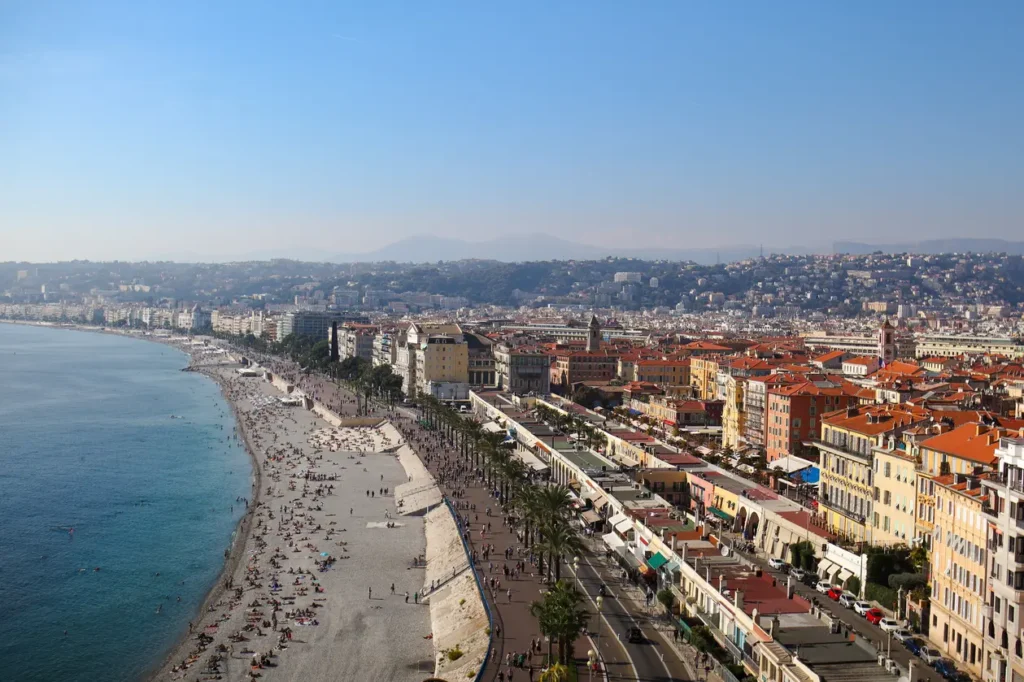
Some of the places you’ll explore include Vieux Nice, the heart of the city with its narrow streets and local vibe, the famous Promenade des Anglais along the sea, and Castle Hill, where you’ll get the best views over Nice.
So, let’s start planning that trip!
In a hurry? Plan your trip to Nice now!
📍Top sights: Vieux Nice | Cours Saleya Market | Castle Hill | Promenade des Anglais | Place Masséna | Port Lympia
🚶♀️ How to get around: mostly on foot + tram when needed, the city is easy to navigate
⌛ How many days in Nice: 2 days is enough for the highlights, 3 to 4 days if you want to explore more of the French Riviera
🎟️ Best tours in Nice:
– Guided walking tour of Nice
– Sunset cruise to Villefranche-sur-Mer from Port Lympia
– Food tour in Nice with tastings
😴 Where to stay in Nice: Residence Share Inn (where I stayed)
💊 Best travel insurance for France – I recommend Heymondo for its excellent balance between affordability and quality.
🛜 Best way to stay connected in France – If your smartphone allows an eSIM, I recommend using Airalo (MARIAN4315 = 3€ off).
How to get to Nice
Getting to Nice is very straightforward since the city is quite well-connected.
Flights to Nice
The main airport is Nice Côte d’Azur Airport. It’s one of the busiest airports in the south of France and has great connections with cities all over the world.
You’ll find direct flights from major European hubs. This includes places like London, Paris, Amsterdam, and Barcelona. There are also plenty of routes operated by low-cost airlines, which makes it easy to find good deals.
If you’re coming from outside Europe, you’ll usually connect through a bigger city like Paris, but there are also some direct connections.
Train connections to Nice
Traveling by train is another great option, especially if you’re already in France or nearby countries.
The main station is Nice Ville Station, located right in the city center.
If you’re coming from Paris, you can take a high-speed TGV train. The journey takes around 6 hours.
Nice is also well connected to other destinations along the coast. This makes it a great base if you’re planning a weekend in Nice combined with other stops in the region. When I visited, I traveled mostly by train to nearby destinations.
How to get to the city center from Nice airport
Once you land, getting to the center is easy and quick.
The tram is the best option for most travelers.
You’ll want to take tram line 2, direction “Port Lympia.” This line connects both Terminal 1 and Terminal 2 to the city center. It stops at key stations like Jean Médecin and Nice Ville.
The journey takes around 30 minutes and it’s very straightforward.
💡 EXTRA TIP: Don’t buy your ticket at the machines in the airport. Instead, use the Lignes d’Azur mobile app. Tickets are significantly cheaper there, and it’s also easier.
If you’re arriving late at night or after a long flight, a taxi or private transfer might be a better option. The ride takes around 15 to 20 minutes, depending on traffic.
🚐 If you prefer a smooth arrival without having to figure out transport on the spot, booking a transfer in advance is a great option.
I recommend Kiwitaxi since you get a fixed price upfront and a driver waiting for you at the airport, which makes things much easier after a long flight or a late arrival.
👉 Get 5% off when you book through this link and use code TICKETTOTAKEOFF
How to get around Nice
For most of the main attractions, walking is enough. The city is quite compact, especially around the Old Town and the seafront.
That said, some places are a bit further away. For example, the Russian Orthodox cathedral that I’ll mention later. In those cases, using public transport makes more sense.
Nice has a good tram and bus network, managed by Lignes d’Azur. A single ticket costs around 1.5€ (~1.8 USD), and the easiest way to buy it is through their app.
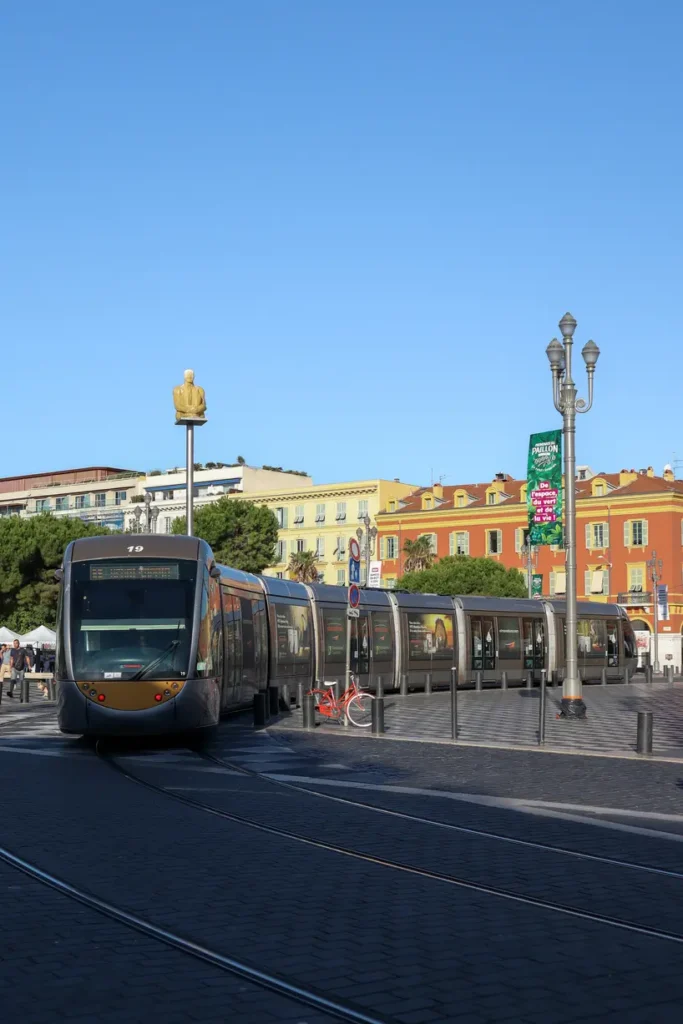
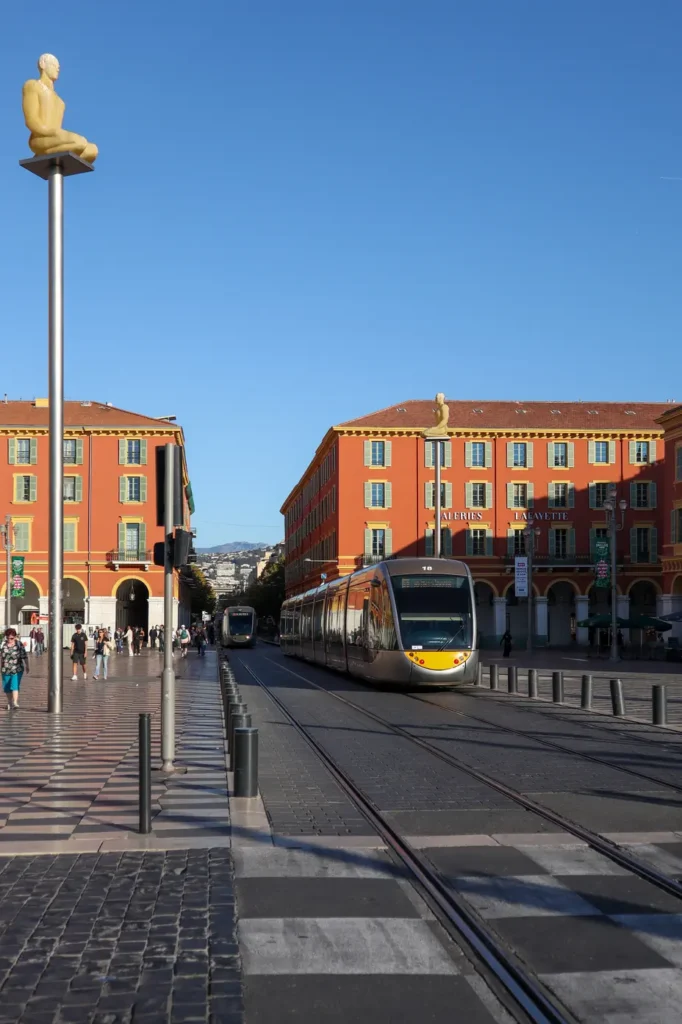
There’s also the regional ZOU network. This allows you to travel by bus across the Provence-Alpes-Côte d’Azur region, which is useful if you’re planning day trips.
Also, in general, I found Google Maps very reliable. It clearly shows which transport to take, where to catch it, and in which direction.
💡 EXTRA TIP: If you want to understand the system better or plan routes in advance, I recommend checking the official guide from the region.
Where to stay in Nice, France
Choosing where to stay in Nice can make a big difference, especially if you only have a short trip and want to make the most of your time.
In general, there are three main areas to consider.
The Old Town is the most atmospheric, with colorful streets and a lively vibe, but it can get noisy, especially at night.
The city center is the most practical option, with easy access to transport, shops, and many of the main attractions.
Staying near the beach is great if you want sea views, but it tends to be a bit more expensive.
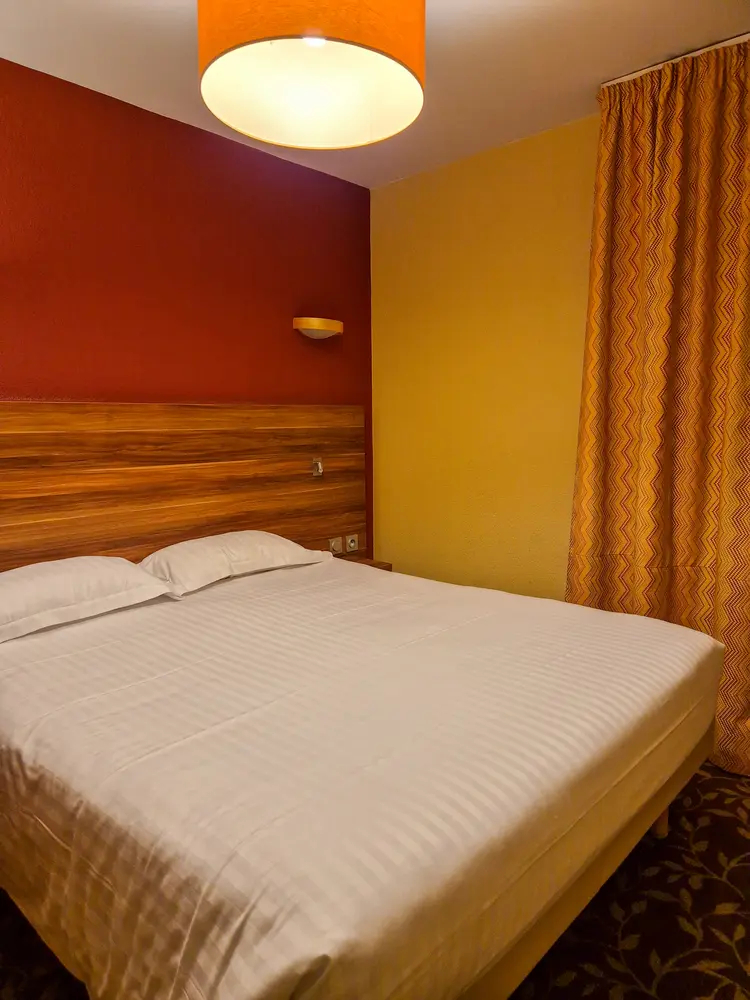
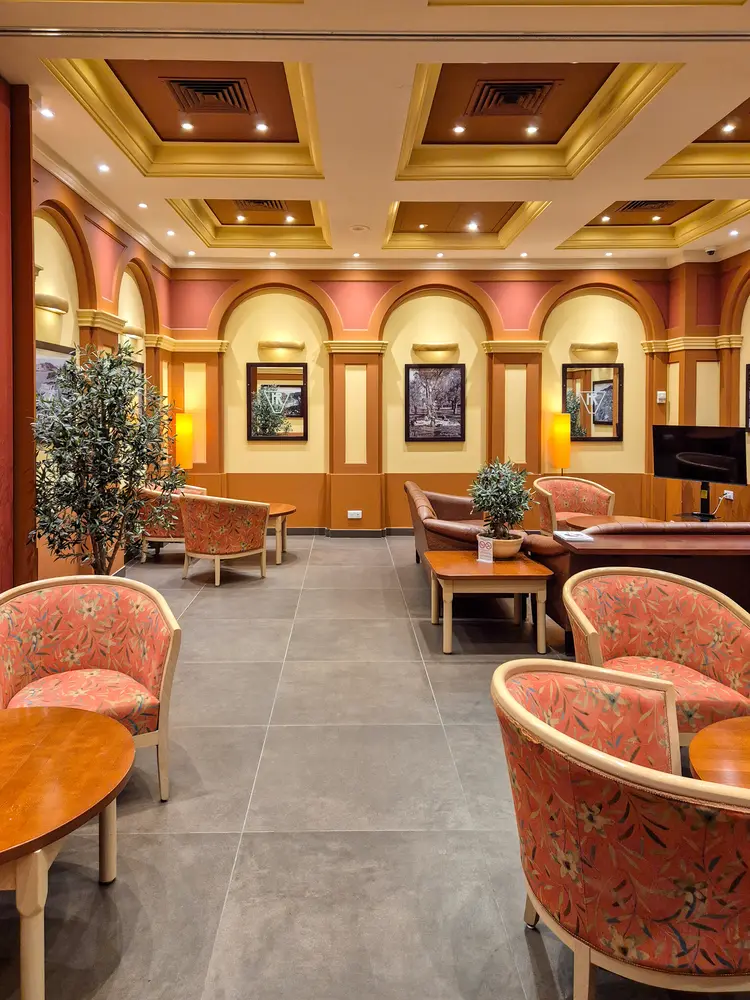
I personally stayed at Residence Share Inn, and I’d absolutely recommend it. It’s very central, which made everything much easier. I could walk to many of the main places to visit in Nice, and I was also just a short walk from the main train station.
That was a big plus because I did a few day trips while I was there, and being close to the station saved me a lot of time. The area also has plenty of great restaurants and cafés nearby.
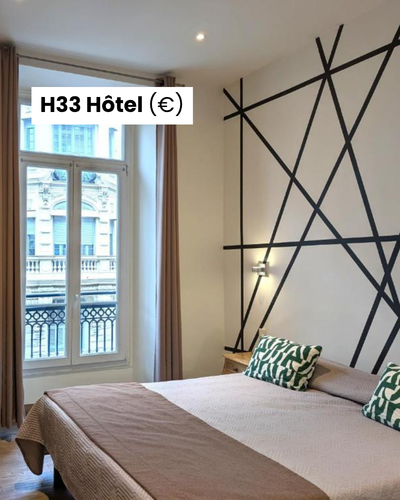
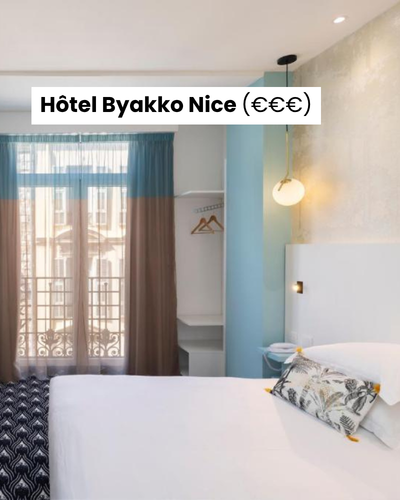
Anyway, here are some other accommodation options in Nice:

💼 TRAVEL INSURANCE: It’s one of those things you hope you won’t need… but it can save you a lot of money and stress if something goes wrong.
I personally use Heymondo because it offers strong coverage at a reasonable price, including medical expenses, lost luggage, and electronics.
What I like most is how easy it is to manage everything through their app, especially if you ever need assistance while traveling.
As a Ticket to Take Off reader, you get 5% off, already applied when booking through the link below.
Best activities & tours in Nice
🎫 Don’t leave your activities until the last minute. Some of the most popular tours sell out quickly, especially during peak season. I personally use GetYourGuide to book activities because it’s easy to compare options and most tours offer free cancellation. Use code ATICKETTOTAKEOFF5 for 5% off your first booking in the app. Download here!
Map for this 2-day Nice itinerary
To make things easier, I’ve created a map with all the stops included in this Nice 2-day itinerary.
It helps you quickly see where each place is located and understand the distance between them. That way, you can adapt this plan based on your time and interests without feeling lost.
I always find this useful when planning a trip. It makes everything feel more realistic and easier to follow once you’re actually in the city.
📌HOW TO USE THE MAP: Click on the top left corner to access the various layers of the map. You can select the layers you’re interested in and also find out more about each point of interest by clicking on it in the left-hand sidebar or on the pin on the map. Add the map to your Google Maps by clicking on the star next to the title. To access the map, simply go to Google Maps ‘Saved’ and click on ‘Maps’!
2 days in Nice itinerary: detailed day-by-day plan
If you’re wondering what to see in Nice in 2 days, this plan is designed to help you experience the city in a simple and realistic way.
Nice is not just about the beach. It’s a mix of historic streets, local markets, viewpoints, and cultural spots. This Nice city guide focuses on the places that are actually worth your time. So, keep reading to find out.
Day 1 in Nice
» Start at Marché aux Fleurs Cours Saleya
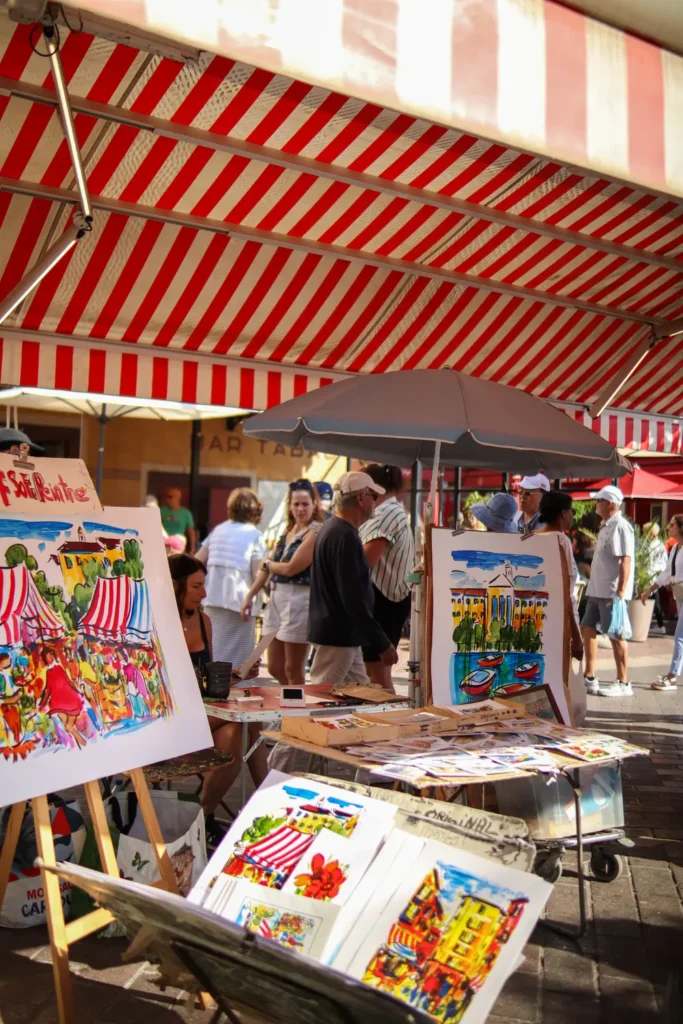
Marché Aux Fleurs Cours Saleya is one of the most famous markets in Nice. It’s located in the heart of the Old Town and is known for its colorful flower stalls, fresh produce, and local food.
This is where locals and visitors come together, which makes it a great place to experience the city’s atmosphere. It’s also one of the best spots to try traditional cuisine Nissarde, i.e., food from the region.
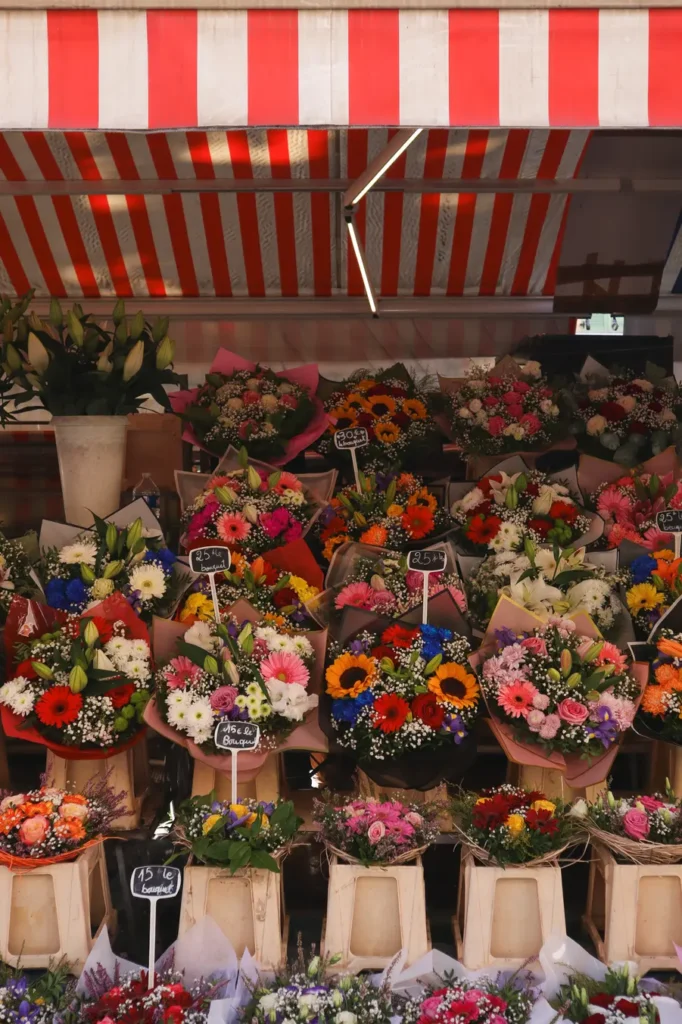
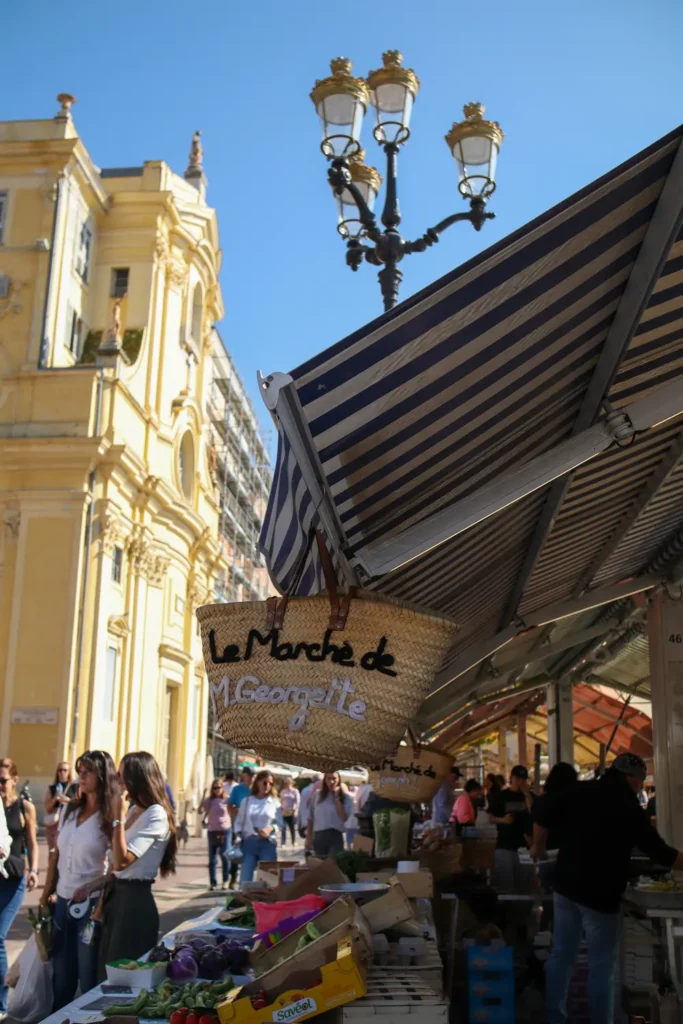
When I visited, it quickly became one of my favorite stops in the city. It’s lively, colorful, and feels very local. We tried the famous socca here. It’s a chickpea pancake that you’ll see everywhere in Nice. I know it’s a must-try, but honestly, we didn’t love it.
The market is open every day except Monday, and it gets busy quite fast. But honestly, the crowds don’t really matter much since they are part of what makes this place so special.
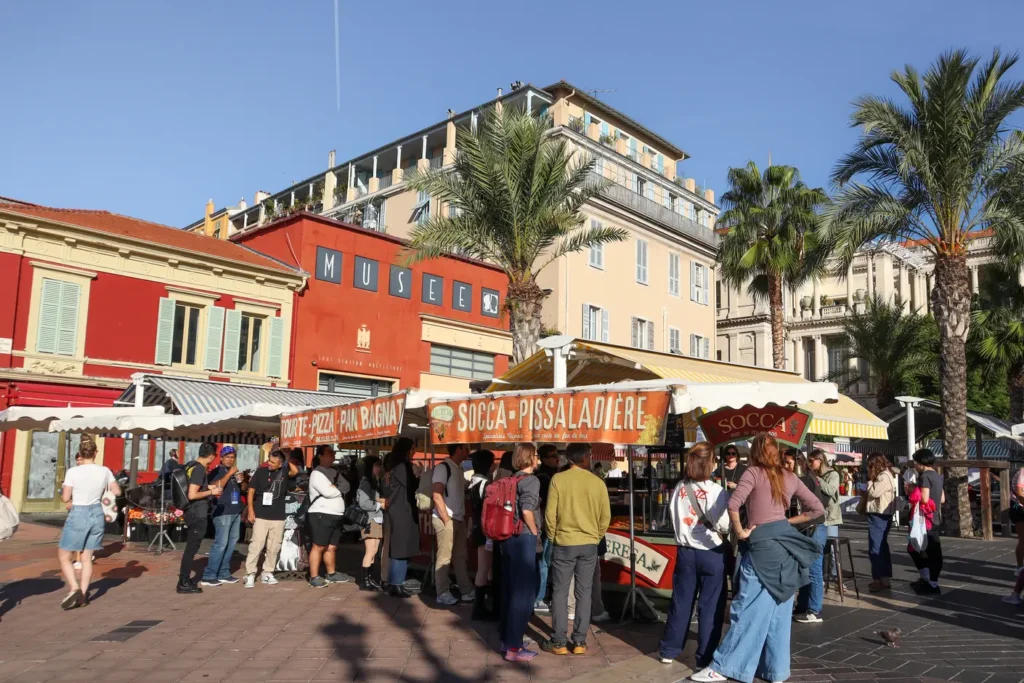
💡 EXTRA TIP: If you visit on a Monday, you’ll find something different here. The market turns into the Marché des Antiquaires, which is known for antiques, vintage items, and collectibles. It’s a completely different experience but still worth seeing.
» Visit Palais de la Préfecture and nearby landmarks
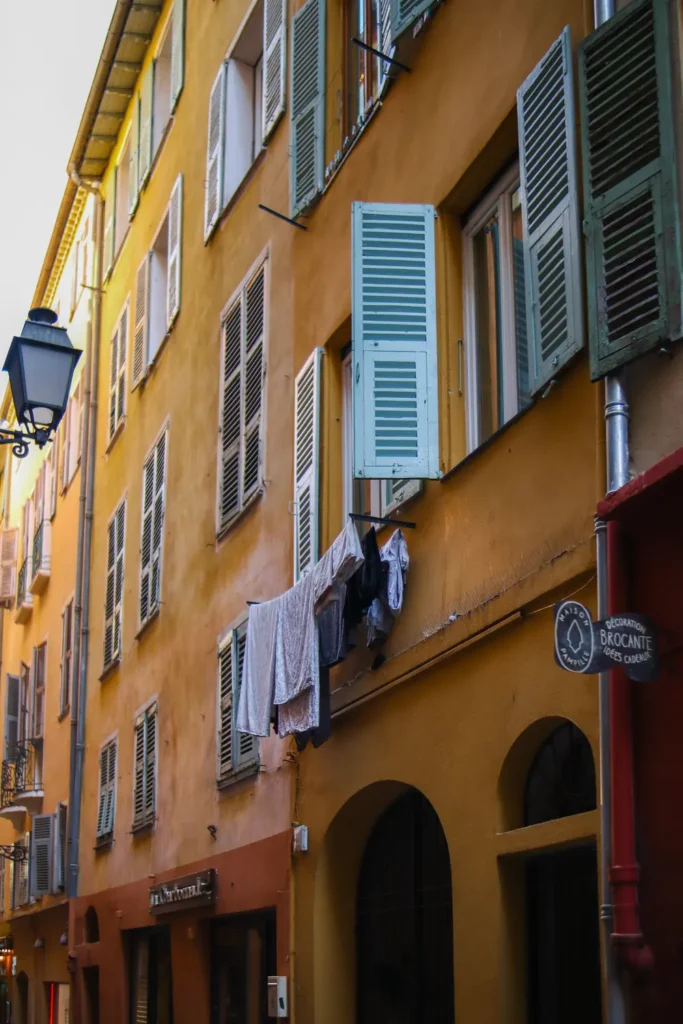
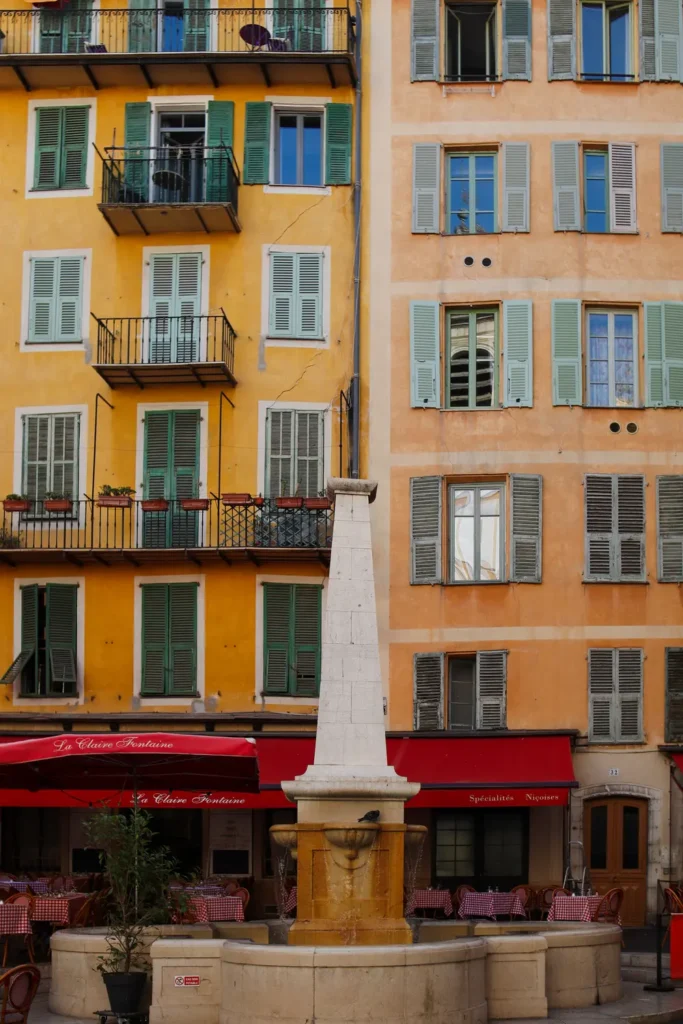
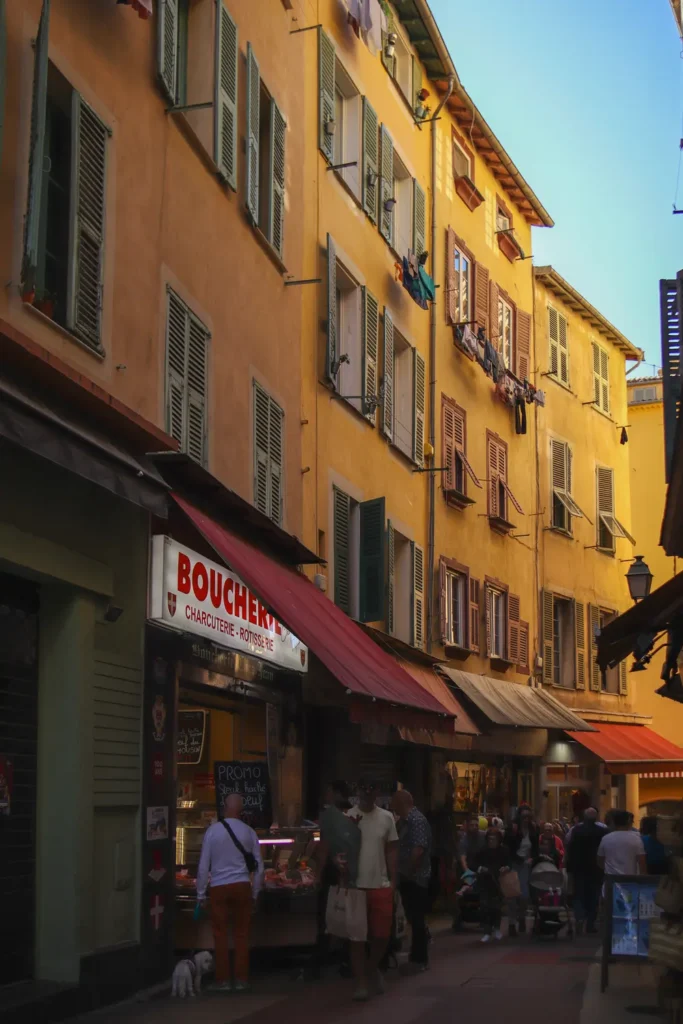
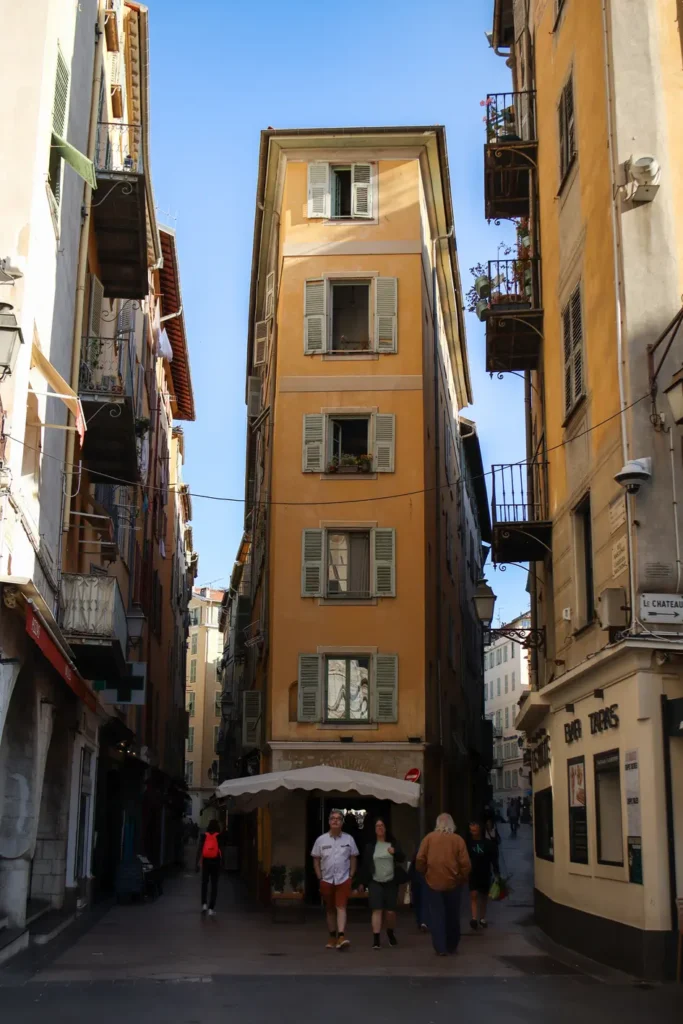
Start exploring the Old Town, also known as Vieux Nice. Vieux Nice is the historic center of the city and one of the main places to visit in Nice. It’s a maze of narrow streets, colorful buildings, and small squares filled with cafés and shops.
You’ll come across several historic buildings that reflect the cultural side of Nice.
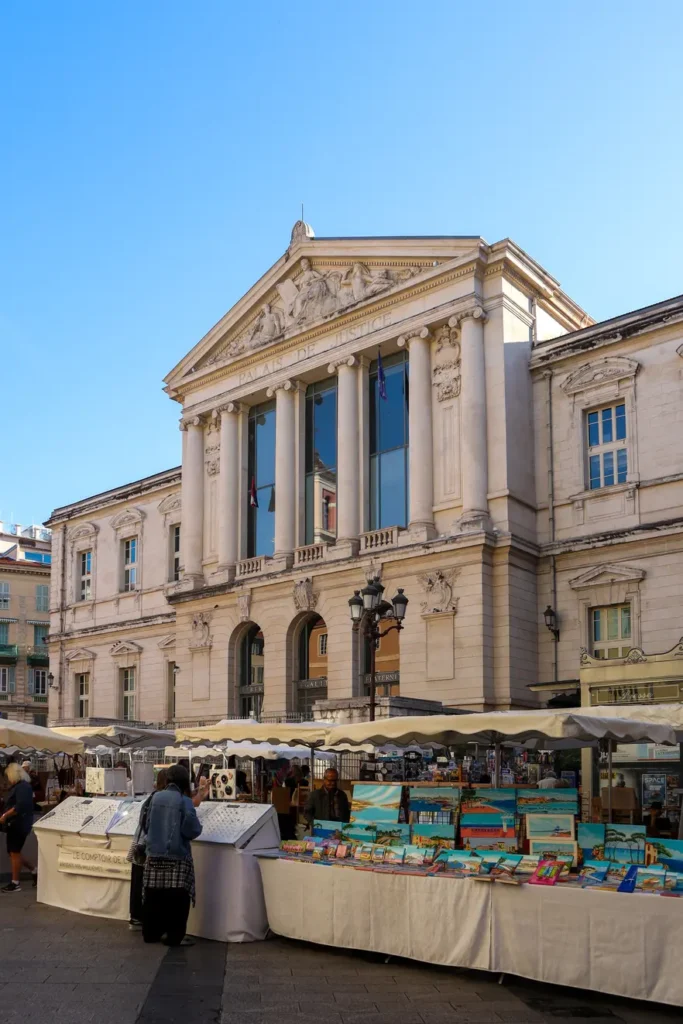
One of the main ones is the Palais de la Préfecture, which serves as the administrative center of the Alpes-Maritimes region. While you can’t visit the inside, the building itself is worth seeing from the outside as you walk through the area.
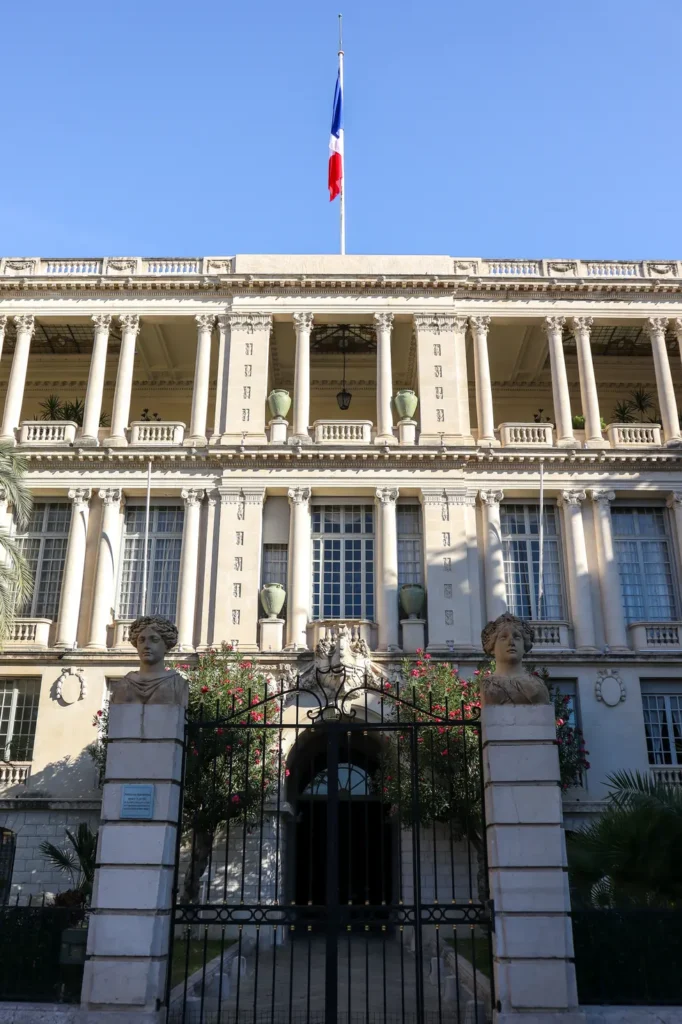
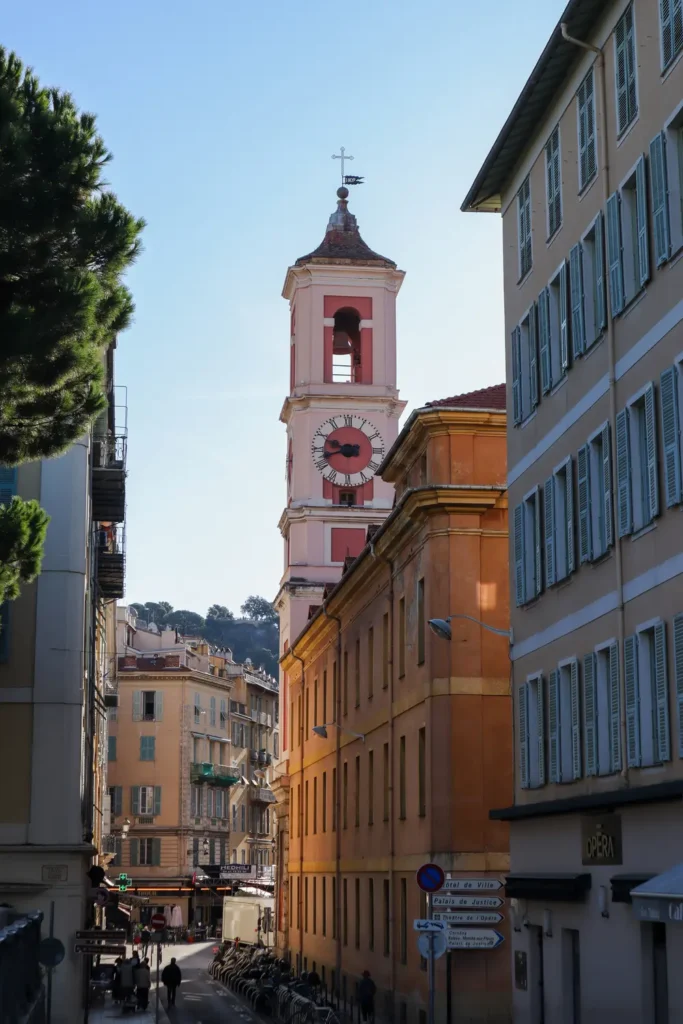
Nearby, you’ll also pass by the Opéra de Nice, a beautiful building that dates back to the 18th century and still hosts performances today. Not far from there, you’ll find Palais Rusca and the Caserne Rusca, which includes a bell tower that stands out in the skyline.
Take some time to walk slowly, observe the architecture, and take in the atmosphere.
» Continue exploring Vieux Nice and the main squares
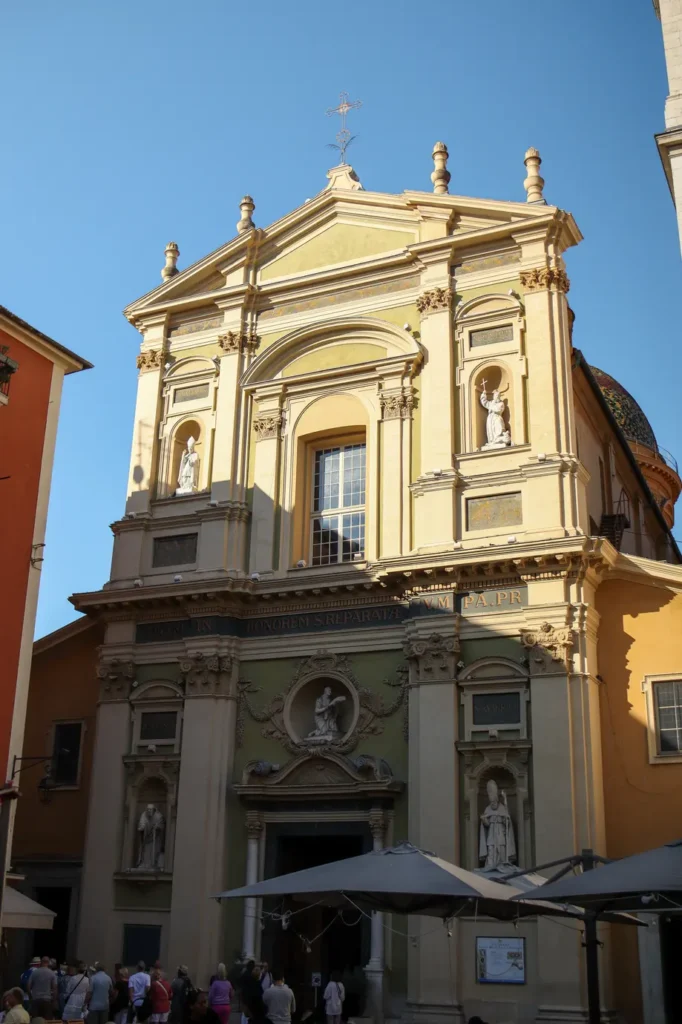
Continue walking to Place Rossetti, one of the liveliest squares in the Old Town. This is where you’ll find Cathédrale Sainte-Réparate de Nice, a baroque cathedral that dates back to the 17th century. Entry is free, and it’s worth stepping inside for a quick visit.
Nearby, you’ll find Palais Lascaris. This is a historic palace that now works as a museum, showcasing art and musical instruments. Entry costs 7€ (~8.2 USD), and it’s open from 10 am to 6 pm, closed on Tuesdays.
Another option here is the Tour Saint-François bell tower. It offers great views over the city, but it costs 5€ (~5.8 USD) and has more than 200 steps. It’s also only open on weekends until 4.30 pm. We decided to skip it because of time and budget.
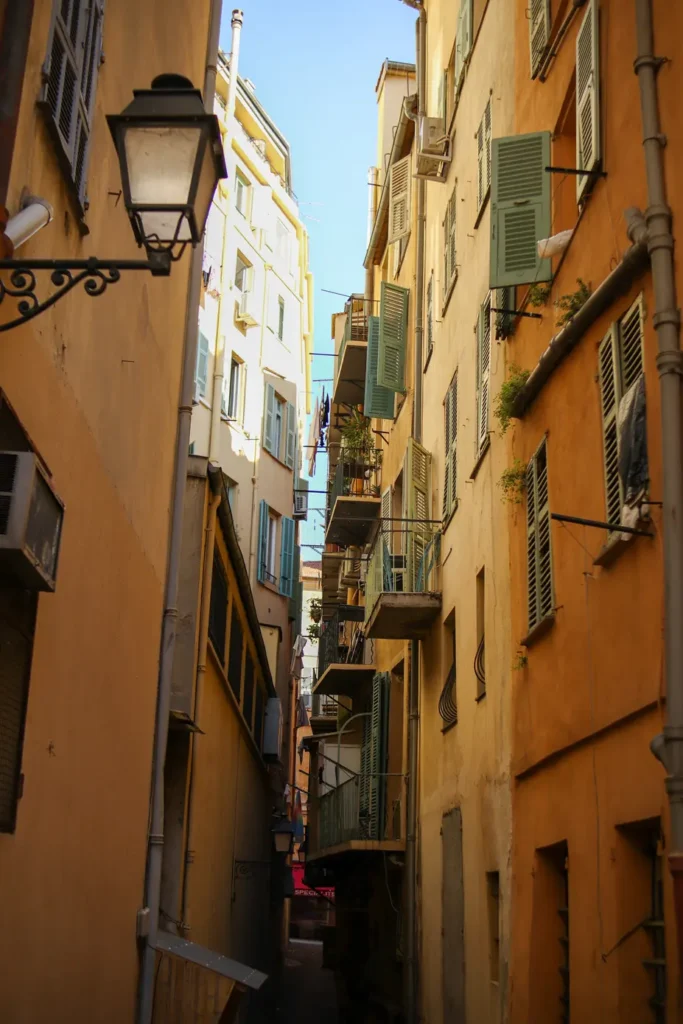
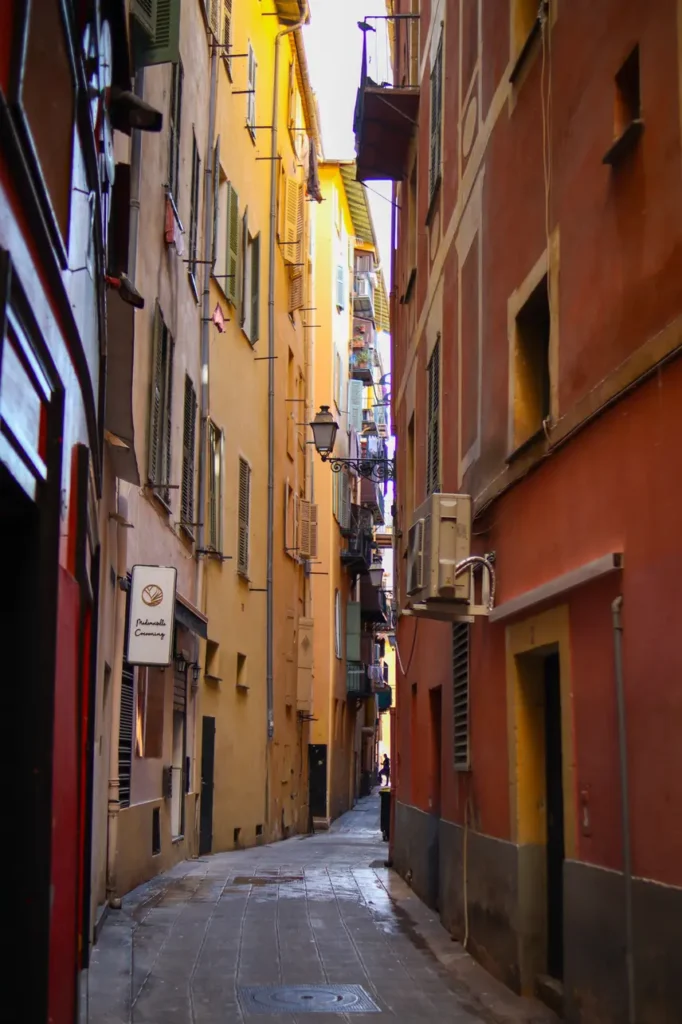
However, what I enjoyed the most in this area was simply walking around without a plan. The streets are narrow, the squares are always busy, and there’s something happening in every corner. It’s one of those places where getting lost actually makes the experience better.
🎫 If you want to understand the history of the city while exploring, this guided walking tour can be a great option. It takes you through the main highlights of the Old Town, including markets, historic buildings, and ends at Castle Hill with great views. It’s a good way to add more context to your Nice itinerary.
» Climb up to Castle Hill (Colline du Château)
Colline du Château is one of the best viewpoints in the city and one of the best things to do in Nice.
Even though the name suggests it, there’s no castle here anymore. What you’ll find instead is a large park with walking paths, historical remains, and some of the most impressive views over Nice and the Bay of Angels.
One of the highlights is the waterfall in the park. It might sound simple, but it’s actually one of the most beautiful spots up there.

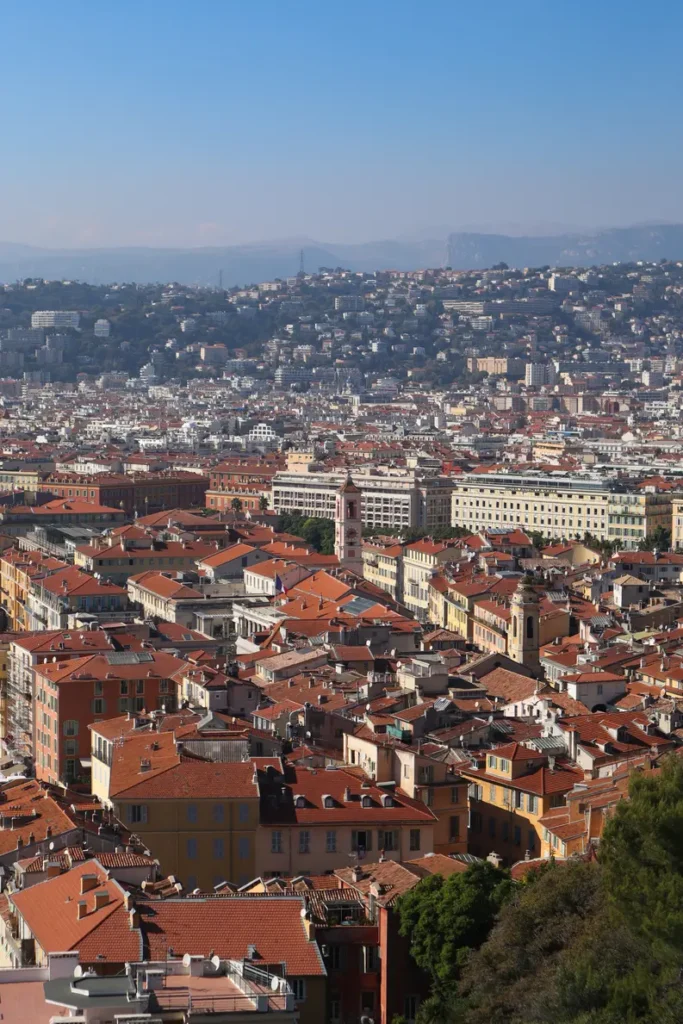
To get to the top, you have two options. You can take the stairs, which takes around 10 to 15 minutes, or use the free elevator (Ascenseur du Château). When I visited, there was a bit of a queue, but it moved quickly and we were at the top in no time. The elevator is open from 10 am to 5.25 pm.
A fun detail is that every day at 12 pm, a cannon is fired from Castle Hill. I didn’t get to witness it, but it seems like a unique experience if you time your visit right.
» Explore Nice harbor (Port Lympia)
Port Lympia is the main harbor of Nice and one of the most photogenic areas in the city.
This is where you’ll see colorful buildings, small boats, and a more local and relaxed atmosphere compared to the Old Town. It feels a bit quieter, which makes it a nice break from the busier areas.
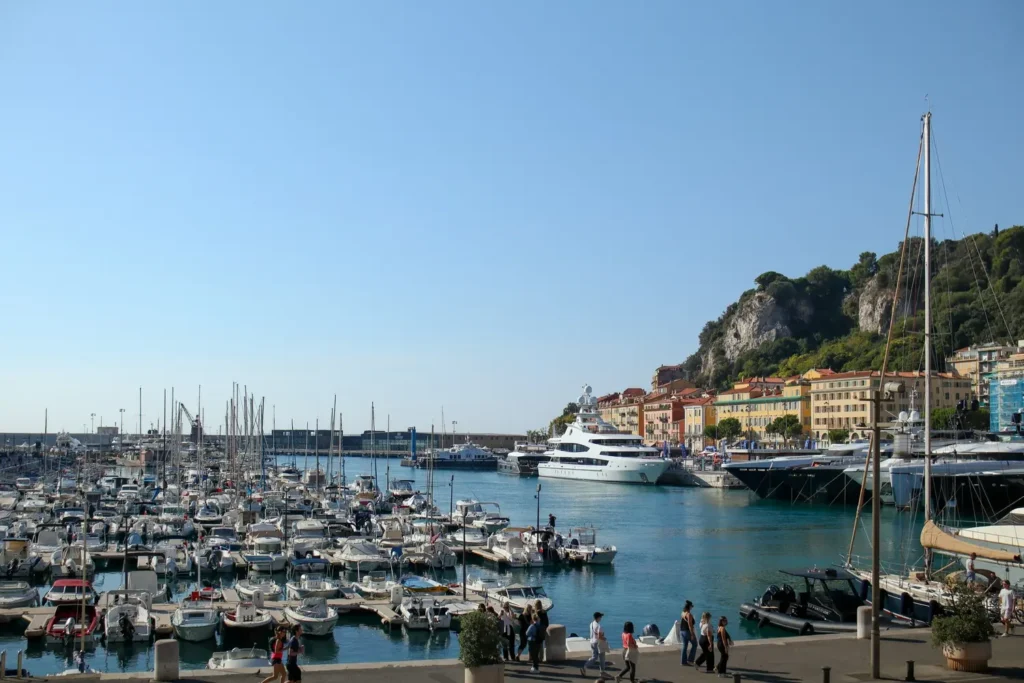
Not far from here, you’ll find Les Puces de Nice, a flea market that takes place from Tuesday to Saturday between 10 am and 6 pm. Unfortunately, I visited on a Sunday, so I didn’t get the chance to see it, but it looks like a great spot if you enjoy vintage items and antiques.
🎫 If you want to take it a step further, you can also do a short boat tour from here. One of the most popular options is this sunset cruise to Villefranche-sur-Mer. It’s a 1-hour experience and a great way to see the coastline from a different perspective and if you want to add something a bit more special to your itinerary.
» Sunset at Promenade des Anglais
Promenade des Anglais is one of the most iconic spots in the city.
This long seaside promenade stretches for about 7 km (4.3 mi) along the Bay of Angels, offering beautiful views over the Mediterranean. The atmosphere here is really special, especially on a sunny day. People walking, cycling, sitting by the sea… it just feels like Nice (pun intended!!).
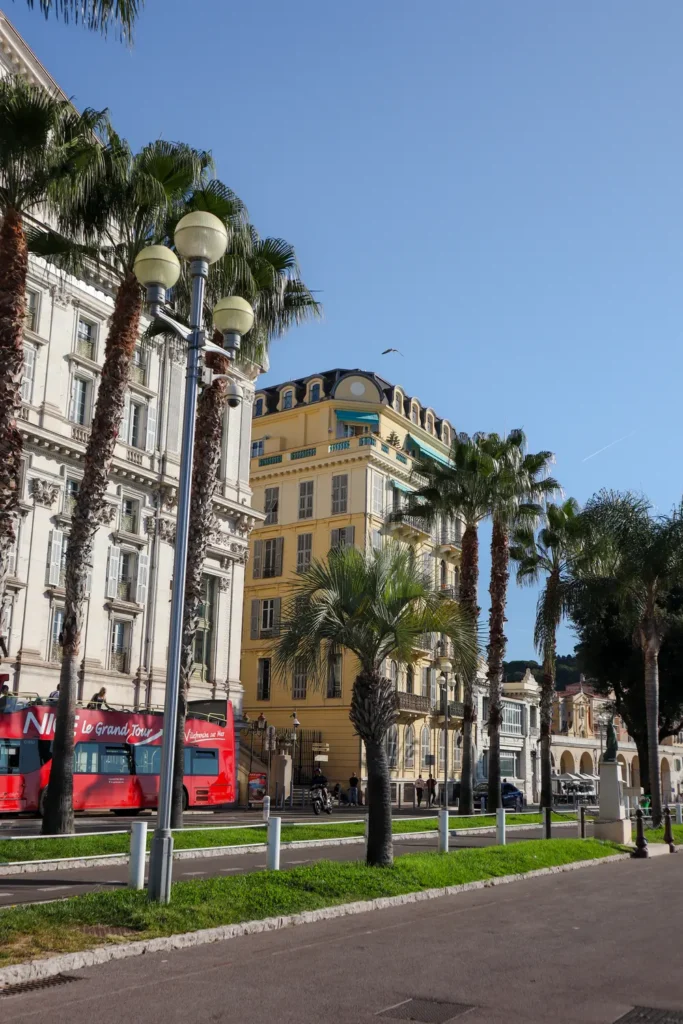
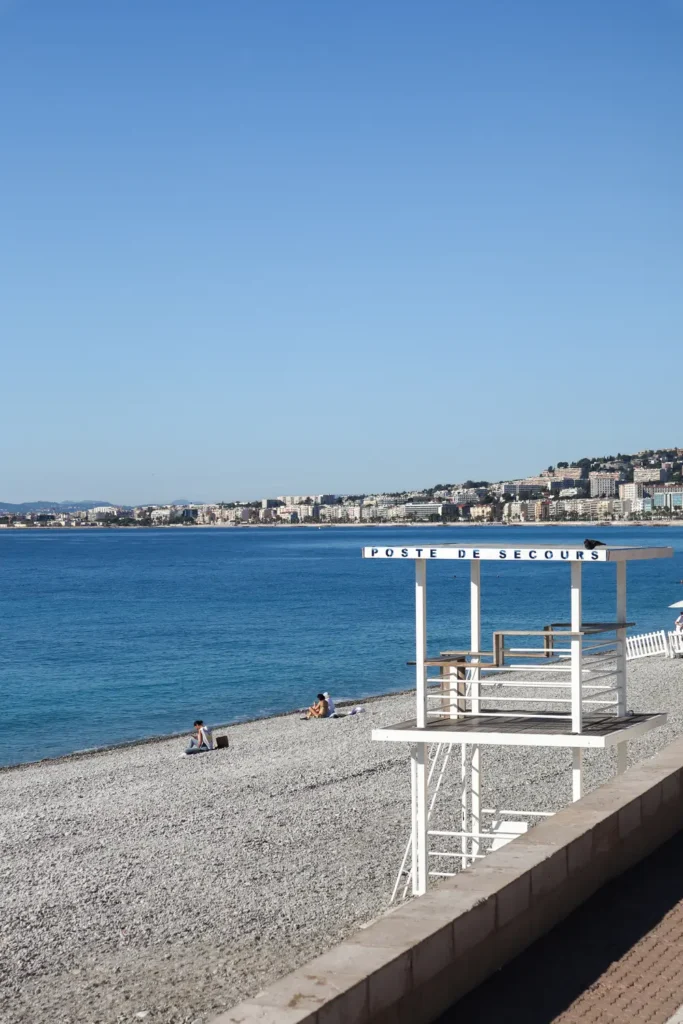
You don’t need to walk the entire promenade. I didn’t. Even doing a small section is enough to enjoy it.
Along the way, you’ll pass places like Jardin Albert 1er, Fontaine du Soleil, Villa Masséna Musée, and the famous Hotel Negresco.
Sunset is definitely the best time to be here. The light changes completely, and the views over the sea become even more impressive.
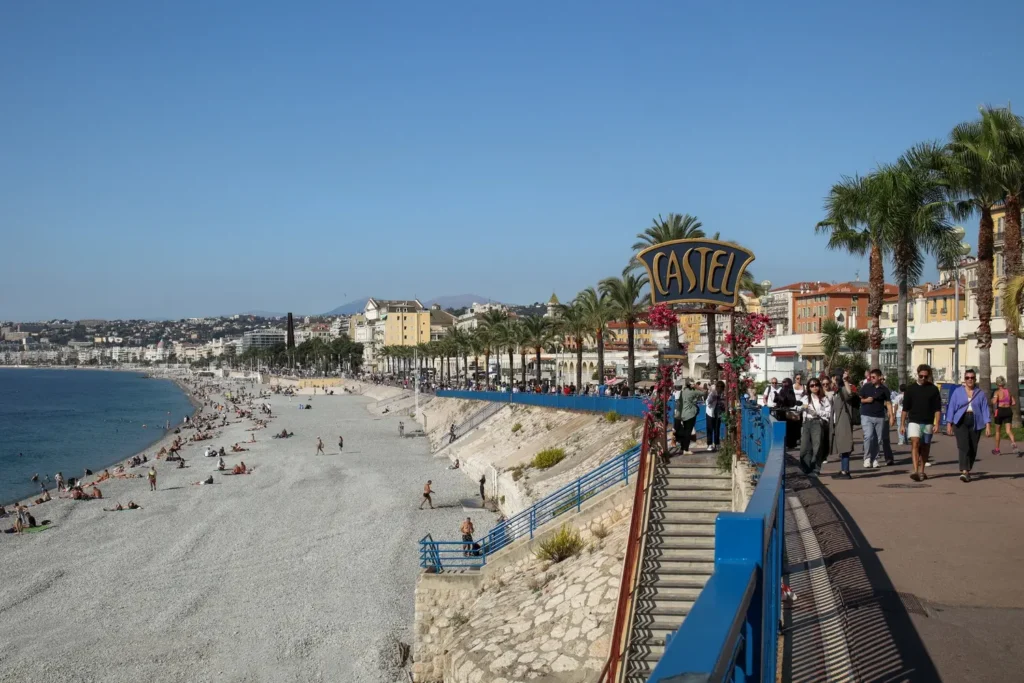
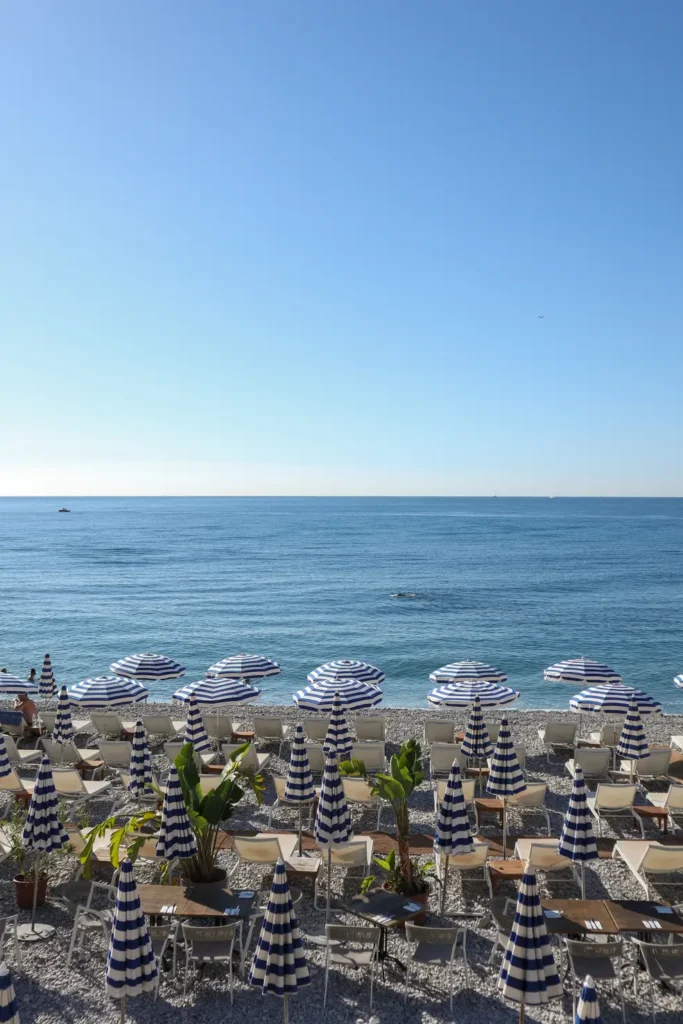
I actually went down to the beach for a quick stop, even though I visited in October. The water looked so blue and inviting, and the weather was warm. But as soon as I put my foot in, I realized it was freezing and gave up on the idea of swimming. During peak summer, it’s definitely more enjoyable.
Even if you don’t plan to go to the beach, you can sit on one of the benches along the promenade and just enjoy the view. On a sunny day, it’s one of the simplest but best experiences in Nice.
💡 EXTRA TIP: If you do want to spend even more time at the beach, other good options are Plage Beau Rivage, Ruhl Plage, which is a private beach, and Castel Plage, one of the most famous ones in the city.
Day 2 in Nice
» Visit Musée Matisse and Cimiez area
Musée Matisse is dedicated to Henri Matisse, one of the most important French artists of the 20th century. The museum is located in the quieter Cimiez neighborhood, away from the busy center.
Inside, you’ll find a large collection of his works, including paintings, drawings, and personal items. Entry costs 12€ (~14 USD), and it’s open from 10 am to 6 pm.
What makes this stop interesting is not just the museum itself, but the whole area around it. Right next to the museum, you’ll find the remains of a Roman settlement, which gives you a glimpse into the ancient history of Nice. Across from the museum, you can also see the Regina building, where Matisse once lived.
If you enjoy museums and have more time in the city, there are a couple of other good options. The Musée d’Art Moderne et d’Art Contemporain (MAMAC) focuses on modern and contemporary art, with bold and more experimental pieces. The Musée des Beaux-Arts de Nice is more traditional, with works from different periods and a beautiful building.
💡 EXTRA TIP: If you plan to visit several museums, it might be worth getting the Nice Museum Pass. It costs 15€ (17.5 USD) and gives you access to multiple museums, including Palais Lascaris.
» Visit Cathédrale Saint-Nicolas de Nice
Cathédrale Saint-Nicolas de Nice is one of the most unique buildings in the city.
This is a Russian Orthodox cathedral, which is quite different from the typical churches you’ll see in France. Its colorful domes and detailed design make it stand out immediately.
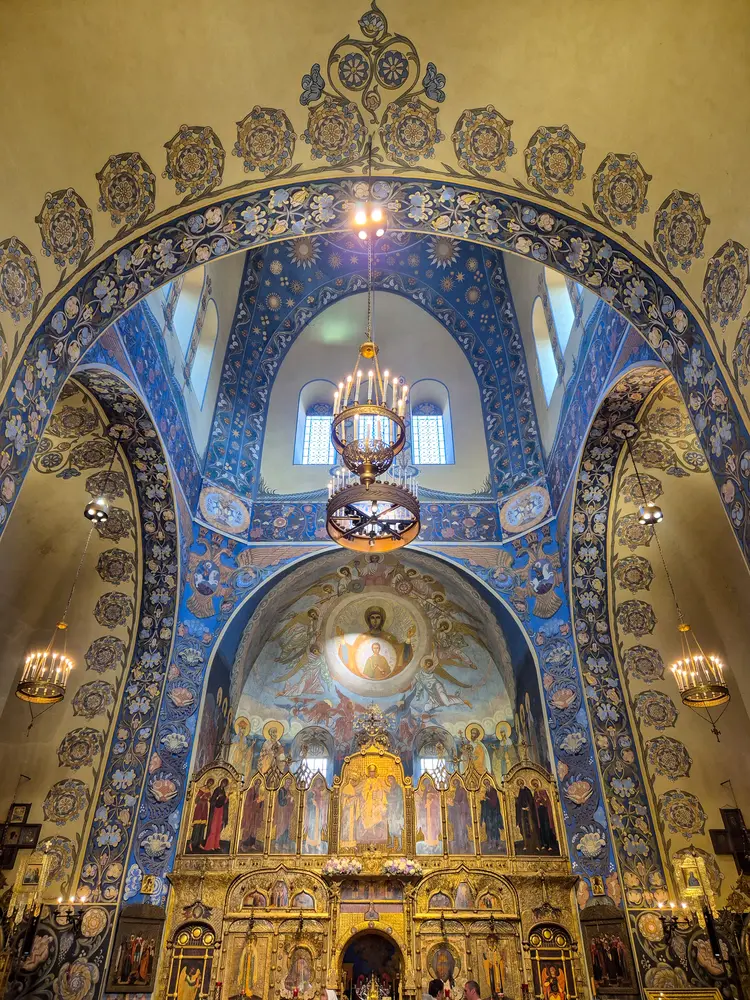
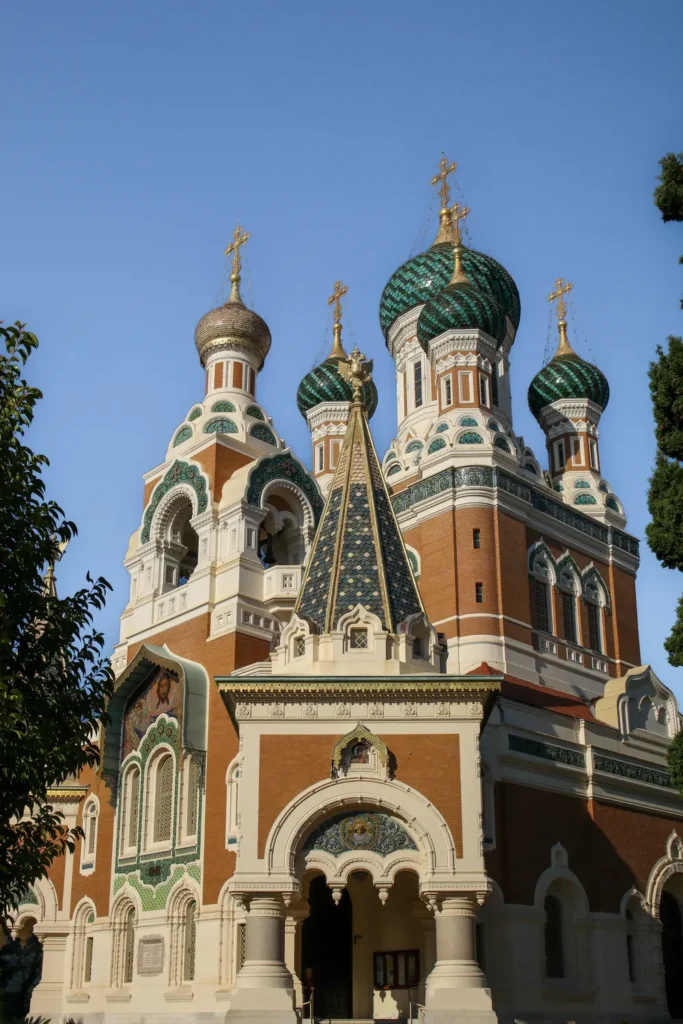
Even if you’re not particularly interested in churches, this one is worth visiting because of how different it feels compared to the rest of the city.
📝 USEFUL INFORMATION: It’s open daily, but hours vary slightly. From Monday to Friday, it’s open from 10 am to 1.30 pm and from 2 pm to 5.30 pm. On weekends, it’s open from 10 am to 6 pm. On Sundays, it only opens from 12 pm due to mass.
» Explore Promenade du Paillon and Place Masséna
It’s time to get back to the city center and explore a bit more.
Promenade du Paillon is a large green space that runs through the center of Nice, connecting different parts of the city.
It’s a modern park with fountains, walking paths, and open spaces, and it’s a nice contrast to the historic areas you’ll have explored before.
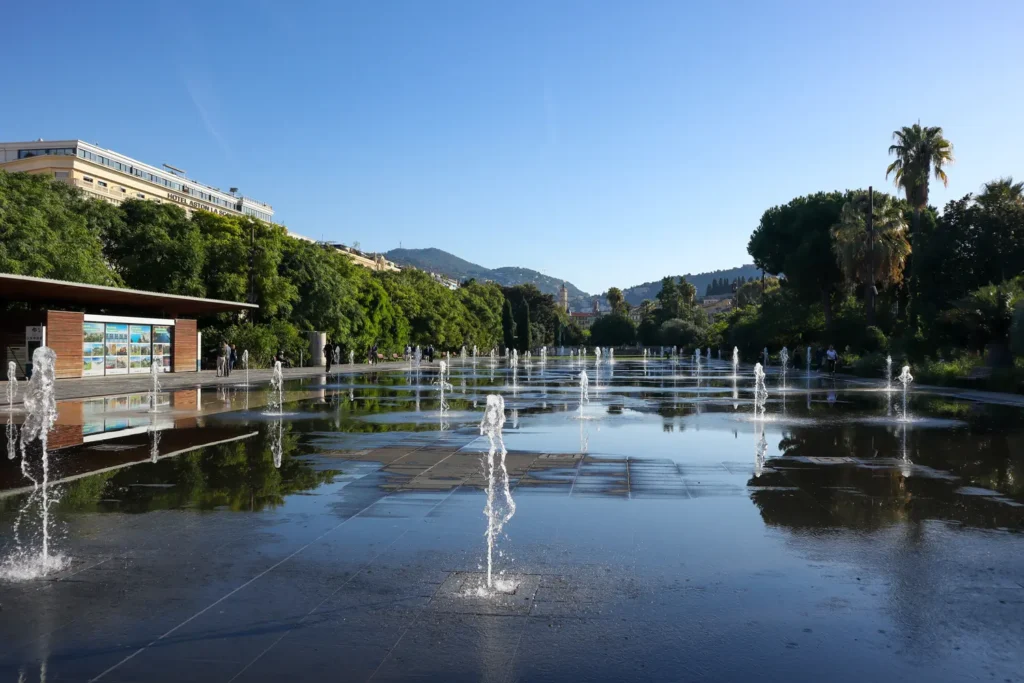
Right next to it, you’ll find Place Masséna, the main square of the city. This is one of the most central points in Nice and a place you’ll likely pass through more than once.
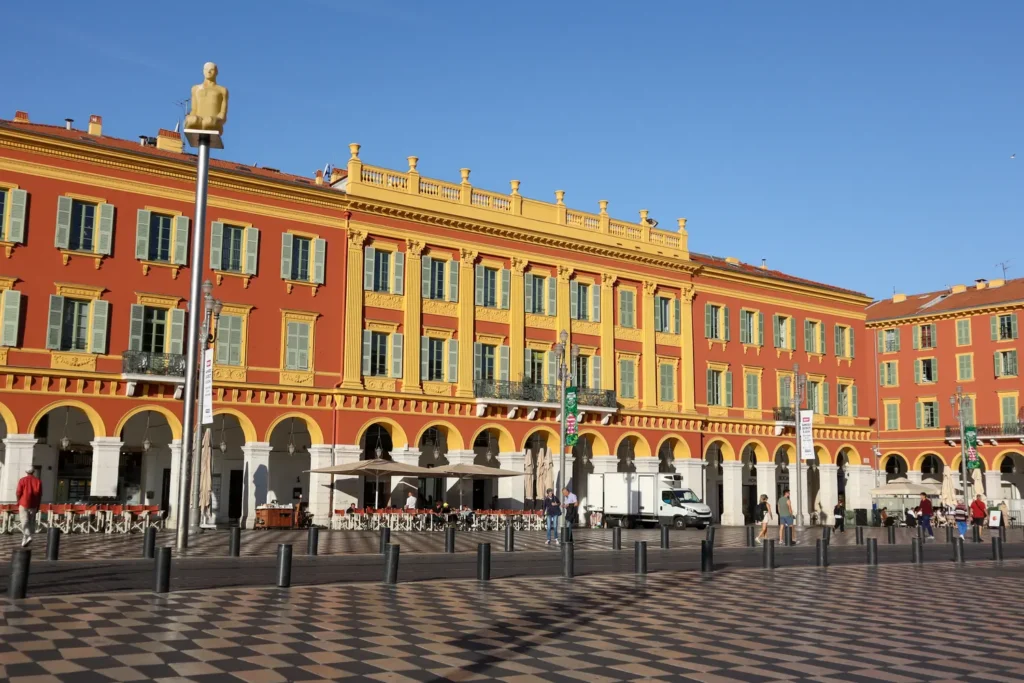
Nearby, you’ll also see Fontaine du Soleil, one of the most recognizable landmarks in the area.
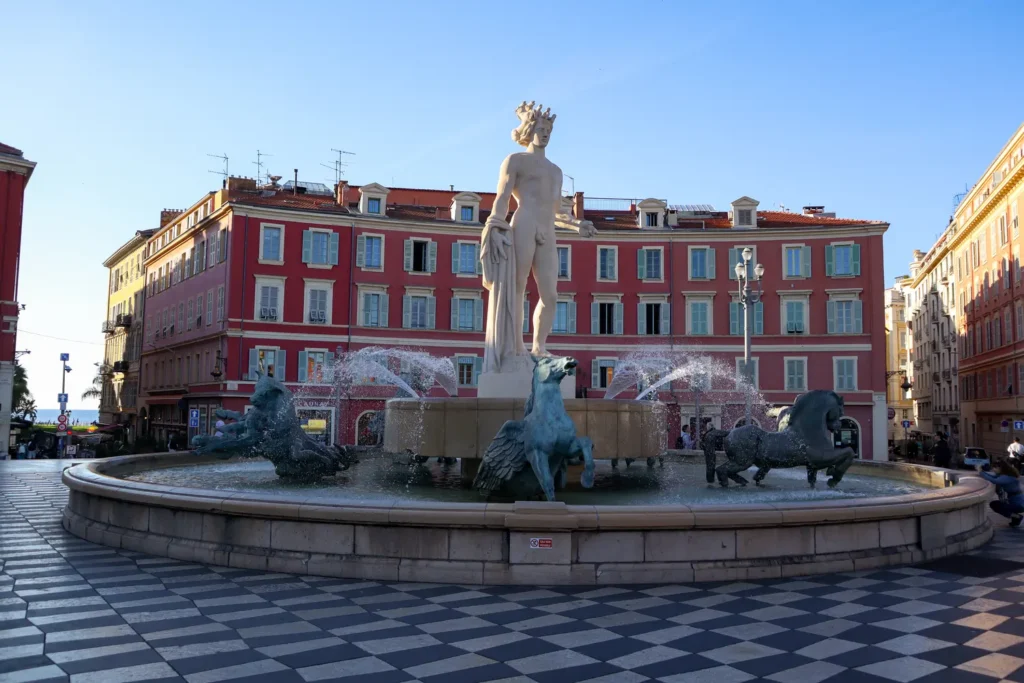
This is a good place to slow down for a bit. Sit on a bench, take a break, and just enjoy the atmosphere before continuing your day.
» Visit Basilique Notre-Dame and Avenue Jean Médecin
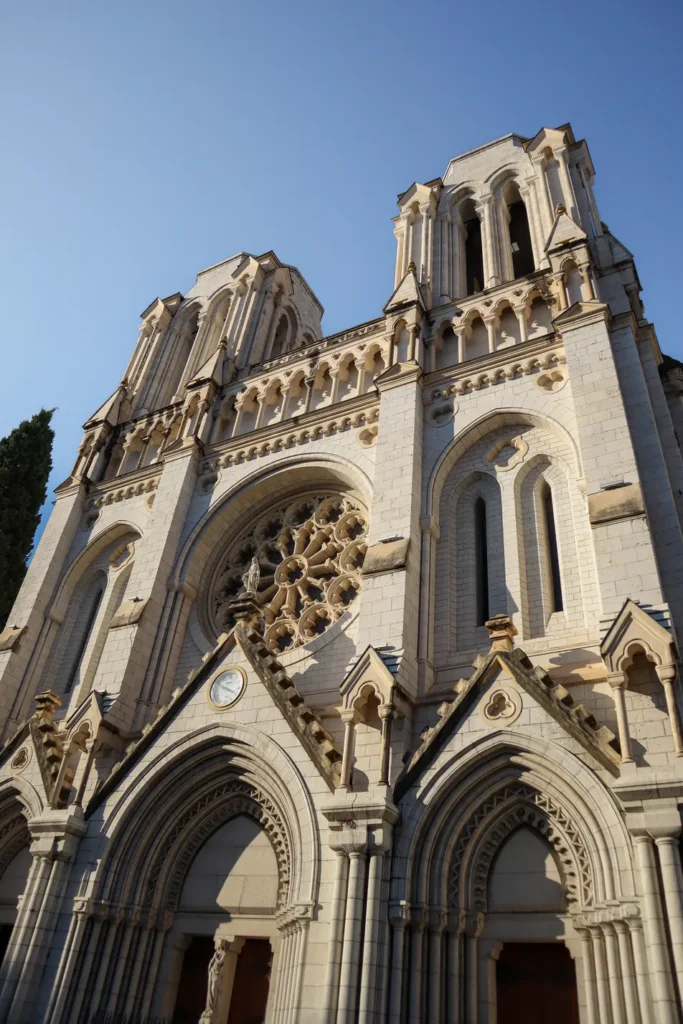
Basilique Notre-Dame de l’Assomption is the largest church in Nice and is located right in the city center.
The architecture is inspired by the Notre-Dame in Paris, with a similar façade and style. It’s worth a quick stop if you’re already in the area.
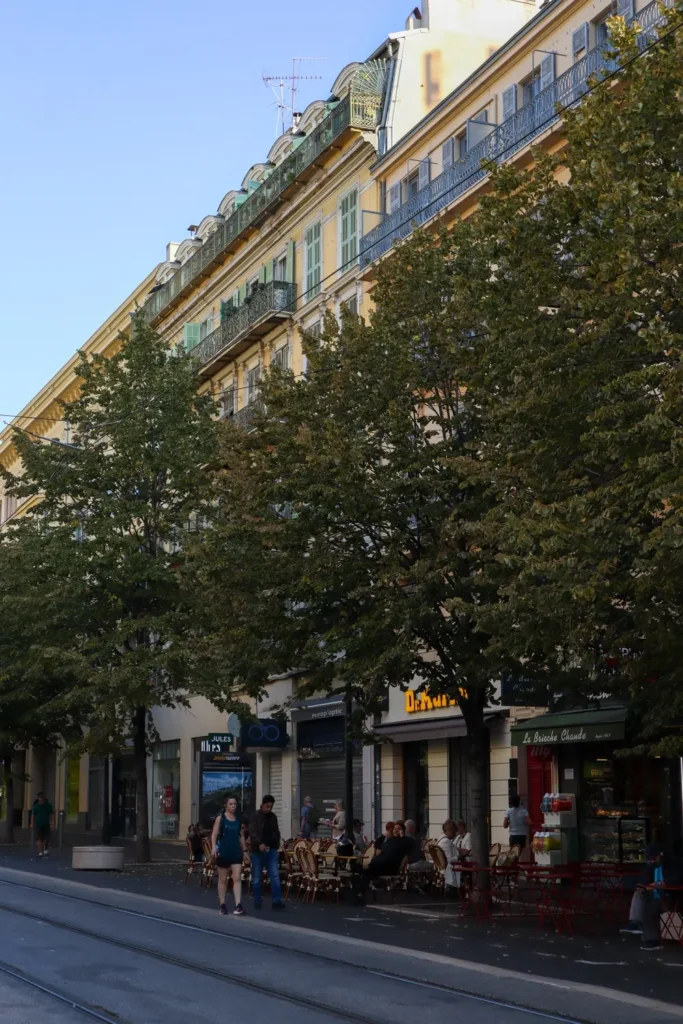
Just outside, you’ll find Avenue Jean Médecin, the main shopping street in the city.
This is where you’ll find most shops, cafés, and a more modern side of Nice. It’s especially nice to visit in the evening, when the area feels more lively and different from the daytime atmosphere.
📝 USEFUL INFORMATION: Opening hours vary depending on the day. On Mondays, it’s open from 4 pm to 7 pm. From Tuesday to Saturday, it’s open from 9.30 am to 12 pm and from 4 pm to 7 pm. On Sundays, it’s open from 8.30 am to 12 pm and from 4 pm to 7 pm. Keep in mind that during mass, visits may be more limited.
Where to eat in Nice
There are plenty of good options across the city, from local spots to more international restaurants. Here are some of my favorites.
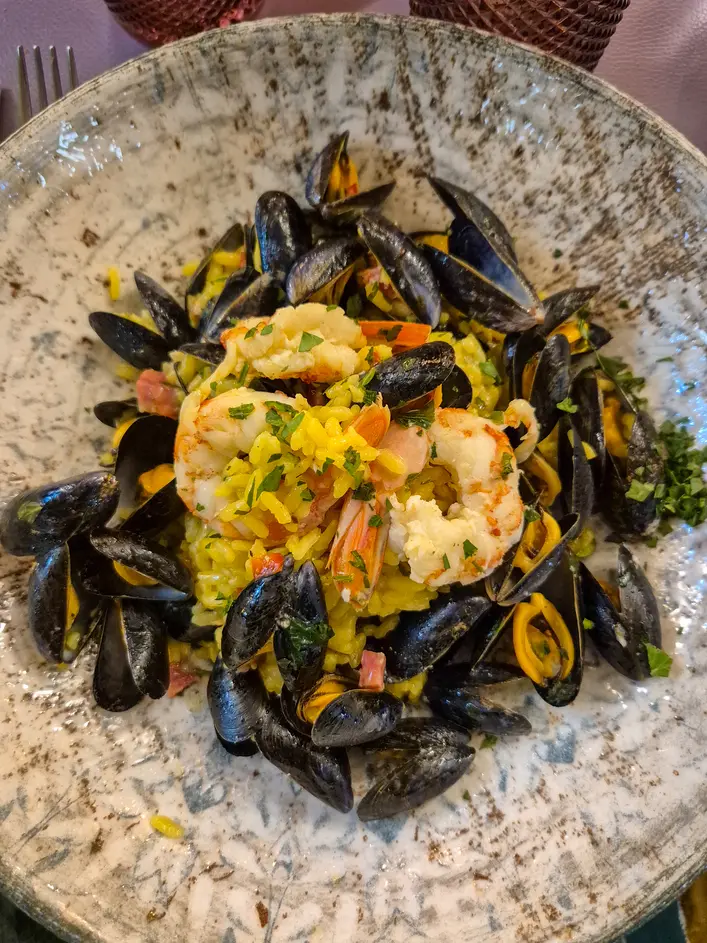
One place I really enjoyed was Restaurant Chez Ritho. The portions were generous, and everything we tried was very good. I went for the Valencian risotto, and it was one of my favorite meals in Nice.

Another option is La Pachamama. The food was good, although the menu is a bit limited. We ended up going because we found a discount on The Fork, which made it worth it.
If you’re craving something different, La Lupita Nice is a solid Mexican option. It’s not local cuisine, but it’s a good change if you’ve been eating French food for a few days.
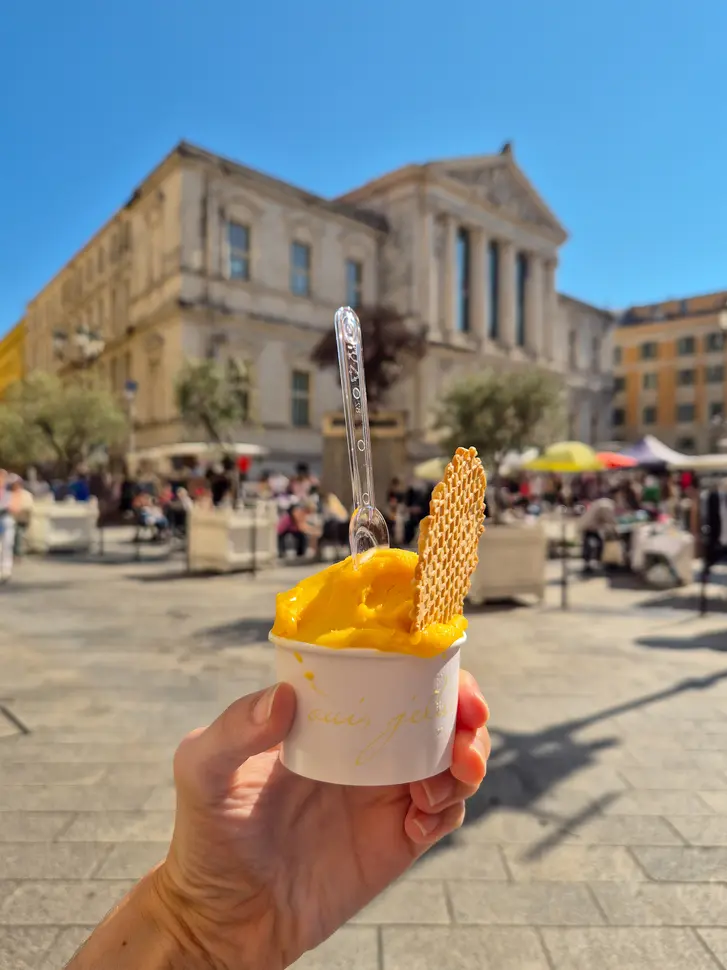
Finally, for something quick and sweet, Oui, Jelato is a great stop. The ice cream is really good and perfect after walking around the city.
What to eat in Nice
Trying local food is one of the best things to do in Nice, especially if you want to experience more of the city beyond the main attractions.
One of the most famous dishes is socca. It’s a thin pancake made from chickpea flour and cooked in a wood-fired oven. It’s simple and very popular in Nice. We waited around 45 minutes in line at Chez Teresa in the Cours Saleya market, which is one of the most well-known spots to try it. I know it’s a must, but honestly, I didn’t love it.
Another classic is salade niçoise. It’s a fresh salad usually made with tuna, eggs, olives, and vegetables. It’s light and perfect for a warm day.
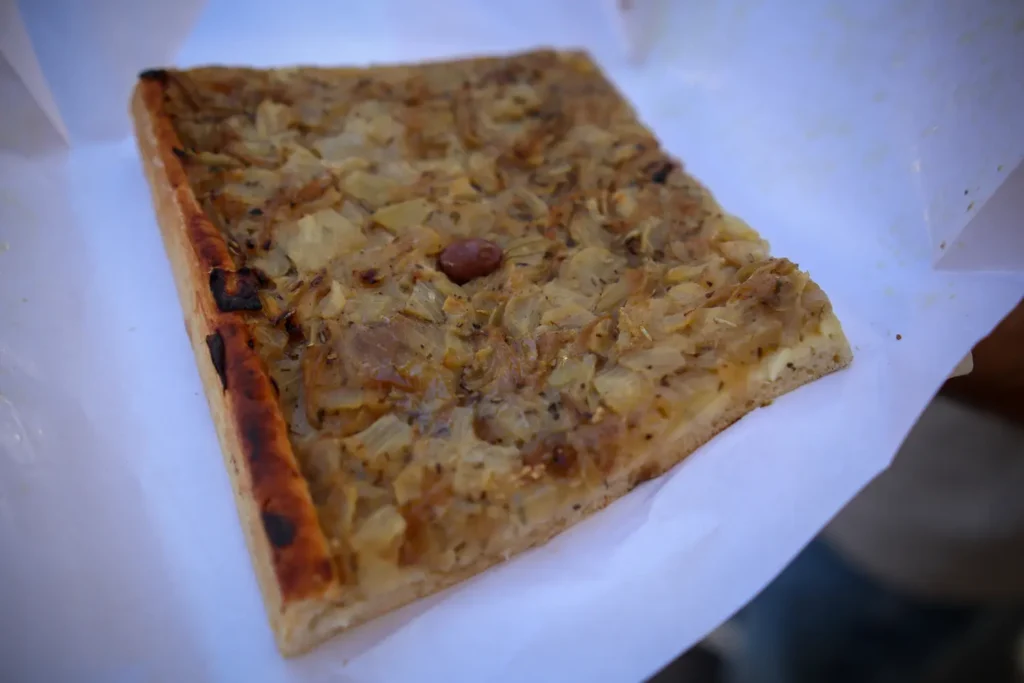
Pissaladière is another local dish, and this one I enjoyed much more. It’s similar to a flatbread topped with caramelized onions, olives, and anchovies. I also tried it at Chez Teresa in the market, and it was really good.
🎫 If you want to go deeper into local food and understand what you’re eating, joining this food tour can be a great idea. It includes multiple tastings and is a fun way to explore the flavors of Nice.
Best time to visit Nice
Nice is known for its sunny weather, which is one of the main reasons it’s such a popular destination on the French Riviera.
If you’re planning your trip, the best time to visit really depends on the type of experience you’re looking for.
Summer is the busiest season. The weather is hot, with temperatures usually between 25°C and 30°C (77°F to 86°F), and the city is full of visitors. It’s great if you want beach days, but expect higher prices and more crowds.
Spring and fall are, in my opinion, the best times to visit. The weather is still warm, but the city feels more relaxed. I visited at the beginning of October, and it was perfect. The days were warm enough for sightseeing, and the evenings were a bit cooler, which made it comfortable to walk around.
Winter is much quieter and more affordable. Even though it’s not beach weather, Nice still gets plenty of sunshine. If you visit in December, you’ll also find Christmas markets around the city, which add a different atmosphere.
Another interesting time to visit is February, during the Nice Carnival. It’s one of the biggest events in the city, with parades, floats, and celebrations taking over the streets. You can check the official program.
Is 2 days in Nice enough?
Two days are enough to see the main highlights and get a good feel for the city. You’ll be able to explore the Old Town, walk along the coast, visit a few cultural spots, and enjoy the local atmosphere without rushing too much.
However, what you won’t have time for are many day trips. And this is where it gets tricky, because some of the best experiences in the region are just outside Nice.
Places like Menton, Villefranche-sur-Mer, Èze, or even Monaco are all very close and some absolutely worth visiting. If you want to include some of these, I’d recommend spending at least 4 days in the region.
Final thoughts: Is Nice worth visiting?
If you’re planning 2 days in Nice, I think this itinerary gives you a really good feel for the city without trying to do too much.
What makes Nice special is the variety. In a single day, you can walk through historic streets, stop at a local market, enjoy views over the Mediterranean, and end the day by the sea. It’s that mix of culture, food, and scenery that makes it such a popular stop on the French Riviera.
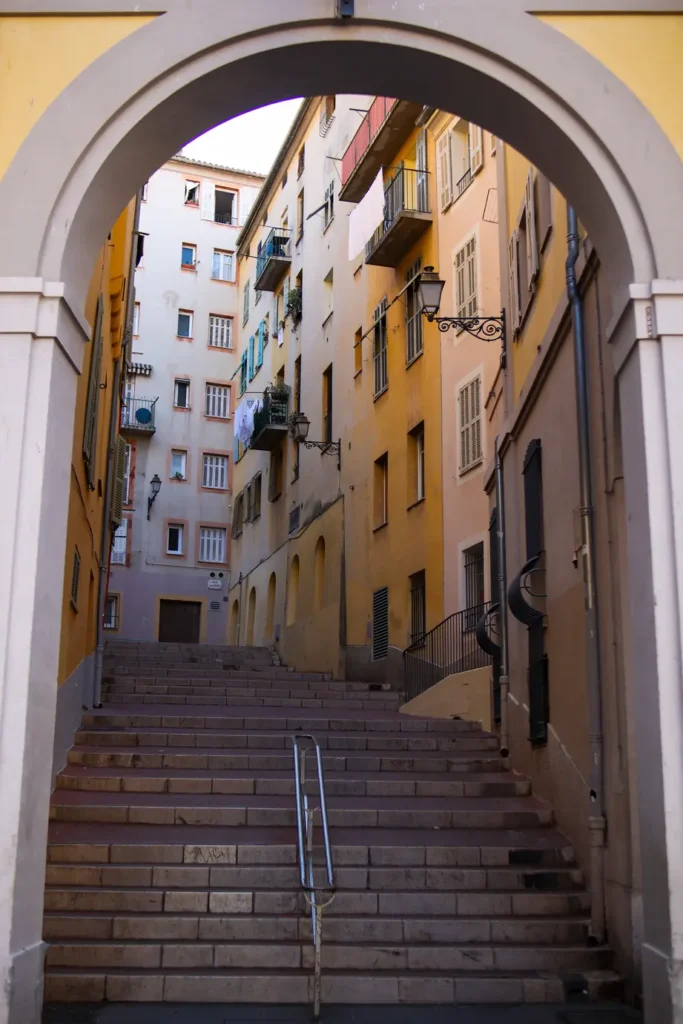
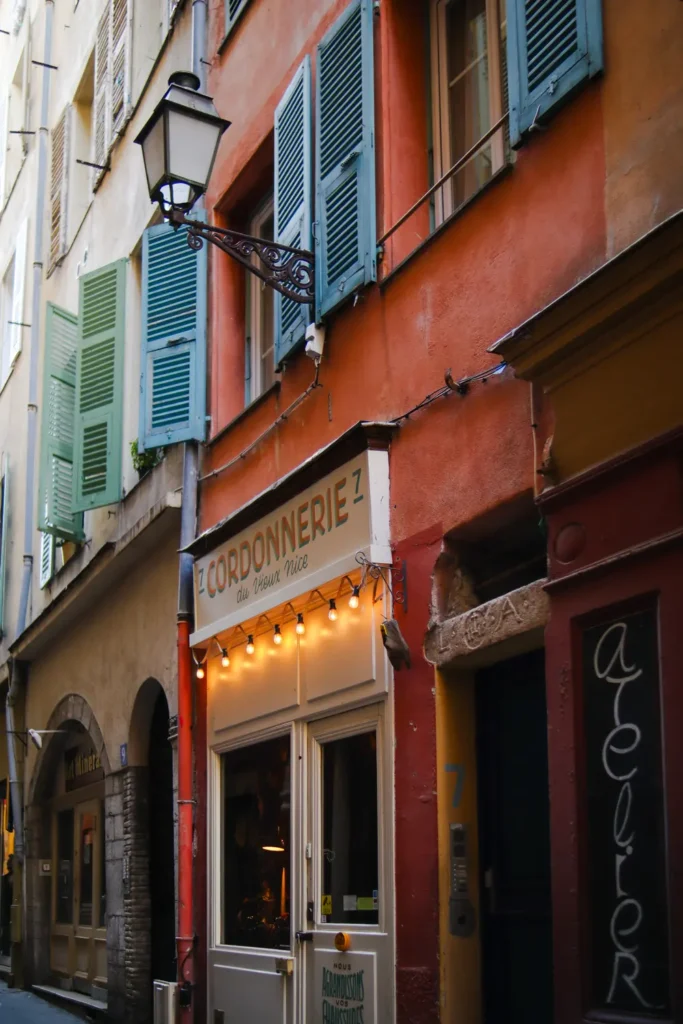
That said, it’s worth setting expectations. Nice is a big city. Even though parts of it feel cute and charming, it can also feel a bit chaotic compared to smaller towns nearby. If you’re expecting a quiet coastal village, this might not be exactly what you find.
Personally, I really enjoyed it. There are plenty of beautiful corners and relaxed spots if you take your time to explore. But I’ll be honest, I found towns like Villefranche-sur-Mer or Èze even more memorable. They’re smaller, calmer, and have a completely different vibe.
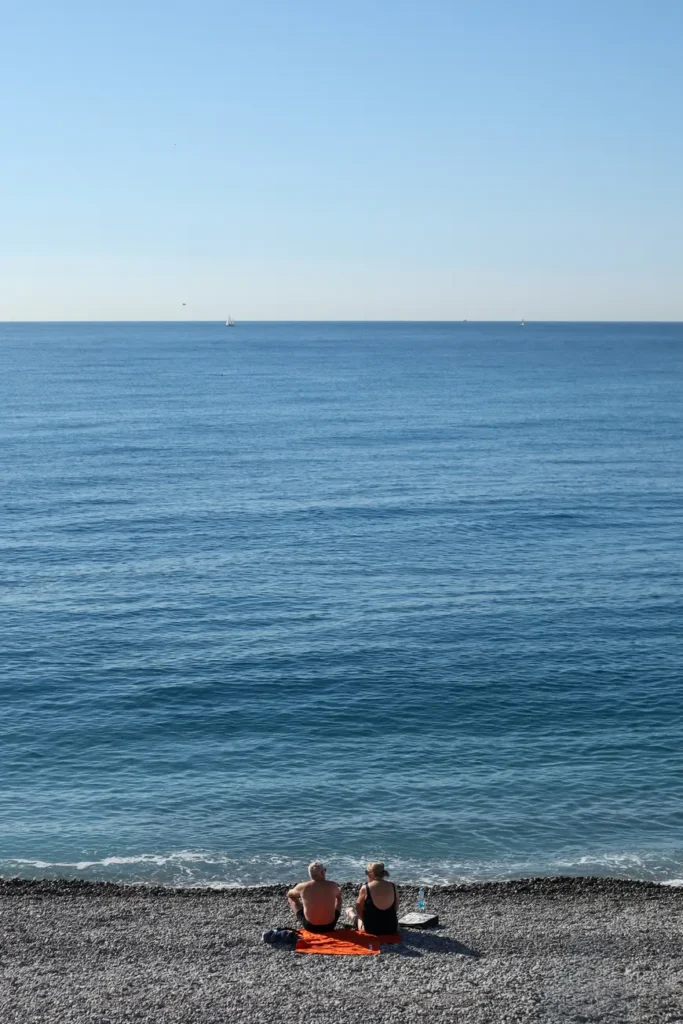
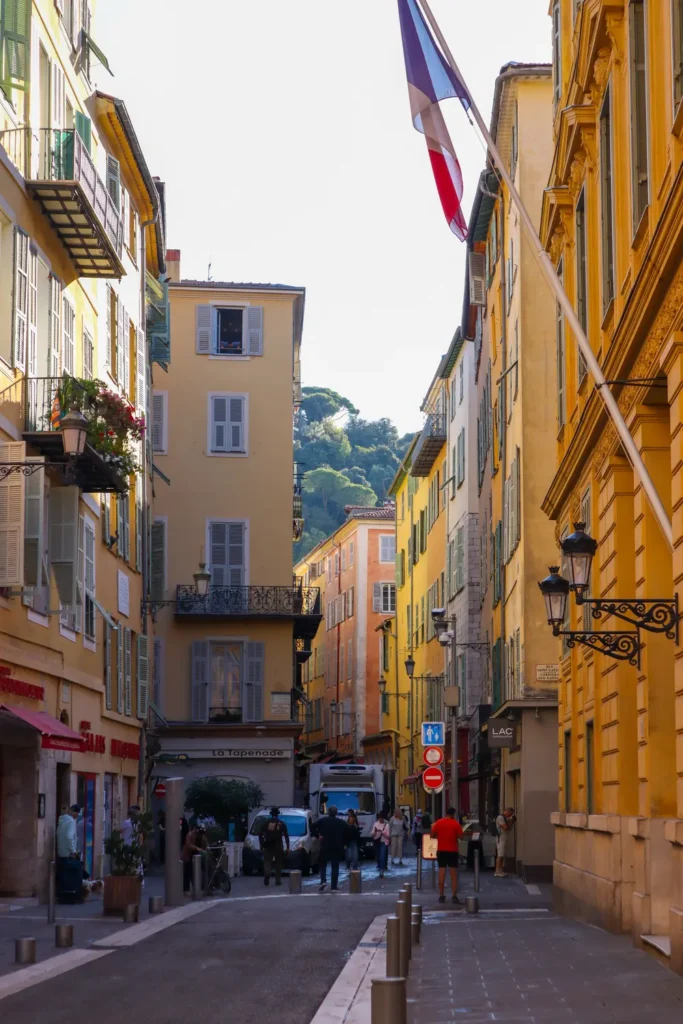
Still, Nice works incredibly well as a base. And for a short trip, this Nice itinerary helps you experience the best of it in a simple and realistic way.
Are you planning a trip to Nice, or have you already been? Let me know in the comments what you’re most excited about or if you’d add anything to this itinerary.
Disclaimer: this post may contain some affiliate links, which means I get a small commission if you buy something through my links. This doesn’t represent any additional cost to you and you’ll be supporting my work here on the blog😊