

A Patagonia packing list is one of the first things you’ll probably search for when planning a trip to the region. Patagonia looks incredible in photos. But once you start researching what to pack for Patagonia, things can quickly get confusing.
Even if you’re planning to visit Patagonia in the summer, you’ll soon realize the weather is anything but predictable. Strong winds can appear out of nowhere. Mornings and nights can feel cold. Then, during a hike, you might suddenly be under a hot sun. And yes, rain can show up even on days that start with clear skies.
I had the exact same questions before visiting Patagonia in February. After traveling through the region myself, doing a mix of road trips and long day hikes, I realized that many packing lists online focus on extreme trekking gear.
But most travelers don’t need that.
This guide is for people who are not camping or doing multi-day treks like the W Trek or the O Trek in Torres del Paine. Those adventures require very specific equipment. Instead, this post focuses on what you actually need if you’re planning a typical Patagonia trip with scenic drives, glacier visits, and some full-day hikes.
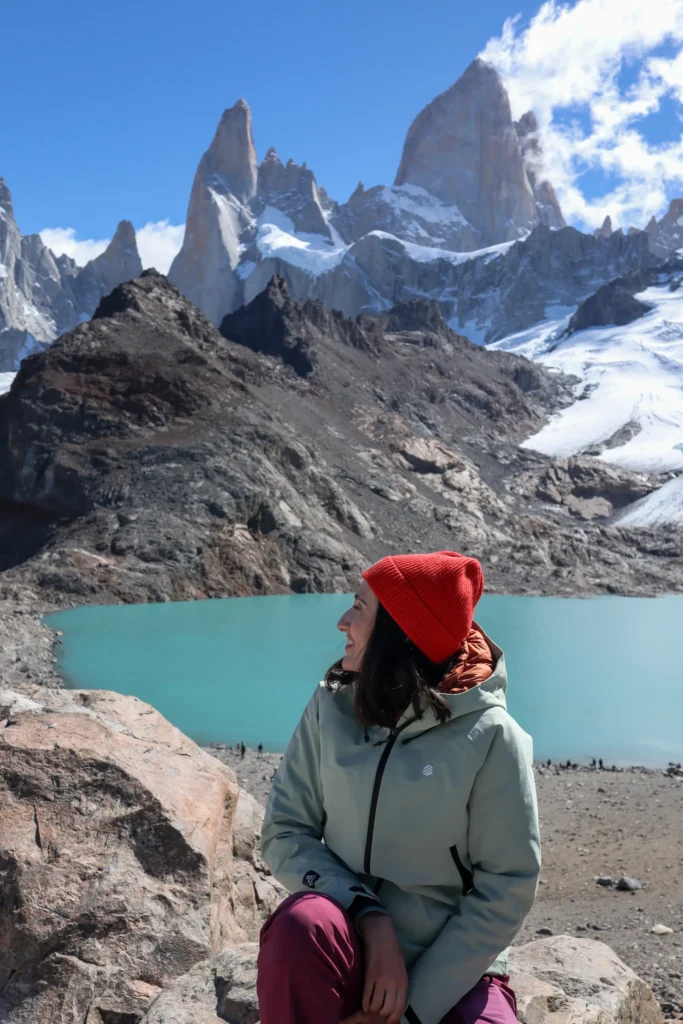
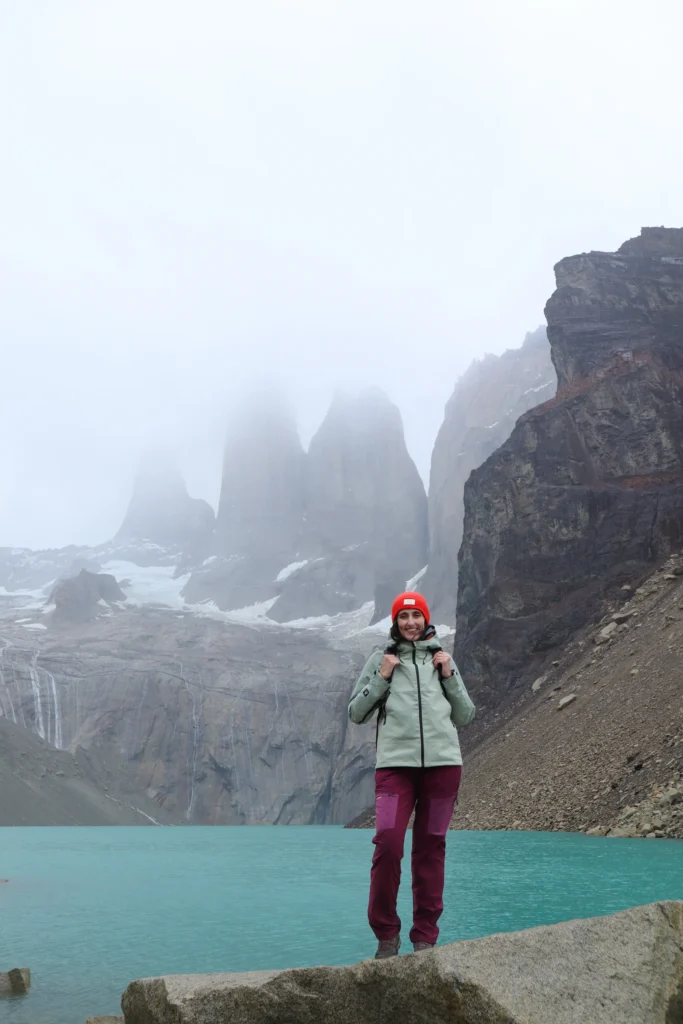
Here’s the most important thing to know upfront. Layering matters far more than fashion in Patagonia. Temperatures can swing during the same day. The right combination of layers will keep you comfortable in wind, sun, and rain.
This Patagonia packing list is based on what I personally used during my trip. Everything here worked well for day hikes in places like El Chaltén, glacier visits near El Calafate, and long scenic drives across the region. My goal is to give you a simple, practical, and beginner-friendly list, not an extreme expedition checklist.
Another thing that might surprise you. You don’t need to pack that much. Many layers can be reused multiple times. And if you’re following a typical Patagonia itinerary, you’ll find laundries in most towns, which makes it easy to wash clothes during your trip.
Throughout this guide, I’ll include a few affiliate links to items I personally use and trust. If you decide to buy through them, it helps support this blog at no extra cost to you.
In the sections below, I’ll walk you through exactly what to pack for Patagonia in summer, from clothing and footwear to small essentials that make a big difference.
What is the weather really like in Patagonia in summer?
One of the most important things to understand when packing for Patagonia is how unpredictable the weather can be. Conditions can change quickly depending on where you are. Mountains, glaciers, lakes, and open plains all influence the weather.
Summer in Patagonia runs from December to March, which is the opposite of the Northern Hemisphere seasons. During these months, you can expect longer days and milder temperatures. But that does not mean stable weather.
Typical temperatures usually range between 5°C and 20°C (41°F to 68°F). Early mornings and evenings can feel quite cold. During hikes, especially under direct sun, it can suddenly feel much warmer.
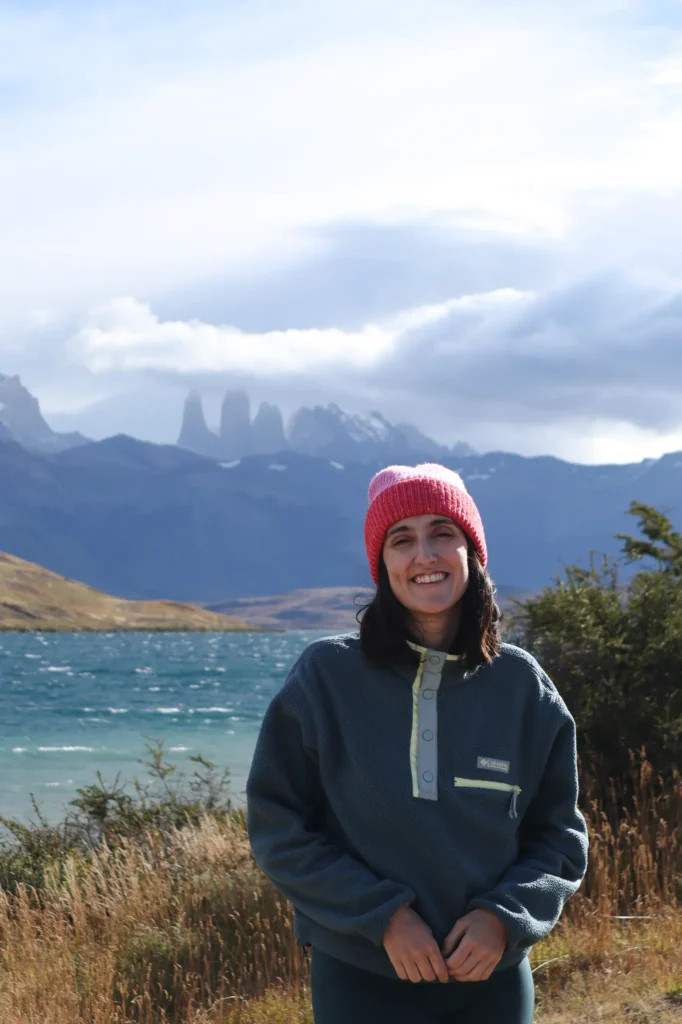
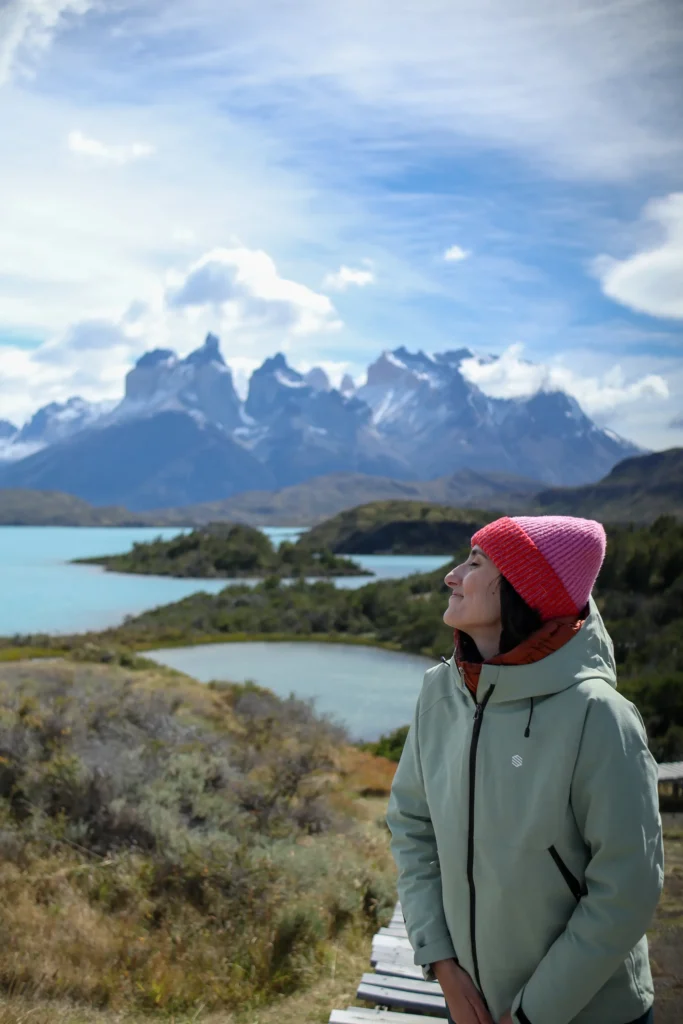
And then there is the wind.
Wind in Patagonia is no joke. It can be incredibly strong, especially in places like Torres del Paine National Park and El Chaltén. Even when the temperature feels mild, the wind can make everything feel colder and harder. Simple things like hiking, taking photos, or even opening your car door become more challenging.
Rain is another factor to keep in mind. It can happen on almost any day. Sometimes the sky looks perfectly blue in the morning, and by the afternoon, clouds roll in quickly.
That is why checking the forecast alone is not enough. During my trip, I had days where the forecast predicted clouds, but the weather was sunny most of the day. On other days, it predicted sunshine and we ended up hiking in the rain.
Patagonia packing list: everything you need to pack
» Luggage and organization
Choosing the right luggage makes a big difference when traveling around Patagonia. Most itineraries involve a mix of flights, road trips, and moving between towns, so having practical luggage helps a lot.
I usually prefer traveling with a backpack. But when thinking about your packing list for Patagonia, bulky layers quickly add up. Even with packing cubes or compression bags, jackets and warm layers still take up quite a bit of space.
For this trip, I ended up bringing one carry-on suitcase and one small backpack, which worked much better. We rented a car in most places we visited across Patagonia. That made it easy to store luggage in the car without having to carry everything on our backs.
» Backpacks and/or suitcases
If you’re planning a road trip-style itinerary, a medium suitcase or carry-on suitcase works perfectly. We traveled for 19 days and managed easily with one carry-on suitcase plus a 20L backpack each.
A backpack can still be useful if your itinerary involves many bus journeys or frequent hotel changes. But for most Patagonia trips that combine driving and day hikes, a suitcase is often simpler because it simply fits more clothing and gear.
» Day pack
A 20L backpack is ideal for full-day hikes. Many of the most popular hikes in Patagonia, especially around El Chaltén, are full-day trails. You will need space to carry a water bottle, snacks, lunch, and extra layers you might remove while hiking.
Temperatures can change during the hike. It’s common to start with gloves or a beanie and remove them later when the sun comes out. Having space in your backpack makes this much easier.
We brought a 20L backpack specifically for longer hikes. This allowed us to carry everything we needed without feeling overloaded. The size was perfect for hikes like Laguna de los Tres or Laguna Torre.
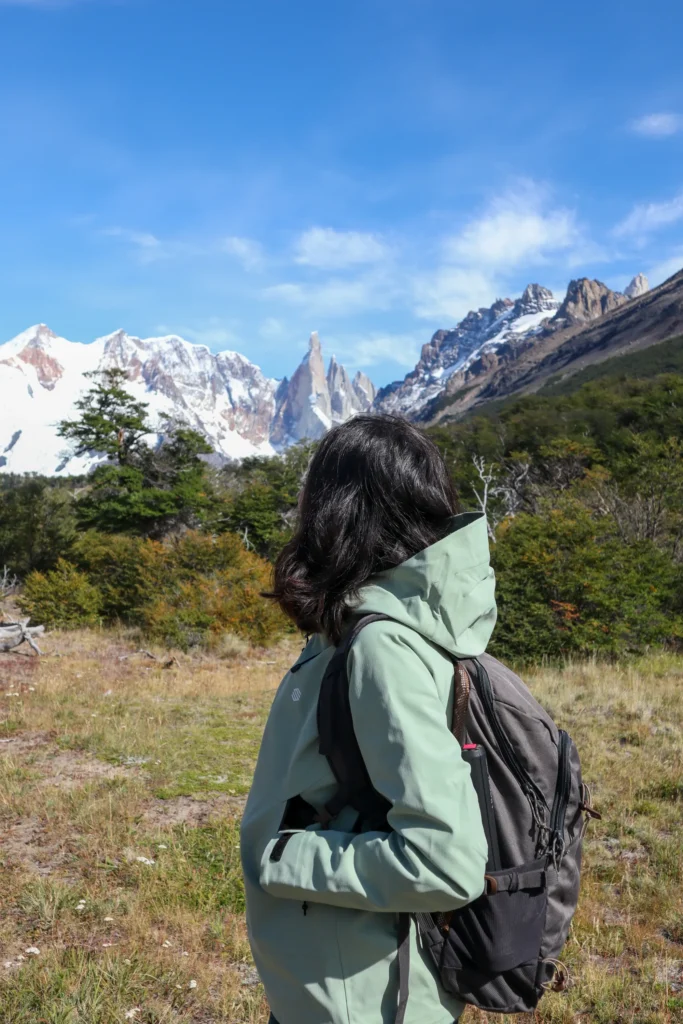
Another feature that can make a big difference for a day pack is a chest strap. It helps distribute the weight better and provides extra support while hiking.
The backpack I used is already quite old, but it’s from Quechua and still works great. This 20L backpack from Osprey is another great alternative.
I also strongly recommend bringing a waterproof backpack cover. Rain can arrive suddenly in Patagonia, and you definitely don’t want your extra clothes or electronics getting wet.
» Packing cubes
Packing cubes are incredibly useful for organizing your luggage and reducing clothing volume. They keep everything separated and make it easier to find things quickly when you’re constantly changing destinations.
For this trip, I used the packing cubes from Travel Dude, and they were honestly one of the most useful things I packed. These cubes include a compression function, which helps reduce the volume of clothes once the cube is closed. This makes it much easier to fit bulky items into a small suitcase.
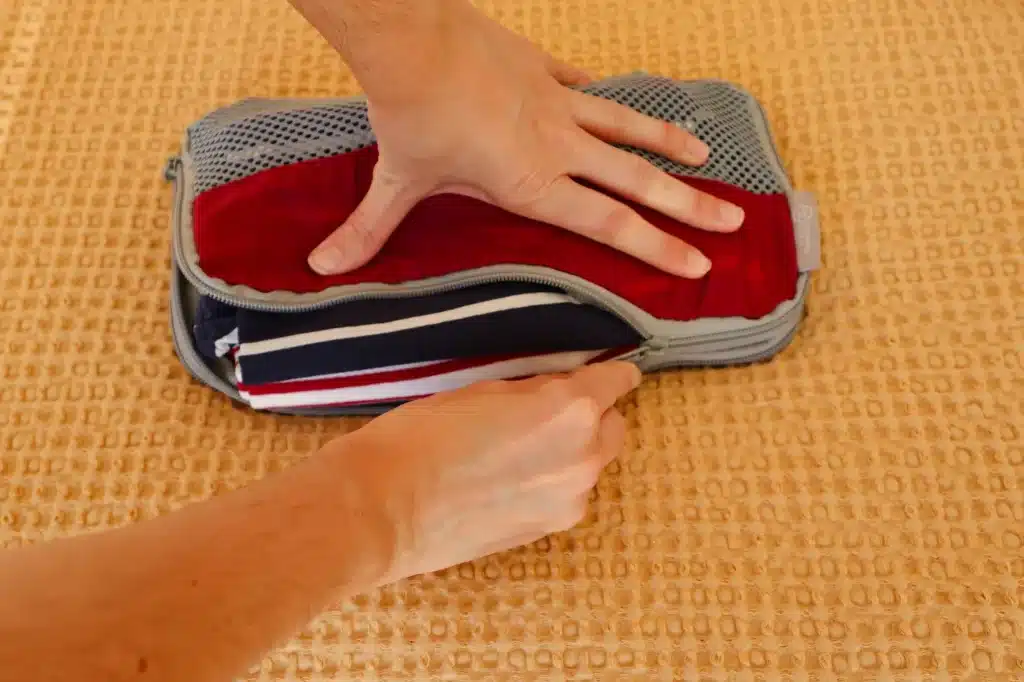
Another advantage is organization. When you move between towns often, unpacking your entire suitcase every night becomes annoying. With packing cubes, you simply move the cube you need.
Currently, Travel Dude doesn’t ship to the US, but here are some packing cubes alternatives.
👉 If you want to try them, you can get 5% off on the Travel Dude website using the code Mariana5%.
» Clothing
When thinking about what to wear in Patagonia, the most important concept is layering. Weather conditions can change quickly during the same day. Mornings often start cold, especially if you’re heading out early for a hike. A few hours later, the sun may come out and suddenly it feels much warmer.
The same thing often happens while hiking. As you start walking, your body warms up quickly. During my trip, there were many moments where I was constantly removing and putting layers back on depending on the wind, the sun, or the effort of the trail.
That’s why a simple layering system works best. It usually includes three parts.
- Base layer, the layer closest to your skin
- Mid layer, which adds warmth
- Outer layer, which protects you from wind and rain
Another important rule. Avoid cotton whenever possible. Cotton absorbs sweat and dries slowly, which can make you feel cold very quickly. Materials like merino wool or polyester work much better because they absorb moisture and dry faster.
» Base layers
Base layers sit directly on your skin and play an important role during hikes. Their main job is moisture management.
These tops should fit relatively close to your body so they can absorb sweat quickly. The purpose of this layer is not necessarily to keep you warm, but to keep your skin dry.
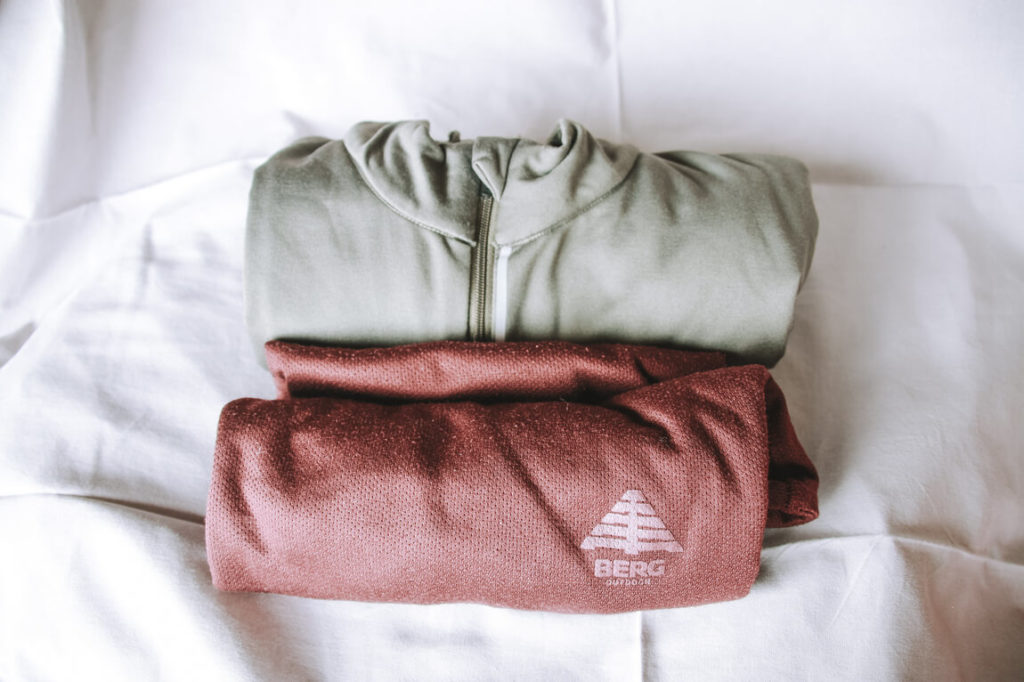
Avoid cotton garments as much as possible because they do the opposite. Cotton traps moisture and takes a long time to dry.
For colder mornings and evenings, it’s also useful to bring thermal tops or thermal leggings. These are especially comfortable when temperatures drop at night or during early starts.
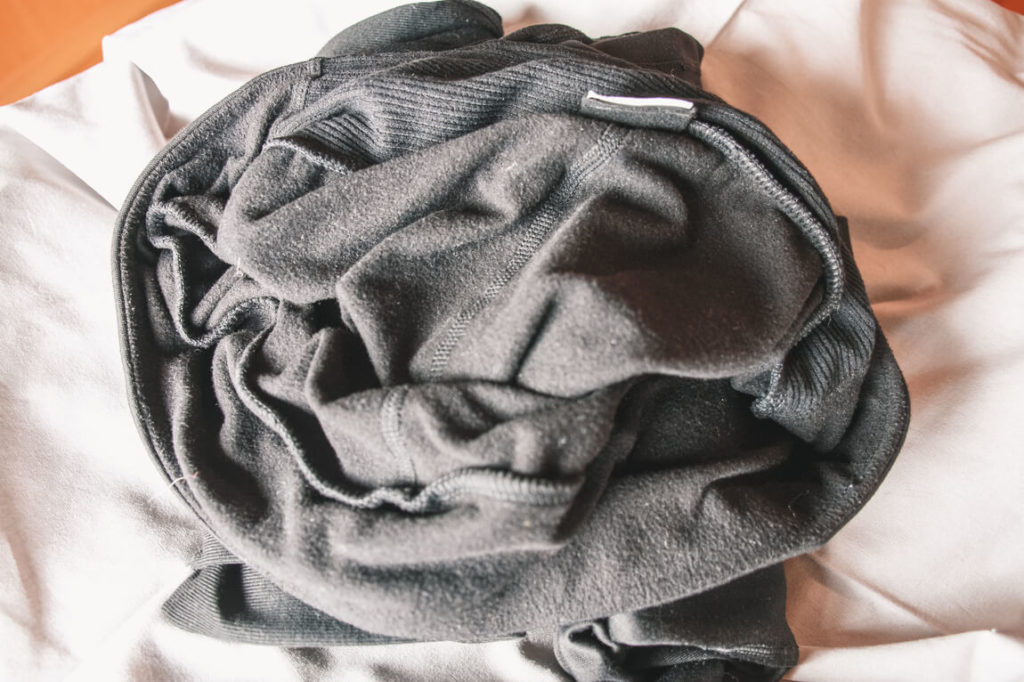
You don’t need many base layers. For a 14 to 20-day trip, bringing two to three base layers is usually enough. Laundry services are very common in Patagonia. For example, I washed some of my clothes in El Calafate during the trip.
Here are two affordable options from Decathlon that work well:
» Mid layers
Mid layers provide insulation and help keep you warm when temperatures drop.
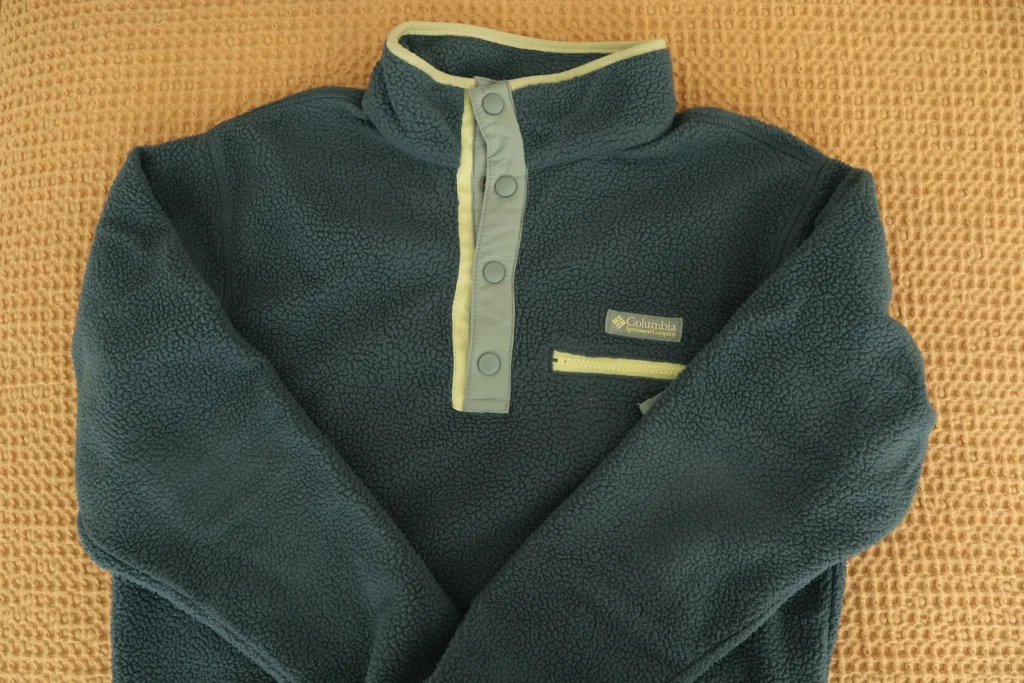
A fleece sweater works perfectly for this layer. I brought a few options, but one of the pieces I used the most was my Columbia fleece piece. Check out prices on Amazon.
Bringing two to three fleece layers is usually enough.
I also packed one thicker wool sweater that was less sporty. It was useful for dinners or days when we were not doing long hikes.
One thing to keep in mind. Patagonia is not really the place to worry too much about being fashionable. People are mostly dressed for comfort and practicality. You will likely reuse many of the same layers several times. Just rotate the base layers and wash them when needed.
» First outer layer
For your first outer layer, a lightweight down jacket works very well. It adds warmth without taking up too much space in your backpack.
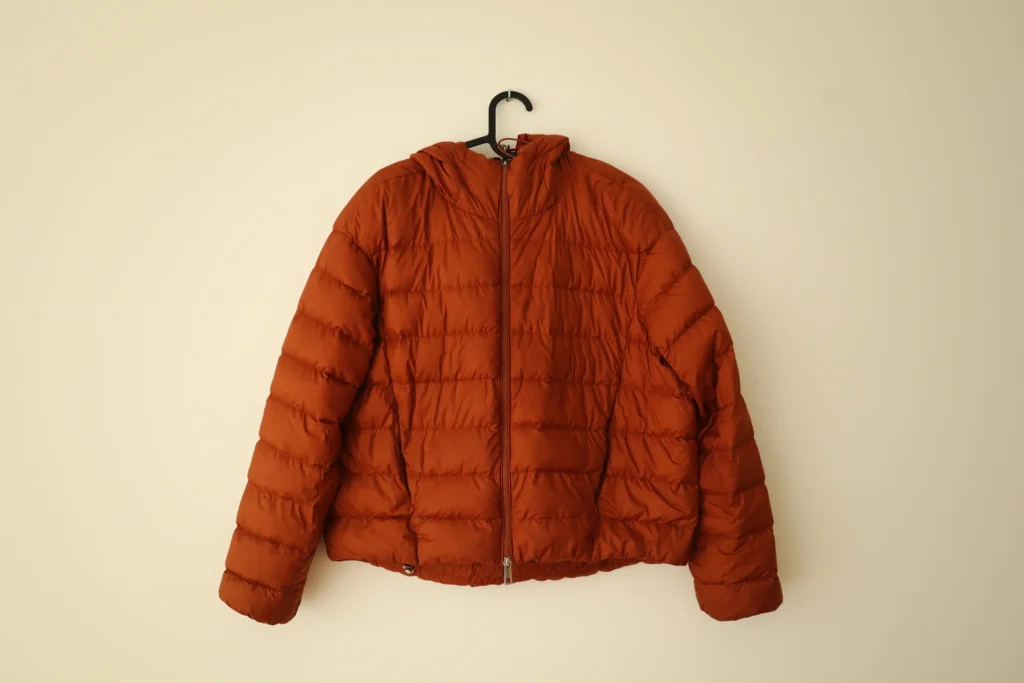
My jacket was from another brand, but something like this down jacket works perfectly.
» Final outer layer
A waterproof jacket is completely essential in Patagonia. At some point, you will almost certainly encounter rain.
You definitely don’t want to be halfway through a hike and suddenly soaked.
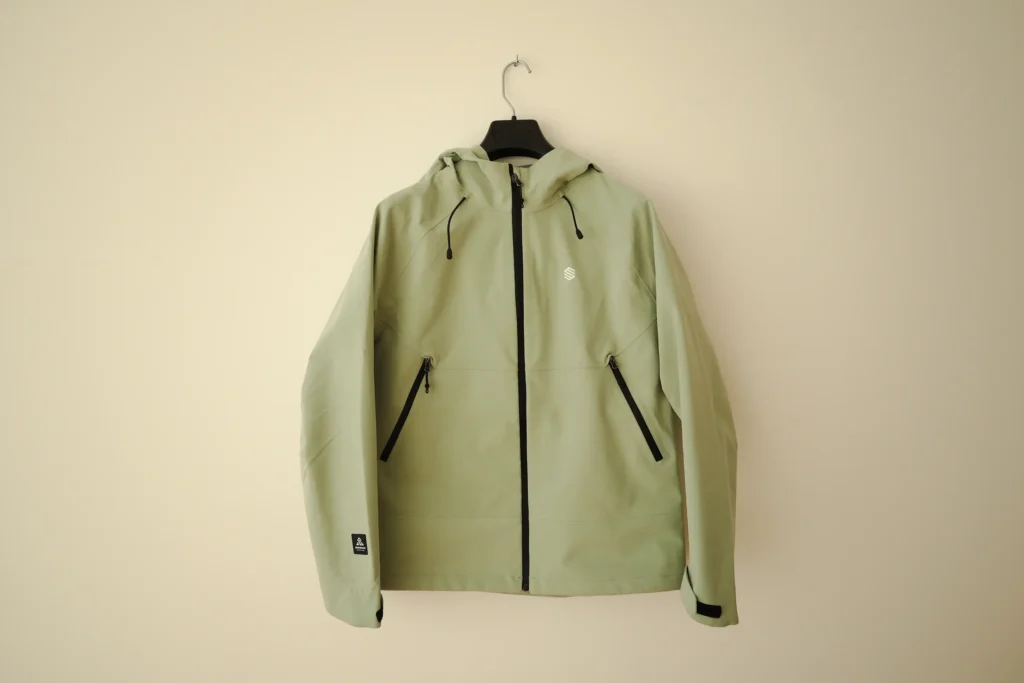
Wind protection is actually just as important as rain protection. Ideally, your jacket should be both waterproof and windproof.
I brought this jacket from Siroko and it honestly saved me many times during the trip. It protected me from both rain and strong winds, especially during long hikes.
👉 Get 10% off with the code ATICKETTOTAKEOFF at Siroko’s website.
» Hiking clothes
Even when heading out for hikes, layering is still the best approach. Temperatures can change quickly and you never fully know what conditions you will find on the trail.
The clothing mentioned above works well for most situations in Patagonia. But if you plan to do more demanding hikes, such as Laguna de los Tres (Fitz Roy) or Laguna Torre, it helps to dress a bit more strategically.
For hiking bottoms, I used two main options.
Sometimes I wore normal leggings.
Other days, I preferred hiking pants, which are lighter and more breathable. Honestly, I ended up liking the hiking pants much more. These ones from Siroko offer great movement and are also water repellent, which is very useful on muddy trails. I brought these cute purple ones (see photos below).
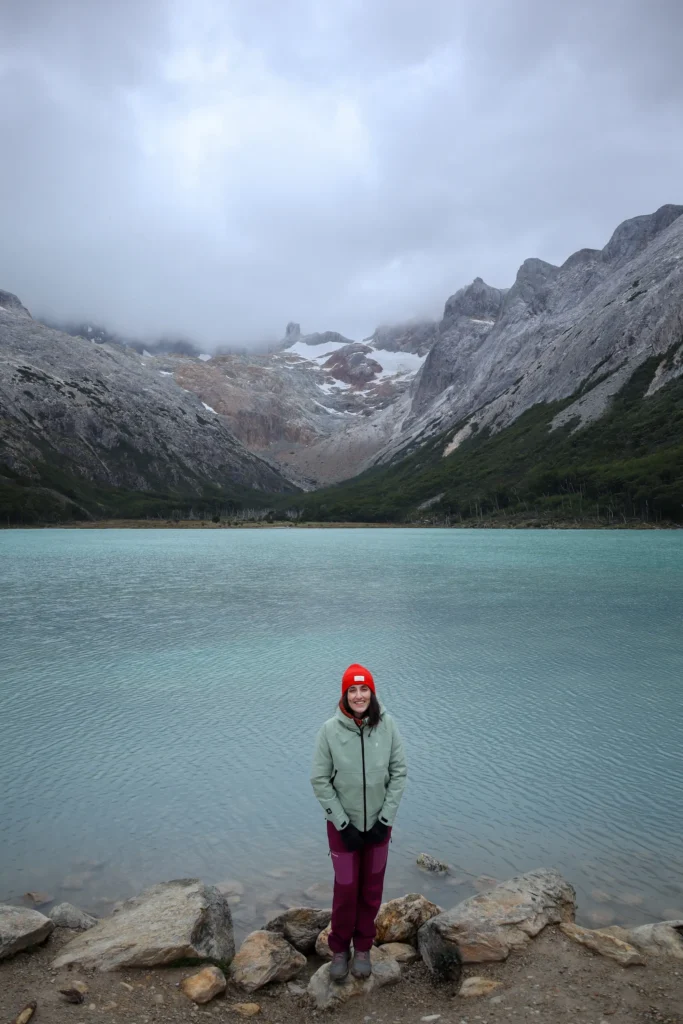
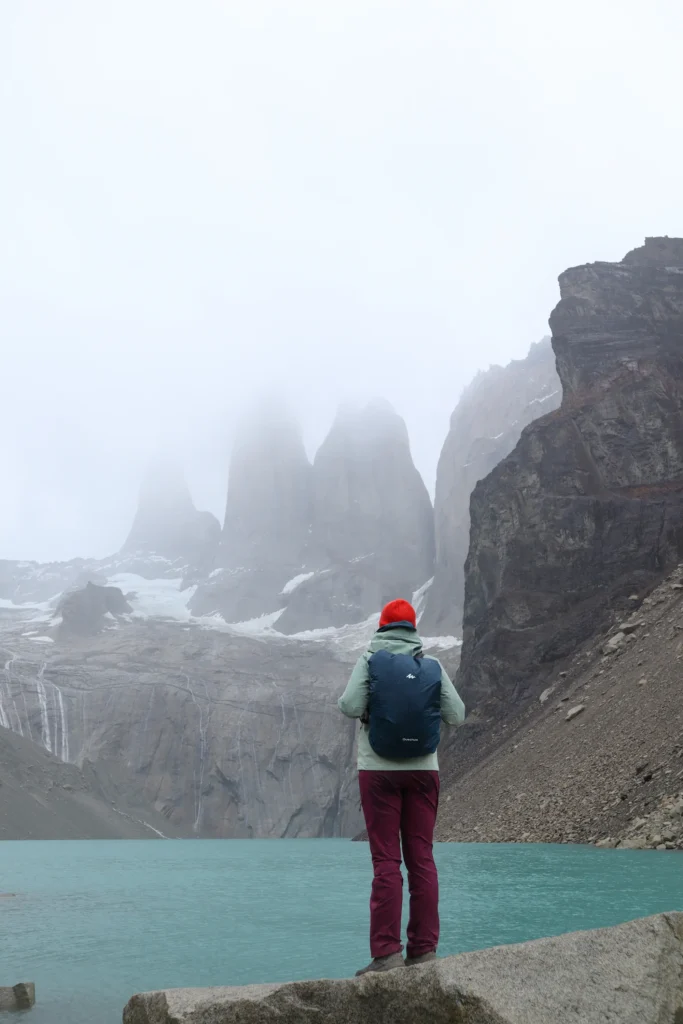
I don’t recommend using thermal leggings for hikes because you will probably get too warm most of the time.
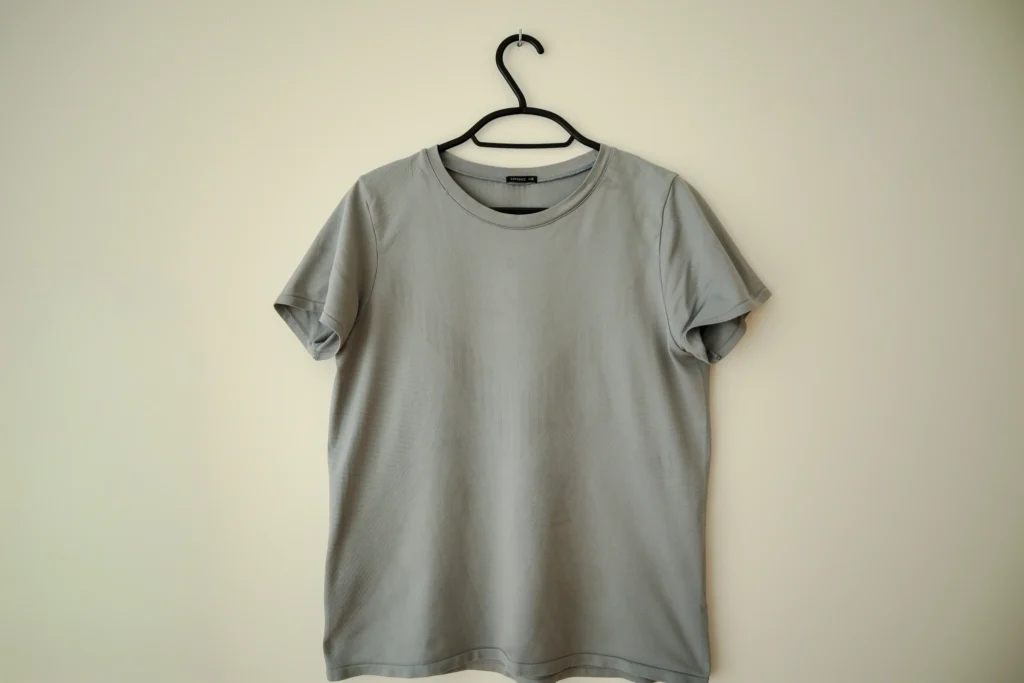
For the upper body, instead of wearing a thermal base layer on warmer days, you can also switch to a breathable t-shirt with good moisture absorption. Merino wool works very well for this.
For longer hikes, wearing a sports bra also makes things much more comfortable.
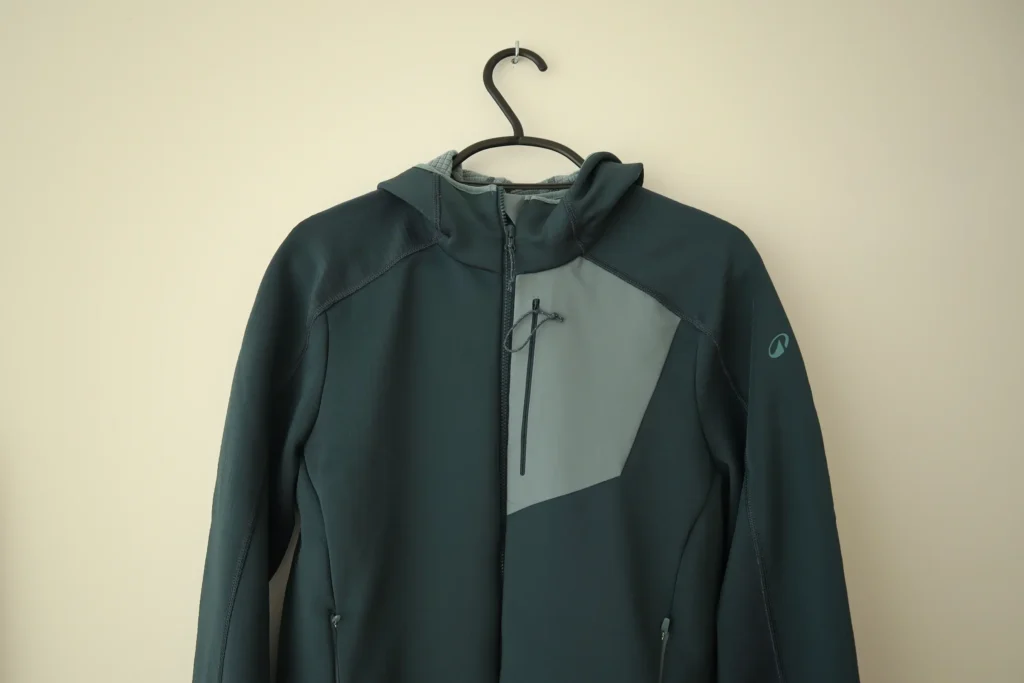
Plus, instead of a thick fleece sweater, I also liked using a fleece jacket with a zipper. It’s much easier to regulate your temperature because you can open it during the hike. This fleece from Decathlon worked really well for me.
» Town clothes
You won’t need many “city” clothes in Patagonia. Most towns in the region are very casual. Even in restaurants, people usually show up wearing hiking clothes or outdoor jackets.
For dinners or relaxed evenings, I only brought one thicker sweater that was less sporty. It worked perfectly for the entire trip and I wore it several times.
Honestly, one nice warm layer is more than enough. Patagonia is not the place where people dress up. Comfort and practicality are what matter most.
» Footwear
Footwear is one of the most important parts of your packing list for Patagonia. If you plan to do any hiking, a good pair of waterproof hiking boots is essential.
These boots give you a much better grip on rocky or muddy trails.
The higher ankle support also helps protect your ankles, which becomes very important on uneven terrain and when walking long trails.
Waterproof boots are another big advantage. Rain and wet trails are common in Patagonia, so having dry feet can make a huge difference.
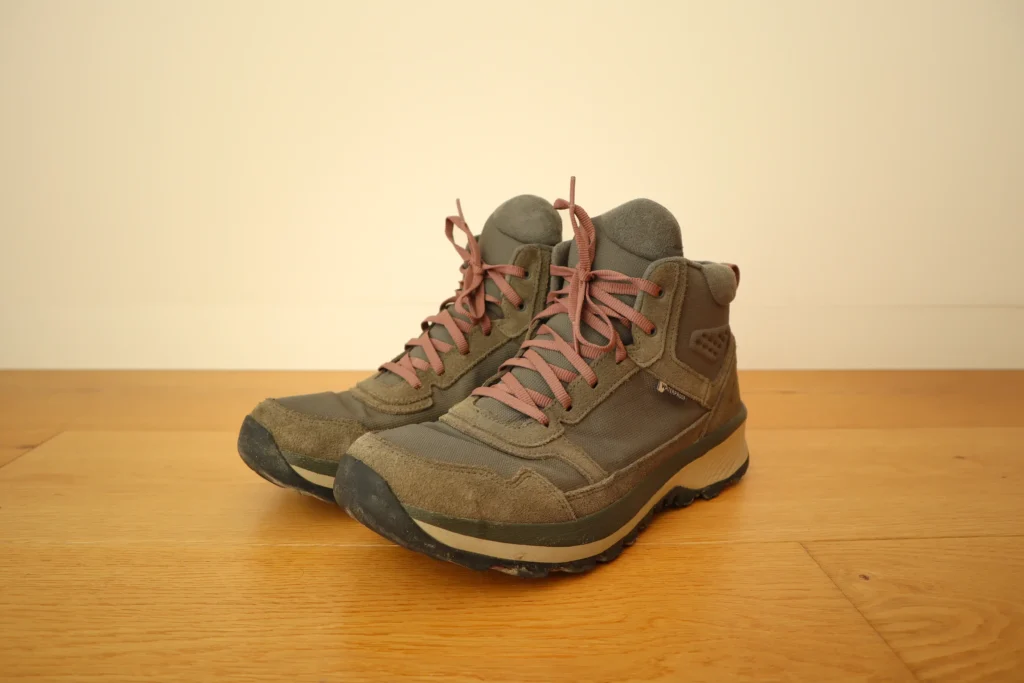
I used these Quechua hiking boots from Decathlon and they worked incredibly well.
During the trip, I walked more than 60 km in four days and didn’t get a single blister.
One important tip. Always bring hiking boots you already know and have worn before. Patagonia is not the place to break in new shoes.
Since not every day of a Patagonia itinerary involves long hikes, it’s also useful to bring a second pair of comfortable shoes. This way, you don’t have to wear your hiking boots all the time.
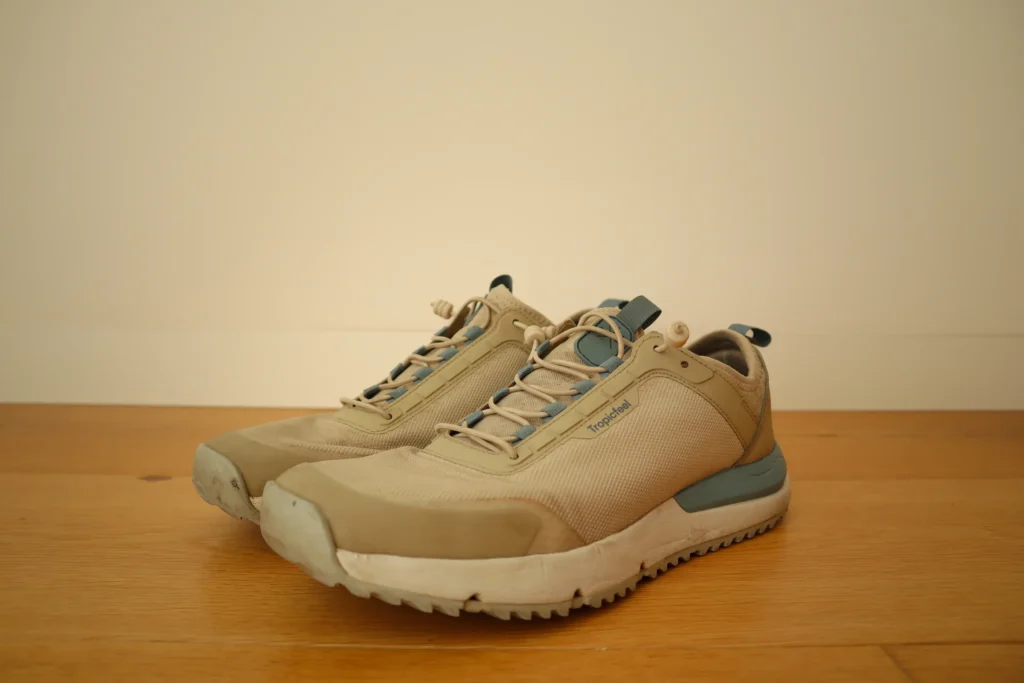
I brought my sneakers from Tropicfeel. They are not fully waterproof, but they dry very quickly and are extremely comfortable, which makes them perfect for travel days and shorter walks.
Finally, don’t forget good socks. High socks with good moisture absorption are ideal. They stay in place better and help prevent blisters during longer hikes.
» Accessories you will actually use
When thinking about what to wear in Patagonia, clothing is only part of the story. A few small accessories can make a big difference in terms of comfort, especially during long hikes and windy days.
Some of these items might seem small, but I ended up using them almost every day.
A cap is one of the simplest and most useful things to bring (however, it’s kind of useless on windy days). Even when temperatures are low, the sun in Patagonia can be very strong. This is especially noticeable when hiking for several hours.
Sunglasses are also essential. Despite the cold temperatures, the sun can be intense and you don’t want to spend an entire hike squinting because of the brightness.
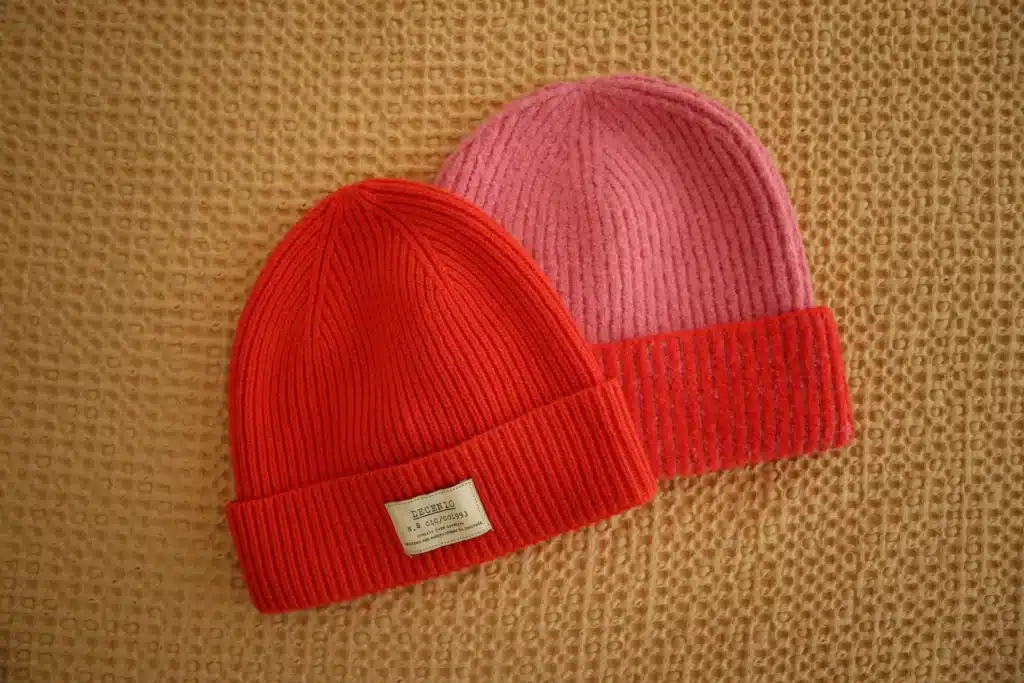
A beanie is another must. Temperatures can drop quickly in the mornings and evenings, and wind makes everything feel colder.
For your hands, bring waterproof gloves. Ideally, choose gloves that allow you to use touchscreens so you don’t need to remove them every time you want to check your phone or take a photo. The cold can be surprisingly intense. I remember taking my gloves off to eat near Laguna Esmeralda in Ushuaia and my hands instantly froze. Unfortunately, the ones I brought weren’t waterproof and I ended up getting my hands wet and cold when it rained one day.
For colder hikes, a merino wool neck gaiter is extremely useful. It helps protect your neck and face from the cold wind. For everyday use in towns, I also brought a light scarf that was warm but not too bulky.
A couple of optional items can also be very helpful.
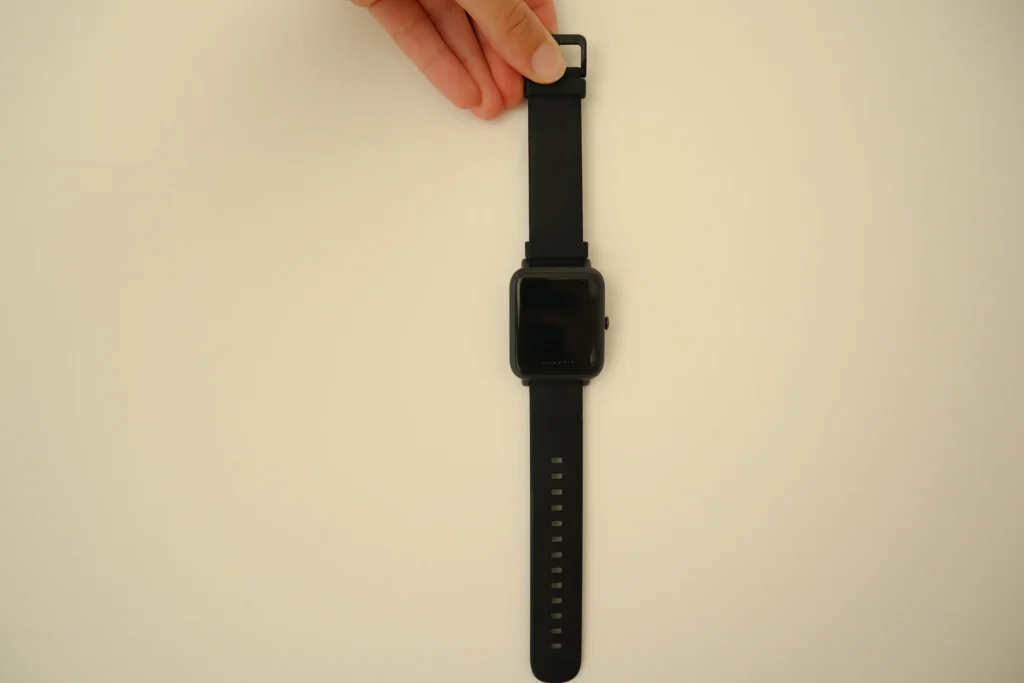
If you enjoy tracking your hikes, a GPS watch can be useful for monitoring your progress on longer trails. This is especially helpful during full-day hikes when distances can be quite long. Check prices on Amazon.
For women, there’s also one item that can be a real game-changer on the trail. Many of the longer hikes don’t have bathrooms. If squatting outdoors is not something you’re comfortable with, a female urination device can make things much easier. I bought these disposable ones from Amazon and found them very practical. There are reusable options too, but I preferred the disposable version for hygiene reasons.
» Other important things
There are also a few practical items that are worth including in your packing list for Patagonia.
First, sunscreen. Even when it feels cold outside, the sun can be very strong. Snow and ice reflect sunlight, which can increase exposure. I actually forgot to apply sunscreen on my hands during one hike and ended up with a sunburn because they were one of the few areas exposed most of the time.
A good moisturizer is also very helpful. Spending long hours outdoors in cold wind can dry your skin quickly, especially your face and hands. Every evening during the trip, I applied a rich moisturizer from Weleda. It had already saved me during previous trips to cold destinations like Lapland.
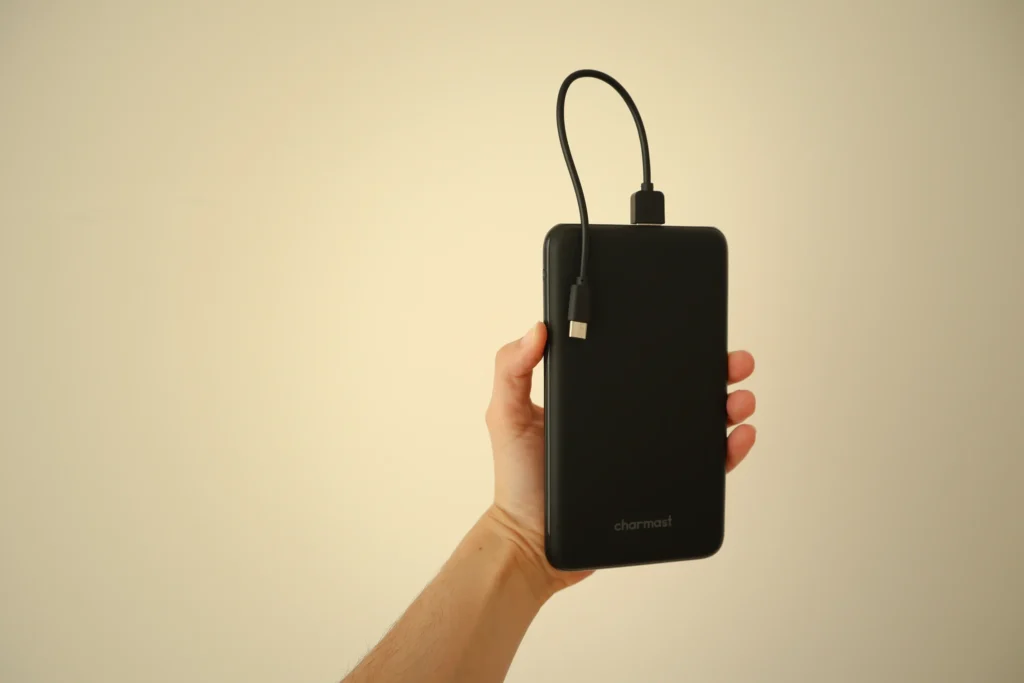
A power bank is another essential item. During long hikes, you will probably take many photos and videos. Your phone battery disappears quickly if you’re anything like me.
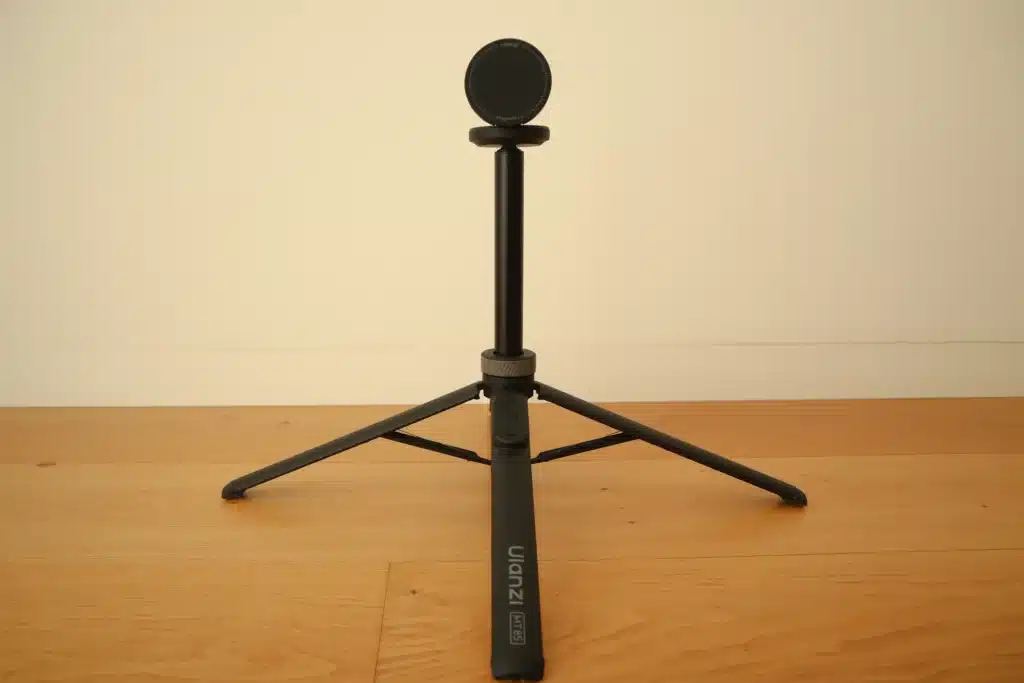
If you enjoy photography, bringing a small tripod can be very useful. I bought a lightweight one designed for smartphones with MagSafe and loved it. It allowed me to take photos and videos I would probably never have taken if I had needed to ask other people. When the wind is extremely strong, it can be difficult to use because it’s very light, but I still used it many times.
A small first aid kit is also worth packing. Blister care and basic pain relief medication can be very helpful. After my second day hiking more than 20 km, my muscles were definitely reminding me how much I had walked.
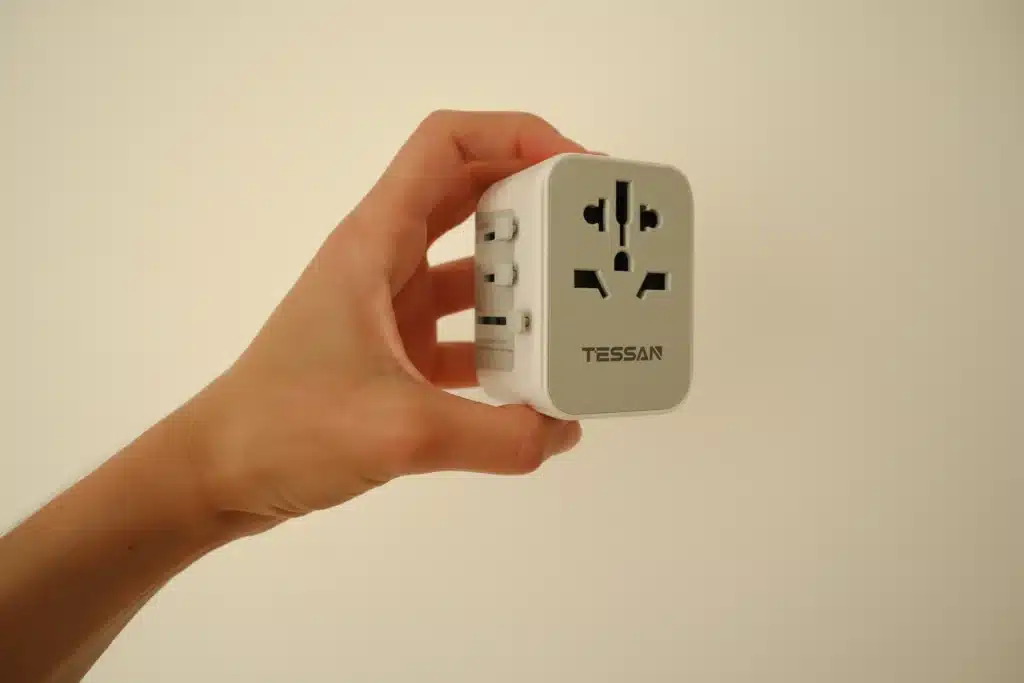
Don’t forget to bringplug adapters for Argentina and Chile. The sockets are different from many other regions, so having a universal adapter makes charging devices much easier.
For some hikes, trekking poles can be extremely helpful. In my opinion, they are almost essential for trails like Laguna de los Tres (Fitz Roy) or Mirador Las Torres in Torres del Paine. Since trekking poles are not always allowed in carry-on luggage, many travelers rent them locally. That’s what we did. We rented them in El Chaltén and again in Puerto Natales before hiking in Torres del Paine.
Finally, don’t forget a reusable water bottle. Staying hydrated is important, especially during long hikes and road trips where you may spend several hours away from towns.
Final thoughts
Hopefully, this Patagonia packing list helped make your trip planning a little easier. The good news is that you don’t need extreme gear or expensive expedition equipment to enjoy Patagonia. Most travelers visit the region for road trips, viewpoints, and long day hikes, not multi-day treks.
The key is simply packing smart.
Focus on function rather than looks. Choose practical clothes that can handle wind, rain, and changing temperatures. Layering is always better than bringing one heavy jacket. During my trip, I was constantly adding and removing layers depending on the weather or the hike.
Another thing worth remembering. You don’t need as many clothes as you might think. It’s completely normal to rewear items several times. Everyone around you is doing the same thing. Most people are there for the same reason: to explore one of the most beautiful places in the world, not to win a fashion competition.
Leave a bit of extra space in your luggage if you can. Patagonia souvenirs can be tempting, although they are definitely not cheap. I still remember seeing magnets for 10€, which felt a bit wild for such a tiny souvenir.
If you forget something, don’t stress too much. Most towns across Patagonia actually have small shops that sell hiking gear.
In the end, Patagonia rewards travelers who pack smart and stay flexible. The weather might surprise you, the wind might test your patience, but the landscapes will absolutely make it worth it.
And if you’re planning your trip to Patagonia soon, leave a comment below if you have any questions about this Patagonia packing list. I’m always happy to help and love hearing from other travelers planning their adventure.
Disclaimer: this post may contain some affiliate links, which means I get a small commission if you buy something through my links. This doesn’t represent any additional cost to you and you’ll be supporting my work here on the blog😊