

How safe is Costa Rica for tourists? If you’re wondering this, you’re not alone. I had the same question before booking my trip. It was my first time traveling to Central America, and even knowing Costa Rica is one of the safest countries in the region, I still had doubts.
Here’s the short answer. Yes, Costa Rica is safe for tourists, but it’s not risk-free.
Costa Rica welcomes over 2.3 million international tourists per year, according to the Costa Rica Tourism Board. The vast majority visit without any serious safety issues. Most incidents reported by tourists are related to lost items, phone snatching, or car break-ins, not violent crime.
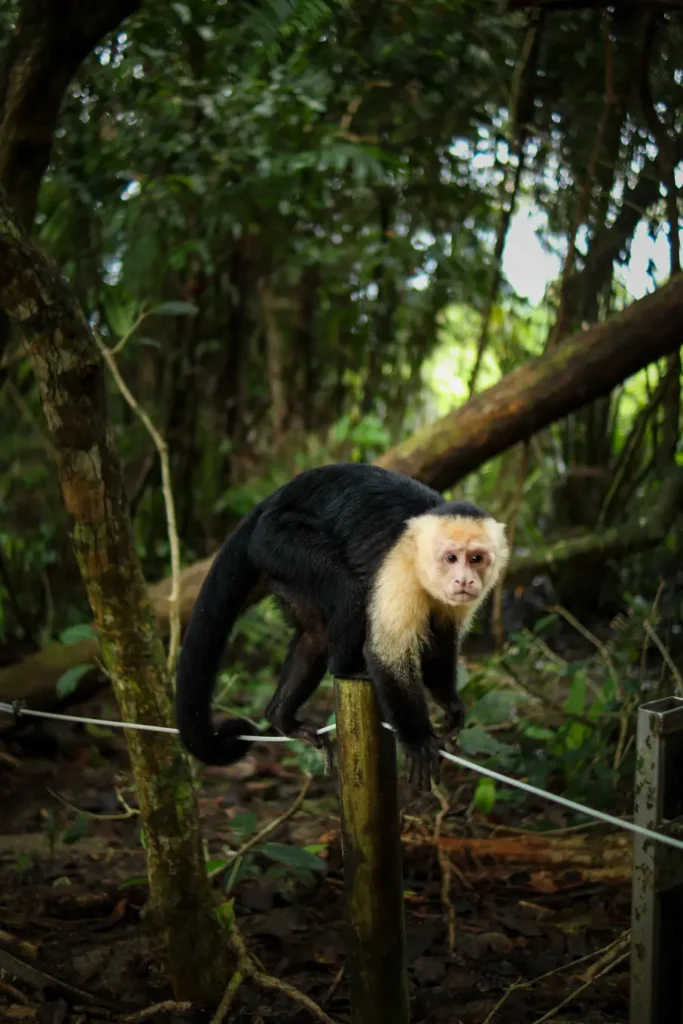
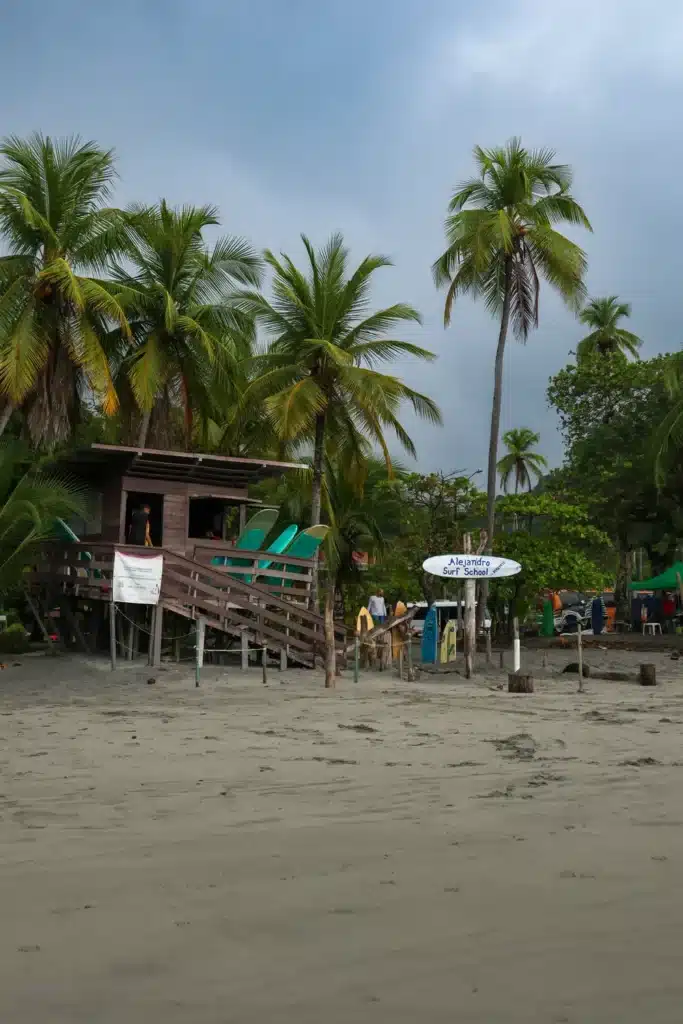
I spent 14 days traveling across the country, moving between cities, beaches, and national parks. This guide combines what I experienced on the ground with real facts, so you can make smart choices and travel with confidence.
In this post, I’ll break down travel safety in Costa Rica in a clear and honest way. You’ll learn how to stay safe in Costa Rica, what the safest places in Costa Rica are, and which areas to avoid in Costa Rica or be more careful in.
I’ll also cover crime, health, transport, natural risks, and common scams, so nothing catches you off guard.
Is Costa Rica safe to visit?
For most travelers, the answer is a clear yes. Costa Rica is one of the safest countries in Central America, and millions of tourists visit every year without issues. That said, it’s not risk-free. The biggest problem is theft in Costa Rica, not violent crime, and most situations can be avoided with simple habits.
Quick safety breakdown
→ Crime: Low risk for tourists. Petty theft is the main concern.
→ Transport: Generally safe. Roads can be rough and slow, especially in the rain.
→ Nature risks: Real (rip currents, rain, and wildlife) but manageable.
→ Health care: Very good in tourist areas and major cities.
How dangerous is Costa Rica: what kind of crime tourists actually face
Petty theft and pickpocketing
The most common problem tourists deal with is petty theft. This includes stolen phones, unattended bags, or items taken from the beach while people are swimming. Violent crime against tourists is rare.
It happens most in busy areas. Think of city centers, bus stations, popular beaches, and crowded attractions. San José, Tamarindo, Manuel Antonio, and Puerto Viejo are places where you need to be more aware, especially in busy spots.
To avoid it, keep things simple:
- Don’t leave bags unattended on the beach
- Use a crossbody bag that closes fully
- Carry only what you need for the day
- Keep phones and wallets out of sight when not in use (having said this, I used both my camera, smartphone and drone heavily everywhere in Costa Rica)
Most theft happens because of opportunity, not because tourists are targeted.
Car break-ins and rental car theft
Rental cars are easy targets because thieves know tourists often leave luggage inside while stopping for food or viewpoints. Even locked cars can be broken into if something is visible.
This happens most near beaches, trailheads, and roadside stops. It’s also common near national parks where people leave their cars for a few hours.
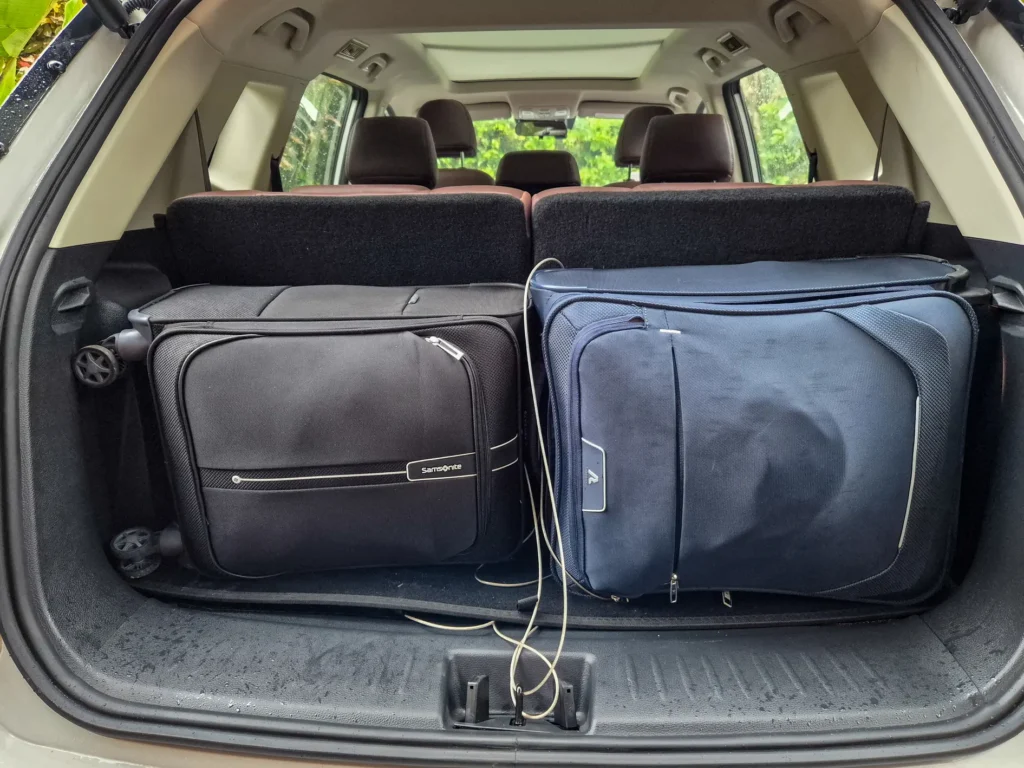
I treated this like I would anywhere else in the world. I never left valuables visible in the car. We also bought a steel cable and locked our bags together inside the trunk with padlocks. That way, even if someone broke in, it would take time and effort to take anything.
To reduce your risk:
- Keep the car empty whenever possible
- Use the trunk, never the back seat
- Avoid leaving the car for long periods
- Park in well-lit areas or paid lots (whenever it’s possible)
🎫 If you plan to drive, I recommend reading my renting a car in Costa Rica guide. It breaks down what to watch for and how to avoid common mistakes.
Scams to watch for
Scams exist, but they’re easy to spot once you know what to look for.
Common ones include:
- Fake tour guides offering “last-minute deals” on the street
- Overpriced taxis that refuse to use the meter
- “Helpful locals” offering directions, then asking for money
- ATM distraction scams where someone tries to help you
- Fake or misleading car rental prices that jump once you arrive
- Border “helpers” trying to take your passport to speed things up
The rule I followed was simple. If I didn’t ask for help, I said no. Book tours online, use official taxis or Uber, and avoid using ATMs in isolated places. If something feels off, trust that feeling and walk away.
If you want a full breakdown with real examples, take a look at this detailed guide on common scams in Costa Rica.
Transportation safety in Costa Rica
Driving in Costa Rica
Having a car is honestly one of the best ways to get around Costa Rica. It gives you full freedom, saves time, and lets you stop at beaches, viewpoints, and waterfalls along the way. That’s why renting a car makes sense for most itineraries, and I explain everything step by step in my guide about renting a car in Costa Rica.
But is driving in Costa Rica safe? I found driving in the country pretty relaxed. Around San José and inside the city, it’s more chaotic, with heavier traffic and less predictable driving. But outside the capital, everything felt much calmer.
Some roads are in worse condition, especially:
- The road to Monteverde, which is known for its potholes
- A few dirt roads around Uvita
- Bajos del Toro, where the higher altitude often brings fog, which can feel a bit scary
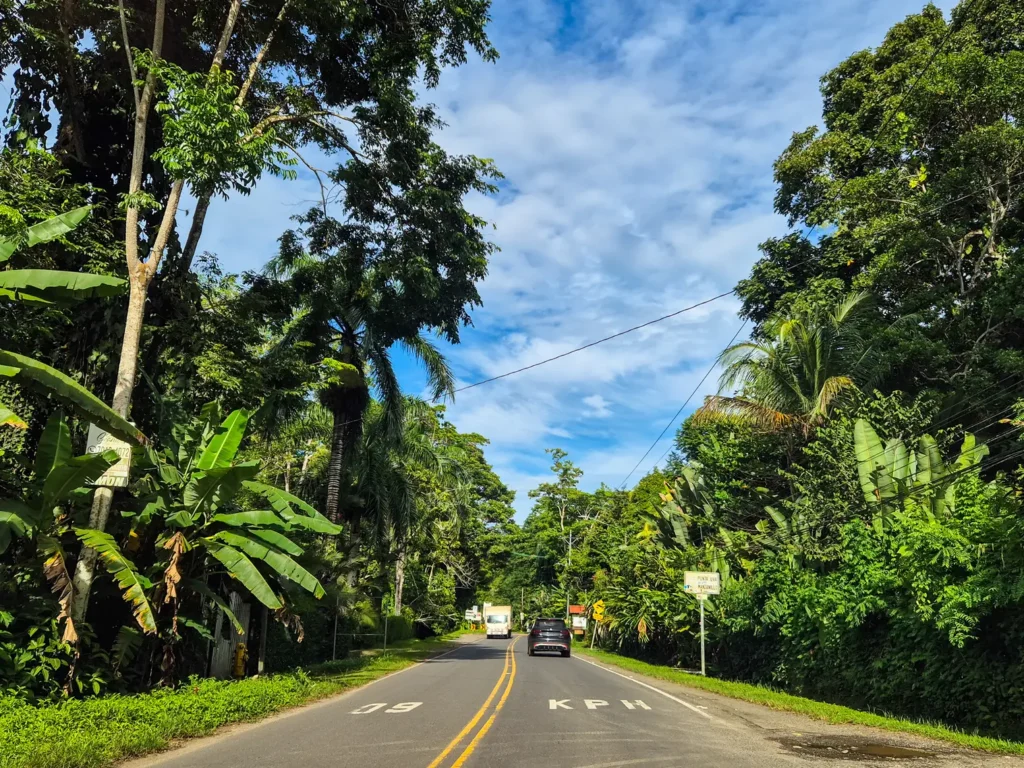
Aside from that, driving was smooth. The rule is simple. Take it slow, avoid driving at night when visibility is lower, and plan your routes ahead of time.
Plus, most drives in Costa Rica are beautiful, so the road becomes part of the trip.
If you’re confident, patient, and used to driving abroad, you’ll be fine. If you get stressed easily or plan to drive long distances after dark, you may want to skip it.
Buses and shuttles
Public transport is generally safe, especially during the day. Local buses are cheap and reliable, but they can be slow and crowded. Keep your bag close, especially in busy terminals.
Shared shuttles are a great middle ground. They’re safer, more comfortable, and perfect for long distances between tourist towns. You can use them when you don’t feel like driving and want to travel stress-free.
I’d avoid late night buses if you’re traveling alone or arriving somewhere new. Not because Costa Rica is dangerous, but because arriving tired and disoriented is when mistakes happen.
Taxis and Uber
Uber is widely used in cities like San José and is usually cheaper and clearer than taxis. Technically, Uber is illegal in Costa Rica, but it still operates, and most tourists use it without any issues. One thing to know is that drivers may ask you to sit in the front seat, especially near airports or busy areas, so it looks like you know each other.
Red taxis are official, but you need to make sure the meter is on before the ride starts.
To avoid overpaying:
- Use Uber when possible
- Ask the taxi to turn on the meter before moving
- Carry small bills
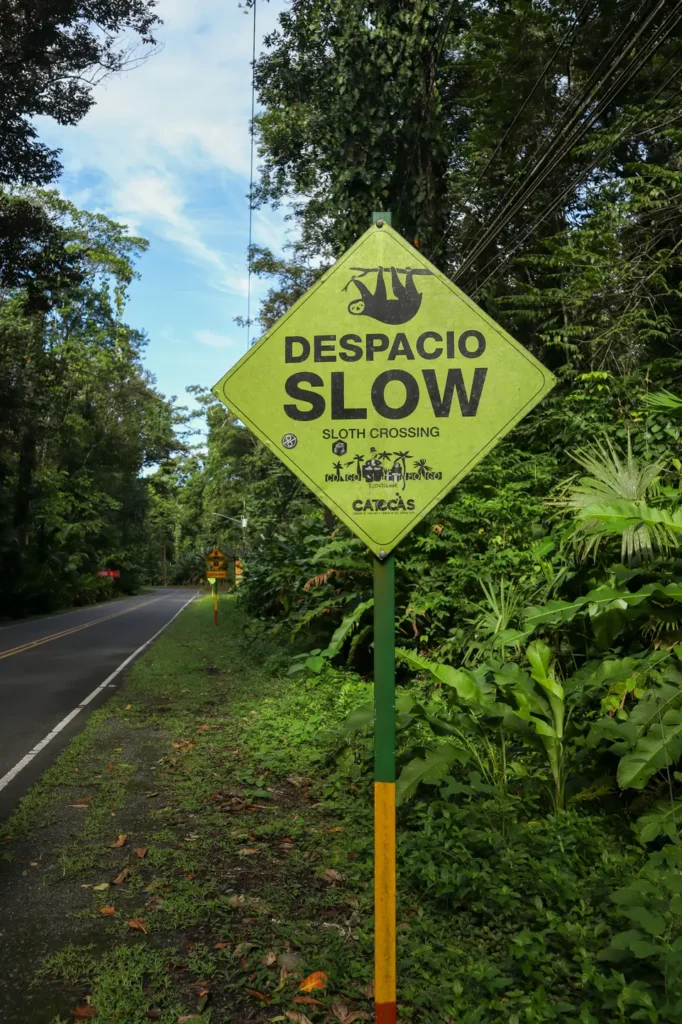
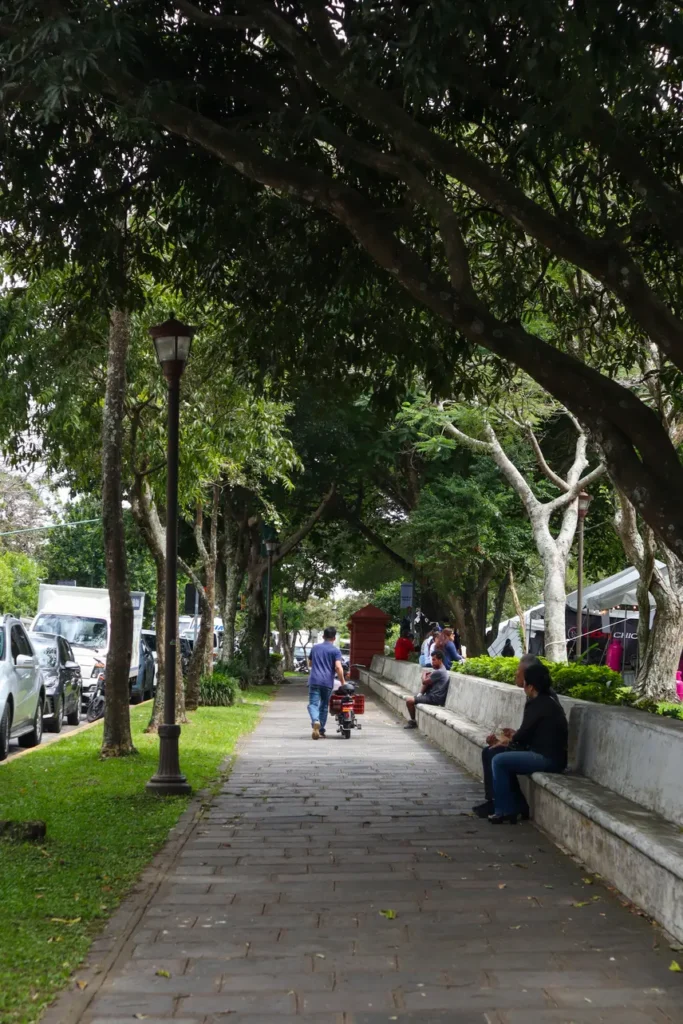
We used Uber throughout our trip (mainly in San José, where we didn’t have a car) and never had a problem.
Domestic flights
Domestic flights make sense when you’re short on time or heading somewhere remote. Flying saves hours compared to driving, especially to places like the Osa Peninsula or Tortuguero.
That said, flights to Tortuguero have a mixed reputation. Small planes are very sensitive to weather, delays are common, and cancellations happen often in the rainy season.
Plus, most roads in Costa Rica are beautiful to drive, so I personally think you’ll actually enjoy driving instead of flying.
Natural risks most tourists underestimate
Nature is one of Costa Rica’s biggest highlights, but it’s also where most real risks come from. These aren’t dangerous in a scary way. They just require awareness and respect.
Beaches and ocean safety
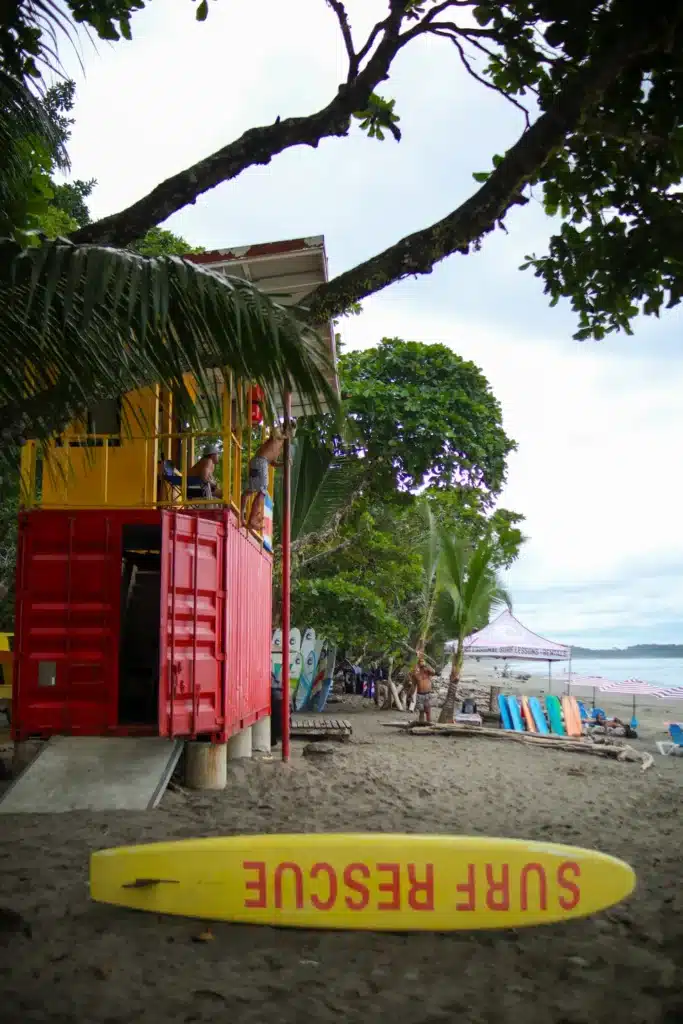
The ocean in Costa Rica is powerful, especially on the Pacific coast. Rip currents are common, and many beaches don’t have lifeguards.
A lot of beaches are dangerous to swim in, even if they look calm. This is why you’ll often see warning signs telling you not to enter the water. They’re there for a reason.
How to stay safe:
- Swim only where locals are swimming
- Avoid entering the water if there are red flags
- Never turn your back on the waves
- If you’re unsure, don’t go in
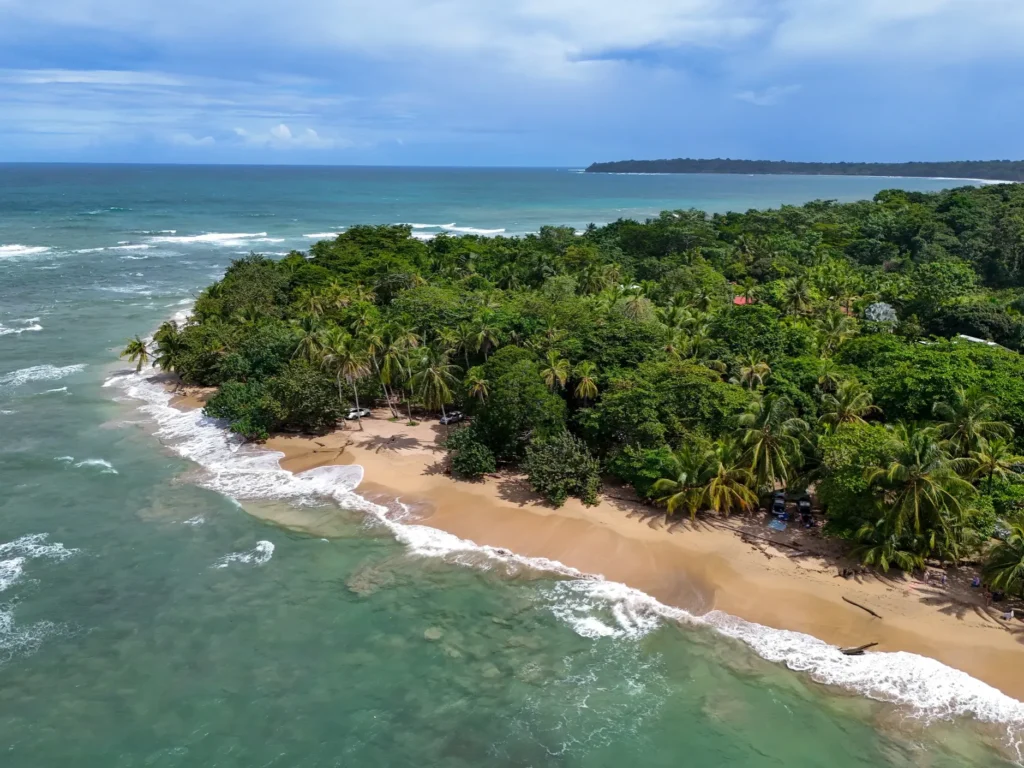
I skipped swimming at several beaches because the currents looked too strong.
Wildlife and insects
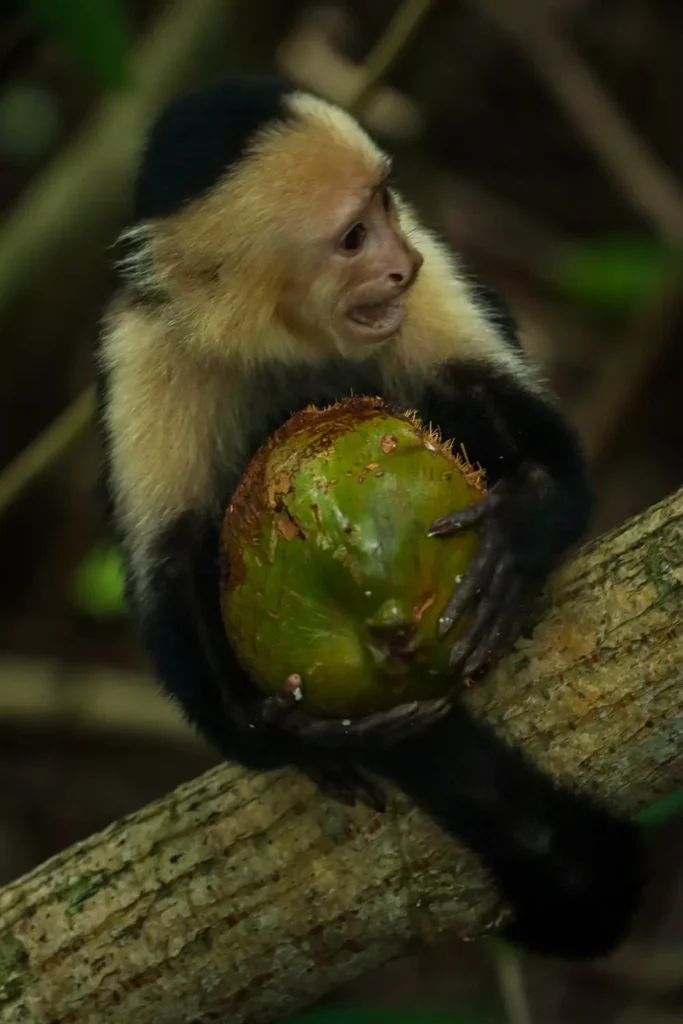
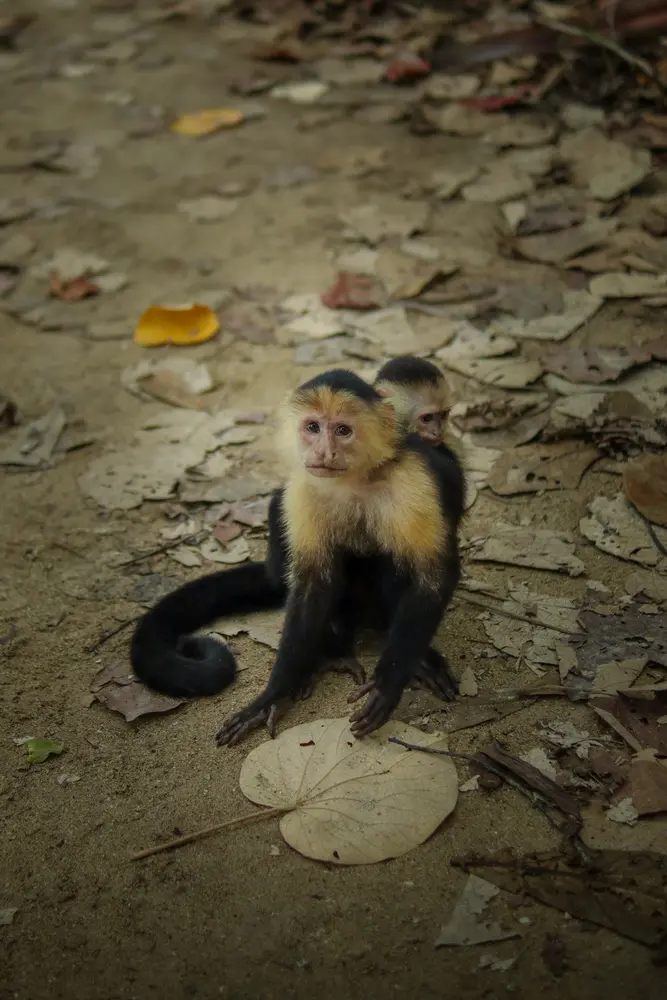
You’ll see a lot of animals in Costa Rica. Snakes, monkeys, raccoons, and iguanas are common, especially near national parks. Most of the time, they’re harmless if you keep your distance. Problems usually happen when people try to touch, feed, or get too close.
That said, some animals are poisonous or venomous, including certain snakes, frogs, insects, and marine life. This doesn’t mean they’re a constant threat. It just means you shouldn’t walk barefoot, reach into bushes, or touch animals you don’t recognize.
It also helps to:
- Hire a local guide for walks if you don’t feel confident, especially in dense jungle areas
- Use closed-toed shoes when hiking or walking in nature

Another thing many travelers don’t know is the manzanillo tree. Its fruit looks like a small apple, but it’s extremely poisonous and should never be touched or eaten. You’ll usually see warning signs near these trees, especially on Caribbean beaches.
Mosquitoes are a bigger issue than wildlife for most travelers. Dengue exists, especially in warmer areas, so repellent (with a high percentage of DEET) is an essential part of your trip. I used it every single day and it worked perfectly for me.
Earthquakes, volcanoes, and rain
Small earthquakes happen regularly, but most are barely noticeable. Volcanic activity is closely monitored and rarely affects tourists. You’re very unlikely to be anywhere near danger zones.
What does affect travelers is rain. Heavy rain can slow down driving, cancel tours, and cause muddy trails, especially during the rainy season.
For instance, I’ve honestly never seen so much rain in my life as I did in Tortuguero. It was constant, heavy, and intense, and it completely changed how the day felt and how easy it was to get around.
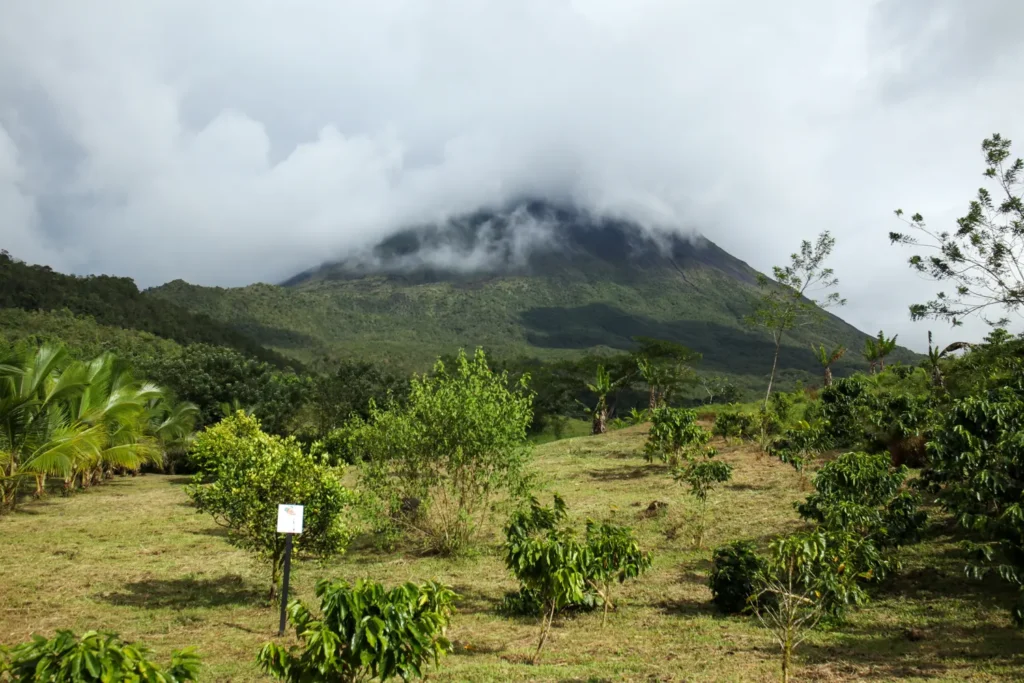
If you want to avoid extreme rain, the best time to visit is December to April in most of Costa Rica. That’s when roads are better, tours run smoothly, and transport delays are less common.
That said, Costa Rica has different dry seasons depending on the region. The Caribbean coast, including places like Tortuguero and Puerto Viejo, is often driest between February and September. This surprises a lot of travelers who assume the weather is the same everywhere.
The truth is that rain is just part of the experience in Costa Rica, and planning for it makes a huge difference.
Health and medical safety in Costa Rica
One of the reasons many travelers feel more relaxed here is the healthcare system. If you’re asking how safe Costa Rica is in terms of health care, let me tell you that it’s quite safe.
Tourist areas like San José, Manuel Antonio, Tamarindo, La Fortuna, and Liberia have modern private hospitals and clinics that are used to treating travelers. Doctors often speak English, and care is fast and professional.
Costa Rica has both public and private healthcare. Public hospitals are cheaper but often slow, with long wait times. Most travelers use private clinics, especially in an emergency, because they’re quicker and easier to navigate.
Here’s what you can expect cost-wise:
- Doctor visit at a private clinic: 50–100 USD (43- 86€)
- Basic emergency care: 100–300 USD (86 – 257€)
- Private hospital treatment: can easily reach 1000 USD / 858€ or more, depending on the issue
This is why travel insurance really matters. Even though it is safe to travel to Costa Rica, accidents, infections, or food issues can happen anywhere. Insurance means you don’t have to think twice about getting help when you need it.
💼 TRAVEL INSURANCE: It’s one of those things you hope you won’t need… but it can save you a lot of money and stress if something goes wrong.
I personally use Heymondo because it offers strong coverage at a reasonable price, including medical expenses, lost luggage, and electronics.
What I like most is how easy it is to manage everything through their app, especially if you ever need assistance while traveling.
As a Ticket to Take Off reader, you get 5% off, already applied when booking through the link below.
Safest places in Costa Rica
Costa Rica isn’t dangerous for tourists, especially if you stick to the most visited areas. The places that receive the most tourists are also the places with the most police presence, better infrastructure, and services built for visitors. This is why many people feel safer than expected once they arrive.
These destinations are popular for a reason. They’re well organized, easy to navigate, and used to tourists year-round.
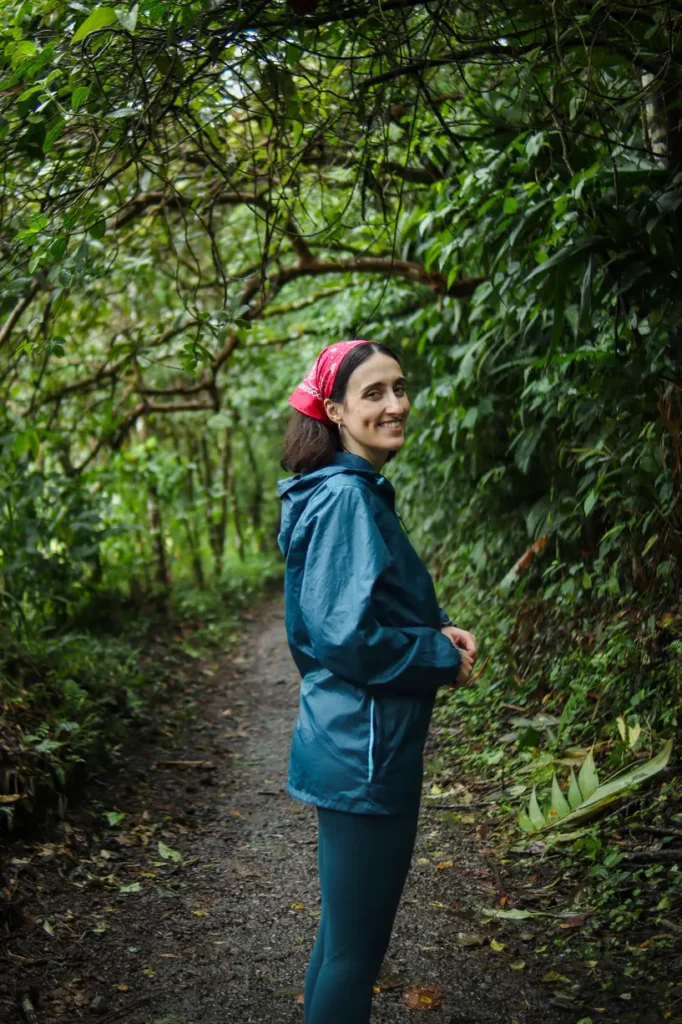
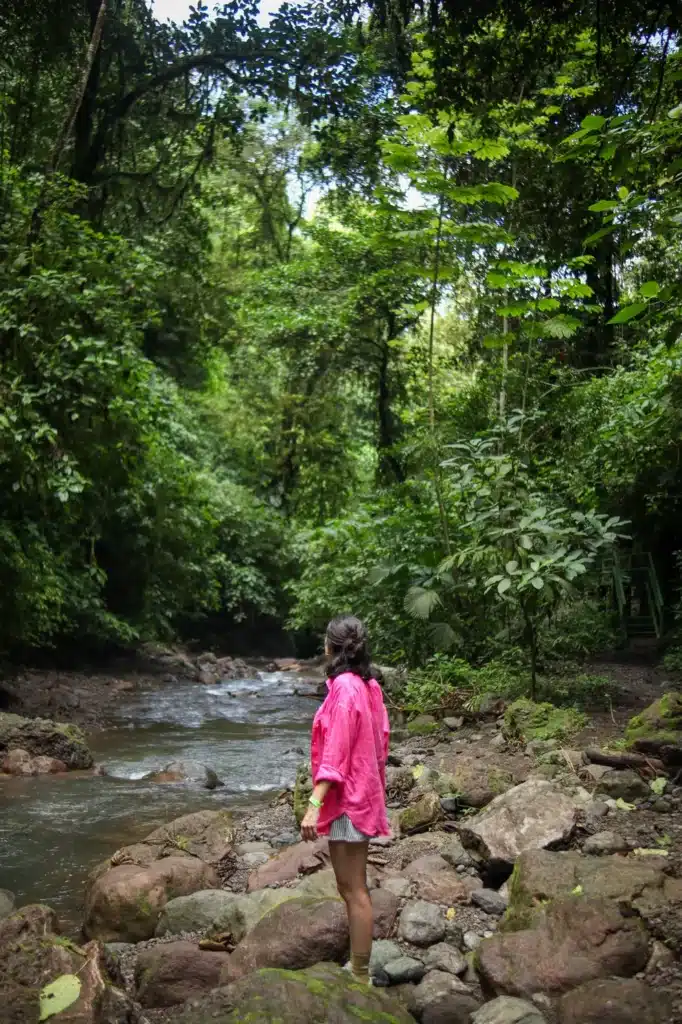
The safest places in Costa Rica for most travelers include:
- Manuel Antonio, small, walkable, and heavily patrolled because of the national park
- La Fortuna, calm, easy to get around, and built around tourism
- Monteverde, quiet and focused on eco tourism and nature experiences
- Tamarindo, busy but well lit, with lots of restaurants and tours
- Uvita, relaxed, spread out, and very easy to move around by car
- Puerto Viejo, backpacker friendly and social, especially around the main streets
These areas feel safer because:
- Tourism is one of the main sources of income
- Police patrols are more visible
- Hotels and tour operators work closely with local authorities
- Roads, lighting, and signage are better
- There are always other travelers around
If this is your first time in the country, these are the best places to start. They’re also the easiest to plan, and the most forgiving if something doesn’t go exactly right.
Places to “avoid” in Costa Rica
Costa Rica is not a dangerous country, but like anywhere, some places require more awareness than others. This doesn’t mean you should skip them. It just means adjusting how and when you visit.
Parts of San José were the only places where I truly felt a bit uncomfortable, especially at night. During the day, the city is busy and interesting. At night, some areas empty out and feel sketchy. You definitely need more caution here than in coastal areas like Manuel Antonio, Puerto Viejo, or La Fortuna, which feel much calmer.
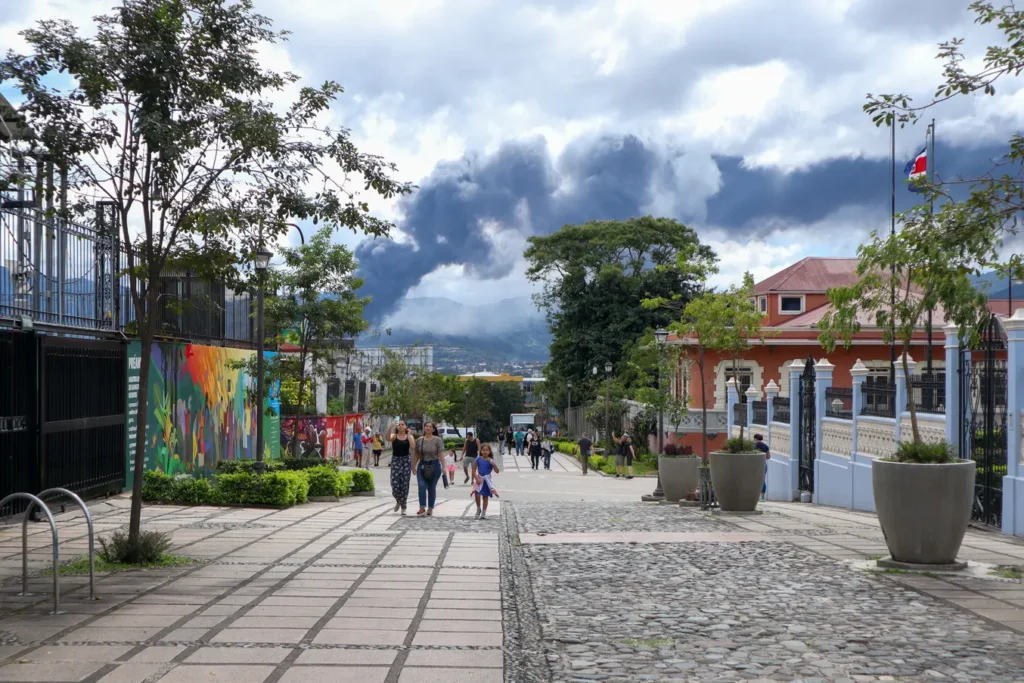
Limón city center at night is another place to be more careful. It’s fine during the day, but it’s not ideal for wandering around after dark.
Isolated beaches after dark are also best avoided. Even in safe beach towns, it’s smarter to leave before sunset.
This doesn’t mean don’t go. It just means visit smart:
- Explore cities during the day
- Use Uber or official taxis at night
- Stay in well-reviewed accommodation
- Avoid empty streets late at night
- Trust your gut and leave if something feels off
How to stay safe in Costa Rica: practical tips
Most of staying safe in Costa Rica comes down to simple habits. Nothing extreme, nothing stressful. Just small things that work everywhere.
What I actually did
- Carried only what I needed for the day
- Used Uber or hotel taxis at night (when I didn’t have a car in San José)
- Kept my phone out of sight in busy areas (mainly San José, everywhere else it was fine)
- Used accommodation safes whenever possible
- Avoided empty streets after dark
What I’d do again
- Rent a car for flexibility (it’s one of the best ways to explore the country)
- Book tours with certified operators (book ahead if possible)
- Use shared shuttles for long distances
- Carry small bills and pay attention to change
- Ask locals or hotel staff if an area was ok to walk at night
Simple rules that work everywhere
- If it feels off, walk away
- Don’t show valuables
- Carry a crossbody bag that closes fully
- Plan transport ahead of time
- Keep digital copies of documents
- Trust your instincts
How safe is Costa Rica for tourists right now?
For most travelers, the answer is yes. Costa Rica is politically stable, has no ongoing conflicts, and relies heavily on tourism. Millions of visitors arrive every year, and the country works hard to keep that experience smooth.
Current travel advisories from most Western countries still rate Costa Rica as a normal travel destination, with standard precautions. There are no restrictions, no special requirements, and no major safety alerts affecting tourists.
Tourism is one of Costa Rica’s biggest sources of income. That’s why tourist areas are well patrolled, services are reliable, and problems involving visitors are taken seriously. The system is designed to protect tourists, because tourism matters.
Final thought about safety in Costa Rica
Costa Rica is a safe destination for tourists, and with a bit of planning, it’s an easy country to travel around with confidence.
Costa Rica is perfect for:
- First-time travelers to Central America
- Solo female travelers who stick to well-known areas
- Couples and road trippers
- Nature lovers who plan their routes ahead
Personally, I felt safe the entire time. During my 14-day trip to Costa Rica, I quickly realized that common sense goes a long way.
Once I understood how things worked, traveling there felt relaxed and easy. If you’re looking for the safest part of Costa Rica, the most touristy areas are the best place to start. They’re used to visitors, well patrolled, and built for travelers.
If you’re still wondering how safe Costa Rica is for tourists, the short answer is that it’s one of the easiest countries in the region to travel confidently.
Are safety concerns stopping you from booking Costa Rica? Or are you still unsure about something specific?
Disclaimer: this post may contain some affiliate links, which means I get a small commission if you buy something through my links. This doesn’t represent any additional cost to you and you’ll be supporting my work here on the blog😊