

Looking for the best things to do in Tortuguero and wondering if it’s really worth adding to your Costa Rica itinerary? Then you’re in the right place.
Tortuguero is one of those destinations that feels confusing at first. However, it ends up being unforgettable once you understand what makes it special.
This guide breaks down what to do in Tortuguero in a clear and practical way, especially if it’s your first time.
I’ll walk you through the highlights of visiting Tortuguero National Park, from canoe and kayak tours through the jungle canals to wildlife spotting in one of the most remote areas of the country.
I’ll also help you set the right expectations because this is not a classic beach town. There are no cars, the village is tiny, and the pace is slow. That’s exactly the point.
Tortuguero is famous for its turtle nesting season that puts this small corner of Costa Rica on the map, but there’s more to it than that.
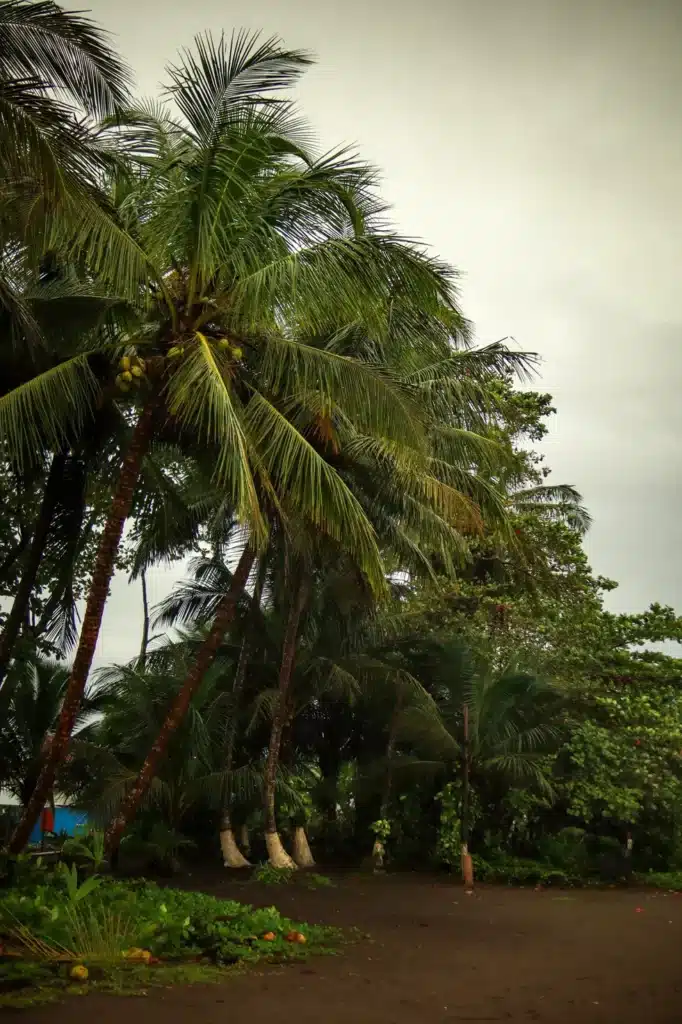
You’ll find dense rainforest, quiet waterways, and a feeling of being far away from everything. It’s really small, yet the time you spend here can vary a lot depending on the activities you choose and how much you want to slow down.
I still remember arriving by boat, surrounded by jungle and canals instead of roads.
Our visit had plenty of unexpected moments. It rained more than we had hoped, and we didn’t get to experience everything to the fullest. Still, it became memorable in its own way. We knew we were traveling during the rainy season and decided to go anyway.
This guide is based on that experience, realistic, honest, and focused on helping you make the most of your time in Tortuguero, whatever the conditions.
In a hurry? Plan your trip to Tortuguero now!
📍Top sights: Tortuguero National Park | Jungle canals | Tortuguero beach | Tortuguero village
🚤 How to get to Tortuguero: The most common way to arrive is by boat from La Pavona, with the journey taking around 1 hour through jungle canals. Check the boats available.
🚶 How to get around: Tortuguero is car-free. You’ll get around on foot inside the village, by boat for tours, and occasionally by bike. Most activities include transport by canoe or boat.
⌛ How many days in Tortuguero: 1 to 2 days
🦥 Most popular tours in Tortuguero
1. Turtle nesting night tour
2. Kayak tour in the Tortuguero canals
3. Night walk in Tortuguero
😴 Where to stay in Tortuguero: Budda Home
💸 How to pay in Costa Rica: Credit and debit cards are widely accepted, but it’s still useful to carry some cash. Colones are used for small purchases, while USD is often accepted in tourist areas. Use Revolut to pay by card and avoid foreign transaction fees.
💊 Best travel insurance for Costa Rica: I recommend Heymondo for its excellent balance between affordability and quality.
🛜 Best way to stay connected in Costa Rica: If your phone supports eSIM, Airalo (MARIAN4315 = 3€ off) is the easiest option. Otherwise, buy a local SIM from Kolbi, Liberty or Claro.
Where is Tortuguero?
Tortuguero sits on Costa Rica’s Caribbean coast, tucked between rivers, canals, and the open sea. It’s part of the wider Tortuguero National Park, one of the most important protected areas in the country.
Tortuguero feels different from most places in Costa Rica for one simple reason. There are no roads. The village is built on a narrow sandbar, with the river and canals on one side and the ocean on the other. Boats are the main form of transport, and arriving by water is part of the experience.

This remoteness shapes everything. Life moves more slowly, schedules depend on boats and weather, and nature is always close.
Even though there is a beach in town (Tortuguero beach), this is not your typical beach town. Swimming is often unsafe due to strong currents, and most people come here for wildlife, canals, and rainforest rather than beach days.
How to get to Tortuguero
Getting to Tortuguero is part of the experience. There are no roads leading to the village, so boat access is the main way to arrive. It’s also possible to fly in by small plane, but for most independent travelers, that’s not really a practical option.
The most common route is via La Pavona boat dock. Several boat companies operate from here, with departures throughout the day. Tickets cost around 10 USD/8.6€ per person, each way.
If you’re driving, there’s a parking area in La Pavona where you can leave your car while you’re in Tortuguero.
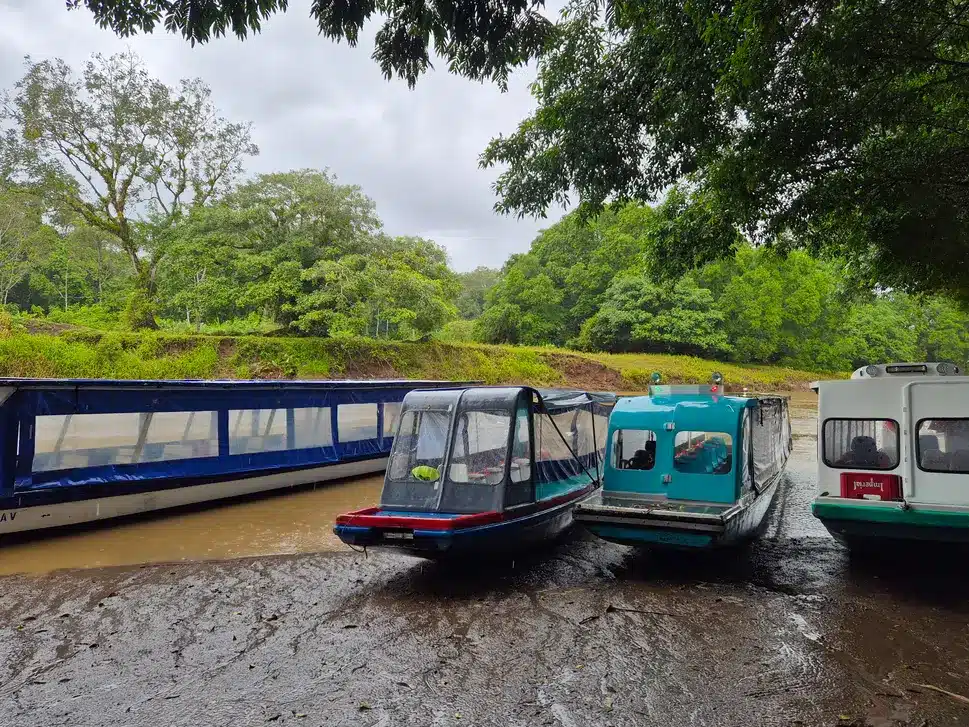
The boat ride itself is worth it. It takes about 1 hour and passes through canals and rivers, giving you a first taste of the jungle. On a good day, you might even spot wildlife along the way, especially birds and reptiles.
Plan your timing carefully and arrive early if possible. Also, remember that schedules can change depending on the weather and water levels. This isn’t a place where everything runs to the minute, and that’s part of Tortuguero’s rhythm.
🎫 If you want to lock this in ahead of time, Bookaway makes this part much easier. You can see which boats are running on your travel date, compare schedules from different operators, and book in advance. Many tickets also come with free cancellation up to 24 hours before departure, which is helpful if you’re still fine-tuning your plans.
Getting around Tortuguero
Getting around Tortuguero is simple and slow-paced. The village is small, so walking is the main way to move around, and it doesn’t take long to get from one end to the other.
For anything beyond the village, boats are the primary form of transport. Most tours leave directly from the docks, and hotels outside the village usually provide boat transfers. Some places also offer bikes, which can be useful for short distances along the main path.
There are no cars in Tortuguero. Roads don’t exist here, and that’s part of what makes the destination feel so remote and different from the rest of Costa Rica.
Best places to stay in Tortuguero, Costa Rica
Tortuguero village is tiny. It’s basically one main street, so staying in the village makes it easy to walk everywhere without planning much.
If you choose to stay outside the village, you’ll likely be on a different peninsula or across the water.
Some travelers we met stayed in more isolated areas of Tortuguero, surrounded by nature and far from town. In those cases, it’s important to check if your hotel offers a boat shuttle to and from the village, especially if you plan to eat out or join tours that leave from town.
Because of Tortuguero’s size, there aren’t that many places to stay in Tortuguero. Plus, most accommodations are fairly simple. That’s also fine, since Tortuguero isn’t usually a place where people stay many nights. Most visits are short and activity-focused.


I stayed at Budda Home. The conditions were basic, but it did the job for one night. The room felt a bit cold, and even though there was A/C, it only worked for cooling. This happened to us in a few places along Costa Rica’s coast, so it wasn’t a huge surprise. It wasn’t perfect, but for a short stay, it was enough.
Anyway, here are a few more options of hotels in Tortuguero:



💼 TRAVEL INSURANCE: It’s one of those things you hope you won’t need… but it can save you a lot of money and stress if something goes wrong.
I personally use Heymondo because it offers strong coverage at a reasonable price, including medical expenses, lost luggage, and electronics.
What I like most is how easy it is to manage everything through their app, especially if you ever need assistance while traveling.
As a Ticket to Take Off reader, you get 5% off, already applied when booking through the link below.
Best tours & activities in Tortuguero
🎫 Don’t leave your activities until the last minute. Some of the most popular tours sell out quickly, especially during peak season. I personally use GetYourGuide to book activities because it’s easy to compare options and most tours offer free cancellation. Use code ATICKETTOTAKEOFF5 for 5% off your first booking in the app. Download here!
Best things to do in Tortuguero
Before diving in, one important thing to know. I’m listing several things to do in Tortuguero, but realistically, almost no one does all of them.
Time on a Costa Rica trip is never unlimited, and there are plenty of amazing experiences across the country. Some activities here aren’t cheap either, so it’s normal and smart to make choices based on your interests, budget, and how many days you have.
1. Guided canoe or kayak tour through Tortuguero National Park canals
Canoe and kayak tours through the canals are the top activity here and one of the main reasons why most people visit.
Many popular animals in Tortuguero can be spotted from the water. Think monkeys, sloths, caimans, turtles, iguanas, and a huge variety of birds. You won’t see everything, but wildlife sightings are very realistic, especially with a good guide.
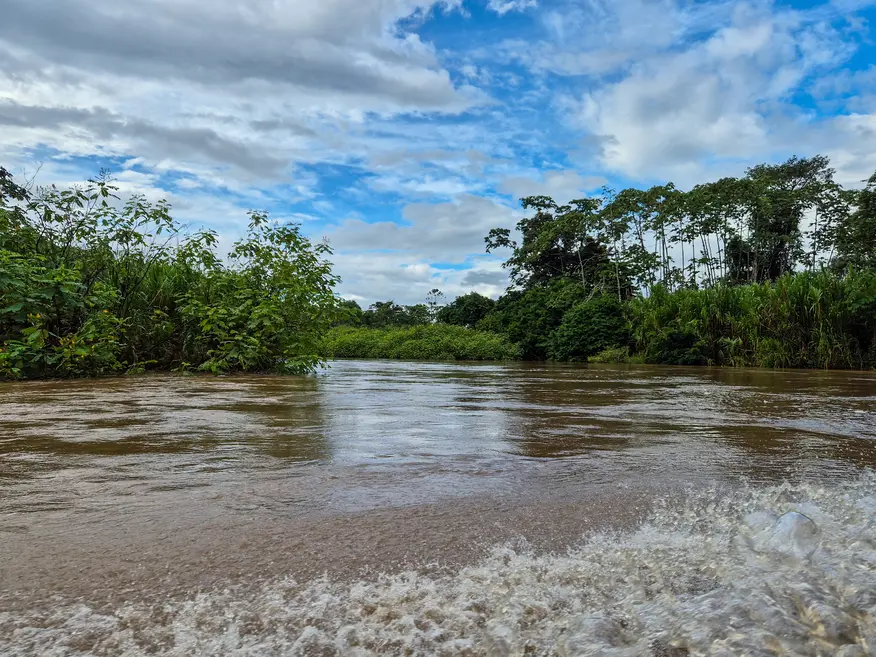
Early morning is the best time to go. Wildlife is more active, temperatures are cooler, and the canals feel quieter. This is when Tortuguero really shines.
I strongly recommend choosing smaller tours with fewer people. Less noise makes a big difference, and it’s easier to spot animals. A guided tour is also key. Guides know where to look, what sounds to listen for, and how to move through the canals without disturbing wildlife.
You have two main options:
- Canoe tour: This is ideal if you want a relaxed experience with maximum wildlife spotting. I recommend this canoe canal tour in Tortuguero National Park, which keeps group sizes small and focuses on wildlife.
- Kayak tour: A more active option if you like paddling and being closer to the water. This kayak tour through the Tortuguero canals is a great guided alternative with a different perspective.
If you’re considering kayaking independently, I recommend reading this complete guide to exploring Tortuguero’s canals by kayak.
2. Turtle nesting tour on the beach
This is what put Tortuguero on the map. Turtle nesting is the reason many travelers decide to visit Tortuguero in the first place.
The best time to see turtles in Tortuguero is during the nesting season. This usually runs from July to October, with peak months when thousands of turtles come ashore at night to nest along the beach.
Turtle tours happen at night and are very strict. Group sizes are limited, flashlights are controlled, and guides follow clear rules to protect the turtles. This is ethical wildlife tourism done right.
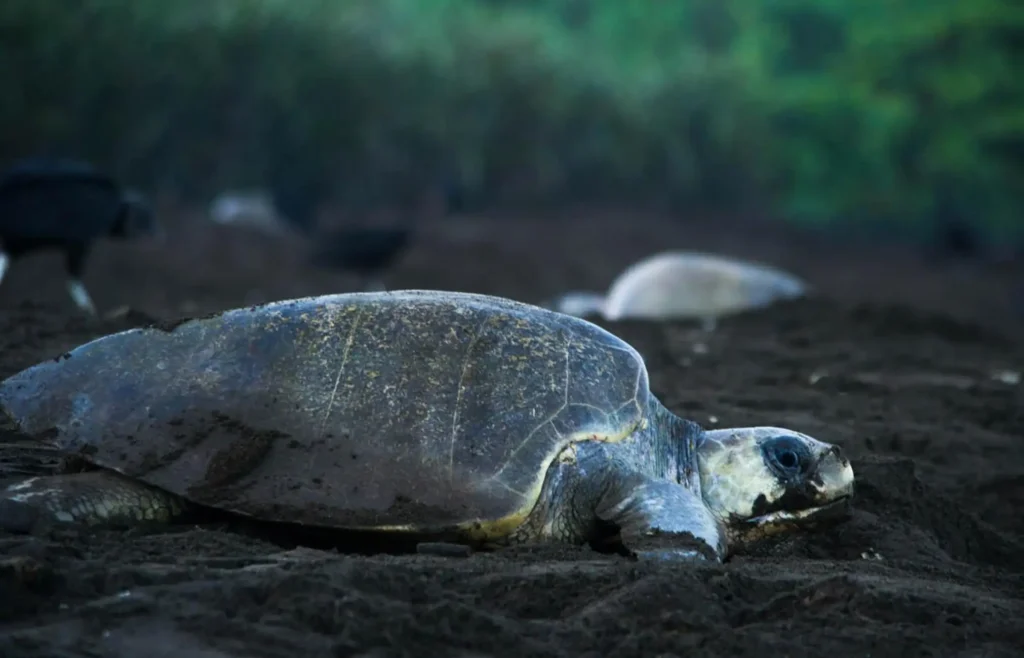
If you want to learn more about turtle conservation, the Sea Turtle Conservancy Visitor’s Centre is worth a stop. It adds context and helps you understand why these rules matter.
I didn’t visit during the right season for this tour, so I didn’t get to experience it myself. Still, based on how important turtle conservation is here, it’s one of those activities that’s absolutely worth planning your trip around if timing allows.
If you’re visiting during the nesting season, this turtle nesting night tour in Tortuguero is one of the most popular and responsible ways to experience it.
3. Hike inside Tortuguero National Park
Tortuguero National Park is also one of visitors’ favorite parts of visiting Tortuguero. It is often described as the Amazon of Costa Rica’s Caribbean coast.
The park has a mix of land and aquatic trails. Some are walked, others are explored by canoe, electric boat, or kayak. Each offers a different way to experience the rainforest. Here’s a summary:
- Jaguar Nature Trail
- 2.5 km/ 1.6 mi trail running parallel to the beach
- Used during turtle nesting season
- Clearly marked, with beach access every 100 meters
- Aquatic trails
- Explored by canoe, electric motor boat, or kayak
- Ideal for quiet wildlife observation
- Caño Chiquero Mora
- 2.3 km/ 1.4 mi route
- Accessible only to small, non-contaminating boats
- Tortuguero River Trail
- 4.3 km/2.7 mi route
- Main entrance to the canal network
- Great for spotting water birds, amphibians, reptiles, and poponjoche trees
- Caño Harold Trail
- 3.5 km/2.2 mi route along a wide, calm canal
- Easier wildlife spotting due to slow-moving water
- Caño Palma Trail
- 5.1 km/3.1 mi route
- The only trail not accessed via the Tortuguero River
On land, you’ll mainly spot birds, insects, and smaller mammals. The canals are where wildlife sightings really increase.
It’s possible to visit independently, but if wildlife spotting is your priority, a guided visit increases your chances a lot. The park is home to an impressive variety of birds, mammals, reptiles, amphibians, and insects.
If it has rained recently, expect muddy conditions. Wearing rubber boots or waterproof shoes makes a big difference.
The entrance fee is 17 USD /15€ for non-residents and 5 USD/ 4€ for children. Payments are not accepted at the park. Tickets must be purchased in advance through the SINAC website.
The park is open daily from 6 am to 12 pm and from 1 pm to 4 pm. Early morning is the best time for hiking, when temperatures are cooler and wildlife is more active.
4. Jungle night walk to spot nocturnal animals
Night walks are popular across Costa Rica, and Tortuguero is no exception. At night, the jungle comes alive in a completely different way. This is when you might see snakes, frogs, spiders, owls, and other animals you’ll almost never spot during the day.
Night walks are always guided. These tours don’t take place inside the national park itself but along public trails around Tortuguero. A guide is essential, both for safety and for actually spotting wildlife.
I did this guided night walk in Tortuguero, and honestly, it was one of the most intense experiences of our trip.

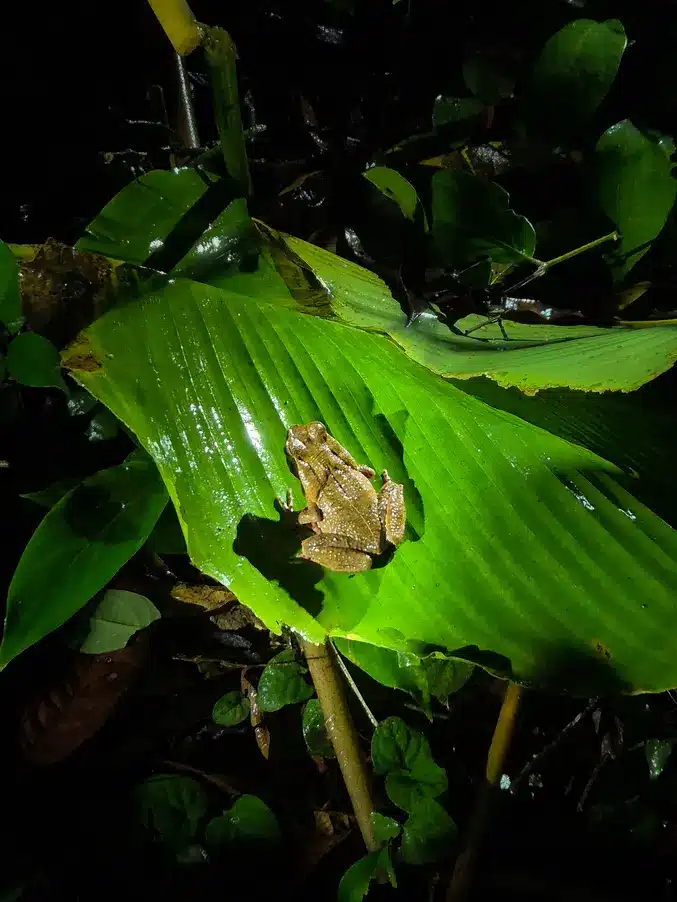
It had been raining all day, and during the tour the rain turned torrential. At one point, there was so much water on the ground that we ended up walking with our feet fully submerged. Add thunder in the background, and the atmosphere became very real, very fast.
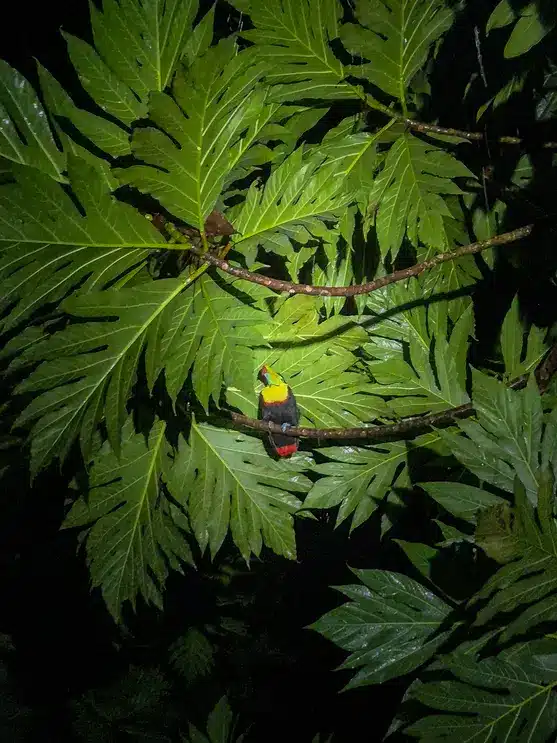
We did see wildlife, including snakes, a toucan, and several spiders. Still, I found parts of the experience quite scary, especially when the trail went deeper into dense vegetation. It was memorable and interesting, but also made me realize this tour isn’t for everyone.
My honest take? If you’re comfortable with darkness, rain, and the idea of being very close to nature, you’ll probably find this fascinating. If that sounds stressful rather than exciting, it’s ok to skip it.
Before booking, think about whether this is something you really want to do and whether you’re comfortable with the conditions. If you decide to go, don’t forget to wear closed shoes, insect repellent, and waterproof clothing and shoes.
5. Hike to Cerro Tortuguero for lagoon views
Cerro Tortuguero is an easy hike up an extinct volcano and one of the few places where you get views from above the jungle. The trail is short and well-maintained, with around 1 km/0.6 mi round trip, making it doable even if you’re short on time.
At the top, you’re rewarded with wide views over the rainforest, Tortuguero village, the river, and the ocean. It’s a great way to see how small and isolated Tortuguero really is. The effort level is low to moderate, but it can feel harder in humid weather.
Wear proper footwear, especially if it has rained, as the trail can get slippery. Lightweight hiking shoes or trainers with good grip work well.
You’ll need to take a boat to reach the trailhead and pay an entrance fee to the national park. At just 2 USD/ 1.7€, it’s a real bargain for the views.
For more practical tips and details, this Cerro Tortuguero hiking guide explains the logistics step by step.
6. Walk along Playa Tortuguero
Playa Tortuguero offers a wild beach experience that feels very different from other parts of Costa Rica. The black sand, wide shoreline, and lack of development make it a peaceful place for long walks.
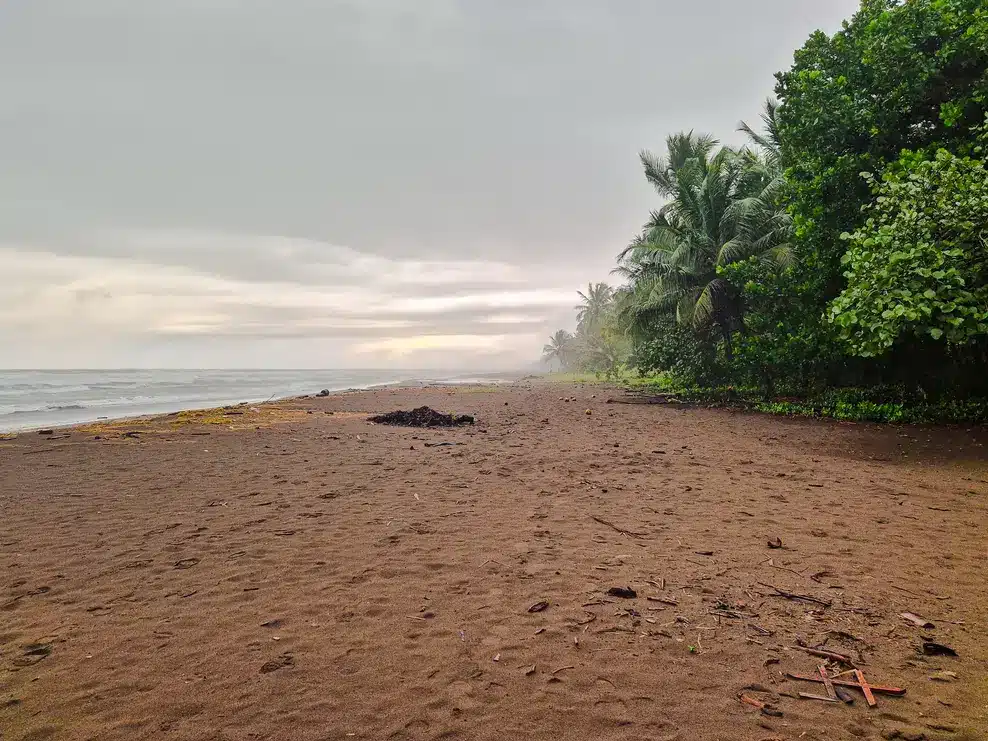
Swimming here is usually not recommended. Strong currents and rough conditions make the ocean unsafe most of the time. This is why the beach is better enjoyed on foot rather than in the water.
It’s also an important turtle nesting area, so walking quietly and respectfully is key, especially during nesting season. Early morning and late afternoon are the best times for a calm stroll.
7. Explore Tortuguero village
Tortuguero village is small and easy to explore. There’s one main street, and you can walk from one end to the other in less than an hour without rushing.
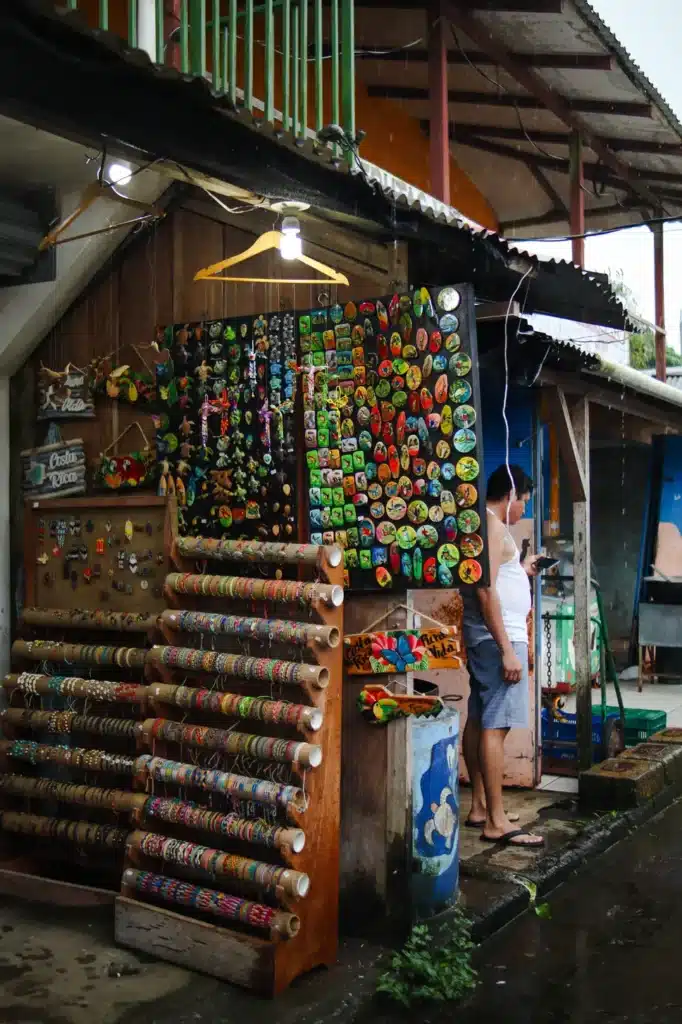

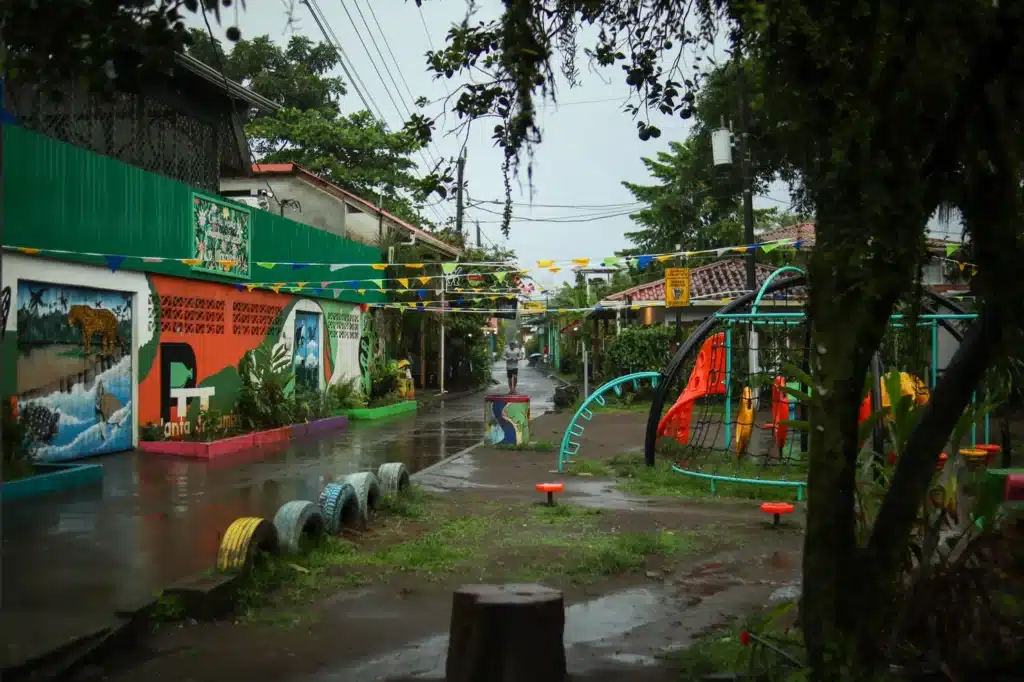
Along the way, you’ll find small shops, local cafés, and simple restaurants. Colorful houses line the street, giving the village a relaxed and friendly feel. It’s a nice place to slow down, grab a coffee, and watch daily life unfold between tours.
Where to eat in Tortuguero
Given how small the village is, there aren’t many places to eat, but there’s enough variety for a short stay. You’ll mostly find a mix of local sodas serving typical Costa Rican dishes and a few more tourist-focused restaurants.


We tried El Patio de Tortuguero, and the food was good with a really nice setting by the water. Unfortunately, it was raining heavily when we went, so we couldn’t fully enjoy the view, but on a sunny day, it must be a great spot. The place has a fun, relaxed vibe and feels a bit different from the rest.
We also ate at Restaurante Mi Niño, which serves more traditional dishes. The food was good and filling, but the service was very basic. Still, it’s a solid option if you want something simple and local.
Best time to visit Tortuguero
Tortuguero has two main seasons. There is the dry season, which usually runs from December to April, and the rainy season, from May to November, and both come with trade-offs. The dry season brings more stable weather and easier conditions for getting around. On the other hand, the rainy season means heavier showers, higher humidity, and a much greener landscape.
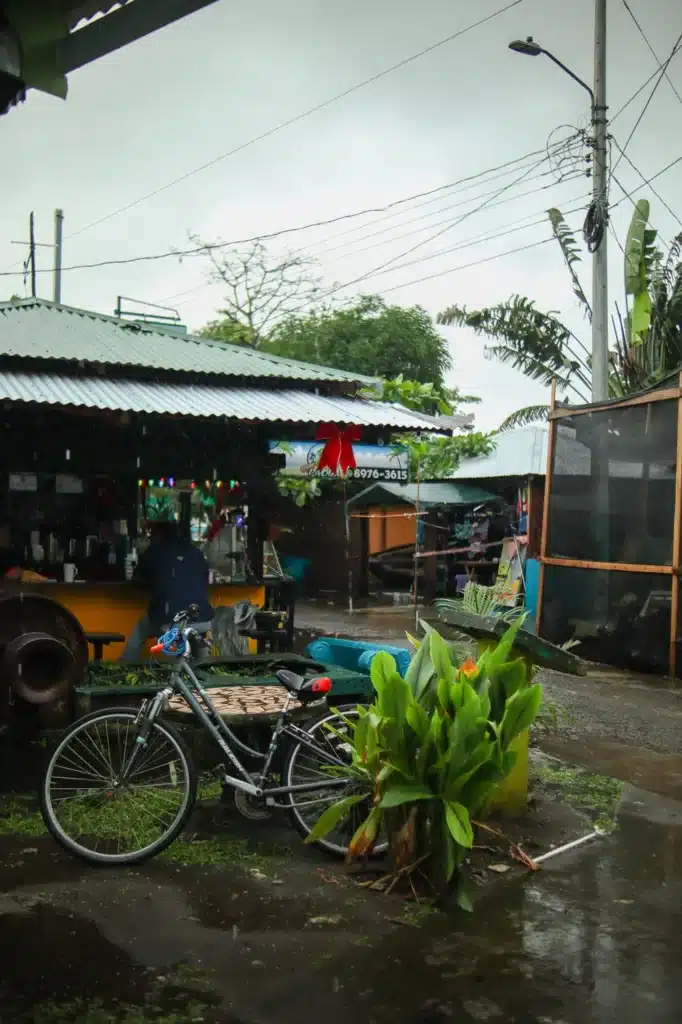

One essential factor to consider is the turtle nesting season (July to October), since this is one of the main reasons people visit Tortuguero. If seeing turtles is high on your list, it makes sense to plan your trip around this period, even if it means dealing with more rain. For many travelers, wildlife easily outweighs the weather.
Crowds tend to be higher during turtle season and peak travel months, while the rest of the year feels quieter. No matter when you go, rain is always a possibility here, so flexibility and realistic expectations are key.
What to pack for Tortuguero
Packing well for Tortuguero really matters. You arrive by boat, so this isn’t a place for heavy suitcases or overpacking. Bringing only the essentials makes everything easier.
Here are some of the important things you should pack for this trip:
- Lightweight rain jacket or poncho (rain is no joke here)
- Waterproof backpack or dry bags to protect electronics
- Comfortable walking shoes that can get wet and dry quickly
- Sandals or flip flops for walking around the village
- Insect repellent, especially for early mornings and evenings
- Clothes that dry quickly, cotton doesn’t work well here
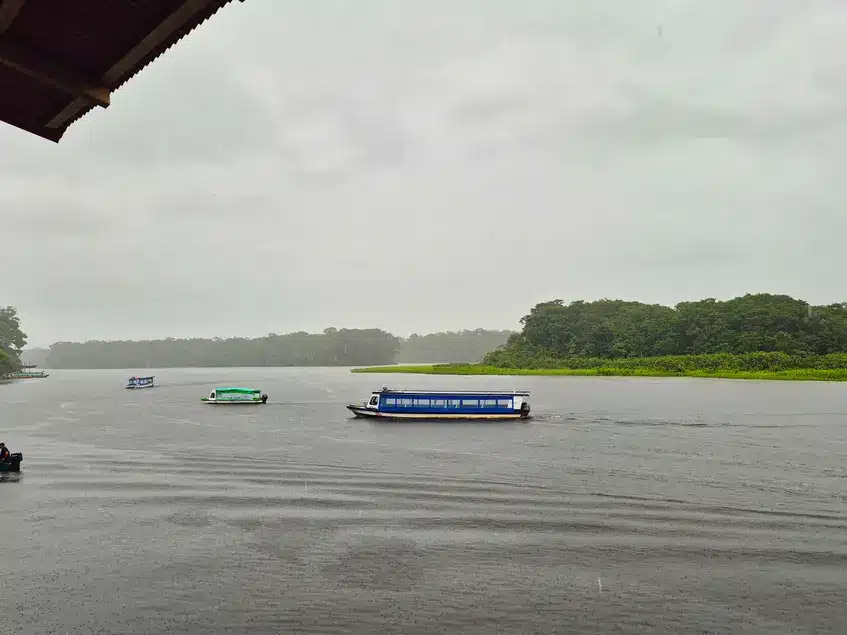
A backpack or small duffel bag works much better than a hard suitcase. Simple, practical items are all you really need in Tortuguero, and you can leave your larger bags in La Pavona and take only the essentials with you.
Other practical tips for Tortuguero
- Cash vs card: Given the size of the village, it’s best to carry cash. Some places don’t accept cards, or card machines may not work. Tortuguero now has one ATM near the boat docks, but I wouldn’t rely on it. Bring enough cash with you just in case.
- Internet and mobile signal: Don’t expect a reliable signal. While we were in Tortuguero, we couldn’t connect to our Liberty eSIM at all. I don’t know if this happens with all networks, but the reality is that we were completely offline most of the time. We only had internet access through our accommodation’s WiFi.
- Safety: Tortuguero feels calm and safe, especially during the day. Still, basic precautions apply. Don’t leave valuables unattended, be mindful around boat docks, and use a flashlight if walking at night.
- Realistic expectations: Tortuguero is remote, simple, and very nature-focused. Comfort, convenience, and nightlife aren’t the priority here. You come for wildlife, canals, and a slower pace. If you embrace that mindset, the experience is much more rewarding.
Frequently asked questions about Tortuguero
» Is Tortuguero worth it?
Yes, Tortuguero is worth visiting if you’re interested in wildlife and don’t mind a slower, more remote destination.
It’s very different from other places in Costa Rica, with no roads, limited infrastructure, and a strong focus on nature.
The canals, rainforest, and wildlife sightings make it unique, especially if you enjoy guided experiences and being close to nature.
It’s not the best choice if you’re looking for beaches to swim, nightlife, or comfort. But if turtles, jungle landscapes, and a quieter pace appeal to you, Tortuguero is absolutely worth adding to your itinerary.
» How many days do you need in Tortuguero?
Most travelers spend 1 to 2 nights in Tortuguero, which is enough to experience the highlights.
One full day allows you to do a canal tour, explore the village and maybe do a night walk. Two days gives you time to add a hike or a turtle tour if you’re visiting during nesting season.
Staying longer is possible, but for most people, Tortuguero works best as a short stop within a larger Costa Rica itinerary.
» Can you visit Tortuguero without a tour?
Yes, you can visit Tortuguero without booking everything in advance, but some activities work much better with a guide.
You can walk around the village, explore the beach, and move independently.
However, wildlife spotting in the canals, turtle nesting walks, and night tours are guided only or strongly recommended with a guide. Guides greatly increase your chances of seeing animals and ensure activities are done responsibly.
Final thoughts about Tortuguero
Tortuguero is one of those places that feels completely different from the rest of Costa Rica.
The lack of roads, the jungle canals, and the constant presence of wildlife make it a destination where nature sets the pace.

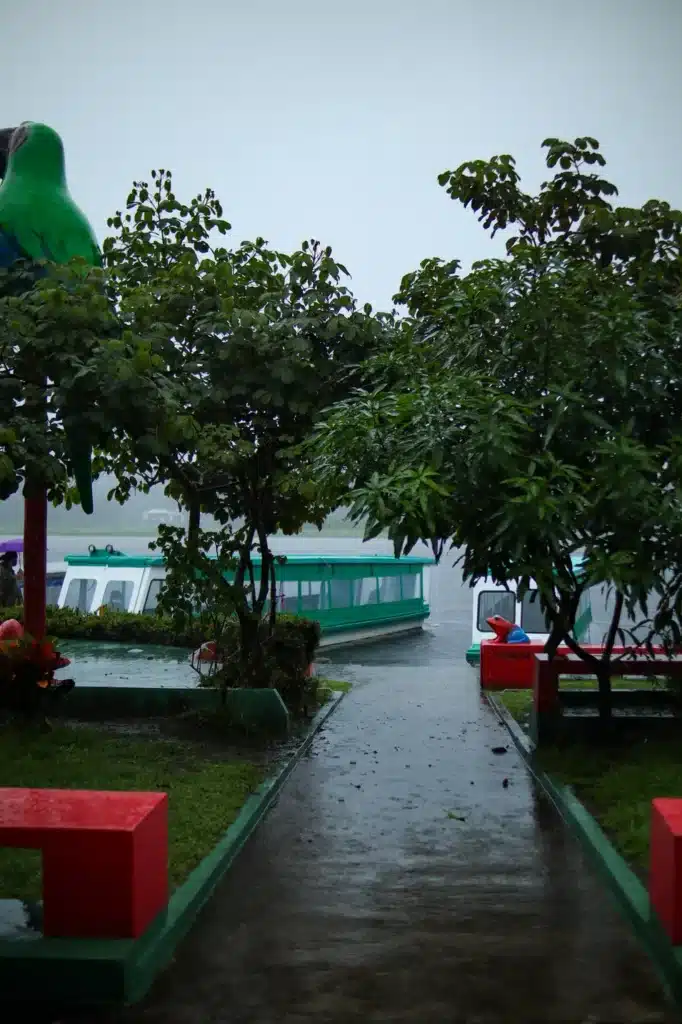
Most of the best things to do in Tortuguero aren’t about ticking boxes of a list. They’re about slowing down, paying attention, and accepting that rain, mud, and unpredictability are part of the experience.
This is a place to disconnect a little. To wake up early for wildlife, listen to the jungle at night, and enjoy simple moments between tours.
If you’re still unsure, or if you’ve already been to Tortuguero and have tips to share, I’d love to hear from you.
Disclaimer: this post may contain some affiliate links, which means I get a small commission if you buy something through my links. This doesn’t represent any additional cost to you and you’ll be supporting my work here on the blog😊