
You have discovered the amazing Tua Valley Regional Natural Park and now want to know what to visit there? Then, this guide is for you.
Places like Peso da Régua and Pinhão (both located in the Douro Valley) usually steal the spotlight, but just nearby, there’s still a hidden gem waiting to be explored — the Tua Valley Regional Natural Park.

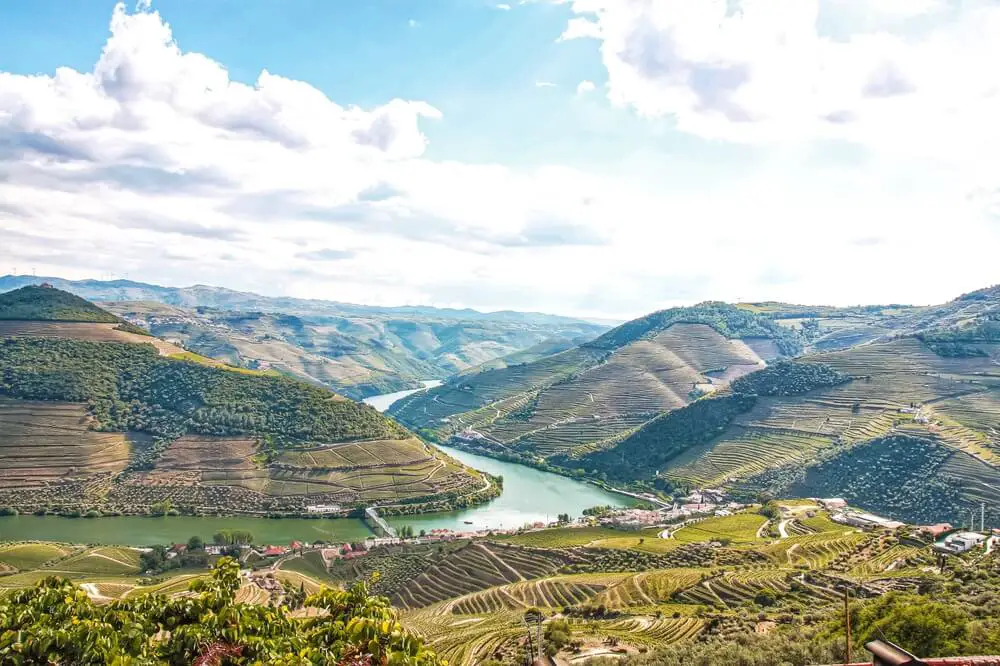
In recent years, this region has started gaining more attention, especially thanks to some of the most impressive viewpoints in Portugal.
It was exactly those landscapes I kept seeing in photos (like the Olhos do Tua viewpoint) that made me want to visit.
And honestly, it exceeded all my expectations.
In this 2-day itinerary, I’ll show you what to see in the Tua Valley, with practical tips, must-visit spots, and a few surprises along the way.
As you go through this guide, you’ll quickly realize there’s much more here than just viewpoints… from wine villages to lesser-known landscapes that are just as impressive.
If you’re looking for a different kind of destination in Northern Portugal, this might be exactly what you’re after.
💡 Looking for more ideas for the region? Discover what to visit in Trás-os-Montes with this 2-day itinerary.
How to get to and around the Tua Valley Regional Natural Park
The best way to explore the Tua Valley Regional Natural Park is, without a doubt, by car. The main points of interest are quite spread out, from viewpoints to small villages and hiking trails, and many of them aren’t easily accessible by public transportation.
Having a car gives you the freedom to manage your time, stop whenever you want, and discover places you’d likely miss otherwise. Plus, some of the roads are part of the experience itself, with incredible views along the way.
In terms of location, the park is fairly easy to reach, sitting about a 1.5 to 2-hour drive from Porto.
If you don’t have a car, you can take a train to Foz do Tua or a bus to nearby towns. That said, getting around once you’re there can be quite limiting, making it harder to visit multiple spots.
So, if you want to make the most of the Tua region, renting a car is definitely the most practical and efficient option.
🚗Renting a car in Portugal can get confusing fast, especially when different companies show very different prices for what looks like the same car.
I usually use DiscoverCars to compare options across multiple rental companies in one place. It makes it much easier to spot the best value and avoid overpriced deals.
You can also filter by things like insurance and reviews, which helps avoid unpleasant surprises at pick-up.
👉 Check prices for your dates here
💼 TRAVEL INSURANCE: It’s one of those things you hope you won’t need… but it can save you a lot of money and stress if something goes wrong.
I personally use Heymondo because it offers strong coverage at a reasonable price, including medical expenses, lost luggage, and electronics.
What I like most is how easy it is to manage everything through their app, especially if you ever need assistance while traveling.
As a Ticket to Take Off reader, you get 5% off, already applied when booking through the link below.
Accommodation in Tua Valley Natural Park
We didn’t have much time to explore the region, so we chose to stay somewhere fairly central within the park. This made it easier to explore one side on the first day and the other side on the second.
In our case, we stayed at a lovely rural property in the village of Tralhariz, located about a 20-minute drive from both Foz Tua and Carrazeda de Ansiães, right in the heart of the Tua Valley Regional Natural Park.
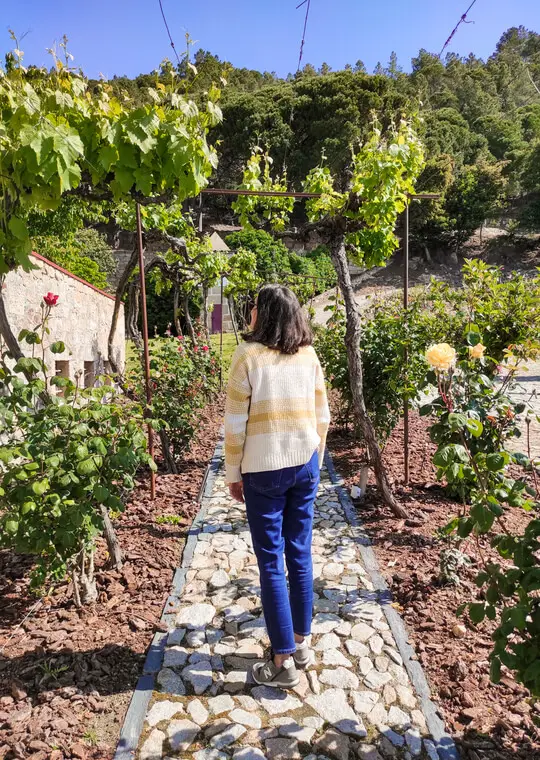

Casal de Tralhariz has several cottages available, and it offers all you need.
The houses are simple but very cosy. The outdoor space is quite large, with many beautiful areas and an old olive oil mill.
The accommodation also has a swimming pool for the hottest days and a common barbecue area. The service was superb… always making sure that we were happy.
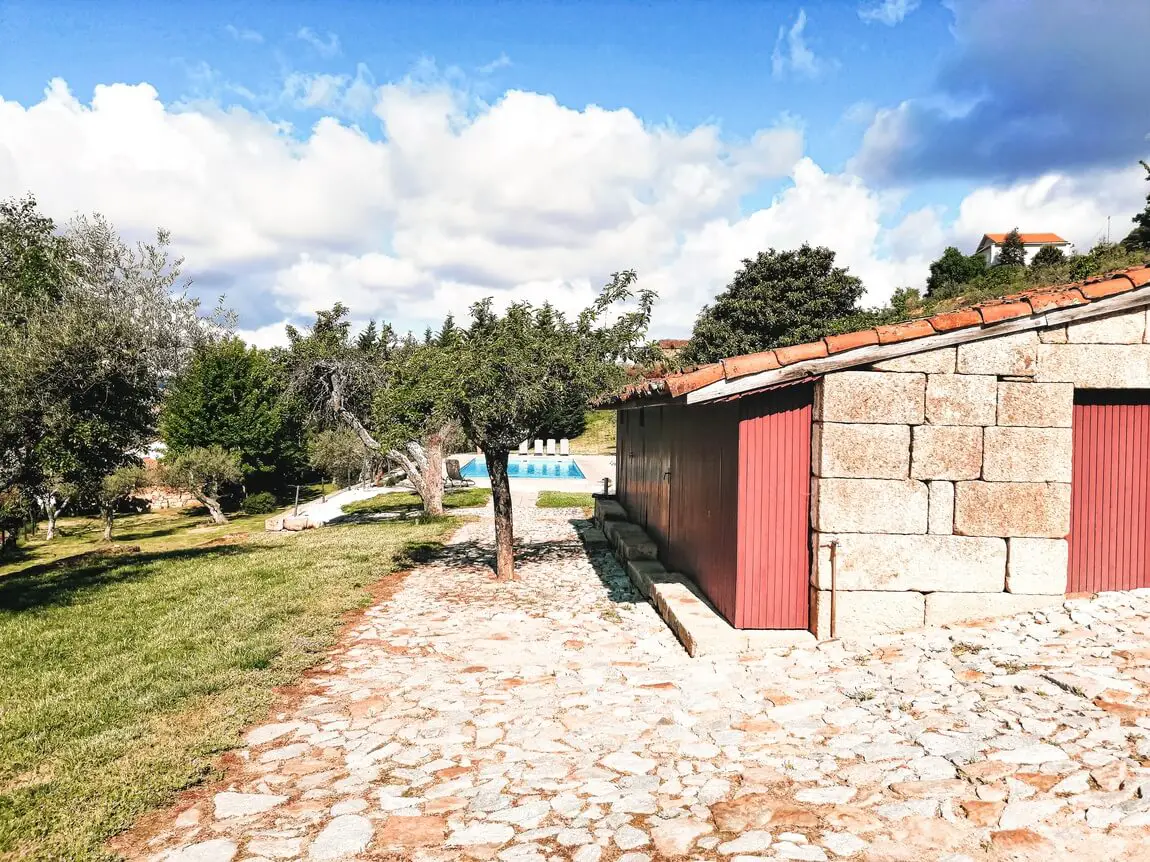
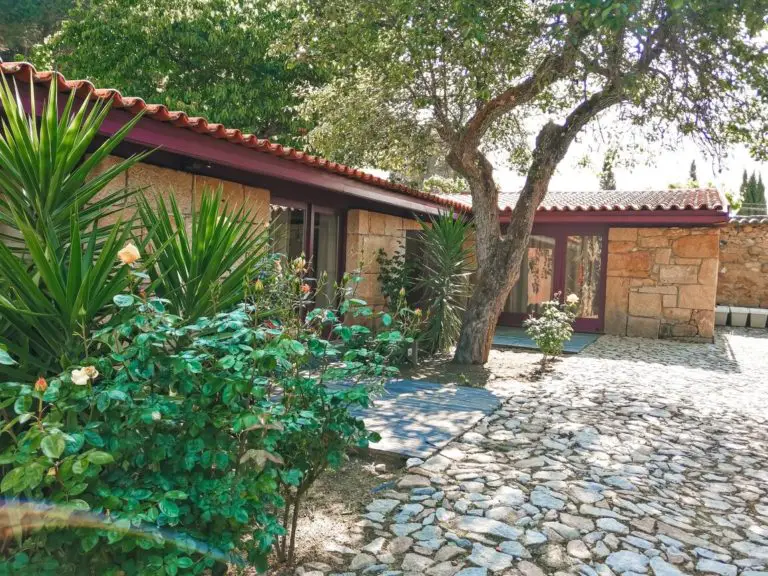
However, there are other places with excellent accommodation offers, namely Alijó, Carrazeda Ansiães, Vila Flor and Mirandela.
Here are a few other places I had saved while planning my trip. I didn’t stay at them, but they were on my shortlist and looked like great options in the area:
What to visit in Tua Valley Regional Natural Park
To help you plan your visit, I’ve put together a 2-day itinerary through the Tua Valley Regional Natural Park, with a logical route so you can make the most of your time.
Throughout this section, I’ll also include maps for each day, making it easier to visualize distances, routes, and what to see at each stop.
This is the exact itinerary I followed, with a few tweaks you can adjust depending on your pace.
Here’s a quick overview of the 2 days:
- Day 1: Tralhariz – Olhos do Tua – São Lourenço Viewpoint – Carrazeda de Ansiães – Vila Flor – Freixiel Gallow – Vilarinho das Azenhas – Zedes Dolmen – Tralhariz
- Day 2: Tralhariz – Foz Tua – São Mamede de Ribatua – Ujo Viewpoint – Alijó – Favaios – Casal de Loivos – Provesende
Day 1 in Tua Valley Regional Natural Park
» Olhos do Tua Viewpoint
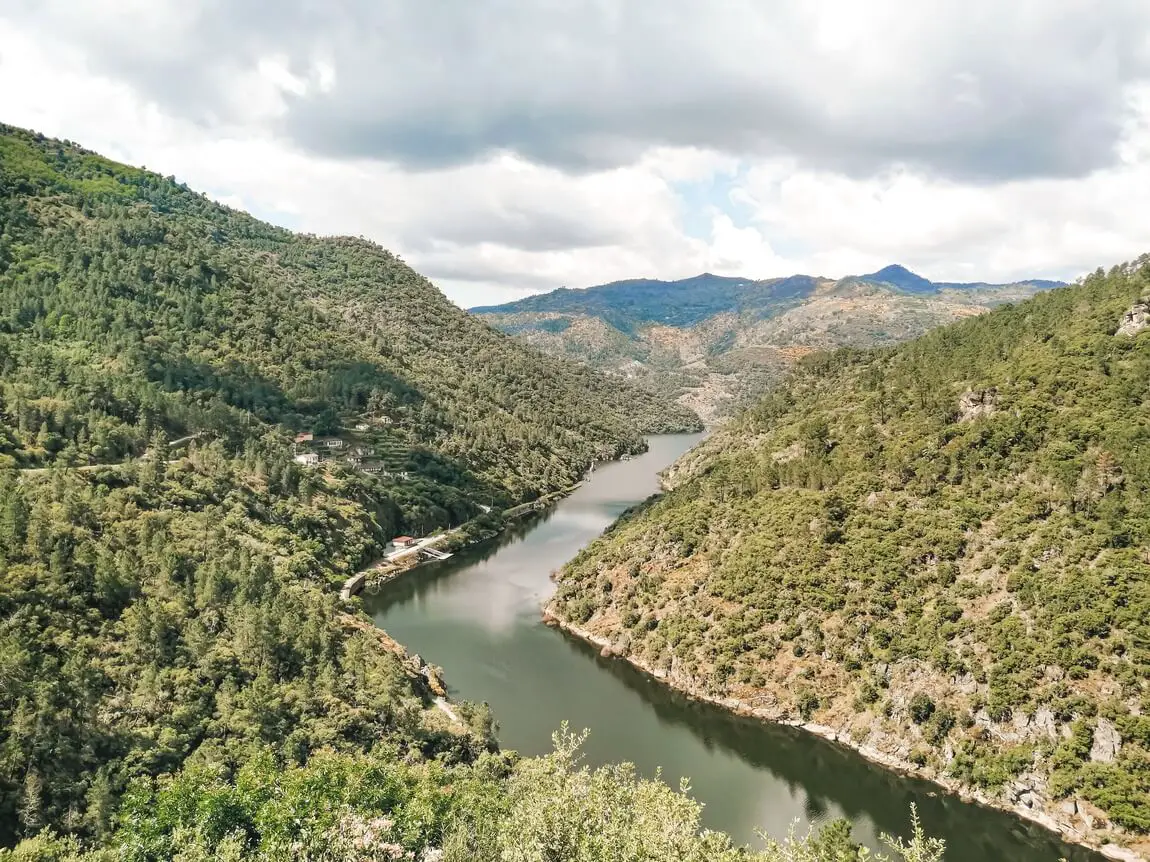
Start your day at the first of many viewpoints on this itinerary. I’m talking about the Olhos do Tua viewpoint in the Tua Valley Regional Natural Park.
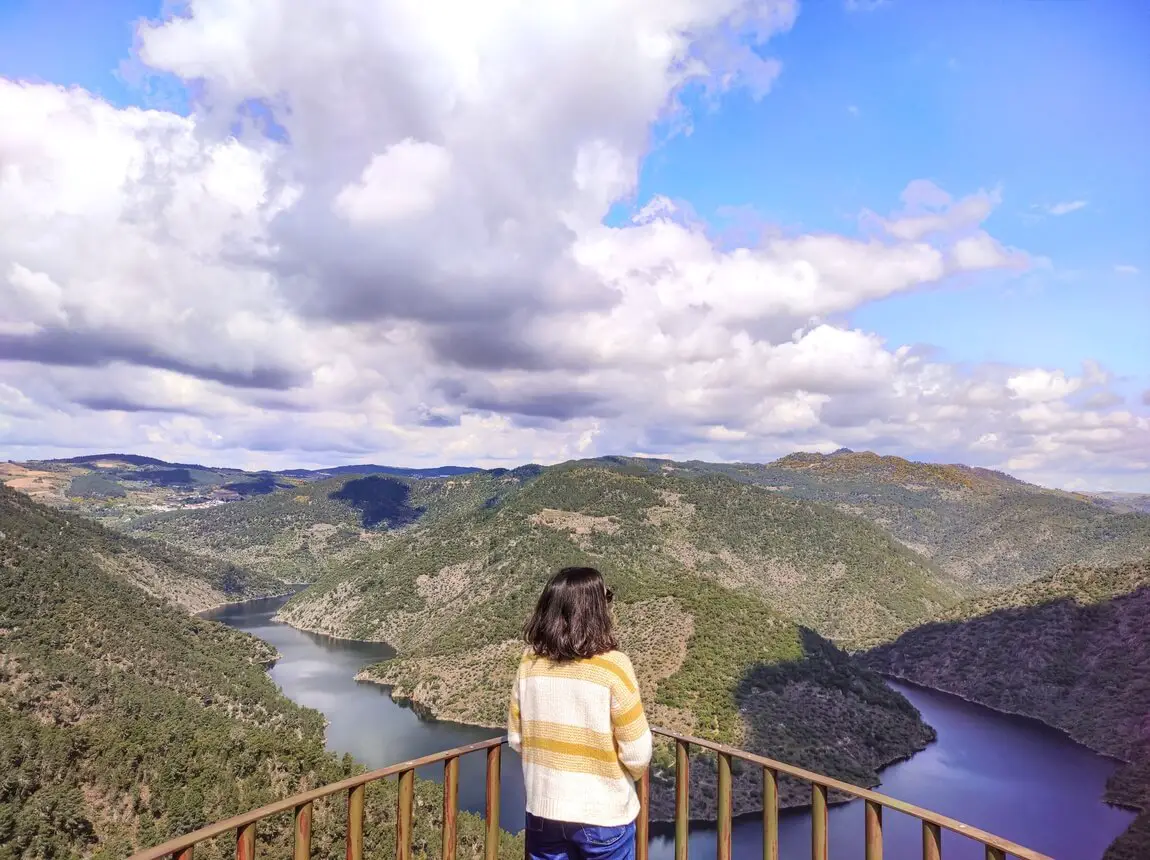
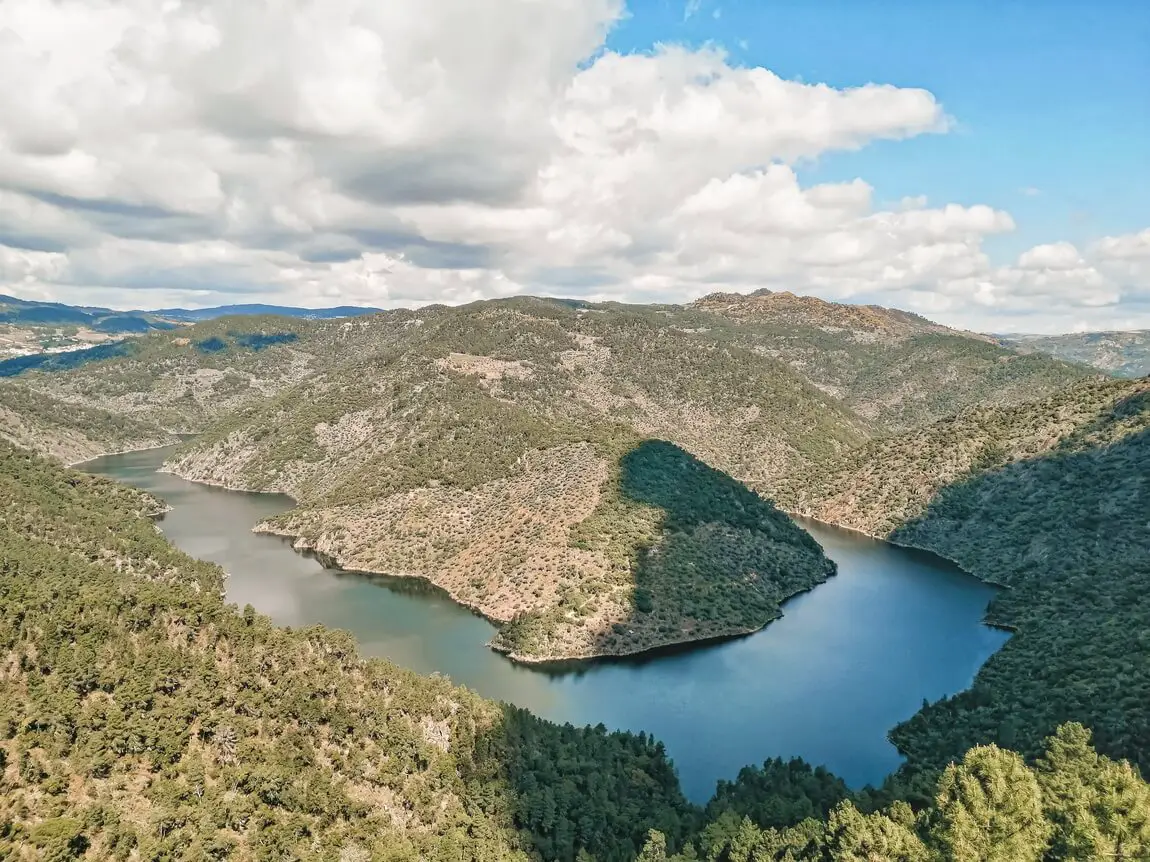
Here, you’ll find a balcony-like viewpoint overlooking the valley, with views that resemble the famous Horseshoe Bend near the Grand Canyon. The structure itself is designed to resemble the hull of a boat, a nod to the river’s navigability in this area.
💡 EXTRA TIP: Even though it’s a small detour, it’s worth stopping at the Senhor da Boa Morte viewpoint. The view isn’t as striking as some of the other spots on this itinerary, but it’s still a nice place for a quick stop.
» São Lourenço Viewpoint
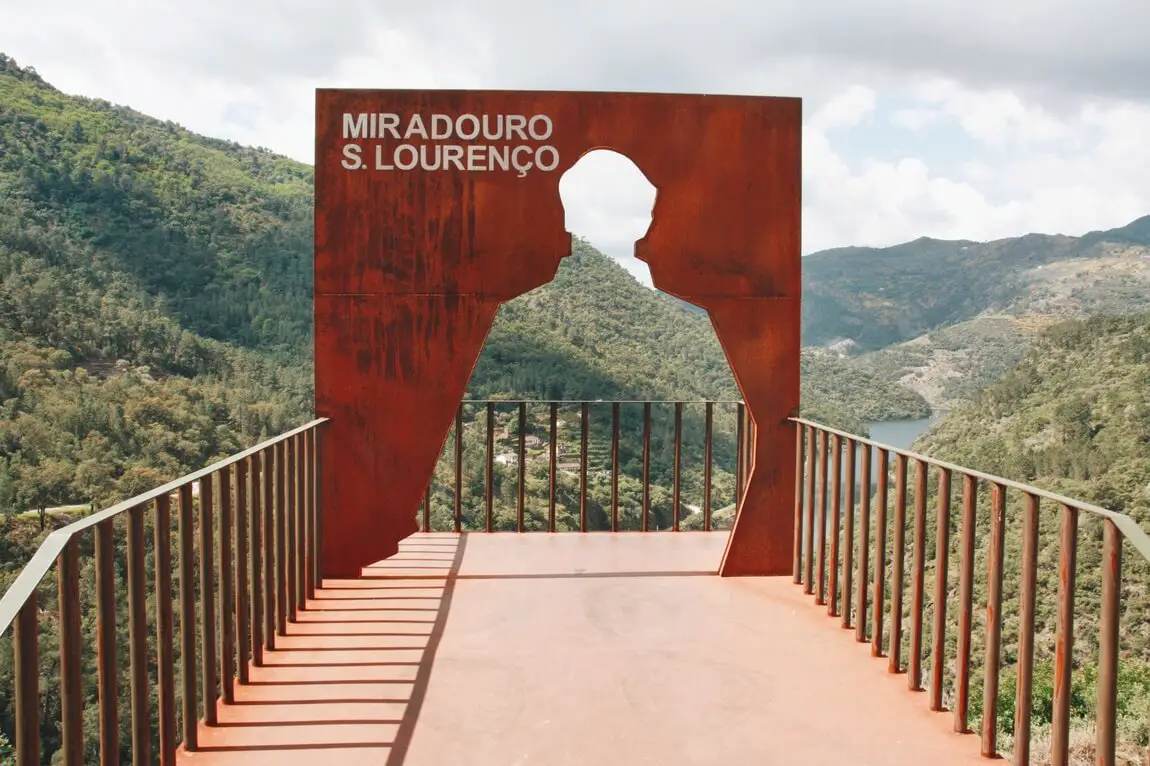
Head next to the São Lourenço viewpoint. Once again, you’ll be greeted with wide-open views over the Tua valley, but this one has a unique detail: the silhouette of São Lourenço integrated into the structure. It’s hard not to stop and take it all in.
💡 EXTRA TIP: On the way, you can also make a quick stop at the Parambos viewpoint, right by the N214 road. It’s an easy and convenient detour.
» Carrazeda de Ansiães
Carrazeda de Ansiães is small and might feel a bit quiet at first, but it’s definitely worth a stop.
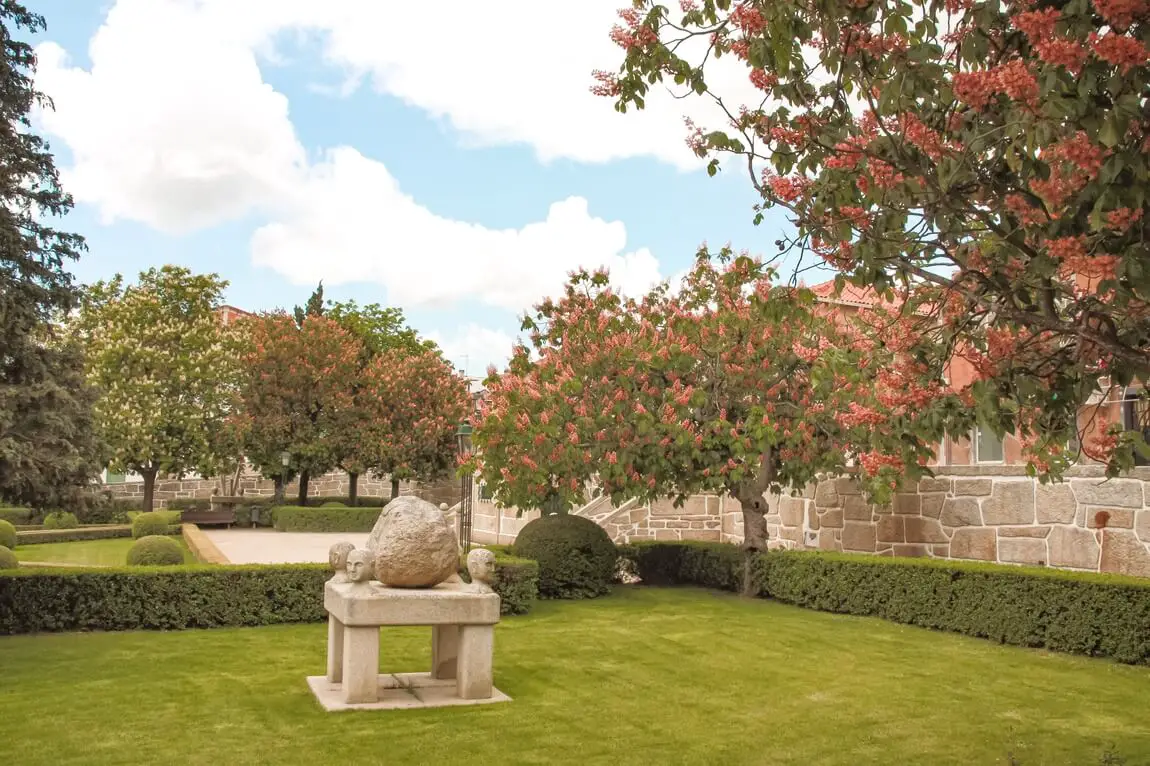
Start your visit by enjoying the blooming trees in Jardim da Praça Dom Lopo Vaz de Sampaio, a lovely and peaceful spot in the center of town.
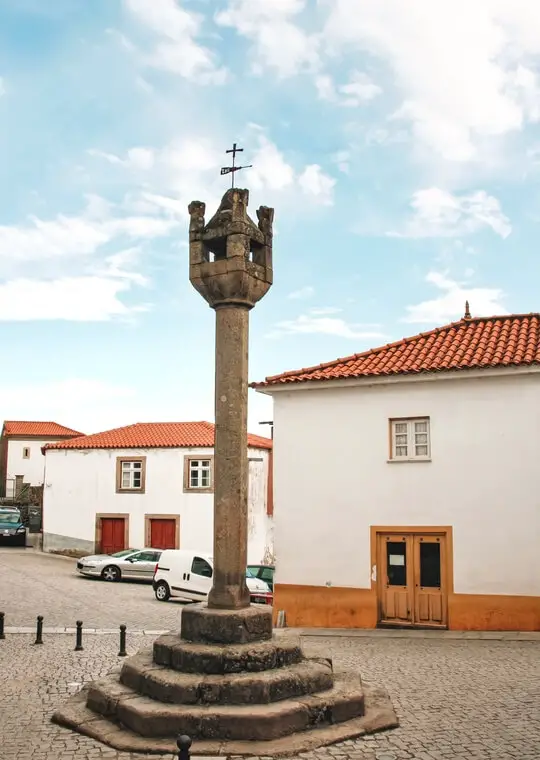
Head next to Church of Santa Águeda. From there, you can continue the village’s pillory, where you can also visit the Mermaids’ Fountain or the Municipal Library.
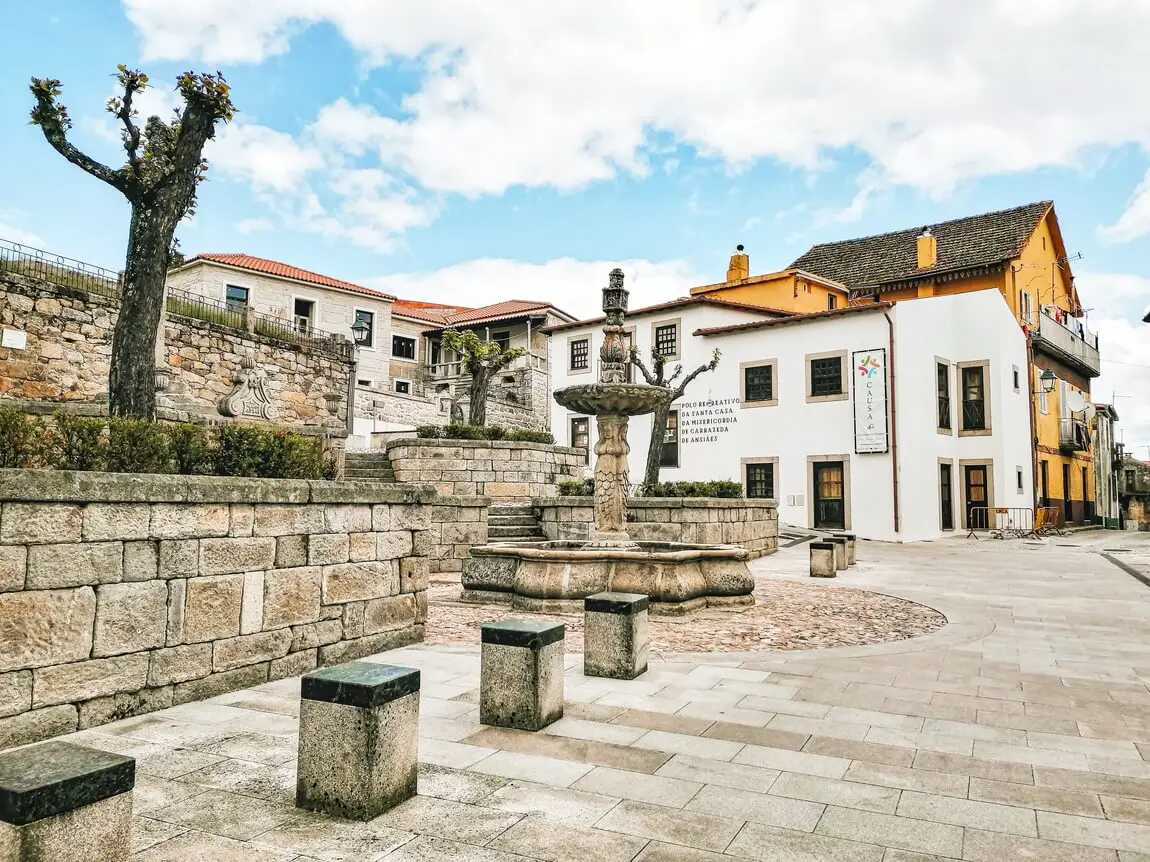
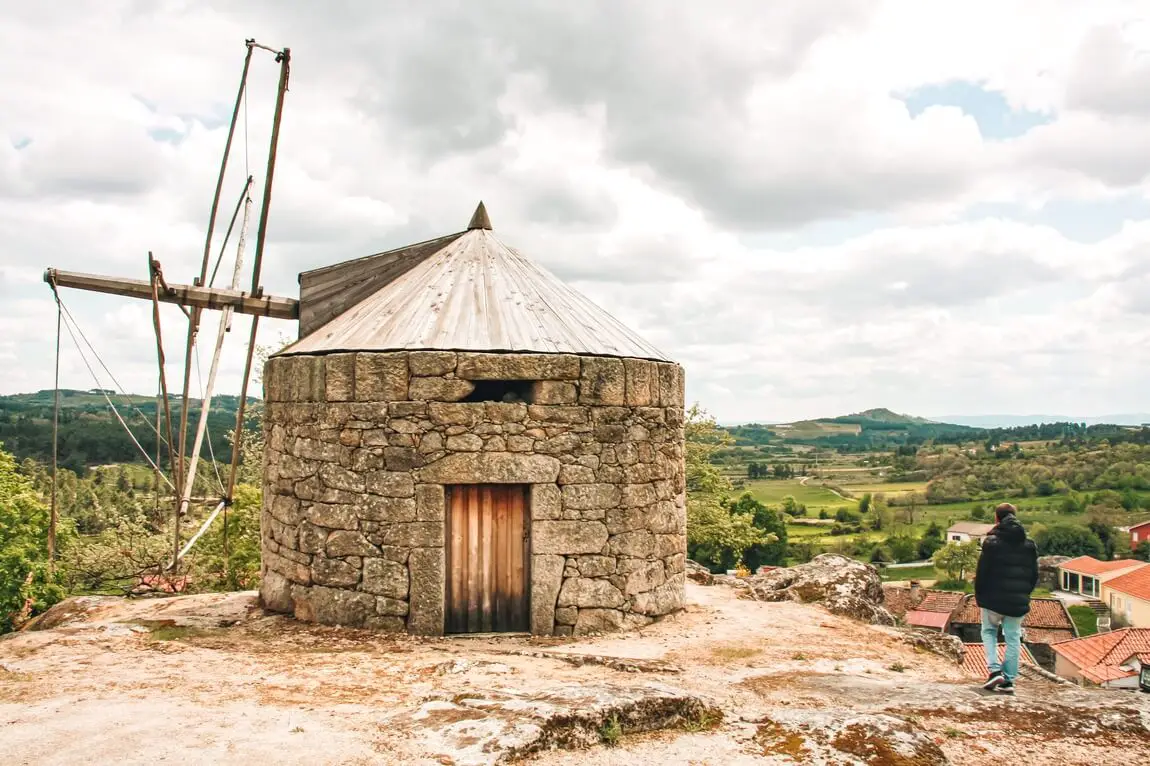
Head up to the windmill for a wider view over the village. Even though it hasn’t been in operation for over 100 years, it’s still an interesting spot to visit. It was actually built in the early 20th century and only operated for about 10 years.
Wrap up your visit with a stop by the statue honoring the women of Ansiães, created by Hélder de Carvalho.


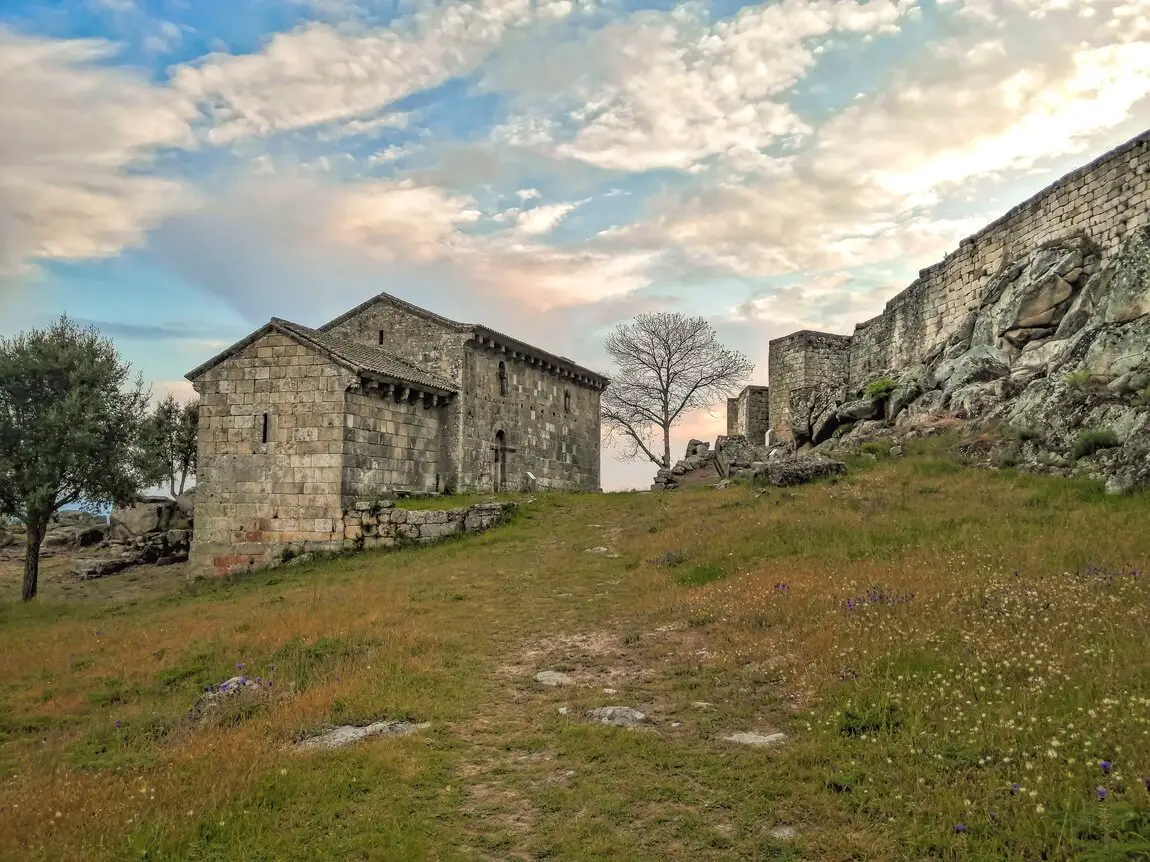
If you have time, it’s worth coming back to Carrazeda de Ansiães later in the day to visit the Castle of Ansiães. At sunset, the atmosphere here feels especially peaceful.
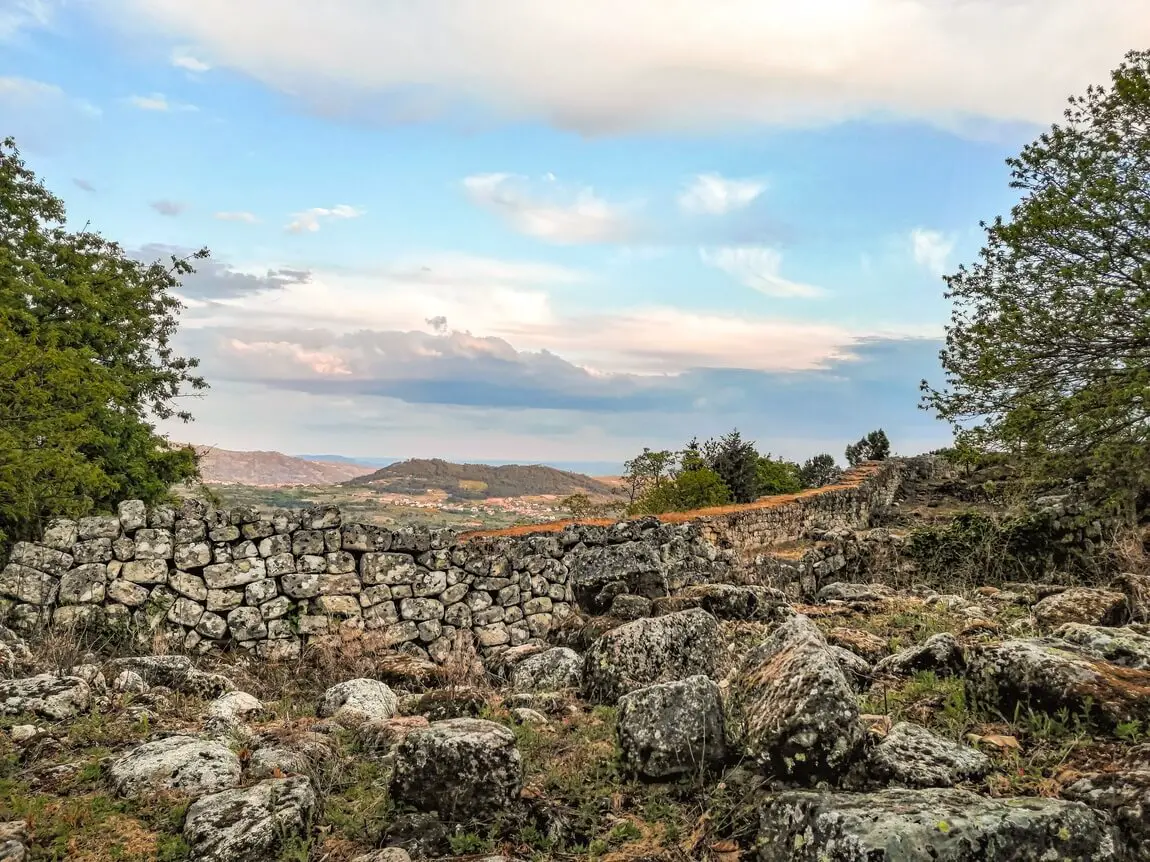
The castle is easily one of the highlights of the area. It was once the administrative center of the municipality, back when Ansiães was the main town, until the 18th century.
After that, it was gradually abandoned, and today you can explore the ruins of what used to be the heart of the region.
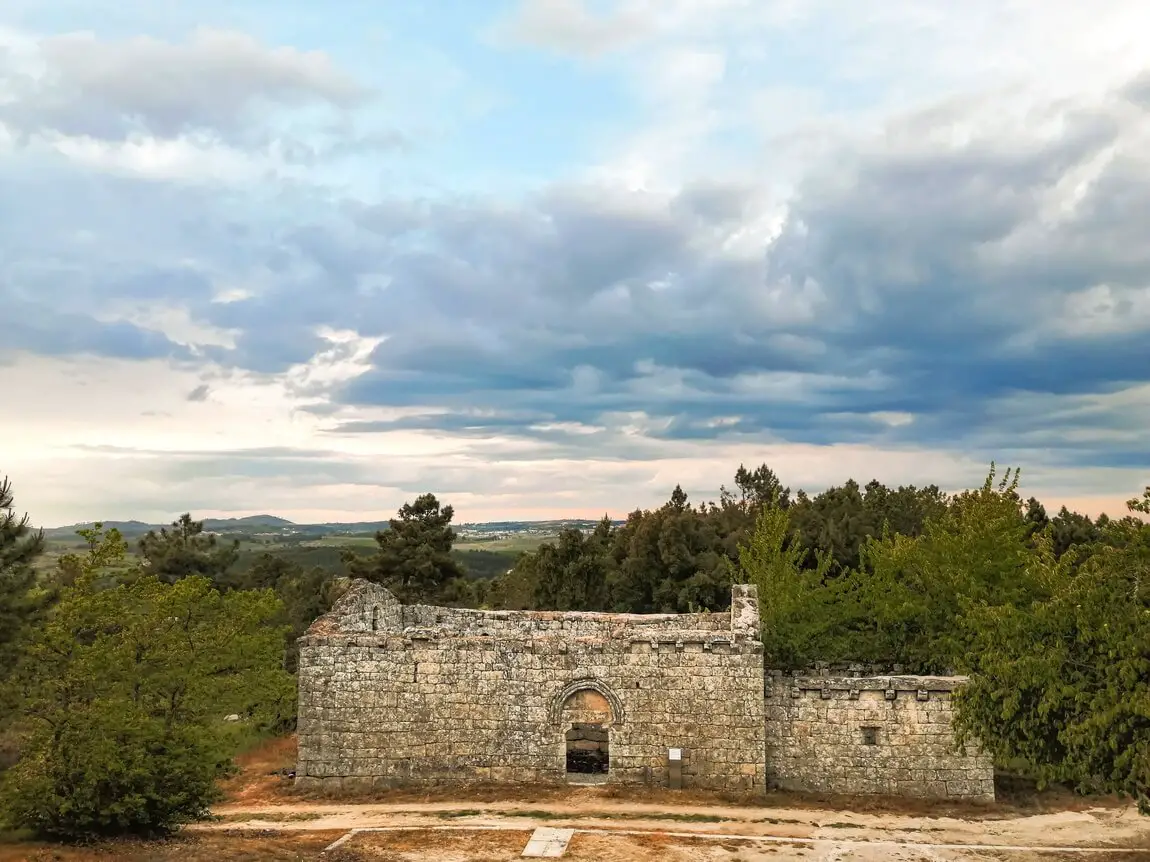
During this visit, you can also observe two churches: São João Baptista Church (right at the Castle entrance) and São Salvador de Ansiães Church.
» Vila Flor
Head next to your next stop: Vila Flor. This was, without a doubt, one of the most pleasant surprises of the trip. It’s a small town, but with several interesting spots that are best explored at a relaxed pace.
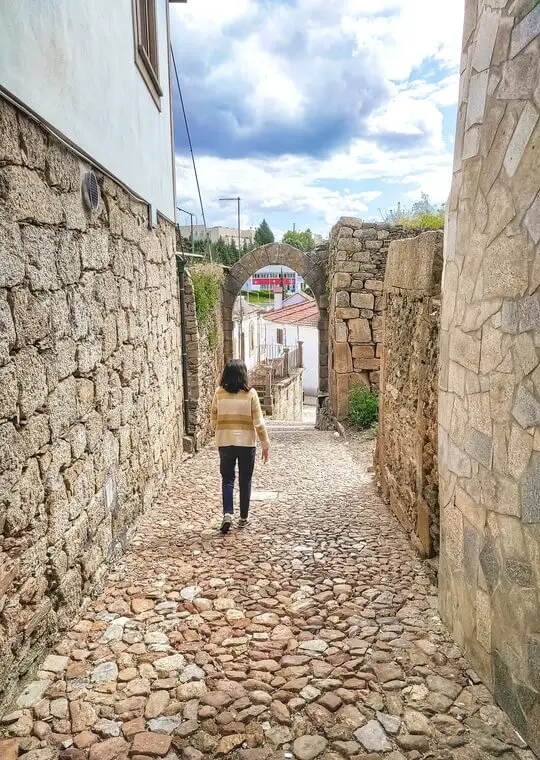

Park near Praça da República and start exploring on foot. The Church of Vila Flor and the pelourinho (historic pillory) are right next to each other, making them a great starting point.

From there, wander through the streets and small alleys until you reach the Roman Fountain, then continue toward the D. Dinis Arch.
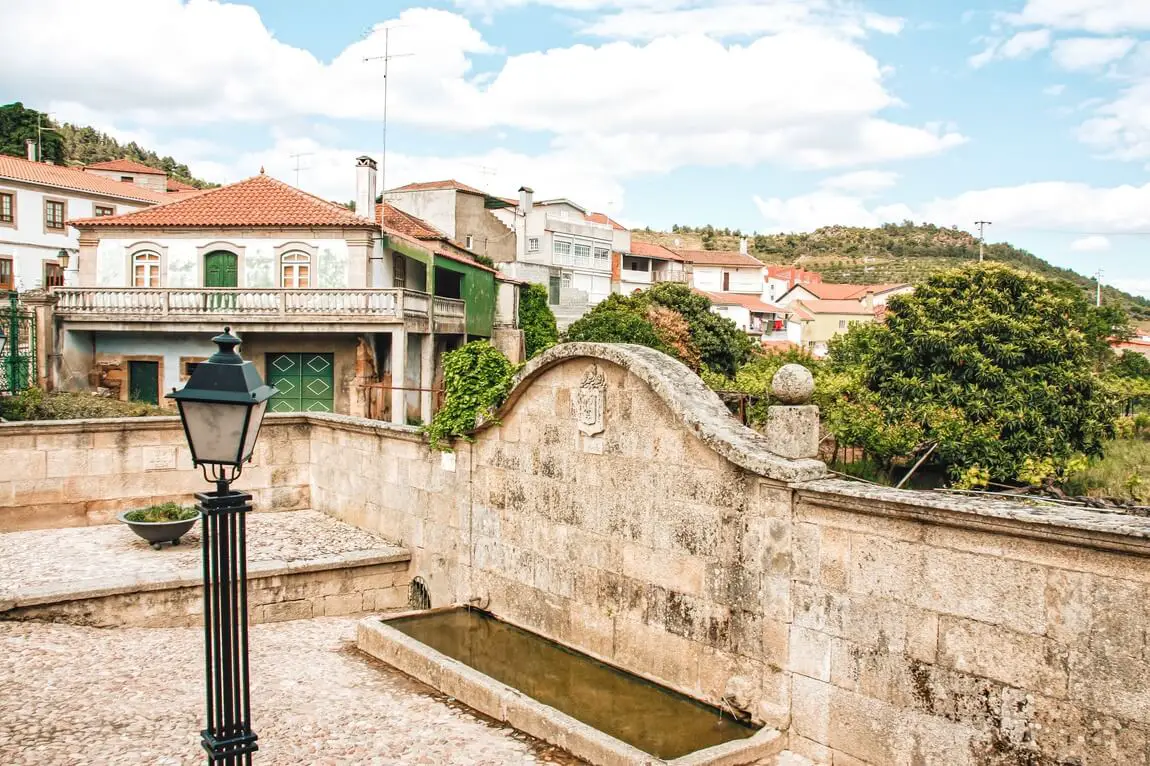
Along the way, you’ll also pass by the Church of Misericórdia, where it’s common to see locals sitting and enjoying the day on the nearby garden benches.

Before leaving, it’s worth stopping by the colorful Vila Flor Town Hall.

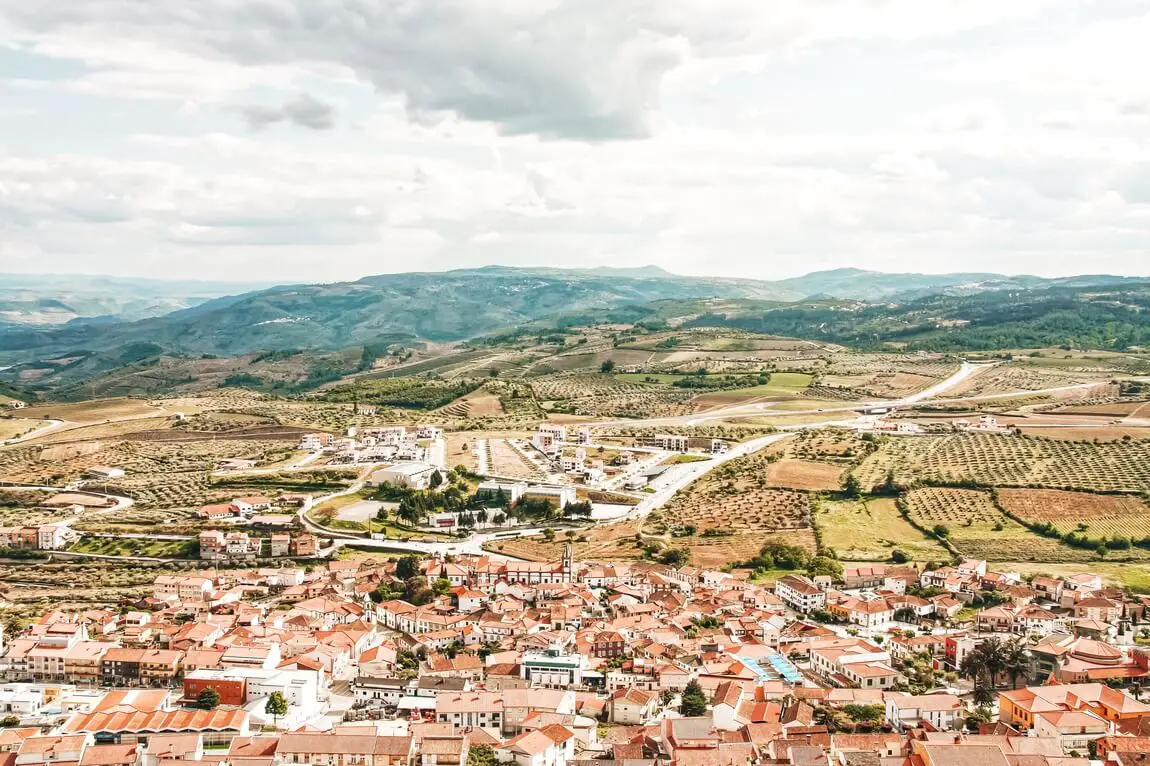
For splendid views over Vila Flor, it’s also worth driving up to the Nossa Senhora da Lapa sanctuary. There are plenty of benches where you can stop and enjoy the scenery. A bit further up, you’ll also find an older viewpoint with even more open views over the town.
💡 EXTRA TIP: On the way between Vila Flor and Vilarinho das Azenhas, you can make a quick side trip to visit the Old Gallows of Freixiel. Today, only two stone pillars remain, standing about 3 meters (10 feet) tall, but it can be an interesting stop if you’re into historical sites.
» Vilarinho das Azenhas
Vilarinho das Azenhas is one of the last stops on your first day in the Tua Valley Regional Natural Park. It’s a small village, but with a very peaceful atmosphere.
This is where one of the most well-known hiking trails in the area begins, connecting Vilarinho das Azenhas to the village of Ribeirinha. It’s about 2.5 miles (4 km) one way and, overall, it’s an easy trail that most people can do without much difficulty.
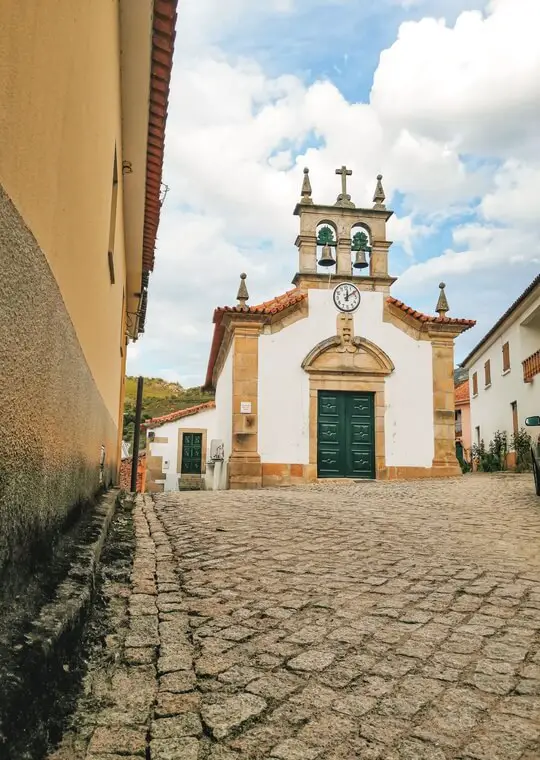
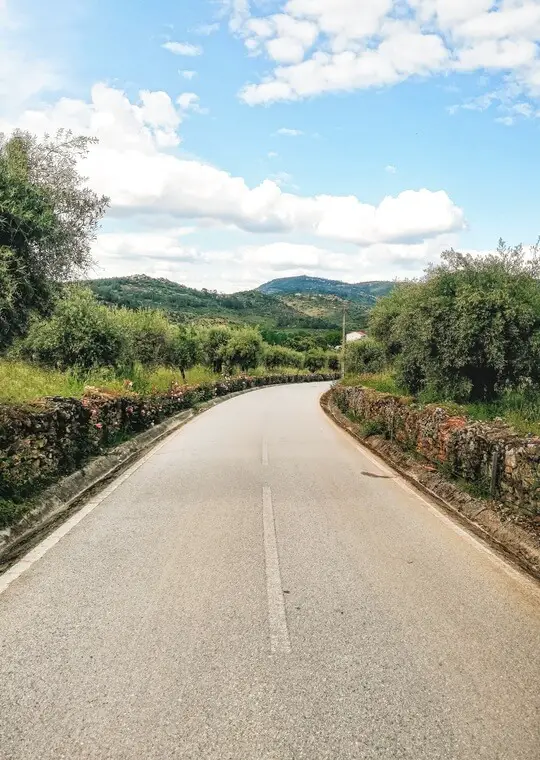
If you plan to hike it, the trail starts near the Church of Vilarinho das Azenhas and is marked as PR4 VFL.
In my case, since it was already getting late and we couldn’t find the trailhead right away, we ended up skipping it. Still, it’s a great option if you have more time.
Even if you don’t do the hike, take some time to walk around the village. The small houses, flowers, and rural feel make this stop worth it.
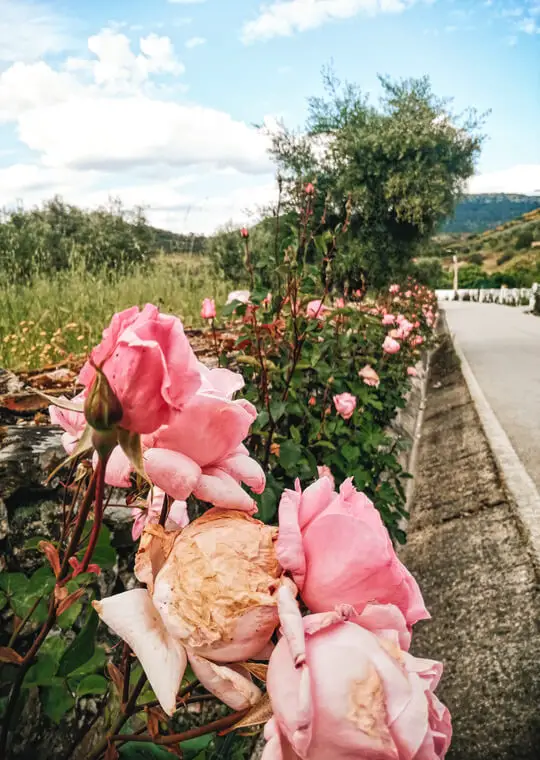

In Vilarinho das Azenhas, it is also worth visiting Nossa Senhora dos Remédios Sanctuary. The road isn’t in the best condition, but if you drive slowly and carefully, it’s doable with a regular car.
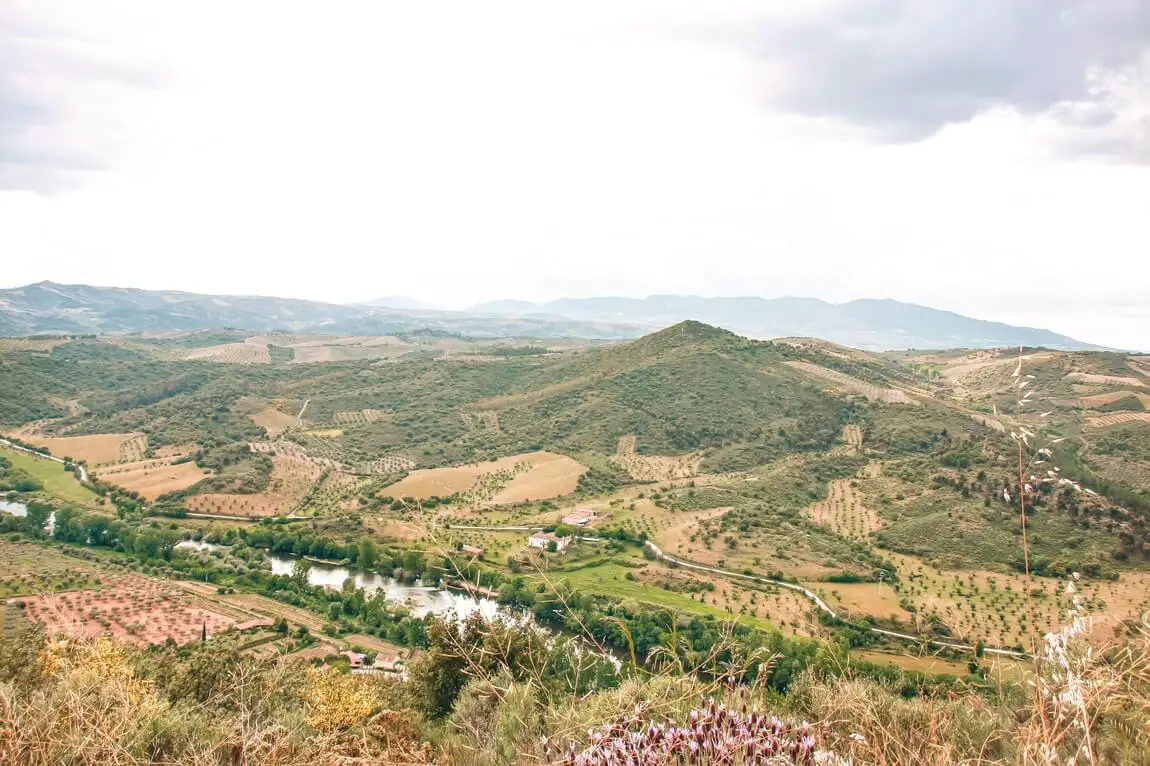
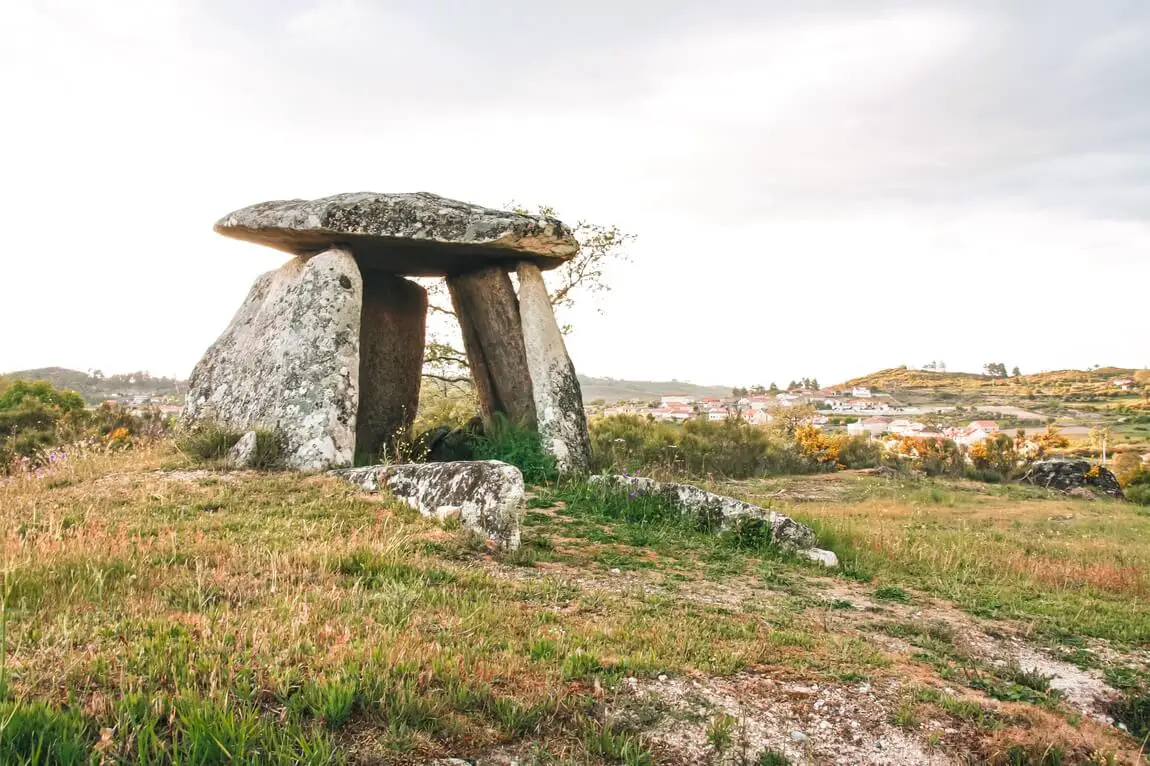
💡 EXTRA TIP: If you’re interested in prehistoric sites, you can stop by the Anta de Zedes, a megalithic monument located in the Carrazeda de Ansiães area.
Day 2 in Tua Valley Regional Natural Park
» Foz do Tua
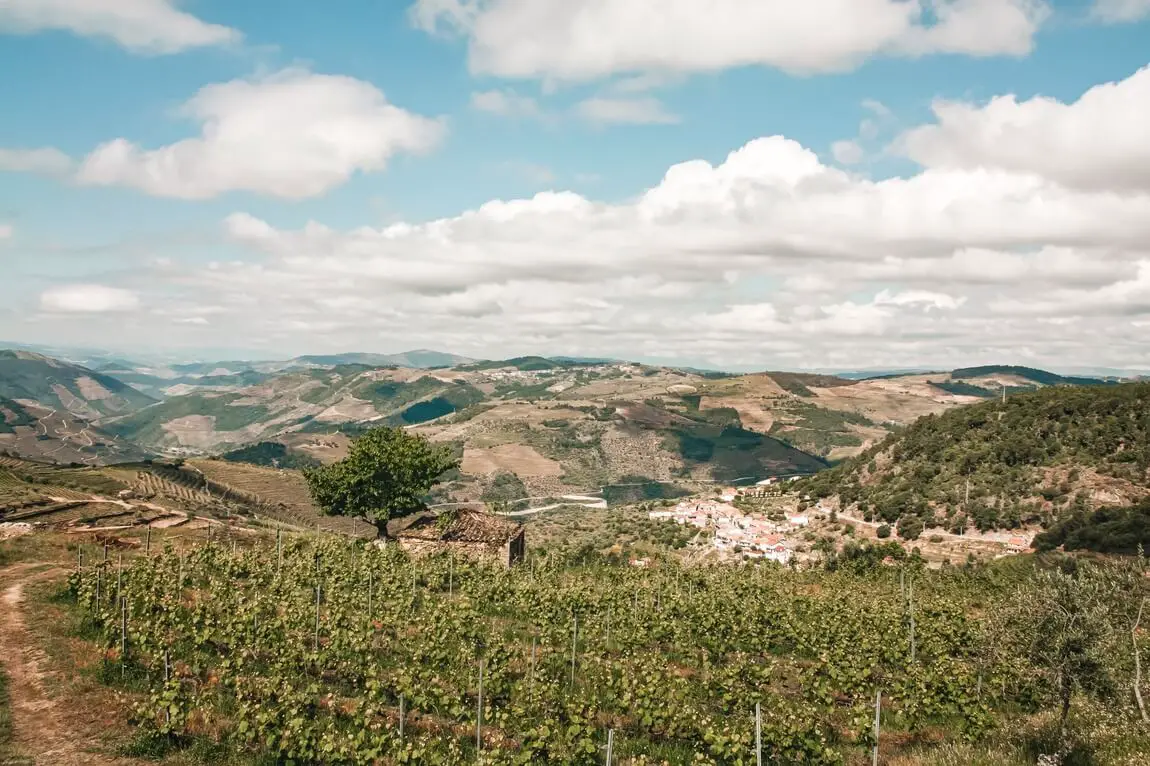
On the second day, head toward Foz do Tua, where the landscape begins to transition into the Douro Wine Region. It’s true… there’s a bit of a “detour” here, since you’re stepping outside the core area of the Tua Valley Regional Natural Park, but it’s absolutely worth it.
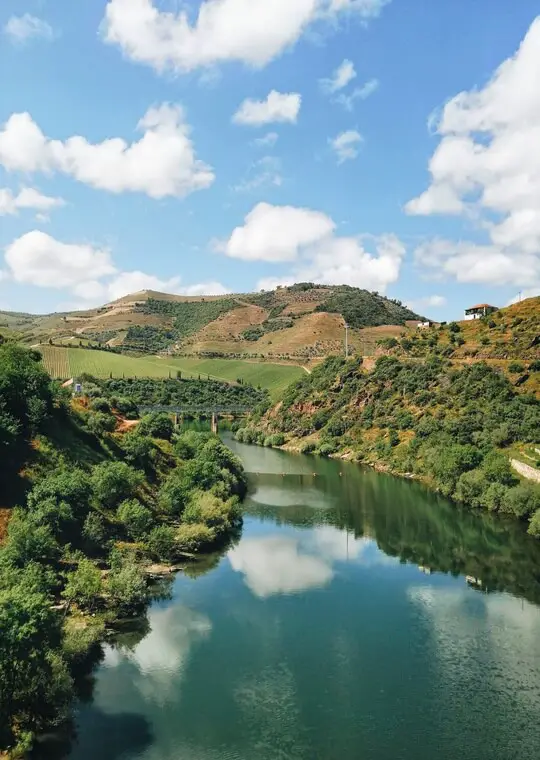
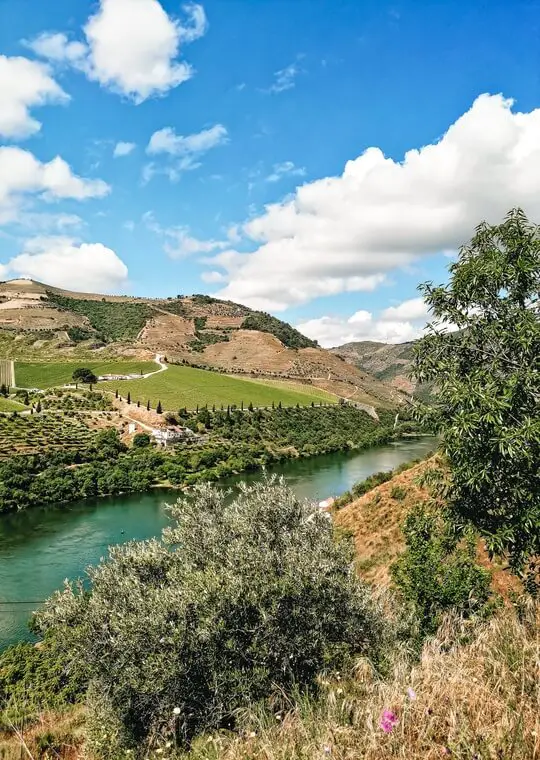
Make sure to stop at the Foz do Tua train station, which is now home to the Tua Valley Interpretive Center.
It’s a great place to better understand the history of the region, especially the old Tua railway line.
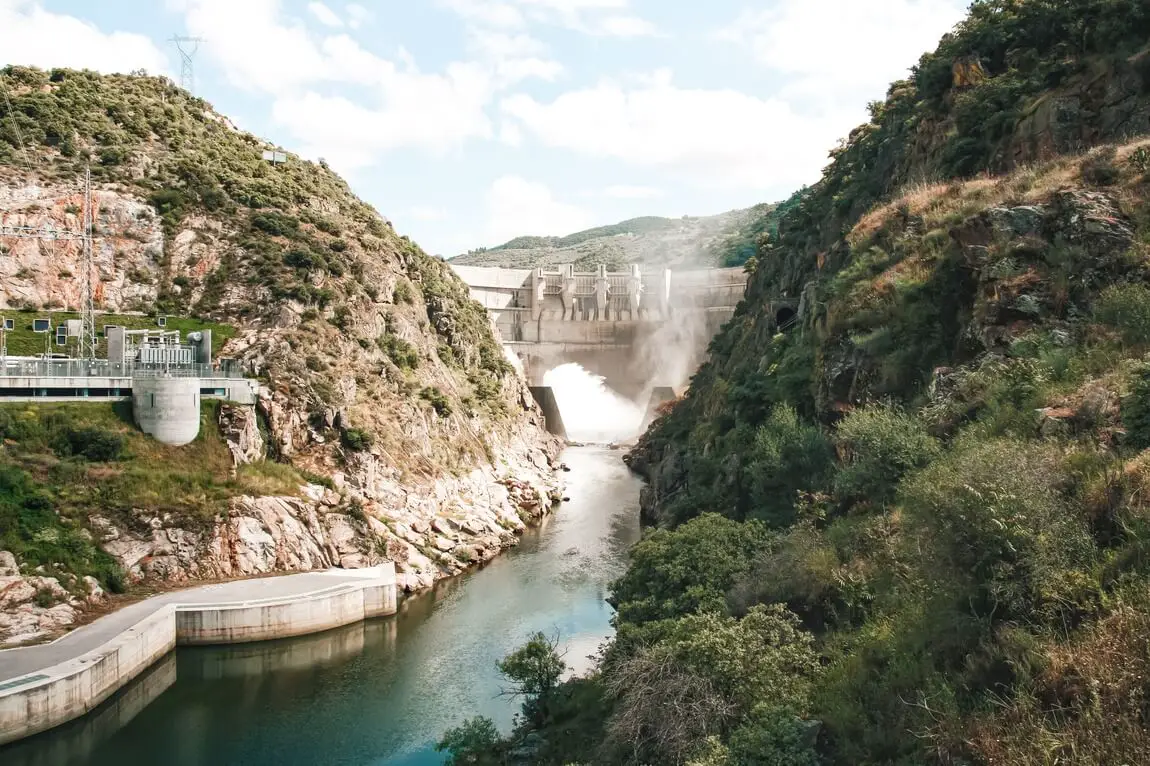
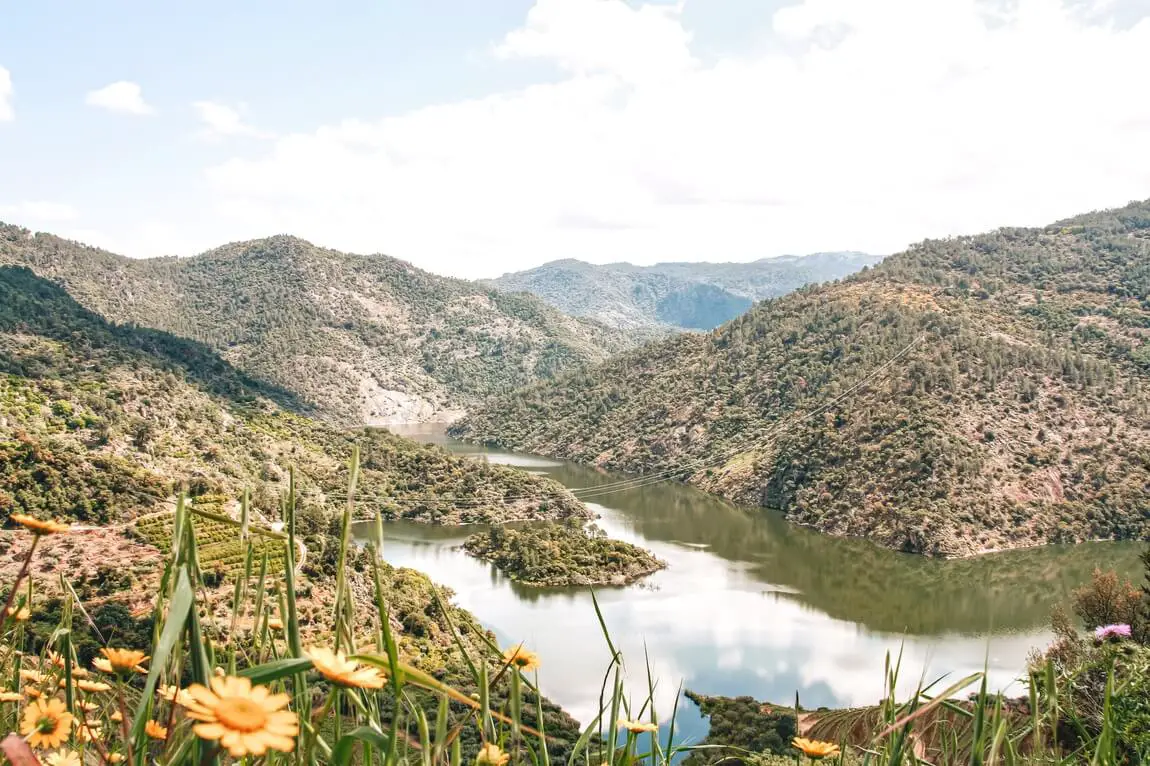
While you’re here, don’t miss the dam. The structure itself isn’t particularly impressive, but the drive to get there is the real highlight.
The views along the road are stunning, and it’ll be hard not to stop every few minutes for photos.
» São Mamede de Ribatua
After several stops along the Douro, head to the small village of São Mamede de Ribatua.

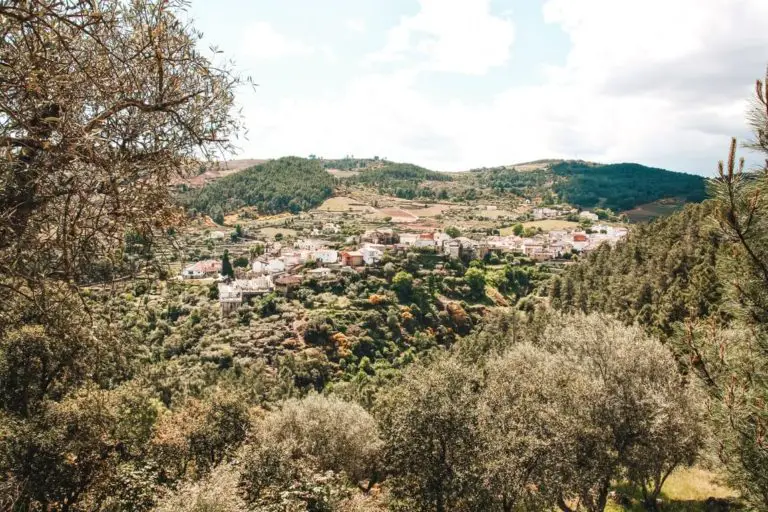
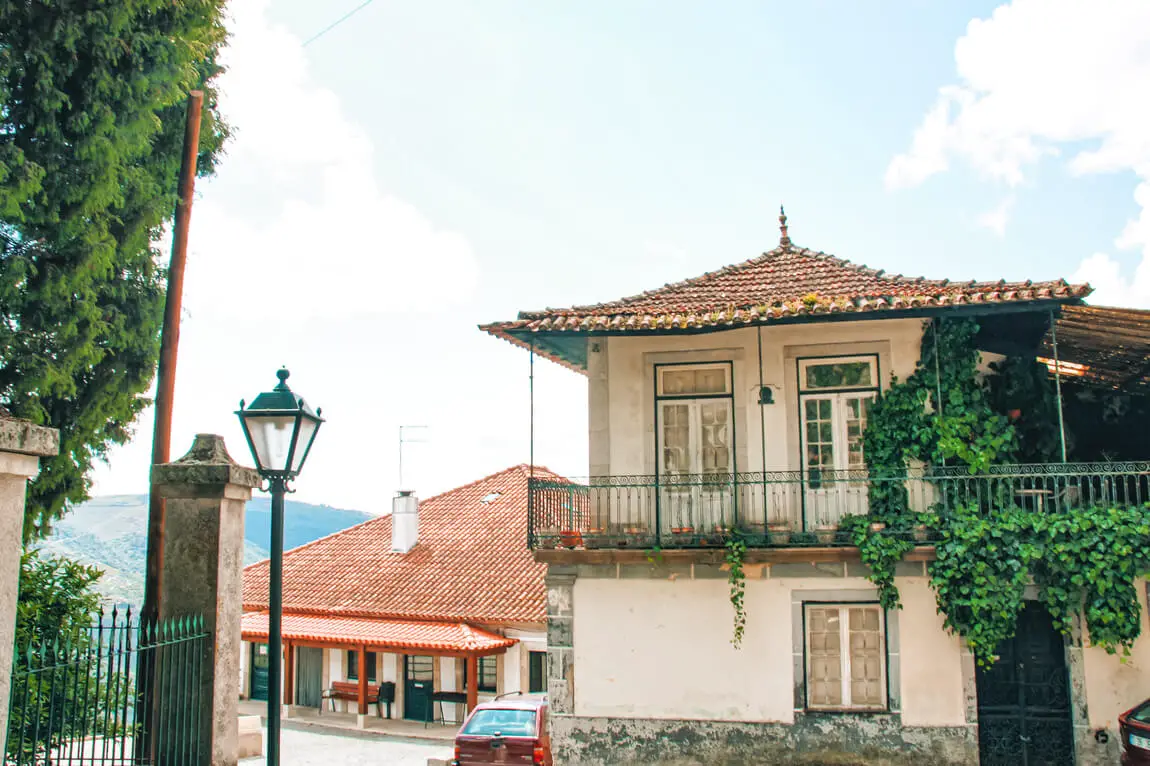
The village is very small, so the best way to explore it is to let yourself get lost in its streets. Don’t miss São Mamede Matriz Church, where you’ll find yet another one of those views that make this region so special.
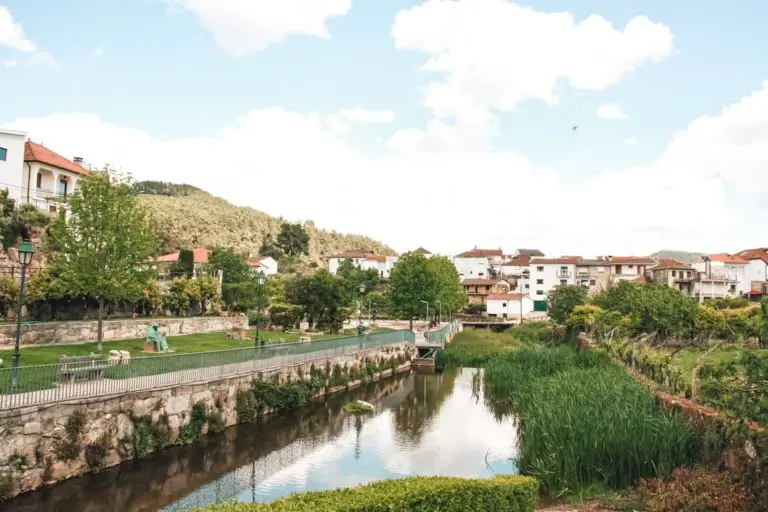
Recently, a set of wooden walkways was also opened in São Mamede de Ribatua, giving you one more reason to visit. I recently walked them myself and was genuinely impressed. The views are incredible and easily make these some of the most scenic walkways in Portugal.
» Ujo Viewpoint
As you’ve probably noticed by now, the real highlight of this itinerary is the scenery — the valleys and winding curves of both the Tua and Douro rivers. So it makes sense that your next stop is another viewpoint.
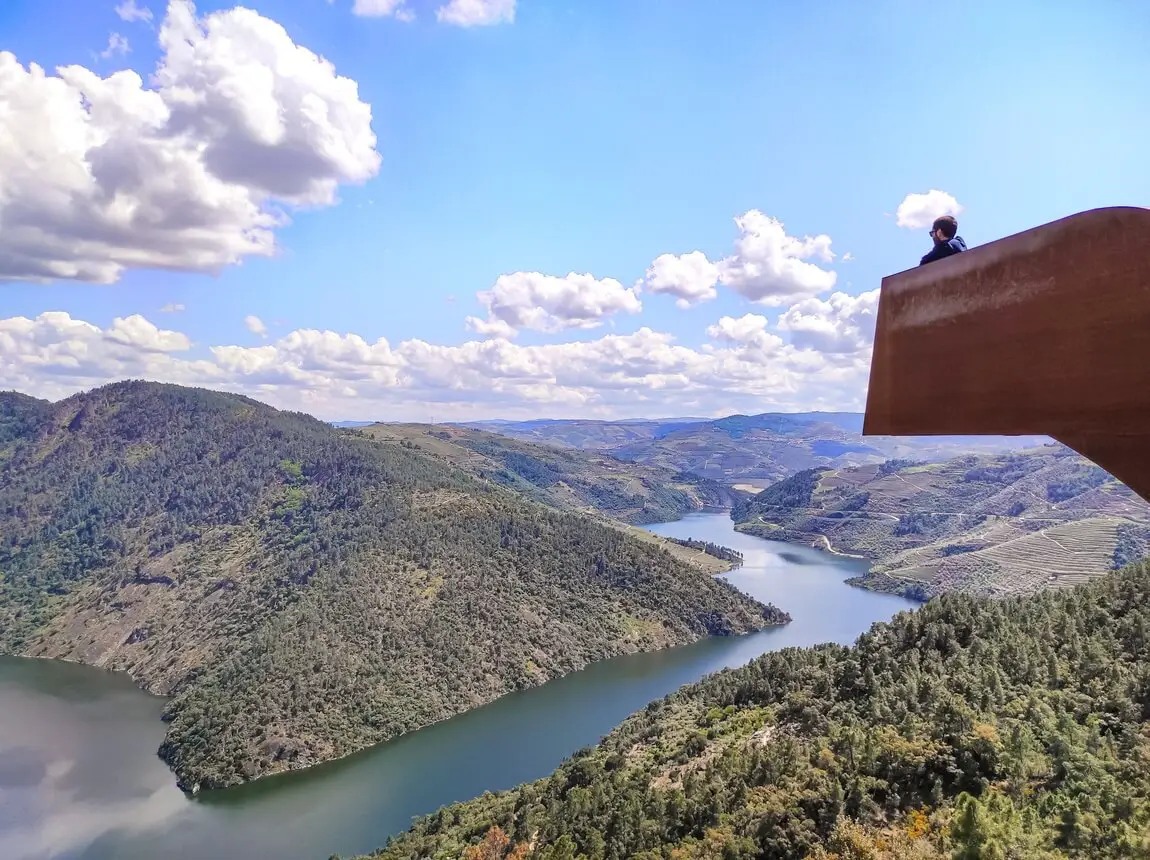
The Ujo viewpoint is one of the most popular in the area, so don’t be surprised if you’re not alone. Still, the view is absolutely worth it.
It’s hard to put this landscape into words… and even harder to believe it’s all in Portugal.
💡 EXTRA TIP: If you still have some energy, try the Fragas Más trail, which starts and ends in São Mamede de Ribatua. Along the way, you’ll find even more incredible viewpoints, including the Fragas Más viewpoint. Just keep in mind that you shouldn’t try to reach it by car, as the road is in poor condition.
» Alijó
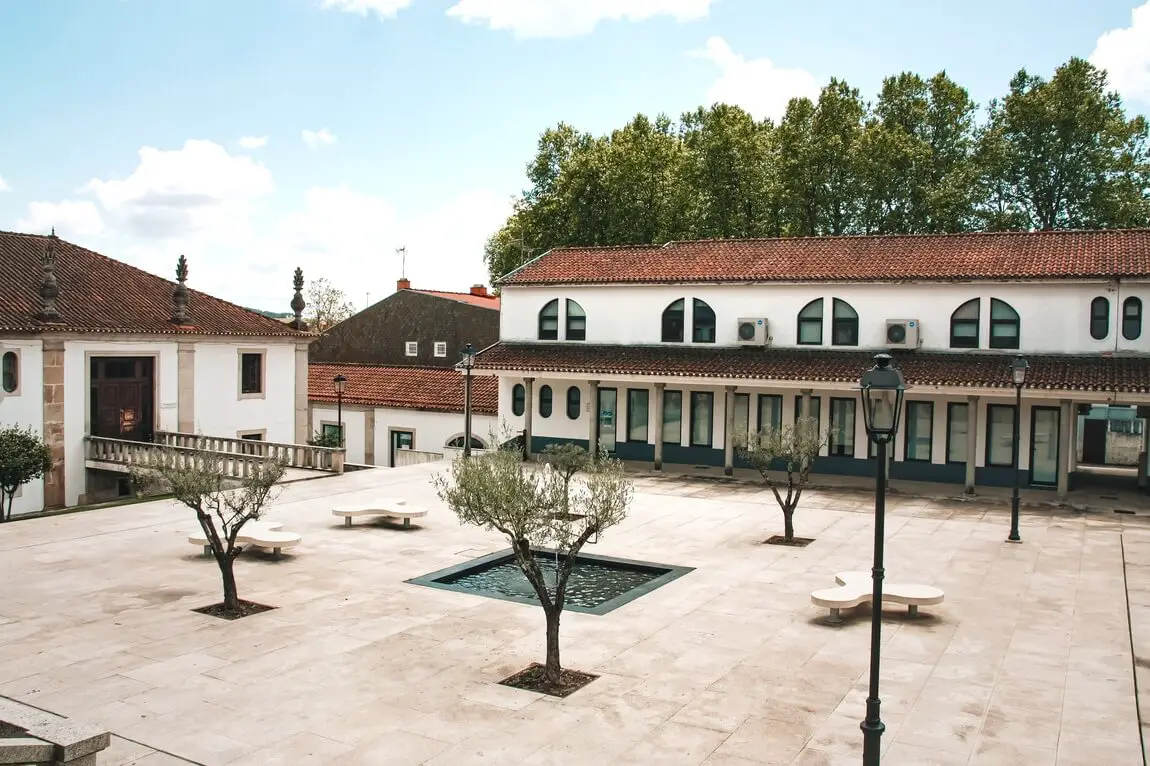
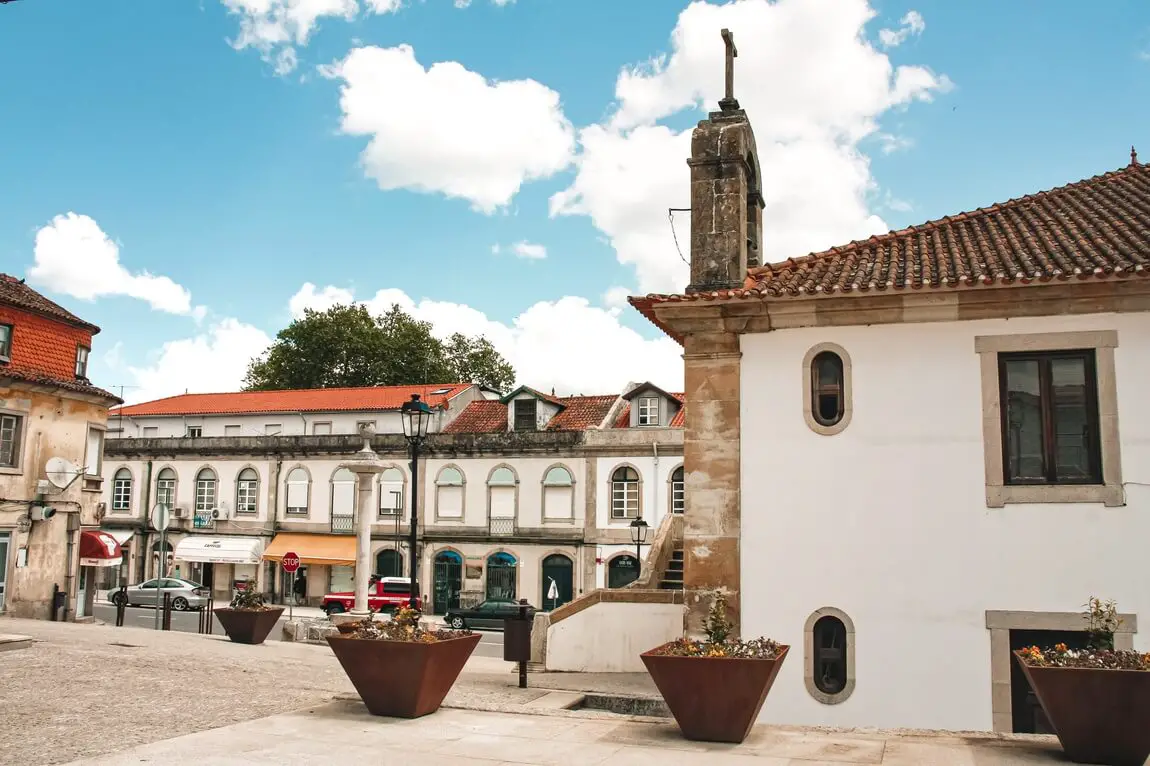
Then head to Alijó for a quieter stop along the itinerary.
The visit is simple, but it gives you a good feel for the town. Walk past the Town Hall, the historic pillory, the Municipal Library, and the main church.

Alijó also works as a great connection point between the Tua Valley Regional Natural Park and the Douro Wine Region. If you have extra time, it’s worth exploring the surrounding area, where you’ll find plenty of vineyards and traditional wine estates.
» Favaios
Favaios is known for its famous Favaíto, one of Portugal’s most iconic muscat wines.
That said, there’s more to explore beyond the Favaios Cooperative Winery. If you’re interested, you can book a visit and tasting to get a better sense of the region’s winemaking traditions.


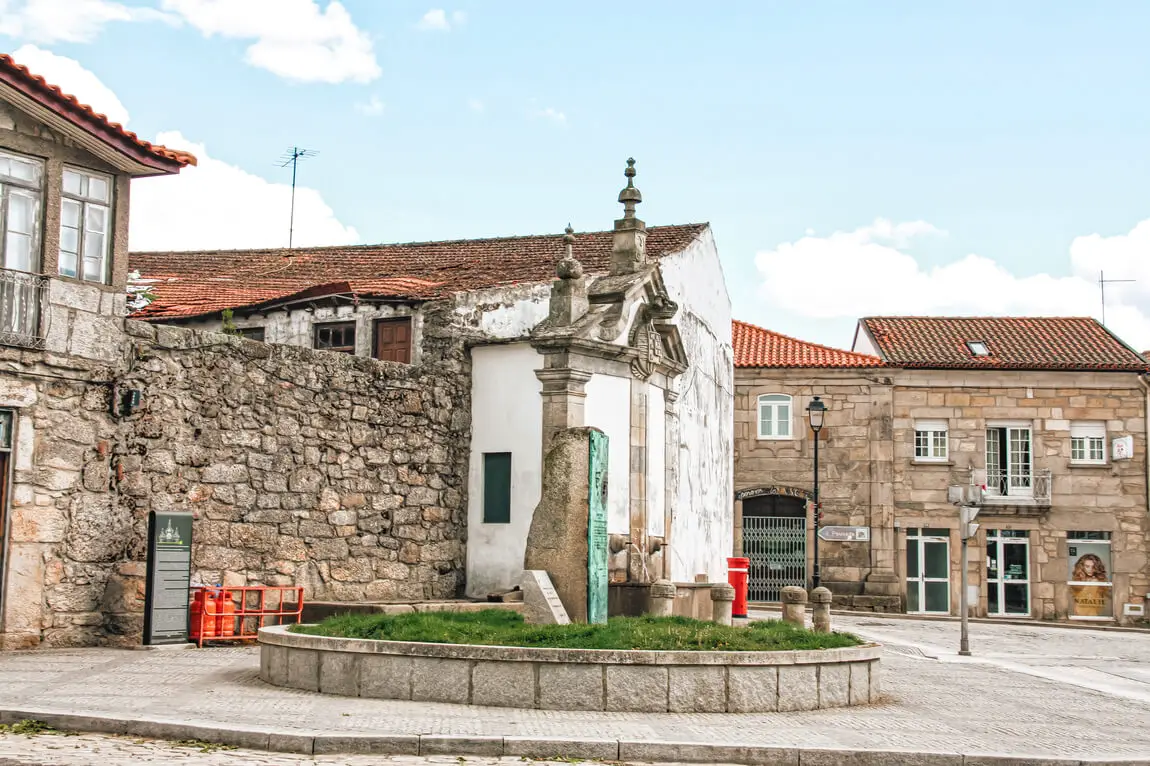
Take the opportunity to stroll through the centre of Favaios, stopping by São Domingos Matriz Church or the old Elementary School.
Afterwards, for the best views of Favaios, a must-see place to add to your itinerary is the Santa Bárbara Chapel – I promise you won’t regret it.
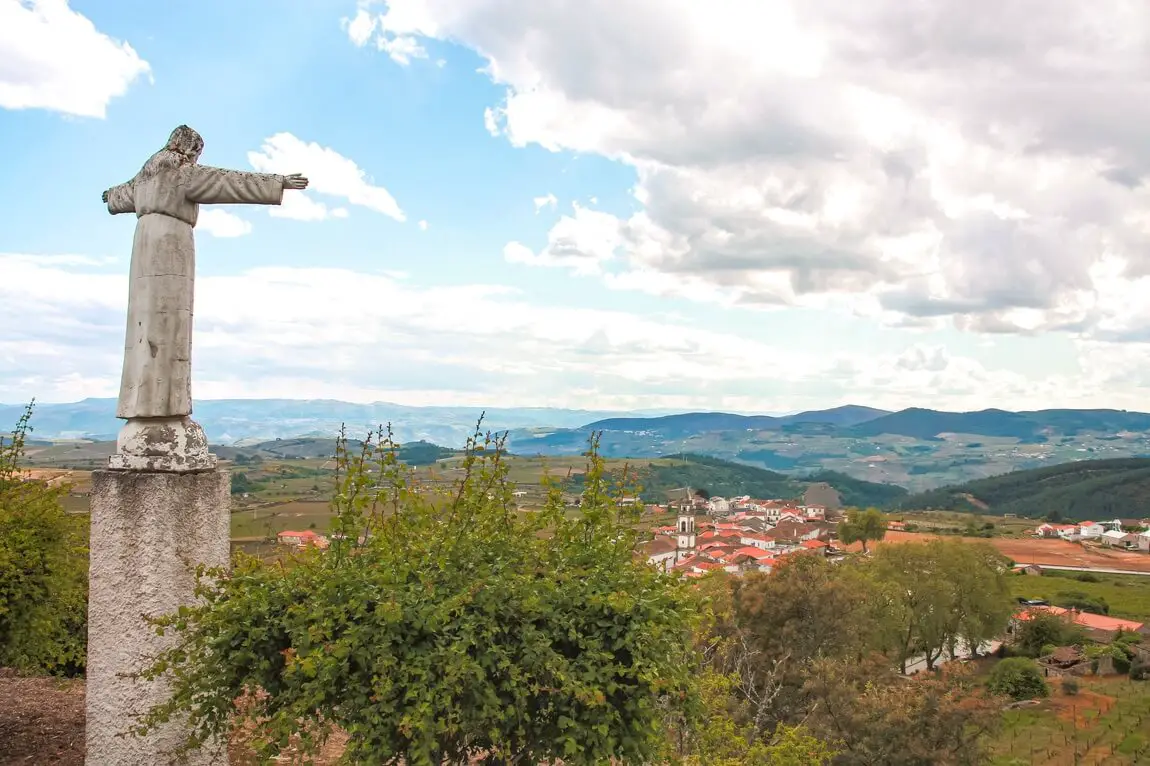
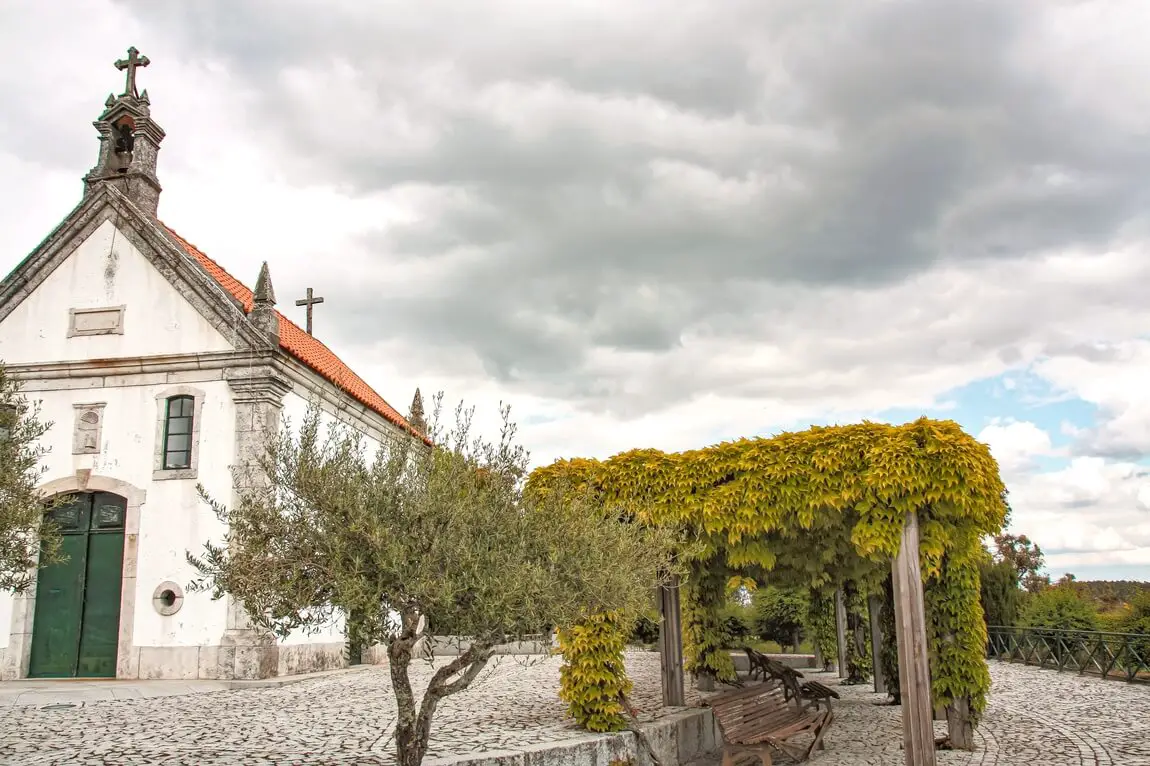
If you have time, it’s also worth trying some local products, like Favaios bread, which is well known in the region and pairs perfectly with the muscat wine.
» Casal de Loivos
After two days exploring the Tua Valley Regional Natural Park, take a short detour into the Douro Wine Region. Your first stop can be Casal de Loivos, which, for me, had the most impressive viewpoint of the entire trip.
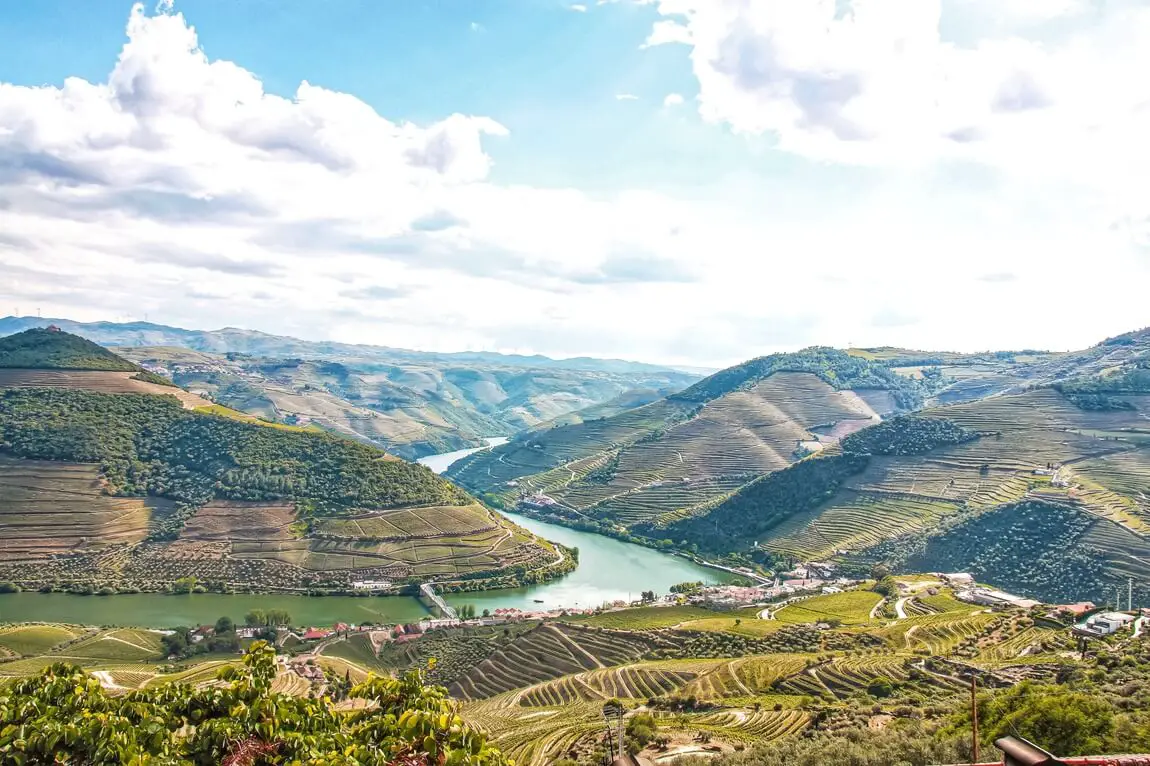
The view over the Douro is simply stunning, with the river winding through terraced vineyards. It’s one of those places where you’ll want to slow down and just take it all in.
It’s also one of those spots where photos never quite capture what it feels like in person.
» Provesende
Wrap up your itinerary in the wine village of Provesende. Take your time exploring the historic center and soaking in the atmosphere.
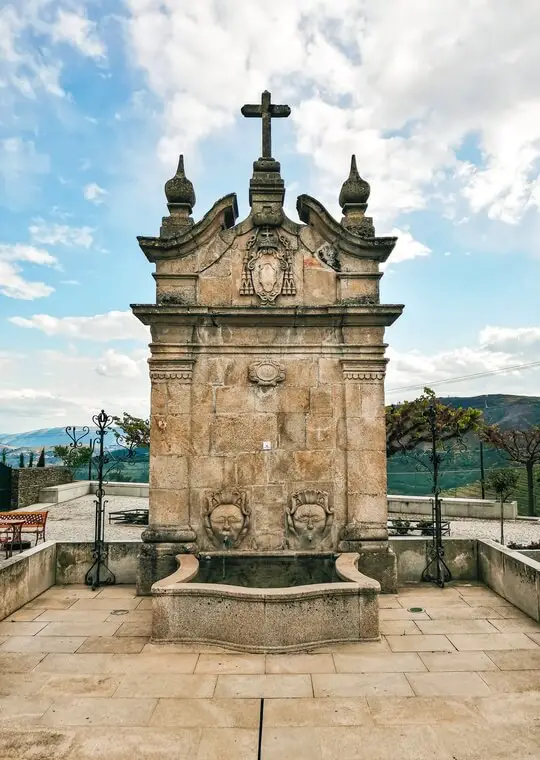
Walk past the pillory, the main church, the ivy-covered house, and the granite fountain. They may seem like small details, but they really reflect the character and authenticity of the village.
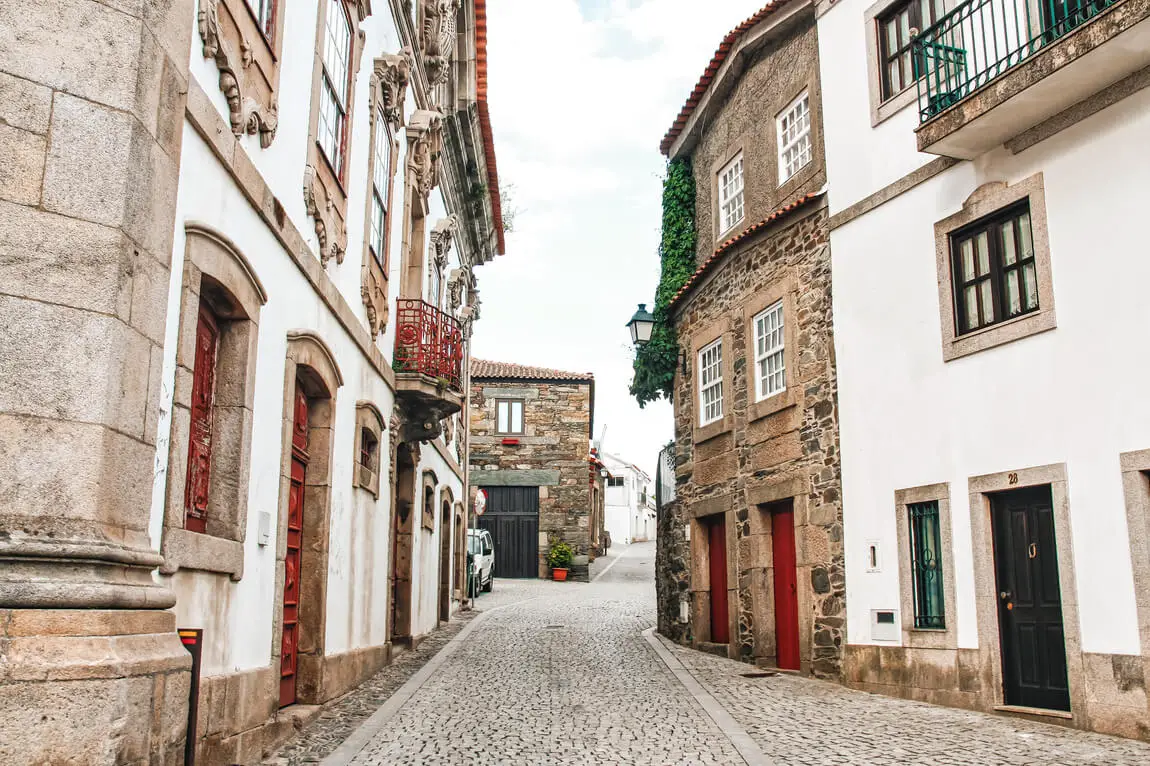


If you have time, take a break at a local café or simply sit and soak in the atmosphere. Provesende has that slow, relaxed pace that invites you to unwind and end your trip without rushing.
Best time of the year to visit Tua Valley Regional Natural Park
There’s a local saying that sums up the weather here pretty well: “9 months of winter and 3 months of hell.”
Winters can be cold and sometimes harsh, while summers bring intense heat, especially in the more inland parts of the valley.

Because of that, the best time to visit the Tua Valley Regional Natural Park is in spring or at the beginning or end of summer, when temperatures are milder and the landscape is at its best.
If you’re visiting in summer, try to plan outdoor activities early in the morning or later in the afternoon, avoiding the hottest hours of the day, especially at viewpoints where there’s very little shade.
How many days to visit Tua Valley Regional Natural Park
To visit the Tua Valley Regional Natural Park, 2 full days is ideal, as the main points of interest are quite spread out and it’s best to explore the region at a relaxed pace.
That said, you can easily add a few extra days to your itinerary if you want to discover more nearby spots, like the Douro Wine Region.
Restaurants in Tua Valley Natural Park
Eating well in this region is easy. From simple, local spots to more refined restaurants, you’ll find plenty of places to try traditional dishes and enjoy the local food at a relaxed pace.
Here are a few places I personally tried during this itinerary:
- [Foz do Tua] Calça Curta (€€): a restaurant overlooking the Tua River and with good traditional Portuguese dishes
- [Alijó] Cêpa Torta (€€€): simply divine! We tried the pork cheeks and the stewed wild boar, and to finish off, a coconut “quindim”. The prices are a little higher, but it’s well worth it.
- [Carrazeda de Ansiães] Restaurante Convívio (€): Although not my favourite restaurant of the weekend, this restaurant offers affordable and tasty dishes.



Final thoughts
I hope this 2-day itinerary in the Tua Valley has helped you get a better idea of what to expect from this region.
The Tua Valley Regional Natural Park honestly surprised me much more than I expected. It’s not just about the viewpoints. It’s also the small villages, the scenic roads, and that slower pace that makes the whole experience feel more special.
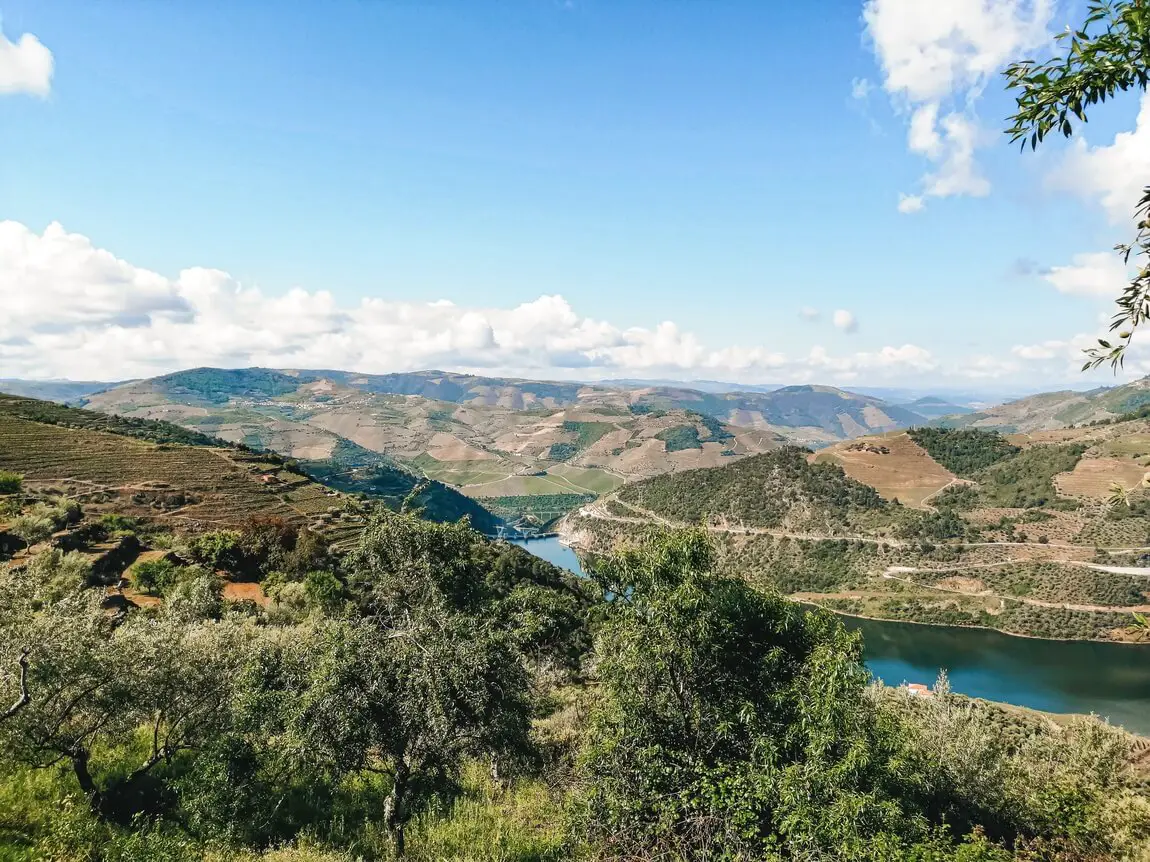
Here, the best thing you can do is take your time, stop whenever you feel like it, and enjoy each view along the way.
If you can, I’d definitely recommend spending at least 2 days to see the highlights. And if you have extra time, it’s worth extending your trip to explore the nearby Douro Wine Region as well.
Planning a trip to this area? Save this guide on what to see in the Tua Valley for your trip, and if you have any questions, feel free to leave a comment!
Disclaimer: this post may contain some affiliate links, which means I get a small commission if you buy something through my links. This doesn’t represent any additional cost to you and you’ll be supporting my work here on the blog😊