

If you’re planning 2 weeks in China, you’re probably feeling a little overwhelmed. I get it.
China is huge, and no matter how long you stay, you’ll never see it all… not in two weeks, not in two months, not even in a year.
The language barrier is real, the travel logistics look confusing at first, and figuring out how to plan a trip to China can feel like a full-time job. I’ve been there. Planning this trip was honestly one of the most challenging I’ve done so far.

But here’s the good news. 14 days is enough to get an amazing first impression of the country.
This China 2 week itinerary is an optimized version of the itinerary I followed. It blends some of the best cities to visit in China (like Beijing and Shanghai) with time in nature in Zhangjiajie and the incredible landscapes of Guilin.
It’s packed, but it’s doable. And most importantly, it leaves room to actually enjoy the journey.
So what can you expect from this itinerary?
- You’ll stand on the Great Wall of China for the first time (my very first world wonder).
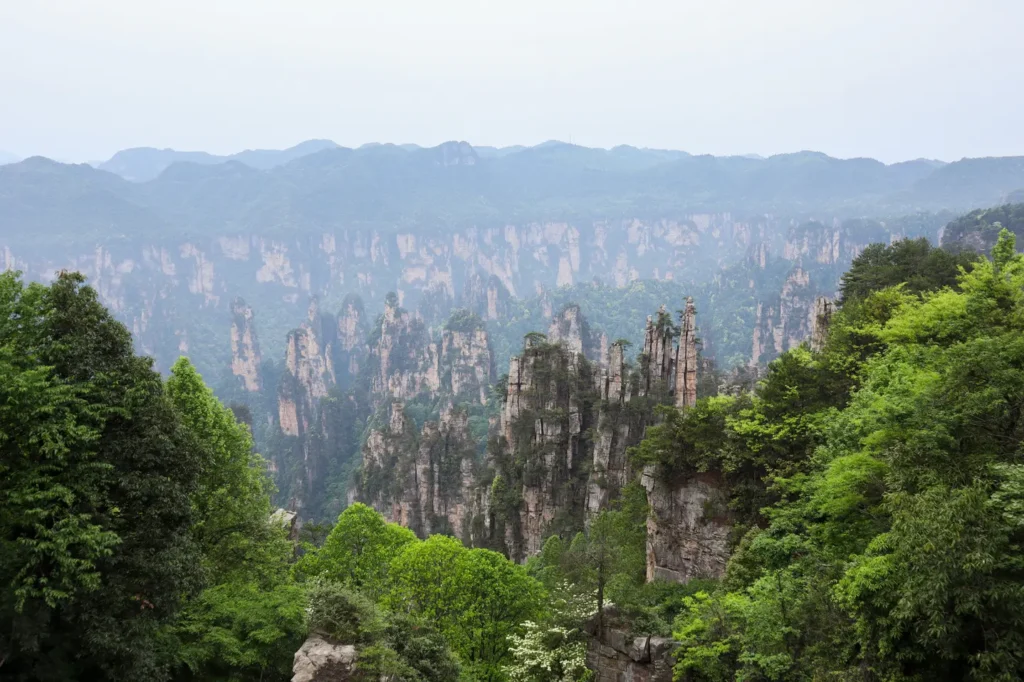
- You’ll watch the sandstone pillars of Zhangjiajie appear through the mist.
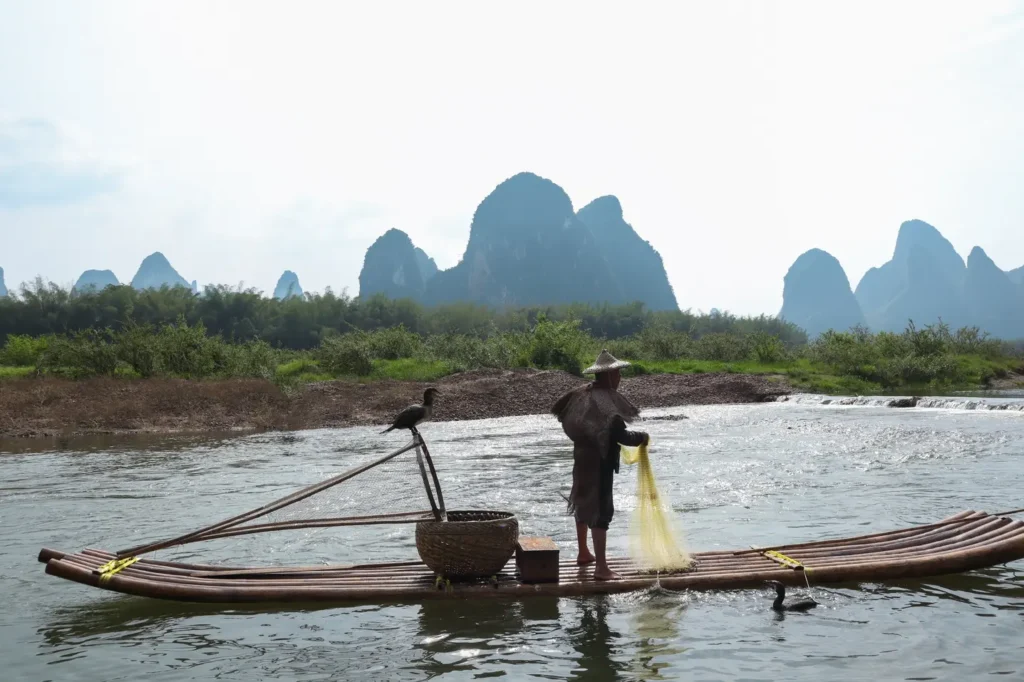
- You’ll drift along the Li River past karst mountains in Yangshuo (Guilin).
- And you’ll end with neon-lit skyline nights in Shanghai or Chongqing
This post is all about the route and flow: how to structure your days so the trip feels smooth and intentional.
✨ I’ve already written detailed destination guides for each stop along the way, so I’ll link those as we go for deeper info, hotel suggestions, and activity ideas.
Before diving into the itinerary, I recommend having a quick read through my guide with useful travel tips for China. It covers internet, payments, culture differences, and everything I wish I had known before arriving. It’ll make this itinerary much easier to follow!
In a hurry? Plan your trip to China now!
Don’t have time to read the whole guide? Here are my top recommendations for making the most of your visit to China.
📍Top sights: Shanghai | Beijing | Tianmen Mountain | Zhangjiajie | Chengdu | Chongqing | Fenghuang | Furong
🚆 Getting around China: High-speed trains connect major cities in this itinerary. You can book tickets on the official 12306 app, but I recommend Trip.com for an easier, more user-friendly experience. Flying is also a great option for longer distances.
⌛ How many days in China: 14 days is ideal for a first trip, giving you time to explore big cities, nature and cultural sites without feeling rushed.
🍜 Most popular tours in China
1. Guided tour of the Forbidden City in Beijing
2. Guided tour of Mutianyu, including transport from Beijing
3. Shanghai city tour
4. Watch a Sichuan Opera
😴 Where to stay in China
Shanghai – Campanile Shanghai Natural History Museum Hotel
Beijing – Sunworld Hotel Wangfujing
Zhangjiajie National Park – Bei’an Qingshe Holiday Inn
Tianmen Mountain – Hotel California Zhangjiajie
Chengdu – Local Tea Hostel Poshpacker
Chongqing – SSAW Hotel Jiefangbei Hongyadong Branch
Guilin – Xingping Inn
Furong – Tuwang Palace Waterfall Inn
💸 How to pay in China – It’s a cashless society. You’ll need Alipay or WeChat Pay to make purchases — literally everywhere. Use Revolut to pay in yuan and avoid foreign transaction fees.
💊 Best travel insurance for China – I recommend Heymondo for its excellent balance between affordability and quality.
🛜 Best way to stay connected in China – If your phone supports eSIM, use Airalo (MARIAN4315 = 3$ off). Otherwise, get a China Unicom or China Telecom SIM. Don’t forget a VPN to access apps like WhatsApp and Instagram.
How many days in China
China is massive, and you could spend months (or years) exploring and still feel like you’ve only scratched the surface.
But here’s the thing! You have to start somewhere. This 2 weeks in China itinerary is designed to give you a solid first taste of the country without trying to do everything at once.

This route focuses on a mix of the best places to visit in China for first-time travelers.
You’ll experience ancient history in Beijing, nature in Zhangjiajie and Guilin, and modern skylines in Shanghai or Chongqing. It’s a nice balance between culture, nature, and big-city energy.
One thing that surprises a lot of people is how easy it is to travel around China once you understand the train system. High-speed trains are fast, clean, and efficient, and they make long distances feel much more manageable.
If you’re unsure where to start, I’ve written a complete step-by-step guide on how to buy train tickets in China. I recommend reading it before you go.
Even though 14 days won’t let you see it all (not even close!), it’s enough to get a meaningful and memorable first experience.
I felt like I was discovering a new side of the country every few days, and that variety is what made this trip so special for me.
And honestly? I can’t wait to go back. There are so many cool places to visit in China that I haven’t had time for yet, which is the perfect excuse for a second trip.
How to get to China
Given the size of the country, there are several international airports you can fly into. The two most common options for first-time travelers are Beijing and Shanghai. Both cities have major international airports with frequent flights from Europe, the US, and Southeast Asia.
If you’re planning a trip to China that includes multiple destinations, I recommend flying into one city and departing from another. For example, arrive in Beijing and fly out from Shanghai. This saves you time and avoids unnecessary backtracking.
You’ll find plenty of long-haul routes operated by airlines like Air China, China Eastern, Qatar Airways, Emirates, and Singapore Airlines.
💼 TRAVEL INSURANCE: It’s one of those things you hope you won’t need… but it can save you a lot of money and stress if something goes wrong.
I personally use Heymondo because it offers strong coverage at a reasonable price, including medical expenses, lost luggage, and electronics.
What I like most is how easy it is to manage everything through their app, especially if you ever need assistance while traveling.
As a Ticket to Take Off reader, you get 5% off, already applied when booking through the link below.
Most popular tours & activities in China
🎫 Don’t leave your activities until the last minute. Some of the most popular tours sell out quickly, especially during peak season. I personally use GetYourGuide to book activities because it’s easy to compare options and most tours offer free cancellation. Use code ATICKETTOTAKEOFF5 for 5% off your first booking in the app. Download here!
China 2 week itinerary Map
Before we get into the day-by-day details, here’s a quick visual overview of how this trip flows. This map helps you understand where each destination sits in the country.

You’ll notice that the map shows approximate driving distances between places, but you won’t be traveling by car. Throughout this itinerary, you’ll be using high-speed trains and flights, which are the most efficient and comfortable ways to move around China. So even though the distances look big, don’t let that intimidate you.
Once you’re on the ground, moving between cities feels surprisingly smooth and straightforward.
📌HOW TO USE THE MAP: Click on the top left corner to access the various layers of the map. You can select the layers you’re interested in and also find out more about each point of interest by clicking on it in the left-hand sidebar or on the pin on the map. Add the map to your Google Maps by clicking on the star next to the title. To access the map, simply go to Google Maps ‘Saved’ and click on ‘Maps’!
China itinerary quick overview
Here’s a quick snapshot of how this 14-day China travel itinerary flows.
You’ll fly into Shanghai, travel across some of the most scenic and cultural regions of southwest China, and finish in the capital, Beijing.
- Day 1–2: Arrive and explore Shanghai. Fly to Zhangjiajie on the evening of Day 2
- Day 3: Tianmen Mountain, train to Fenghuang, stay overnight at Fenghuang
- Day 4: Morning in Fenghuang, train to Furong Ancient Town, stay overnight in Furong
- Day 5: Train to Zhangjiajie, explore part of the national park
- Day 6: Zhangjiajie National Park (full day)
- Day 7: Train to Guilin, explore Guilin (Xingping) in the evening
- Day 8: Explore Guilin (Xingping)
- Day 9: Train to Chongqing, start exploring Chongqing
- Day 10: Chongqing. Train to Chengdu late in the day
- Day 11: Explore Chengdu and fly to Beijing at the end of the day
- Day 12–14: Explore Beijing and go to the Great Wall of China one day.
If you’d rather skip the planning, you can also use the widget below to book your flights and hotels for this 2 week China itinerary. It’s an easy way to organize your trip without having to search for everything separately.
2 weeks in China: day-by-day breakdown
Day 1 & 2: Shanghai
- ✈️ Arrival: Shanghai (PVG or SHA)
- 🚆 How to get around: Use the metro for most journeys, DiDi for longer distances
- 😴 Where to sleep: Shanghai on the first night (Campanile Shanghai Natural History Museum Hotel), Zhangjiajie City on the second night (Hotel California Zhangjiajie)
- ✈️ End of Day 2: Fly to Zhangjiajie (evening flight)
Shanghai is the kind of place that hits you with contrast the moment you arrive. One moment you’re wandering through quiet classical gardens, and the next you’re looking up at skyscrapers.
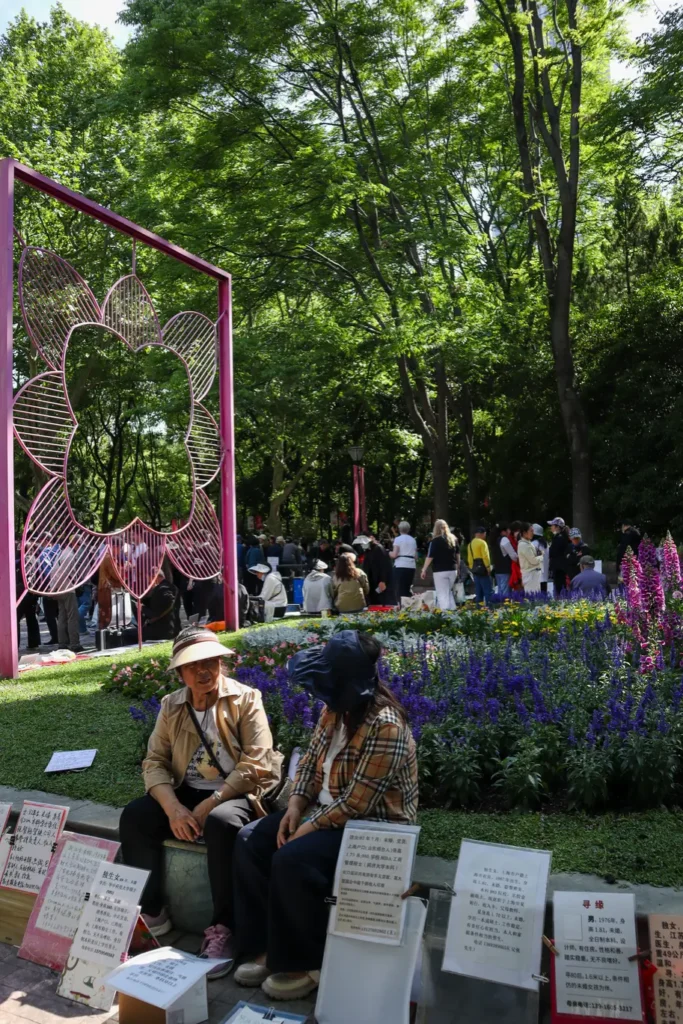
On your first day, start in People’s Park. If you’re visiting on a weekend, you might see the Marriage Market, which is one of the most fascinating cultural moments I’ve experienced in the city.
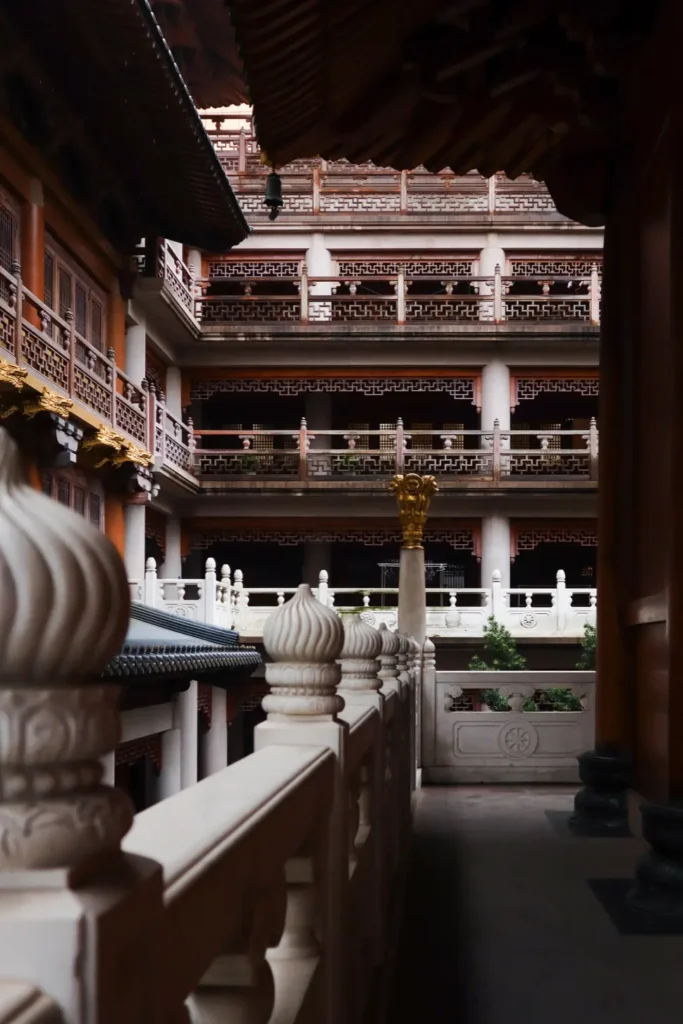
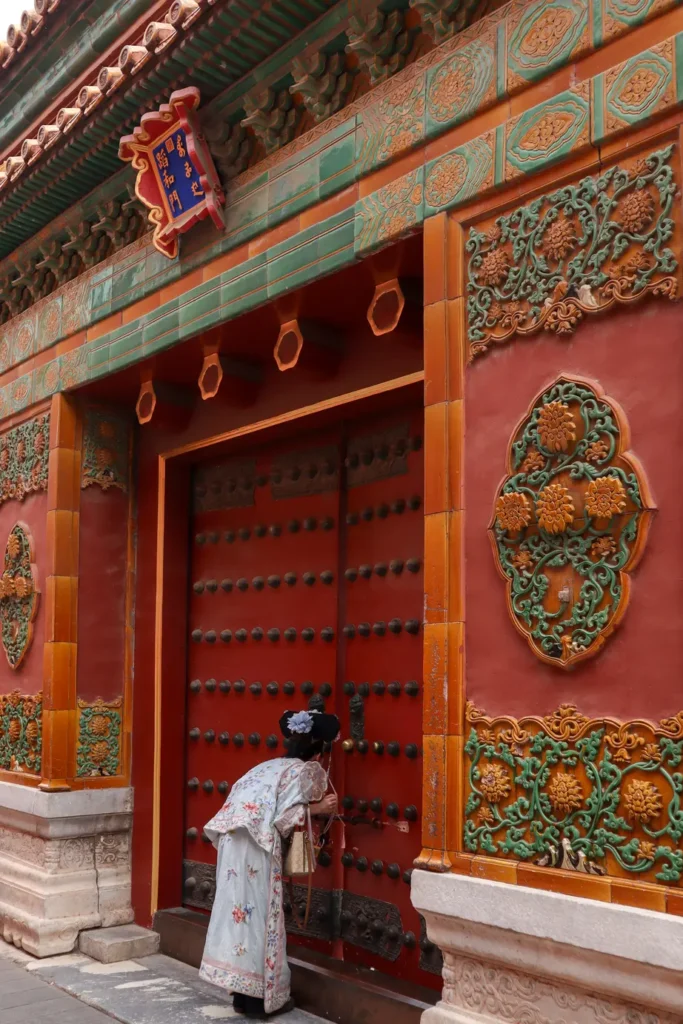
Later, make your way to Jing’an Temple. I loved the contrast here with the golden rooftops glowing among modern glass towers.
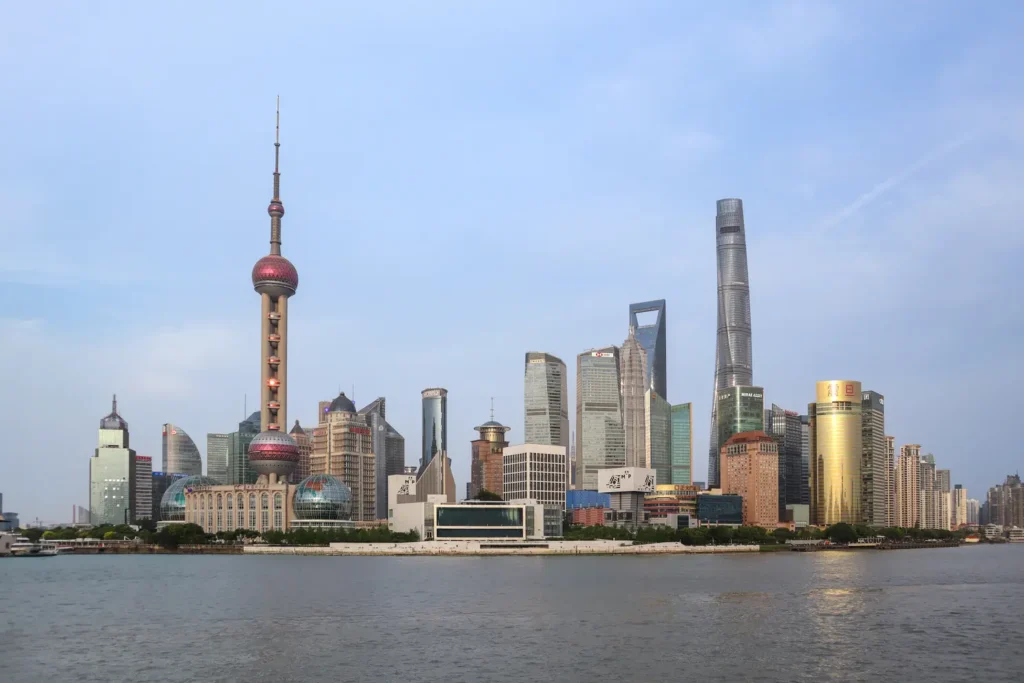
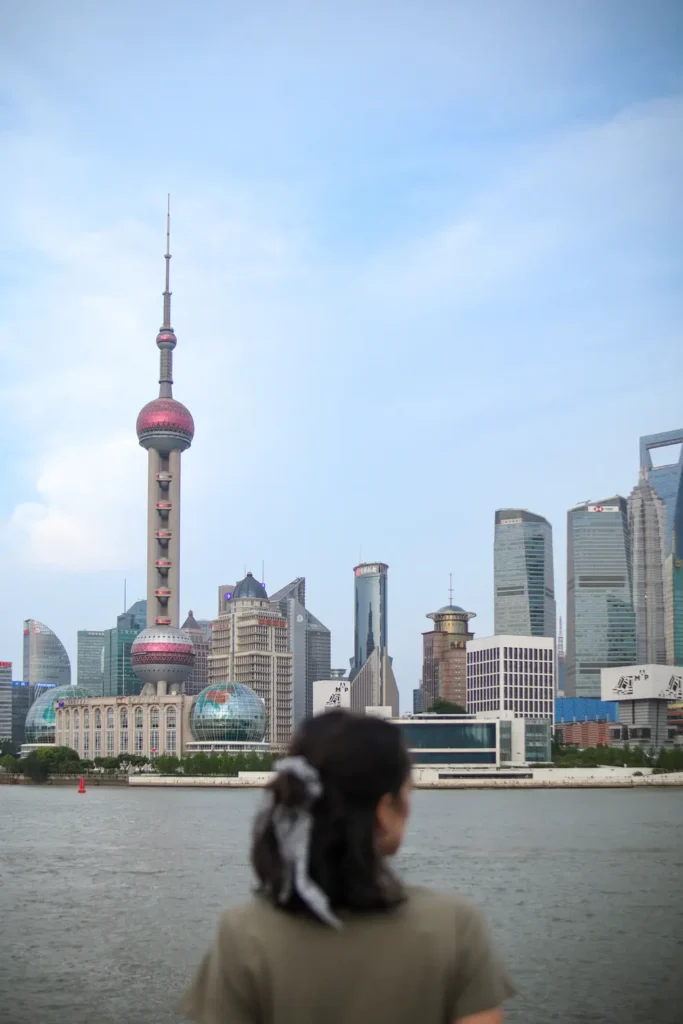
As the day turns into night, head to The Bund. This was one of my favorite memories in Shanghai. Standing there and watching the Pudong skyline light up felt surreal. I honestly didn’t expect it to be as beautiful as it was, but the way the lights reflect across the river makes the whole city feel alive.
On your second day, visit Yu Garden and Yuyuan Old Street. Yes, they’re popular and they can get crowded, but there’s something special about walking around there.
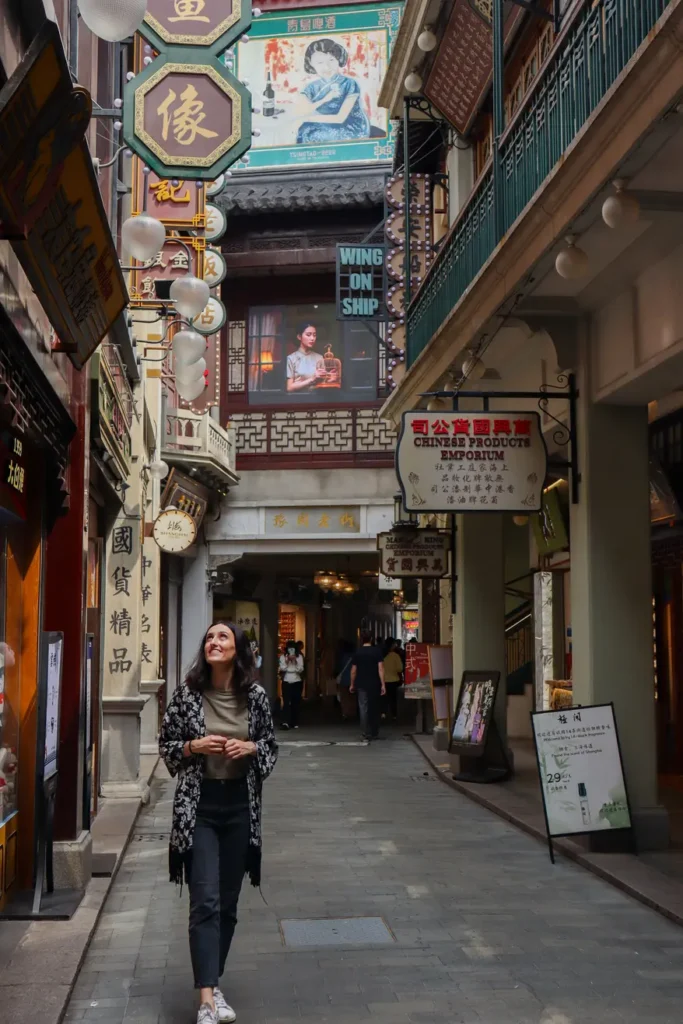

From there, head to the French Concession, where the pace slows down and the streets turn leafy and warm. I loved this area for its cozy cafés and slower rhythm.
Shanghai is big, but it’s easy to move around. The metro is fast and simple to use, and when you need to go further, DiDi works just like Uber.
👉 Read more: 2-day Shanghai itinerary
In the evening of Day 2, make your way to the airport and fly to Zhangjiajie. Flights usually take around 2 hours. Arriving at night works well. You’ll rest and be ready for Tianmen Mountain first thing in the morning.
Use the search tool below to find the best prices for your travel dates and book your flights and hotels in just a few clicks.
Day 3: Tianmen Mountain, take the train to Fenghuang and start exploring Fenghuang
- 🚶 How to get around: Cable cars and walking at Tianmen, walking only in Fenghuang
- 🚆 Transfer: Afternoon high-speed train from Zhangjiajie to Fenghuang (about 1h)
- 😴 Where to sleep: Fenghuang (Phoenix Qingcheng Mountain Water)
Your day starts early in Zhangjiajie with a visit to Tianmen Mountain.
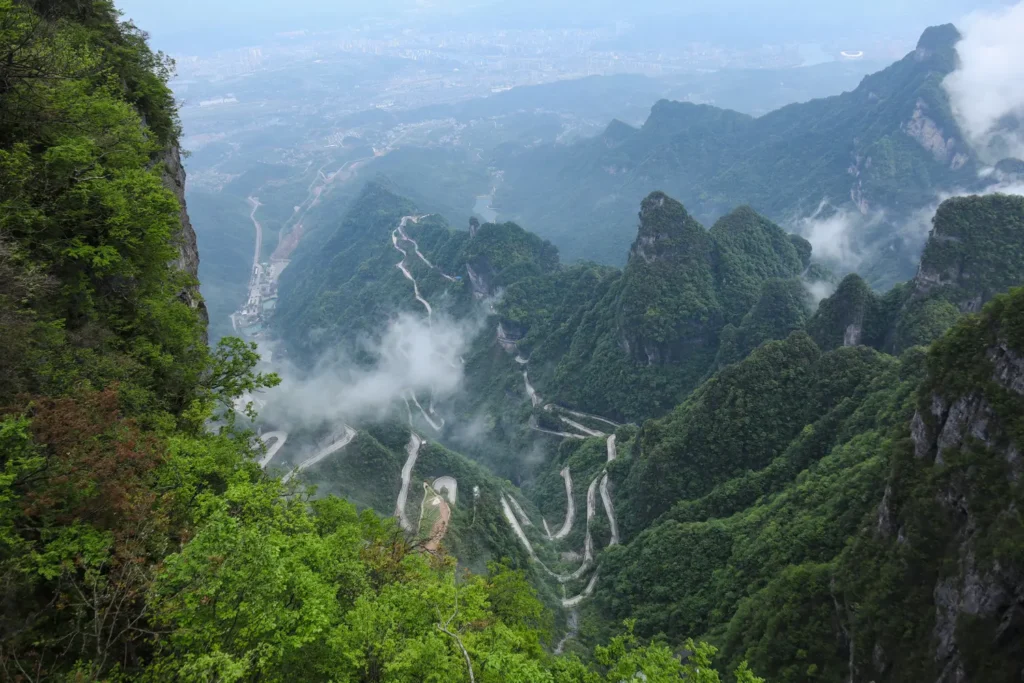
Riding the long cable car up into the clouds is one of those travel moments you don’t forget. The cliffs, the glass walkways, the view over the 99-bend road climbing the mountainside… it all feels surreal.
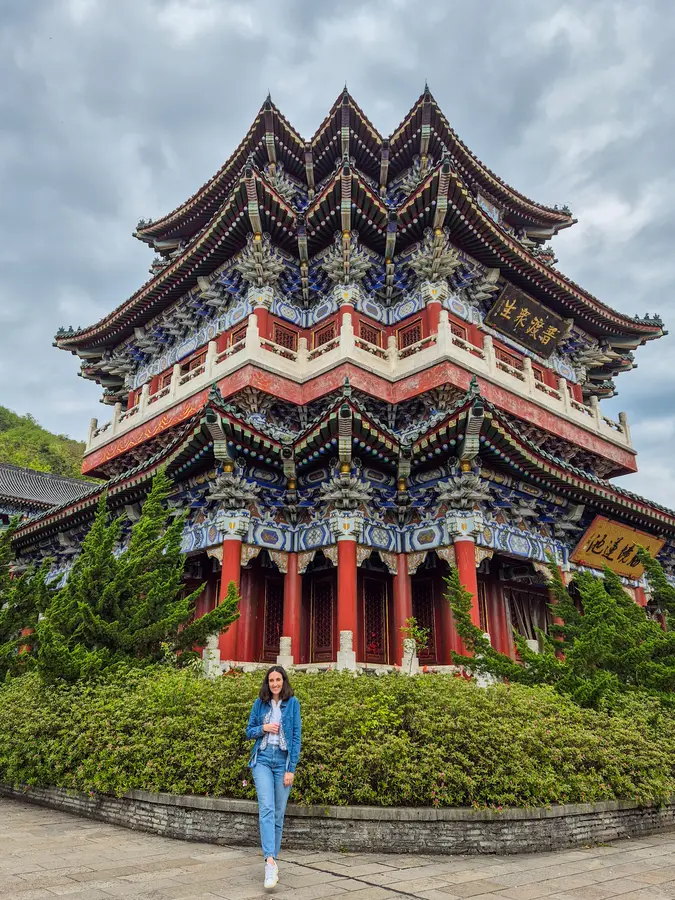
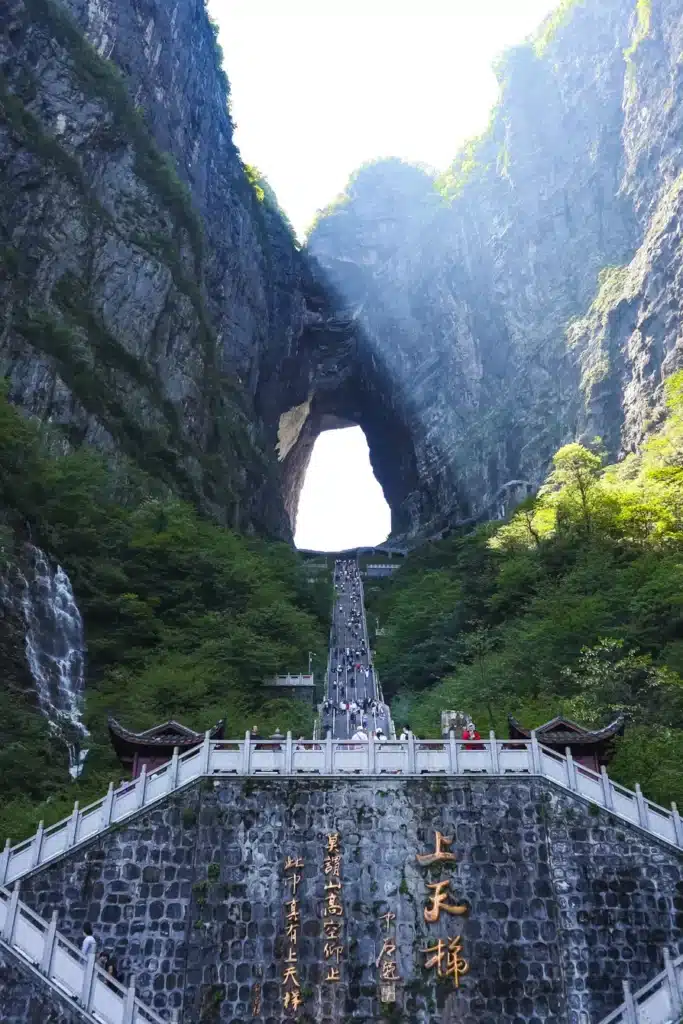
I followed Route A, which takes you up on the grand cable car, around the cliff paths at the summit, and then down toward Heaven’s Gate, the natural stone arch carved into the mountain.
The skywalk was one of my favorite parts. Not because it was extreme (it wasn’t), but because of how open and endless everything looked below my feet.
If you’re following this China itinerary, this is the day when you’ll start realizing that landscapes take over the big Chinese cities.
👉 Read also: How to plan your visit to Tianmen Mountain
By early afternoon, head back down to the city and take the train toward Fenghuang. It takes about 1 hour.
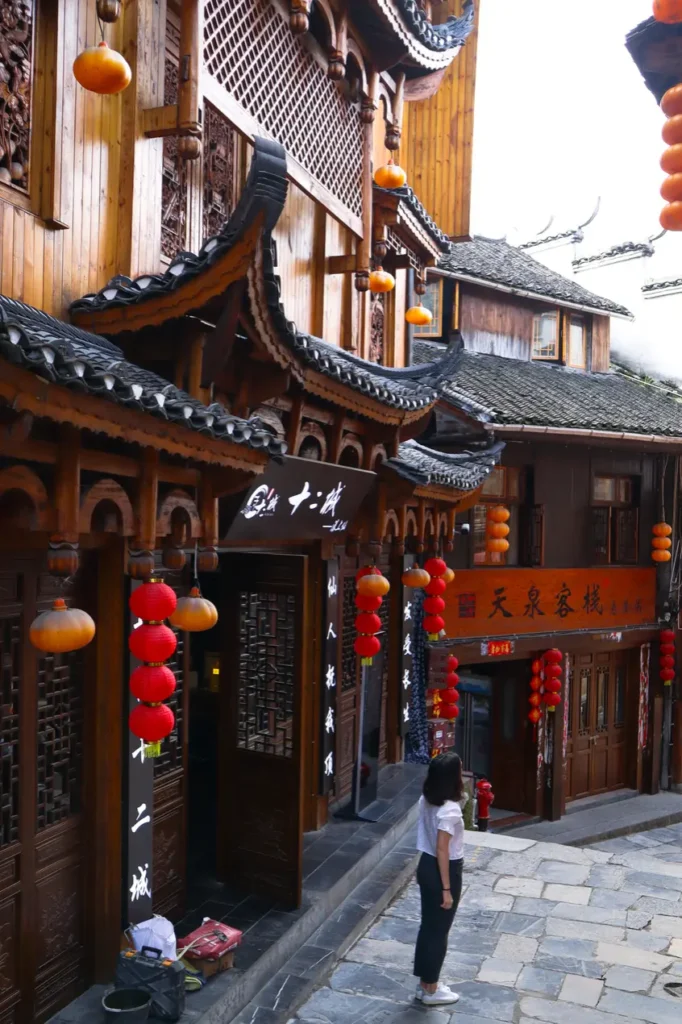
Fenghuang surprised me. I didn’t expect to like it as much as I did. Yes, it’s busy. But the landscapes with the Tuojiang River and the wooden stilt houses are incredibly beautiful.
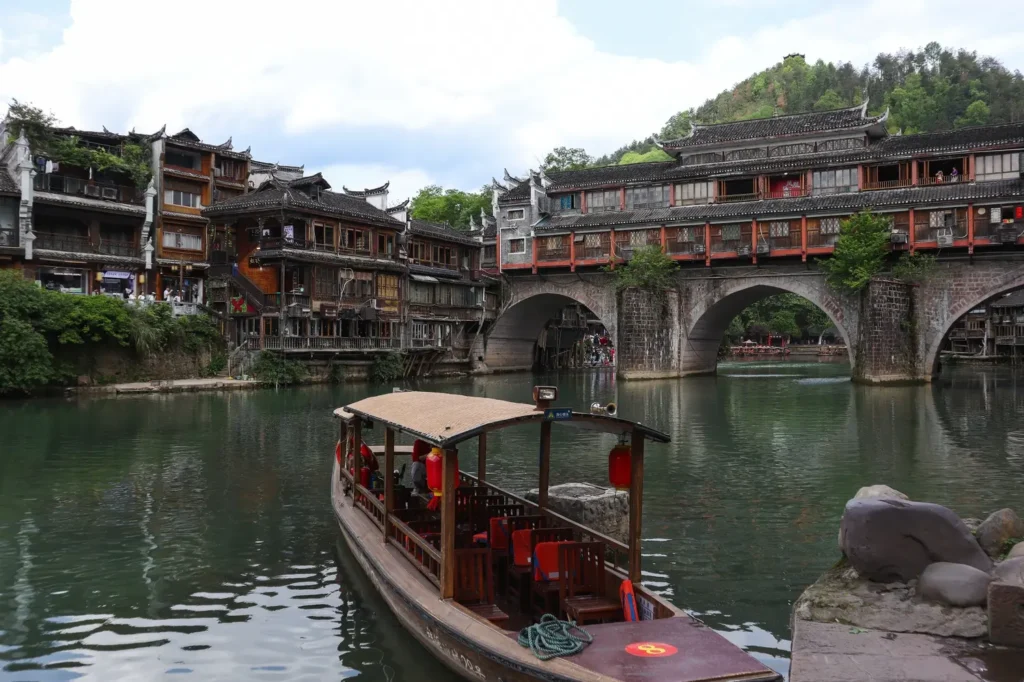
I loved simply walking along the riverbank, crossing the little stepping-stone bridge, and just watching the town move at its own rhythm.
There’s no need to rush here. Just let yourself wander.
👉 Read also: Best things to do in Fenghuang
Day 4: Explore more of Fenghuang, take the train to Furong and explore Furong
- 🚶 Morning plan: Slow riverside walk in Fenghuang
- 🚆 Transfer: Train to Furong (about 30–40 minutes)
- 🌉 Afternoon: Explore Furong Ancient Town and its waterfall
- 😴 Where to sleep: Furong (Tuwang Palace Waterfall Inn)
Start your day exploring a bit more of Fenghuang at a slower pace. Early hours are the best time to walk along the Tuojiang River since the stilt houses reflecting on the water feel different in the morning light.
By midday, make your way to the train station and head to Furong. The ride is short, and arriving early afternoon gives you plenty of time to explore.
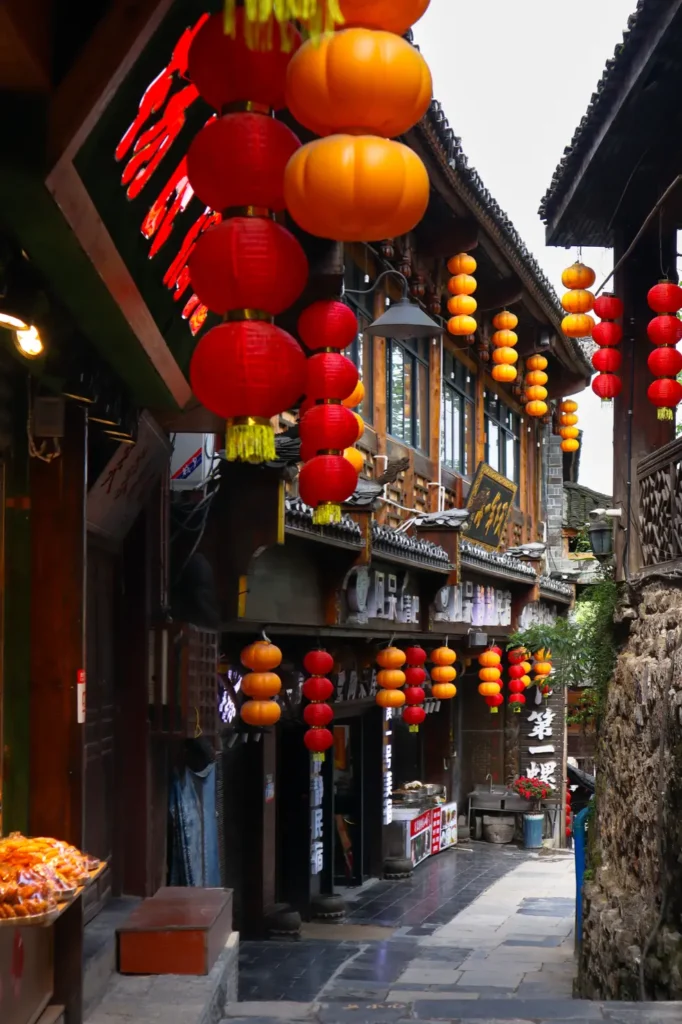
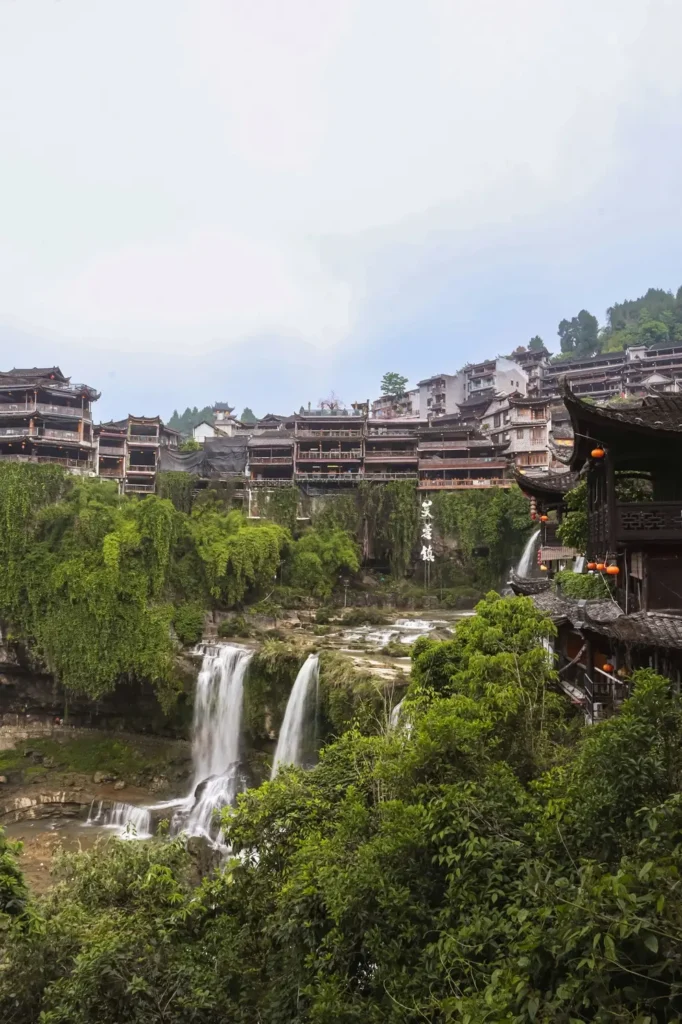
Furong is smaller than Fenghuang and feels quieter. The highlight is the waterfall that runs right through the center of the town. It’s simple, but seeing it tucked between the houses makes it feel almost unreal.
Just like Fenghuang, Furong becomes even more atmospheric at night. Lanterns reflect off the water and the pace slows right down.
Staying overnight inside the old town was actually one of the best moments of this trip to China. Waking up to views of the waterfall was absolutely priceless.
👉 Read also: What to do in Furong Ancient Town
Day 5: Take a train to Wulingyuan and begin exploring Zhangjiajie National Park
- 🚆 Transfer: Train from Furong to Zhangjiajie (usually to Zhangjiajie West Station)
- 🚶 Afternoon: First look at Zhangjiajie National Forest Park
- 😴 Where to sleep: Wulingyuan (Bei’an Qingshe Holiday Inn)
Leave Furong in the morning and take the train to Zhangjiajie. It’s a smooth and easy journey, and once you arrive, make your way to Wulingyuan, the town right beside the National Forest Park entrance.
Staying here saves time and makes the park days much more manageable.
If you arrive early enough, you can already spend part of the afternoon inside Zhangjiajie National Forest Park. Even just a few hours can feel spectacular here.
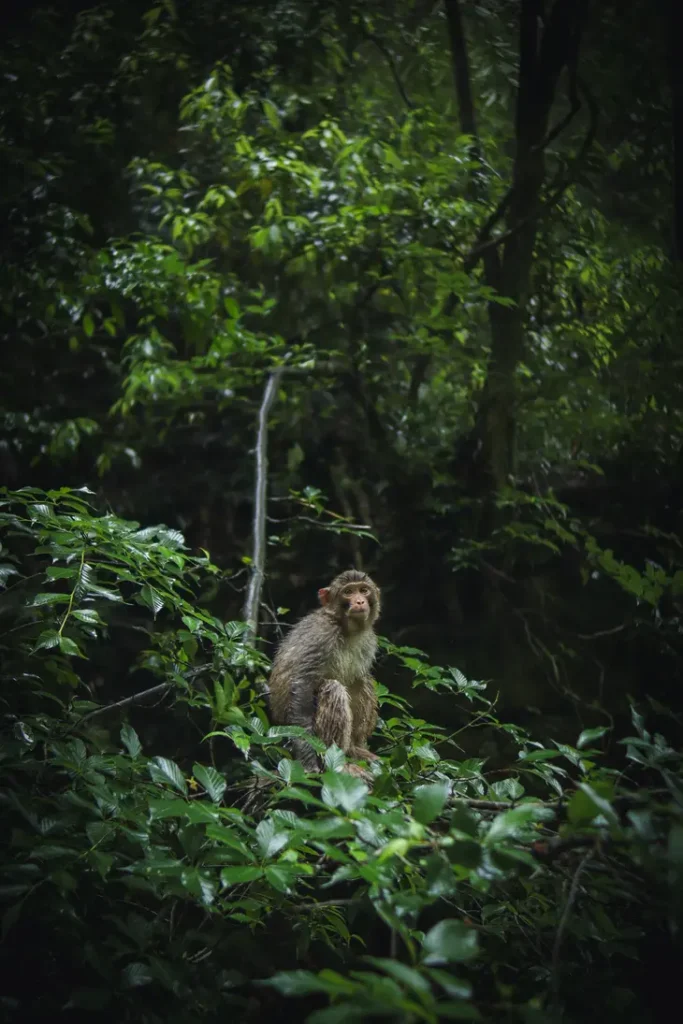
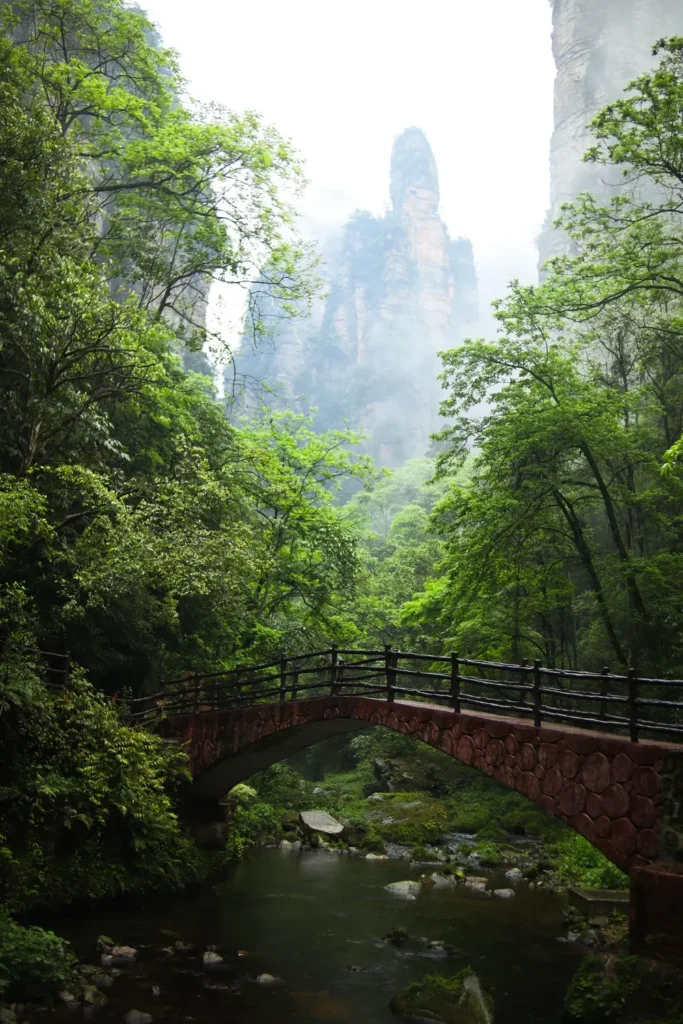
The sandstone pillar landscapes are unlike anything else. This is the place that inspired the floating mountains in Avatar. And seeing those rock formations was one of my favorite parts of this trip.
This first afternoon is not about rushing or seeing everything. Think of it as your soft introduction to one of the most iconic landscapes in the country.
Pick a short, accessible area. For example, Golden Whip Stream is a great option for a scenic walk with dramatic cliffs rising on both sides. It’s quiet, peaceful, and the perfect way to ease into the park.
Tomorrow will be your full park day, so there’s no pressure here. Just take your time and enjoy the atmosphere.
👉 Read also: How to plan the perfect itinerary at Zhangjiajie National Park
Day 6: Take a train to Wulingyuan and begin exploring Zhangjiajie National Park
- 🚶 Main activity: Full day exploring Zhangjiajie National Forest Park
- 😴 Where to sleep: Wulingyuan (Bei’an Qingshe Holiday Inn)
Today is your full day to explore Zhangjiajie National Forest Park. This is, by far, one of the best tourist attractions in China and honestly, one of the most unforgettable landscapes I’ve ever seen.
The towering sandstone pillars, deep gorges, and misty viewpoints make the place feel out of this world.
There are many trails, cable cars, and shuttle routes inside the park, so having a plan makes all the difference.
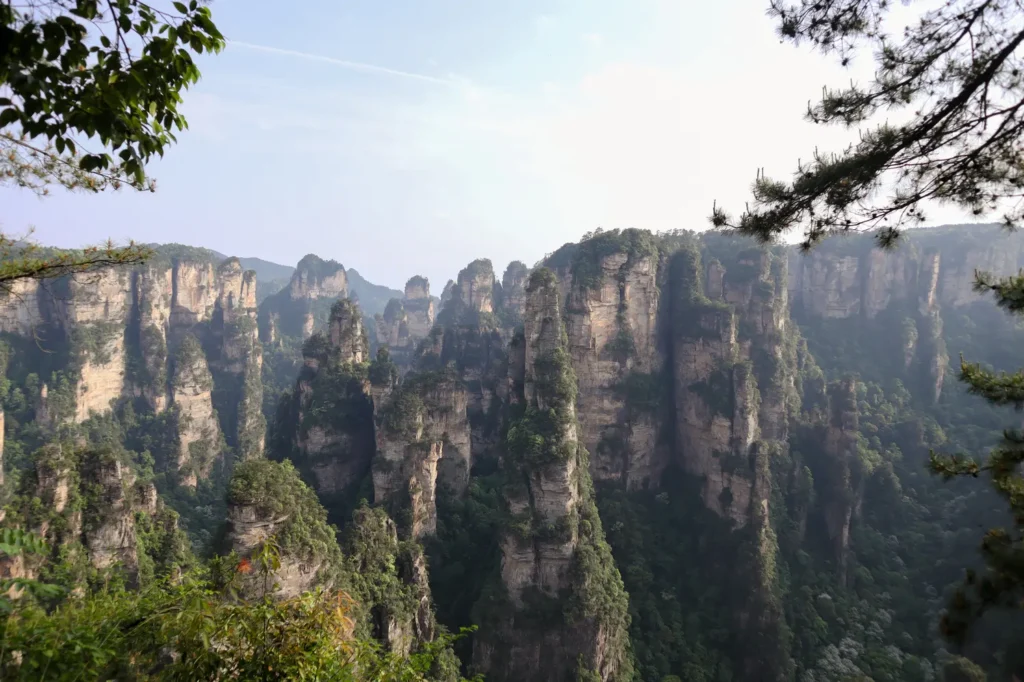
I recommend focusing your day on the Yuanjiajie and Tianzi Mountain areas. They offer the most iconic views and are ideal if you only have one main park day. You’ll get sweeping viewpoints, dramatic cliff edges, and those unmistakable pillar formations that make Zhangjiajie so otherworldly famous.
One of the highlights today is the Avatar Hallelujah Mountain viewpoint. It’s stunning, but also where crowds tend to gather. Come early if you can. The Tianzi Mountain cable car is also a great way to save time and energy while still catching incredible panoramic views along the way.
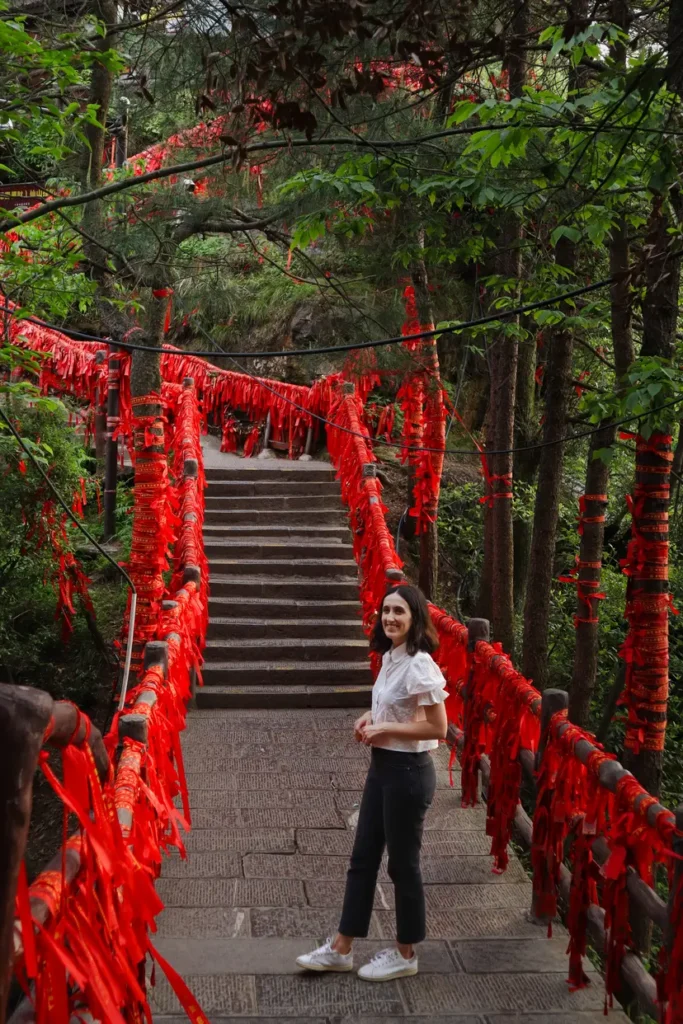
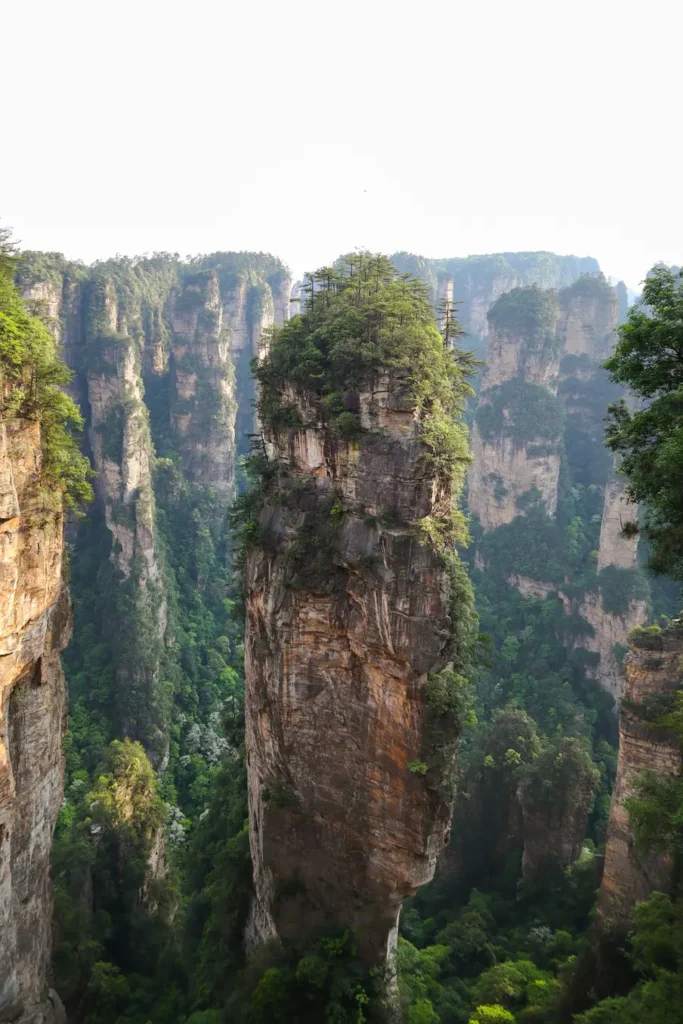
Zhangjiajie can feel overwhelming at first (the park is quite big), but once you understand how the internal buses, cable cars, and walking routes connect, the day flows well.
I broke down the exact route I followed, including which paths to take, where to start, and how to avoid the longest queues in my detailed guide about Zhangjiajie.
Day 7 & 8: Take a train to Guilin (Xingping) and explore Xingping
- 🚆 On day 7, take 2 trains to reach Xingping
- 🚶 How to get around: Walking in Xingping mostly
- 😴 Where to sleep: Xingping (Xingping Inn)
Day 7 is mostly a travel day, and there’s no way around it. The train ride to Guilin is long (around seven hours), but it’s comfortable. I used this ride to rest, look out the window, and take a break from the busy days before.
Once you arrive in Guilin, keep in mind that Guilin isn’t just one city. It’s a whole region known for karst mountains, rivers, and quiet countryside villages.
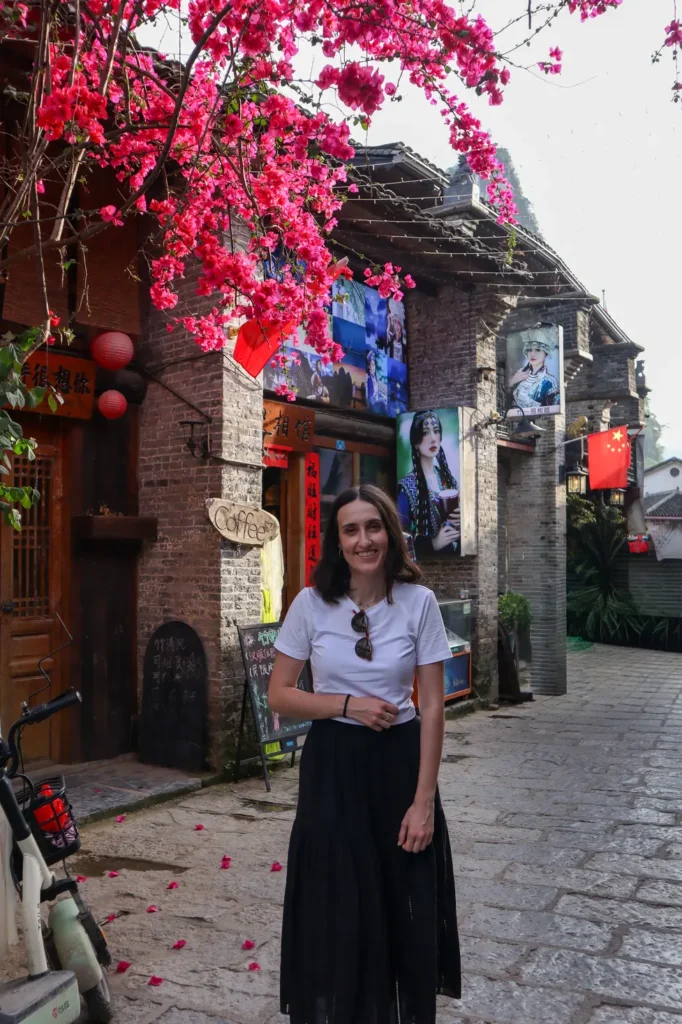
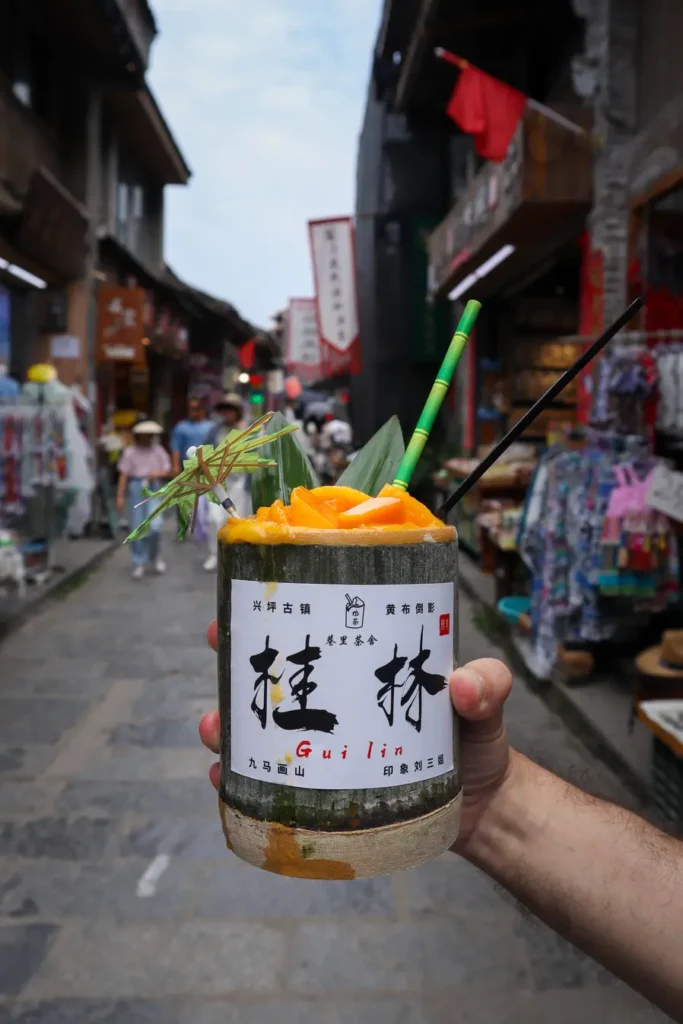
Most travelers choose between Yangshuo (more developed, with cafés and nightlife) and Xingping, which still has a more authentic, small-town feel. After reading a lot of reviews and watching videos, I decided to stay in Xingping, and I’m so glad I did.
If you also decide to stay in Xingping, once you arrive in Guilin, you’ll catch a second train to Xingping, which is quick and easy.
Once you arrive in Xingping, drop your bags at your hotel. I stayed right in the center at Xingping Inn and it was probably the best hotel I’ve stayed at during my time in China.
This should be a long day already, so spend the rest of it wandering the old streets of Xingping. The historic center is small, but that’s what makes it nice. Just take a slow walk, find dinner somewhere local, and enjoy this town.
On day 8, start the day by walking through the old town again. The early hours are the best time since shops are opening and the streets are quieter.
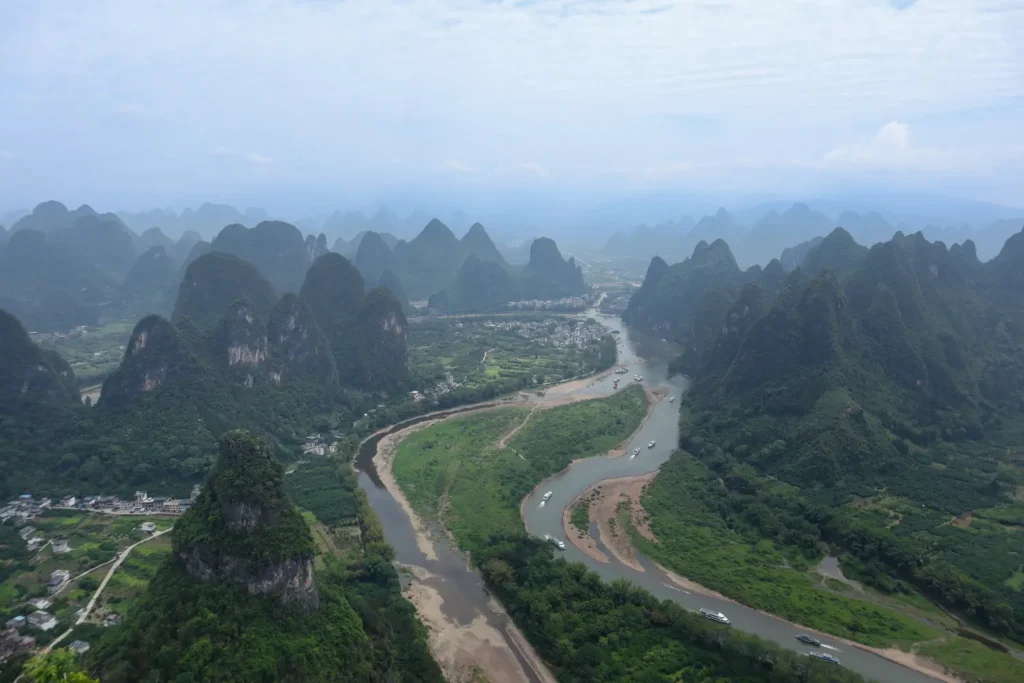
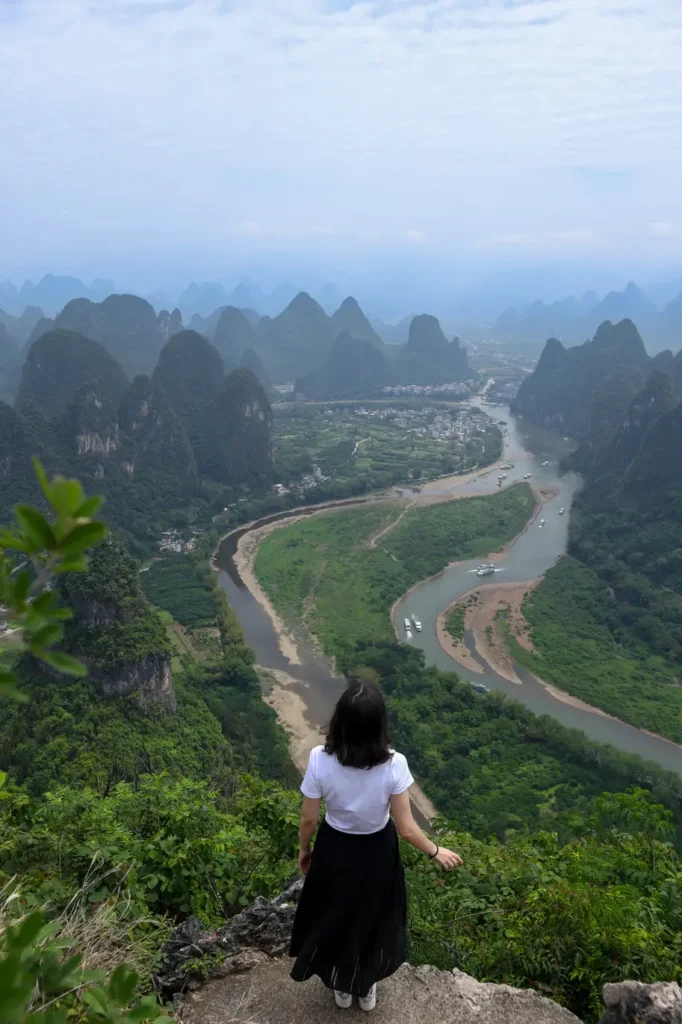
Even though there are several viewpoints around Xingping, we decided to hike up to Damianshan (大面山). It turned out to be one of the most memorable experiences of the whole trip.
To get there, you’ll first need to cross the river by ferry, which only takes about 2–3 minutes and costs less than 1€.
On the other side, there was a local woman waiting who offered transport to the start of the trail. We accepted, and the round-trip ride cost about 12€ for two people. Looking back now, it was totally worth it, considering the hike doesn’t start right at the riverbank.
The trail itself is steep. It’s consistently uphill and it took us around 35–45 minutes to get to the top. It was a tough one. But the moment you reach the viewpoint and see the Li River curving between the karst mountains, everything makes sense. It’s one of those views that makes you stop speaking for a bit.
It was, for sure, one of my favorite moments on this trip.
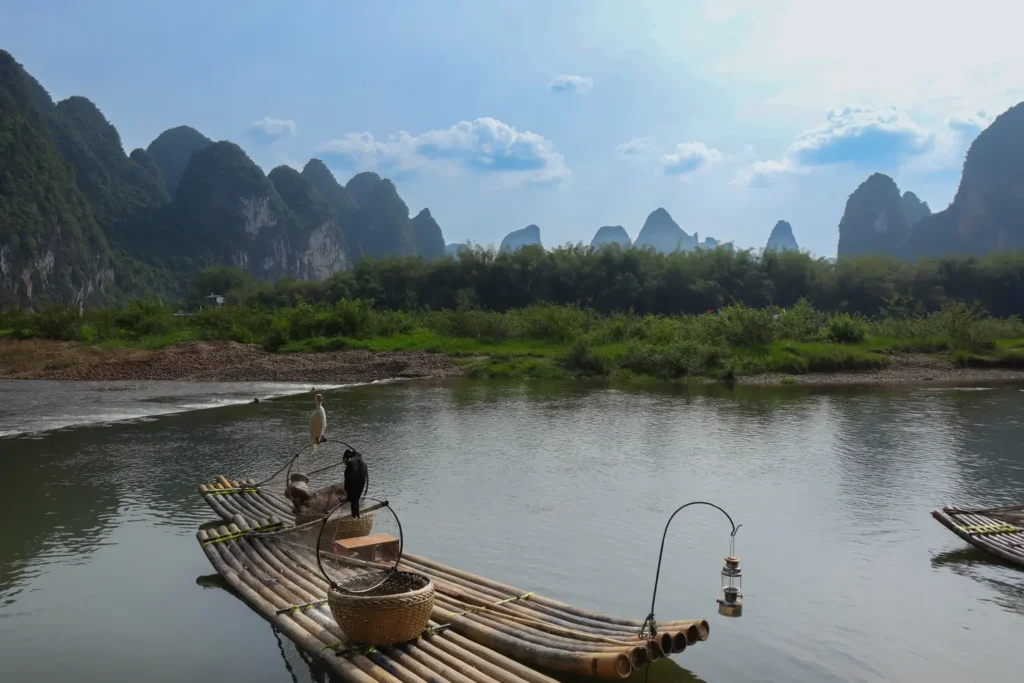
In the afternoon, you could take on another hike to a different viewpoint (e.g. Laozhai or Xianggong Hill). But to be honest, we were tired from the climb and decided to slow down instead. We spent the rest of the afternoon simply enjoying Xingping’s old streets, picking up snacks, sitting by the river, and just taking things in.
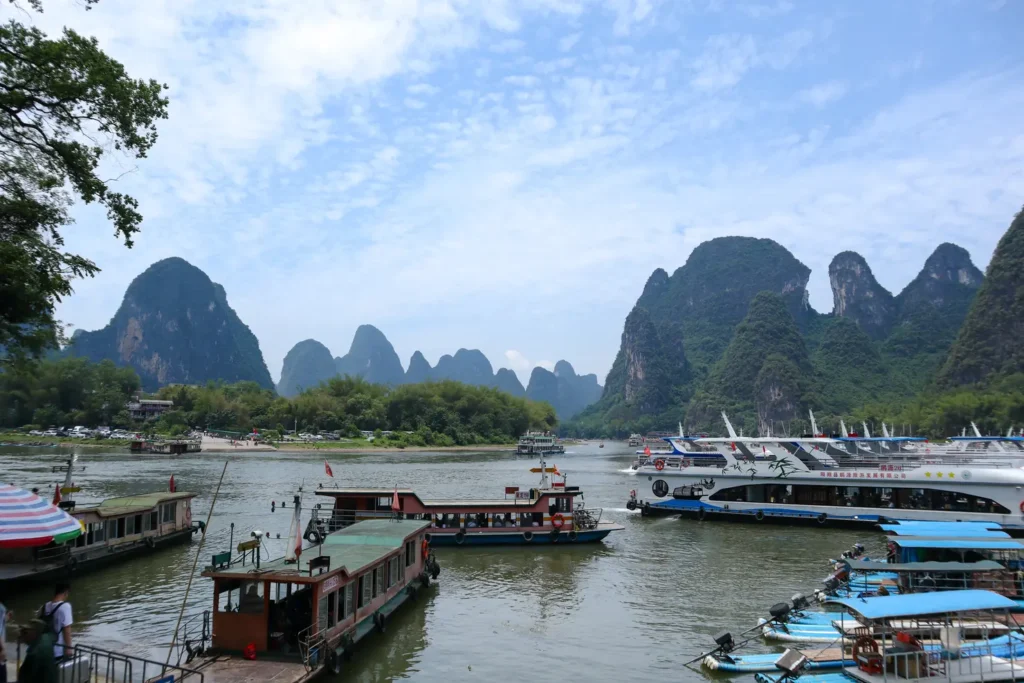
Before sunset, consider a Li River boat ride. It doesn’t need to be a long one… even a short crossing is beautiful when the sun starts to set. If you’re up for something more scenic, there are longer boat trips toward Yangshuo, but the landscapes are already stunning right here in Xingping.
Day 9: Take a train to Chongqing and start exploring Chongqing
- 🚆 How to get there: High-speed train from Guilin to Chongqing (around 4.5–5 hours)
- 😴 Where to sleep: Chongqing (SSAW Hotel Jiefangbei Hongyadong Branch)
Today you’ll travel to Chongqing, one of the most fascinating cities in China. The train journey is long but comfortable. And, when you step out into Chongqing for the first time, you’ll understand why this city is becoming quite popular.
Chongqing is often called China’s real-life cyberpunk city. The city is built vertically, climbing up hills and layered across different street levels. So, often you’re walking on what feels like the ground floor, while there are entire roads and neighborhoods right below you.
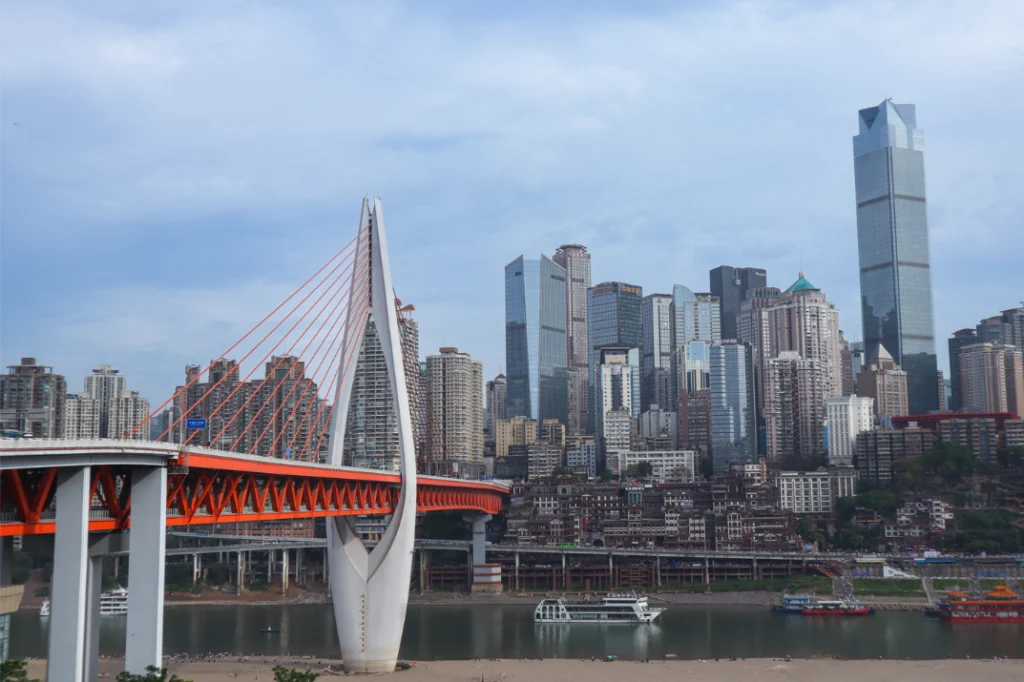
What really sets the city apart, though, is the contrast between day and night. During the day, Chongqing feels intense and chaotic, with steep streets, monorails weaving between buildings, and endless staircases. But at night, the whole skyline lights up. It’s absolutely worth experiencing both sides of the city.
Depending on the time you arrive, start by wandering through Longmenhao Old Street. It’s one of the few quieter corners of Chongqing, filled with traditional houses, tea shops, and great river views. It’s a nice way to ease into the city before the evening rush.
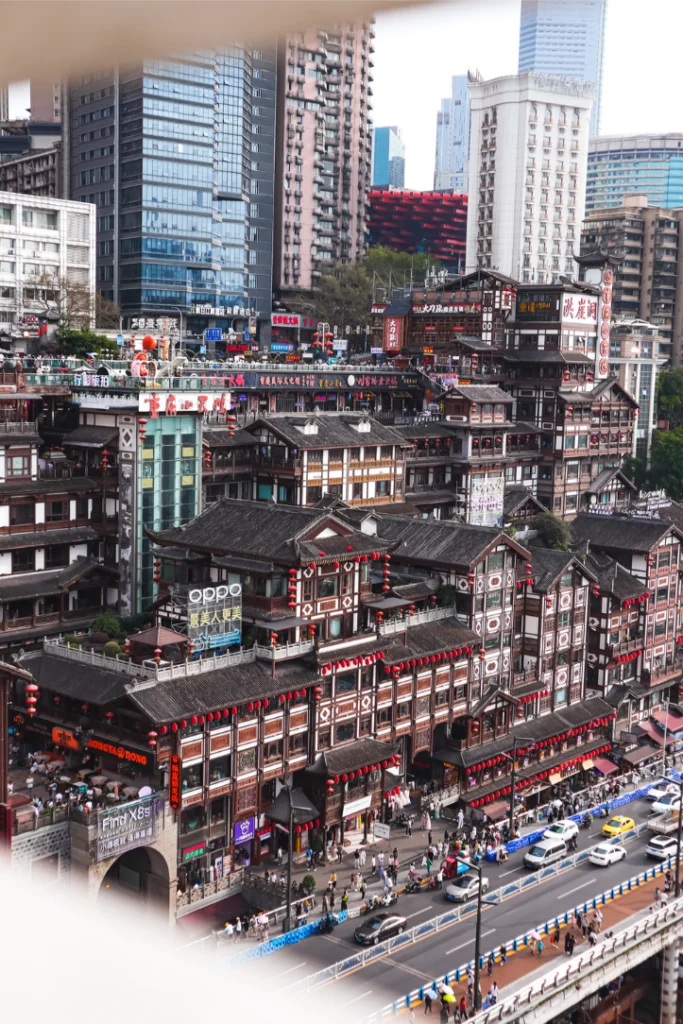
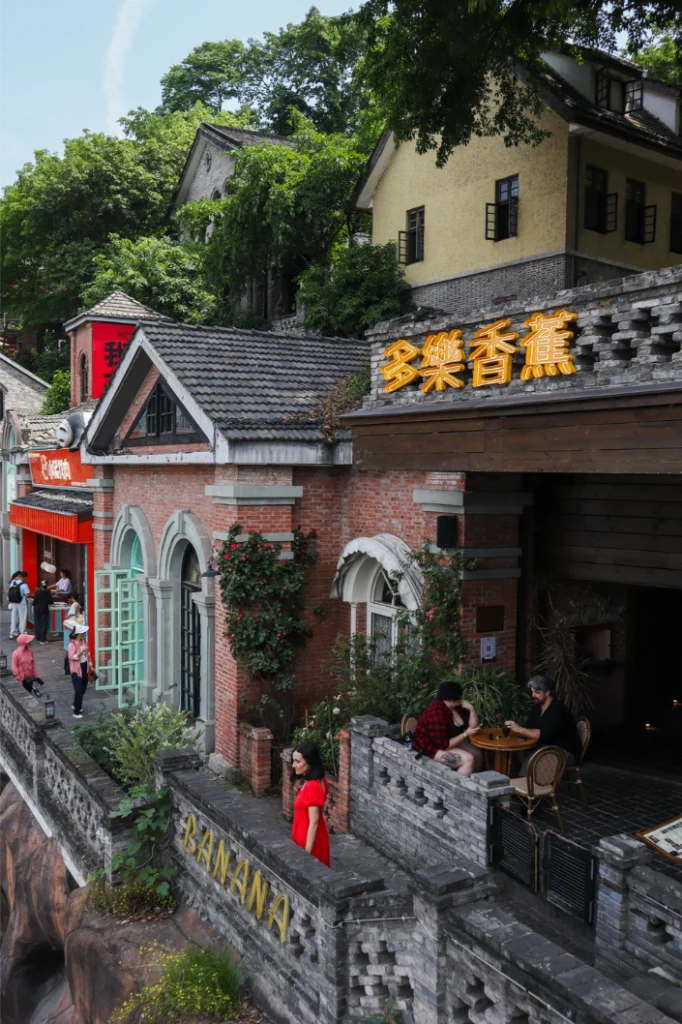
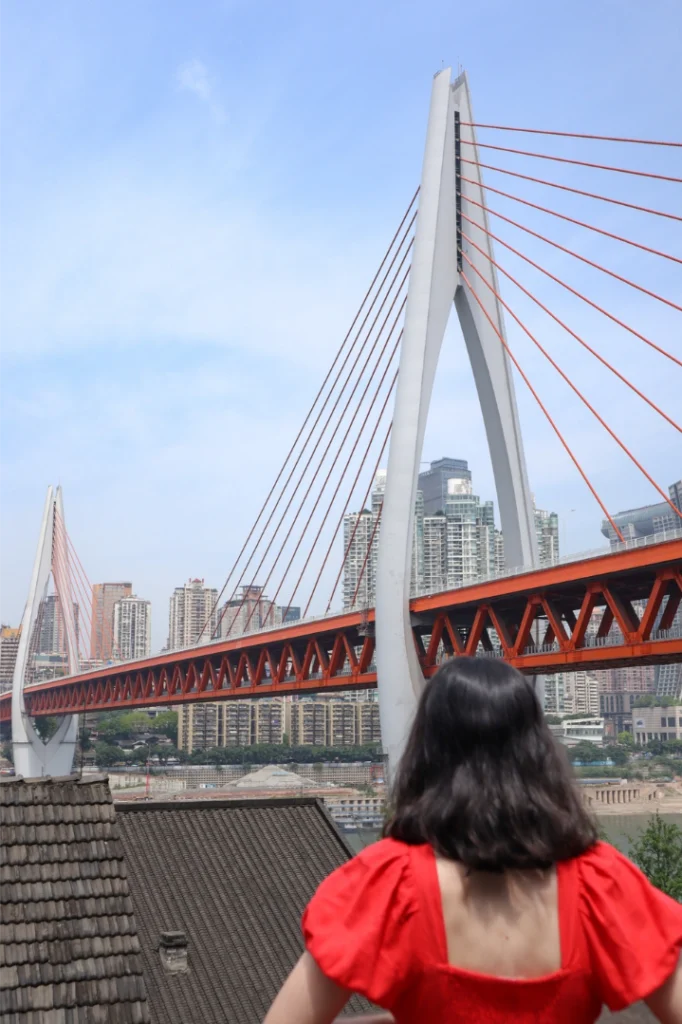
Closer to sunset, head towards Hongyadong Cave and Qiansimen Bridge. Time your visit so you’re there when the lights begin to glow. The moment Hongyadong lights up is when the whole area transforms and that’s when you’ll want to wander through it.
For dinner, try Chongqing hotpot. It’s one of the city’s most iconic meals. It’s quite spicy, but you can order a non-spicy broth. It’s fun, social, and exactly the kind of meal that suits the city’s energy.
If you’re lucky, you may also catch one of Chongqing’s drone shows, where thousands of drones create patterns and animations over the skyline. They’re not every night, but if there is one happening while you’re there, it’s worth staying out for.
👉 Read also: Best things to do in Chongqing
Day 10: Continue exploring Chongqing and take a train to Chengdu
- 🚆 Train: Chongqing to Chengdu (about 2 hours)
- 😴 Where to sleep: Chengdu (Local Tea Hostel Poshpacker)
If yesterday was all about neon skylines and night views, today you can enjoy a calmer version of Chongqing before moving on to Chengdu.
Start your morning at Eling Park. The park has stunning views over the skyline and it’s a nice contrast to everything happening below.
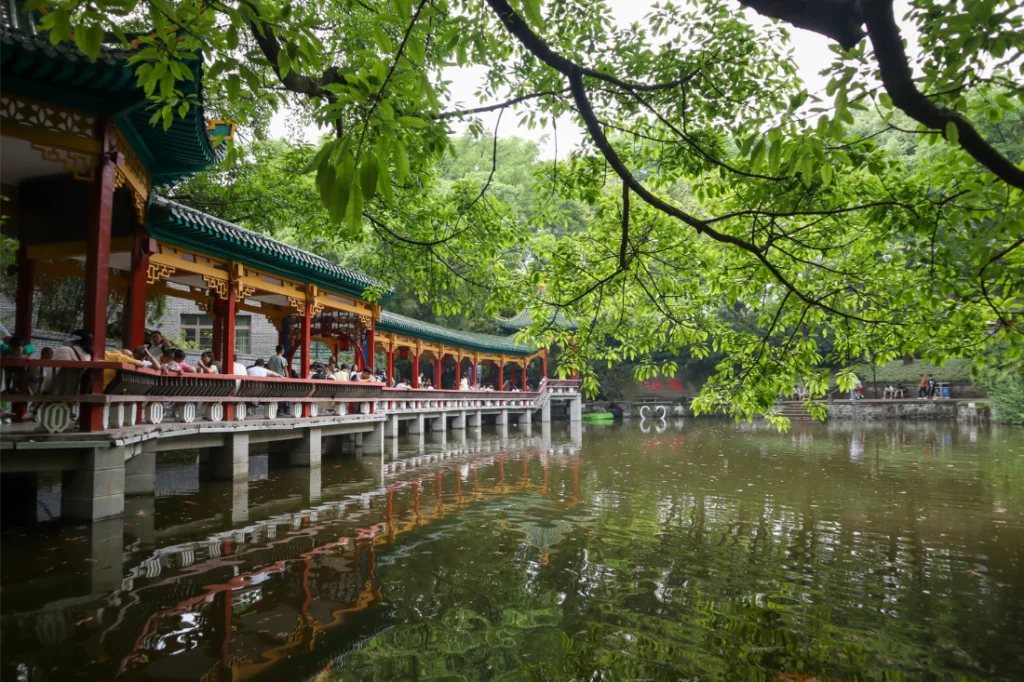
From there, head to Liziba Station to see the monorail that passes through an apartment building. It’s one of those “wait, how is this real?” moments that make Chongqing so unique.
For lunch and a final taste of the city, make your way to Jiefangbei. This is the modern heart of Chongqing, with busy streets, bright billboards, and plenty of places to grab a bite.
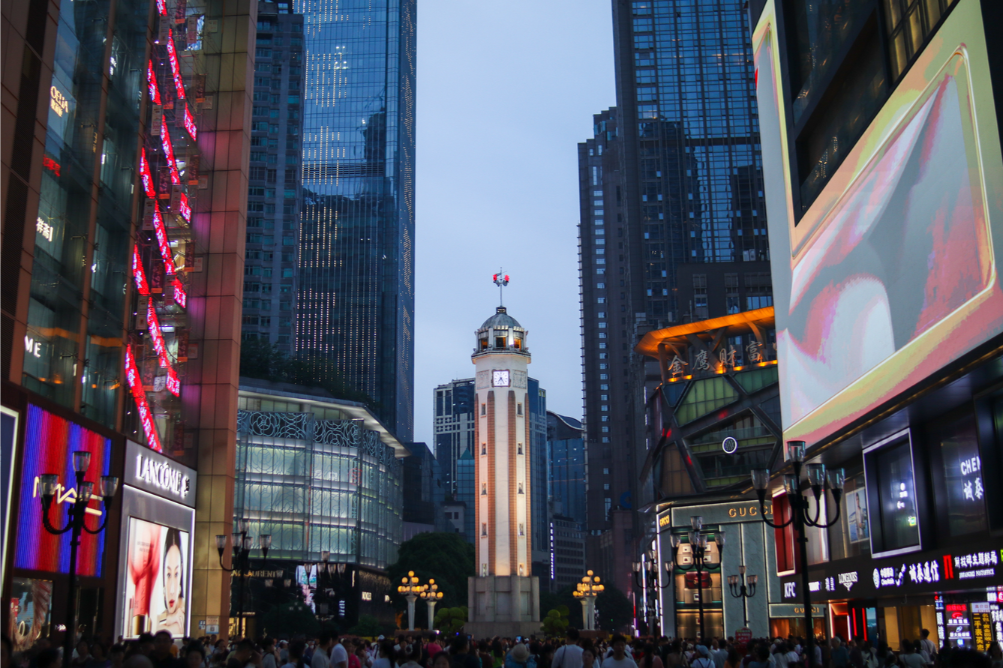
In the afternoon, take the high-speed train to Chengdu.
Once you arrive, drop your bags and head out for a relaxed first walk in the city. I recommend visiting:
- Kuanzhai Alleys: traditional courtyards, boutique shops, cafés, and an easy place to wander without thinking too much
- People’s Park: Grab tea, watch mahjong games, and get a glimpse of everyday Chengdu life
- Jinli Street: especially lovely in the evening with lanterns, street snacks, and a lively atmosphere

If you still feel like exploring afterward, head to Chunxi Road. This is where the city’s energy really comes through. You’ll find bright lights, shopping, and the famous giant panda climbing the building, and a 3D panda animation overhead.
And if you’re still feeling energetic, take a Didi to the Tower of Life to watch the skyline glow before heading back to your hotel to rest.
Day 11: Explore Chengdu and fly out to Beijing
- 🚶 How to get around: Walking mostly. Didi and metro for longer distances
- 😴 Where to sleep: Chengdu (Local Tea Hostel Poshpacker)
- ✈️ Fly out to Beijing at the end of the day
Let’s be honest! Seeing pandas is probably the main reason why people include Chengdu on their China itinerary.
So, head to the Chengdu Research Base of Giant Panda Breeding first thing in the morning. The earlier, the better. The pandas are most active during this time of day.
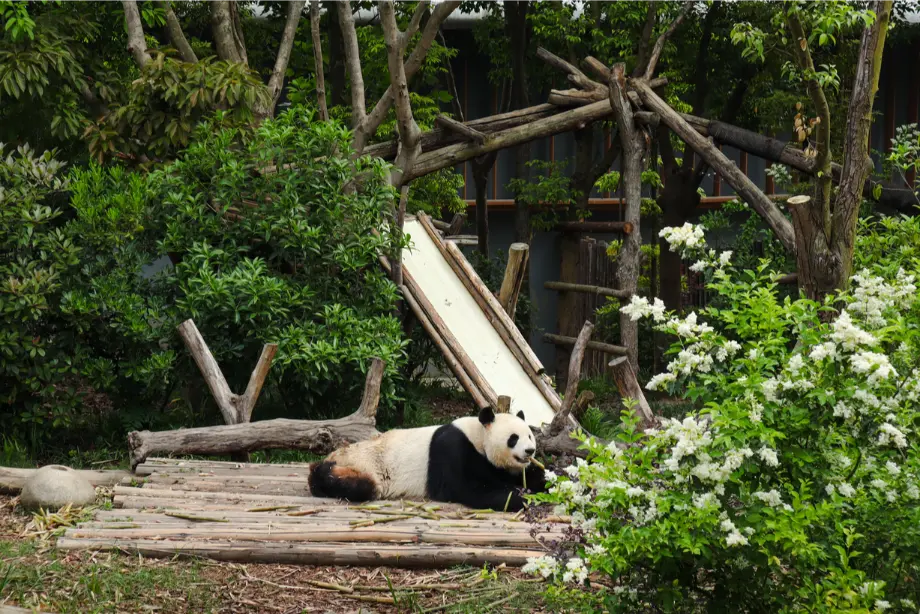
Plan to spend half a day at the research base. The park is bigger than you might expect, but it’s easy to move around and there’s even a shuttle service to make things smoother.
After the panda base, return to the city.
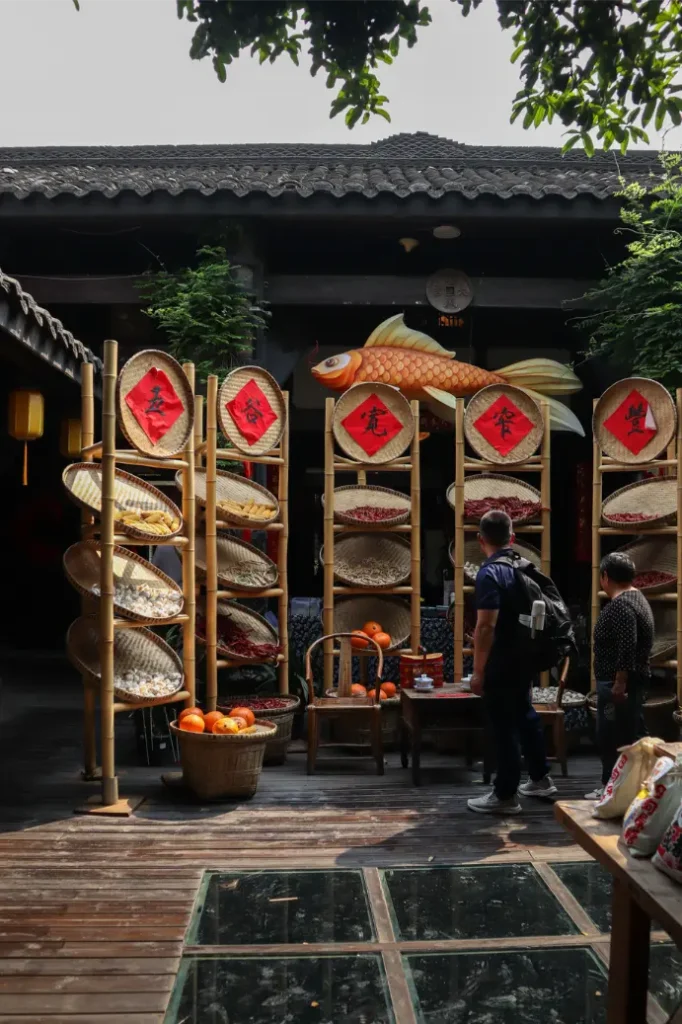
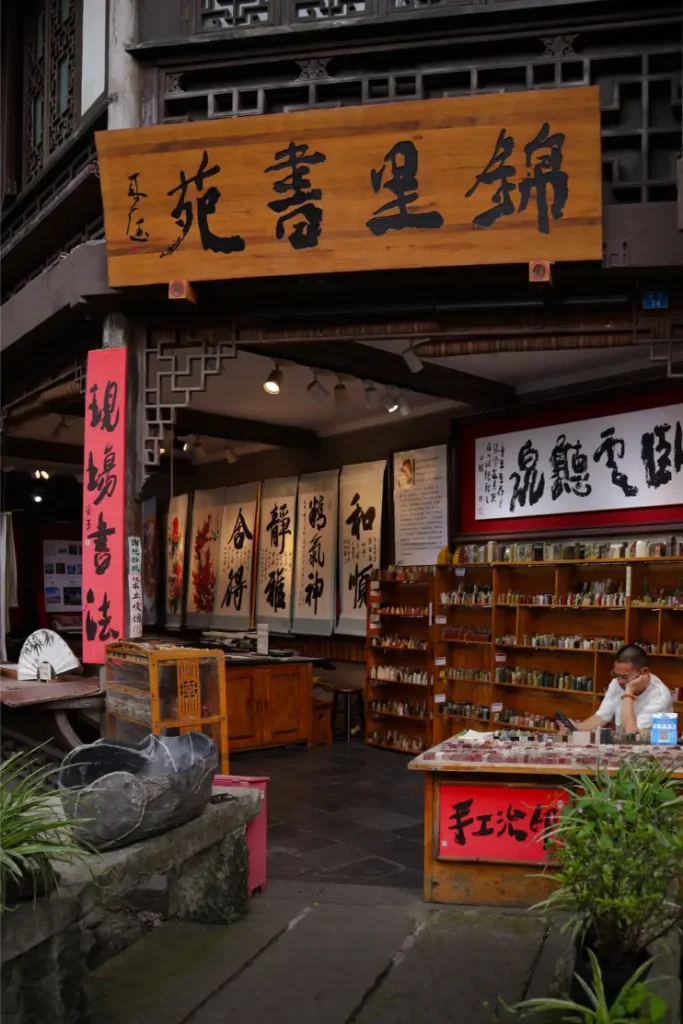
If you enjoy quiet cultural spots, head to Wenshu Monastery. It’s one of the most peaceful places in the city, with incense drifting between courtyards and locals stopping to pray. Alternatively, Wuhou Memorial Temple is a great choice if you want history and architecture. And it’s right next to Jinli Street, so you can pair the two easily.
👉 Read also: Chengdu itinerary
In the late afternoon, make your way to the airport and fly to Beijing, where the final chapter of your 2-week China journey begins.
Day 12 -14: Beijing
- 🚶 How to get around: Walking mostly. Didi and metro/buses for longer distances.
- 😴 Where to sleep: Sunworld Hotel Wangfujing
Beijing is where your trip ends, but in many ways, it’s where China’s history comes to life. Imperial palaces, ancient neighborhoods, huge public squares… everything feels monumental here.
You’ll also feel the contrast with Shanghai: Beijing is slower, heavier with history, and much more spread out.
Day 12 – The Forbidden City & Tiananmen Square
Start your first morning at Tiananmen Square. It’s an iconic place, but also a very symbolic one: huge, open, and always busy. Right across from it is the entrance to the Forbidden City, which is the highlight of the day. It’s big, so expect to spend a few hours walking through its palaces, courtyards, and bright red gates.
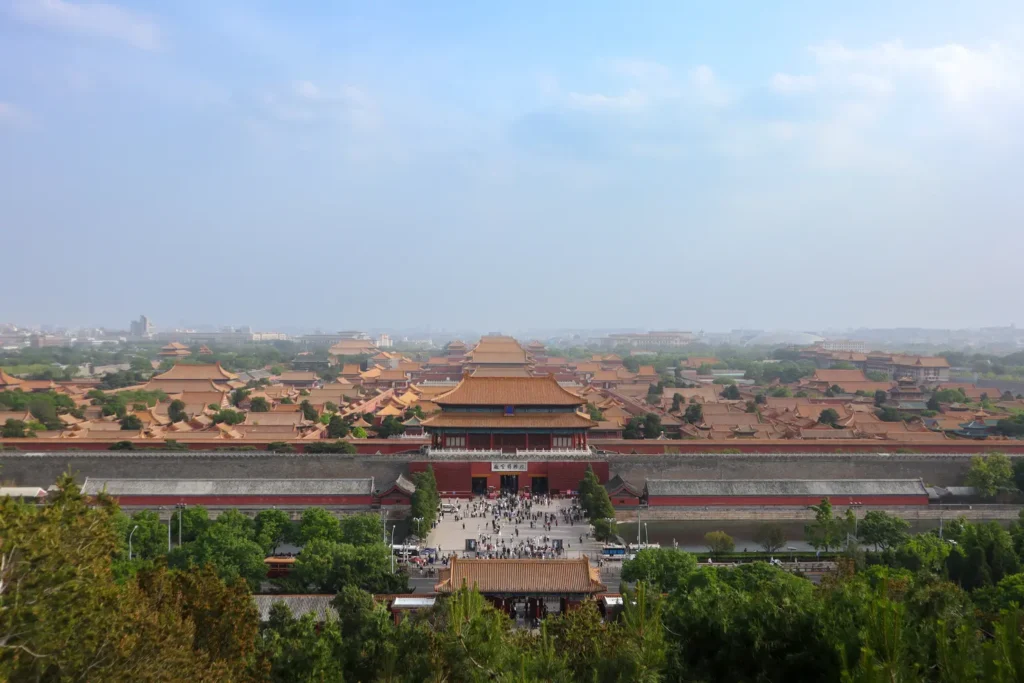
You’ll exit on the far north side near Jingshan Park. If you still have energy, it’s worth the short uphill walk to the top for a panoramic view of the Forbidden City rooftops. It’s especially nice near sunset.
In the evening, head to Houhai Lake and/or Nanluoguxiang for dinner and a walk.
👉 Read also: 3 days itinerary in Beijing
Day 13 – Great Wall at Mutianyu (Full Day)
Visiting the Great Wall is one of the highlights of any trip to China.
I went to the Mutianyu section, and I recommend it over the more famous Badaling. It’s less crowded, easier to walk, and the views stretch across rolling green mountains.
I took a Didi from Beijing to get there. It took around 1.5 hours on the way out (and a bit longer coming back because of traffic). If you prefer something more structured, there are direct shuttles like the MuBus, or you can join a small group day tour.
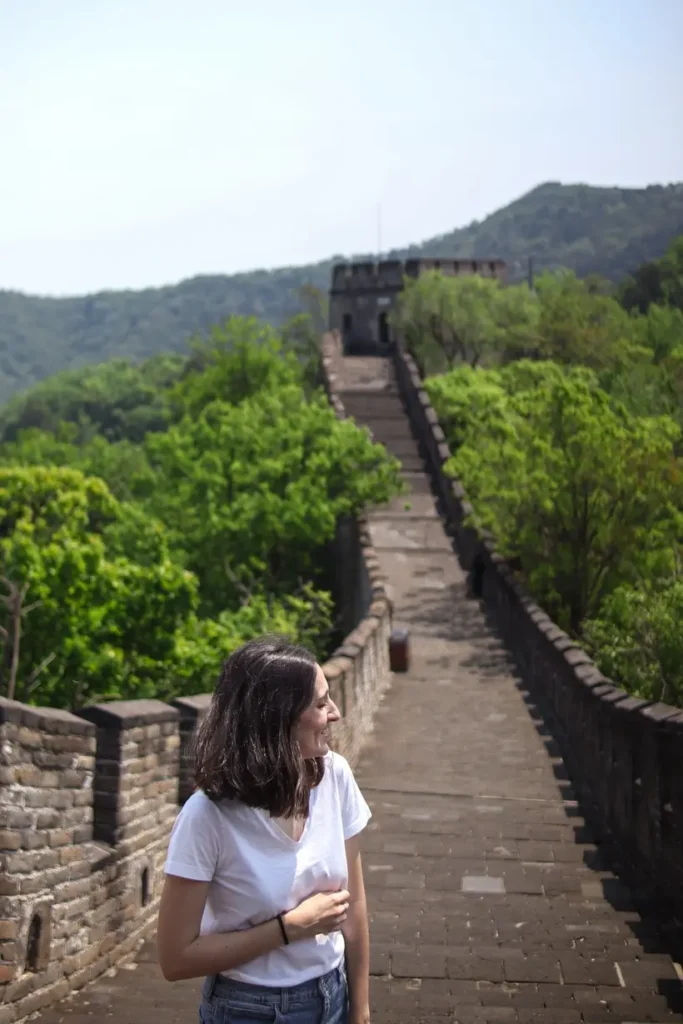

Once you arrive, you’ll take a quick shuttle bus to reach the base of the Wall, and then you have a few options for going up. I recommend the cable car up since it saves your energy for exploring the wall itself and the views on the way up are beautiful.
The moment I stepped out of the cable car and onto the Wall was surreal. I walked a good stretch toward the higher watchtowers, stopping to catch my breath and take photos… a lot of photos.
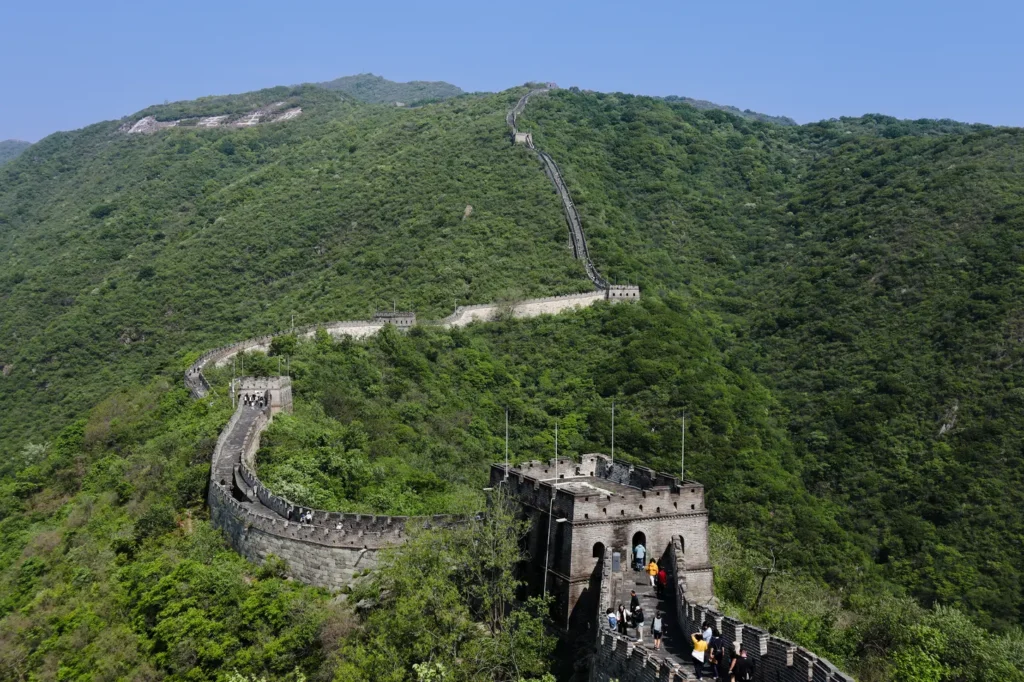
When it was time to come back down, I took the toboggan, and it was as fun as everyone says. I was nervous at first, but once I started moving, I couldn’t stop smiling. It’s such a unique way to end your Great Wall visit and something I highly recommend if you’re comfortable with it.
Expect to spend at least 3 hours on top of the wall itself. Go early to avoid crowds and heat!
👉 Read also: Plan your visit to Mutianyu
Day 14 – Summer Palace, Temple of Heaven & Hutongs
Start your last day in China at the Summer Palace, one of the most beautiful imperial gardens in China. It’s huge, lakeside, and much calmer than many other sights in Beijing. You can even take a boat ride across the lake.
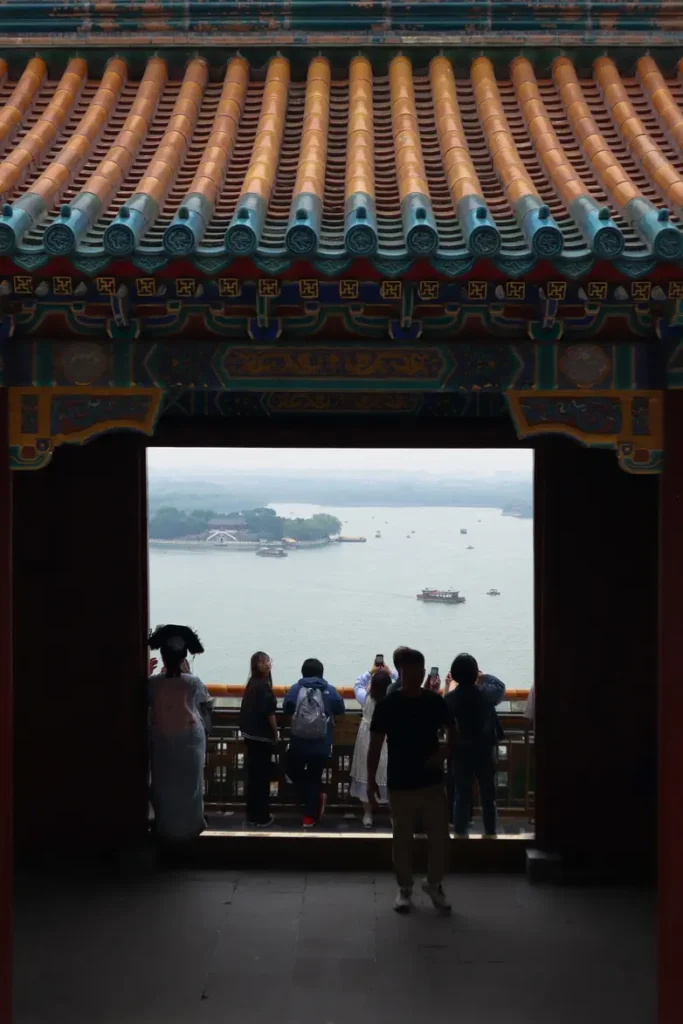
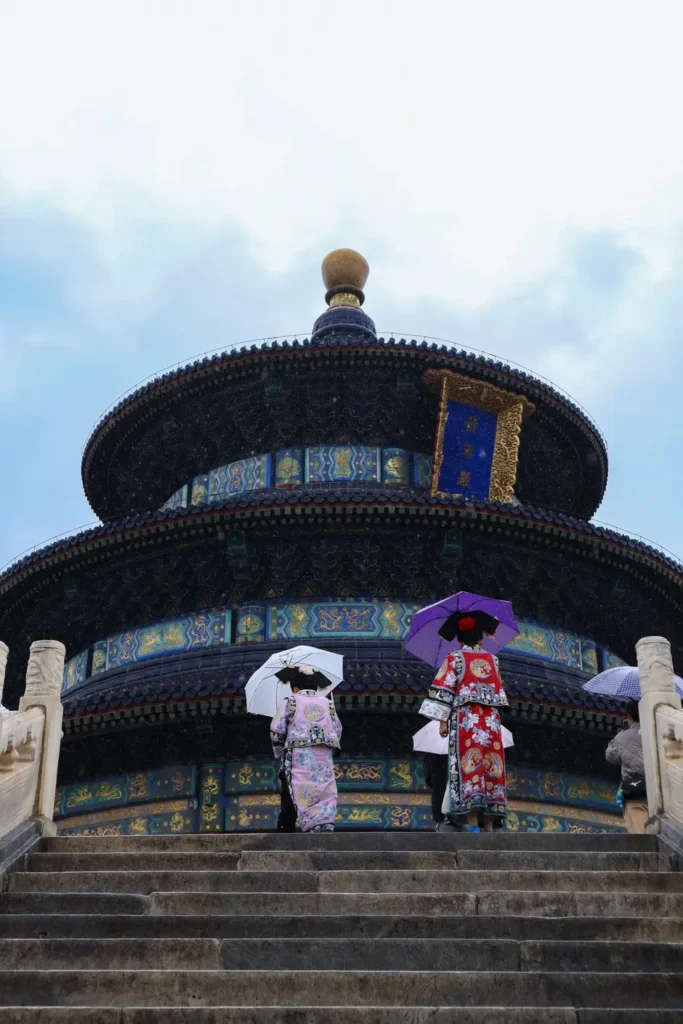
From there, head to the Temple of Heaven. The temple itself is stunning, but what truly makes this place special is the surrounding park. Locals gather here to dance, play cards, practice tai chi, and chat under the trees.
Next, make your way to Lama Temple (Yonghegong), a peaceful Tibetan Buddhist temple. Then walk a few minutes to the Confucius Temple.
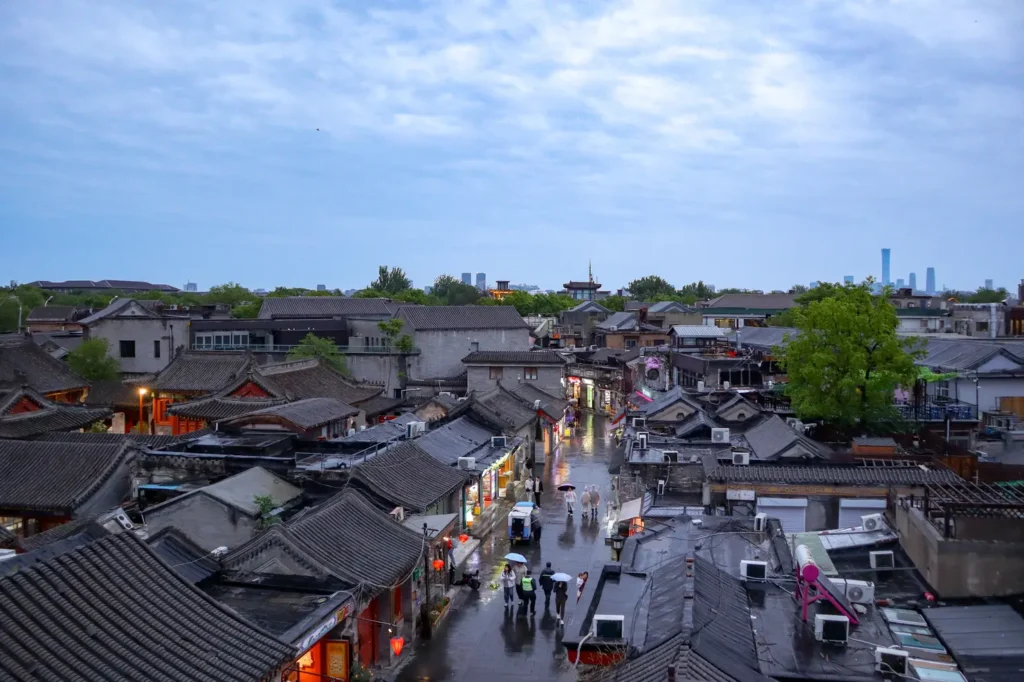
Finish your day in the hutongs near the Bell & Drum Towers. Wander the alleyways, stop for tea or coffee, browse tiny shops, and just enjoy the slower pace. This is a great spot to relax before heading to the airport.
Best time to visit China
The best time to visit China is during spring (April–June) and autumn (September–October). Temperatures are mild, skies are clearer, and it’s generally more comfortable for moving around cities and doing outdoor activities.
Summer can be very hot and humid, especially in the south, and it’s one of the busiest times to travel. Winter is cold (in some regions, freezing), but it can be a great option if you’re looking for lower prices and fewer crowds.
One thing I strongly recommend is avoiding Chinese national holidays, especially:
- Chinese New Year (January or February)
- Golden Week (October 1–7)
- Labor Day Holiday (May 1–5)
I visited during Labor Day, and it was unbelievably crowded. Train stations, national parks, and even small towns were packed to the point where moving around felt overwhelming. It’s definitely not the experience you want for your trip.
If this is your first time traveling to China, I suggest reading my full guide with useful travel tips for China, which includes weather notes, cultural tips, and planning advice.
How to get around China
You can’t legally drive in China as a tourist without a Chinese driver’s license, so the best way to travel around China is by train or domestic flights.
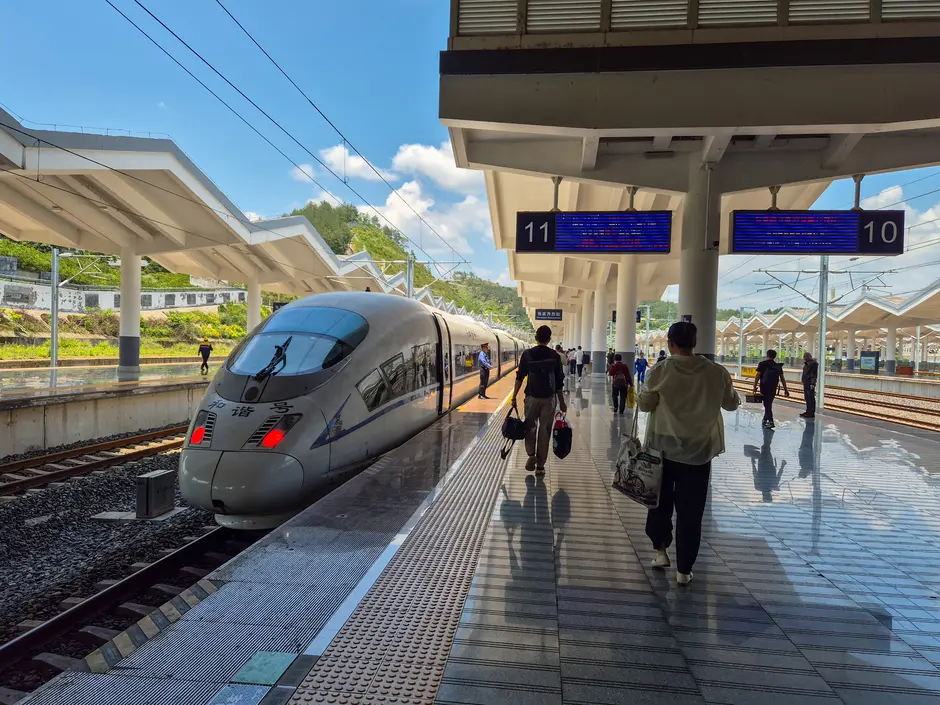
The good news? China’s high-speed train network is excellent. Trains are fast, punctual, clean, and connect almost every destination in this itinerary. They’re often easier and more comfortable than flying.
For longer distances or to save time, domestic flights are also widely available and usually affordable.
👉 Read also: How to get around China by train
Smart travel tips for first-time visitors
To make your China travel itinerary smoother, here are a few practical tips I wish I knew before going:
- Entry requirements for China: Many nationalities now qualify for visa-free entry in China. This makes it much easier to plan a trip there. Always double-check the latest rules before you fly, as policies can change.
- Must-have apps: You’ll need a few apps for transport, translation and payments. I listed them all in my guide on must-have apps in China.
- How to stay connected in China: You’ll need data constantly for maps, payments and translation. I recommend using an eSIM. Check out my review of using Airalo in China.
- Money: The currency is the Chinese Yuan (CNY). You don’t need cash since almost every place, from shops to street food stalls, accepts Alipay or WeChat Pay. I also used Revolut to avoid exchange fees.
- Language: Most people don’t speak English, especially outside major cities like Beijing and Shanghai. A translation app will be your best friend.
- Maps: Google Maps works poorly in many areas. Use Amap (Gaode Maps) for accurate navigation.
- Is it safe to visit China? Personally, I felt incredibly safe, both during the day and at night.
👉 Read also: Things to know before visiting China
Final thoughts on this China itinerary
If you’re planning your first trip to China, this route is a great balance of culture, nature, food, and city life. It brings together ancient wonders, mountain landscapes, small historic towns, and some of the best cities to visit in China.
For me, what made this trip so memorable was the contrast. One day, I’d be standing under the towering cliffs of Zhangjiajie, and a few days later I’d be wandering neon-lit streets in Chongqing or drinking tea in a quiet Chengdu park.
That constant shift in rhythm is what makes this feel like the best China itinerary for a first visit since it lets you experience several sides of the country.
And honestly, even after two weeks, I left wanting more. There is always another mountain trail, another temple courtyard, another night market, another story.
Have you visited China already, or are you planning your first trip? Which stop on this itinerary are you most excited about?
Disclaimer: this post may contain some affiliate links, which means I get a small commission if you buy something through my links. This doesn’t represent any additional cost to you and you’ll be supporting my work here on the blog😊