

If you’re planning 3 days in Beijing, you’re probably wondering how to make the most of your time and what to prioritize first. I get it.
Beijing can feel big and overwhelming at first glance. But with the right plan, you can see the best attractions in Beijing, explore the city’s historic heart, and even experience the Great Wall of China without feeling rushed.
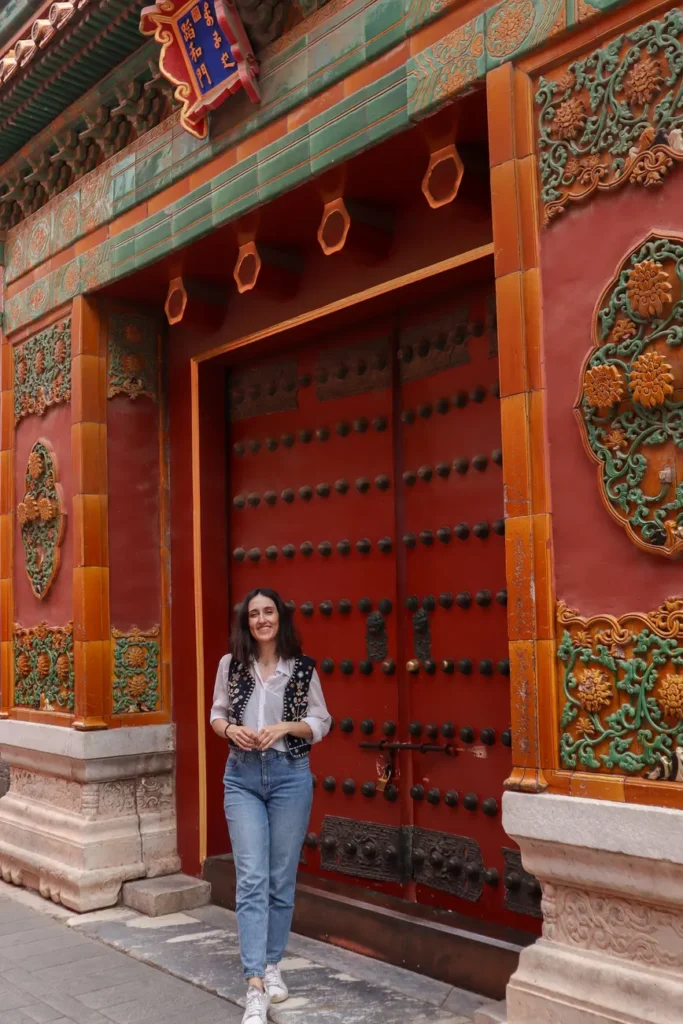
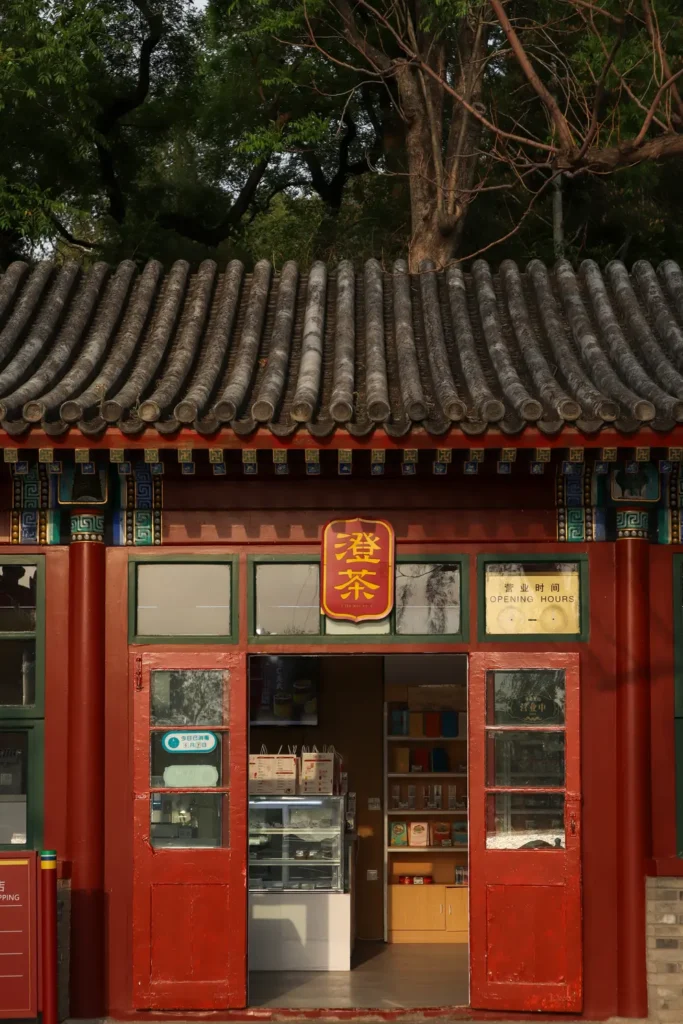
Before visiting, Beijing wasn’t actually the city I was most excited about in China. I had imagined something heavy and serious. But I ended up loving it. The city feels different from anywhere else in the country.
Shanghai felt modern and futuristic, but Beijing carries this weight of history that you can feel just by walking down the street. Ancient temples sit next to busy avenues. Traditional hutongs stretch around sleek subway stations.
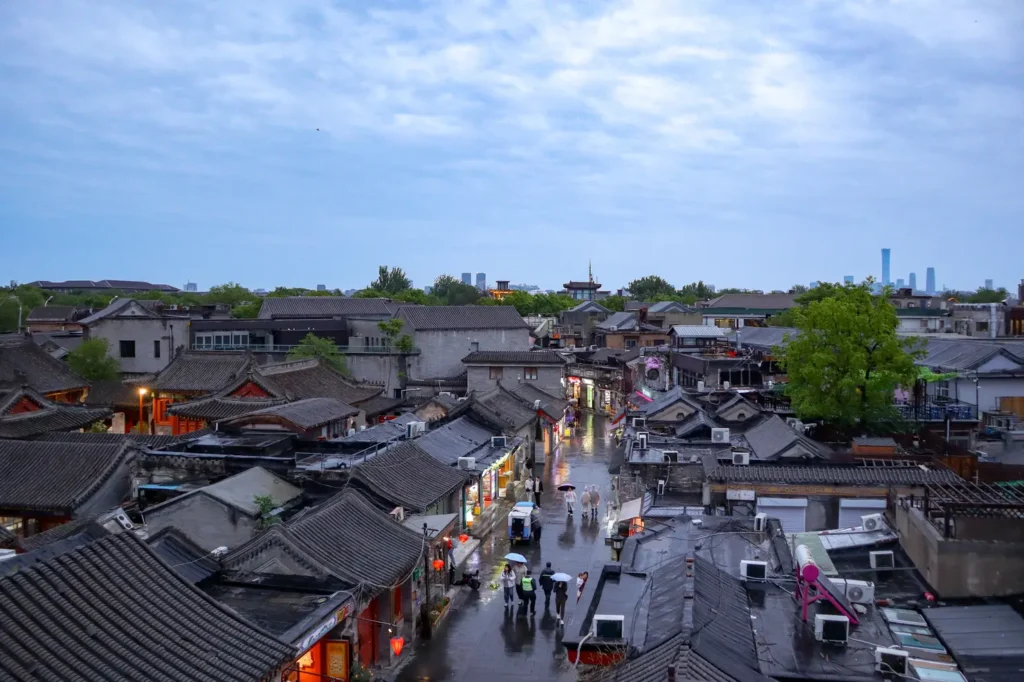
What is a hutong? A hutong is a narrow, traditional alleyway lined with old courtyard houses. You’ll find neighbors chatting outside, small shops, tea houses, and a slower, more local rhythm.
In this guide, I’ll show you what to do in Beijing in three full days, step by step. You’ll find tips on how to get around, how to avoid long lines at major sights, and simple ways to organize each day so you maximize your time.
I’ll also share the spots I personally loved the most (and the little things I wish I knew before going).
By the end, you’ll have a clear, easy-to-follow plan that shows you:
- The must-see highlights (including the Forbidden City and the Great Wall)
- Where to eat and wander in the evenings
- How to navigate between neighborhoods without wasting time
Let’s get into it! Beijing surprised me in the best way and I think it might surprise you too.
In a hurry? Plan your trip to Beijing now!
📍Top sights: Forbidden City | Tiananmen Square | Temple of Heaven | Jingshan Park | Summer Palace | Lama Temple | Hutongs | Mutianyu Great Wall
🚶♀️ How to get around: Use the metro since it’s fast, safe, and easy. Or grab a DiDi for longer distances.
⌛ How many days in Beijing: 3 days is the sweet spot. Enough to see the highlights (including the Great Wall of China) without rushing.
🍜 Most popular tours in Beijing
1. Guided tours of the Summer Palace
2. Guided tour of the Forbidden City
3. Guided tour of Mutianyu, including transport from Beijing
😴 Where to stay in Beijing: Sunworld Hotel Wangfujing
💸 How to pay in China – It’s a cashless society. You’ll need Alipay or WeChat Pay to make purchases — literally everywhere. Use Revolut to pay in yuan and avoid foreign transaction fees.
💊 Best travel insurance for China – I recommend Heymondo for its excellent balance between affordability and quality.
🛜 Best way to stay connected in China – If your phone supports eSIM, use Airalo (MARIAN4315 = 3$ off). Otherwise, get a China Unicom or China Telecom SIM. Don’t forget a VPN to access apps like WhatsApp and Instagram.
Is Beijing worth visiting?
Beijing is definitely worth visiting.
It has a completely different energy from other cities in China. While Shanghai feels modern and futuristic, Beijing feels historic and grounded. You can feel the city’s past in the architecture, the parks, the temples, and even in the way people move through the streets. It’s a place where ancient and modern really do sit side by side.
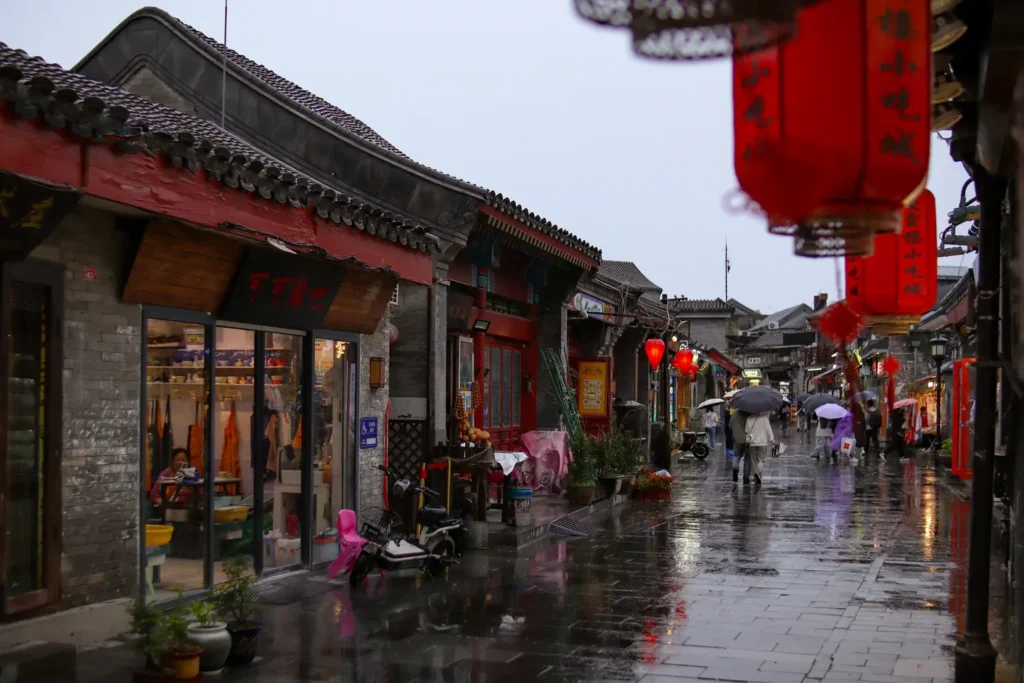
Even if you only have 3 days in Beijing, you can see the city’s main highlights and still leave with a strong sense of place. From the Forbidden City and the Great Wall to the quiet hutongs and tea houses, there’s a lot of depth here.
How to get to Beijing
Getting to Beijing is quite simple, whether you’re arriving from abroad or already traveling within China.
The city is one of the main travel hubs in the country, which makes it a convenient starting point for a 3 day Beijing itinerary or a longer trip across China.
Getting to Beijing by plane
Beijing Capital Airport (PEK) is the main international airport and the one most travelers use when arriving from overseas.
There’s also Beijing Daxing Airport (PKX). It is newer and a bit further from the city center, but often has good international and domestic connections. Both airports are well-connected to the center, so don’t stress too much about which one you fly into.
From PEK, you can take the Airport Express Train to Dongzhimen Station, then switch to the subway or grab a DiDi to your hotel. From PKX, you’ll find airport buses, a fast train line, and plenty of taxis waiting outside.
If you want to compare all the transportation options in detail, this guide breaks down how to get from both Beijing airports to the city center clearly and simply.
DiDi works well at both airports and is usually the most convenient option if you’re tired or traveling with luggage.
If you’re planning to start your Beijing travel itinerary right after landing, I recommend pre-downloading the DiDi app before your trip. For more essential tools like this, don’t miss my post about the must-have apps in China.
Getting to Beijing by high-speed train (if traveling inside China)
If you’re already in the country, traveling to Beijing by high-speed train is an easy and comfortable option. The city is connected to major destinations like Shanghai, Xi’an, Guangzhou, and Tianjin. Plus, the fast trains are clean, spacious, and surprisingly efficient.
I actually arrived in Beijing by high-speed rail from Shanghai. It was a smooth journey that avoided airport security lines and long travel days.
Tickets need to be booked using your passport, and you’ll need your passport to board as well. If you’re not sure how the process works, I wrote a full guide on how to buy train tickets in China.
Best way to get around Beijing
Getting around the city is easier than it might look at first glance, and most of the top sights in Beijing are well connected. A well-planned Beijing itinerary becomes much smoother when you know which transport to use for each day, so here’s what worked well for me.
Metro
The subway is the easiest way to travel between sights. Trains run often, everything is clearly signposted in English, and stations are clean and easy to navigate. I used it every day.
The simplest way to pay is with Alipay or WeChat. You just tap your phone at the entrance and tap again when you leave. The fare is calculated automatically, so there’s no need to buy individual tickets.
Buying a physical metro card is also possible and the machines offer English instructions, but using your phone is much quicker.
If you’re traveling during peak hours, expect busy trains. Outside rush hour, it’s ok.
Didi
When the day starts to feel long, DiDi (which works just like Uber) is a great alternative. The app is available in English, and you can pay by card directly in the app, so there’s no need to worry about cash.
I mostly used DiDi when I was too tired to walk back to the subway or it was too far away. It’s also handy when you’re traveling with luggage.
💡 EXTRA TIP: Since you’ll need internet to get directions, make sure you are always connected in China. I highly recommend using the Airalo eSIM in China. Use my code MARIAN4315 to get 3€ off your first purchase, or buy through this link with the code ATICKETTOTAKEOFF for 10% off.
Walking
Some areas are perfect for exploring on foot, especially the Forbidden City, Jingshan Park, Beihai Park, and the surrounding hutongs. These neighborhoods are full of small cafés, courtyards, and local life.
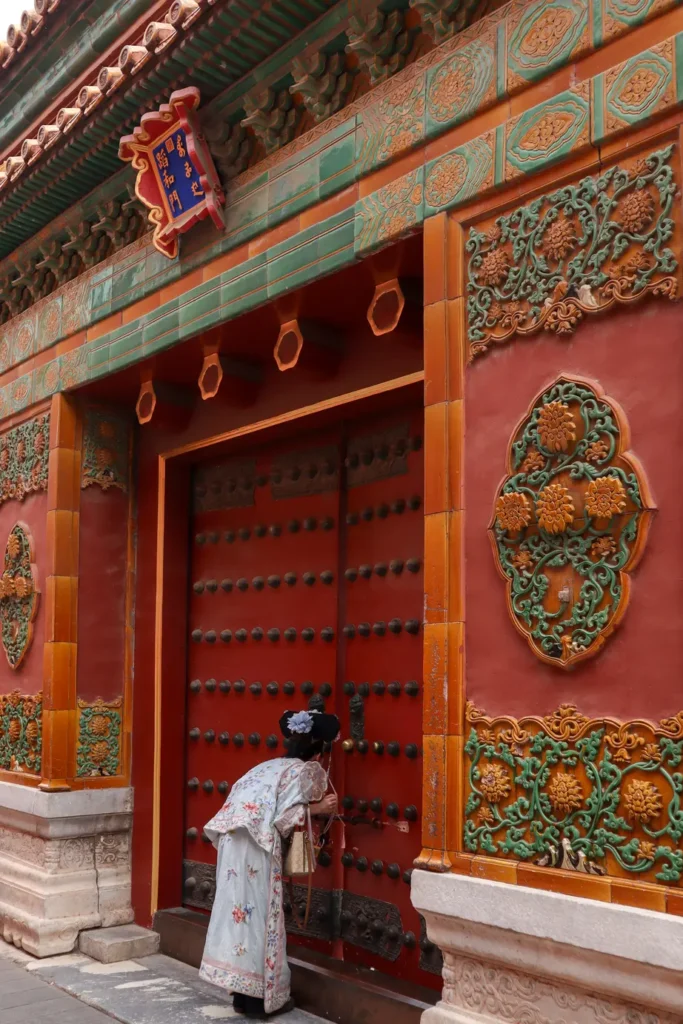
However, Beijing is large. What looks close on the map can turn into a 30-minute walk. Planning your days by area makes everything feel easier. And definitely bring comfortable shoes since you’ll walk more than you expect.
Buses
The bus network is extensive and very cheap, and it can be useful when the subway doesn’t reach exactly where you’re going. The only downside is that English signage is limited, so it requires a little more confidence.
If you want to use buses, download Amap (Gaode Maps). It gives reliable route suggestions and stop names in English. Once you get the hang of it, buses are a great backup option.
Best area to stay in Beijing
The city is very spread out, so where you stay in Beijing will make a big difference in how much time you spend moving between places.
Most first-time visitors stay in Dongcheng, Gulou, or Sanlitun, since these areas are well-connected and close to many of the city’s highlights.
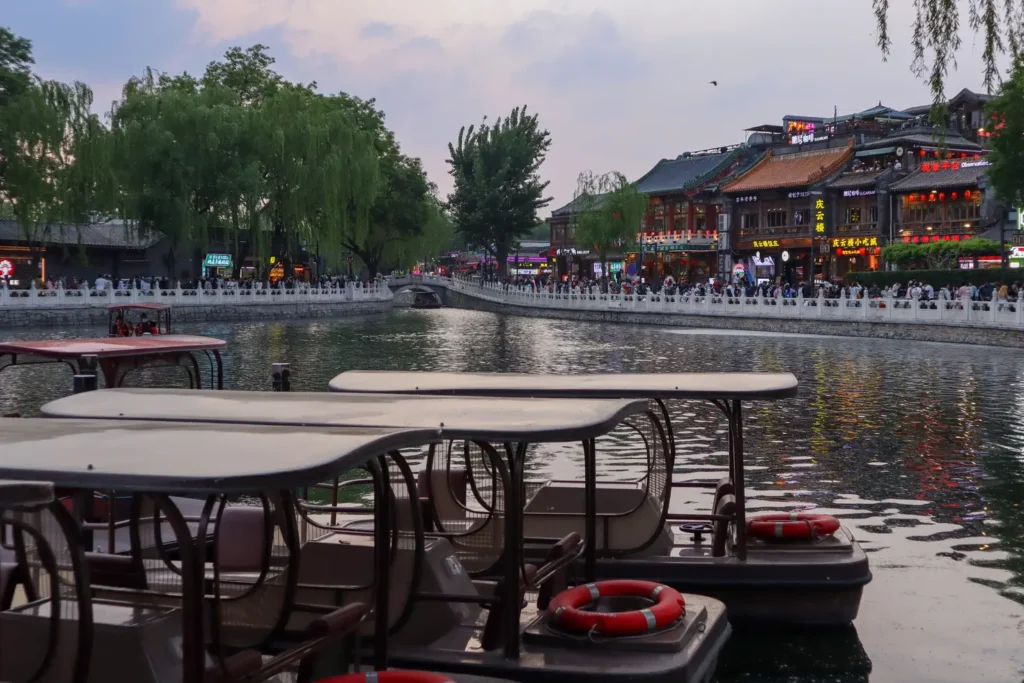
Choosing the right base depends on your travel style, whether you prefer being near historic sites, exploring lively neighborhoods, or having easy access to restaurants and nightlife. This small decision can shape the rhythm of your whole Beijing itinerary.
Dongcheng (best for first-time visitors)
- Very central location
- Close to the Forbidden City, Tiananmen Square, and Jingshan Park
- Saves time on commuting between major sights
- Mix of traditional courtyard homes and quieter streets
- Plenty of cafés and small restaurants
- Easy to walk or take short subway rides
Gulou / Hutongs (best for culture and local vibes)
- Historic hutong alleyways filled with tea houses and craft shops
- Great area for wandering and slow evening walks
- More atmospheric than other parts of the city
- Not as close to major monuments, but subway connections are excellent
- Perfect if you enjoy staying somewhere with character and personality
Sanlitun (best for nightlife and restaurants)
- Modern area with international food options and rooftop bars
- Social and lively atmosphere, popular with expats and young travelers
- Not as traditional or historic as the hutongs
- Great if you want lots of restaurants and nightlife choices within walking distance
- Well-connected to the rest of the city by subway
Chaoyang / CBD (best for business + comfort)
- Business district with wide streets and tall buildings
- Many large hotels and full-service amenities
- Calm and easy to navigate
- Close to shopping malls and several subway lines
- Ideal if you prefer a comfortable, modern base
Where to stay in Beijing
I stayed at Sunworld Hotel Wangfujing, and it ended up being a great base. This hotel is located in the Dongcheng district.
The location was central enough that we could walk to Wangfujing Street and reach the Forbidden City easily by subway.
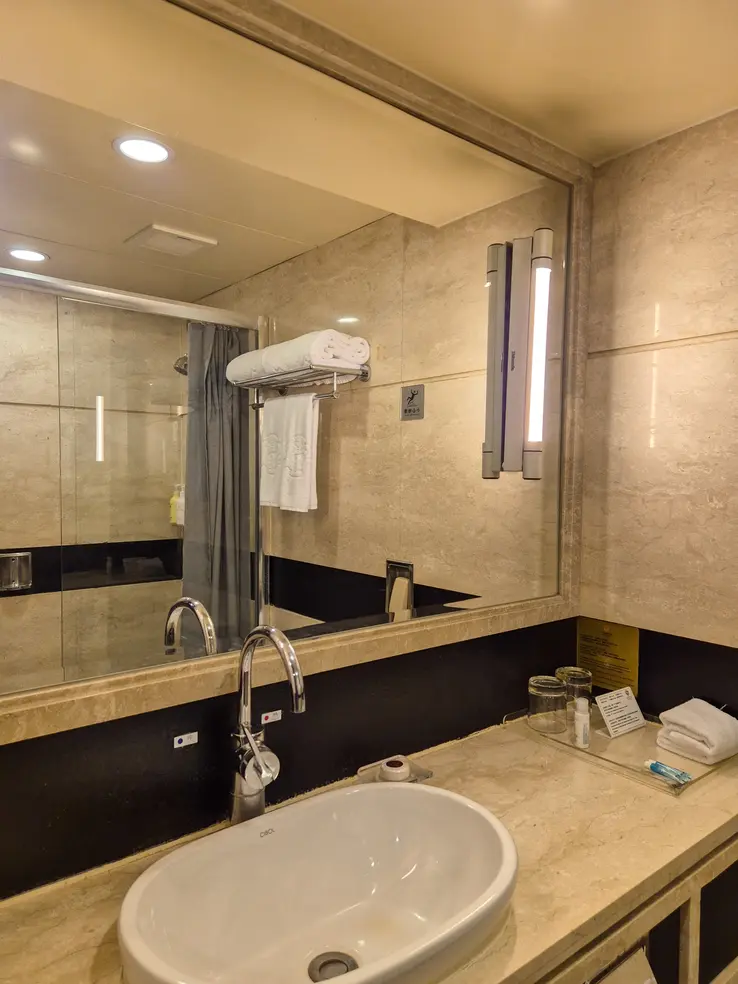
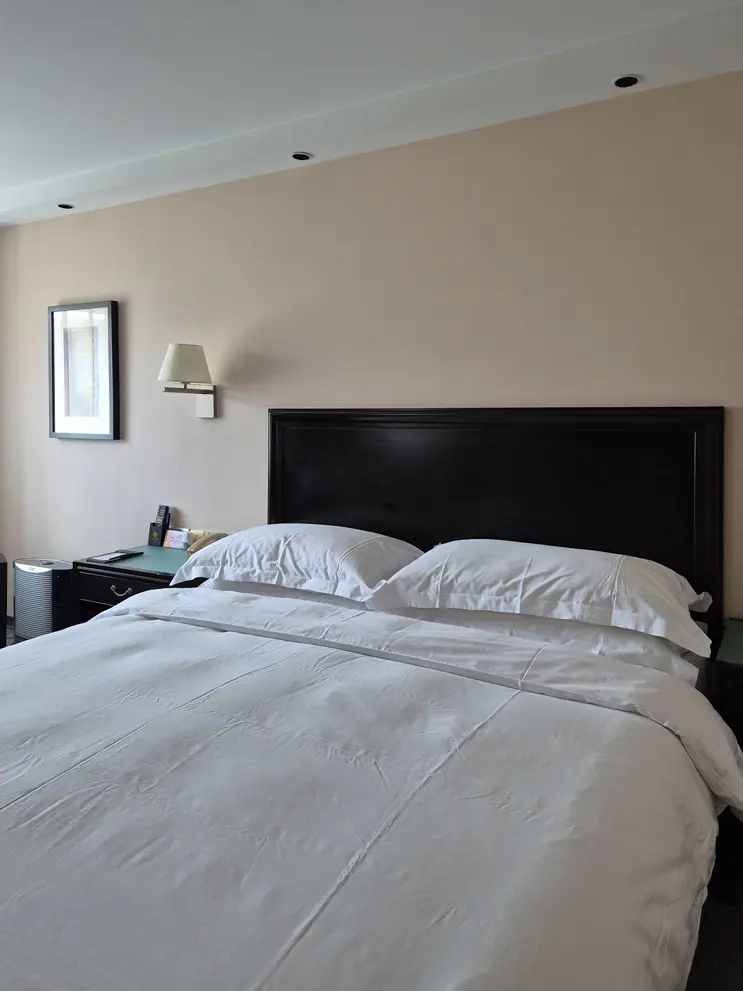
The hotel itself had comfortable rooms and a continental breakfast. It felt like a small luxury after almost two weeks of traveling around China.
The only funny moment was that we struggled a bit to find the hotel entrance on the first day. But once we figured it out, everything was straightforward.
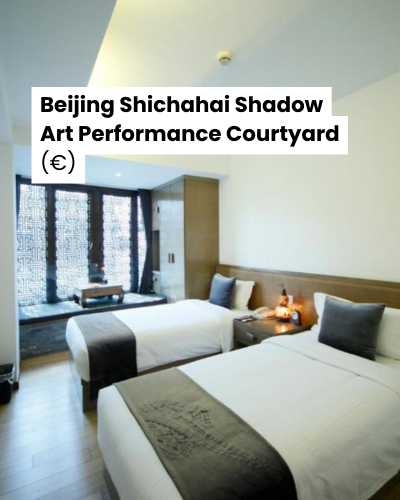
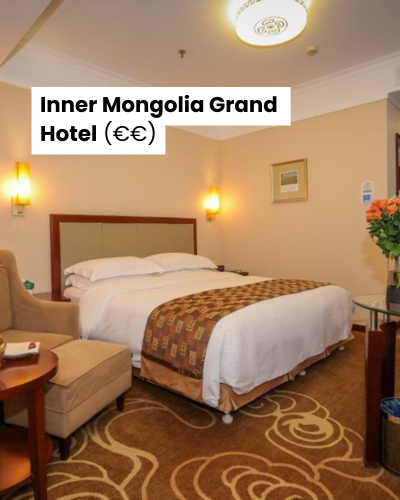
Anyway, here are a few more accommodation options in Beijing:

💼 TRAVEL INSURANCE: It’s one of those things you hope you won’t need… but it can save you a lot of money and stress if something goes wrong.
I personally use Heymondo because it offers strong coverage at a reasonable price, including medical expenses, lost luggage, and electronics.
What I like most is how easy it is to manage everything through their app, especially if you ever need assistance while traveling.
As a Ticket to Take Off reader, you get 5% off, already applied when booking through the link below.
Beijing Itinerary Map
Before jumping into the day-by-day itinerary, it helps to have a clear idea of where the main places to visit in Beijing are located.
The city is big and some sights are farther apart than they look on the map, so understanding the layout makes planning much easier.
Use this map to get a feel for how everything connects and to plan your days in a way that feels smooth and relaxed.
📌HOW TO USE THE MAP: Click on the top left corner to access the various layers of the map. You can select the layers you’re interested in and also find out more about each point of interest by clicking on it in the left-hand sidebar or on the pin on the map. Add the map to your Google Maps by clicking on the star next to the title. To access the map, simply go to Google Maps ‘Saved’ and click on ‘Maps’!
Activities & Tours in Beijing
🎫 Don’t leave your activities until the last minute. Some of the most popular tours sell out quickly, especially during peak season. I personally use GetYourGuide to book activities because it’s easy to compare options and most tours offer free cancellation. Use code ATICKETTOTAKEOFF5 for 5% off your first booking in the app. Download here!
Beijing itinerary
Now that you have an overview of the city and how to get around, let’s jump into the itinerary itself.
This 3-day plan covers some of the best things to do in Beijing, from historic landmarks to quieter corners where you can slow down and take in the atmosphere.
I’ve structured each day so you’re not constantly crossing the city back and forth, which makes everything feel easier and more enjoyable.
Day 1 in Beijing
» Summer Palace
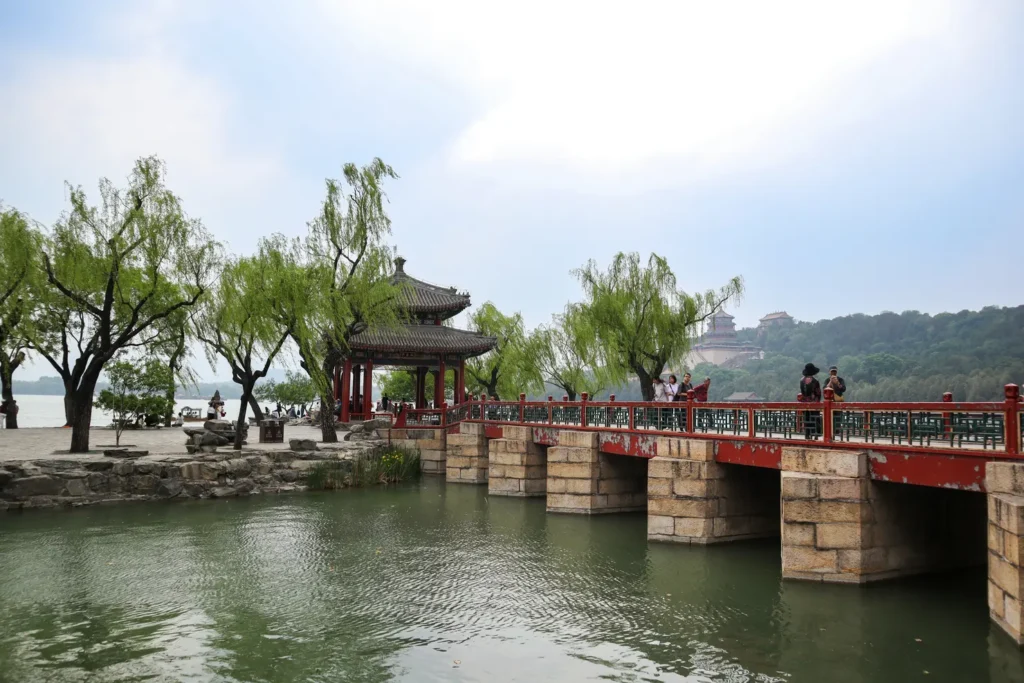
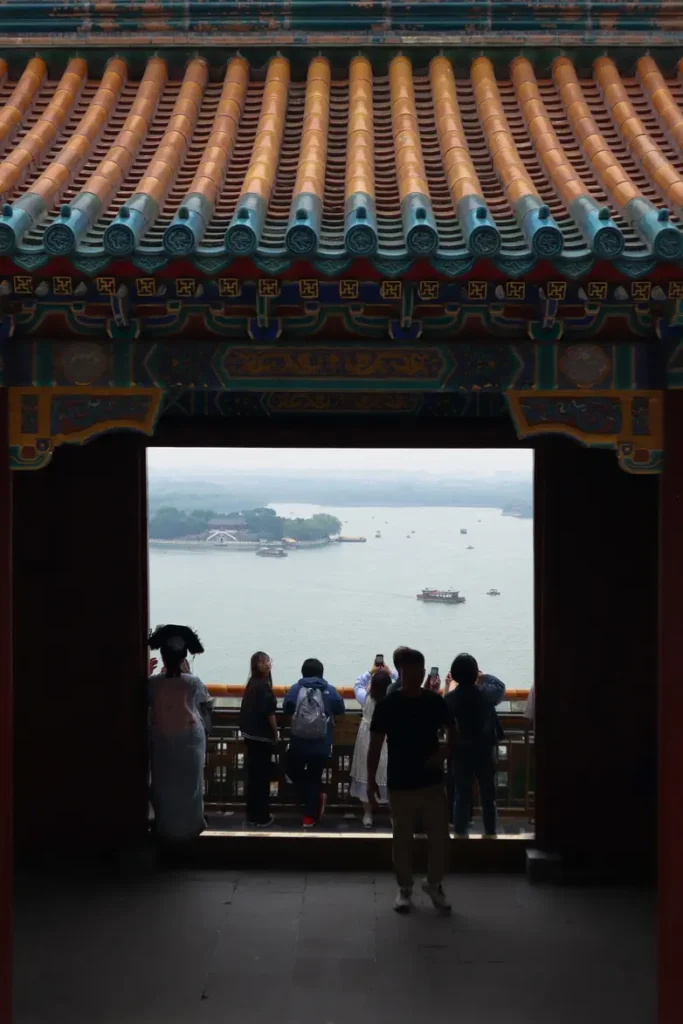
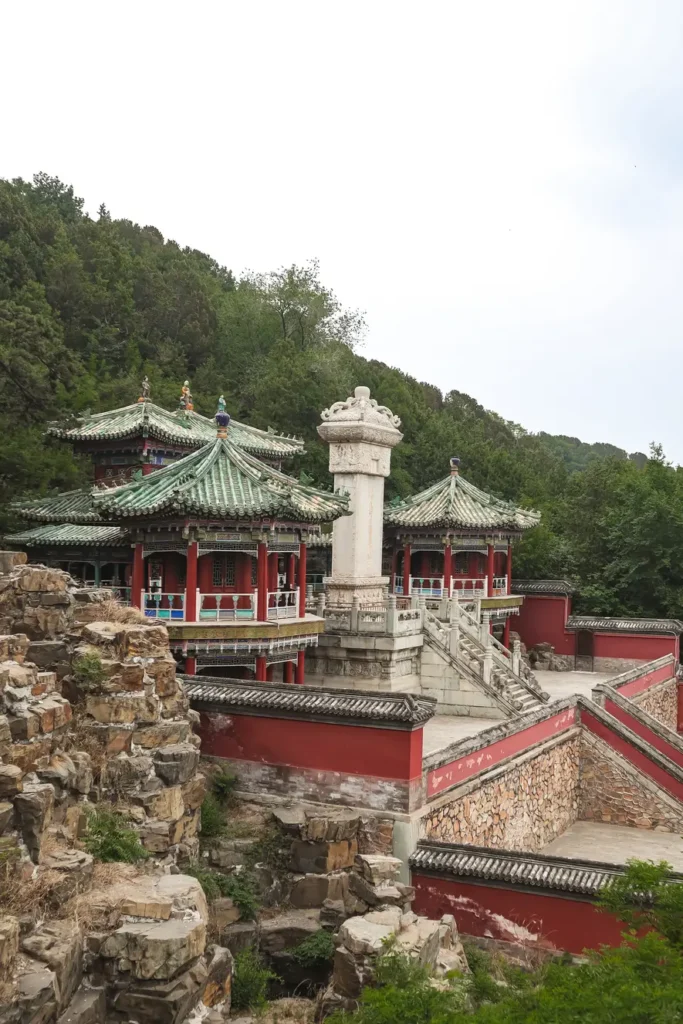
The Summer Palace is one of the most beautiful imperial gardens in China. It’s a huge lakeside complex with pavilions, temples, long corridors, and incredible hilltop viewpoints. It has a calmer, more scenic vibe than many other places to visit in Beijing.
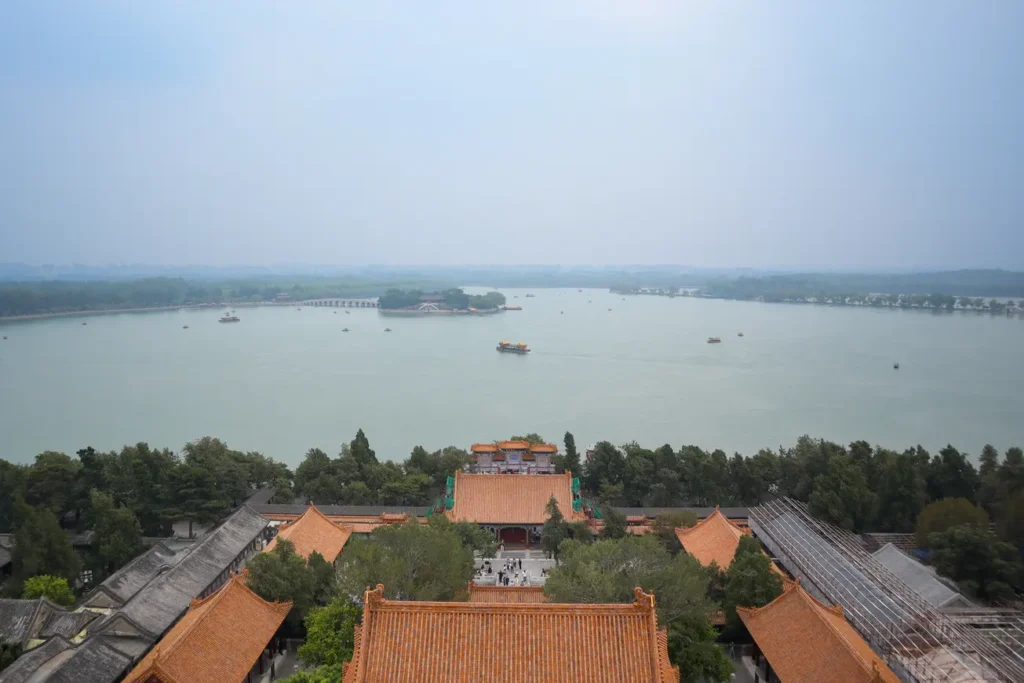
It’s a great spot if you want to slow down after a few busy sightseeing days in China. You can also take a boat ride on the lake (ticket sold separately), which is a lovely way to see the gardens from the water.
📝 USEFUL INFORMATION: The park is open daily from 6 am to 8 pm. Standard entry is 30 CNY(~4€), but some interior halls require extra tickets. If you plan on visiting several of them, the combined ticket (60 RMB (~7€) is the easiest option.
The Summer Palace is huge. I spent around three hours there and still felt like I only saw a part of it. So don’t try to see everything. Just pick a direction and enjoy the setting.
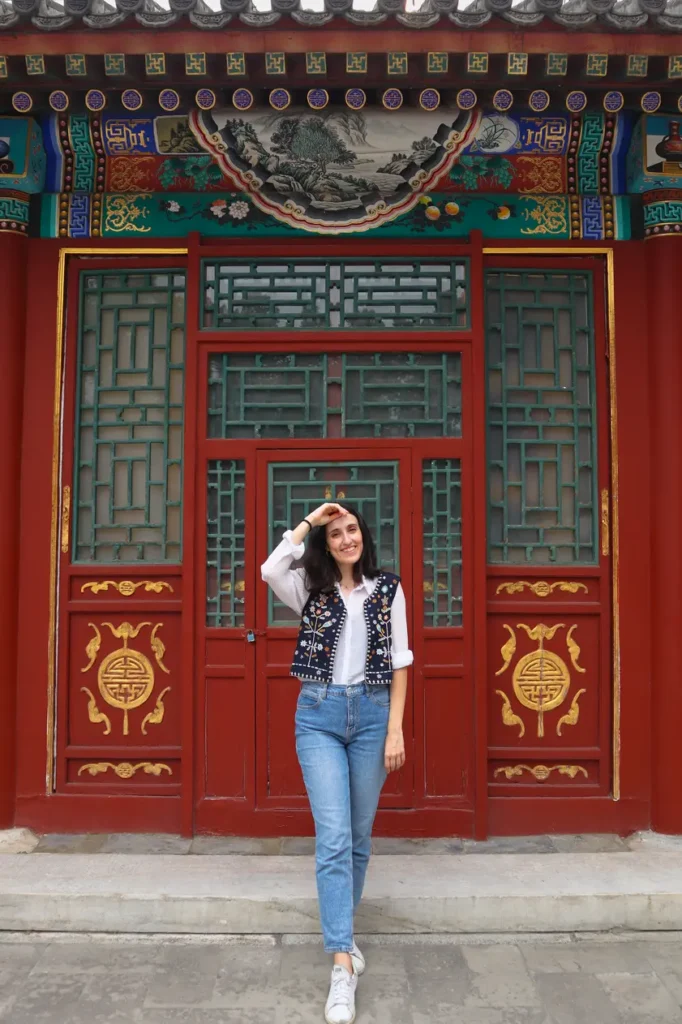
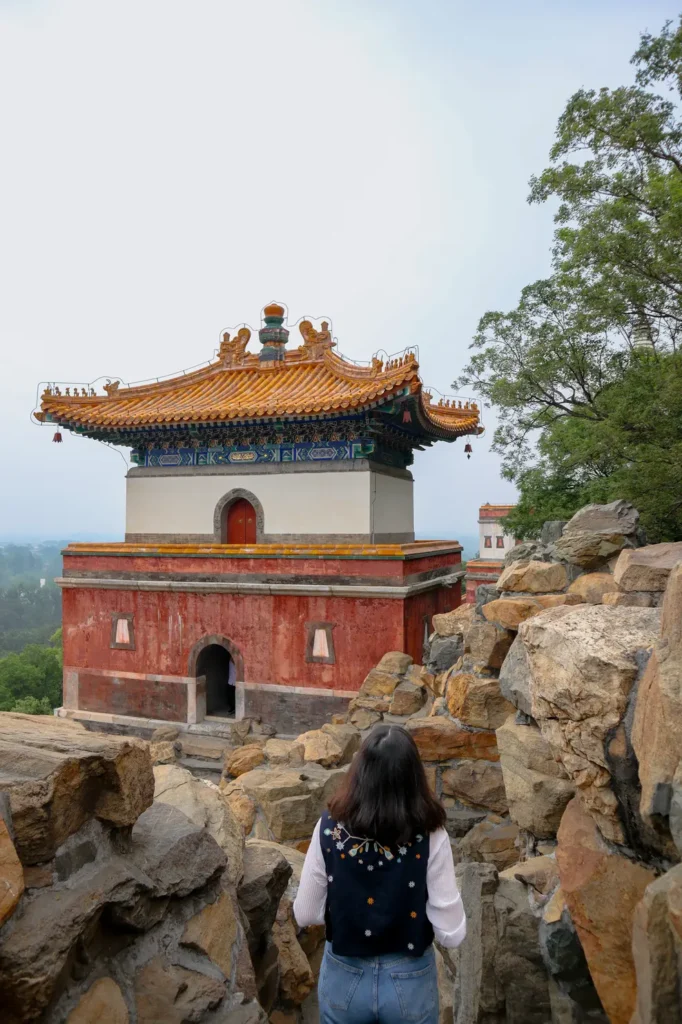
Tickets can be bought through the official website, but it’s often simpler to get them on GetYourGuide. However, I ended up buying them at the entrance.
🎫 If you prefer not to wander on your own, there are guided tours of the Summer Palace as well. The park is large and full of small details and stories, so having a guide can help you understand what you’re seeing and make sure you don’t miss the most interesting areas.
» Temple of Heaven
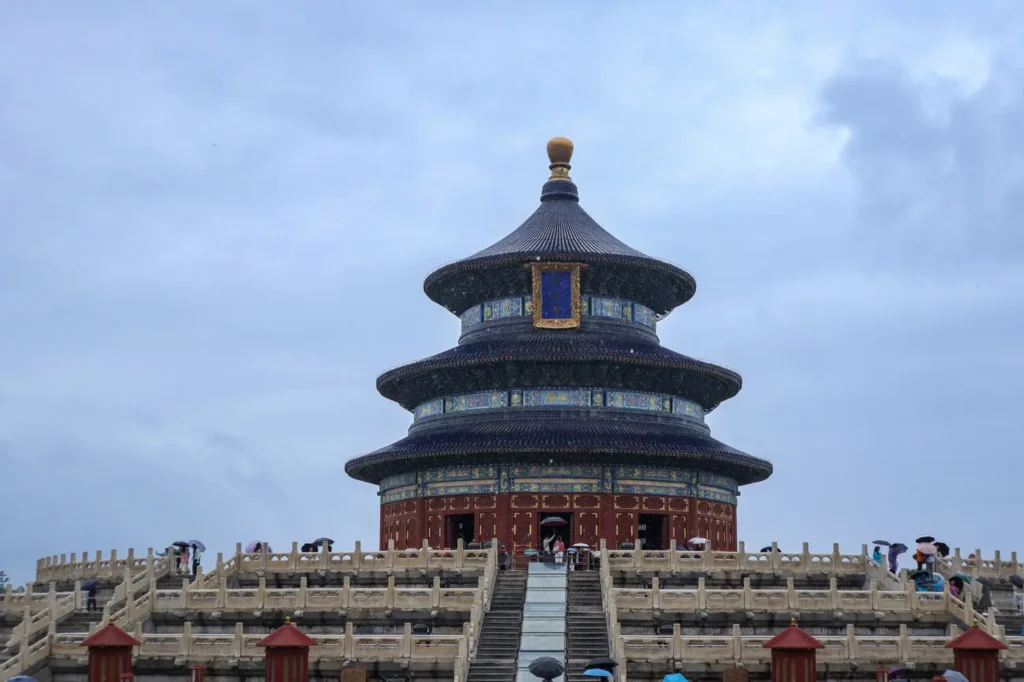
The Temple of Heaven is a historic complex where emperors once prayed for good harvests. Today, the surrounding park is full of people practicing tai chi, dancing, playing cards, and chatting. Even on a rainy day, it has a calm and peaceful feeling.
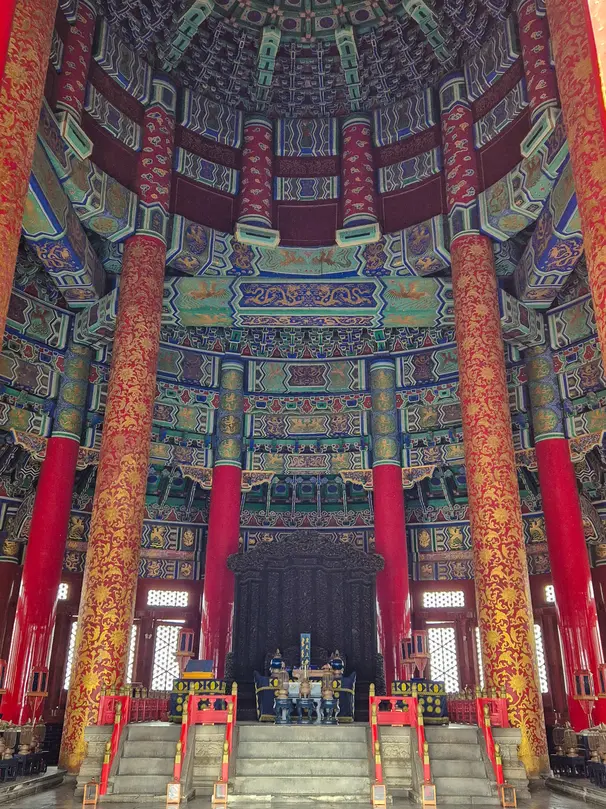
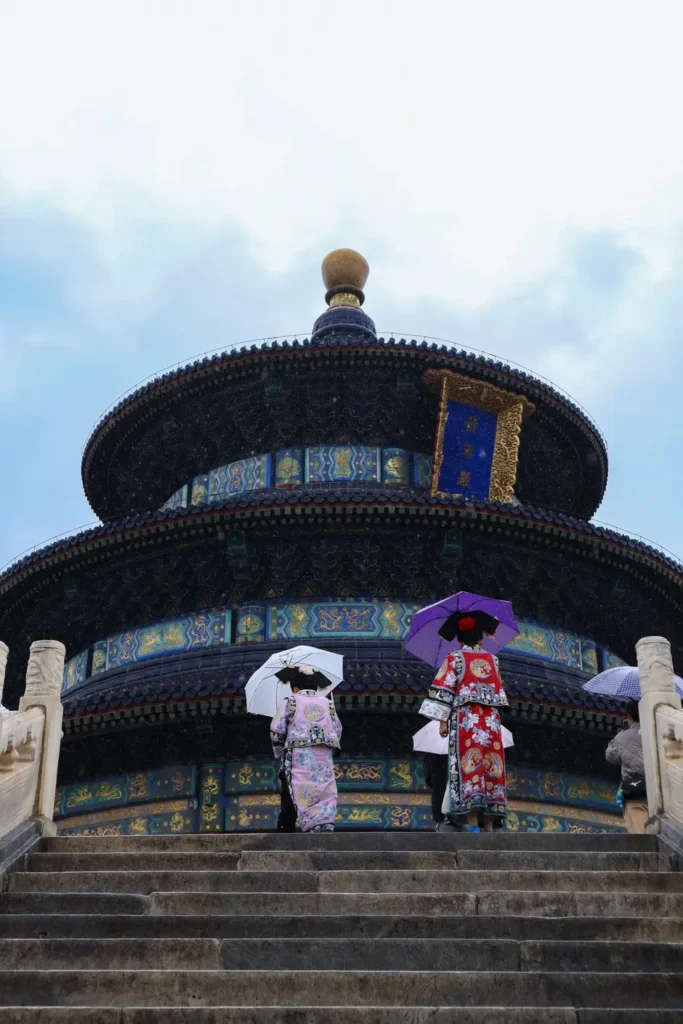
📝 USEFUL INFORMATION: The site is open roughly from 9 am to 6 pm, and the full-access ticket costs 34 CNY (~4€). I bought mine directly at the entrance, and it was quick and easy.
One of my favorite parts wasn’t actually the main temple. It was wandering through the green park around it. Even with the rain pouring down, it felt quiet, spacious, and very local.
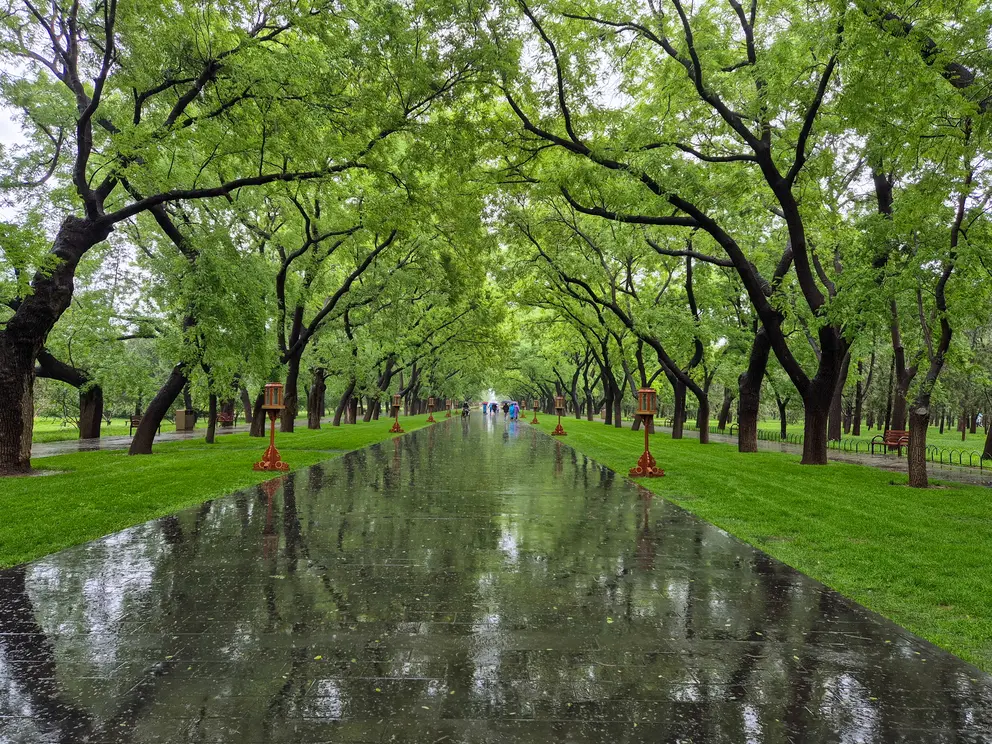
🎫 If you’d like to learn more about the history and symbolism behind the complex, you can also join a guided visit of the Temple of Heaven. It’s a great way to understand what you’re actually looking at, especially since so many details here are tied to ancient rituals and astronomy.
» Lama Temple (Yonghegong)
Time to visit another temple! The Lama Temple is a peaceful Tibetan Buddhist temple filled with incense, statues, and prayer halls.
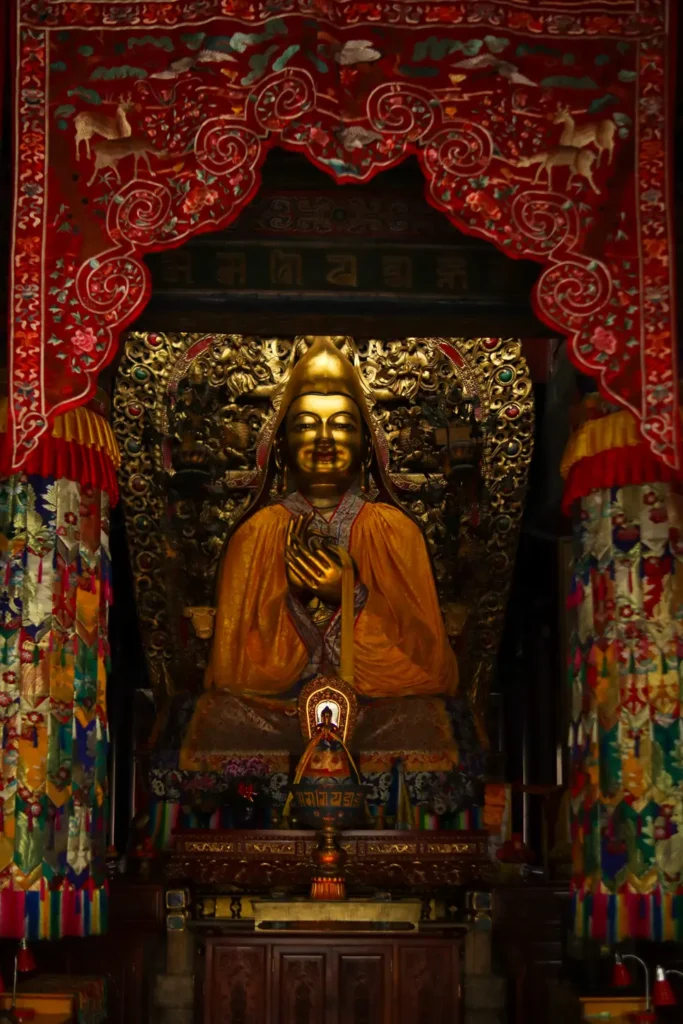
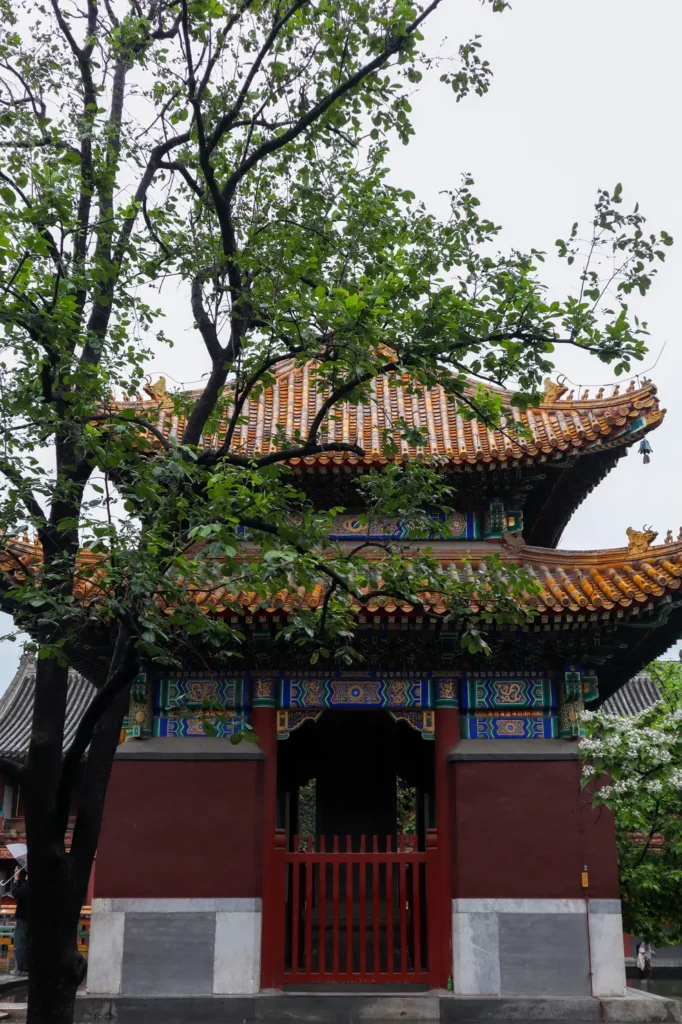
Similar to the Temple of Heaven, it also has a calm atmosphere that feels very different from the busy streets outside.
📝 USEFUL INFORMATION: It’s open from 9 am to 5 pm, and the entry ticket costs 25 CNY (~3€). You can buy tickets online, but I bought mine directly on-site and had no issues.
» Confucius Temple
Just a short walk from the Lama Temple, the Confucius Temple offers a different kind of calm. The courtyards are lined with tall cypress trees, and the atmosphere feels thoughtful and reflective.
Confucius himself was a philosopher and teacher who lived over 2500 years ago. He believed in kindness, respect, learning, and balance. Visiting the temple makes those teachings feel a bit more tangible, even if you’re not familiar with them before arriving.
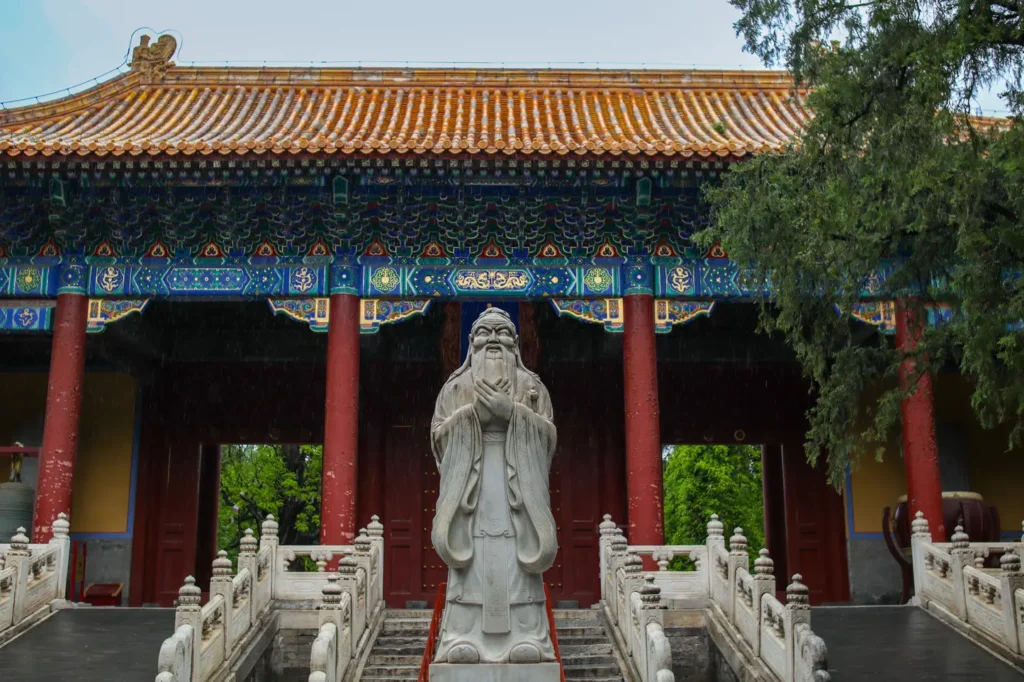
I enjoyed visiting it, but I do wish I had joined a guided tour. I feel I would have understood more of what I was seeing. If you’re curious about symbolism, rituals, or Confucian philosophy, a guide could make a big difference.
📝 USEFUL INFORMATION: It’s open from 8.30 am to 6 pm, and tickets cost 30 CNY (~4€). You can buy your tickets online.
» Bell & Drum Towers
The Bell and Drum Towers are two historic towers located in the heart of the hutong district. They once marked the time for the entire city. Today, you can climb up for views over the rooftops.
They’re open from 9.30 am to 5.30 pm, with entry costing 30 RMB (~4€) if you choose to go up. You can buy tickets online. The outside architecture is impressive on its own if you prefer not to pay.
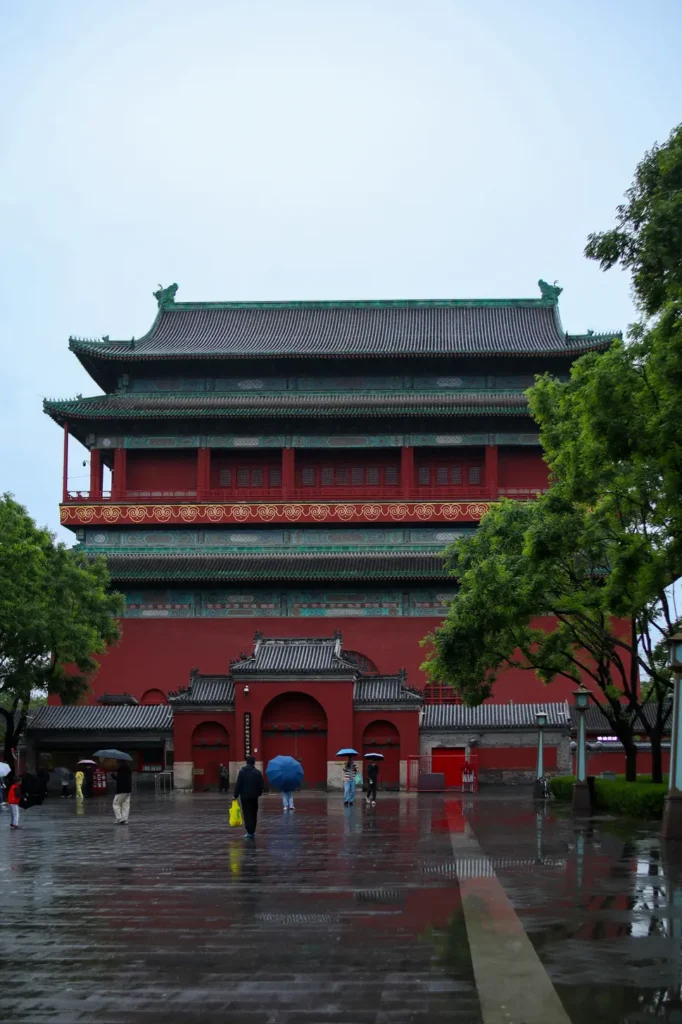
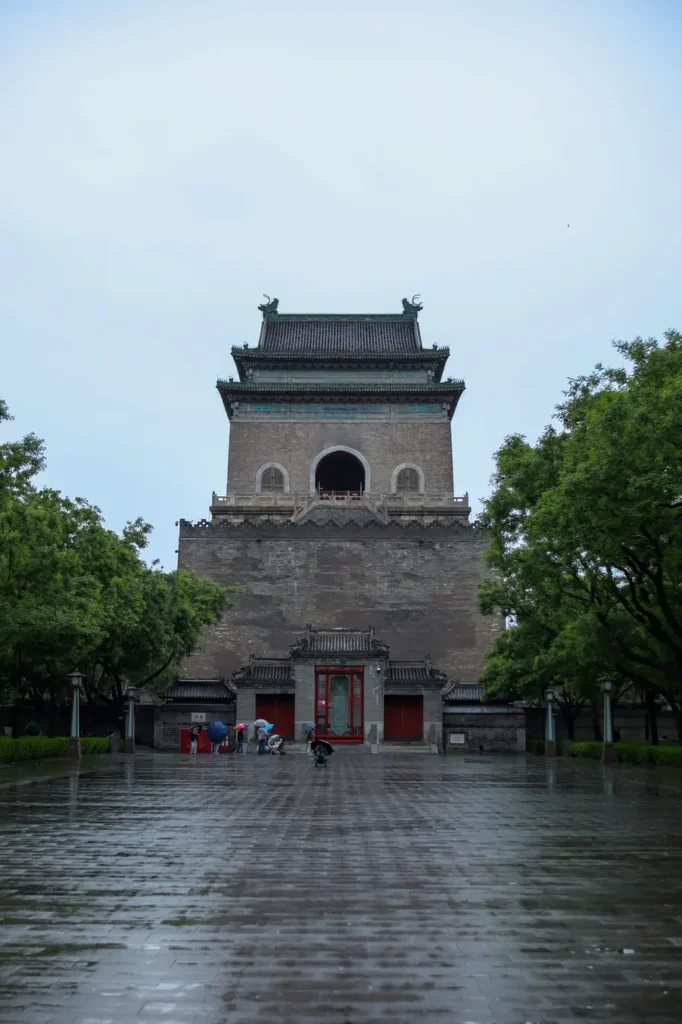
I didn’t end up going inside because of time and budget, but I still enjoyed stopping by.
If you’re feeling hungry and have time to spare, go to a cozy café nearby called Sugar Bar. It was perfect to escape the rain for a bit. Plus, it had great drinks and a relaxed vibe, tucked right in the hutong streets.
» Wangfujing area
Day 1 of this Beijing itinerary is coming to an end and I suggest ending it at the Wangfujing area.
Wangfujing is one of the busiest commercial streets in Beijing. It’s a long pedestrian avenue filled with shops, lights, and the famous panda screen.
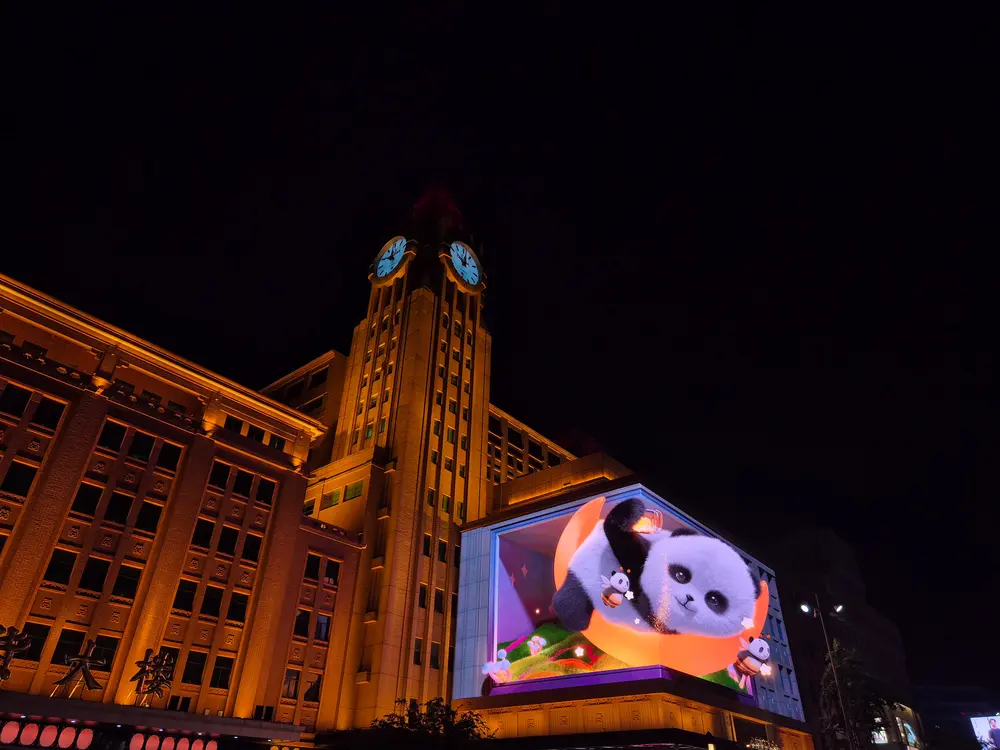
It’s lively and fun to walk in the evening, but note that the lights turn off relatively early (10 pm if I remember it right), so go before it gets too late if you want to feel the atmosphere.
It’s a good spot for a relaxed end of the day: stroll, snack, browse, people-watch.
Day 2 in Beijing
» Tiananmen Square
Start your day in Beijing in one of the most iconic places in the city.
The most important thing to know is that, even though it’s free to visit, you need to reserve your entry slot 7 days in advance. You really need to book this one since it is one of the most popular attractions in Beijing. You can book through WeChat.
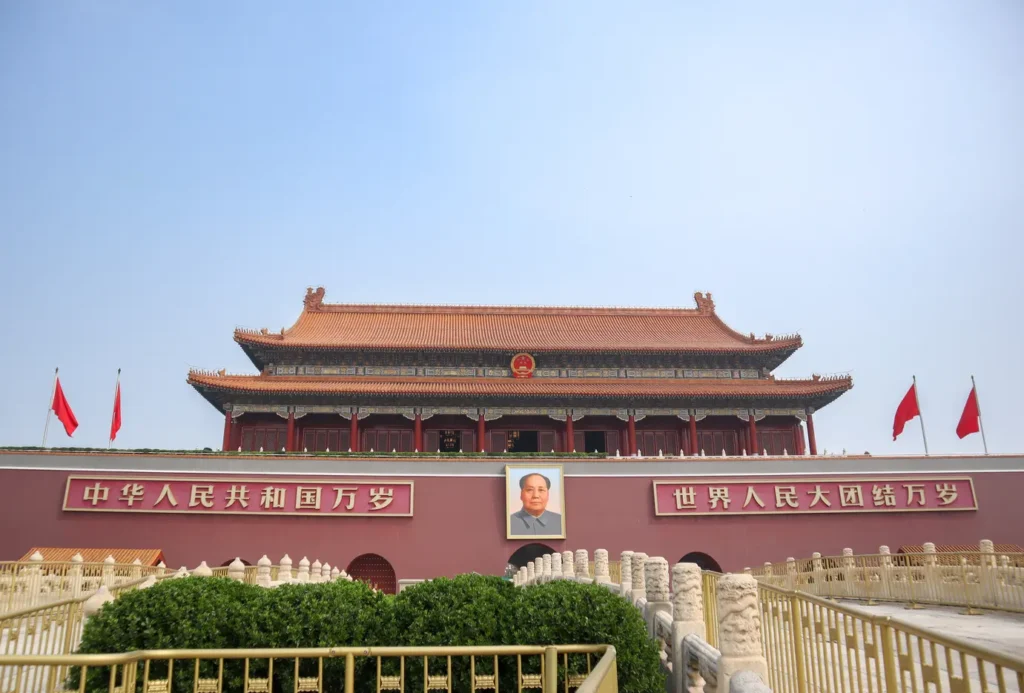
There are four time blocks to choose from (the flag-raising ceremony, morning, afternoon and the flag-lowering ceremony), so just pick the one that works best for your day.
You’ll find several important buildings and monuments here. It includes the Monument to the People’s Heroes, the Great Hall of the People, and the Chairman Mao Zedong Memorial Hall. There’s also the option to climb the Tiananmen Tower, but honestly, I don’t think it’s worth the extra ticket.
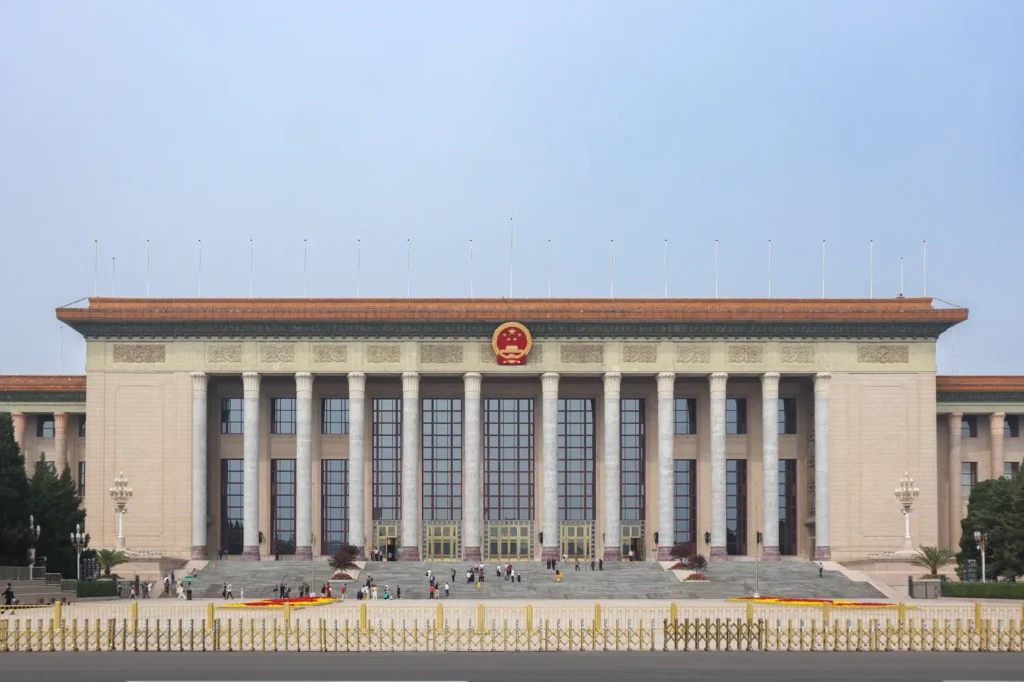
Overall, I spent nearly 1 hour at the square. However, if you plan to visit some of the monuments there, one hour won’t be enough and you can easily spend half a day there.
Make sure to enter via the Front Gate (前门). The entrance on Chang’an Avenue usually has longer lines and stricter flow control, so this little detail saves time.
Security here is tight and the lines can move slowly, so keep your passport accessible and be patient.
» Forbidden City
The Forbidden City is one of the best things to do in Beijing, and it’s just a short walk from Tiananmen Square.
It’s open from 8.30 am to 5 pm, and you’ll want around 3 to 4 hours to explore it properly. The entrance ticket costs 60 CNY (~8€), and you need to buy it in advance with your passport since tickets sell out. You can buy tickets through the official site (you can purchase tickets up to 7 days ahead of time).
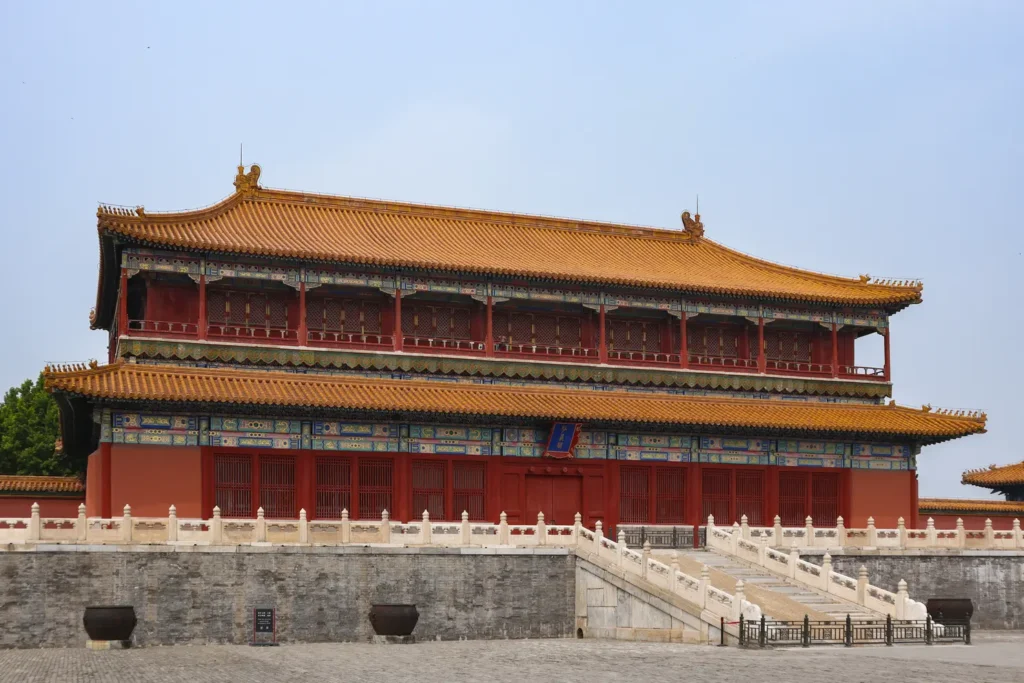
Enter through the Meridian Gate, then follow the path north through the different halls and courtyards. When you’re done, you’ll exit through the north gate, which leads you directly towards Jingshan Park.
The Forbidden City is massive. I walked around feeling amazed, but also a bit lost. There’s so much symbolism and history behind each hall and layout, and without context, it’s easy to feel like you’re just moving through pretty buildings.
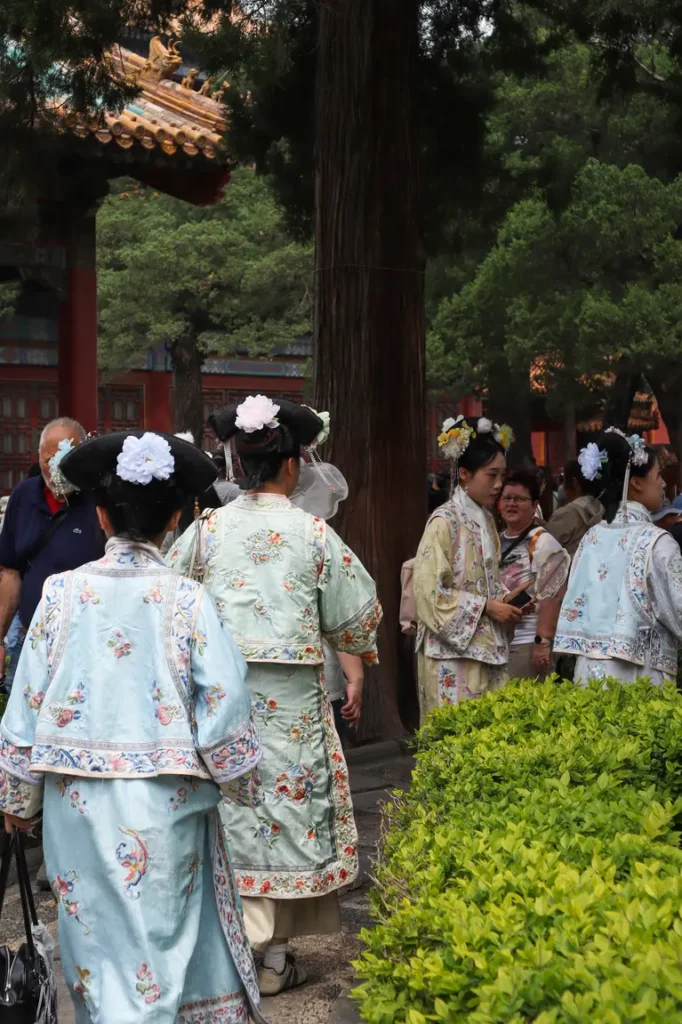
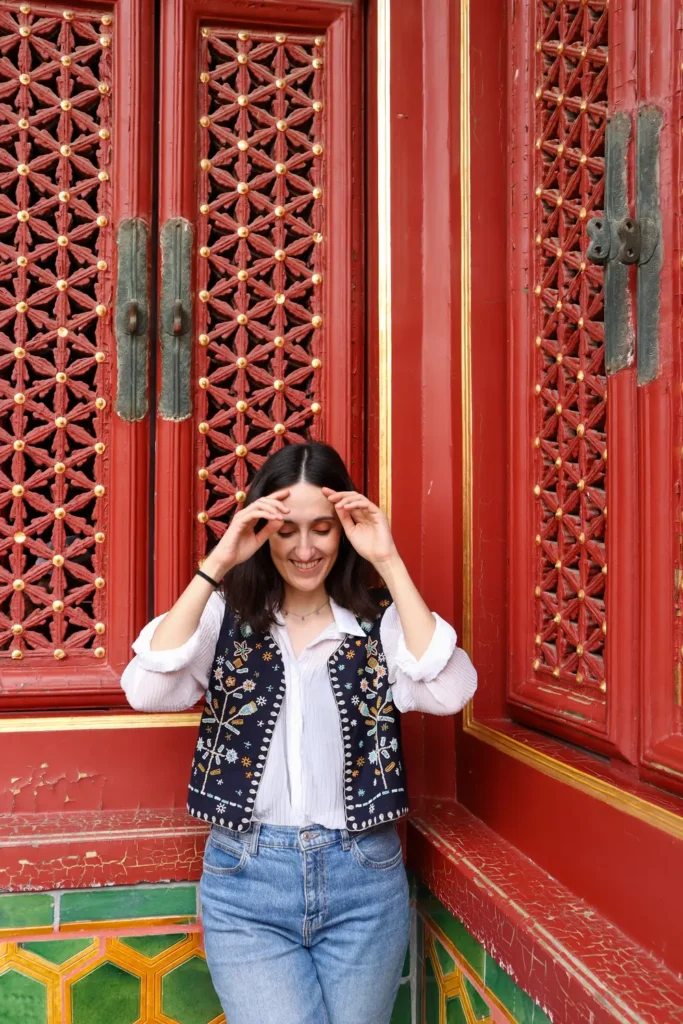
Looking back, I really wish I had visited with a guide. It would have made the experience more meaningful and helped me understand what I was actually looking at. So if there’s one place in this trip where a guide adds value, it’s here.
👉 Book now: Forbidden City Walking Guided Tour
» Jingshan Park
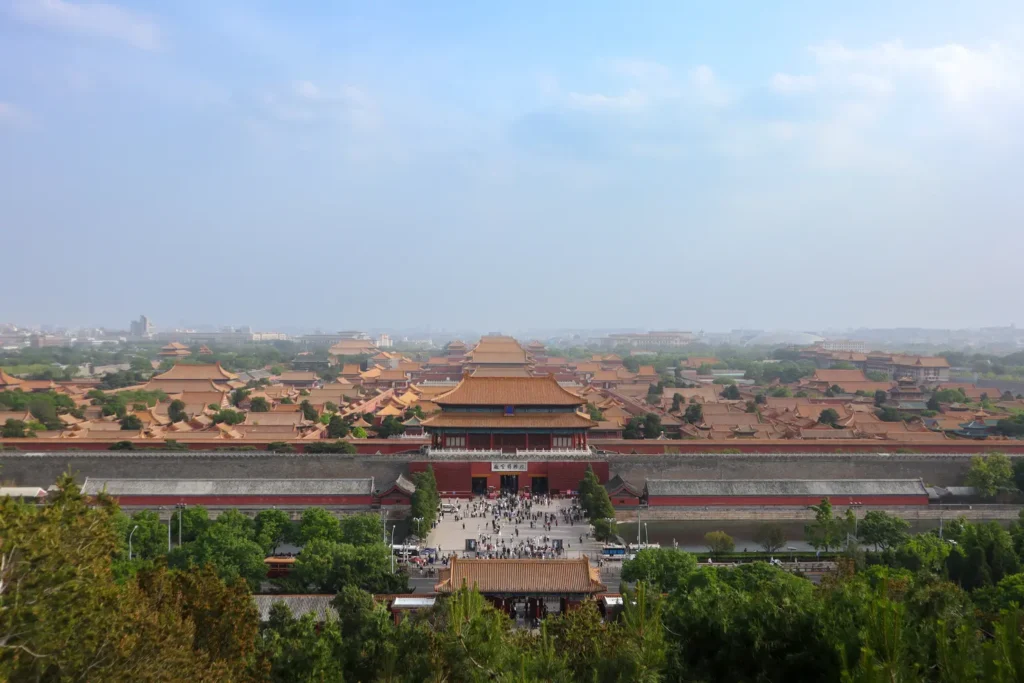
Jingshan Park sits just behind the north exit of the Forbidden City, so it’s the perfect place to go right after your visit. It’s a small park, but the main reason to come is the hilltop viewpoint.
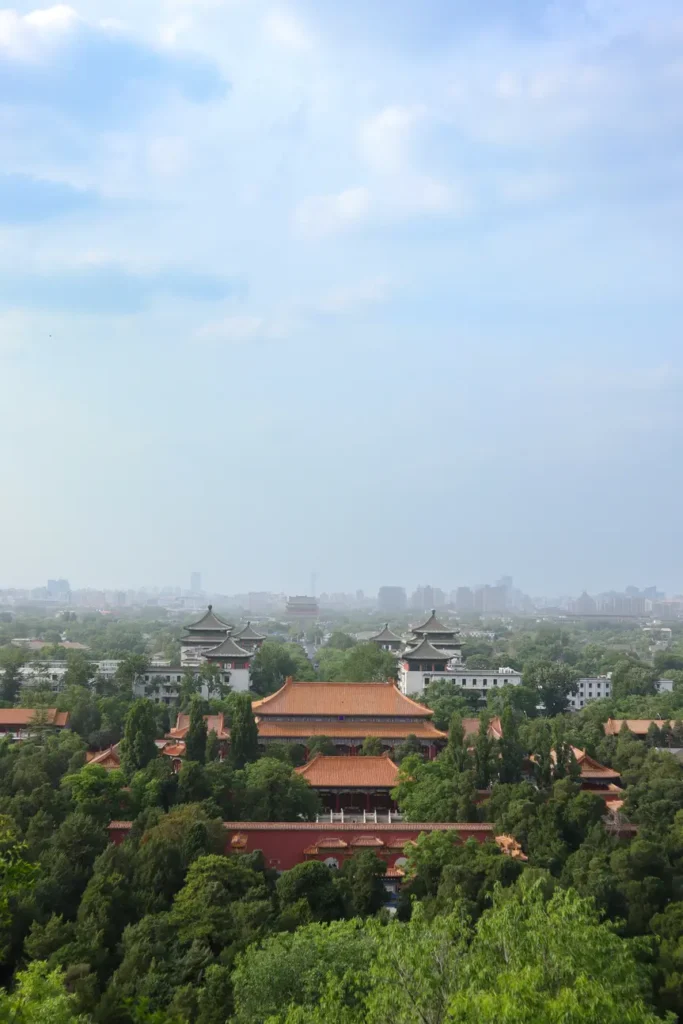
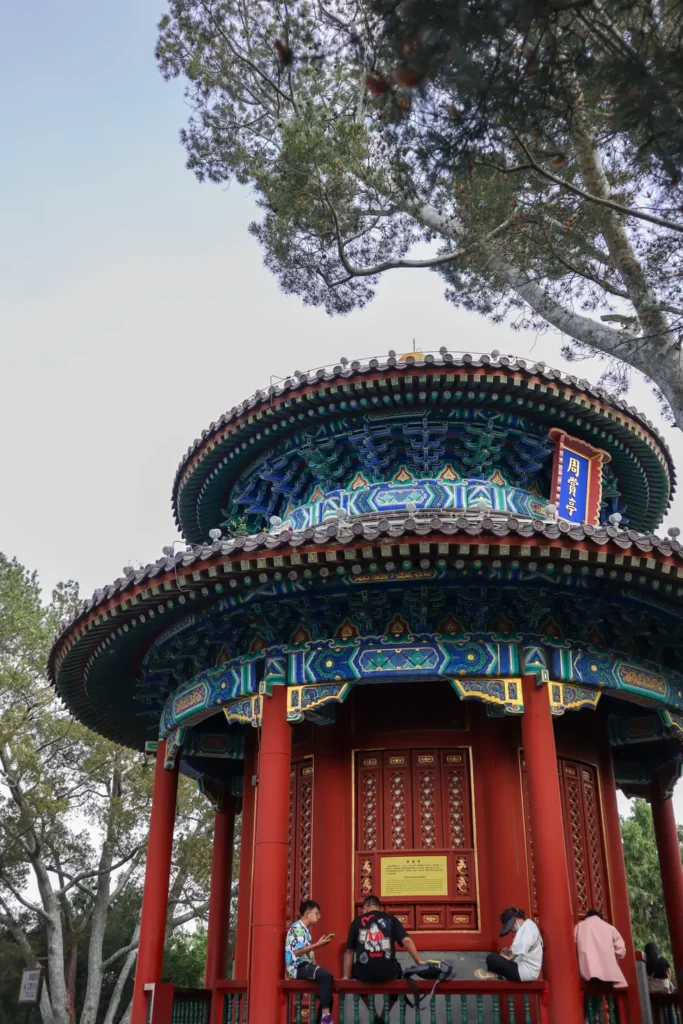
Climb to the top and you’ll get the best panoramic view of the Forbidden City. It’s especially beautiful in the late afternoon when the light gets softer.
📝 USEFUL INFORMATION: The park is open from 6 am to 9 pm, and the entrance ticket costs only 2 CNY (~0.25€).
» Beihai Park
Beihai Park is only a short walk from Jingshan, and it has a much slower, more relaxed rhythm. It’s centered around a lake, with tree-lined paths, small bridges, and quiet corners to sit and watch local life unfold.
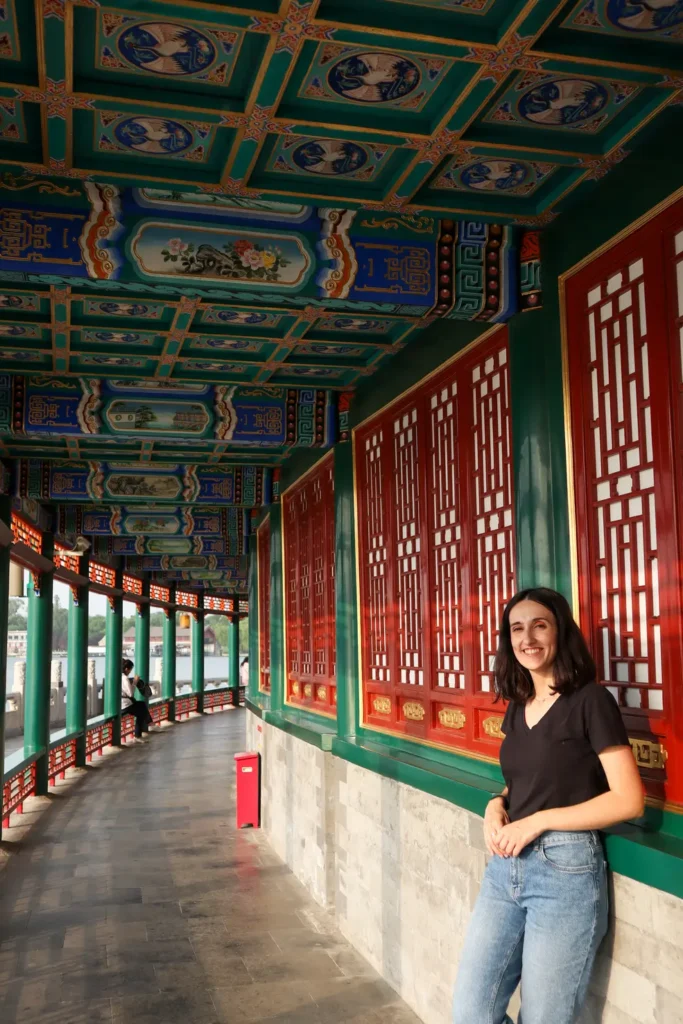
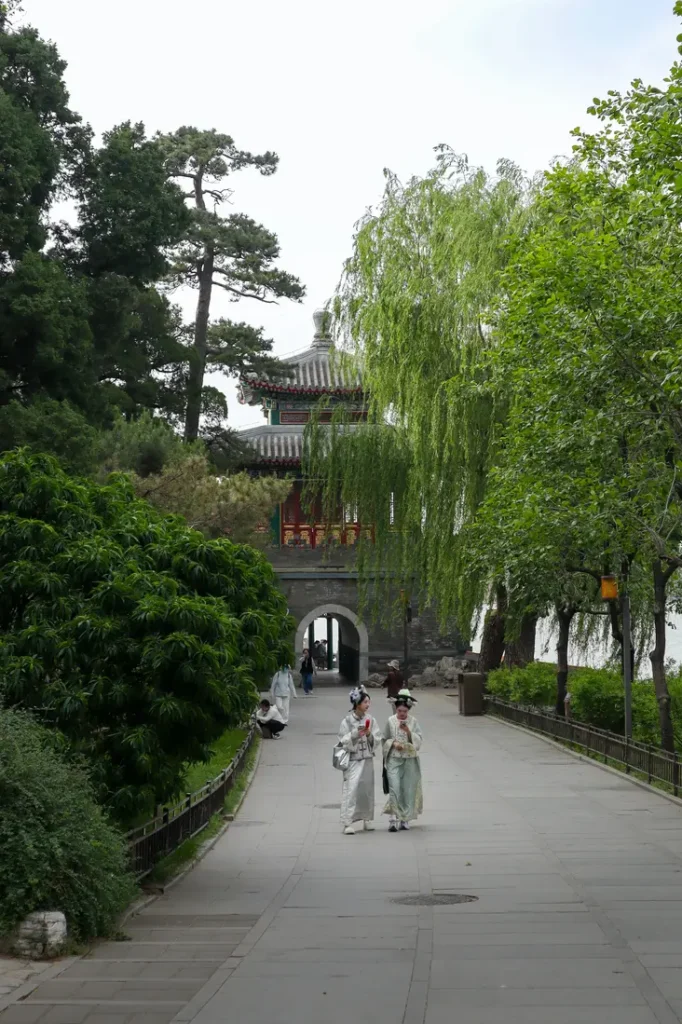
The entrance ticket costs 10 CNY (~1.2€), and there’s an additional small fee if you want to enter the White Dagoba pagoda.
It’s a lovely place to wander when you want to step away from the busier parts of the city.
» Houhai Lake
Houhai is not just a lake. It’s a whole neighborhood built around the water.
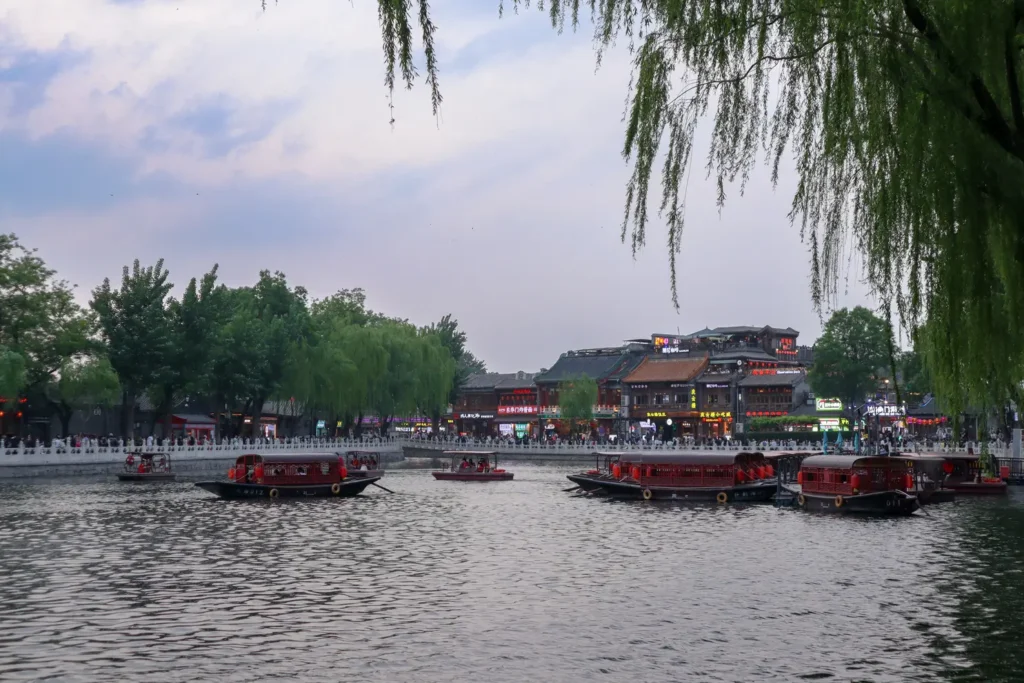
During the day, it feels calm and easy-going. By evening, the area gets lively, especially near the bars. To be honest, the loud karaoke-style bars weren’t really my vibe, but the hutong streets nearby were lovely to explore, and I enjoyed walking around the area at sunset.
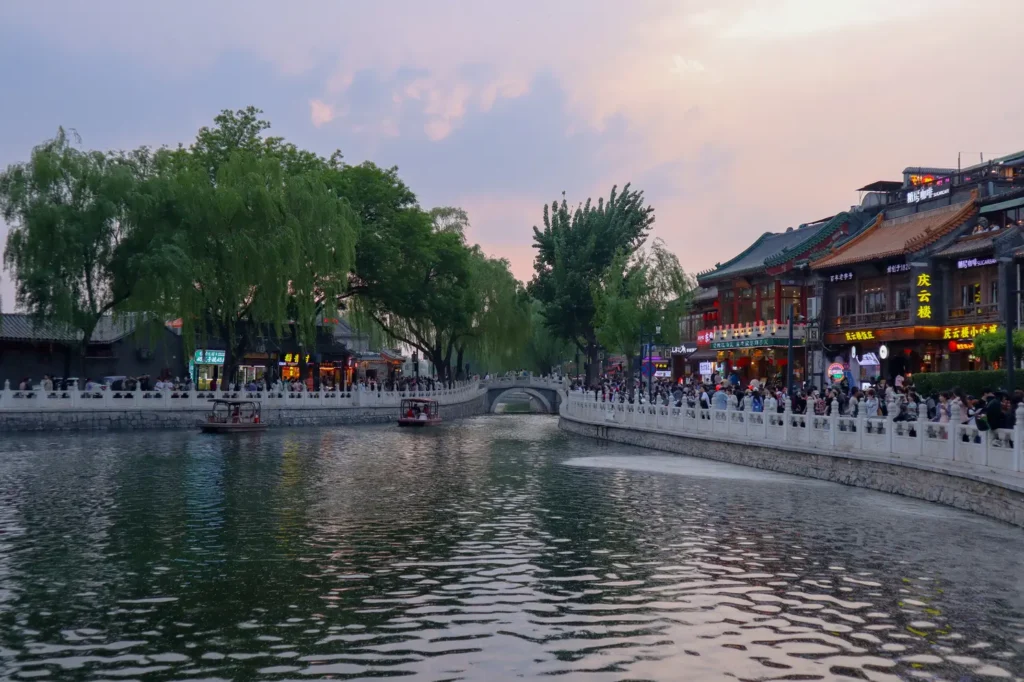
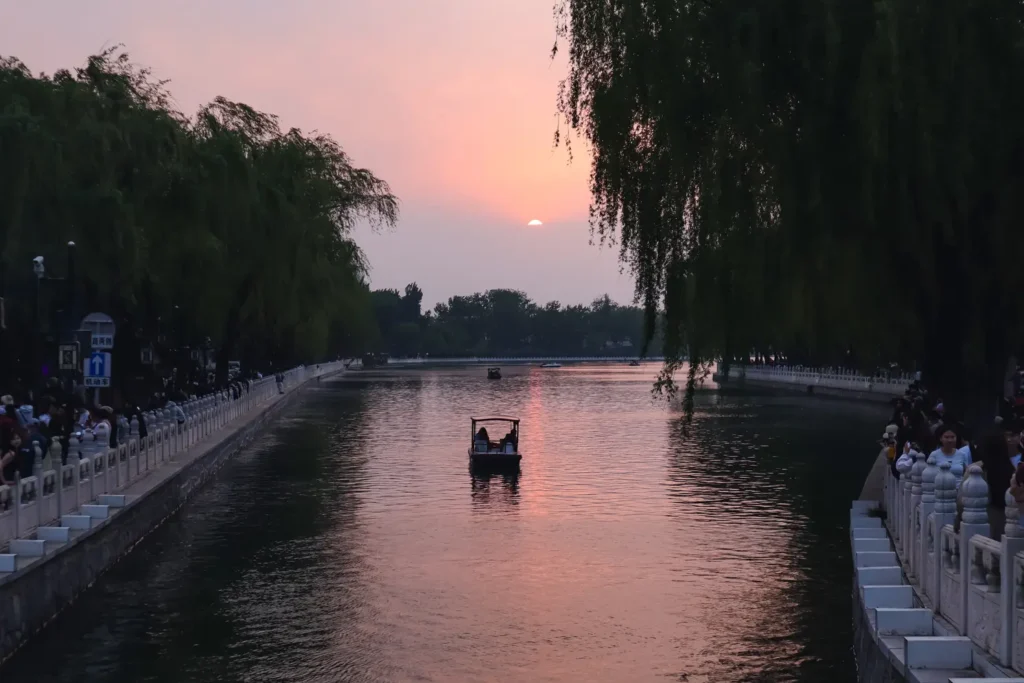
A hutong is a narrow, traditional alleyway lined with old courtyard houses. These small streets show a side of Beijing that feels very local and lived-in.
Getting a little lost here is part of the fun. There are hundreds of hutongs across the city, and exploring them was one of the things that made me enjoy Beijing so much. It gave me a glimpse of everyday life that I didn’t find in other Chinese cities.
Houhai is a great place for a nice walk at the end of the day. It’s busy, but it’s also full of atmosphere and small surprises.
» Nanluoguxiang
End your second day in Beijing at Nanluoguxiang, one of the most well-known hutongs in Beijing.
The main street is lined with small cafés, tea houses, boutiques, and little shops selling everything from handmade crafts to traditional snacks. It’s lively, but in a calm, walkable way.
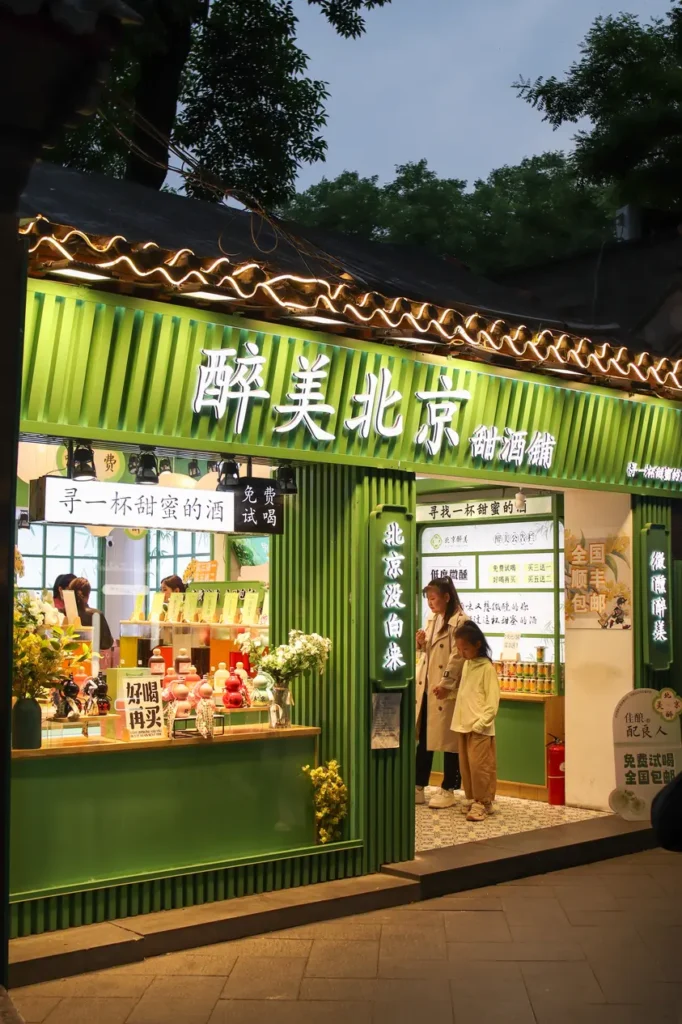
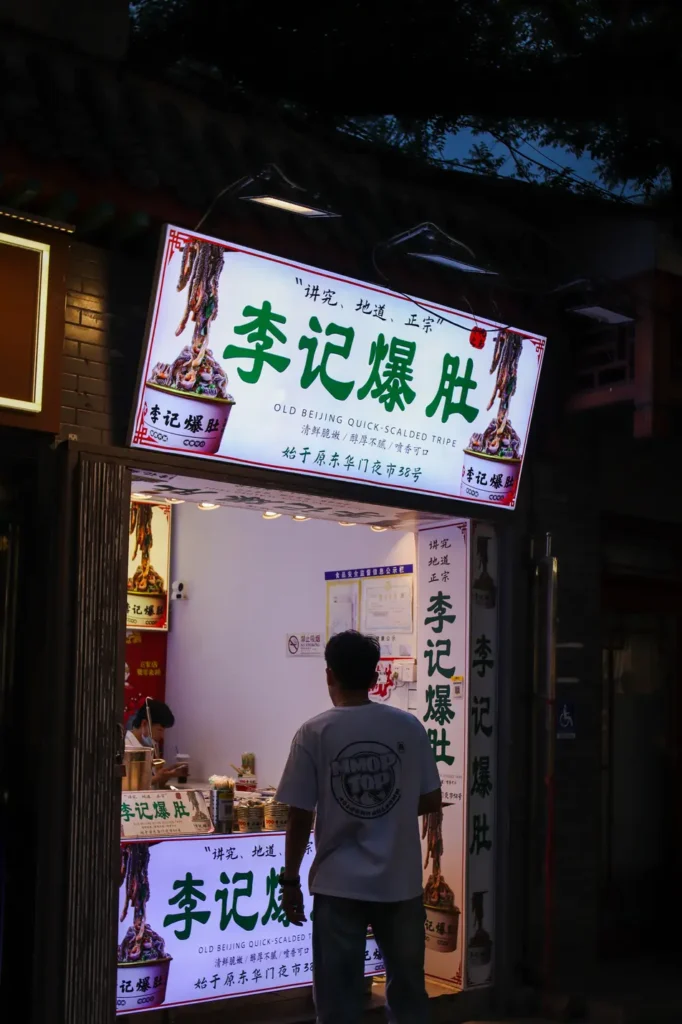
The area has a mix of restored buildings and more traditional corners. If you wander a bit off the main street, you’ll find the narrower alleyways that show the everyday side of local life. It’s a great place to slow down, have a drink, and let the day settle in.
Day 3 in Beijing
» Great Wall of China (Mutianyu Section)
The Great Wall isn’t actually in the city of Beijing, so you’ll need to set aside at the very least one hour of travel each way. But it’s one of the Seven Wonders of the World, and visiting Beijing is one of the easiest chances you’ll ever have to see it.
So if it’s your first time in the city, including the Great Wall is almost non-negotiable. It’s one of those places where photos simply can’t prepare you for the moment you’re standing on the wall itself.
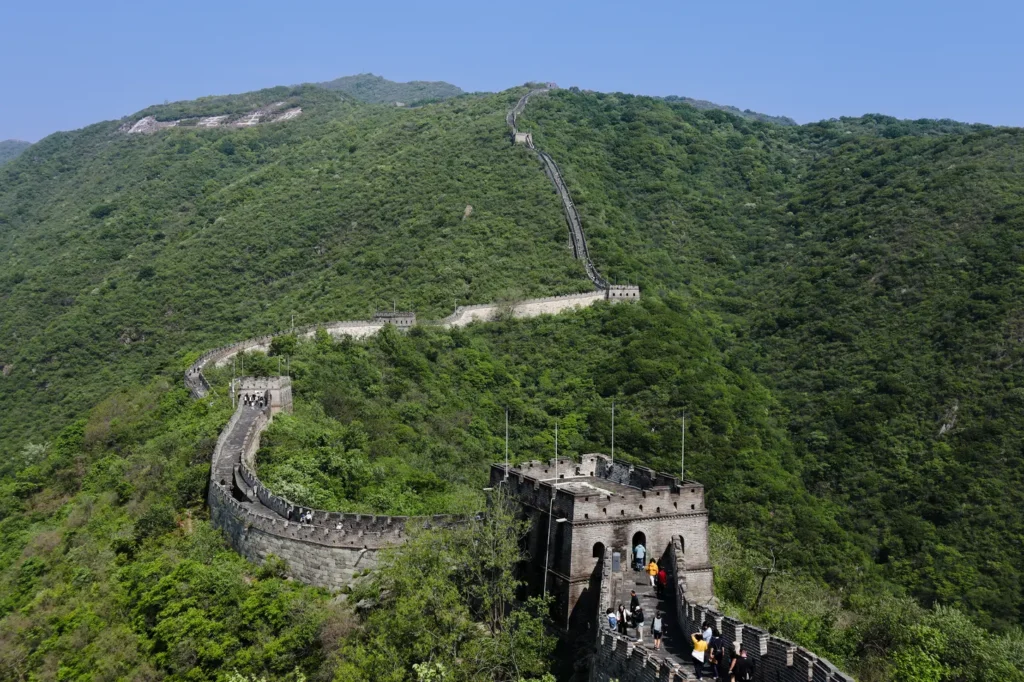
The Great Wall is over 21000 km long. Naturally, not all sections are open to visitors today. Some parts are fully restored, others remain wild and untouched, and each section offers a very different experience.
When visiting from Beijing, the two most common access points are Badaling and Mutianyu. Badaling is the most famous and the easiest to reach, but it can get extremely crowded. That’s why I recommend Mutianyu instead.
It also has the toboggan slide, which is exactly as fun as it sounds. You climb up the wall and then slide your way down.
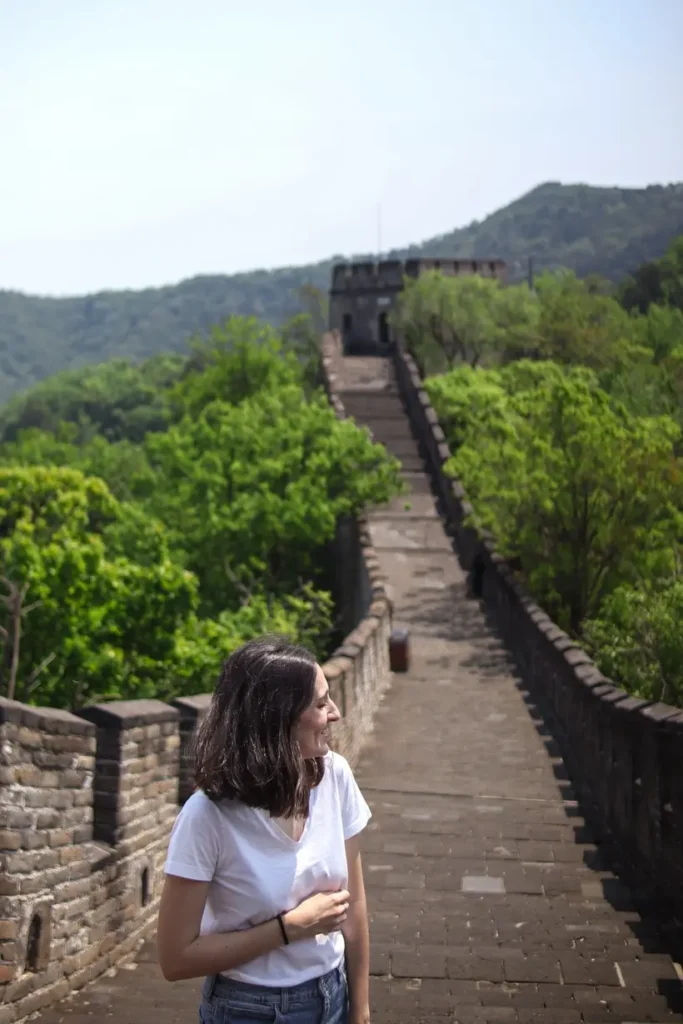

To get there, the easiest option is to leave early in the morning. The drive can take between 1.5 and 2 hours, depending on traffic.
Once you arrive, you’ll first take a shuttle bus to reach the base of the wall. From there, you can choose how to go up: cable car, chairlift, or hike. I’d recommend the cable car up and toboggan down, especially if you want to save your legs and enjoy the views.
The wall itself is steep in places, with lots of ups and downs, so plan to spend 2–3 hours walking along the different watchtowers. Some parts are restored and smooth, while others are more uneven, giving a sense of how ancient the wall really is.
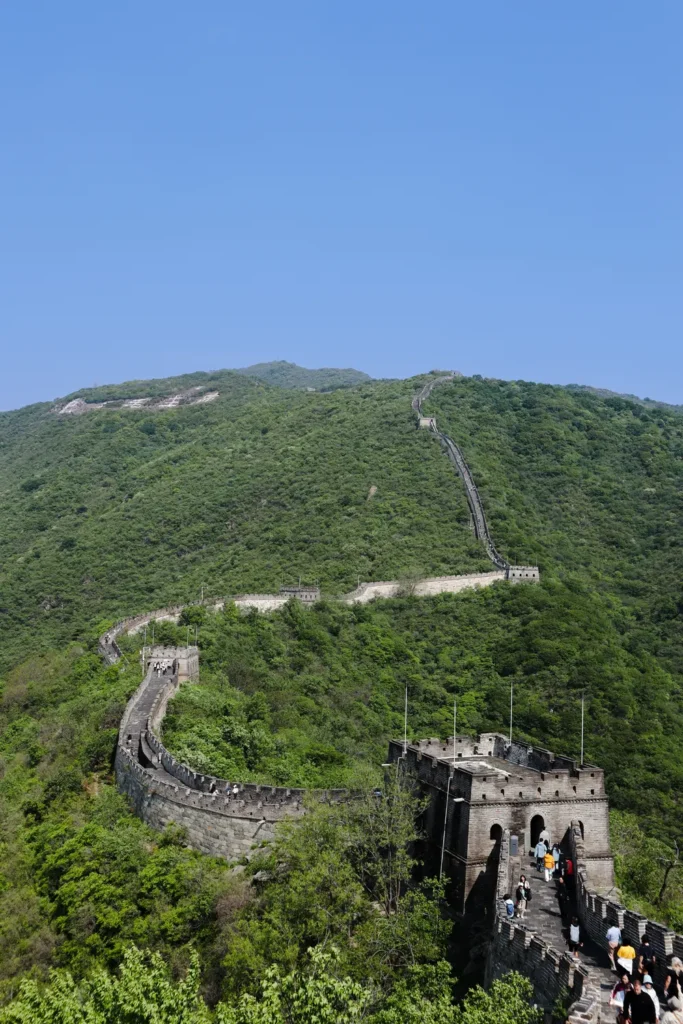
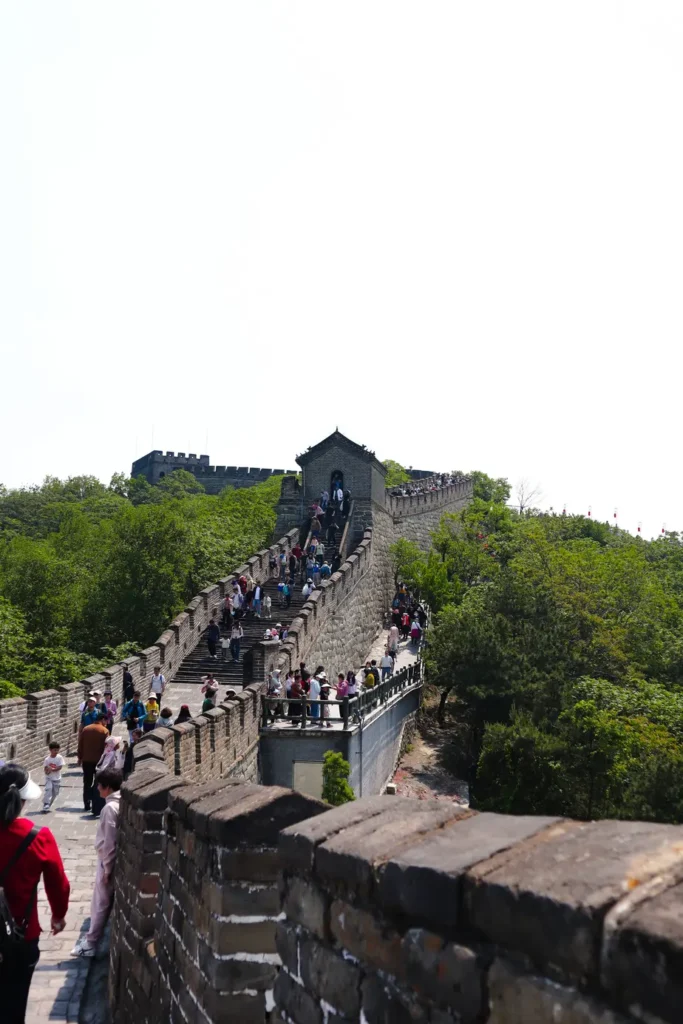
There’s a lot more to know: how to buy tickets, how the shuttle works, the best viewpoint sections, and how to avoid the busiest times. So, I’ve put everything into a full, step-by-step guide with photos and clear instructions.
If you prefer something more relaxed and don’t want to plan the logistics yourself, you can join a guided tour to Mutianyu with transport from Beijing.
👉 Read also: Step-by-step guide to the Mutianyu section
» 798 Art Zone
If you only spend half a day at the Great Wall (which I recommend), you’ll likely return to Beijing with a free afternoon or, at least, a couple of hours.
This is a great moment to explore a different side of the city, away from temples and historic landmarks.
I didn’t visit the 798 Art Zone myself, but a close friend did and loved it so much that I decided to include it here. It’s definitely on my list for next time.
The 798 Art Zone is a contemporary art district built inside a former factory complex. The old industrial buildings are now filled with galleries, murals, design studios, cafés, and creative shops. It has a very urban and artistic atmosphere, completely different from the more traditional parts of the city.
It’s one of the best things to do in Beijing if you enjoy modern art, photography, architecture, or simply wandering through unique neighborhoods.
Even if you’re not usually a “museum person”, the 798 Art Zone is more about the experience than the exhibitions. Think of it as a place to walk slowly, take in the surroundings, and maybe stop for a coffee in between.
Must-try food and restaurants in Beijing
Trying local food is one of the best ways to connect with Beijing. Meals here are meant to be shared, slow, and full of flavor. Even with just a few days in the city, you’ll have plenty of opportunities to try both classic dishes and smaller local spots that feel more personal.
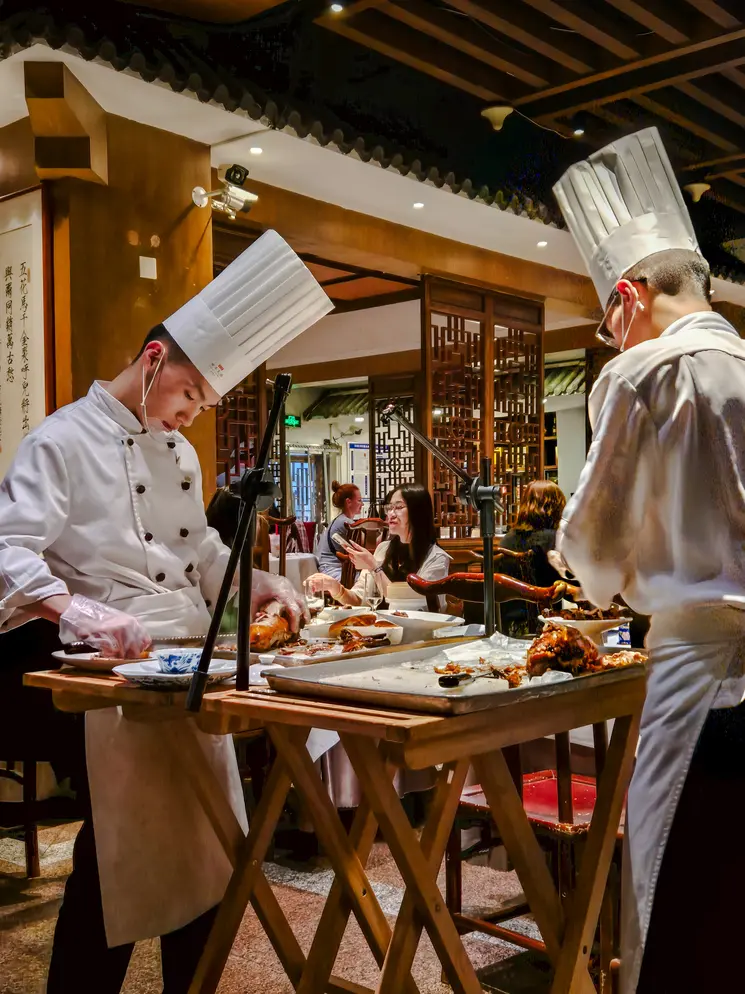
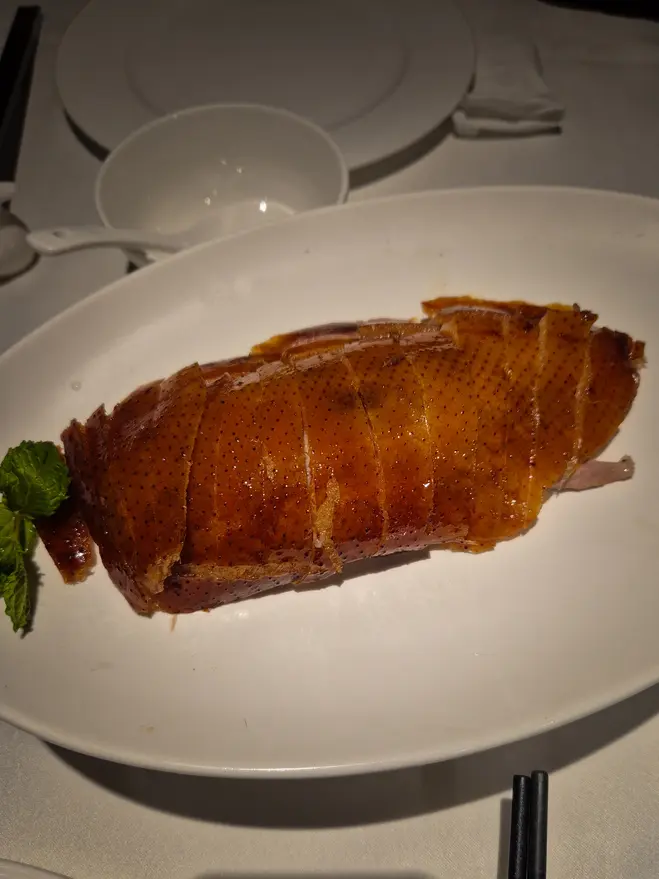
The dish most associated with the city is Peking Roast Duck. It’s crisp on the outside, tender inside, and usually served with thin pancakes, scallions, and a sweet sauce. It’s a must-try at least once during your trip.
Here are some of my favorite restaurants during my time in Beijing (try finding them in Amap, an alternative to Google Maps):
- Siji Minfu — Great spot for Peking Roast Duck. There’s usually a line, but it moves fast and the duck is worth it.
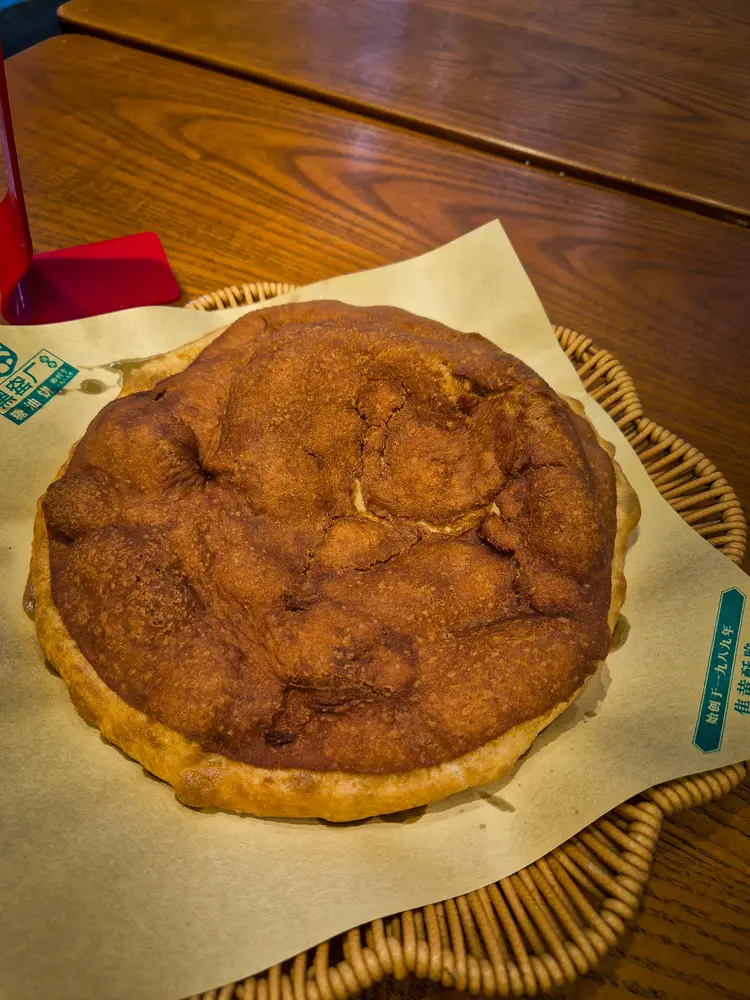
- Heiyaochanjie Sugar Cake Lamb Spine Hot Pot — We had Doornail Meat Pie and sugar pancakes, we kept seeing them everywhere
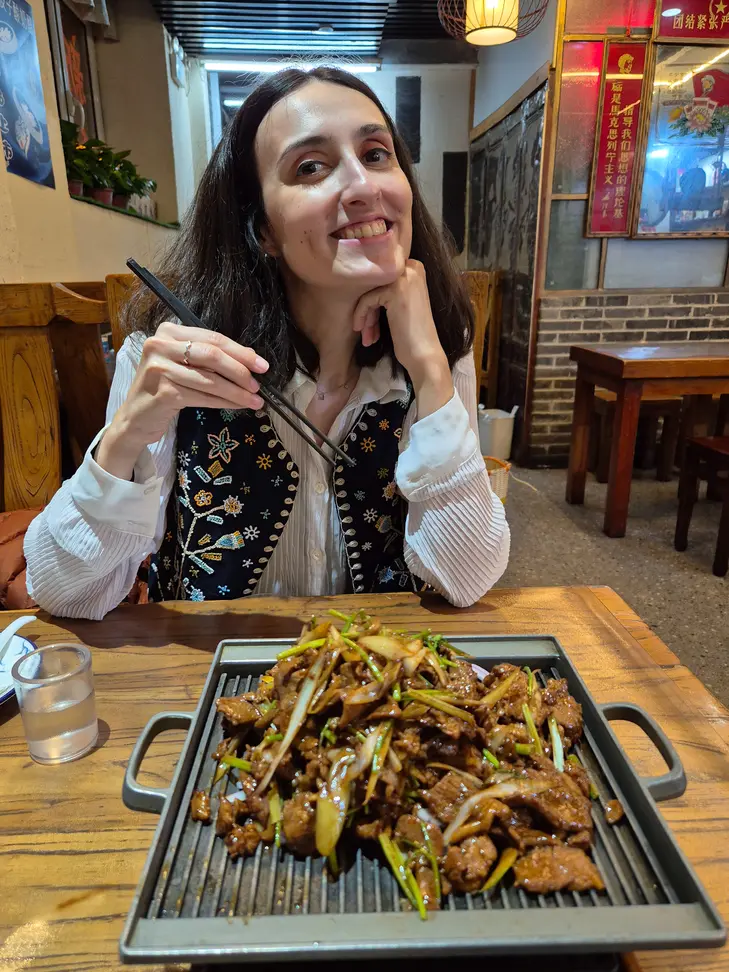
- Xinhe Restaurant — Found this one on TikTok and the food was genuinely good. We had some shrimp gyosas and some grilled meat.
- Little Yunnan — Cool little restaurant with delicious fried rices.

🎫 Prefer to explore with a guide? This foodie tour is a great way to try local spots you wouldn’t find on your own.
How many days in Beijing
For most travelers, three days is the perfect amount of time in the city. It’s enough to visit the Forbidden City, walk up to the viewpoints at Jingshan Park, explore the hutongs, and still take a full day trip to the Great Wall.
You’ll stay busy, but you won’t feel rushed. I spent 3 days in Beijing myself, and this already included a day trip to the Great Wall at Mutianyu, which was one of the highlights of my trip.
Best time to visit Beijing
Beijing’s seasons are quite different from each other. Here’s an overview:
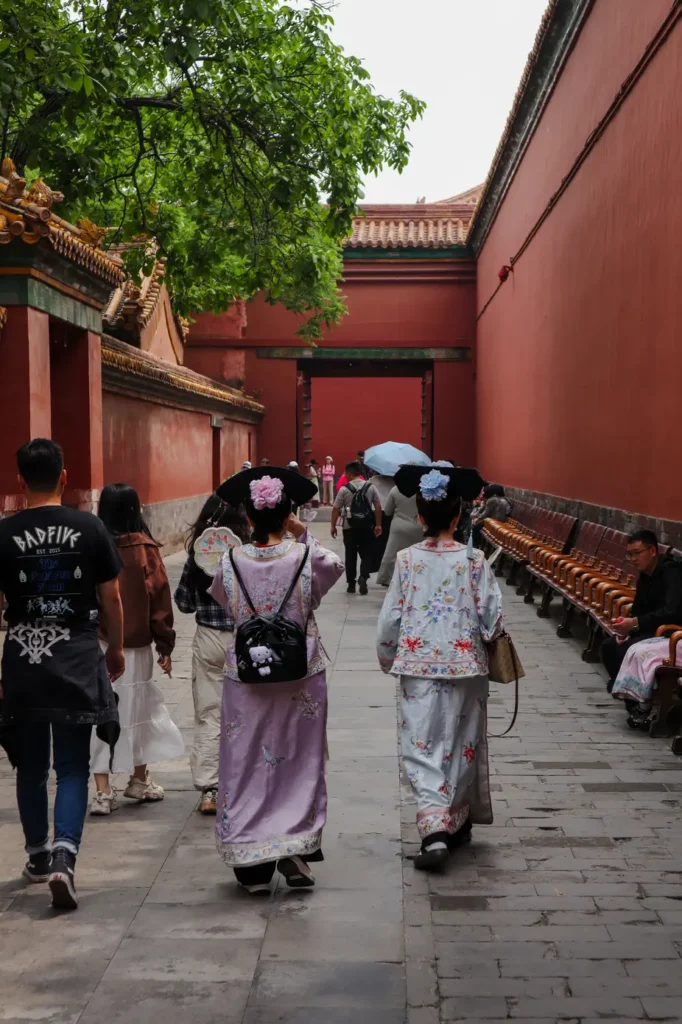
Spring (April–May) is one of the best months to visit Beijing. The weather is generally mild, the parks and trees begin to bloom, and walking around the city feels comfortable. Some days can get a bit dusty because of the winds, but overall, it’s a lovely season to explore outdoors.
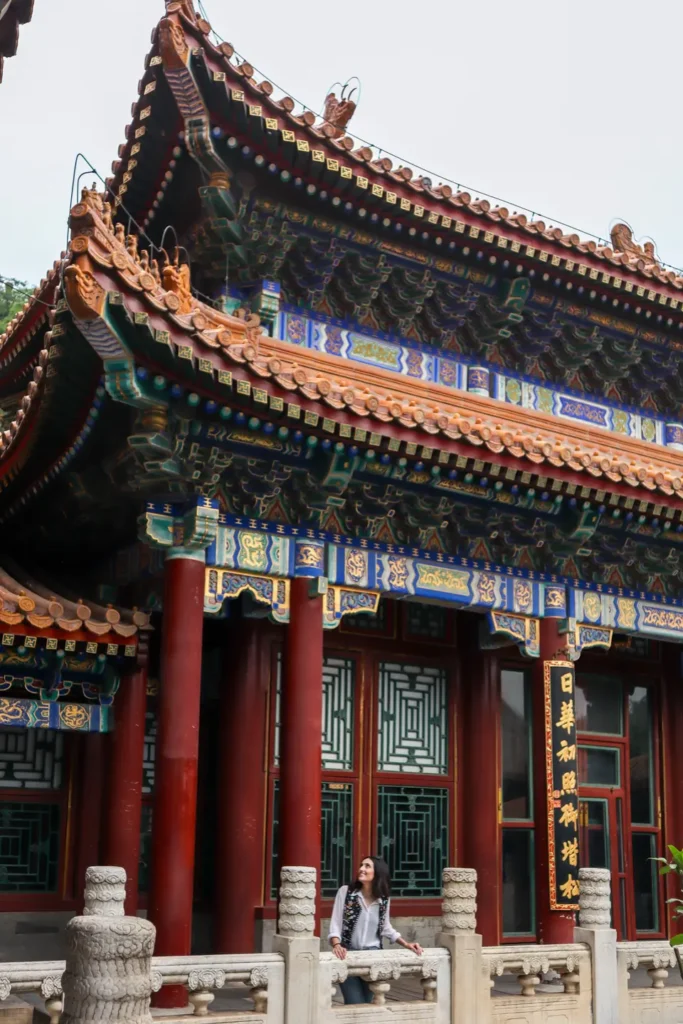
Summer (June–August) is hot and humid. If you’re visiting during this time, start sightseeing early in the morning, take breaks during the hottest hours, and bring sunscreen and water. This is also the season when many locals travel, which can mean more crowds.
Fall (September–October) is often considered the most pleasant time to visit. Clear skies, comfortable temperatures, and golden leaves in the parks make it a great season for walking and exploring. If you’re looking for the best things to do in Beijing outdoors, fall is ideal.
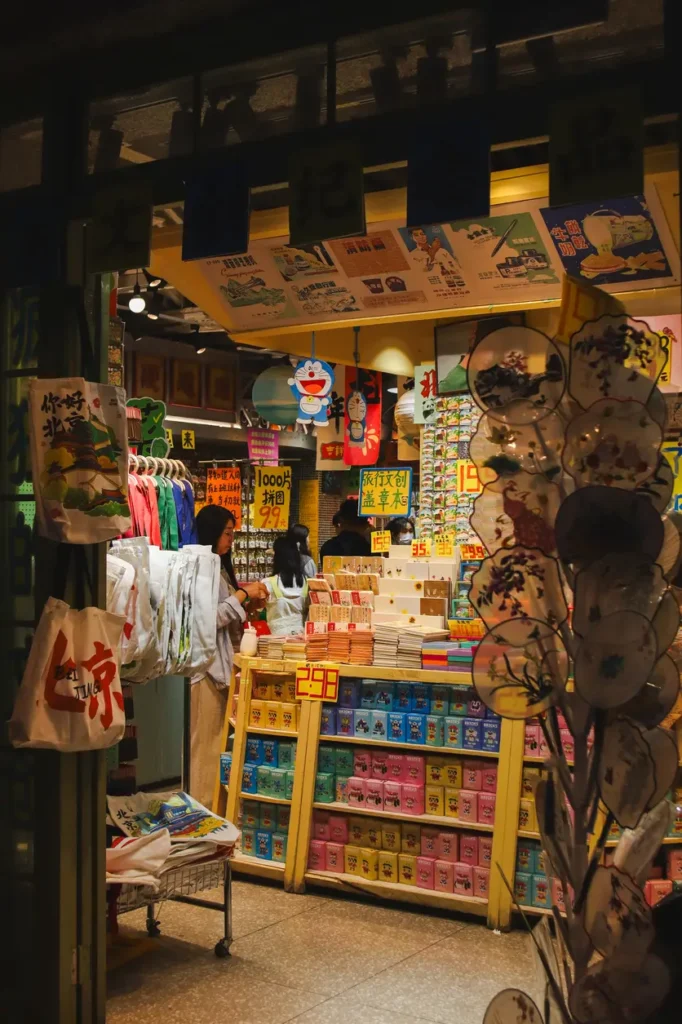
Winter (November–February) is very cold, with temperatures sometimes dropping to -8°C (17°F) or lower. If you don’t mind layering up, the upside is that the city (and even the Great Wall) is much less crowded.
No matter when you come, try to avoid major national holidays, especially Golden Week (early October), Chinese New Year, and Labor Day weekend (late April/early May). I visited China during Labor Day, and it was very crowded. If you can plan around these dates, everything will feel much calmer.
I visited Beijing in early May, and the weather was quite balanced. Two warm sunny days and one cooler, rainy day. It felt just right for walking, sightseeing, and exploring without rushing.
Final thoughts about Beijing
Beijing is big, layered, and full of contrasts. You can spend the morning walking through ancient palaces and the afternoon sipping tea in a quiet hutong café. That mix of history and everyday life is what makes a Beijing itinerary so special.
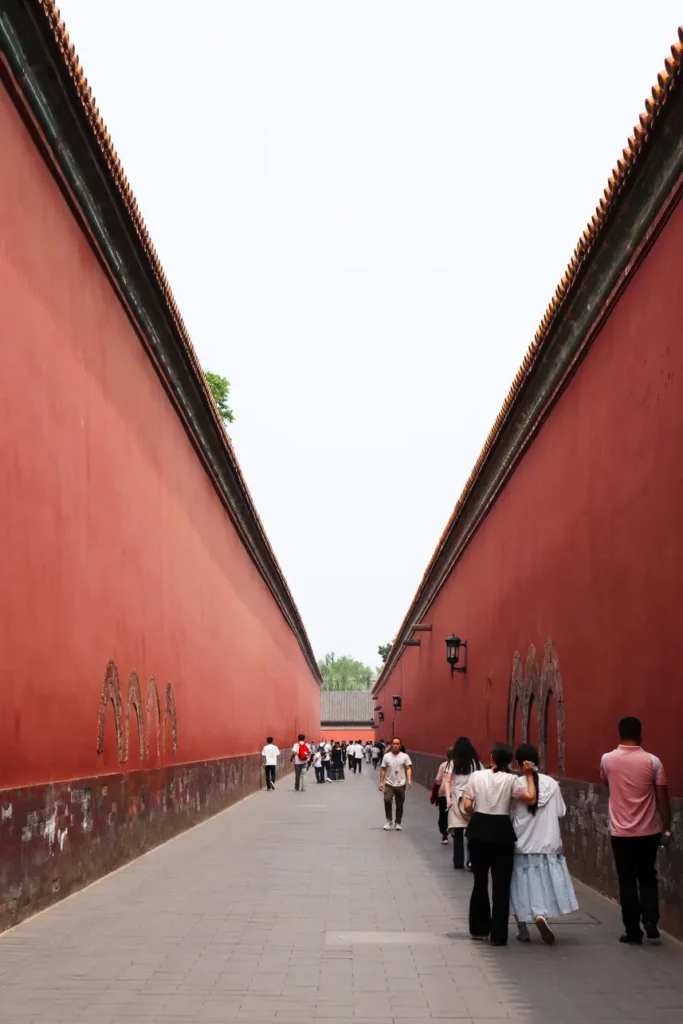
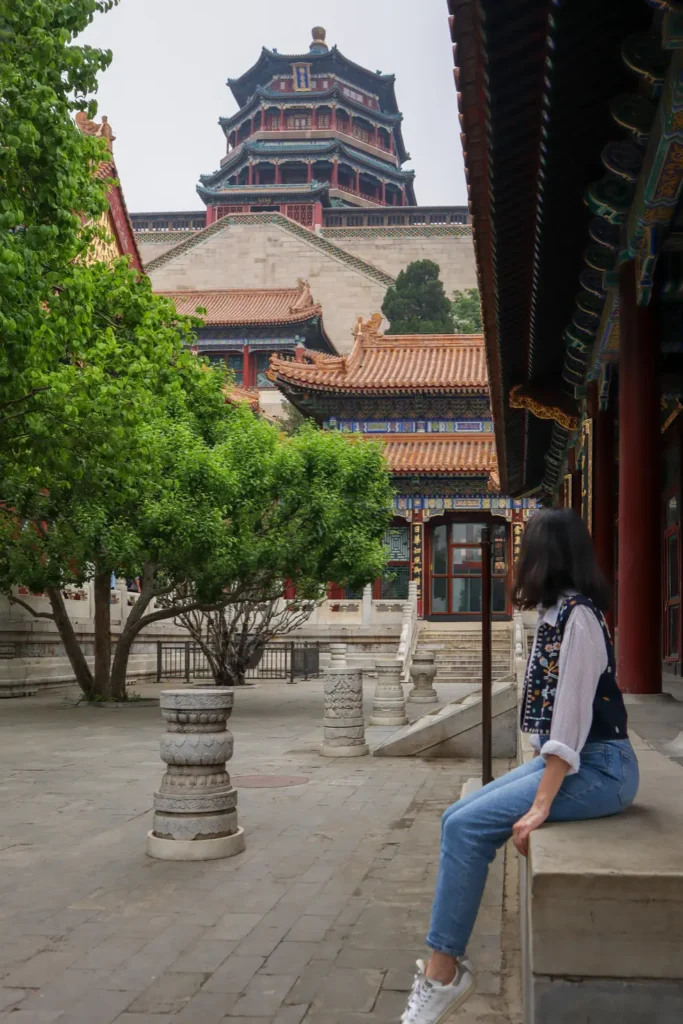
If you’re planning 3 days in Beijing, you’ll have enough time to see the city’s main highlights. The Forbidden City, the Temple of Heaven, the hutongs, and of course, the Great Wall.
I hope this guide gave you a clear starting point to plan your itinerary and made planning feel easier instead of overwhelming.
Are you planning a trip to Beijing soon? Which place are you most excited to see first?
Disclaimer: this post may contain some affiliate links, which means I get a small commission if you buy something through my links. This doesn’t represent any additional cost to you and you’ll be supporting my work here on the blog😊