
Looking for the perfect Algarve itinerary? Then you’re in the right place. If you’re planning to spend one week in southern Portugal and wondering what to do in the Algarve or which are the best places to visit in the Algarve, this guide has you covered.
I’ve visited the Algarve several times over the years and, as a Portuguese, I’ve had the chance to experience it beyond the summer crowds. While the Algarve is famous for its golden beaches and dramatic cliffs, there’s so much more to discover.
In this guide, I’ll show you exactly how I’d recommend spending one week in the Algarve. You’ll visit some of Portugal’s most beautiful beaches, explore historic towns like Silves and Tavira, discover lesser known places such as Alcoutim and Cacela Velha, and hike one of the country’s most spectacular coastal trails.
You’ll also find practical tips on where to stay, how to get around, where to eat, and how to make the most of your time. By the end of this guide, you’ll have everything you need to confidently plan an unforgettable Algarve road trip.
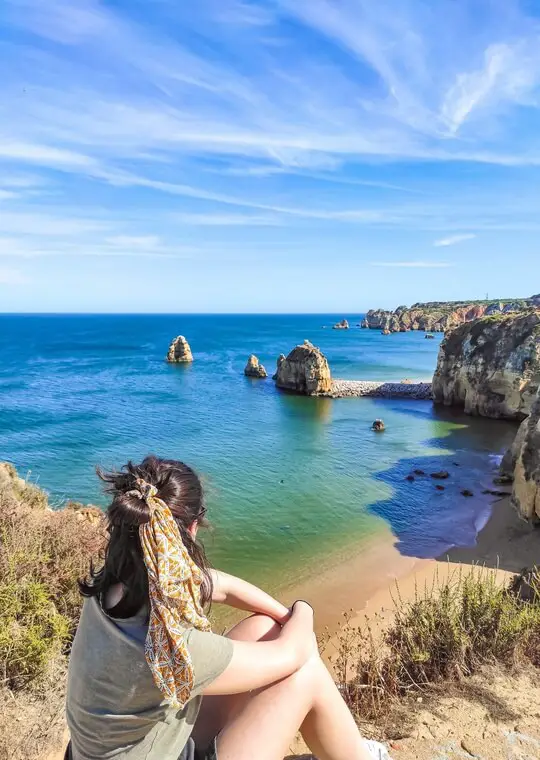
In a hurry? Plan your trip to the Algarve now!
📍Top places to visit in the Algarve: Silves | Ponta da Piedade | Seven Hanging Valleys Trail | Lagos | Sagres | Ria Formosa Natural Park | Tavira | Cacela Velha
🚗 How to get around: Renting a car is the best way to explore the Algarve and make the most of this itinerary. While it’s possible to visit the region without a car, having your own vehicle gives you the freedom to explore places that are difficult to reach by public transport. I recommend renting with Discover Cars for the best prices.
⌛ How many days in the Algarve: 7 days
🐬 Most popular tours in the Algarve
– Benagil Caves & Dolphin Watching
– Quad Biking Adventure in the Algarve Countryside
– Guided Kayak Tour to Sea Caves & Hidden Beaches
– Ponta da Piedade Caves Kayak Tour from Catamaran
– Full day tour: Benagil, Marinha Beach, Seven Hanging Valleys & Algar Seco
– Ria Formosa 3-Island Full-Day Tour
– TechSalt Rock Salt Mine Tour
– Ria Formosa Bout Tour with sunset
😴 Where to stay in the Algarve: To minimize driving, I recommend splitting your stay between different areas of the Algarve. Spend your first few nights in Silves to explore the western Algarve, then gradually move east towards Tavira as you follow this itinerary.
💊 Best travel insurance for Portugal: I recommend Heymondo for its excellent balance between affordability and quality.
🛜 Best way to stay connected in Portugal: If your phone supports eSIM, use Airalo (MARIAN4315 = 3$ off). Otherwise, get a MEO, NOS or Vodafone SIM.
💰Currency in Portugal: The local currency is the Euro (€) and I recommend using Revolut to save on conversion fees.
Is the Algarve worth visiting?
Yes, absolutely. But it depends on what you’re looking for.
If your idea of a great vacation includes beautiful beaches, scenic coastal walks, fresh seafood, charming towns, and plenty of sunshine, then I think the Algarve is a great destination in Europe.
What I like most about the Algarve is how diverse it is. Many Portuguese people head to the Algarve every summer for a beach vacation, and it’s easy to see why. The coastline is spectacular.
But there’s so much more to discover beyond the beaches. You’ll find historic towns, traditional villages, scenic hiking trails and beautiful landscapes.
I’ve visited the Algarve several times over the years, and every trip has been different. Some days were spent hiking along the cliffs, while others were all about discovering traditional towns or relaxing by the sea.
If you’re planning your first visit, I recommend spending at least one week in the Algarve. That gives you enough time to see the iconic highlights while also discovering places beyond the typical tourist trail. That’s exactly what this itinerary will help you do.
How to get to the Algarve
The easiest way to reach the Algarve is by flying into Faro Airport. It has regular flights from many European destinations throughout the year, with even more routes available during the summer months.
If you’re already traveling around Portugal, you can also reach the Algarve by train, bus, or car. The region is well connected to the rest of the country, making it easy to include in a longer Portugal itinerary.
Do you need a car in the Algarve?
If you’re planning to visit the Algarve’s most famous towns and beaches, it’s perfectly possible to do so without a car.
Many of the most popular things to do in the Algarve can be visited on guided day tours, and there are plenty of options departing from the main tourist towns. This means you can stay in one place and explore the region without having to drive.
BEST TOURS IN THE ALGARVE
🐬 Benagil Caves & Dolphin Watching
🛻 Quad Biking Adventure in the Algarve Countryside
🛶 Guided Kayak Tour to Sea Caves & Hidden Beaches
🚣 Ponta da Piedade Caves Kayak Tour from Catamaran
🌊 Full day tour: Benagil, Marinha Beach, Seven Hanging Valleys & Algar Seco
🦩 Ria Formosa 3-Island Full-Day Tour
🧂 TechSalt Rock Salt Mine Tour
That said, I recommend renting a car if your budget allows. It gives you much more flexibility and makes it easier to follow this itinerary at your own pace.
You’ll also be able to visit quieter beaches, traditional villages, and some of the less touristy places that many visitors miss.
Another advantage is that driving in the Algarve is generally straightforward. The roads are in good condition, distances are relatively short, and outside the busiest summer months, traffic is usually light. Compared with driving in larger Portuguese cities, I find the Algarve much more relaxed.
For this itinerary, I recommend renting a car through Discover Cars. It’s the platform I personally use to compare prices from different rental companies and find the best deal.
Where to stay in the Algarve
The Algarve is much bigger than many first-time visitors expect. While it’s possible to stay in just one place for your entire trip, I recommend splitting your stay between a few locations. It’ll reduce the amount of driving and make it easier to explore different parts of the region.
For this itinerary, I recommend spending your first nights in Silves. It’s quieter than the coastal resorts, yet close to many of the region’s main attractions. From here, you can easily visit places like Lagos, Sagres, Carvoeiro, Monchique, and the Seven Hanging Valleys Trail without changing hotels every day.
After that, I suggest gradually moving east. This keeps the driving time short and avoids unnecessary backtracking. It also lets you discover a different side of the Algarve, from historic towns to the quieter beaches near the Spanish border.
Here are the hotels I stayed at during my trip:
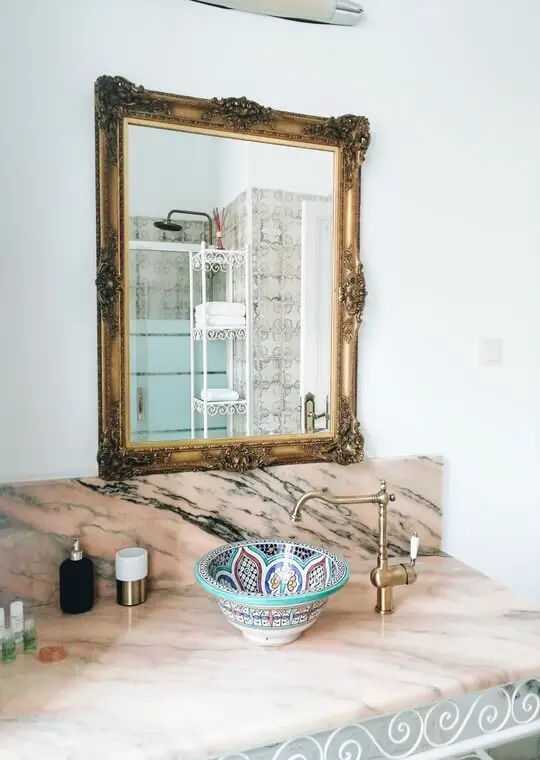
- [Silves] Mosaiko Suites: Located in the historic center, this beautifully restored building offers spacious apartments and an excellent breakfast served at the restaurant next door. I would happily stay here again.
- [Loulé] Loulé Jardim Hotel: A simple but comfortable hotel within walking distance of the historic center. It’s a good choice for a one night stop.
- [Tavira] Country House Tavira Monte: A peaceful property with comfortable rooms and a swimming pool. It’s a great option if you don’t mind staying a short drive from Tavira.
- [Monte Gordo] The Prime Energize Monte Gordo: A modern hotel with spacious rooms, a rooftop pool, and one of my favorite breakfasts of the trip.
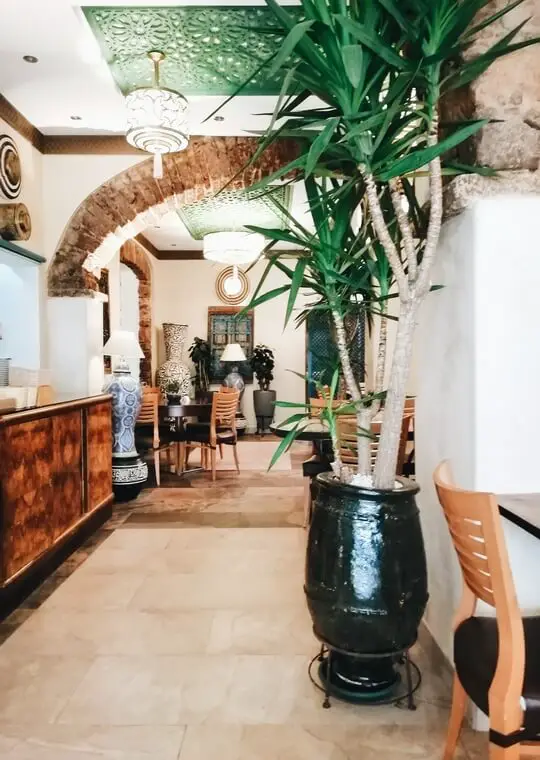
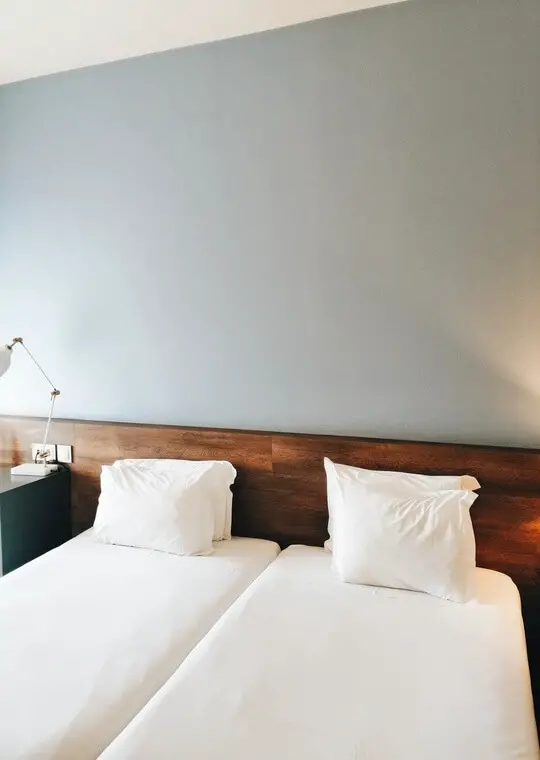
If these aren’t available, here are a few other accommodations that were on my shortlist:
- Lagos: Uma Casa a Beira Sol | Safari Beach GuestHouse | Suites Inn Lagos | Apartamentos Marvela | Carvi Beach Hotel | Tivoli Lagos
- Lagoa: Lagoa Hotel
- Carvoeiro: Quinta das Andorinhas | Carvoeiro Hotel | Placid Village | O Quintal Guesthouse | Castelo Guest House
- Loulé: Casa Beny 1897 Guesthouse | aleixomor’Aqui
- Vila Real de Santo António: Pousada Vila Real de Santo António
💡 PORTUGUESE TIP: If you’re visiting during the summer, book your accommodations as early as possible. The best places tend to sell out quickly, especially in the Algarve’s most popular towns.
💼 TRAVEL INSURANCE: It’s one of those things you hope you won’t need… but it can save you a lot of money and stress if something goes wrong.
I personally use Heymondo because it offers strong coverage at a reasonable price, including medical expenses, lost luggage, and electronics.
What I like most is how easy it is to manage everything through their app, especially if you ever need assistance while traveling.
As a Ticket to Take Off reader, you get 5% off, already applied when booking through the link below.
Best activities & tours in Algarve
🎫 Don’t leave your activities until the last minute. Some of the most popular tours sell out quickly, especially during peak season. I personally use GetYourGuide to book activities because it’s easy to compare options and most tours offer free cancellation. Use code ATICKETTOTAKEOFF5 for 5% off your first booking in the app. Download here!
Algarve itinerary
Before diving into the detailed itinerary, here’s a quick overview of what each day looks like.
I’ve designed this itinerary to minimize driving and avoid unnecessary backtracking, while giving you the chance to experience different sides of the Algarve. You’ll visit famous beaches and dramatic cliffs, but also historic towns, traditional villages, and a few lesser known places that many visitors skip.
Of course, you don’t have to follow it exactly. Feel free to adjust it based on your interests, the time of year you’re visiting, or where you’re staying.
- Day 1: Silves – Sagres – Lagos – Silves
- Day 2: Silves – Lagos – Alvor – Silves
- Day 3: Silves – Lagoa – Carvoeiro – Ferragudo – Silves
- Day 4: Silves – Alte – Loulé
- Day 5: Loulé – Estoi – Faro – Olhão – Tavira
- Day 6: Tavira – Pego do Inferno – Cacela Velha – Monte Gordo
- Day 7: Monte Gordo – Vila Real Santo António – Castro Marim – Alcoutim
Day 1 in Algarve
Your first day is all about discovering the western Algarve. You’ll explore historic towns, dramatic coastal scenery, and some of the region’s most iconic beaches.
I recommend staying in Silves for the first nights of this itinerary. It’s one of the best bases for exploring the western Algarve and lets you visit places like Sagres, Lagos, and Carvoeiro without changing hotels every day. This keeps driving to a minimum and gives you more time to enjoy each stop.
- 🚗 Driving time: 2h (136 km / 84 miles)
- 📍 Itinerary: Silves – Sagres – Lagos – Silves
- 😴 Where to sleep: Silves (my recommendation: Mosaiko Suites)
» Silves
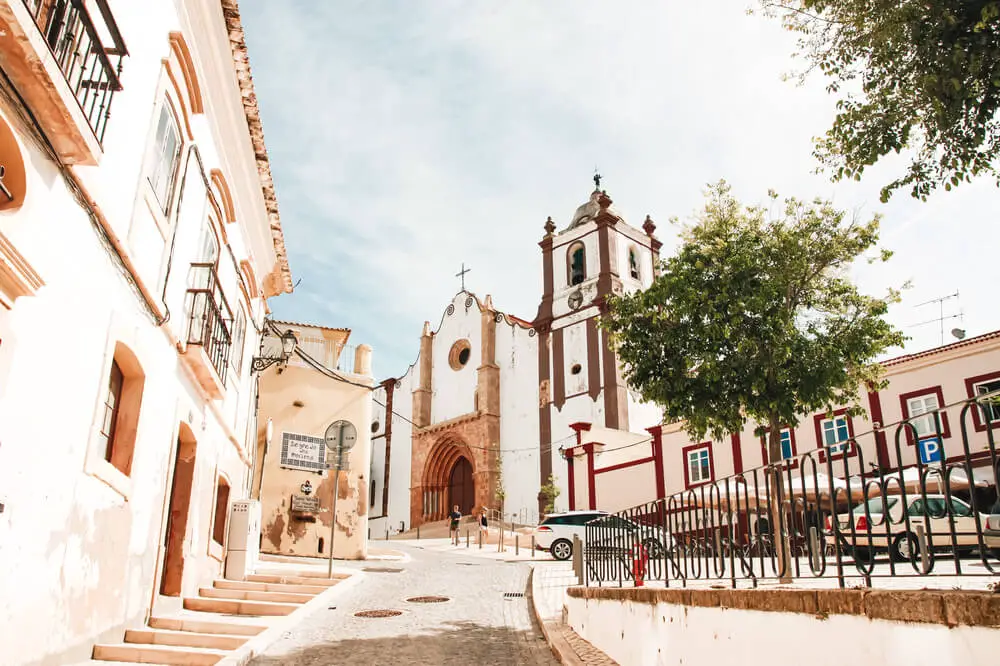
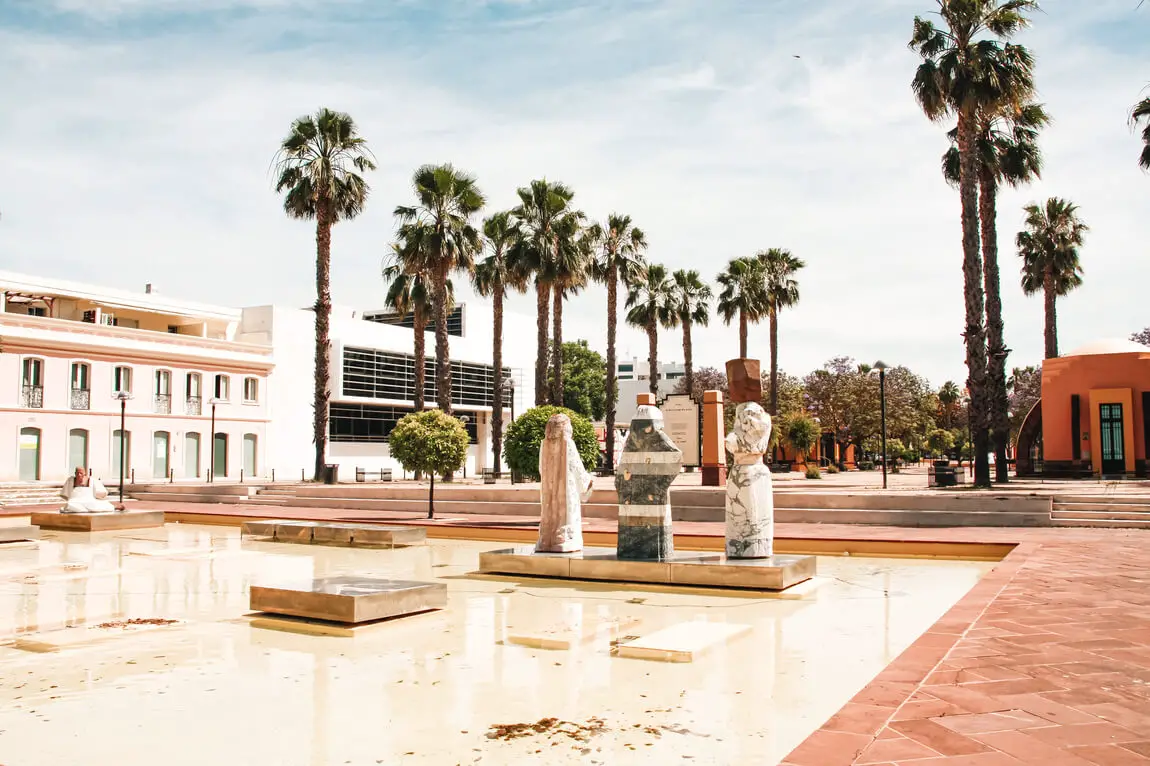
Start your morning in Silves, one of my favorite towns in the Algarve. While many visitors head straight to the coast, I think Silves deserves a spot on every first-time itinerary. It’s small enough to explore in a few hours but packed with history.
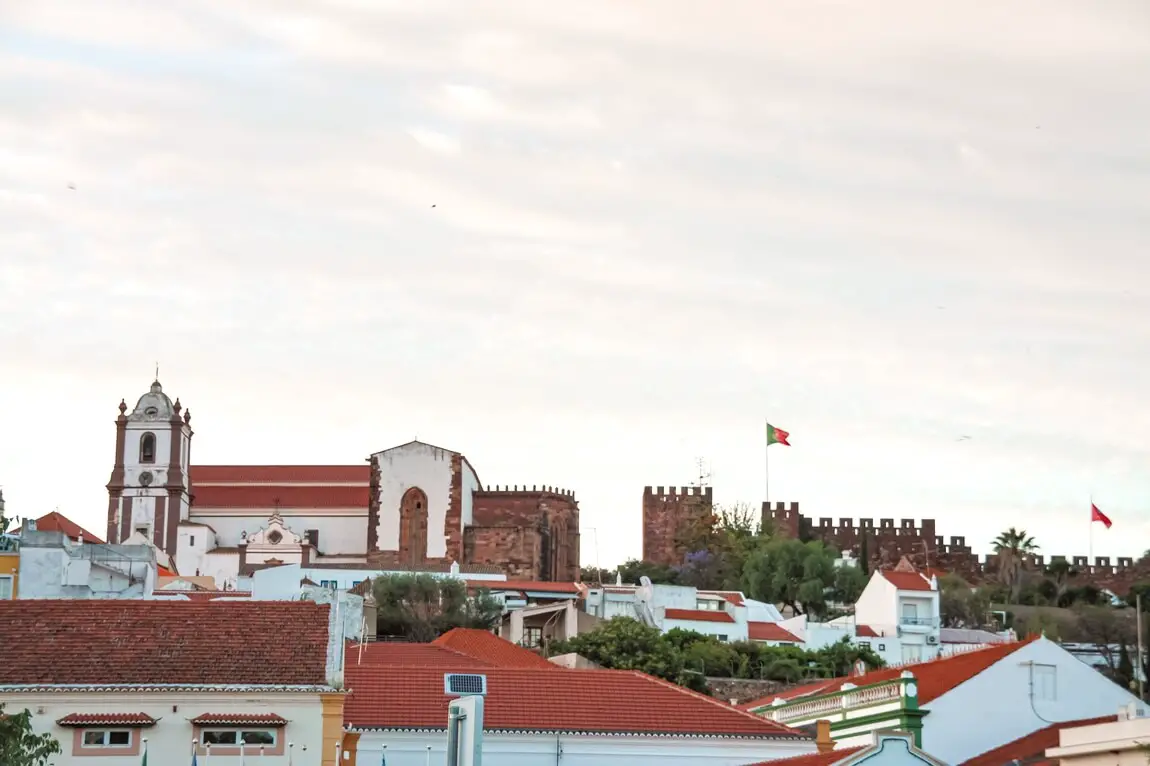
Silves was once the capital of the Algarve during Moorish rule, and you’ll notice its influence throughout the historic center. I recommend starting your visit at Silves Castle, one of the best preserved castles in Portugal.
Adult tickets cost 2.80€ (3.2 USD), or 3.90€ (4.5 USD) if you also want to visit the Archaeology Museum.
🎫 Want to make the most of your visit? If you’re interested in the history of Silves, this Silves guided walking tour is well worth it. It covers the city’s Moorish heritage, the castle, and other important landmarks, giving you a much better understanding of why Silves was once the capital of the Algarve.
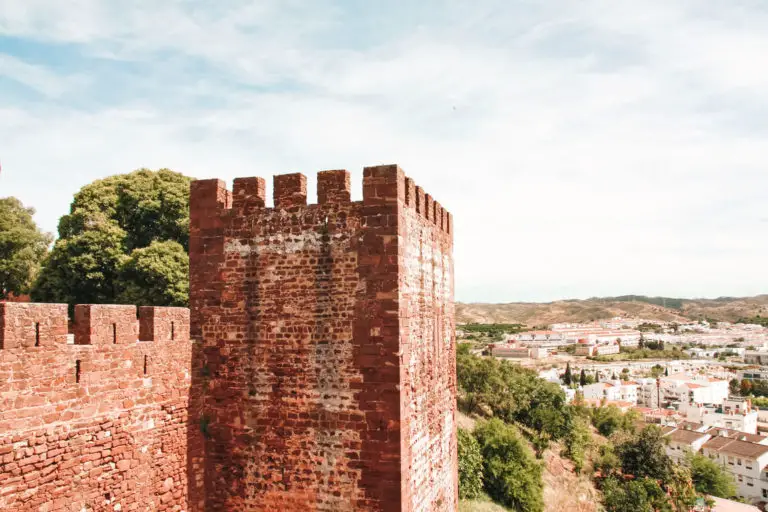
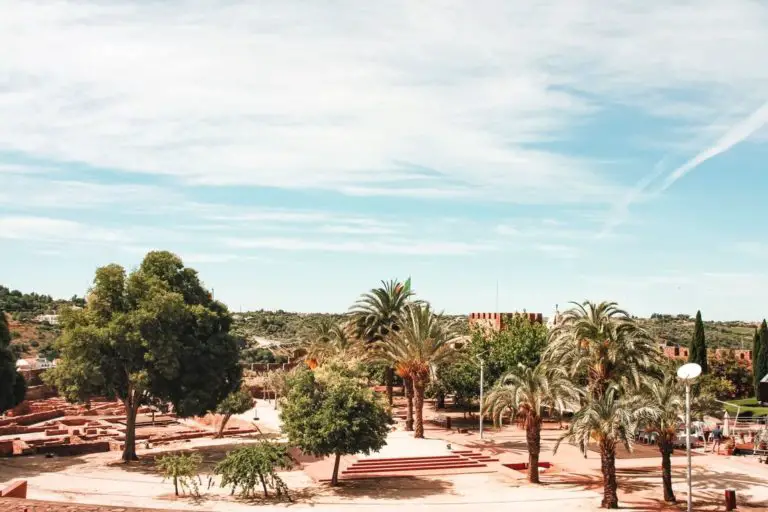
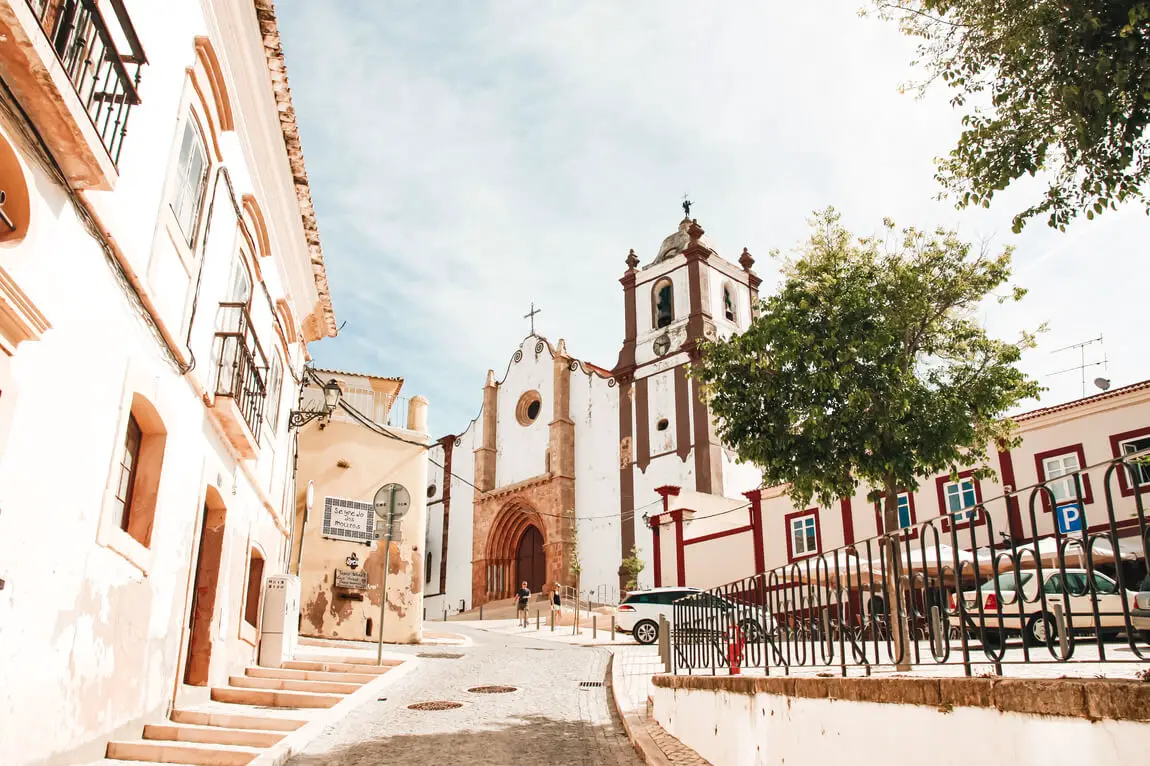
From there, walk to Silves Cathedral, which was built on the site of a former mosque, before continuing to Al Mutamid Square.
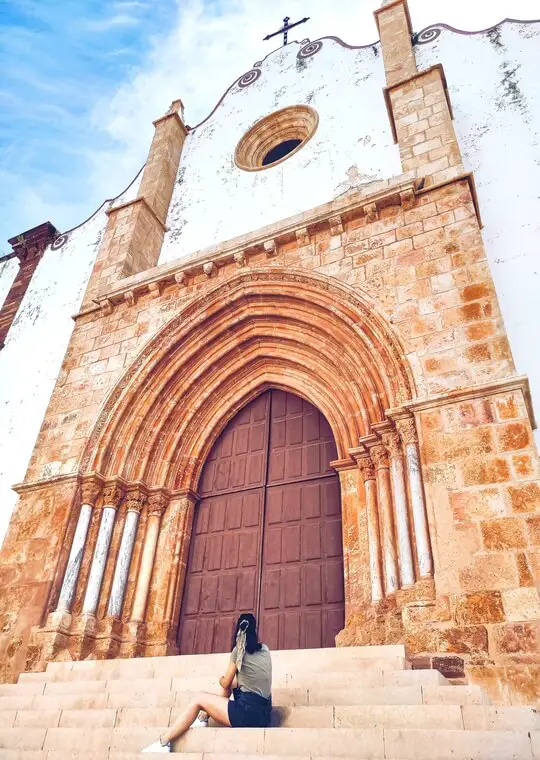
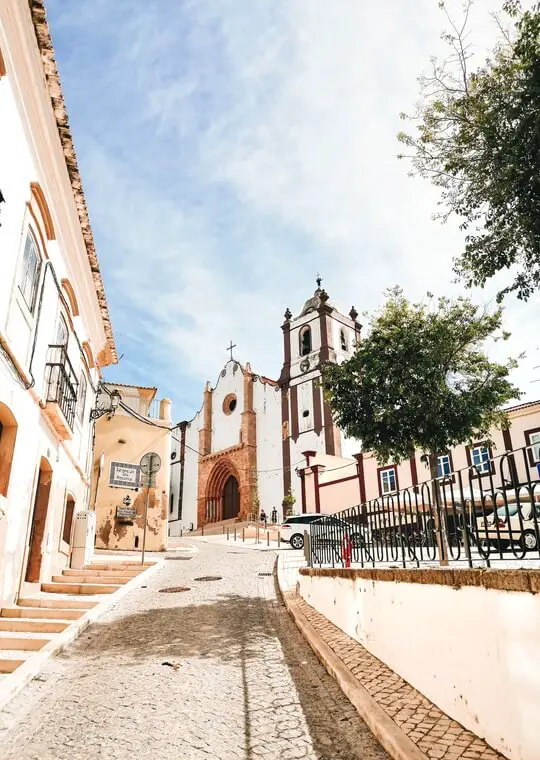
Then, simply wander through the narrow streets of the old town. Don’t miss the Roman Bridge, the City Market, and Rebola Arch along the way.
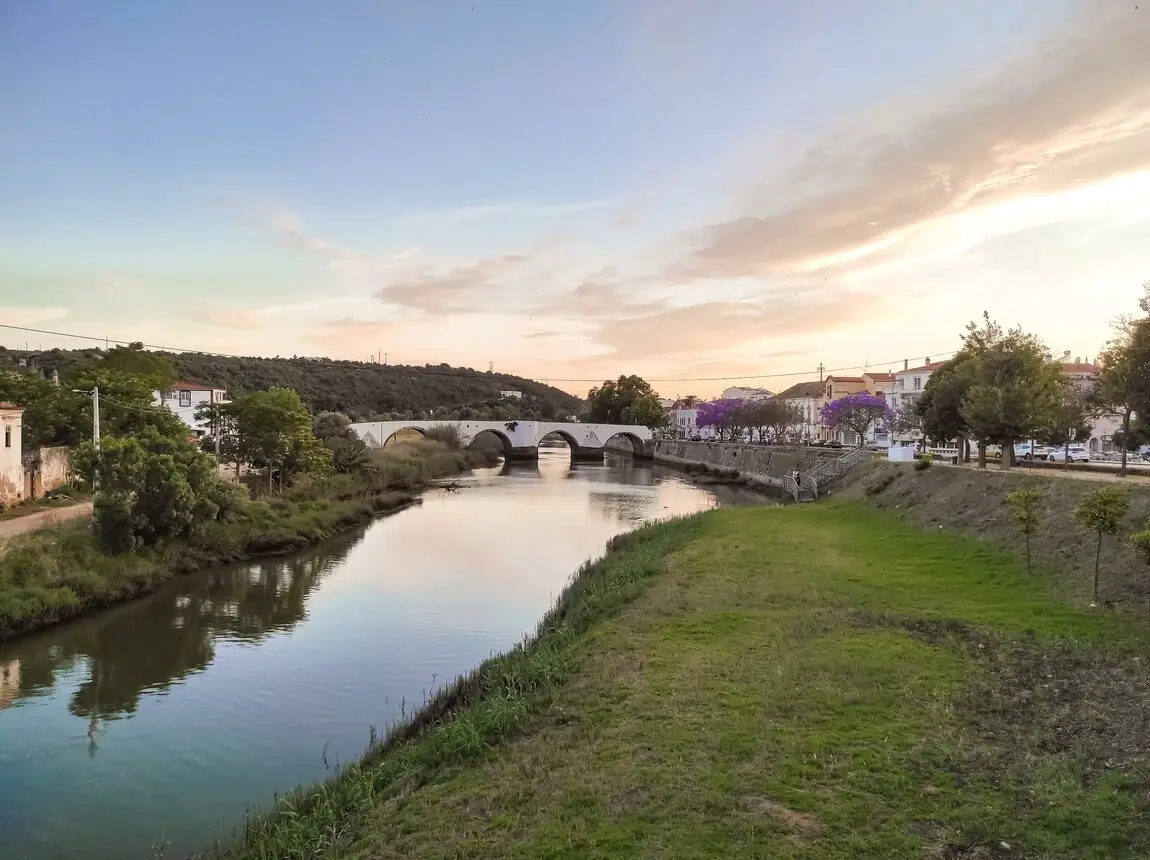
Before leaving Silves, cross the bridge over the Arade River. One of my favorite views of the town is from the opposite riverbank, where you can admire the castle rising above the rooftops. If you happen to be here at sunset, the view is even more beautiful.
» Sagres
Next, drive to Sagres, the southwestern tip of mainland Europe.
The landscape changes completely here. Instead of orange groves and historic streets, you’ll find towering cliffs, powerful Atlantic waves, and great ocean views.
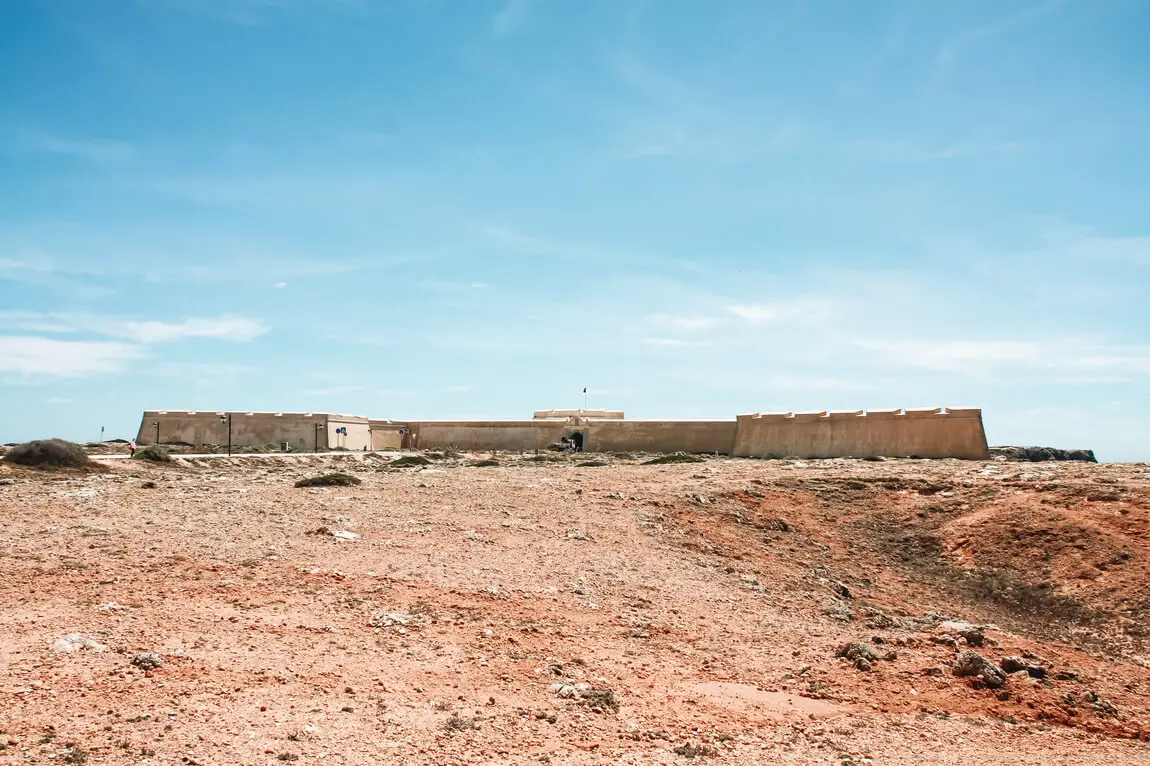
I recommend starting at Sagres Fortress, one of Portugal’s most important coastal fortresses.
Besides its history, the views over the Atlantic Ocean alone make it worth the visit. Adult tickets cost 10€ (11 USD). I recommend checking the most up-to-date information before visiting.
🎫 If you’re spending a bit longer in Sagres, I’d definitely consider this dolphin and whale watching tour. It’s a completely different way to experience the Algarve’s coastline and one of the few places in Portugal where you have a good chance of spotting dolphins in the wild.
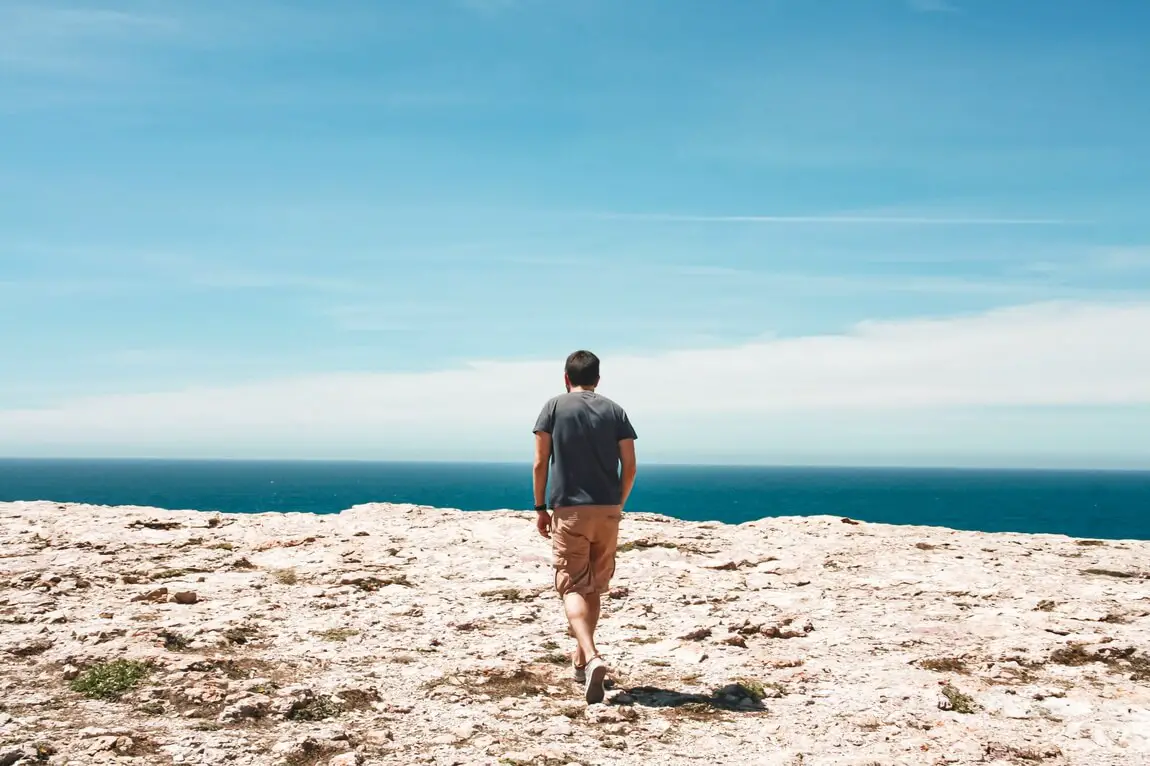
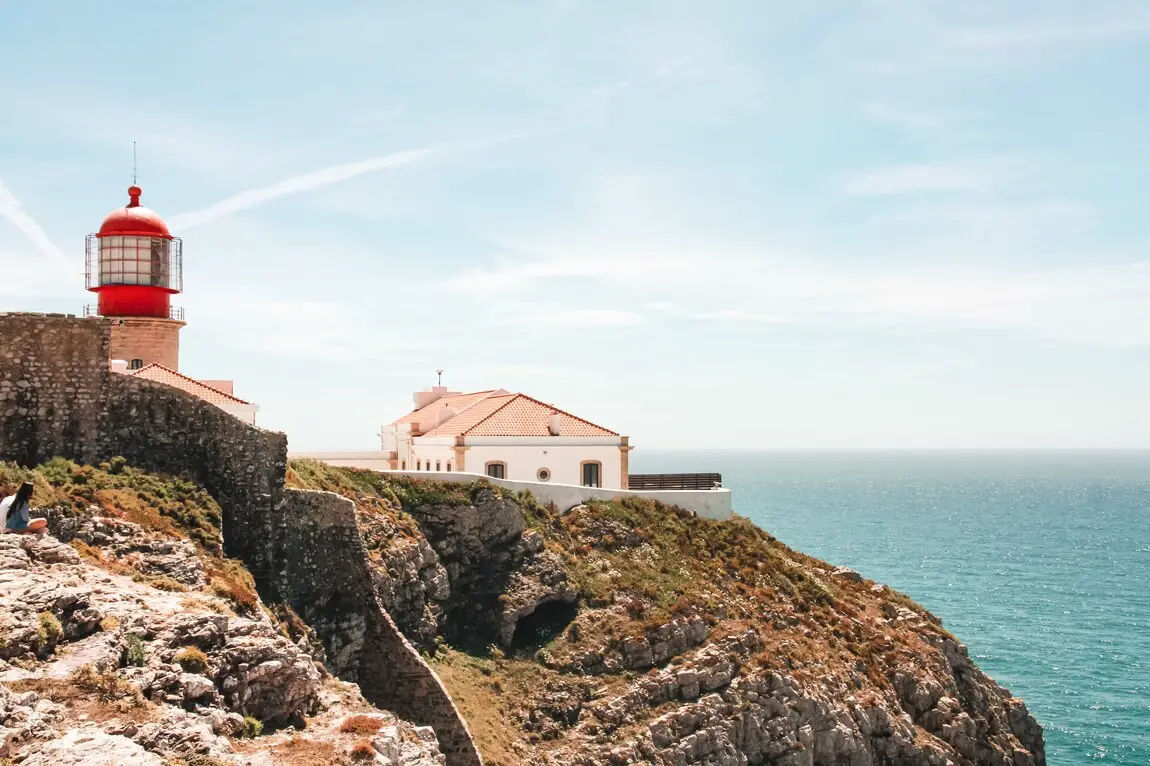
Continue to Cape St. Vincent, one of the most famous viewpoints in the Algarve. It’s the perfect place to admire the rugged coastline before making a quick stop at the nearby Belixe Fortress and also São Vicente Lighthouse.
The Belixe Fortress is not as well-preserved as the Sagres Fortress, but it is still interesting.
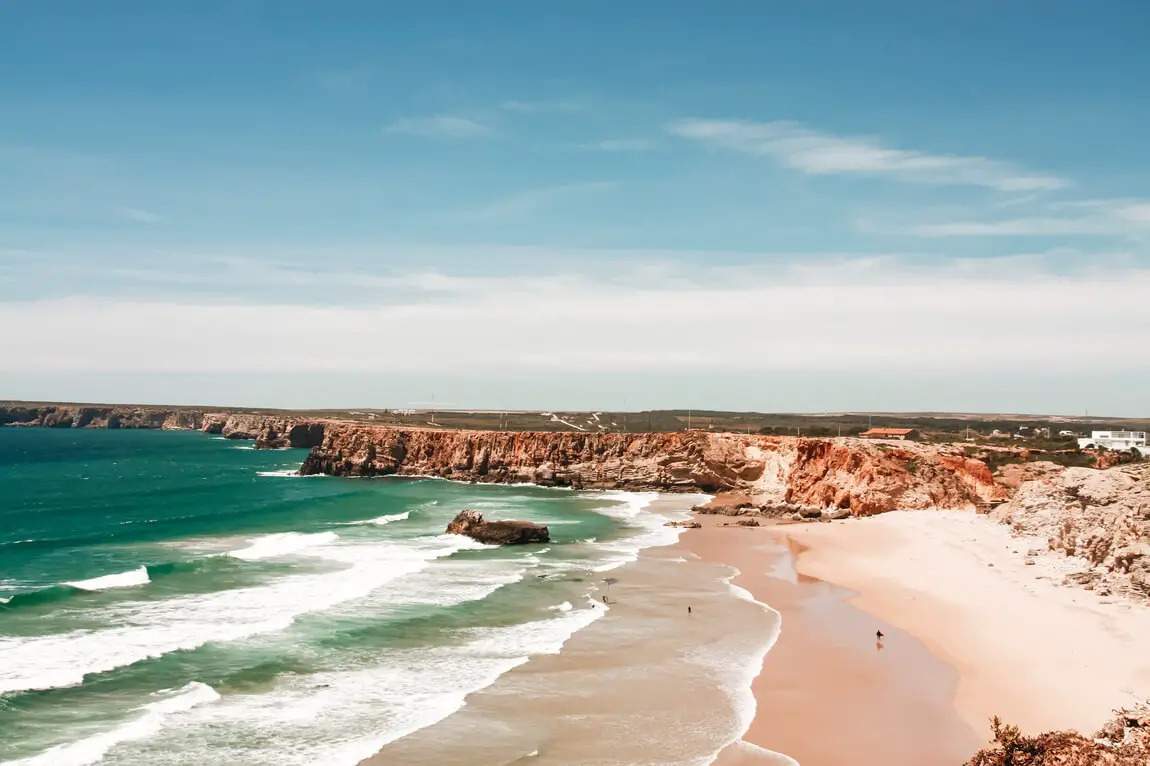
If you have some extra time, head to one of Sagres’ beaches. Praia do Beliche, Praia do Tonel, Praia da Mareta, and Praia do Martinhal are all excellent options.
They’re especially popular with surfers thanks to the Atlantic swells.
🏄 Looking for an unforgettable experience? If you’ve always wanted to try surfing, I think Sagres is one of the best places to do it. The beaches here are known for their excellent waves, and this 3-hour surf lesson is suitable for complete beginners as well as more experienced surfers.
» Lagos
After lunch, spend the rest of the day exploring Lagos, one of the most beautiful towns in the Algarve.
It combines a lively historic center with some of the region’s most spectacular beaches.
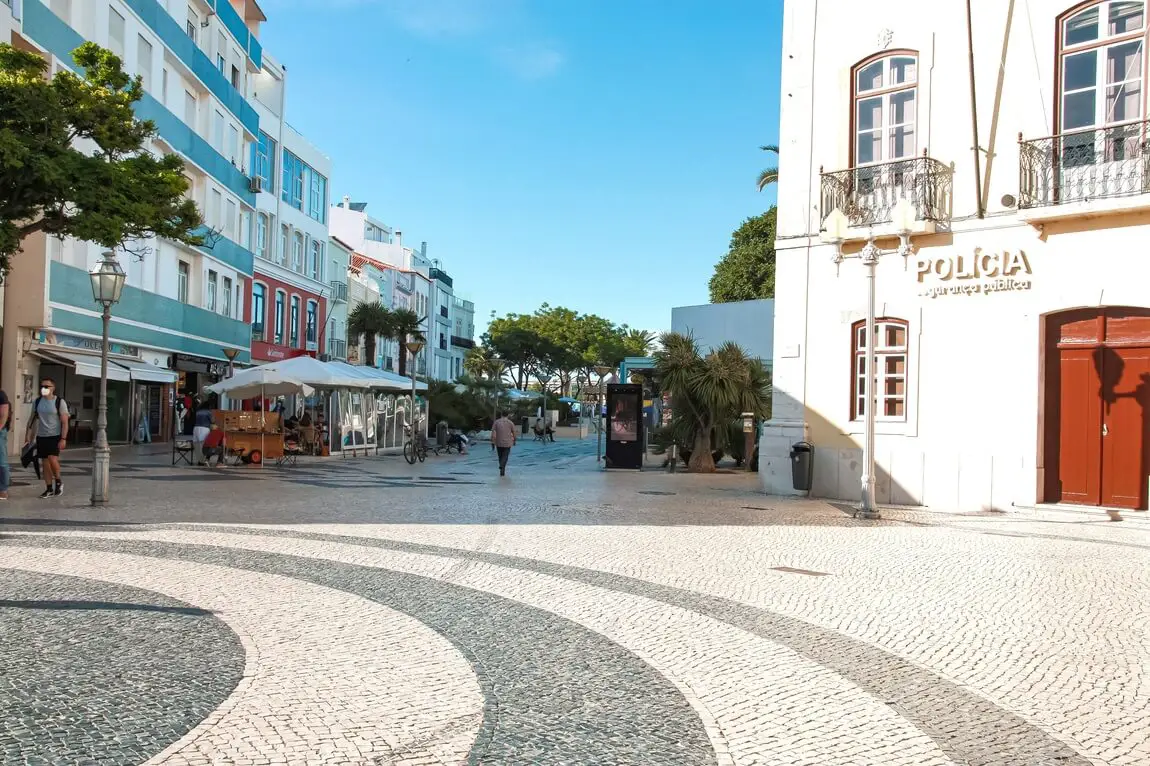
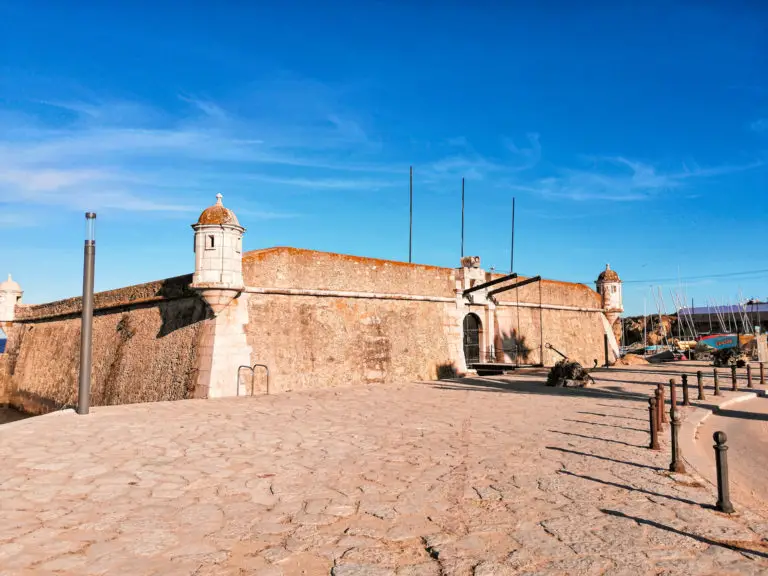
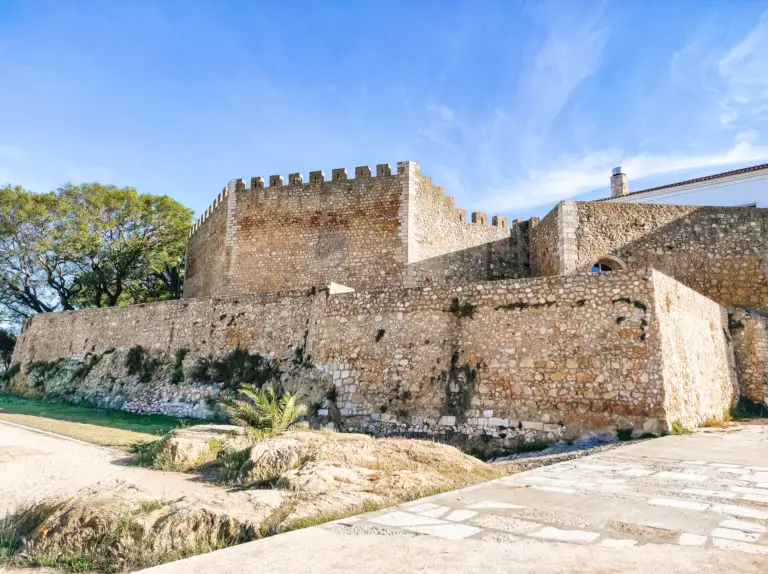
Start your visit by walking along Avenida dos Descobrimentos, where you’ll pass some of Lagos’ main landmarks, including the City Market, the Governor’s Castle, and Ponta da Bandeira Fort. From there, continue to Infante D. Henrique Square and Santa Maria Church.
👉 Learn more about Lagos: Lagos guided walking tour
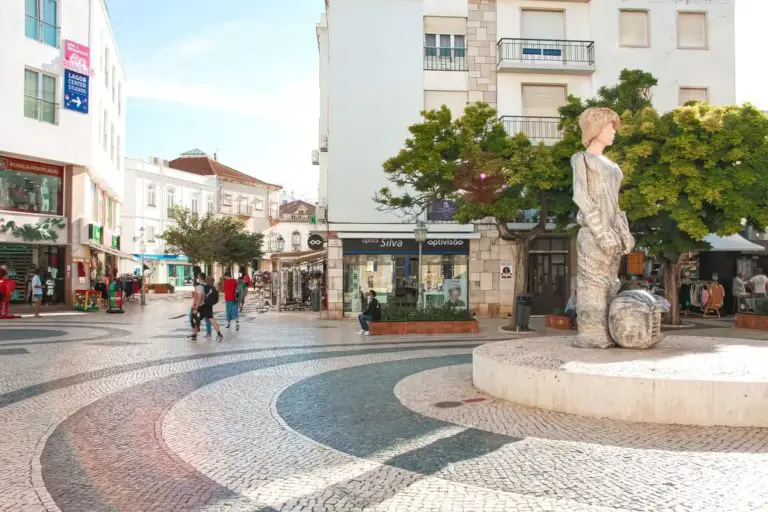
One of my favorite things about Lagos is simply wandering through its streets. It’s one of the liveliest towns in the Algarve, with plenty of cafés, restaurants, and small local shops.
If you’re wondering what to visit in the Algarve beyond the beaches, Lagos’ historic center should definitely be on your list.
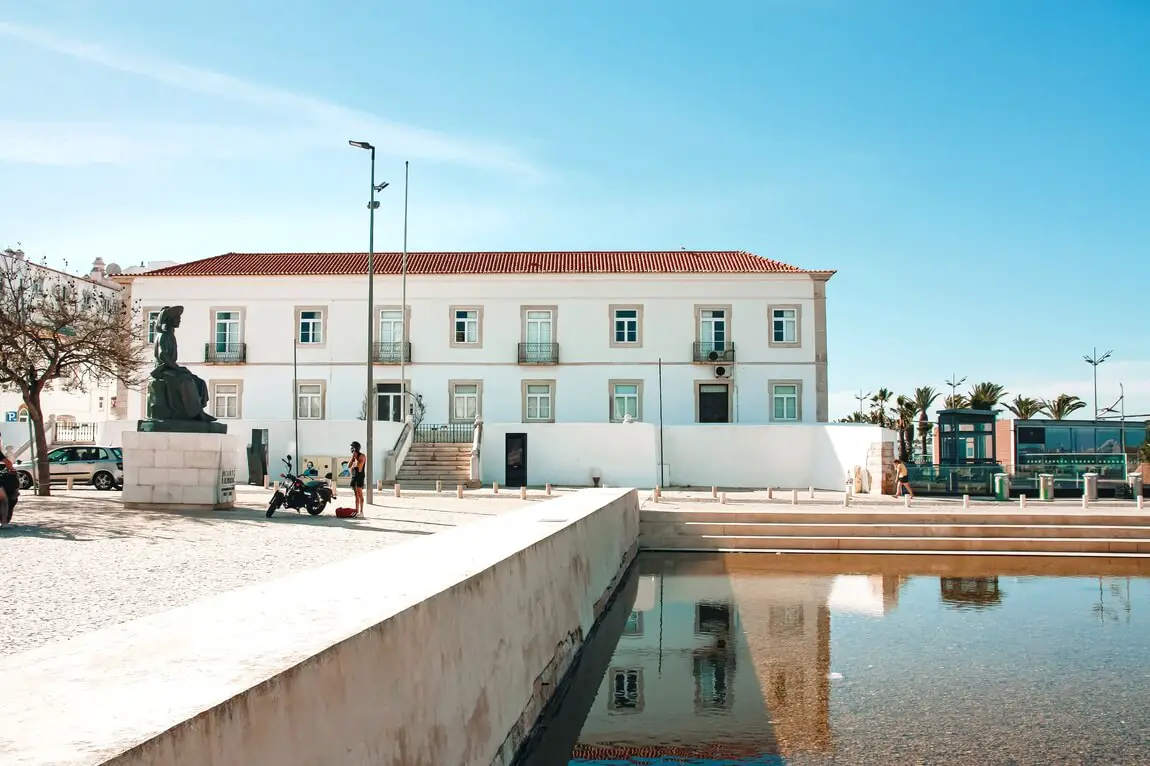
As you explore the old town, don’t miss Gil Eanes Square, where you’ll find a sculpture by João Cutileiro, and Santo António Church.
My advice? Don’t rush. Some of the best corners of Lagos are the ones you’ll discover while getting a little lost.

Of course, Lagos is also home to some of the most beautiful places to visit in the Algarve. It won’t be easy to choose, but if you have time, I recommend visiting:
- Dona Ana Beach
- Batata Beach
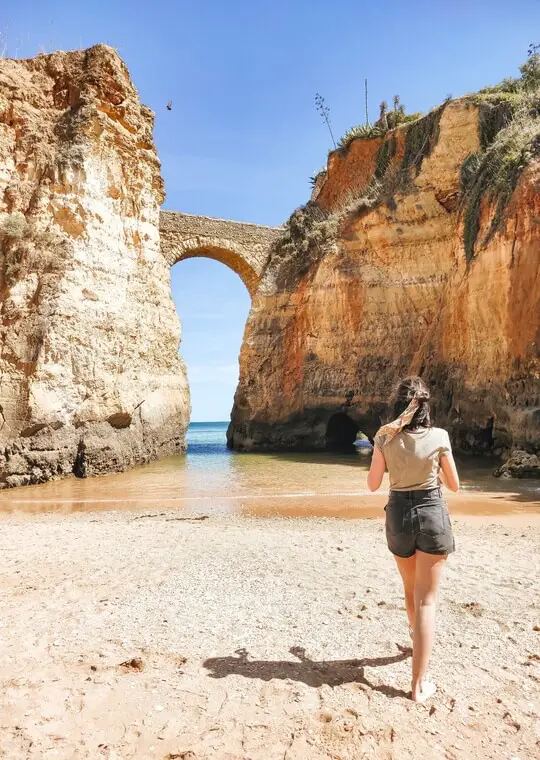
- Estudantes Beach (and its Roman Bridge)
- Pinhão Beach
- Camilo Beach
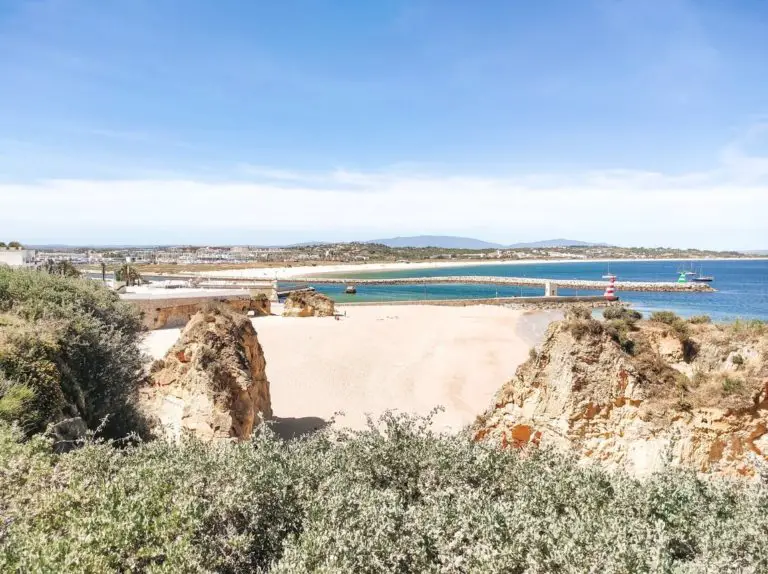
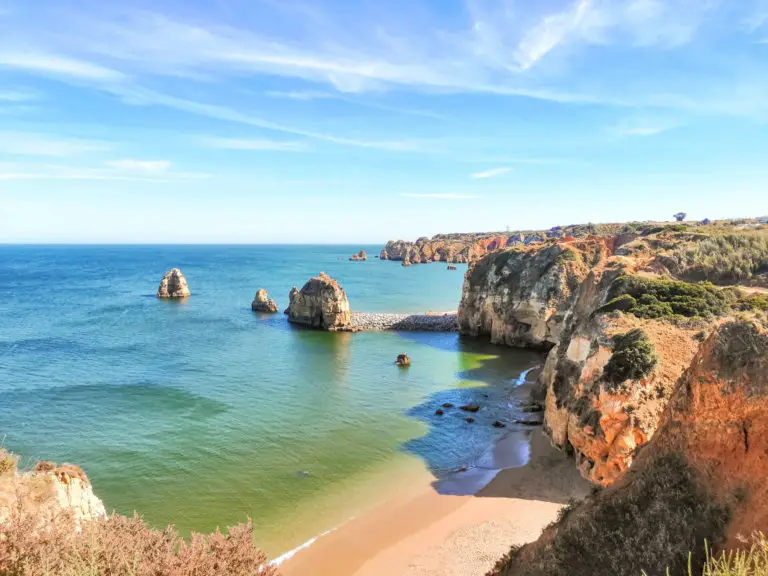
💡 PORTUGUESE TIP: With the exception of Praia do Pinhão, all of these beaches have nearby parking. However, the parking lots are relatively small and fill up quickly during the summer months. If you’re visiting in July or August, try to arrive early in the morning or later in the afternoon for a better chance of finding a spot.
Day 2 in Algarve
- 🚗 Driving time: 1h30 (90 km / 56 miles)
- 📍 Itinerary: Silves – Lagos – Alvor – Silves
- 😴 Where to sleep: Silves (my recommendation: Mosaiko Suites)
» Lagos
Today, you’ll head back to Lagos to visit one of the most breathtaking places in the Algarve. While you explored the historic center and beaches yesterday, today is all about discovering the spectacular coastline around Ponta da Piedade.
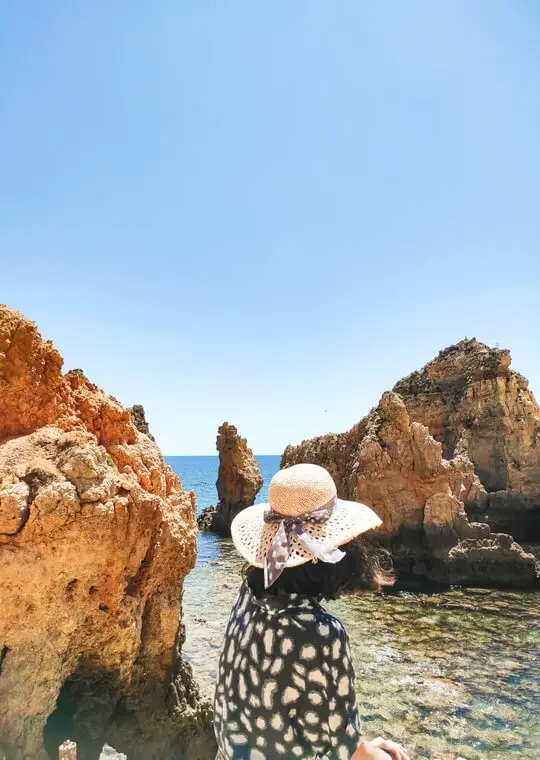
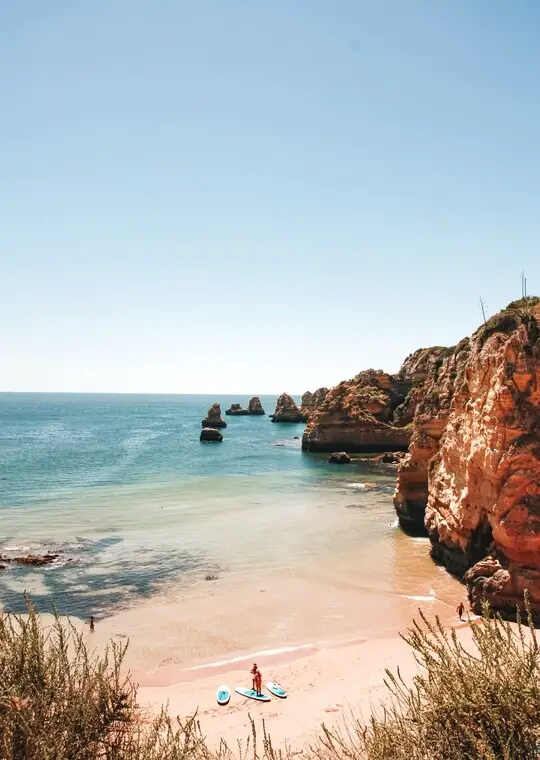
If you’re wondering where to go in Algarve for dramatic coastal scenery, this is one place you simply can’t miss. The golden cliffs, crystal clear water, sea caves, and natural rock arches make it one of the region’s most iconic landscapes.
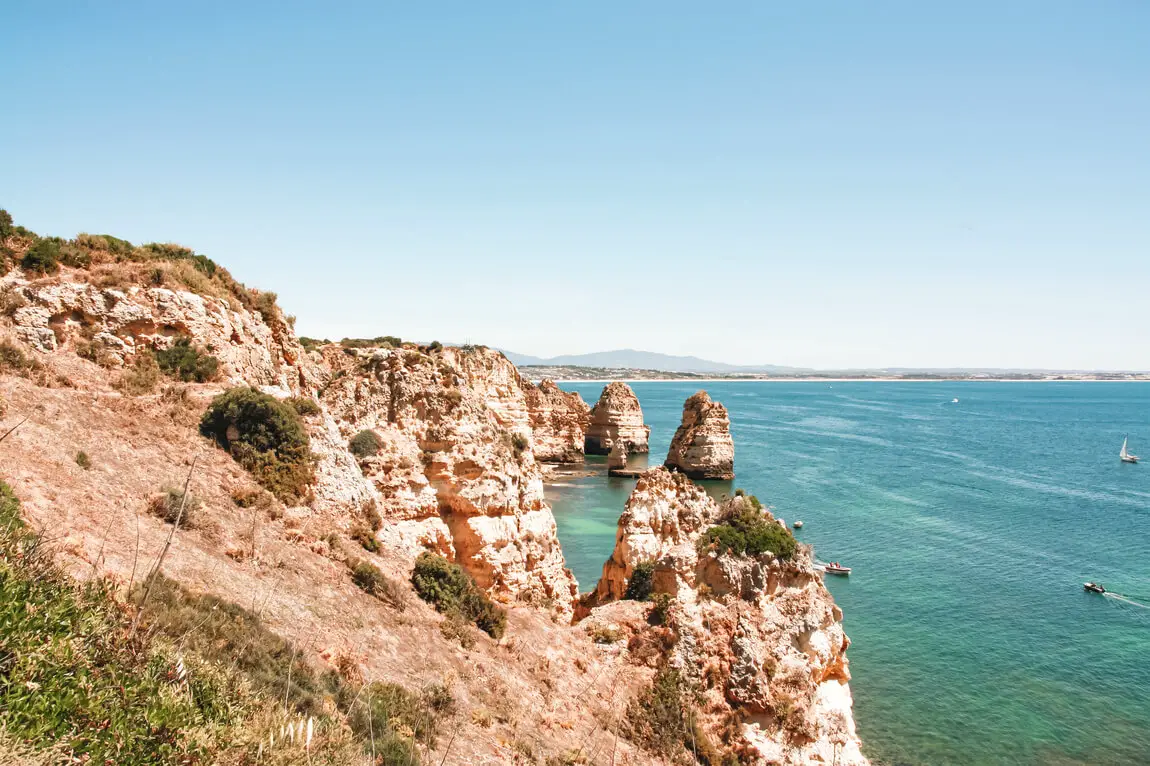
One of the best ways to experience Ponta da Piedade is from the water. You can choose between a boat tour or a guided kayak tour, both of which depart from Lagos Marina. If you’re visiting during the summer months, I recommend booking your tour in advance, as they often sell out.
I highly recommend this kayak tour to Ponta da Piedade. You’ll cruise to the cliffs by catamaran before exploring the sea caves and hidden beaches by kayak. It’s one of the best ways to experience this incredible coastline up close.
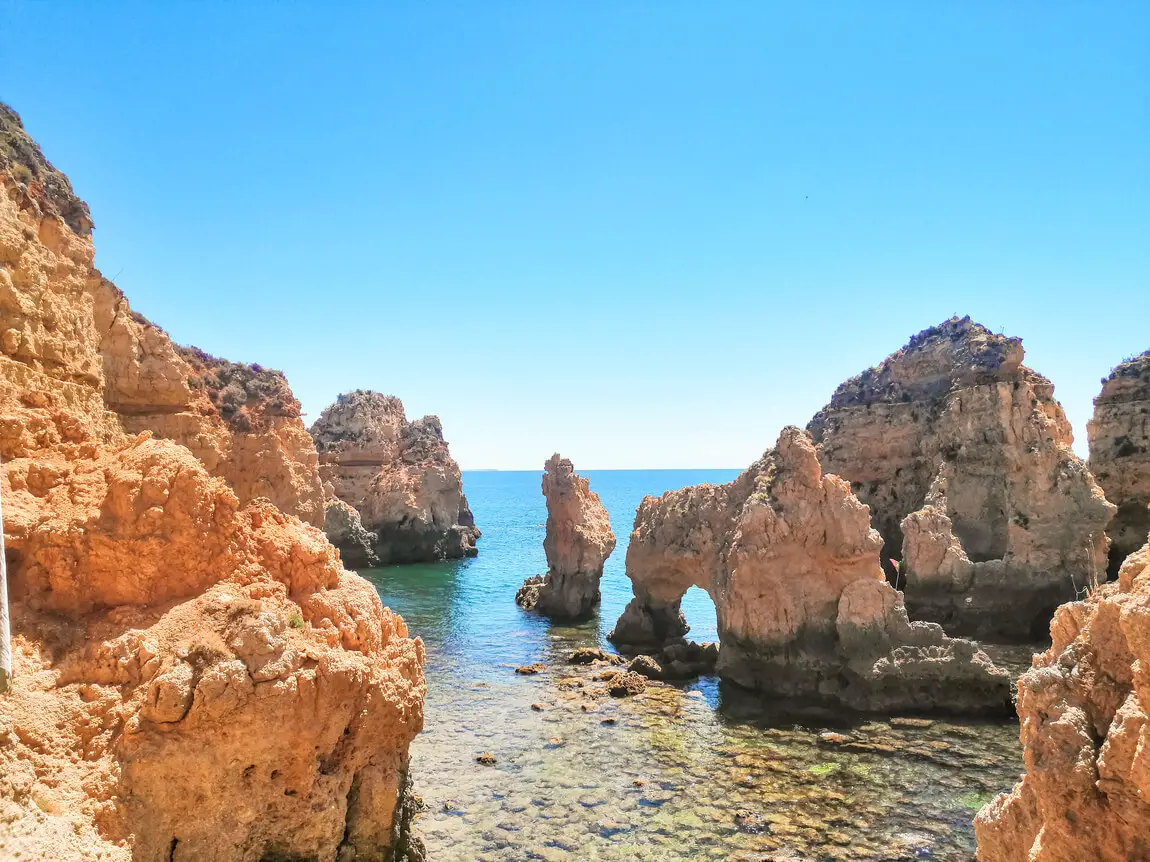
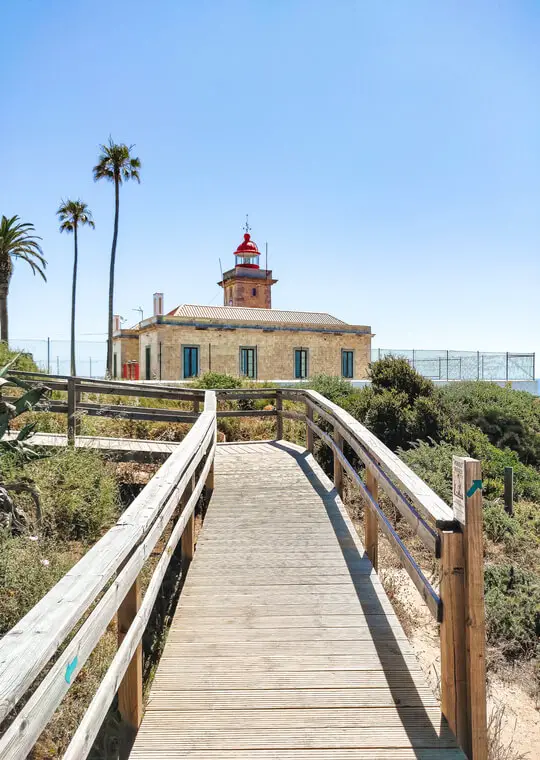
If you’d rather stay on land, don’t miss the Ponta da Piedade Boardwalk. This easy coastal walk offers stunning viewpoints over the cliffs and is well worth adding to your itinerary.
Ponta da Piedade Boardwalk
– Difficulty: Easy
– Start: Ponta da Piedade Lighthouse
– End: Praia do Canavial
– Distance: 5 km (3.1 miles) round trip
– Difficulty: Easy
I recommend visiting Ponta da Piedade early in the morning. Not only will you avoid the biggest crowds, but the golden cliffs also look even more impressive in the soft morning light.
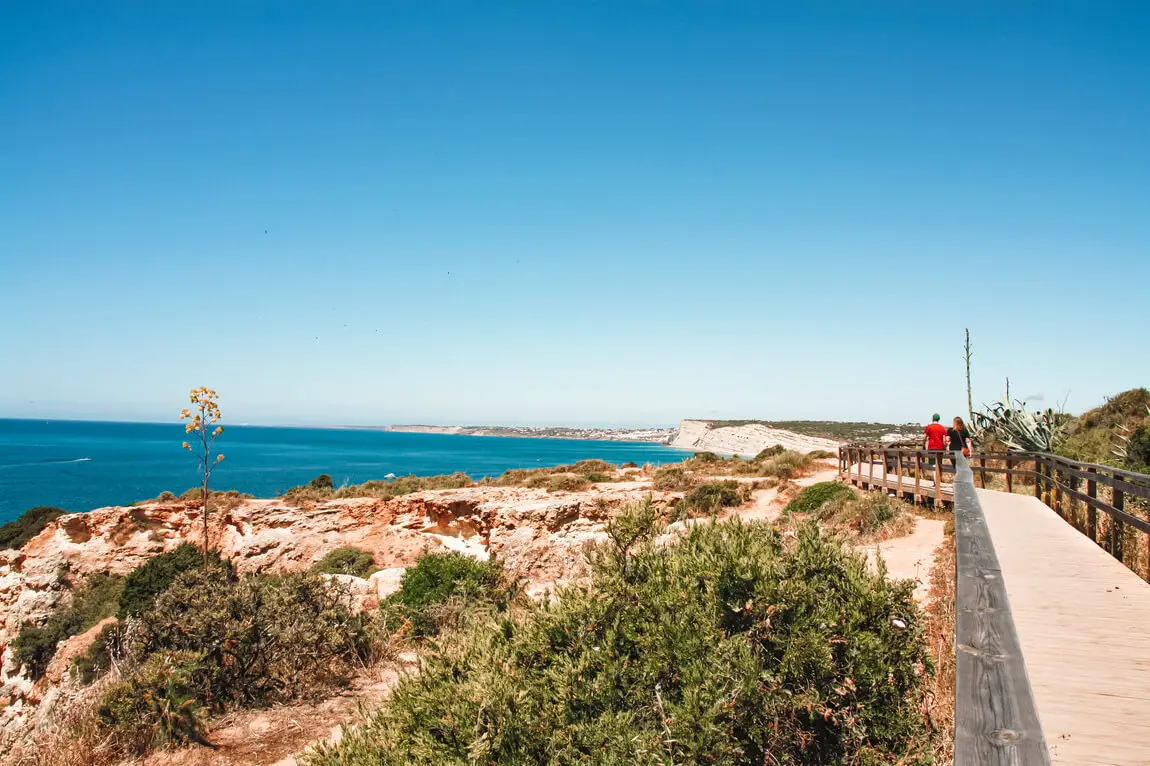
» Alvor
After a busy morning exploring Lagos, it’s time to slow down.
I suggest ending the day in Alvor because it has a much more relaxed atmosphere than many of the Algarve’s larger resort towns. It’s the perfect place to enjoy a leisurely walk before heading back to Silves.
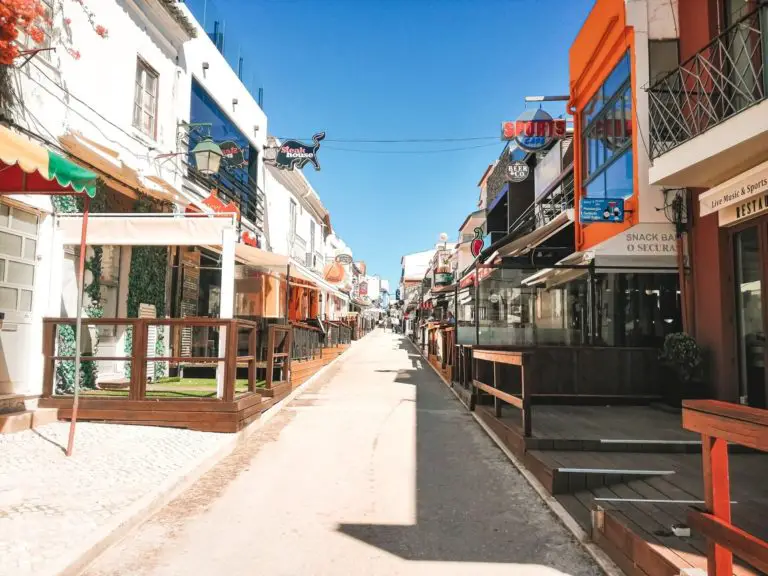
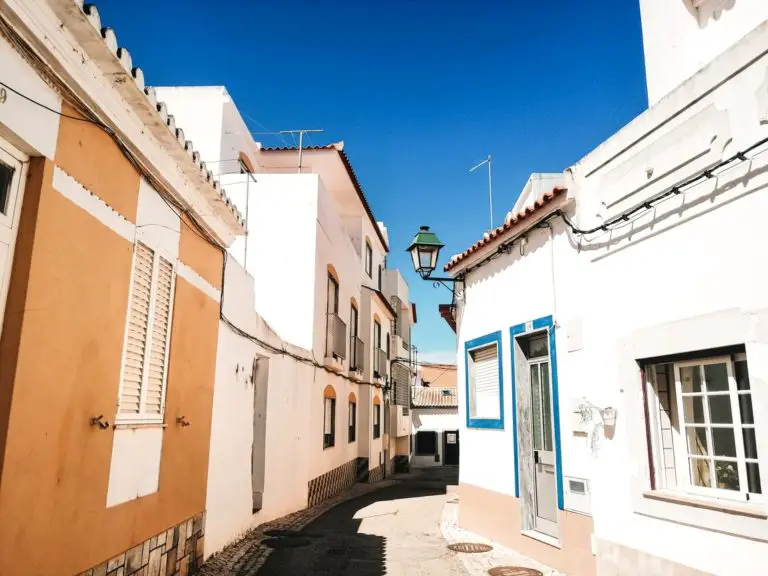
Start by wandering through Alvor’s historic center. It’s compact but full of character, with narrow streets lined with restaurants, cafés, and small local shops.
As you explore, don’t miss the Municipal Market, Misericórdia Church, and the picturesque Alvor Ria.
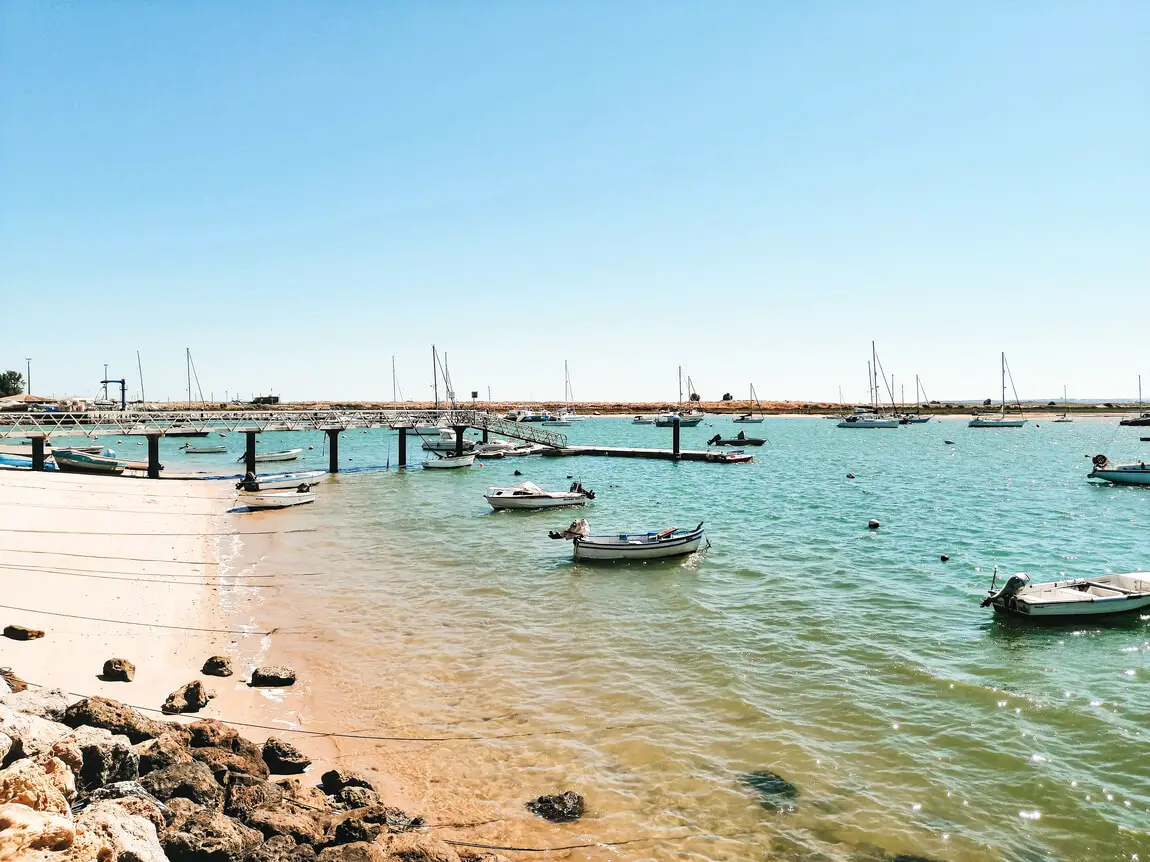
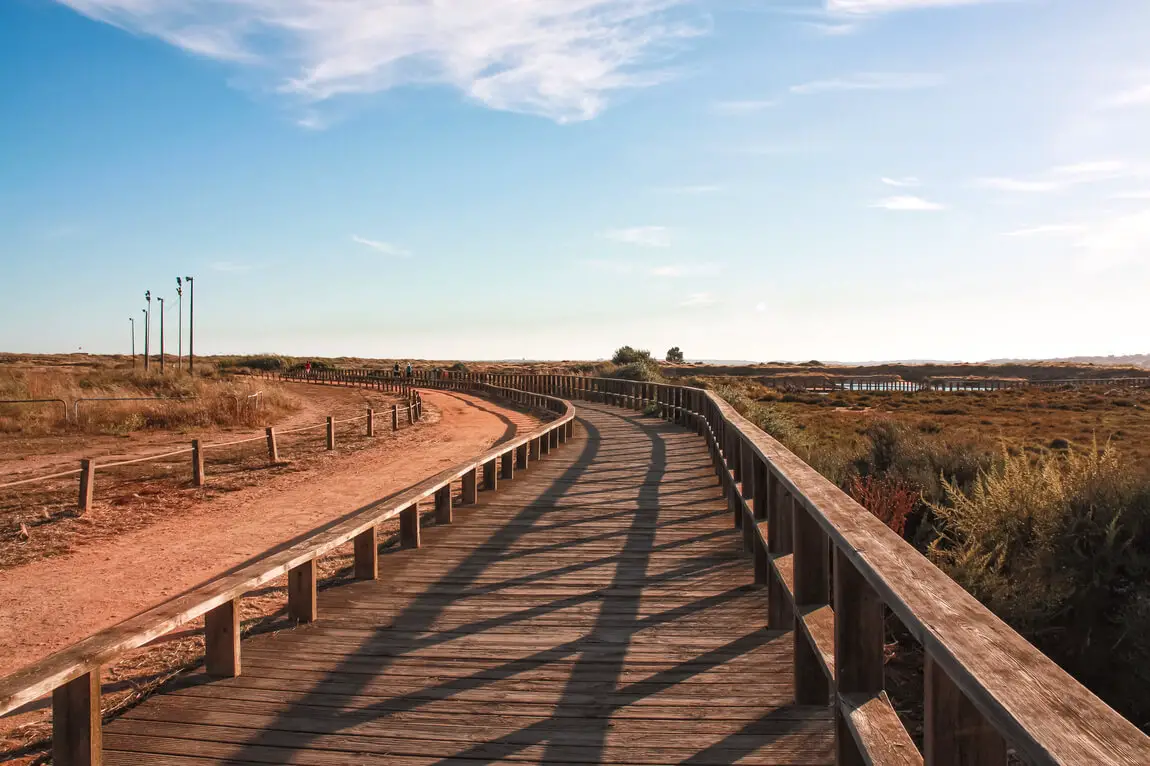
One of the best ways to experience the area is by walking along the Alvor Boardwalk.
Stretching between Praia dos Três Irmãos, Praia de Alvor, and the Ria, the boardwalk offers beautiful views over the dunes, wetlands, and coastline. The full route is around 6 km (3.7 miles) one way, but you can easily walk just a section of it if you’re short on time.
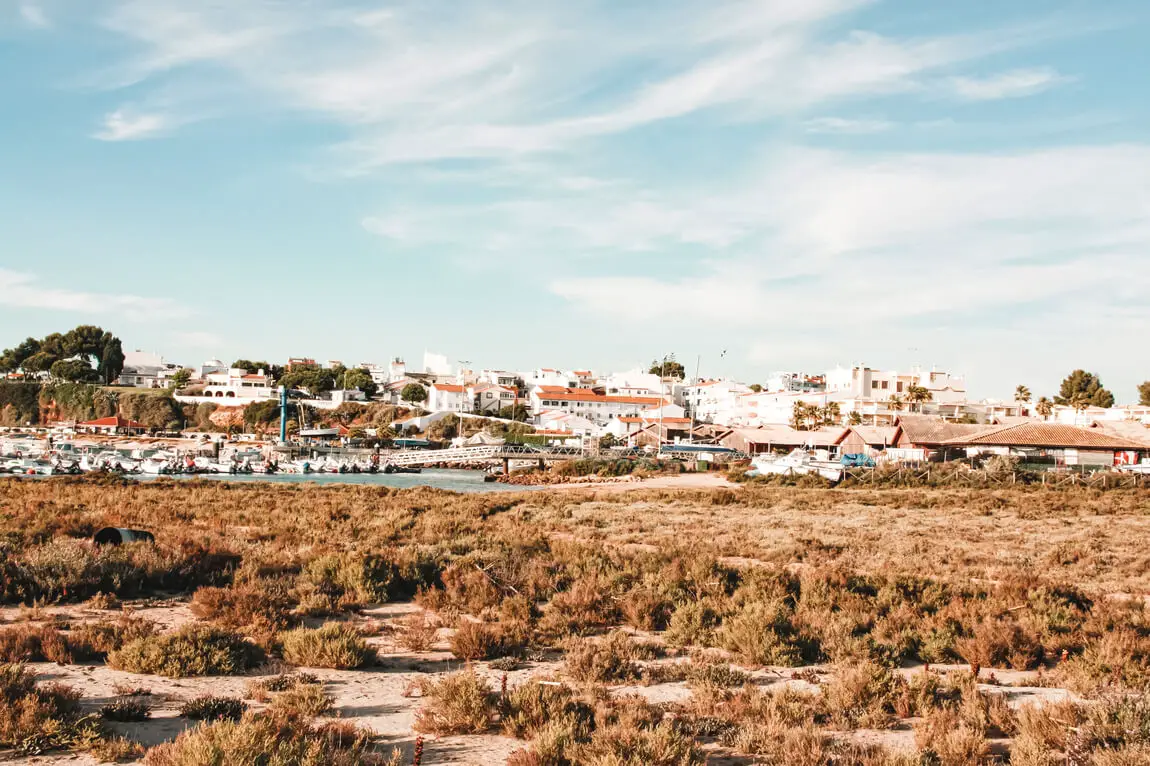
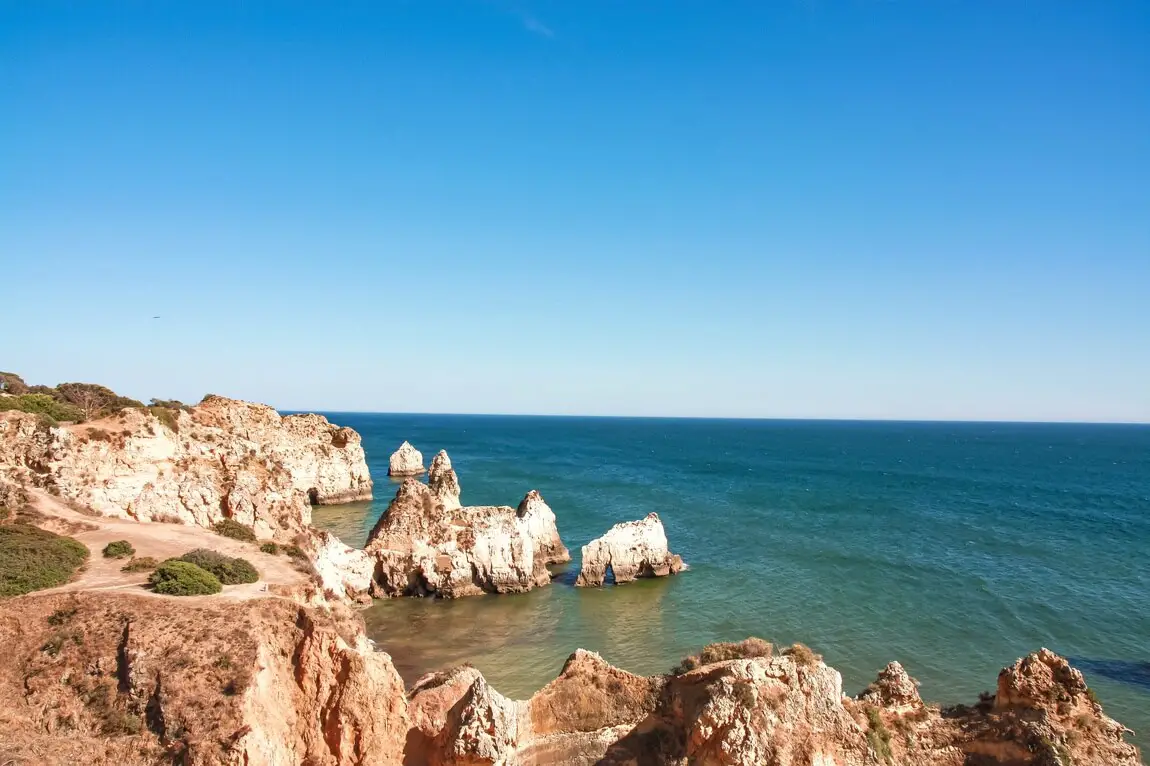
Before leaving, make sure to stop at Praia dos Três Irmãos. It’s one of my favorite beaches in the Algarve, thanks to its golden cliffs, rock formations, and crystal clear water.
If you’re visiting outside the peak summer months, it’s also a wonderful place to end the day with a peaceful walk along the beach.
Day 3 in Algarve
After a more relaxed second day, it’s time for one of the highlights of this Algarve road trip itinerary. If you enjoy hiking and spectacular coastal scenery, I think you’ll love today.
I recommend starting your day early, especially if you’re planning to hike the Seven Hanging Valleys Trail. You’ll avoid the hottest part of the day, enjoy the trail with fewer people around, and have plenty of time to explore Carvoeiro and Ferragudo later on.
- 🚗 Driving time: 55min (36 km / 22 miles)
- 📍 Itinerary: Silves – Lagoa – Carvoeiro – Ferragudo – Silves
- 😴 Where to sleep: Silves (my recommendation: Mosaiko Suites)
» Lagoa: Seven Hanging Valleys Trail
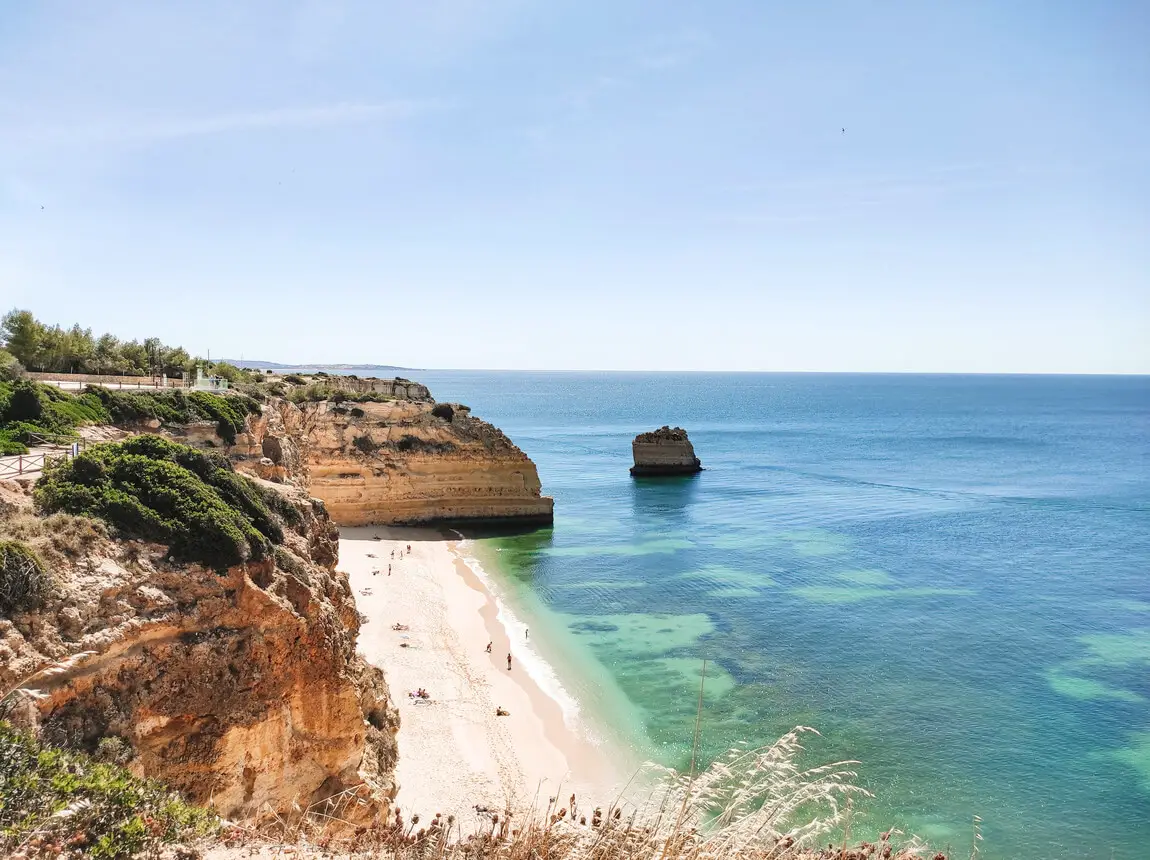
Start your morning at Praia da Marinha, where you’ll begin the Seven Hanging Valleys Trail, one of the most beautiful coastal hikes in Portugal.
It was easily one of the biggest highlights of my trip to the Algarve, and I’d recommend it to anyone visiting the region.
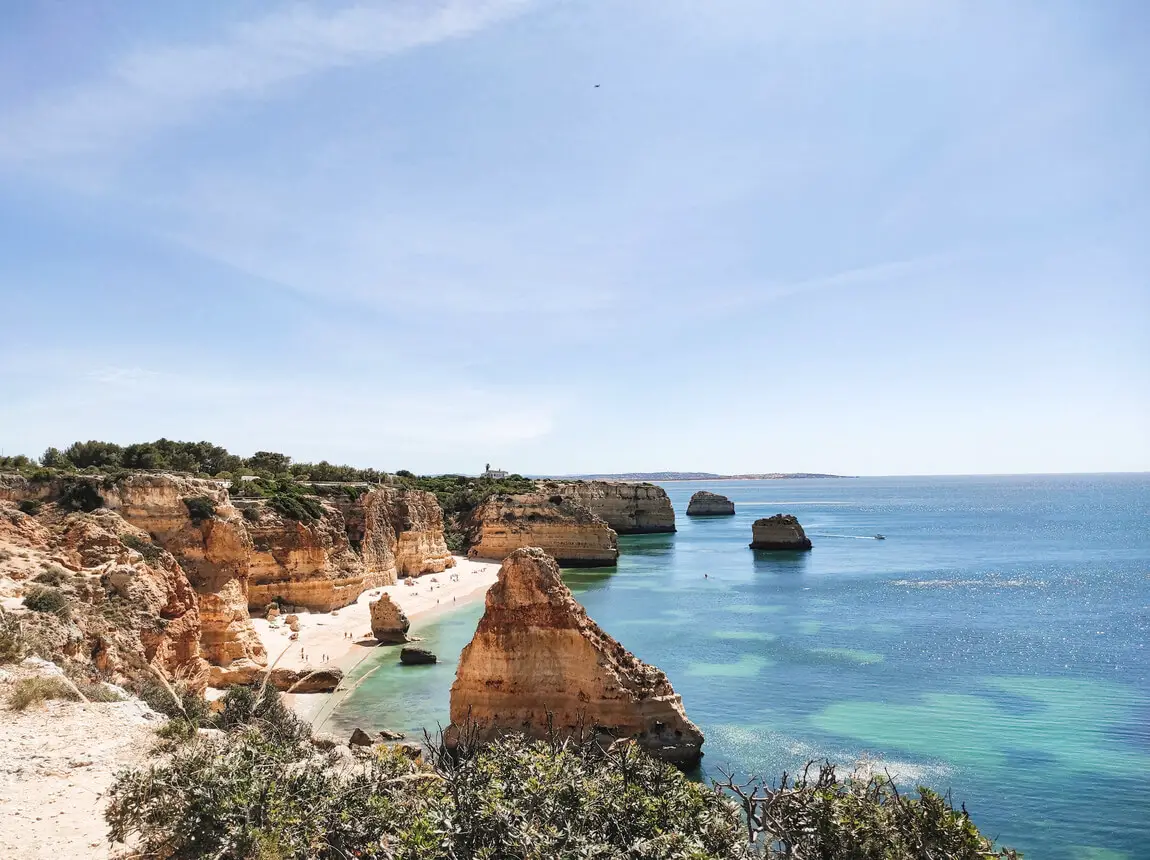
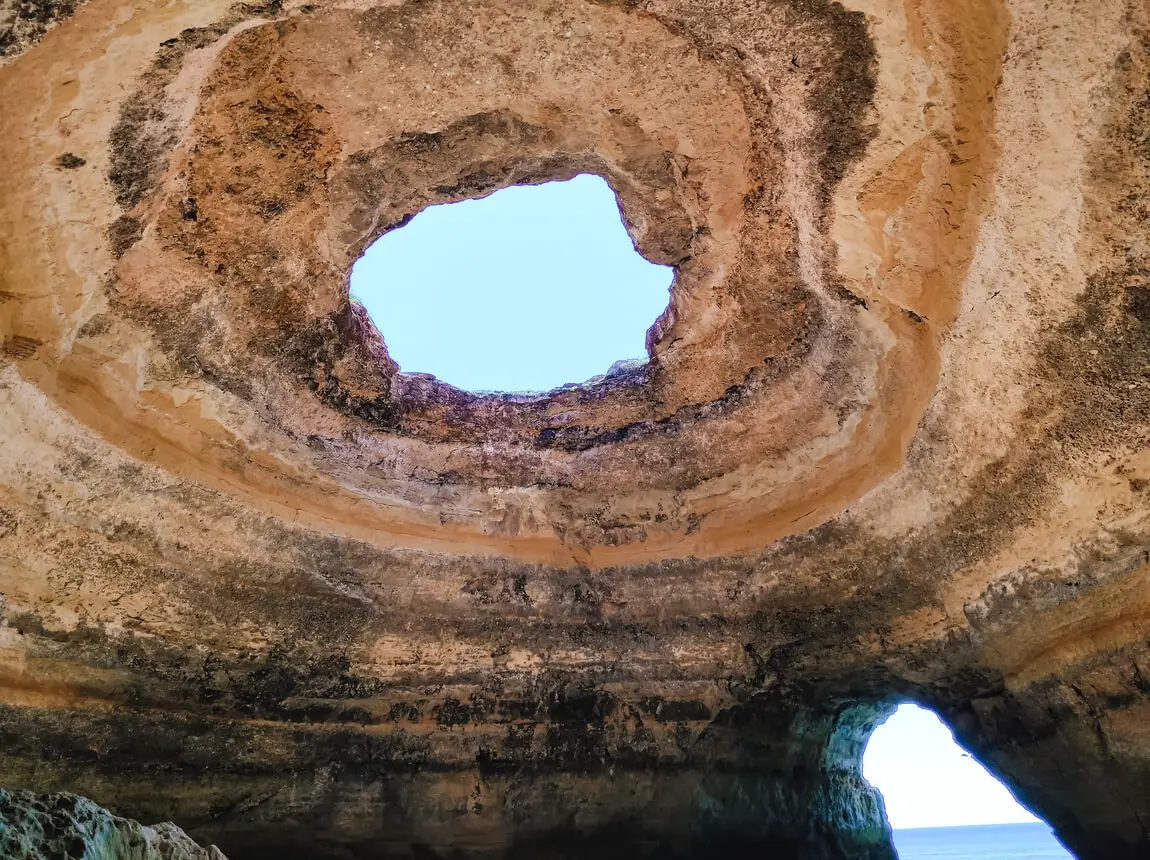
The trail is around 6 km (3.7 miles) one way and takes you past some of the Algarve’s most iconic landscapes, including Praia da Marinha, Praia da Mesquita, Cabo Carvoeiro, Praia do Vale de Centeanes, and the famous Benagil Cave.
Expect breathtaking cliff top views, dramatic rock formations, and plenty of photo opportunities along the way.
If you don’t feel like hiking, don’t worry. You can still visit Benagil Cave by joining a boat or kayak tour. It’s one of the best ways to admire the cave up close, as swimming to the cave isn’t recommended.
🎫 I highly recommend this Benagil Cave boat tour. It’s one of the easiest and safest ways to visit the cave, and you’ll also get to admire the spectacular coastline from the water.
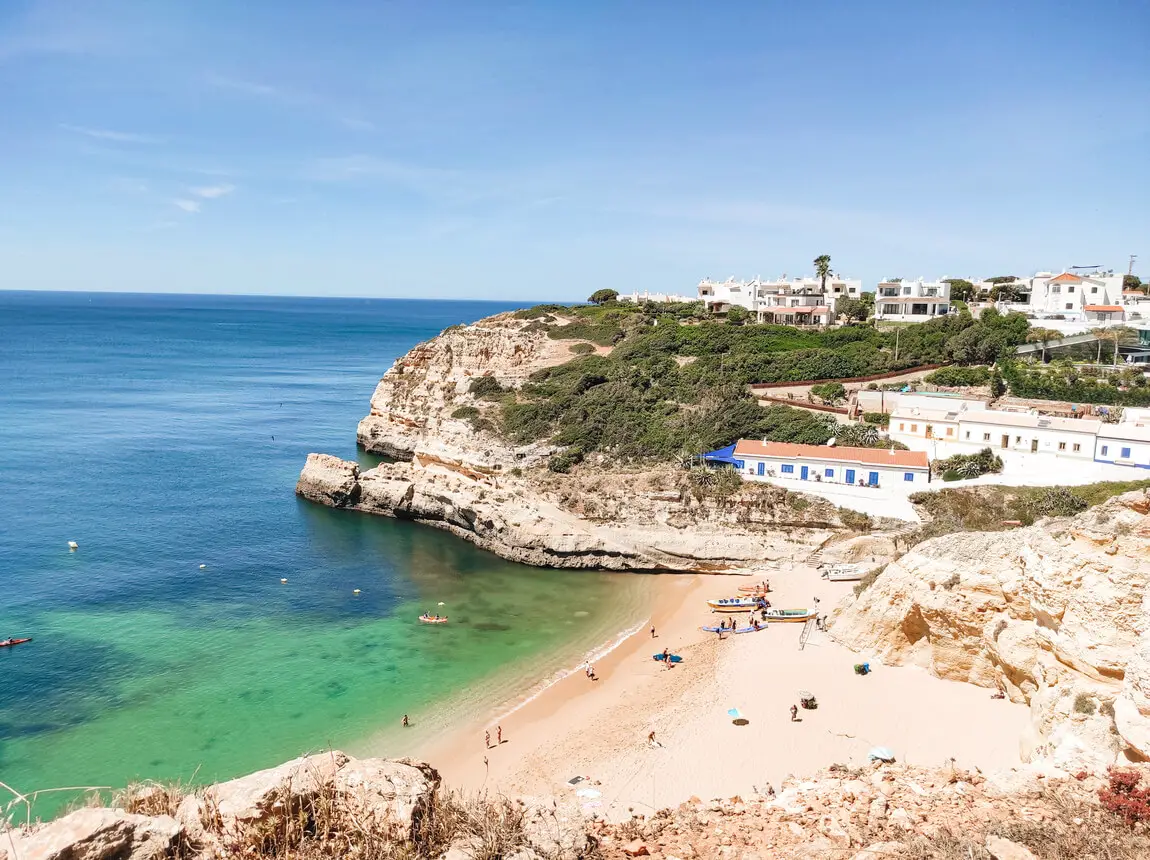
If you’re planning to hike the trail or visit Benagil Cave, I recommend reading my complete guide to Seven Hanging Valleys Trail first.
It includes everything you need to know, from where to park and the best direction to walk the trail to the different ways of visiting the cave.
» Ferragudo
After an adventurous morning on the Seven Hanging Valleys Trail, slow the pace down with a visit to Ferragudo, one of my favorite villages in the Algarve.
It’s much quieter than nearby Carvoeiro and still feels like a traditional fishing village.
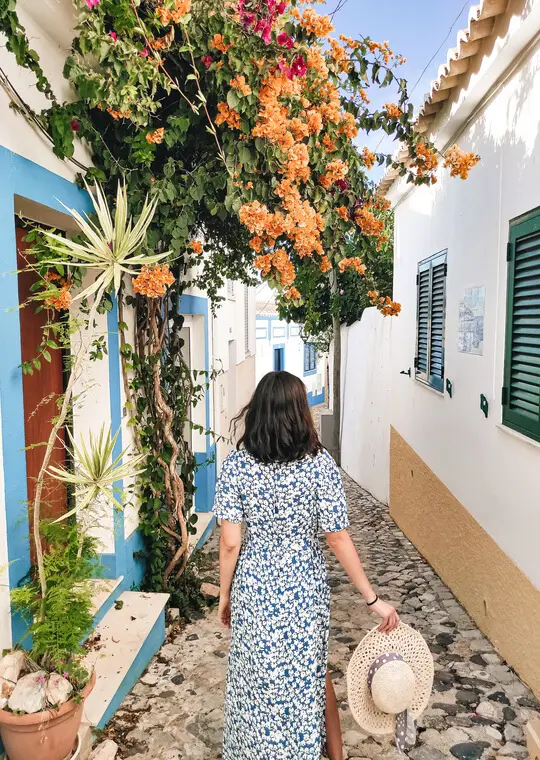
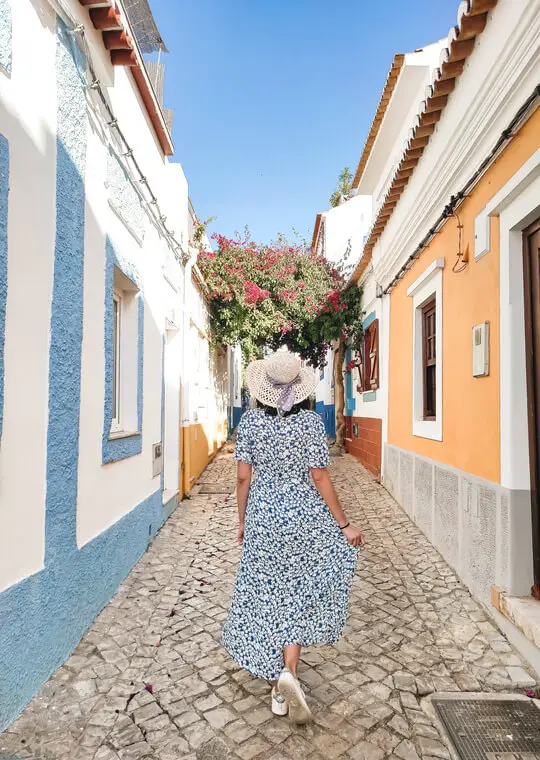
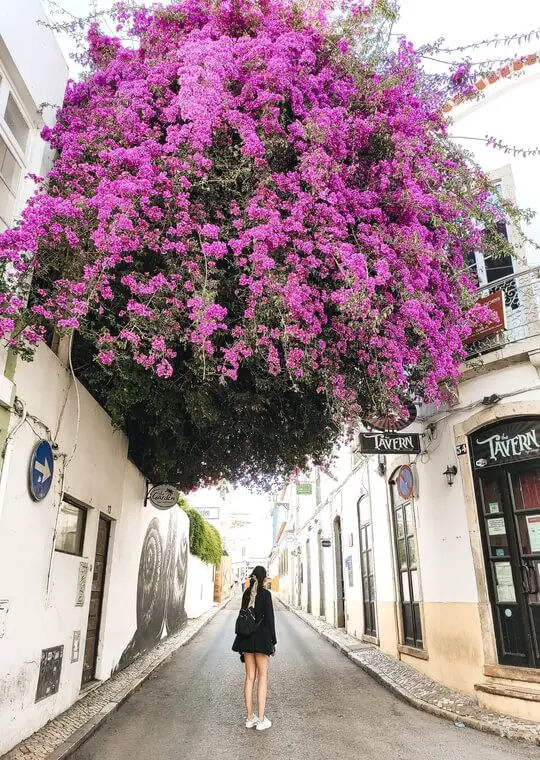
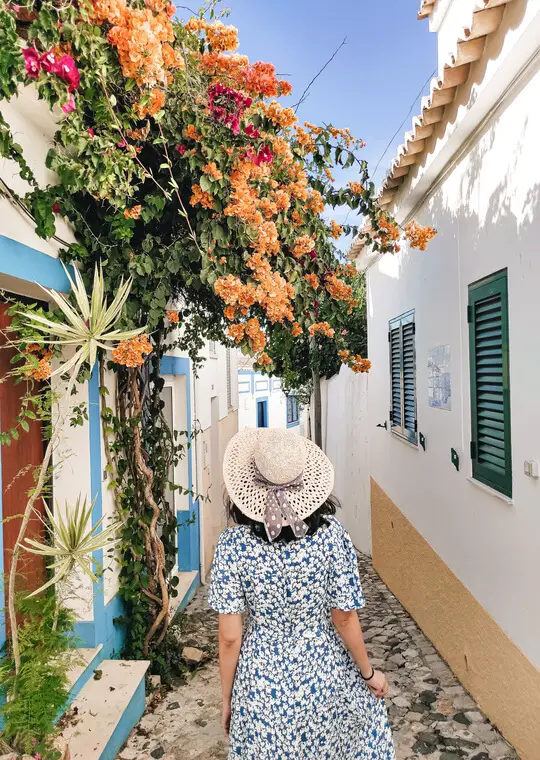
Ferragudo has become increasingly popular thanks to its whitewashed houses, colorful doors, and flower filled streets.
It’s easy to see why it’s become an Instagram favorite, but I think its charm goes far beyond the photos. My advice is to simply wander through the narrow streets and soak up the relaxed atmosphere.
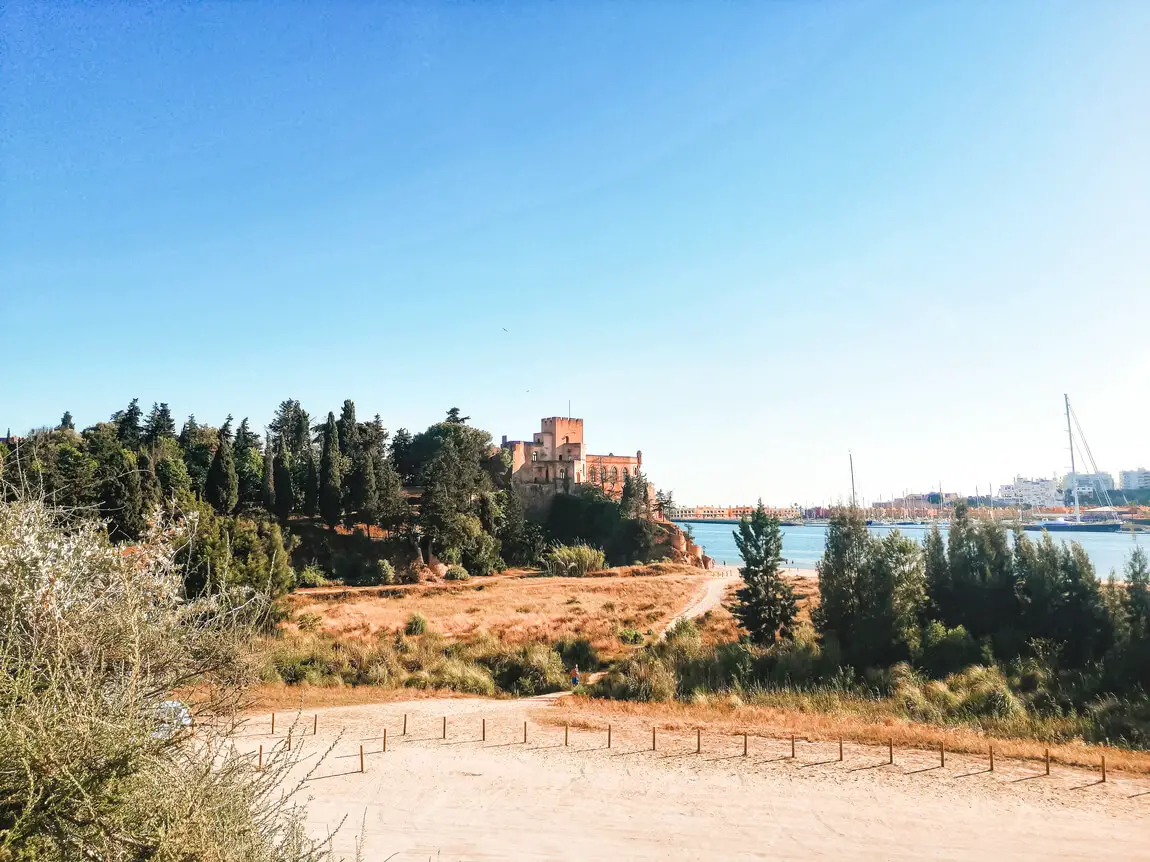
Before leaving, stop by São João de Arade Castle, which overlooks the mouth of the Arade River.
If you’re visiting on a warm day and still have some energy left, Praia da Angrinha is a lovely spot for a swim or to simply relax by the water before heading back to Silves.
💡 PORTUGUESE TIP: Ferragudo is one of those places I always recommend to friends visiting the Algarve for the first time. It doesn’t have the same crowds as some of the better-known coastal towns, but that’s exactly what makes it so special.
» Carvoeiro
If you still have some time before heading back to Silves, I highly recommend ending the day in Carvoeiro. It’s the perfect way to wrap up one of the most scenic days of this itinerary.
Start at the Nossa Senhora da Encarnação Viewpoint, overlooking Carvoeiro Beach. If you can time your visit for the late afternoon, even better. Watching the sun begin to set over the coastline was easily one of my favorite moments of the day.
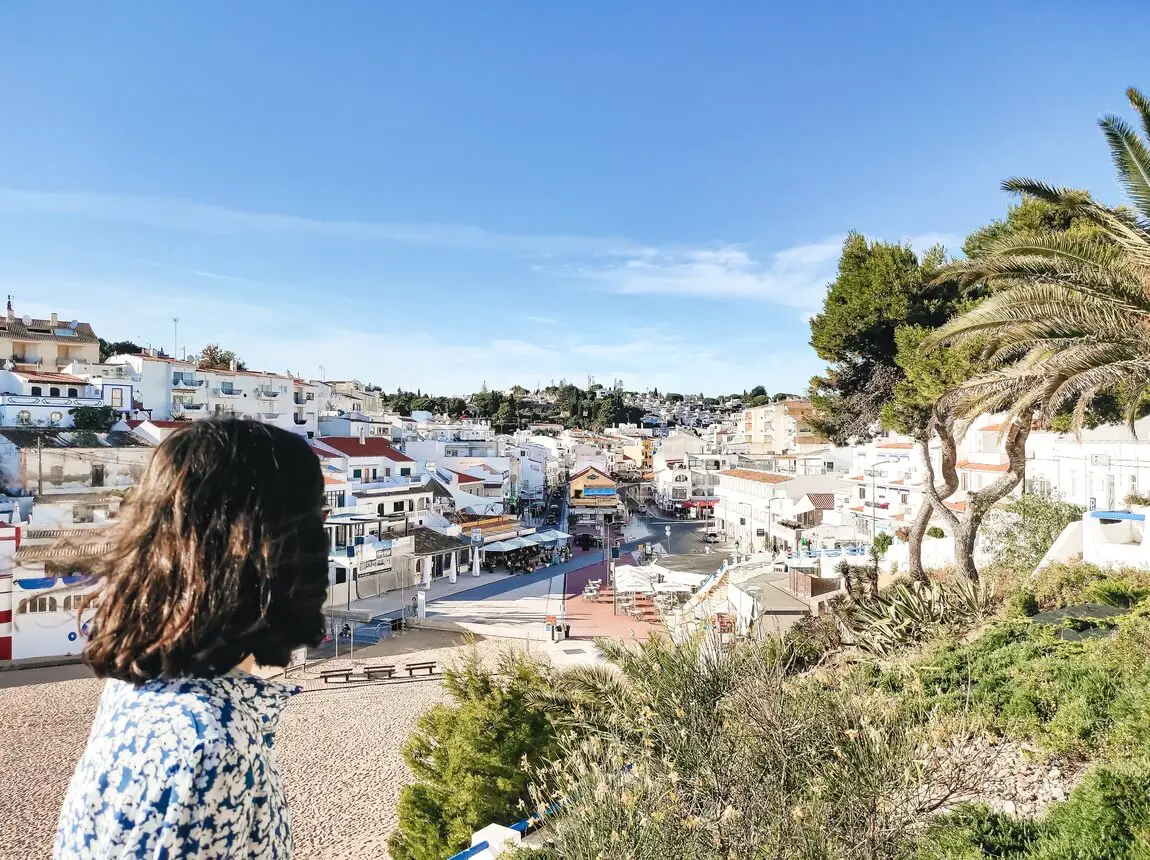
From there, walk to Nossa Senhora da Encarnação Chapel, where the Carvoeiro Boardwalk begins.
The boardwalk is only around 600 meters (0.4 miles) one way, making it an easy walk after the longer hike earlier in the day. The sea views along the way are well worth it.
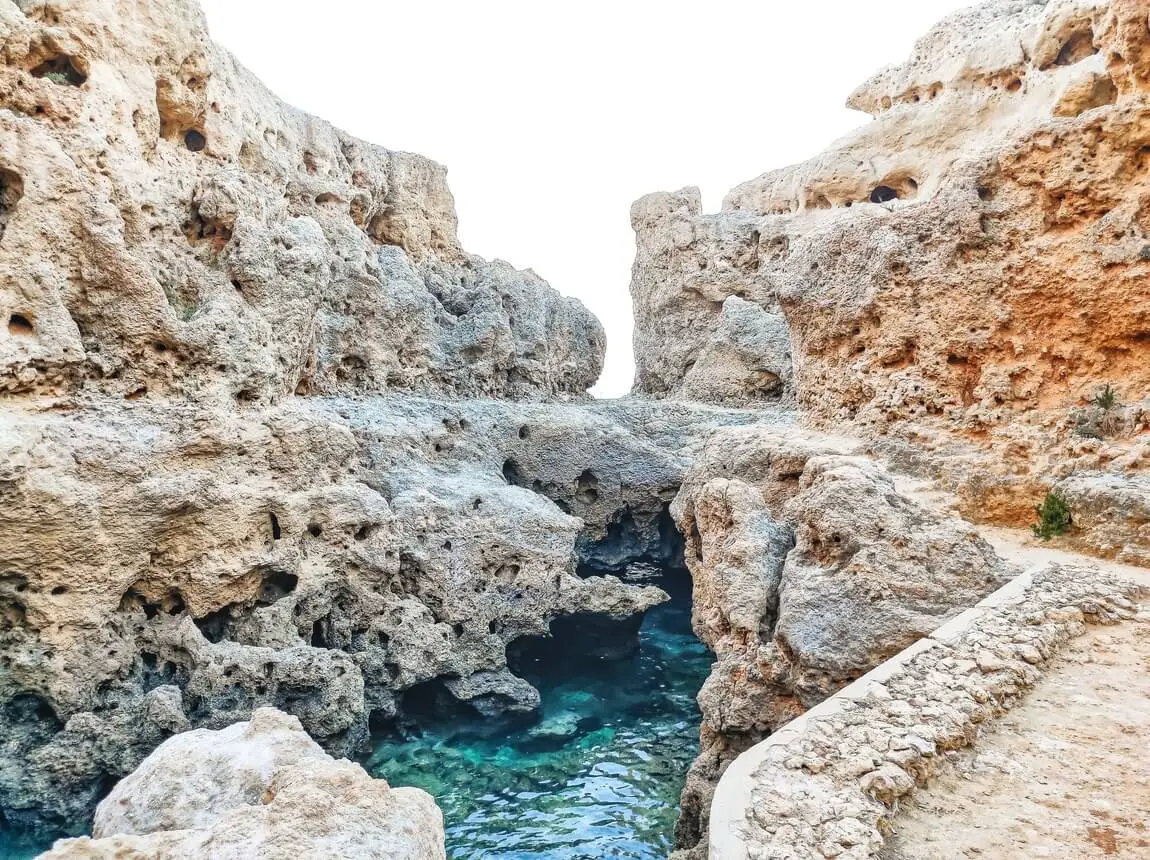
At the end of the boardwalk, you’ll reach Algar Seco, one of the Algarve’s most impressive rock formations. With its natural pools, dramatic cliffs, and crystal clear water, it’s easy to see why it’s become one of the region’s most popular attractions.
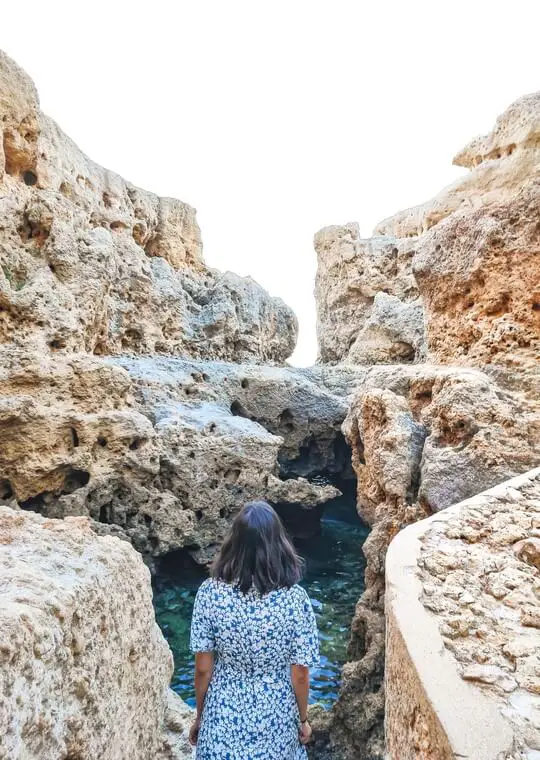
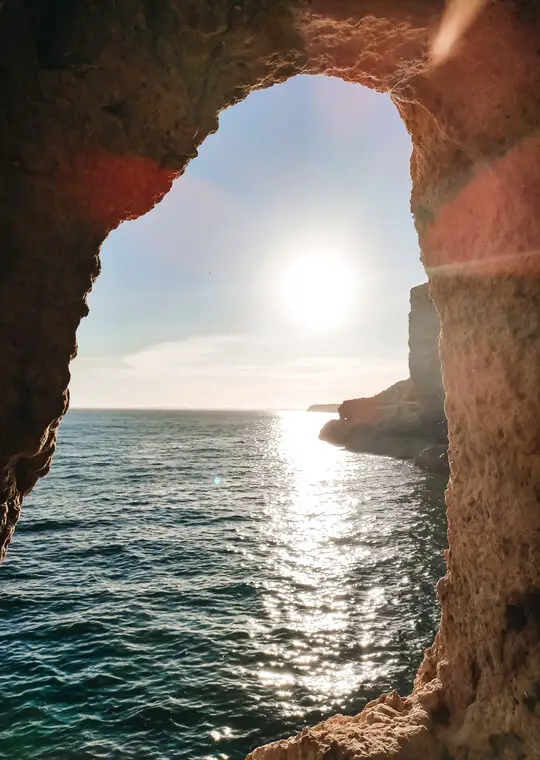
Before leaving, don’t miss Boneca Cave, one of the best viewpoints in Carvoeiro. If you’re lucky enough to be here around sunset, you’re in for a real treat.
💡 PORTUGUESE TIP: If you only have time for one stop in Carvoeiro, make it Algar Seco. It’s free to visit, easy to access, and one of the most spectacular places to watch the sunset in the Algarve.
Don’t feel like driving back to Silves? If you’d rather end the day by the coast, consider spending the night in Carvoeiro instead. Staying here means you can enjoy sunset at Algar Seco without worrying about the drive back. Search hotels in Carvoeiro.
Day 4 in Algarve
Today, you’ll leave the coast behind and discover a different side of the Algarve. While many visitors spend their entire trip chasing beaches, I think it’s well worth exploring some of the region’s traditional villages.
- 🚗 Driving time: 1h (53 km / 33 miles)
- 📍 Itinerary: Silves – Alte – Loulé
- 😴 Where to sleep: Loulé (my recommendation: Loulé Jardim Hotel)
» Alte
Alte is one of my favorite towns in the Algarve.
In recent years, the village has become increasingly popular on social media thanks to Queda do Vigário, a beautiful 24 meter (79 ft) waterfall fed by the Alte stream.
At its base, you’ll find a natural pool that’s perfect for a refreshing swim on a warm day.
Getting there is easy. Park near Alte Cemetery and follow the short walking trail to the waterfall. The walk is around 1 km (0.6 miles) and takes less than 15 minutes. If you prefer, there’s also a shorter route.
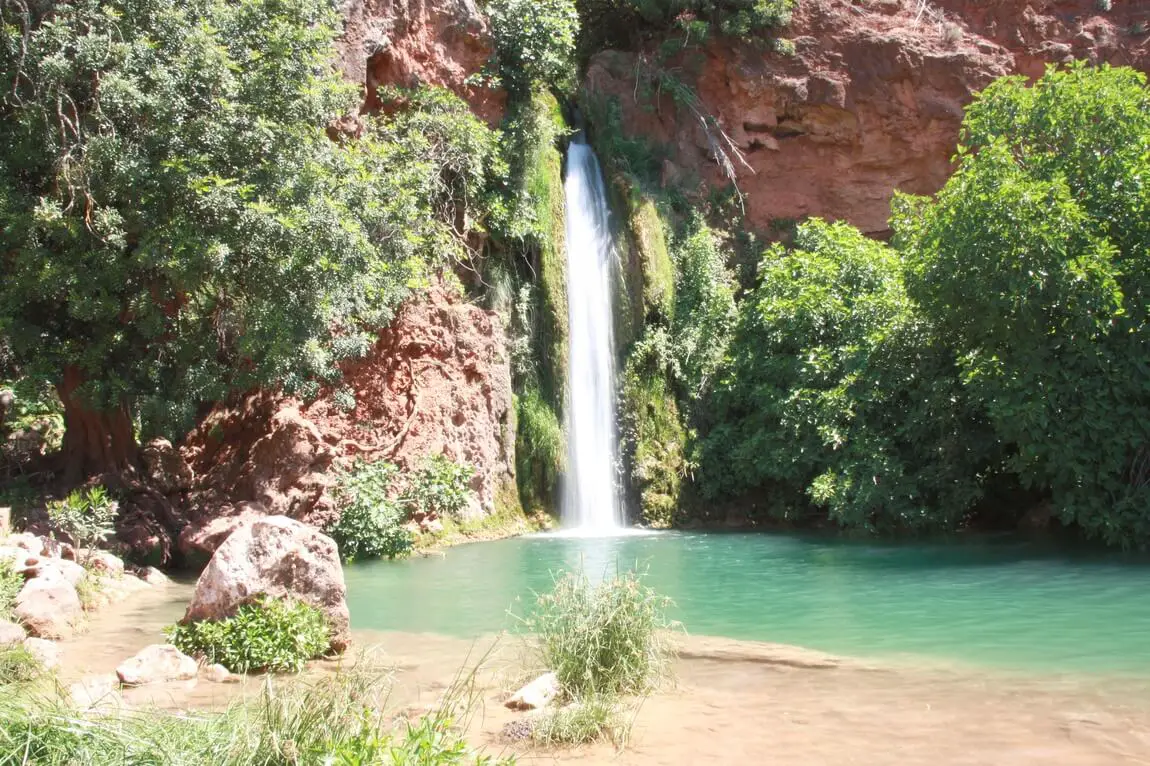
There’s a grassy area next to the waterfall, making it a lovely spot to relax for a while before continuing your itinerary.
💡 PORTUGUESE TIP: If you’re visiting during the summer, try to arrive early in the morning. Queda do Vigário has become much more popular in recent years, and the natural pool gets busy on hot afternoons.
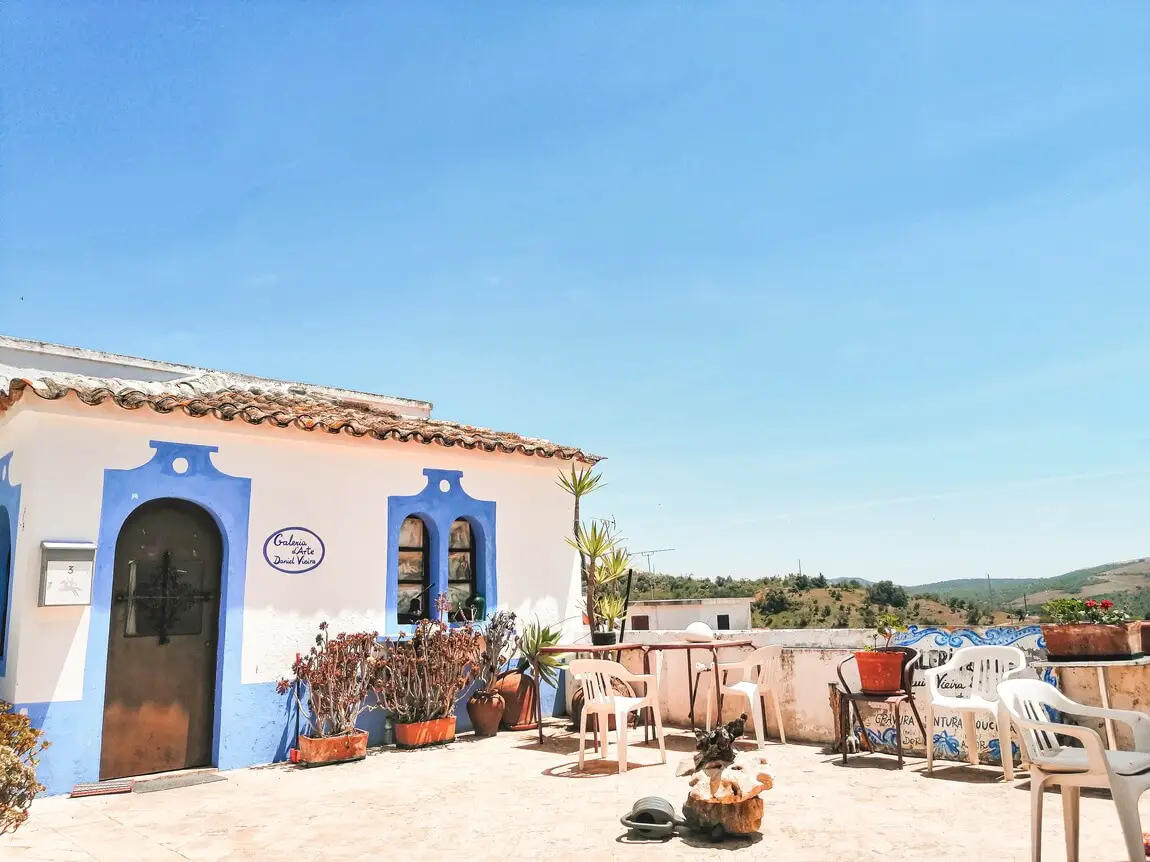
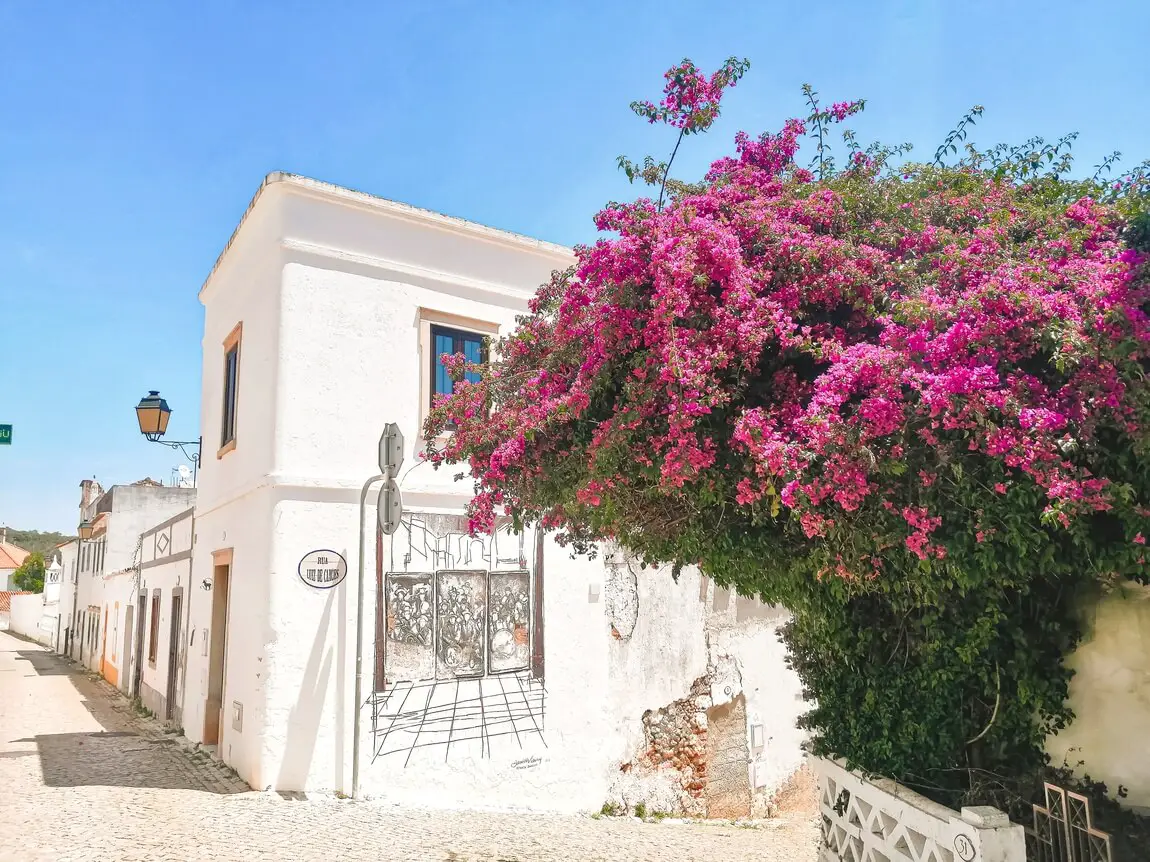
Before leaving, take some time to explore the village itself. Alte is small, but that’s part of its charm.
Wander through its quiet streets and don’t miss the Mother Church, São Luís Chapel, and Fonte Grande River Beach, another lovely spot to relax by the water.
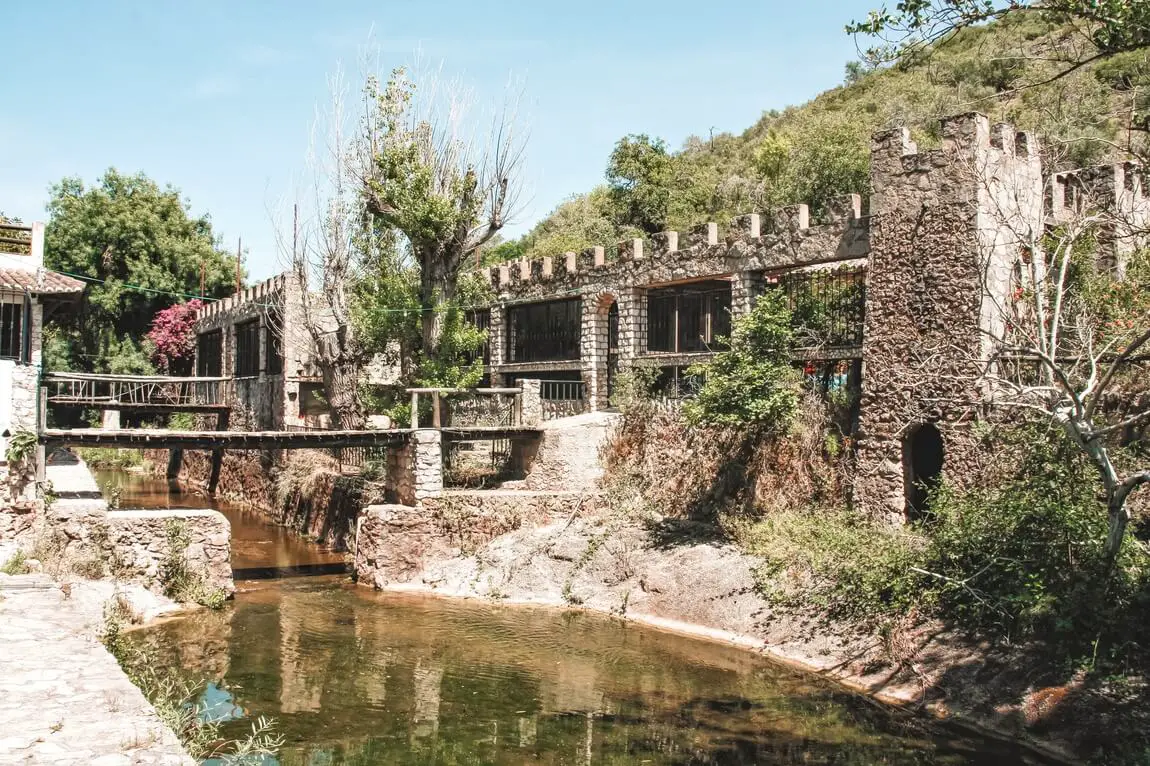
» Loulé
End the day in Loulé, one of the Algarve’s largest towns. Unlike many of the coastal resorts, Loulé has managed to keep a very authentic feel, making it one of my favorite places to experience everyday life in the Algarve.
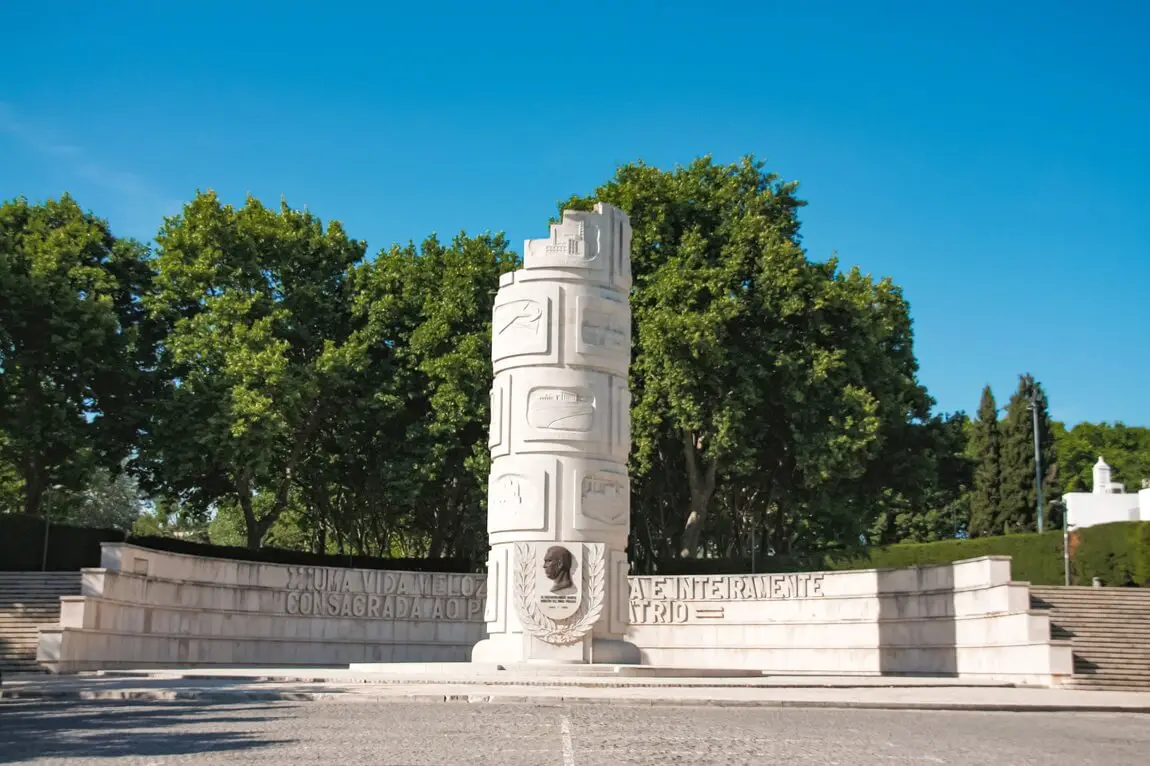
Start your visit at Loulé City Park, a pleasant green space that’s perfect for a short stroll. At the entrance, you’ll spot the statue of Duarte Pacheco, a Portuguese statesman who was born in Loulé.
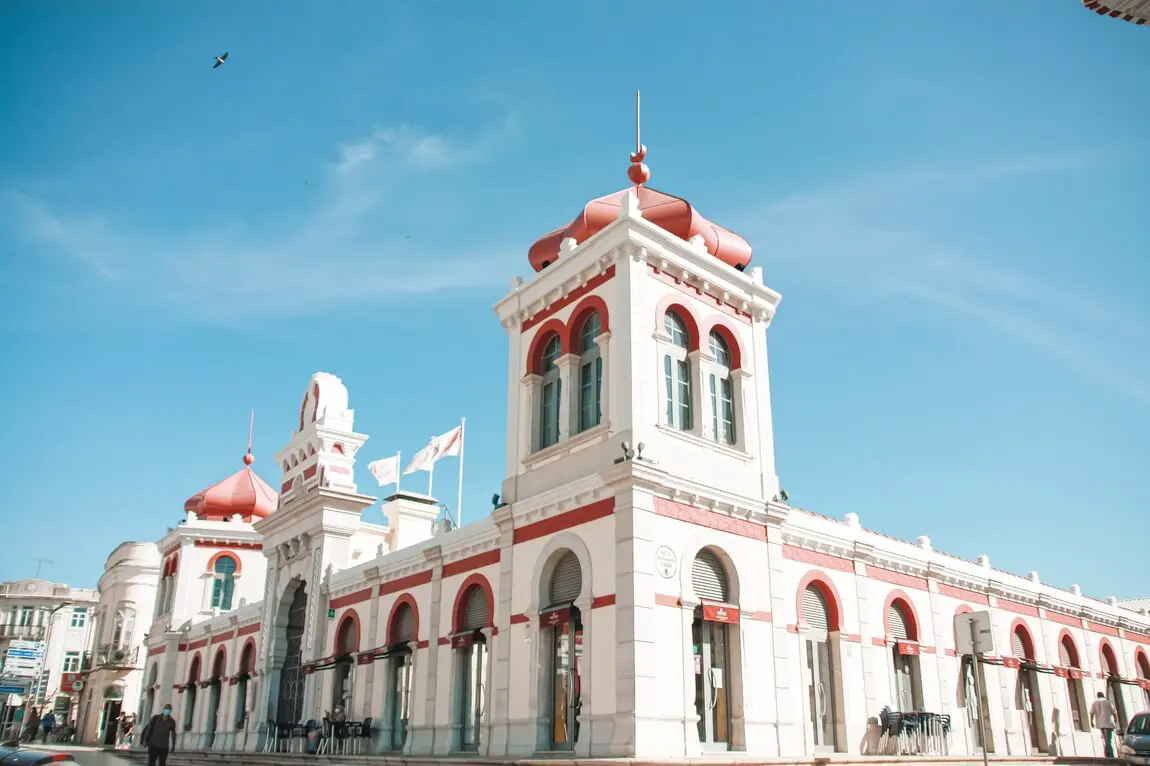
From there, continue to the Loulé Municipal Market, one of the town’s most iconic landmarks. Even if you’re not planning to shop, it’s well worth stepping inside to admire its distinctive architecture and browse the local products.
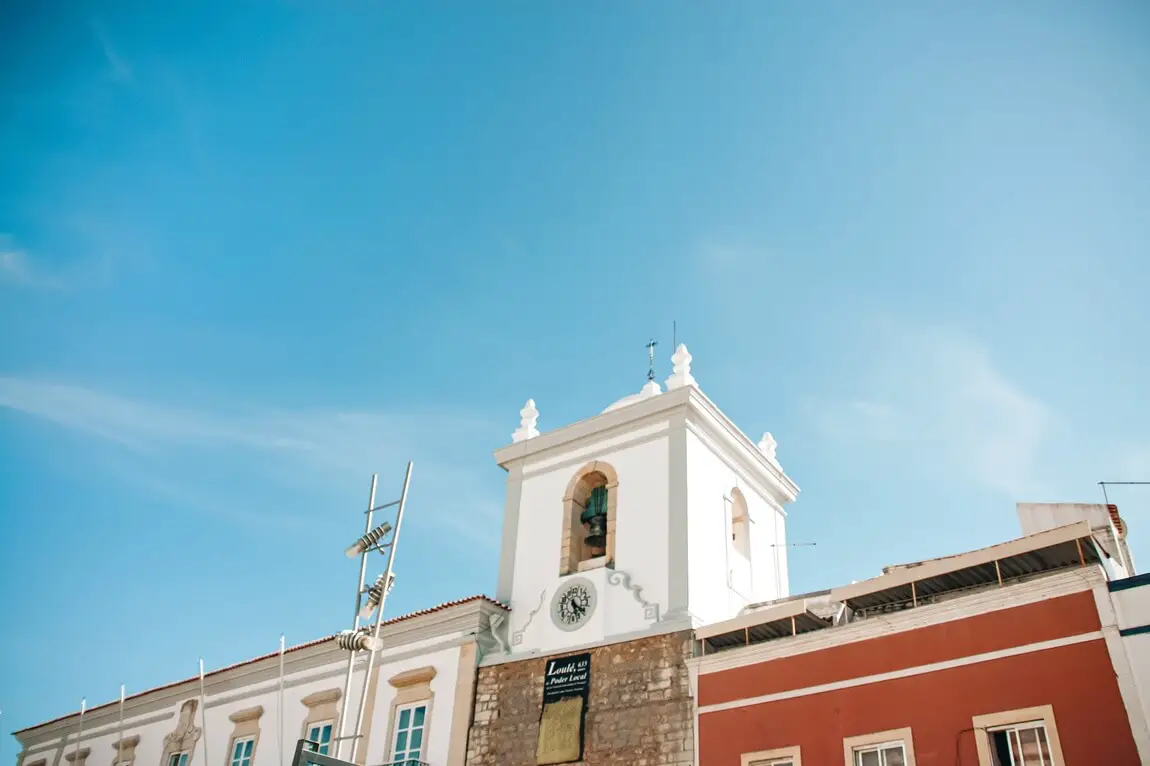
Just a short walk away, you’ll find Republic Square, the Clock Tower, and Nossa Senhora da Conceição Chapel, known for its beautiful tiled interior.
Continue to Loulé Castle, which dates back to the Moorish period, before exploring Dom Pedro I Square, Bicas Velhas Fountain, and Pinto Arch.
💡 PORTUGUESE TIP: If you see locals filling bottles at Bicas Velhas Fountain, don’t be surprised. It’s a tradition that has been around for years, and many people still come here to collect fresh spring water.
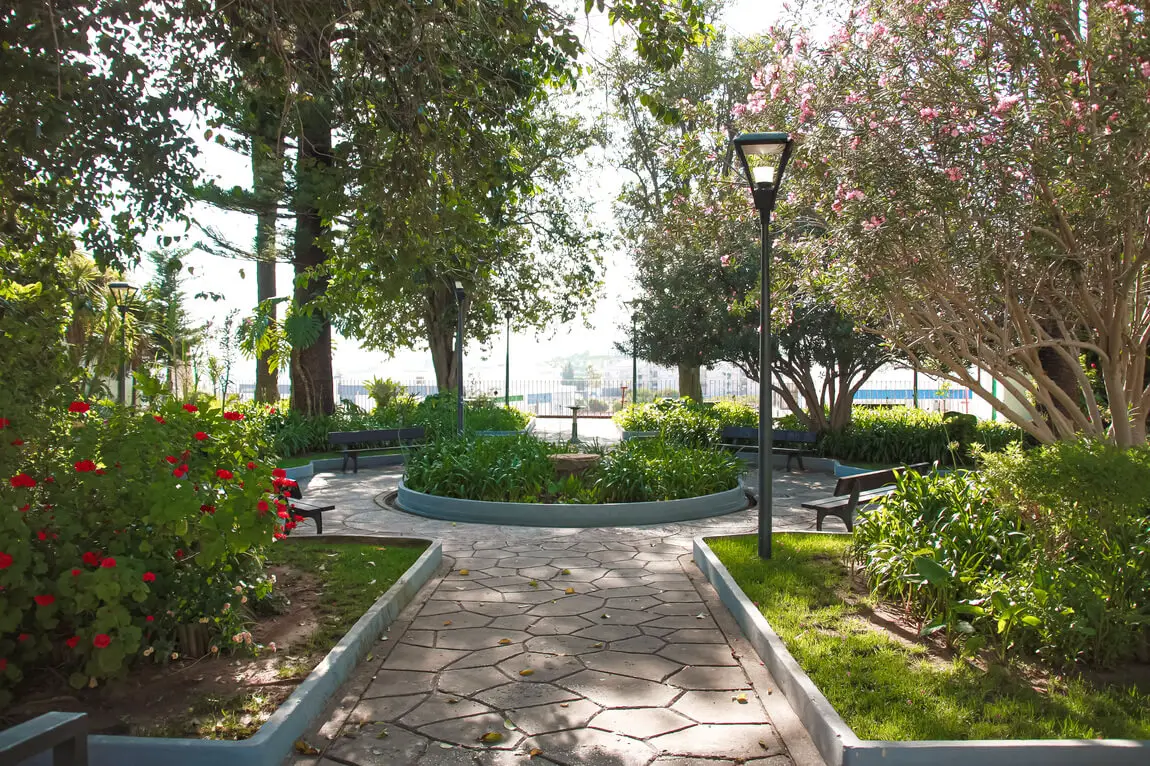
Before calling it a day, visit Amuados Garden for one of the best views of Nossa Senhora da Piedade Sanctuary. You can also stop by São Clemente Church and Nossa Senhora do Pilar Chapel.
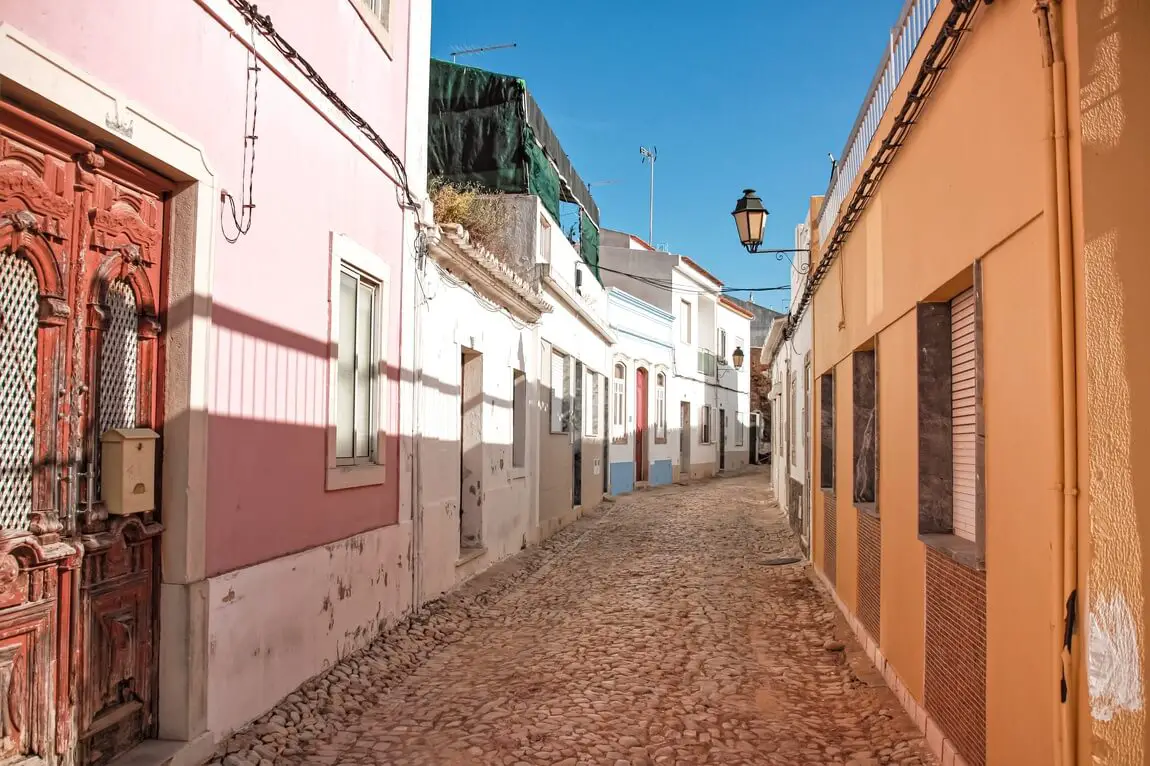
If you still have some time, finish the day at Cadoiço Creek Waterfall. While I wouldn’t recommend swimming here, as the water quality can vary, it’s still a peaceful spot and worth a quick stop if you’re already exploring the area.
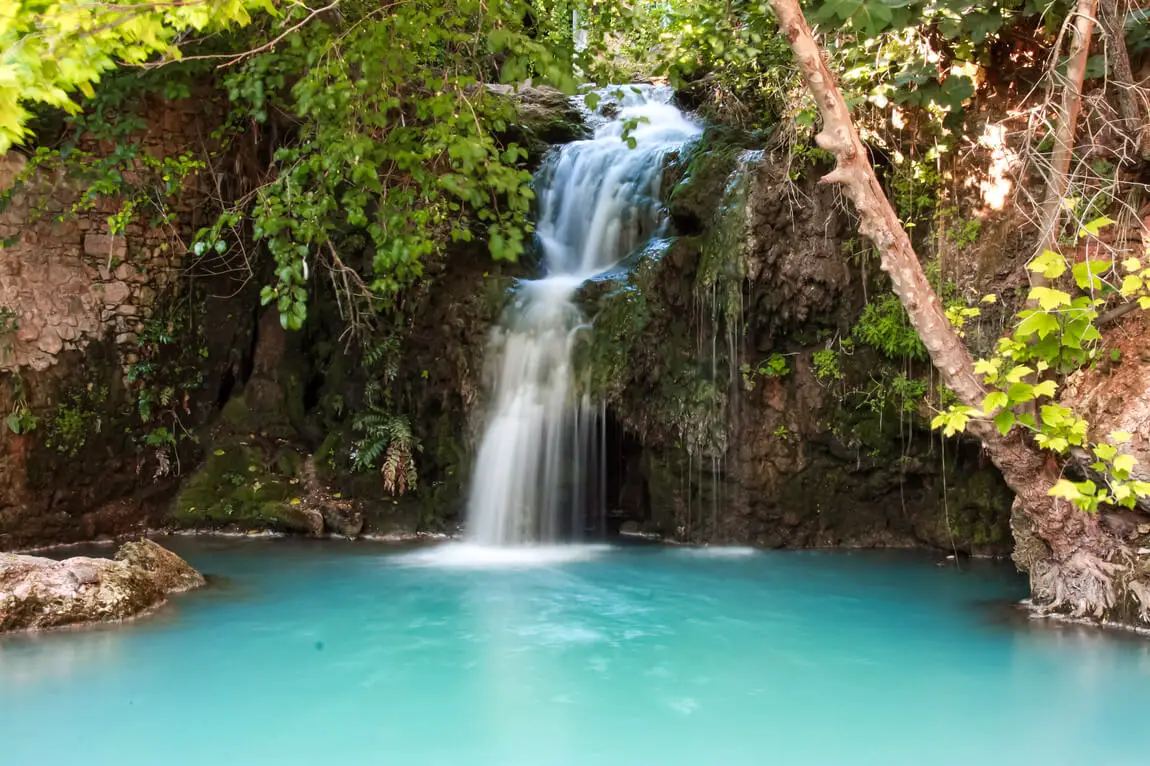
🎫 Want to discover a completely different side of the Algarve? Just outside Loulé, you can visit the TechSalt Rock Salt Mine, one of the most unique attractions in the region. Guided tours take you hundreds of meters underground to learn about the mine’s history, geology, and impressive rock formations.
Day 5 in Algarve
- 🚗 Driving time: 1h20 (68 km / 42 miles)
- 📍 Itinerary: Loulé – Estoi – Faro – Olhão – Tavira
- 😴 Where to sleep: Tavira (my recommendation: Country House Tavira Monte)
» Estoi
Before continuing to Faro, make a short detour to Estoi. It’s a small village that many visitors overlook, but I think it’s well worth adding to your Algarve itinerary.
It doesn’t take long to explore and offers a completely different side of the Algarve.
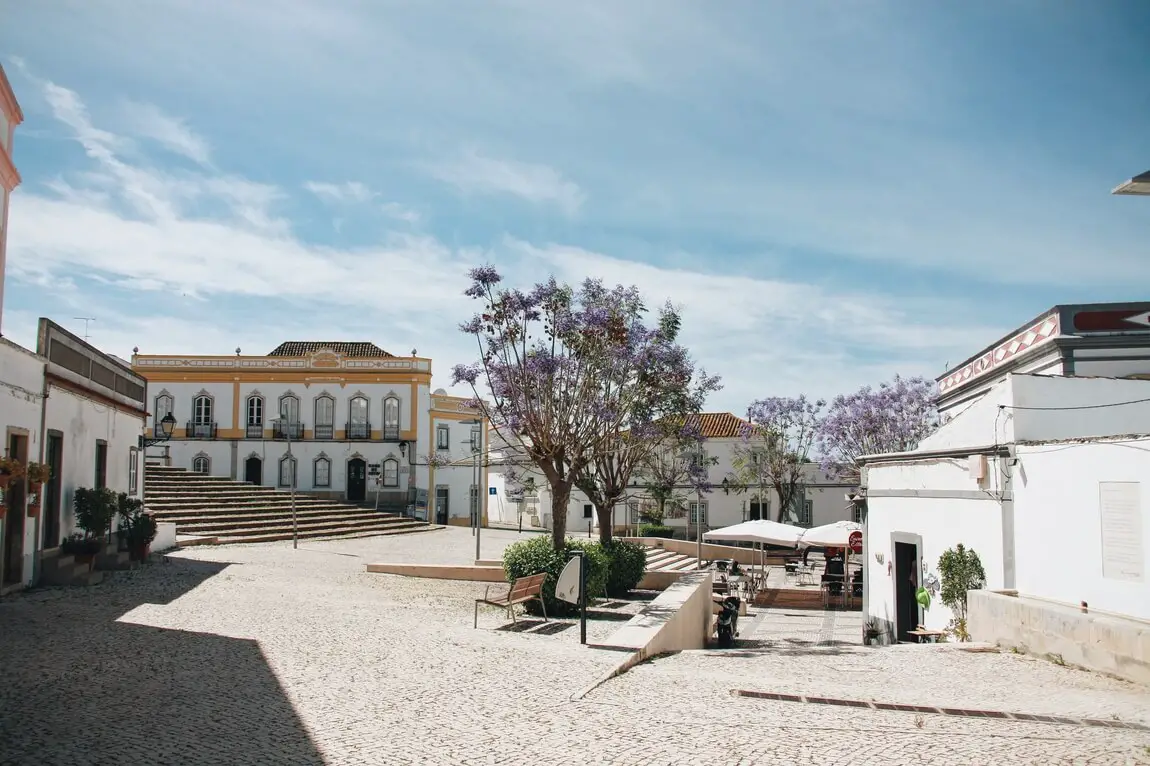
The main attraction is the beautiful Estoi Palace, a Rococo palace surrounded by elegant gardens. Today, the palace operates as a luxury hotel, but you can still admire its exterior and stroll through the gardens.
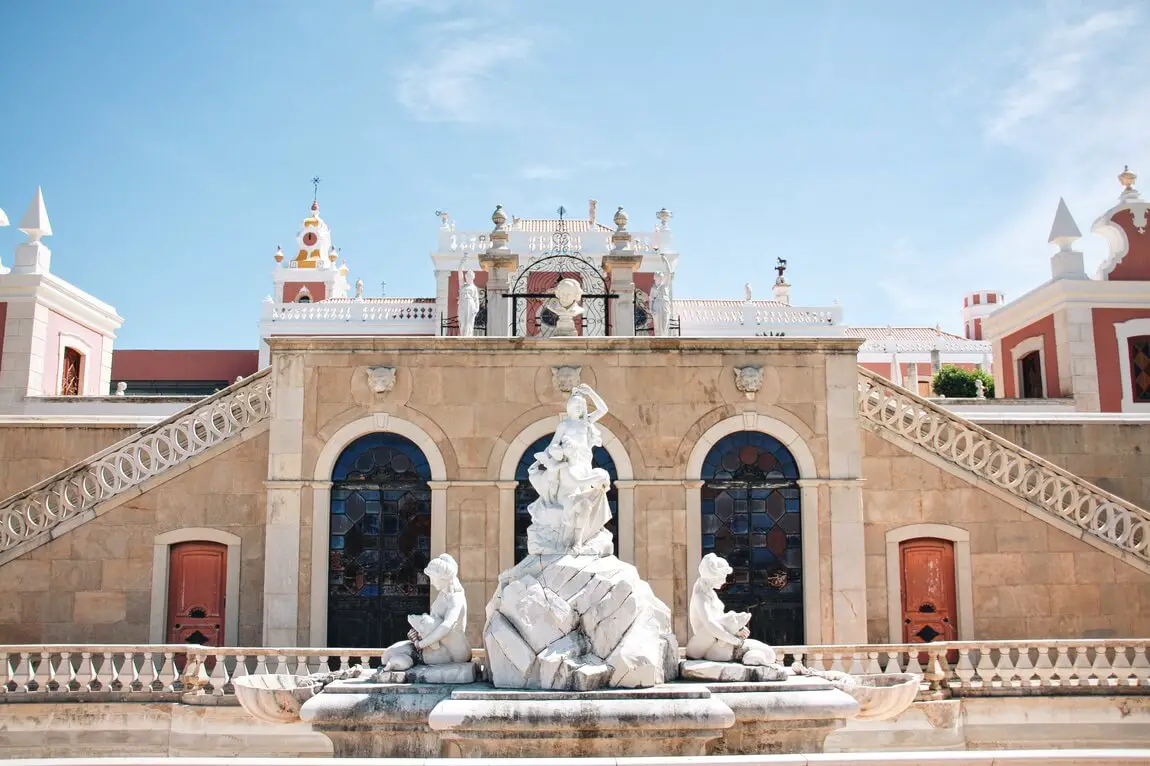
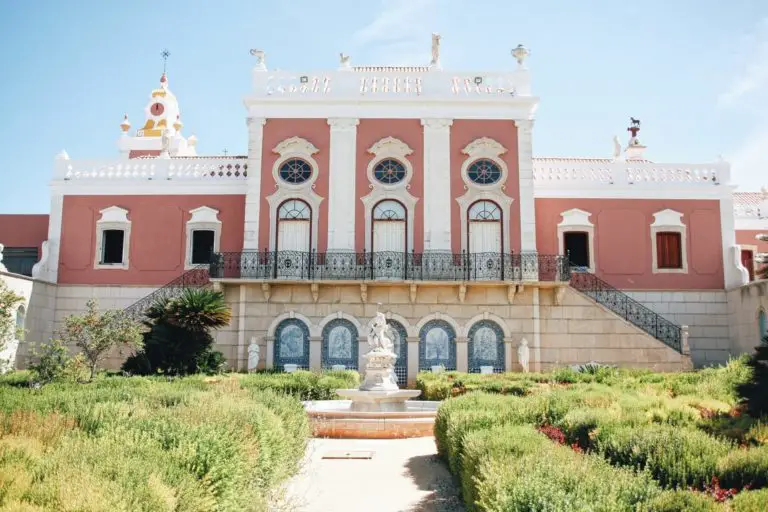
Another highlight is the Roman Ruins of Milreu, one of the best preserved Roman archaeological sites in southern Portugal. Here, you can explore the remains of an ancient Roman villa and learn more about the region’s history. Adult tickets cost 2€/USD.
» Faro
Next, continue to Faro, the capital of the Algarve. Many travelers fly into Faro but head straight to the beach resorts without taking the time to explore the city.
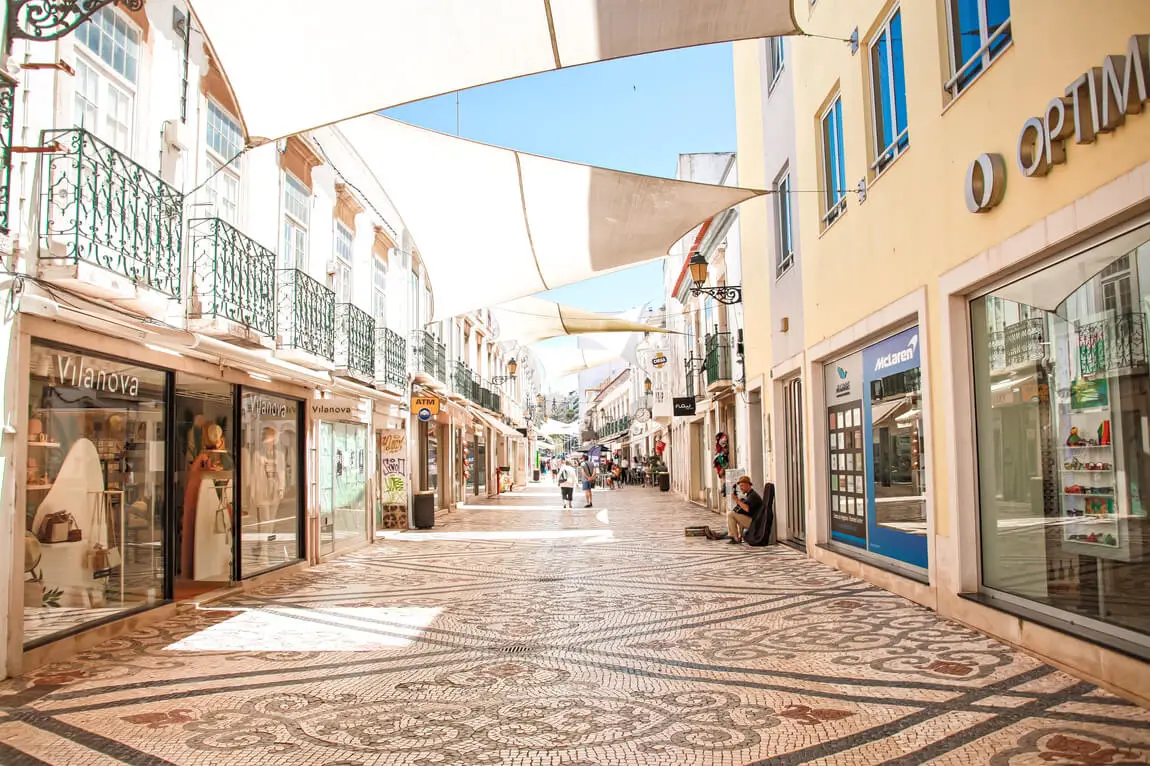
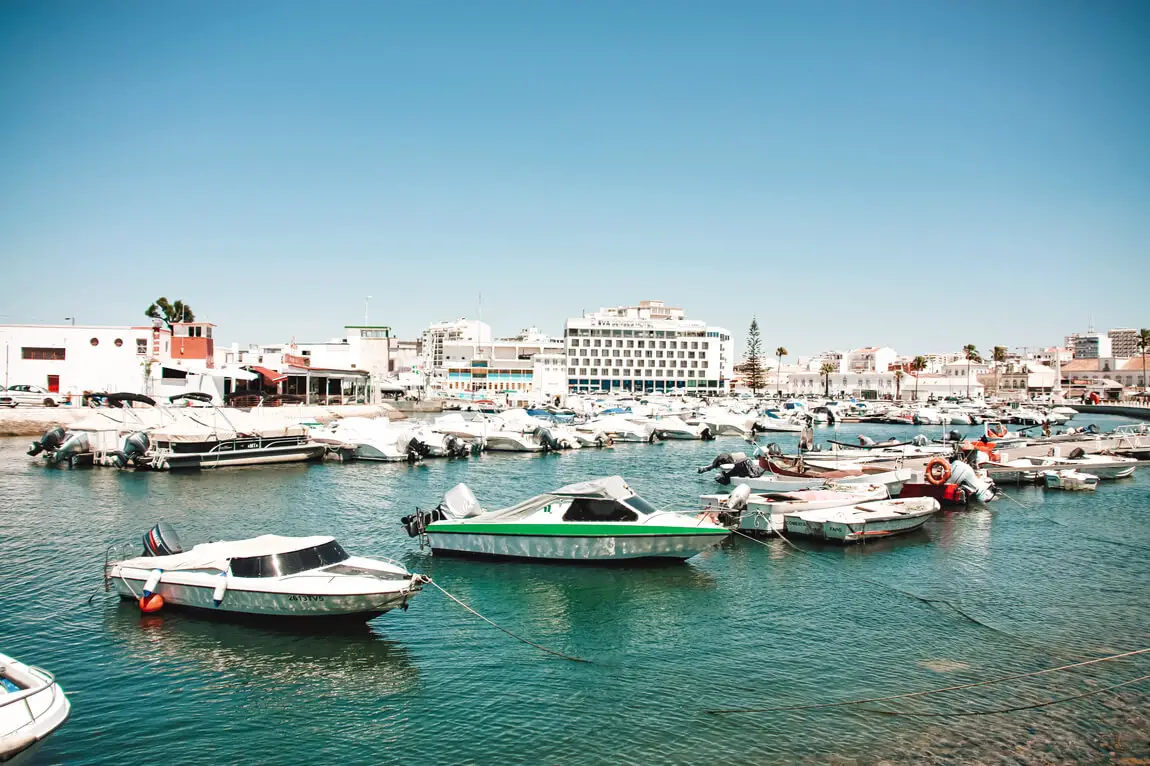
Start your visit with a stroll along Faro Marina before entering the historic center through Porta Nova. From there, wander through the cobbled streets and visit Faro Cathedral, the City Walls, Arco da Vila, and Arco do Repouso.
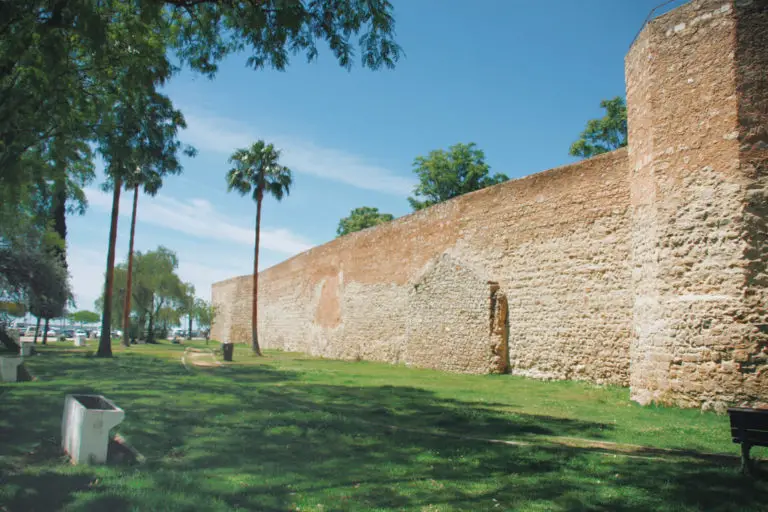
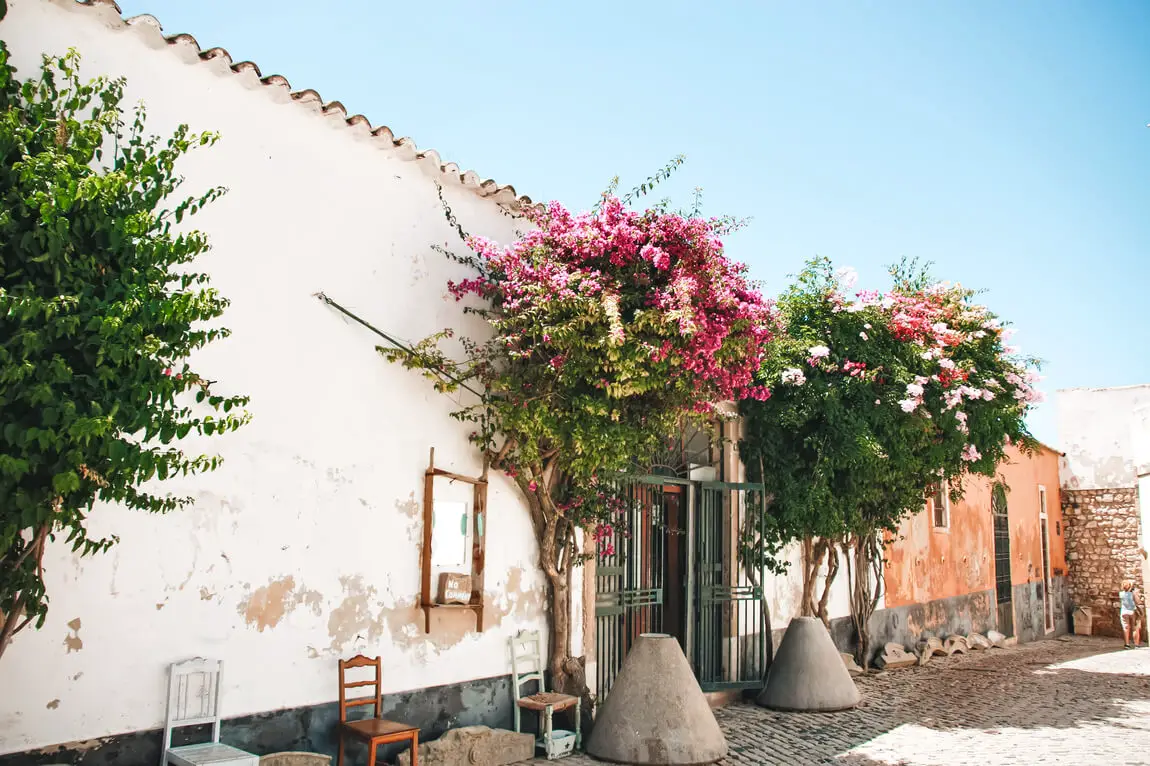
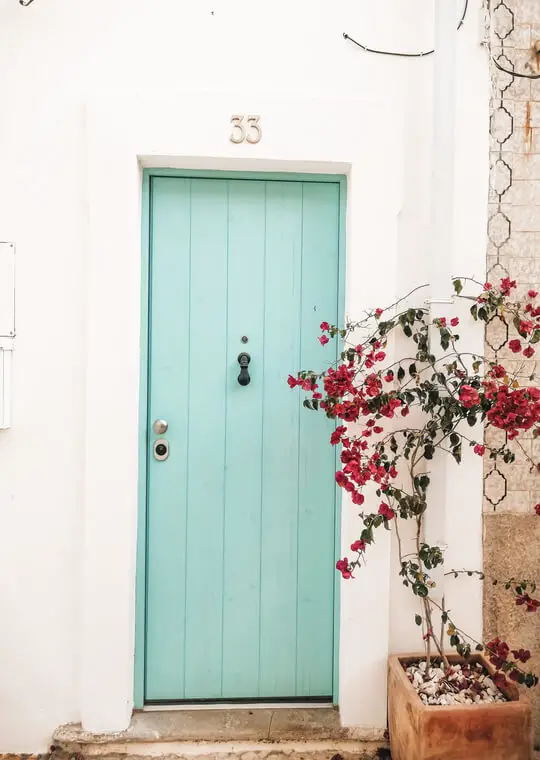
One of my favorite things about Faro is simply getting lost in the old town. You’ll come across quiet squares, colorful doors, flower filled streets, and plenty of cafés where you can take a break from sightseeing.
If you have some extra time, don’t miss the Convent of Santo António dos Capuchos, Carmo Church, and St. Peter’s Church.
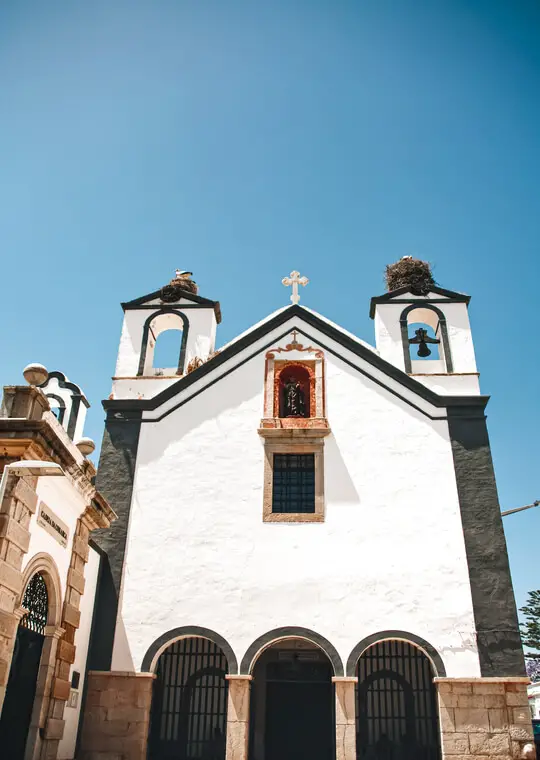
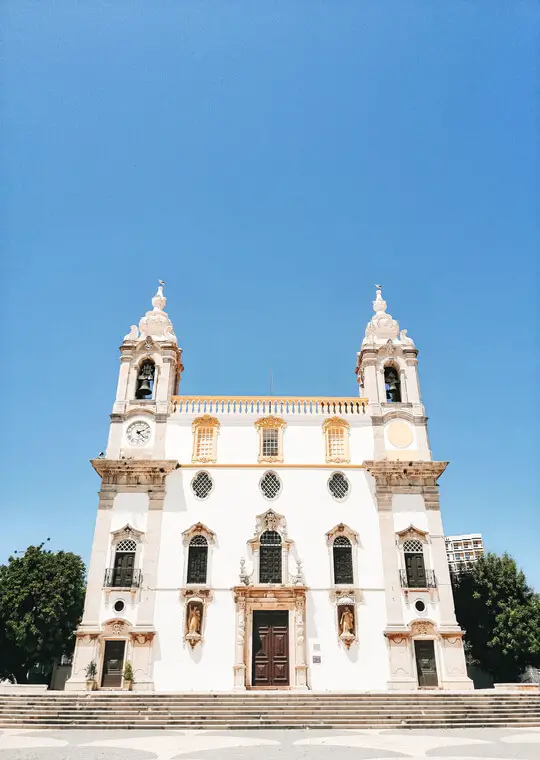
💡 PORTUGUESE TIP: If you’re exploring Faro by car, I recommend parking near Largo de São Francisco. There are usually plenty of free parking spaces, and it’s only a short walk from the historic center.
Faro is also one of the main gateways to Ria Formosa Natural Park. However, since today’s itinerary continues to Olhão, I recommend saving your boat trip for later in the day, where you’ll find even more options for exploring the islands.
The islands of Ria Formosa are very different from most beaches in the Algarve. Instead of dramatic cliffs, you’ll find long stretches of soft sand, calm waters, and a much quieter atmosphere. If you’re looking to escape the crowds, this is one of my favorite places in the Algarve.
» Olhão
Continue your trip to Olhão, a town that’s best known for its fishing heritage and some of the freshest seafood in the Algarve.
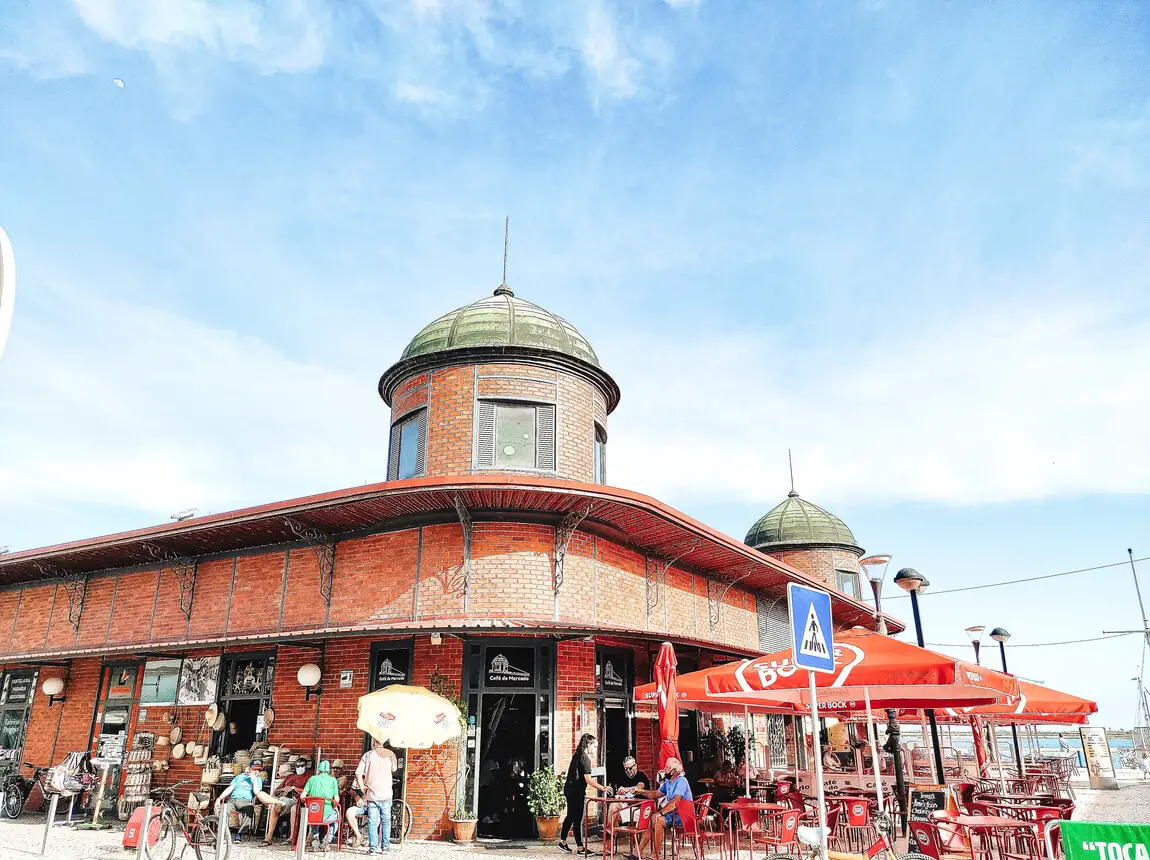
A great place to start is the Olhão Municipal Market, one of the town’s most iconic landmarks. Even if you’re not planning to buy anything, it’s worth stepping inside to admire the distinctive architecture and browse the stalls selling fresh fish, seafood, fruit, vegetables, and local products.
The market is open daily from 7 am to 1 pm, except on Sundays.
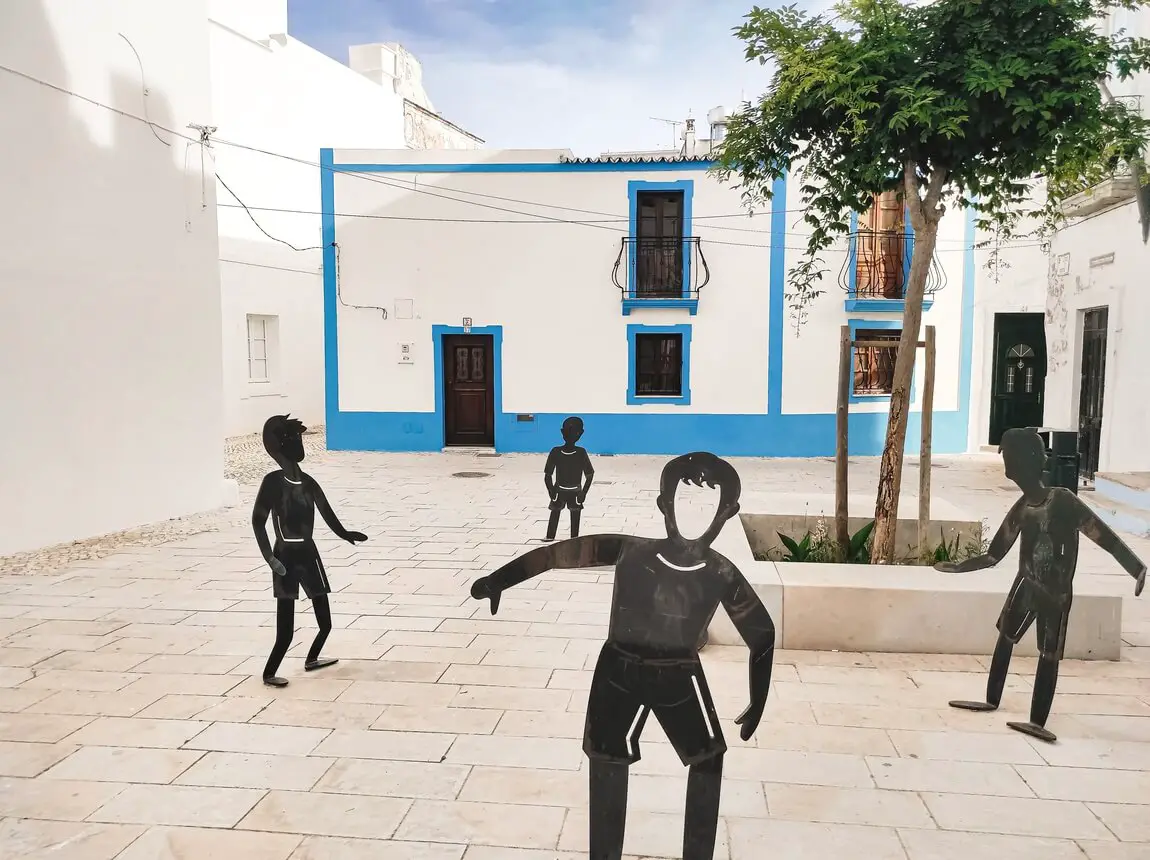
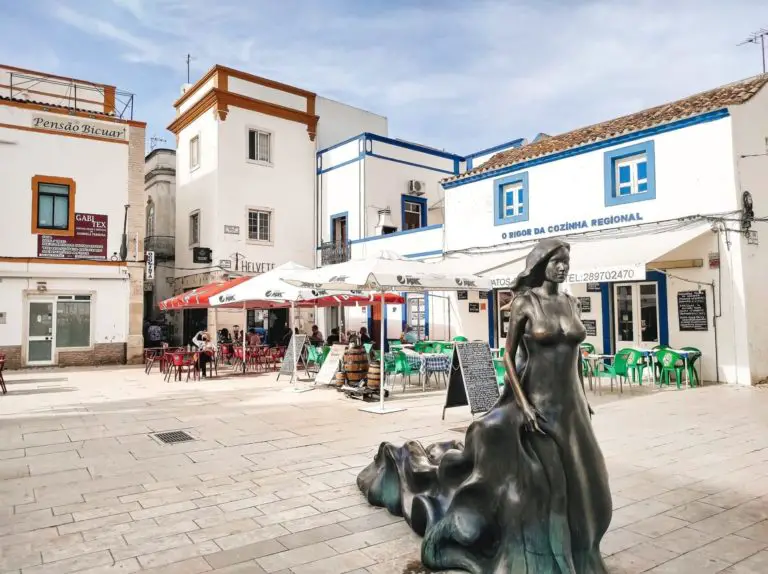
Afterwards, take some time to wander through the historic center. I recommend following the Olhão Legends Route (Caminho das Lendas de Olhão), a self-guided walk that connects five of the town’s main squares while introducing you to some of its history.
No visit to Olhão is complete without exploring Ria Formosa Natural Park, one of the 7 Natural Wonders of Portugal.
Stretching for about 60 km (37 miles) along the Algarve coast, this protected lagoon is made up of barrier islands, sandbanks, marshes, and canals.
It’s a completely different landscape from the dramatic cliffs around Lagos or Carvoeiro, offering a much quieter and more natural side of the Algarve.
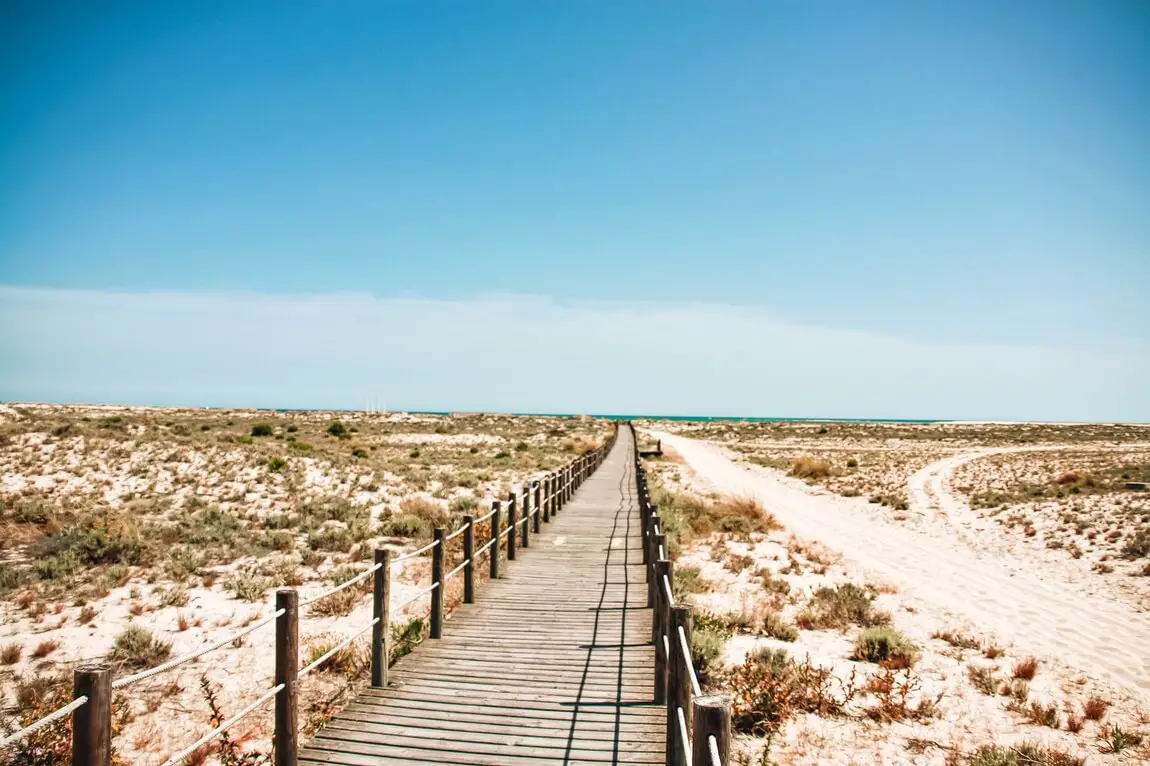
There are two great ways to explore Ria Formosa. If you simply want to relax on one beach for a few hours, you can take one of the public ferries that depart from Olhão to islands such as Armona, Culatra, and Farol.
That’s exactly what I did last time I visited. I took the ferry to Armona Island, a journey of around 15 minutes. One of my favorite parts wasn’t just the beach itself, but watching residents return home by boat after shopping in Olhão. It made the experience feel much more authentic.
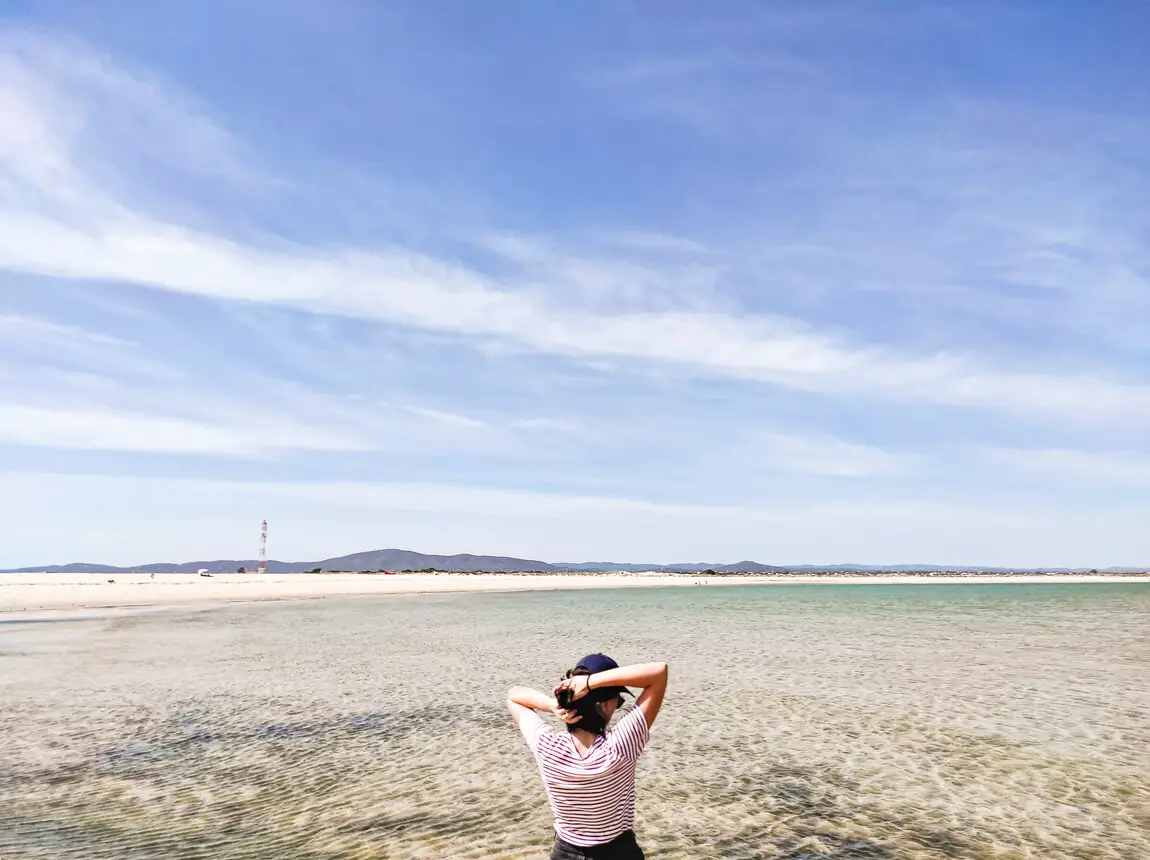
If you have more time, however, I’d recommend joining a guided boat tour instead. Rather than spending the day on just one island, you’ll visit several of the highlights of Ria Formosa without having to worry about ferry schedules or planning the logistics yourself.
RECOMMENDED TOUR: Ria Formosa 3-Island Full-Day Tour
🏝️ Visit Armona, Culatra, and Farol Islands in a single trip
⛵ Explore more of Ria Formosa Natural Park without worrying about ferry schedules
🌊 Departure from Olhão
📸 Admire the lagoon, sandbanks, and barrier islands from the water
⭐ Perfect if you’re short on time and want to experience more than just one island
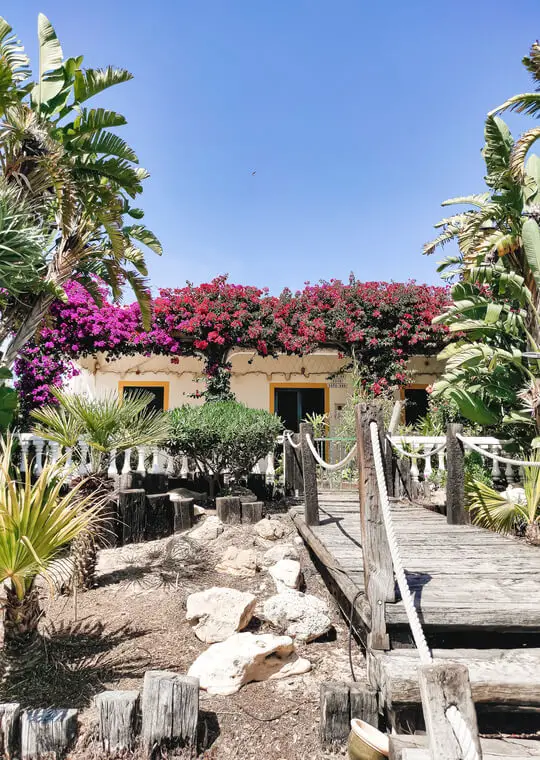
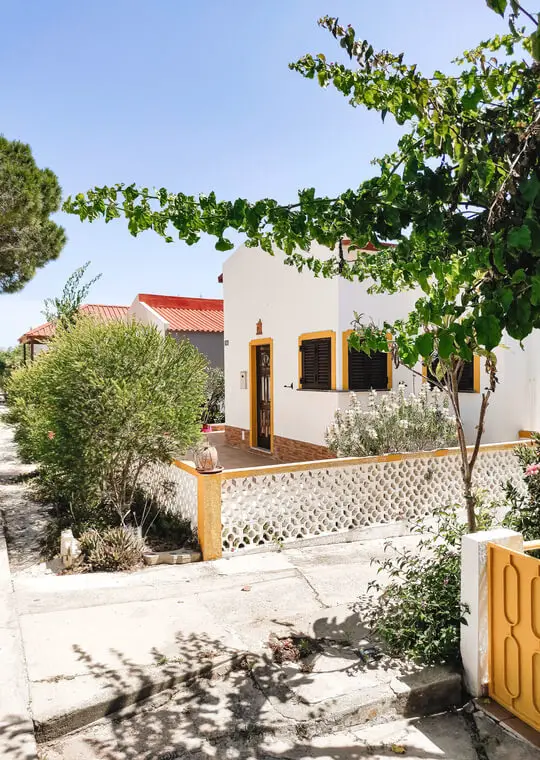
💡 PORTUGUESE TIP: If you decide to visit the islands independently, check the ferry timetables before you go. Boats don’t run continuously throughout the day, and the schedules may not always fit your itinerary. I actually had to skip Ilha Deserta on this trip because the available departure times didn’t work with my plans.
Day 6 in Algarve
Today, you’ll explore the eastern Algarve, a part of the region that feels noticeably quieter than the busy western coast.
I like leaving Tavira until the end of this trip to the Algarve because it’s the perfect place to slow down after a few days of exploring.
- 🚗 Driving time: 50min (36 km / 22 miles)
- 📍 Itinerary: Tavira – Pego do Inferno – Cacela Velha – Monte Gordo
- 😴 Where to sleep: Monte Gordo (my recommendation: The Prime Energize Monte Gordo)
» Tavira
Tavira has a charm of its own and feels completely different from the other towns in the Algarve. You could easily spend an entire day here, but if you’re following this itinerary, a morning is enough to see the main highlights.
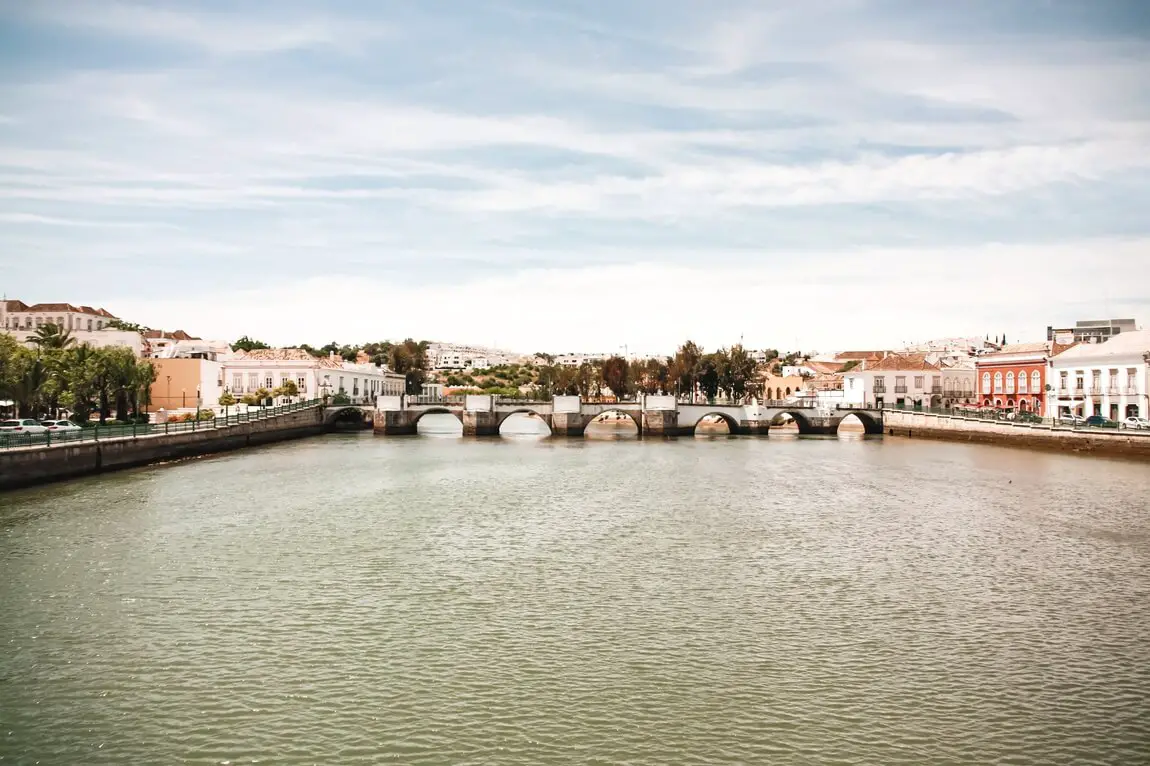
No visit to Tavira is complete without crossing its iconic Roman Bridge and admiring the views over the Gilão River.
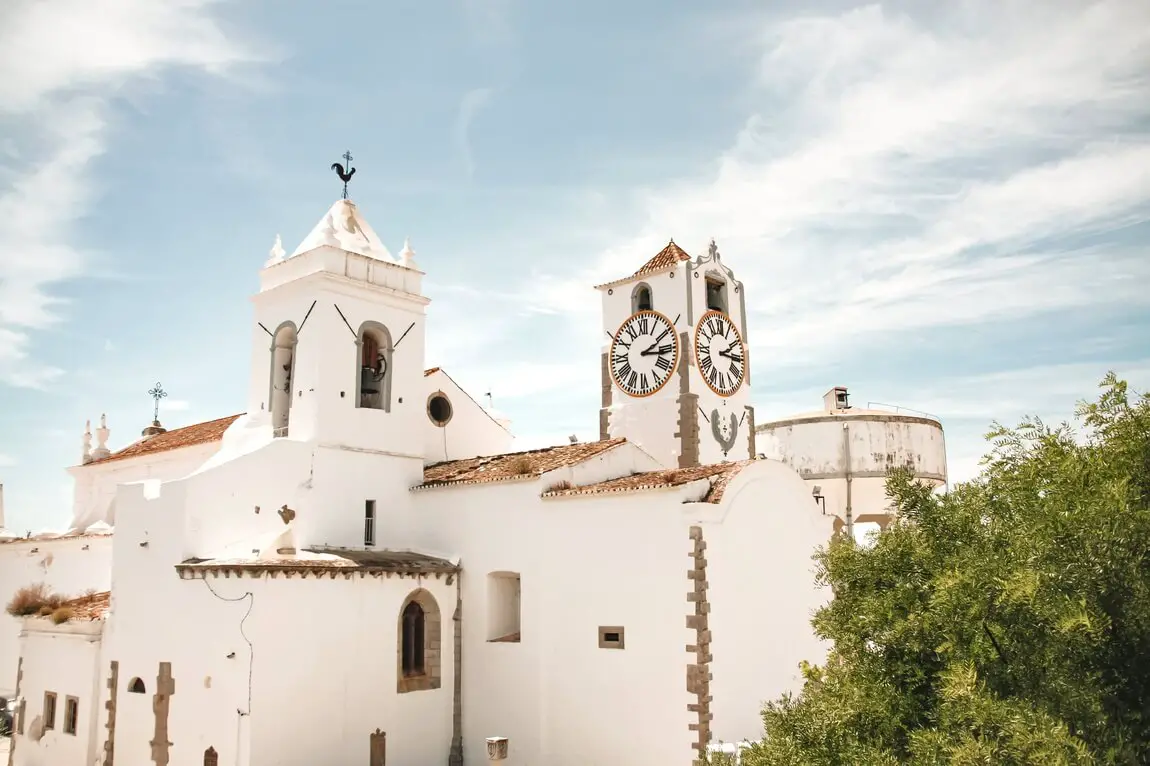
From there, head up to Tavira Castle, where you’ll be rewarded with some of the best panoramic views of the town. While you’re there, don’t miss Santa Maria do Castelo Church and Santiago Church.
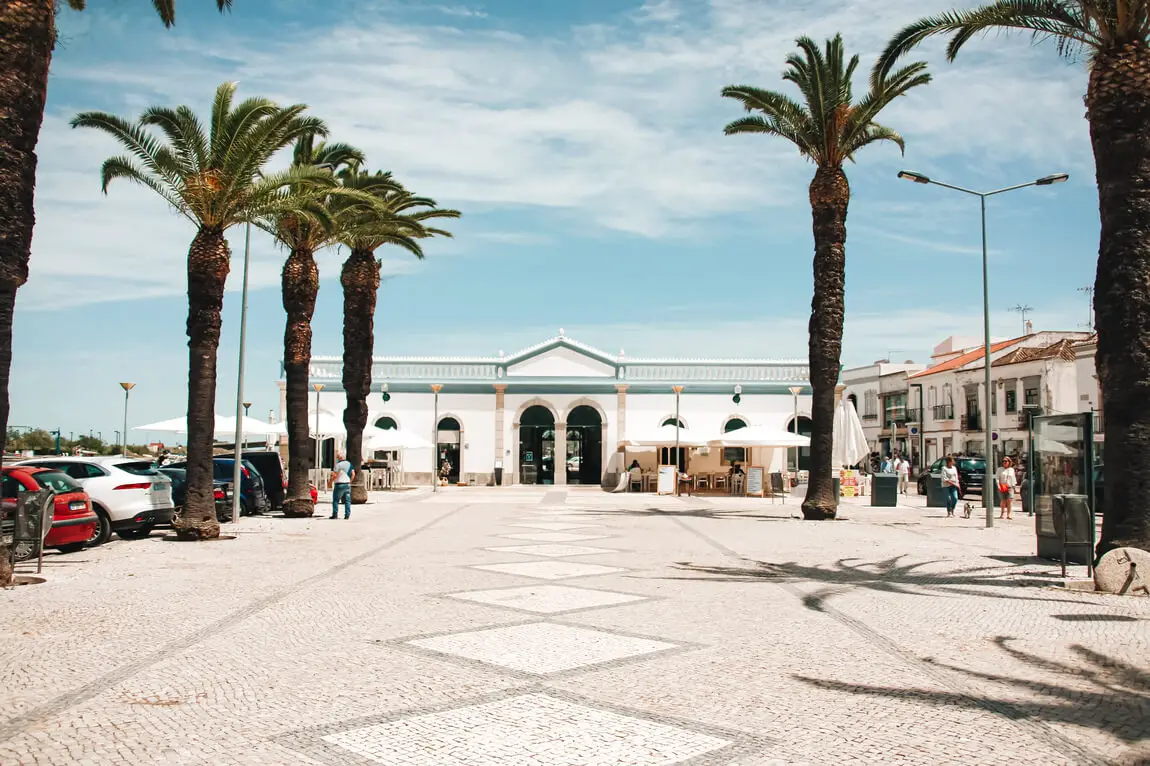
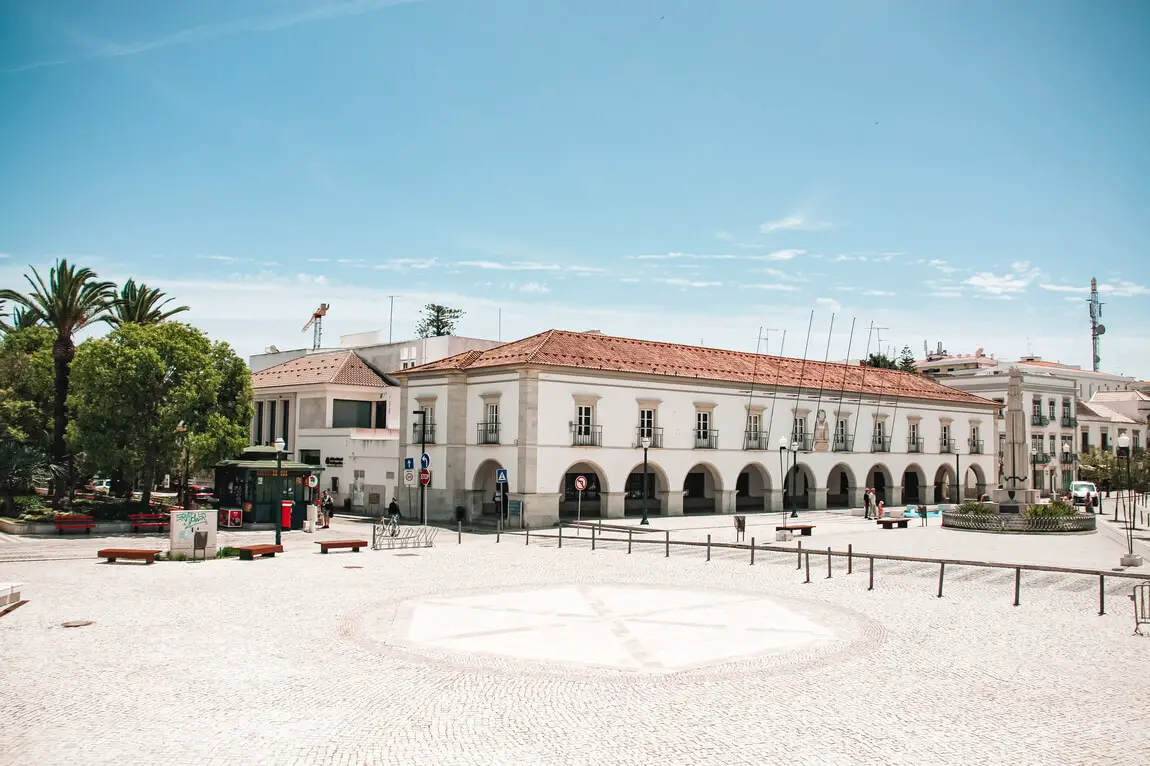
Continue your walk through the historic center with stops at Ribeira Market, Coreto Garden, and Republic Square.
One of my favorite ways to end a visit to Tavira is by sitting in the square with an ice cream and simply watching the town go by.
👉 Read also: Best things to do in Tavira
» Pego do Inferno Waterfall
After exploring Tavira, continue inland to Pego do Inferno, one of the Algarve’s most beautiful waterfalls.
Getting there is straightforward. Simply follow the directions on Google Maps and park in one of the designated roadside areas.
From there, it’s about a 10-minute walk to the waterfall. Although the trail isn’t always clearly marked, it’s relatively easy to follow.
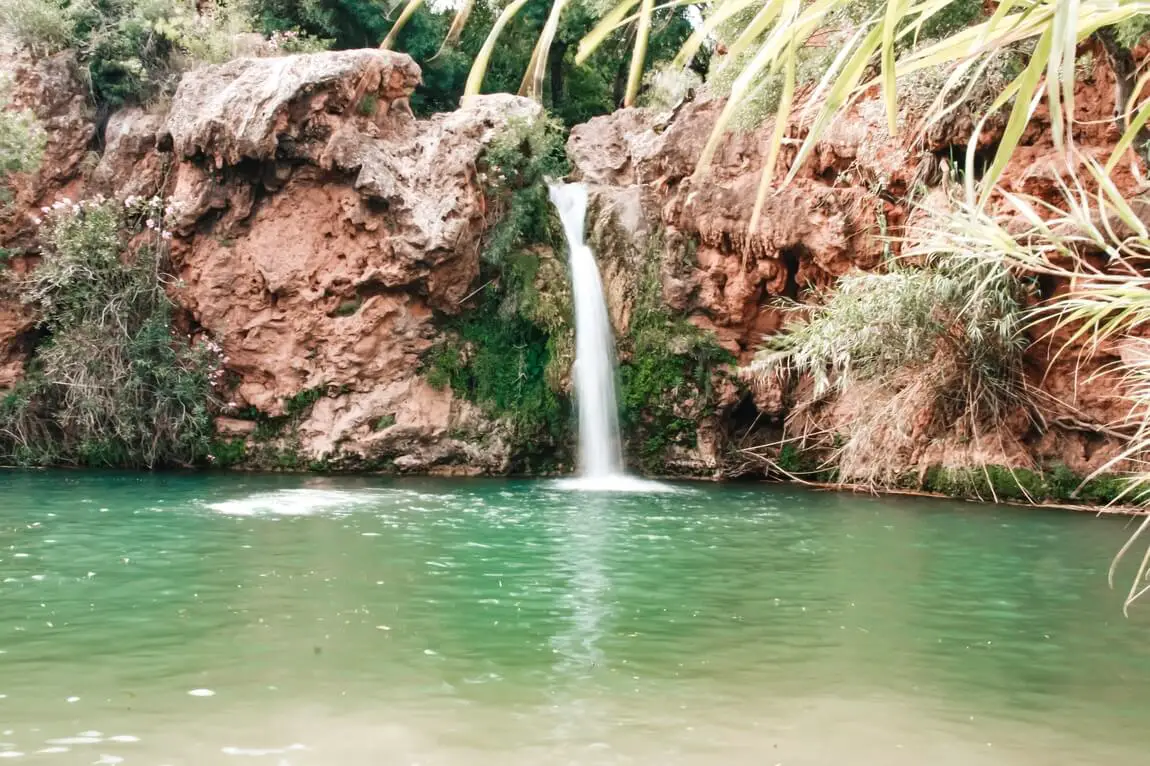
While the waterfall isn’t as tall as Queda do Vigário, the natural pool is larger and makes for a beautiful stop surrounded by nature.
💡 PORTUGUESE TIP: Although Pego do Inferno remains a popular spot, the site isn’t officially maintained and access conditions can change. Before visiting, check recent reviews on Google Maps or AllTrails to see what the trail is currently like, and wear appropriate footwear.
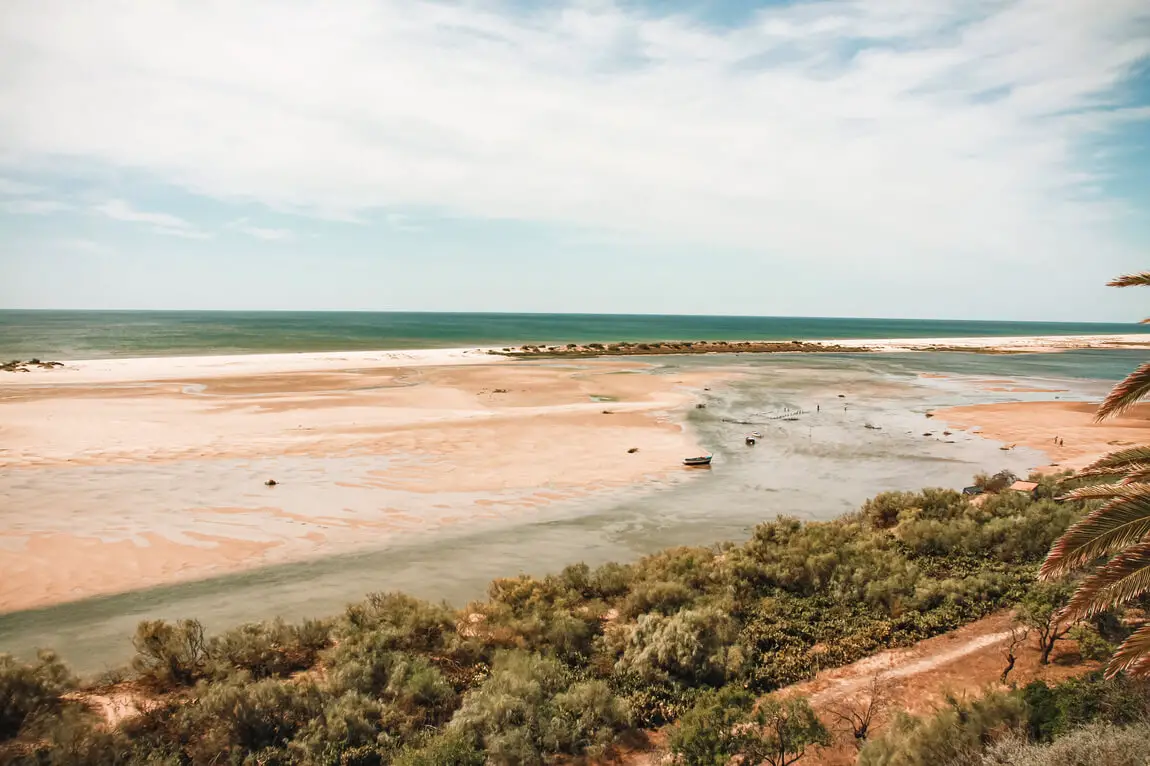
» Cacela Velha
Finish the day in Cacela Velha, one of the smallest villages on this itinerary but also one of the most memorable. I couldn’t imagine putting together an Algarve itinerary without including it.
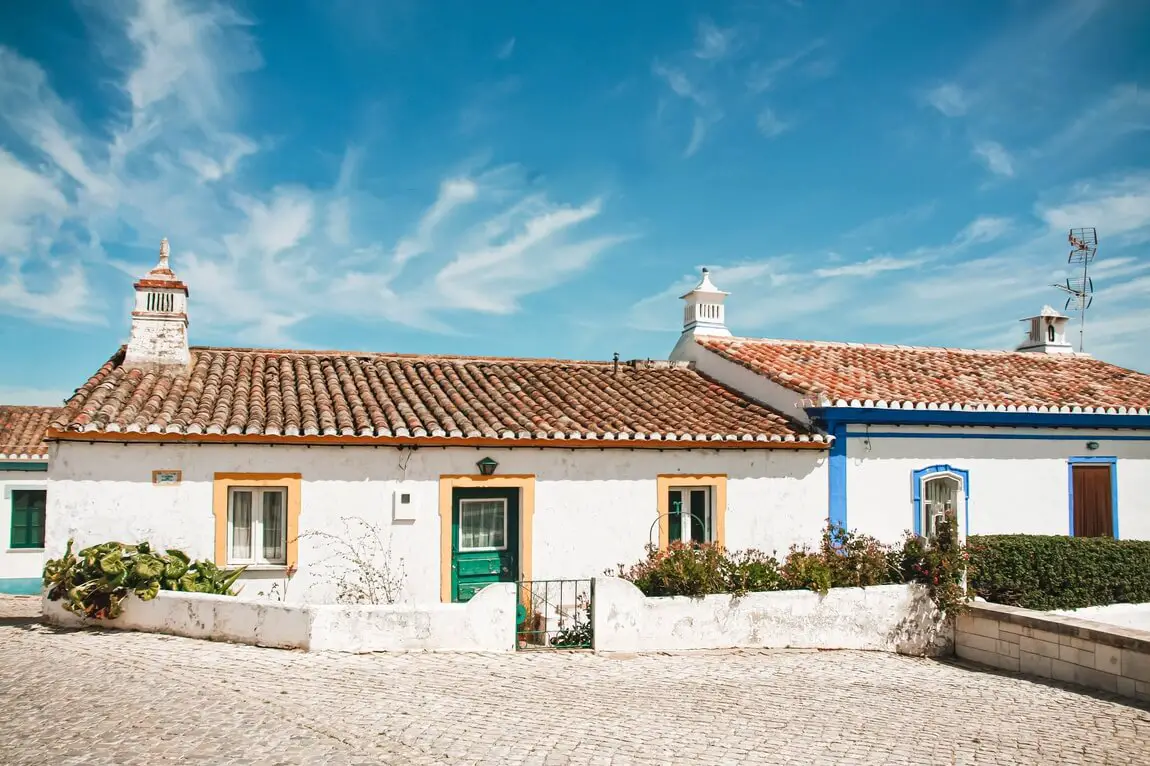
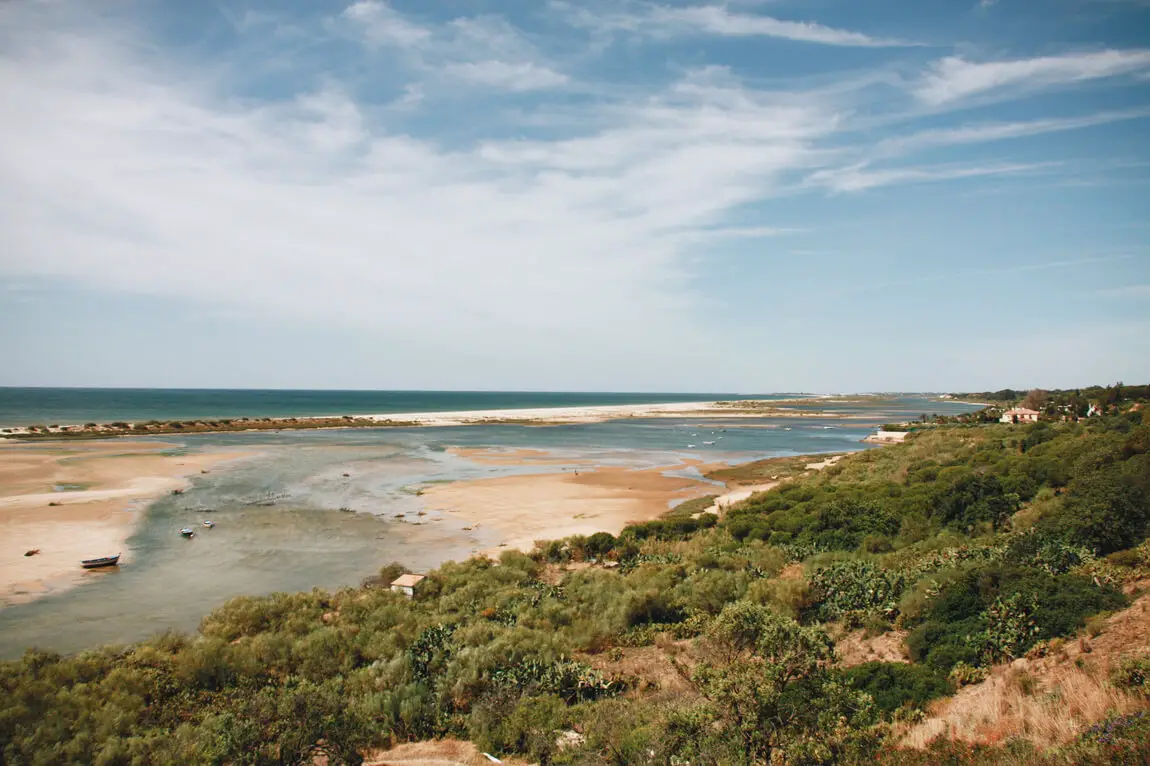
Perched on a fossil cliff overlooking Ria Formosa Natural Park, Cacela Velha offers one of the most spectacular views in southern Portugal.
While there isn’t a long list of attractions, that’s not really the point. Come here to slow down, admire the scenery, and enjoy one of the Algarve’s most beautiful viewpoints.
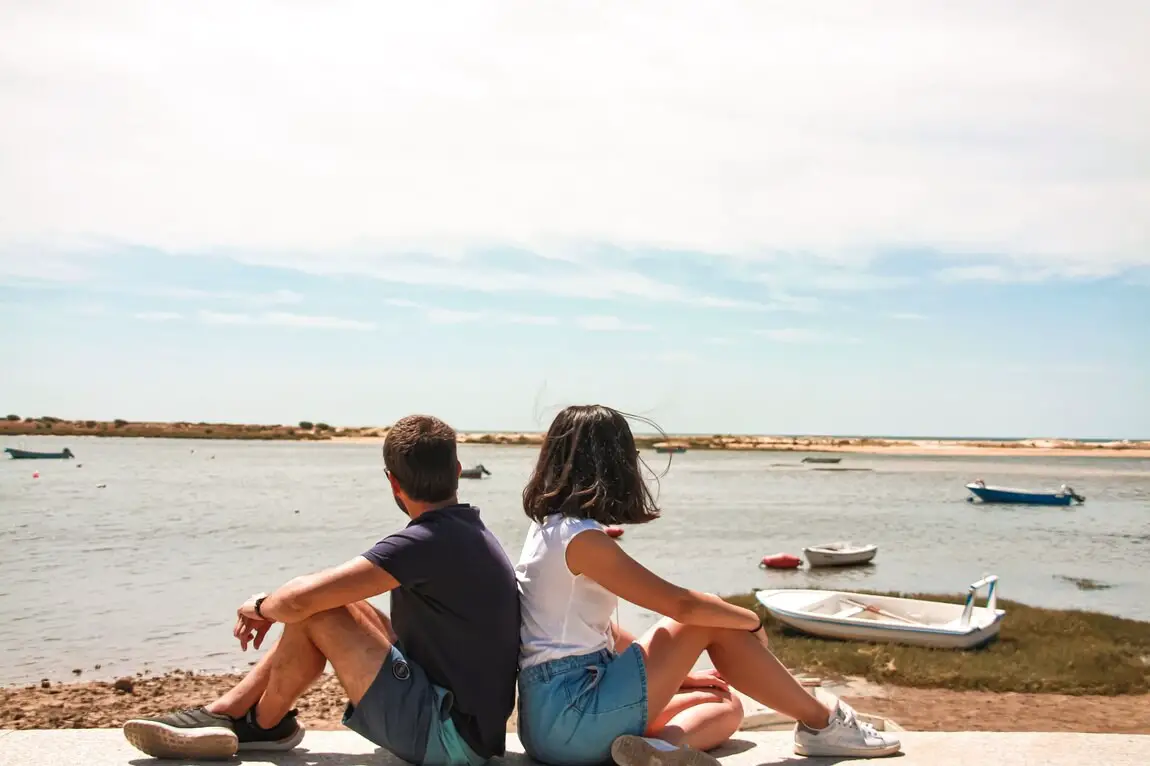
Besides the panoramic views, don’t miss the Mother Church and the old fort before wandering through the village’s quiet streets.
If you have some extra time, head down to Fábrica Beach. During low tide, you can walk across the sand to reach the beach. At high tide, small boats run regularly between the village and the beach and it’s quite inexpensive.
Day 7 in Algarve
Your final day takes you to the easternmost part of the Algarve, close to the Spanish border. It’s a quieter side of the region and the perfect way to end this itinerary.
Today is less about ticking off famous landmarks and more about discovering a quieter, more authentic side of the Algarve.
- 🚗 Driving time: 42 min (45 km / 28 miles)
- 📍 Itinerary: Monte Gordo – Vila Real Santo António – Castro Marim – Alcoutim
- Return home
» Vila Real de Santo António
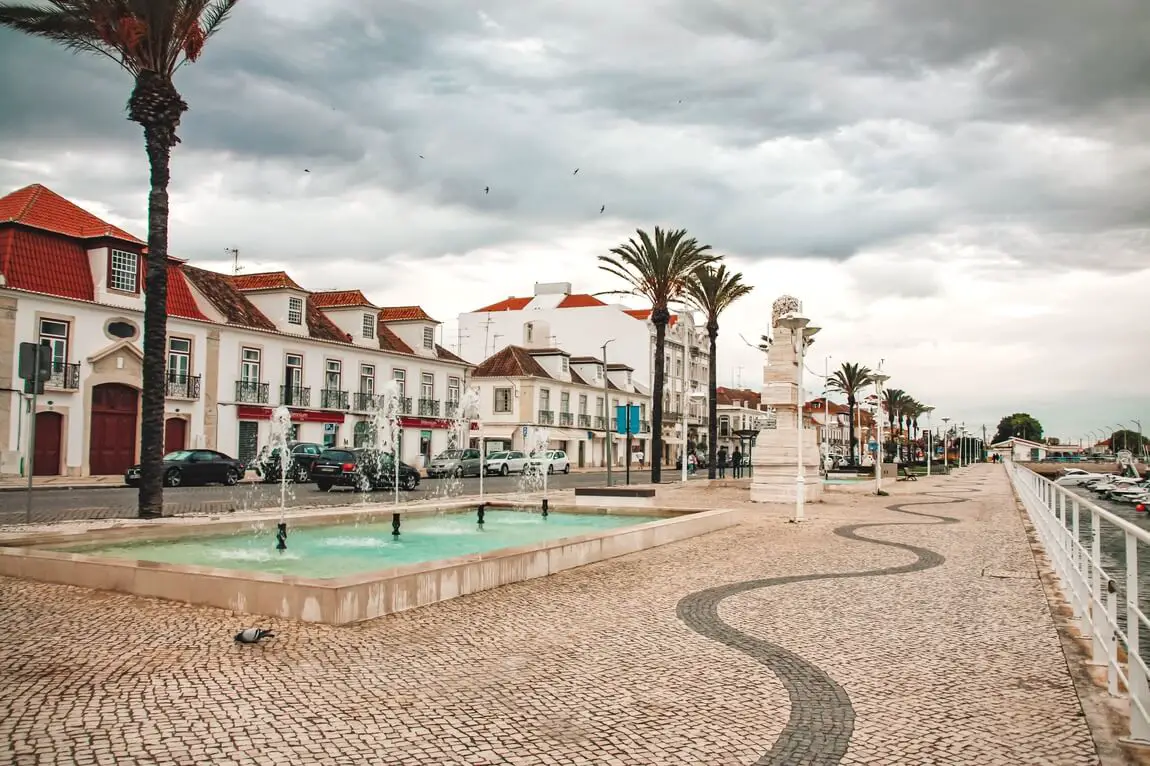
I always enjoy returning to Vila Real de Santo António because it brings back childhood memories of crossing the border after summer holidays in southern Spain. Even today, it still feels different from the rest of the Algarve.
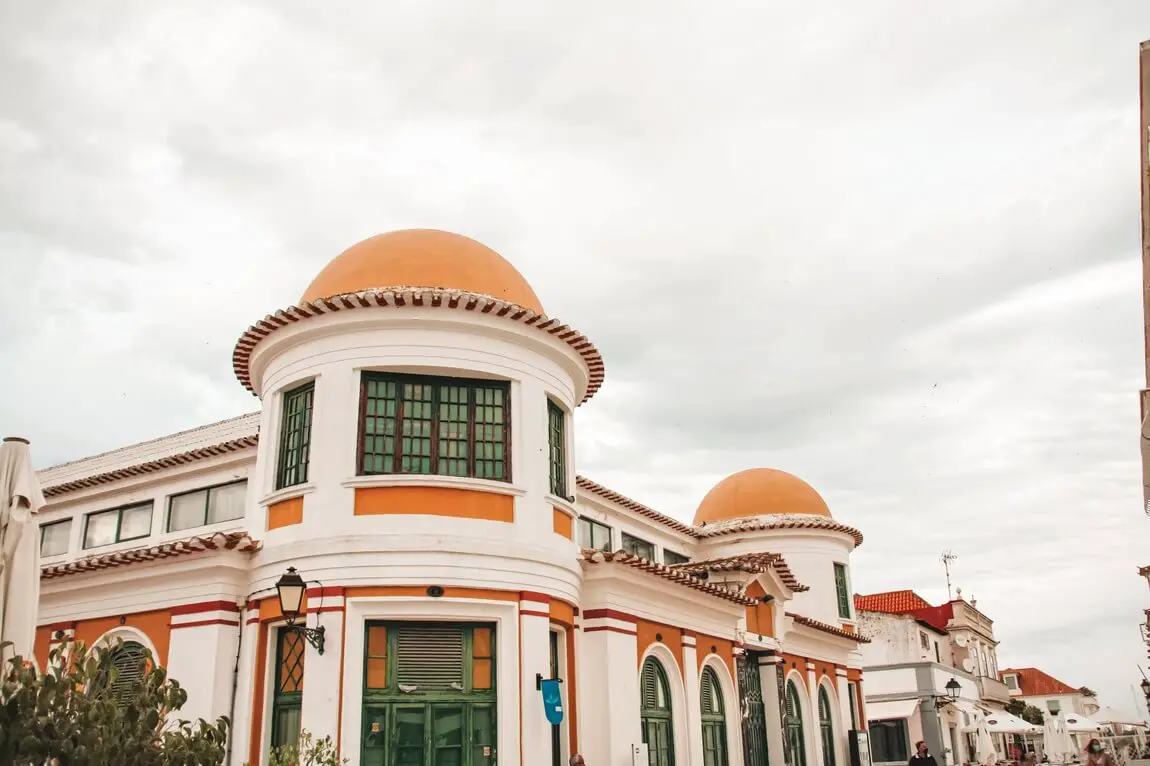
Unlike many Algarve towns that grew organically over the centuries, Vila Real de Santo António was carefully planned after the 1755 earthquake under the direction of the Marquês de Pombal.
As you wander through its streets, you’ll notice the wide avenues and symmetrical layout, much like downtown Lisbon.
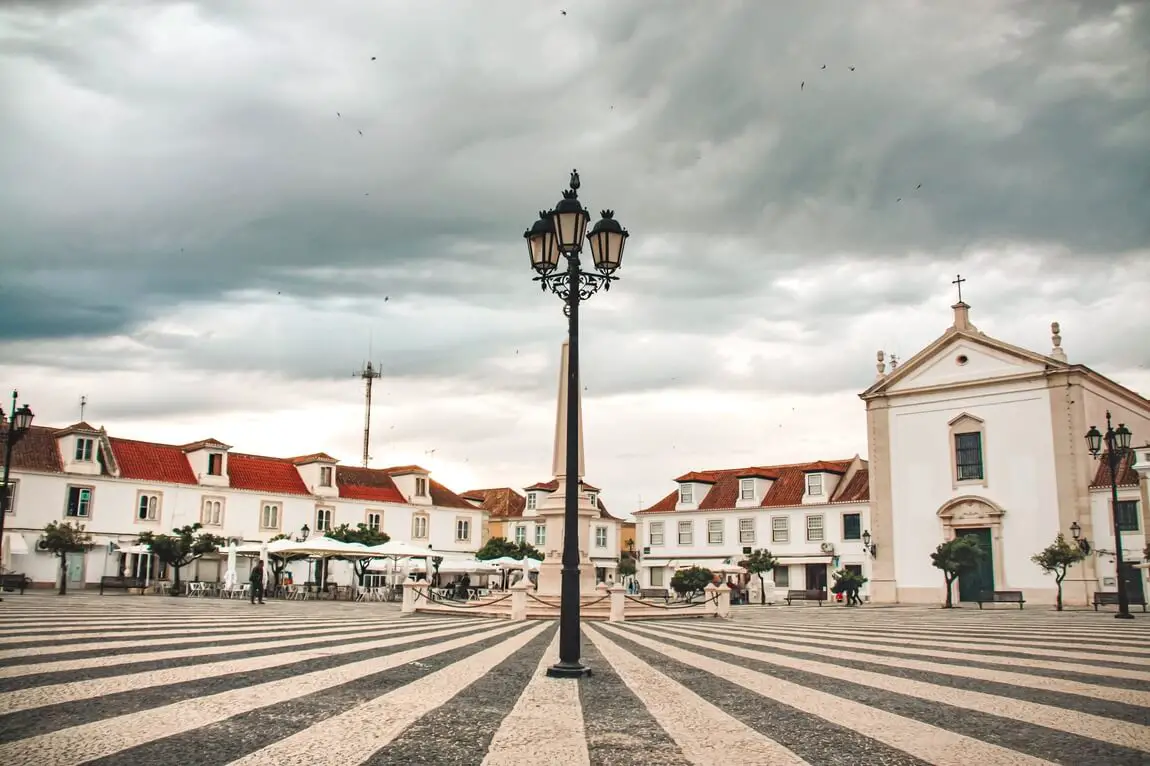
The historic center is compact and easy to explore on foot. Don’t miss:
- Marquês de Pombal Square
- Aleixo Cultural Centre
- Nossa Senhora da Encarnação Mother Church
- A walk along the Guadiana River, where you can enjoy views of neighboring Spain
» Castro Marim
Next, continue to Castro Marim, another place that proves the Algarve is about much more than beautiful beaches.
Rich in history and surrounded by nature, it’s one of those places that many visitors overlook but is well worth the stop.
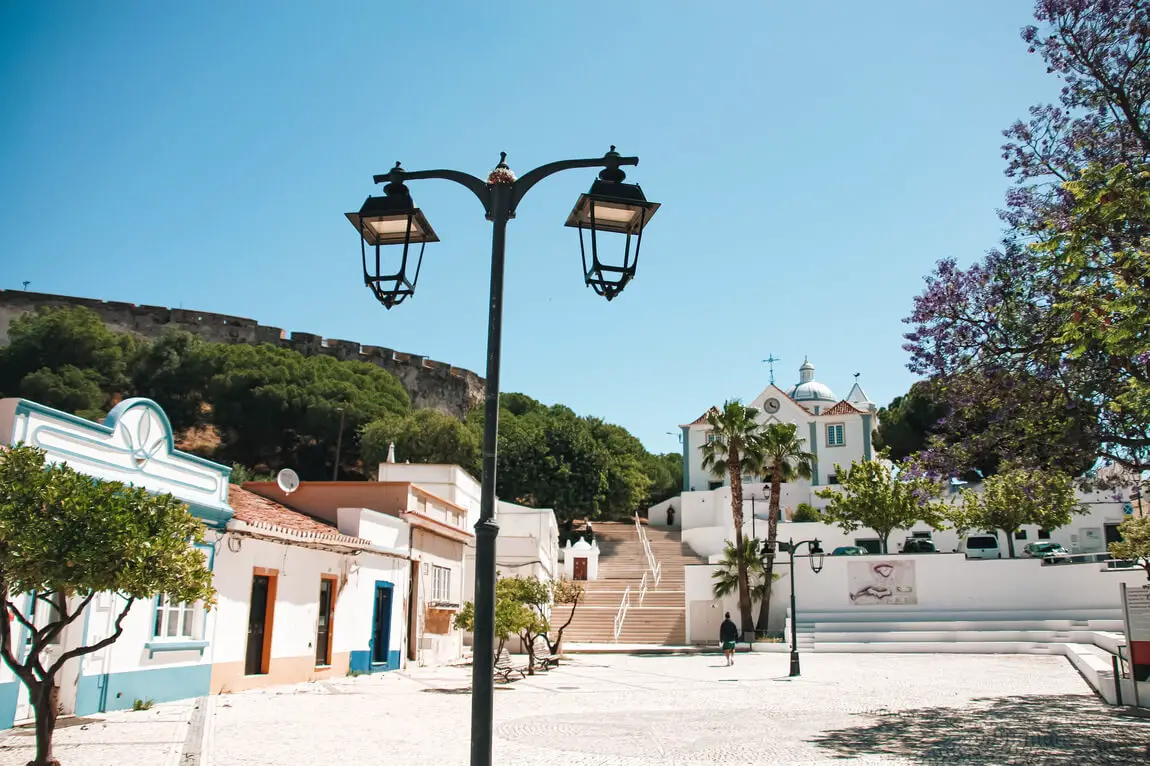
The town’s main attraction is Castro Marim Castle, one of the most important medieval castles in the Algarve.
If you’re visiting in the summer, you might even be lucky enough to catch the Castro Marim Medieval Festival, when the castle comes alive with historical reenactments, markets, and performances. Adult tickets cost just 1.10€/USD, making it one of the best value attractions on this itinerary.
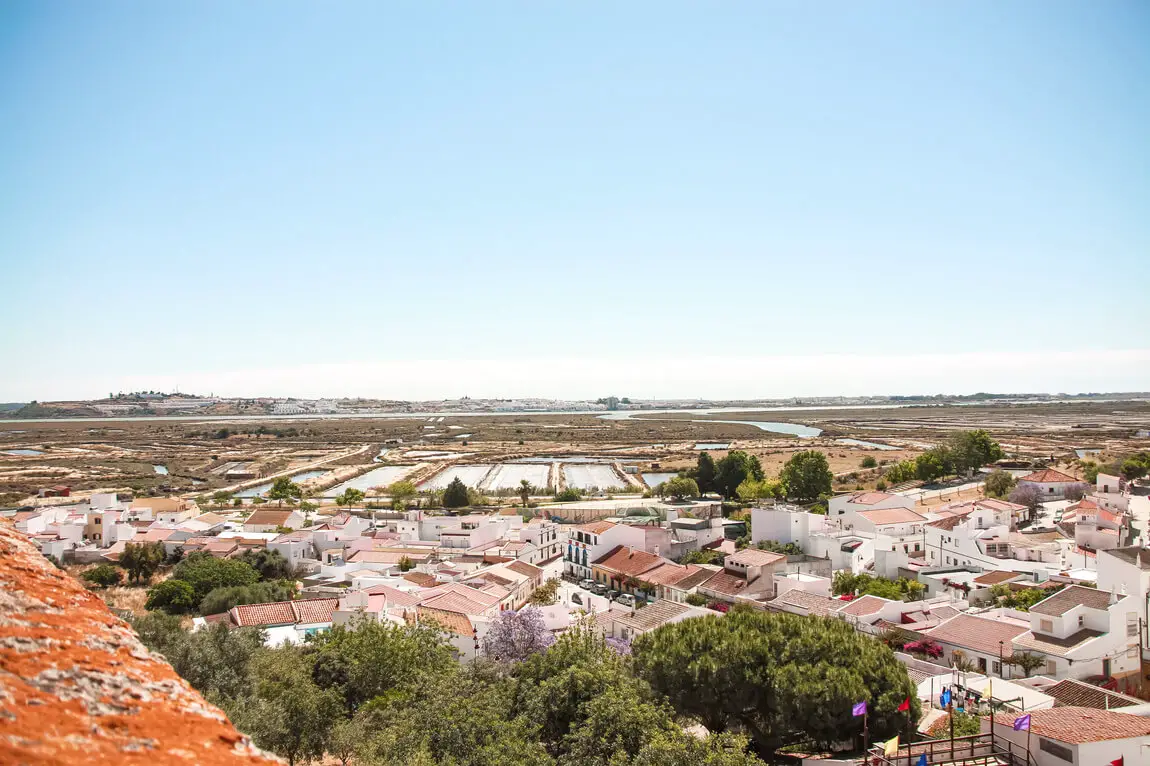
From the castle walls, you’ll enjoy fantastic views over the Castro Marim Nature Reserve, the Guadiana River, and São Sebastião Fort.
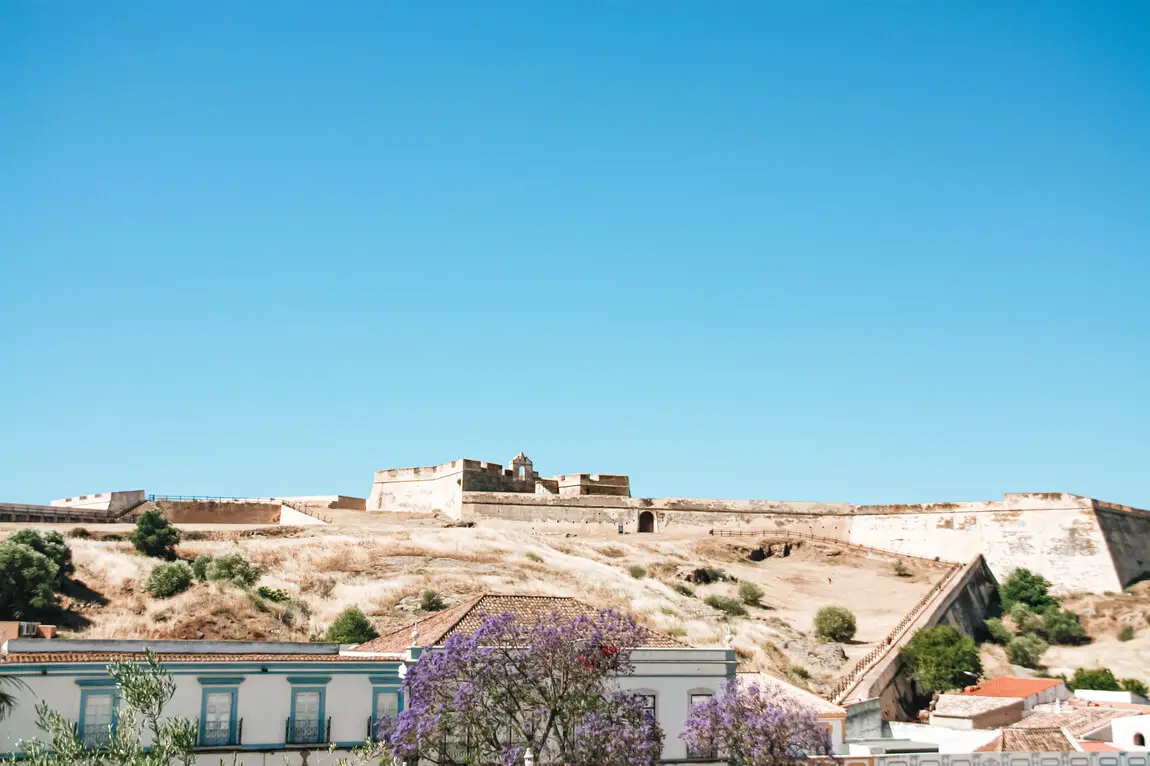
Before continuing to your final stop, take a short walk through the historic center and don’t miss the Old Market and Nossa Senhora dos Mártires Church.
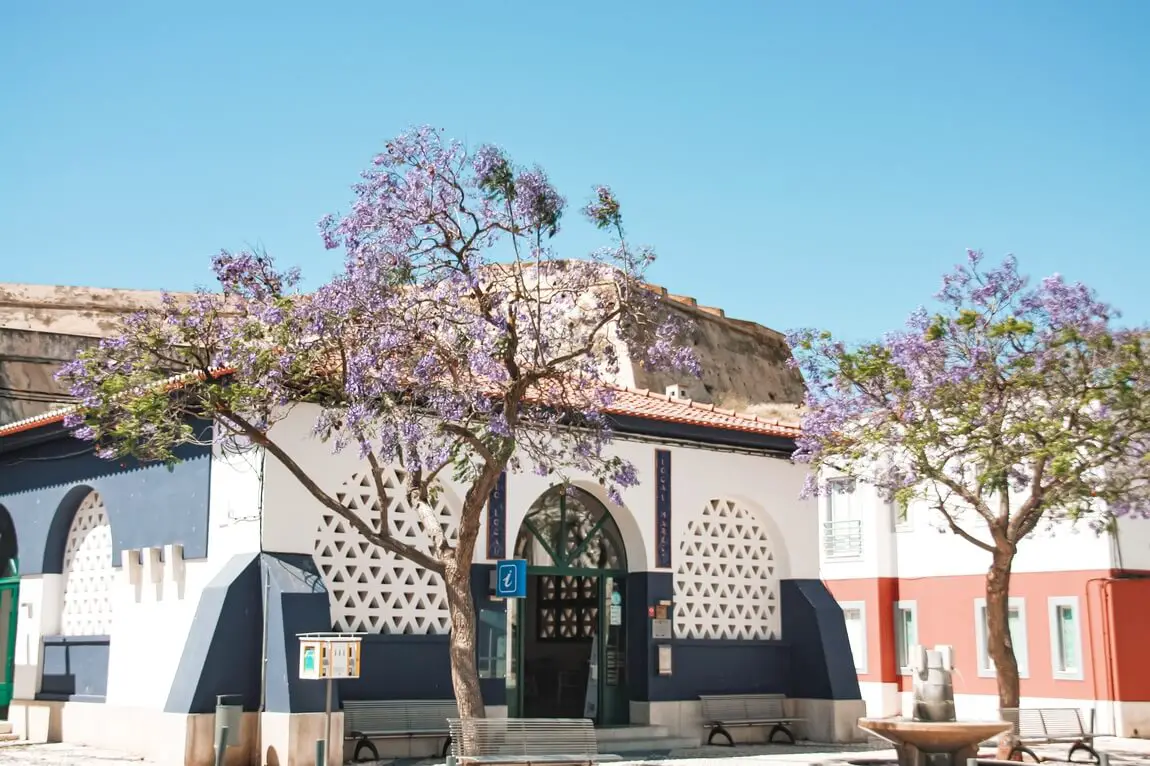
One of the things many visitors don’t realize is that Castro Marim is also famous for its traditional salt production.
If you have some extra time, stop by Spa Salino de Castro Marim, where you can learn about the salt harvesting tradition and even enjoy a relaxing salt bath. A guided visit to the salt pans costs 10€ (11.4 USD), while the salt bath experience costs 8€ (9.15 USD).
» Alcoutim
End your Algarve itinerary in Alcoutim, one of the region’s most underrated destinations. I love finishing the trip here because it feels completely different from the coastal Algarve you’ve explored over the past few days.
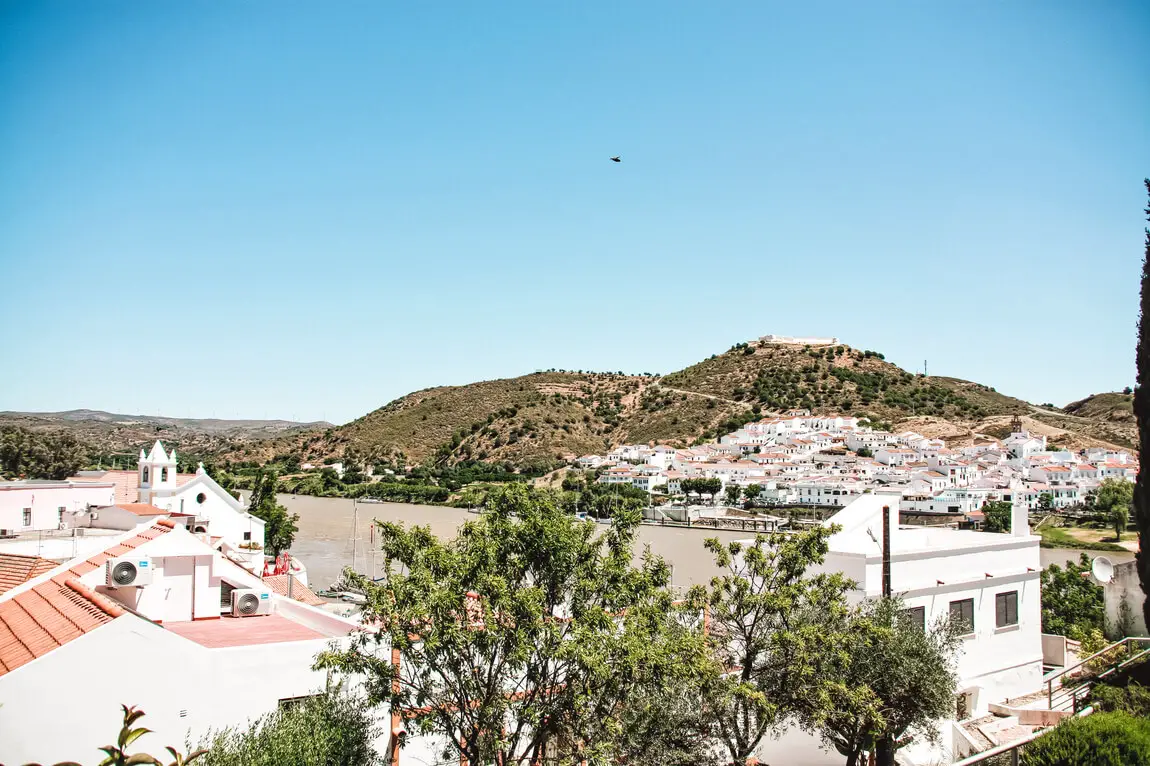
Set on the banks of the Guadiana River, Alcoutim reminded me of Mértola, in the neighboring Alentejo region. One of my favorite views is across the river towards the whitewashed houses of Sanlúcar de Guadiana, in Spain.
It’s the kind of place where it’s worth slowing down and simply enjoying the scenery.
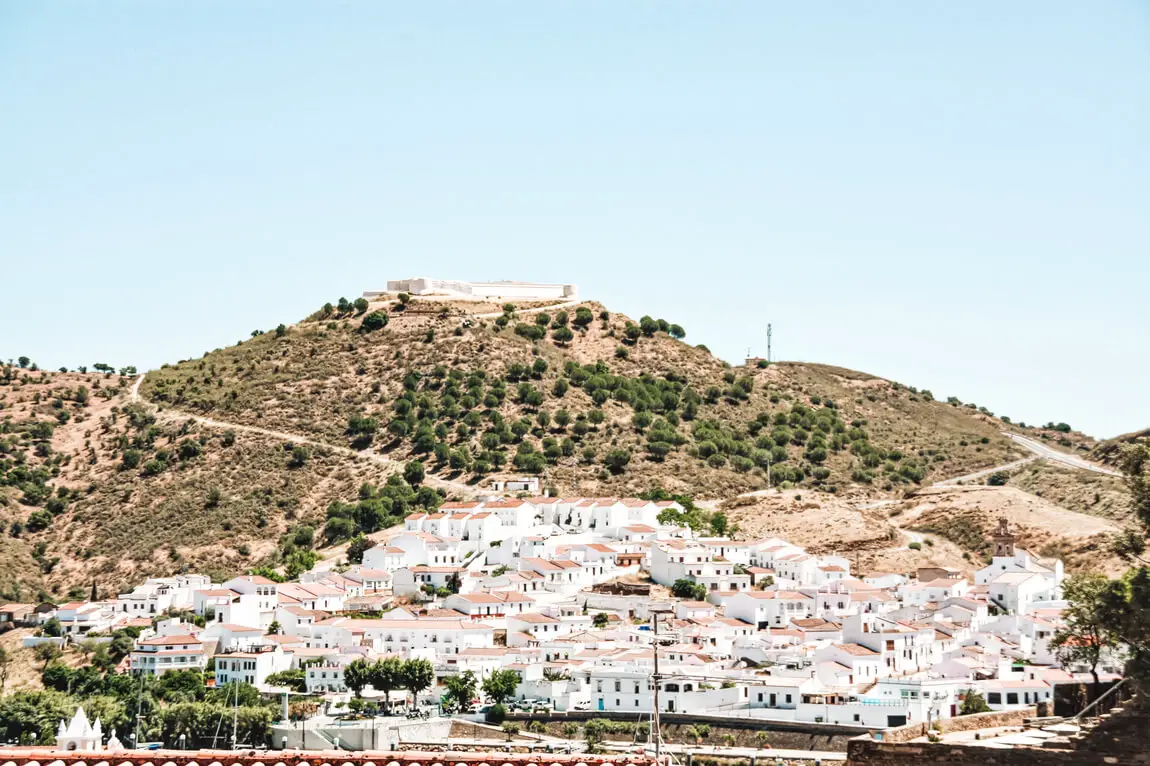
While the riverside setting is the main attraction, there are a few landmarks worth visiting before ending your trip:
- Medieval Castle
- São Salvador Church
- Santo António Chapel
- Misericórdia Church
- Ermida Nossa Senhora da Conceição
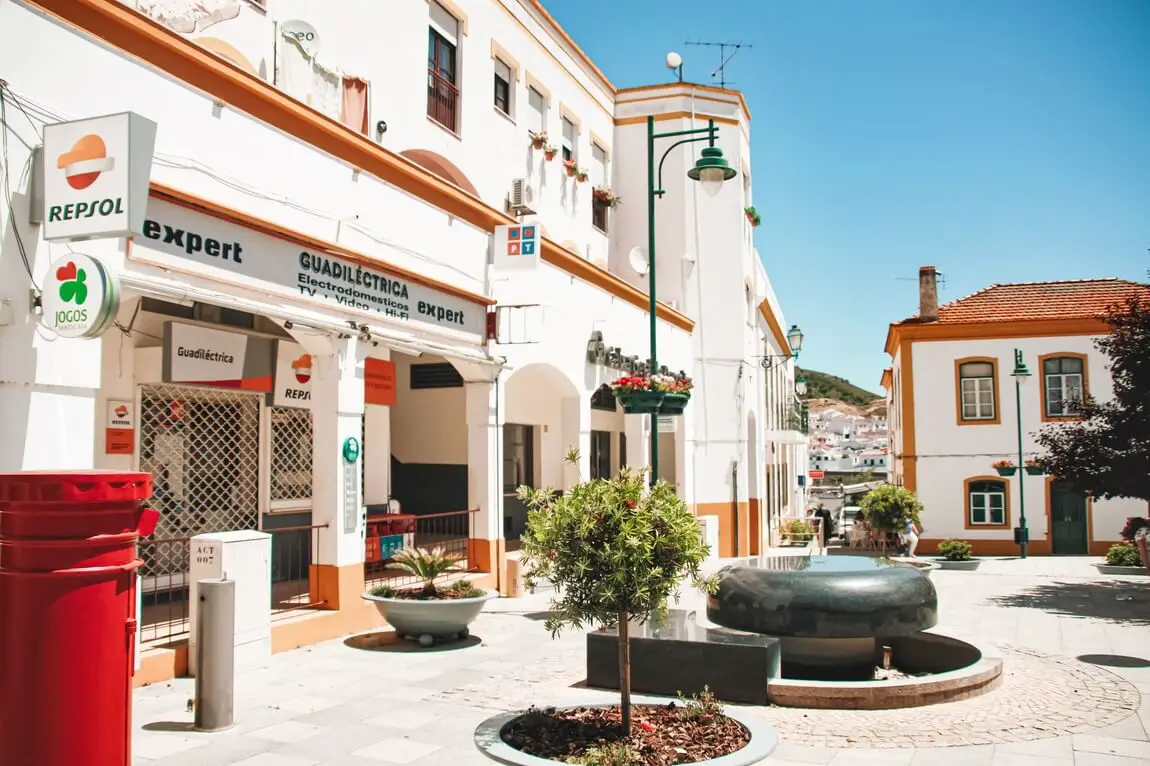
Ending this itinerary in Alcoutim is intentional. After exploring the Algarve’s famous beaches, cliffs, and historic towns, I wanted to finish with a place that reminds you just how diverse this region really is.
💡 PORTUGUESE TIP: If you’d like to cool off, head to Pego Fundo River Beach, one of my favorite river beaches in southern Portugal and the perfect place to end your trip.
Where to eat in the Algarve
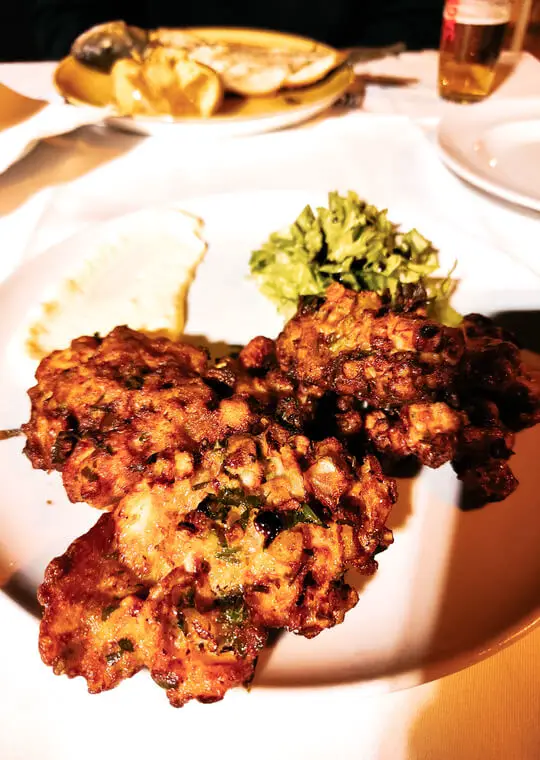
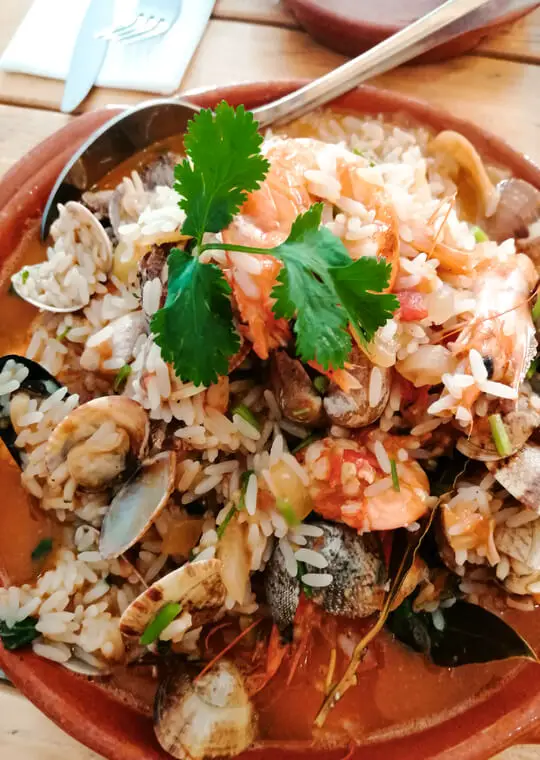
One of my favorite things about traveling around the Algarve is the food. From fresh seafood and traditional cataplana to grilled fish and delicious pastries, there’s plenty to look forward to.
To make it easier to plan your trip, I’ve organized my restaurant recommendations by region and town. That way, you can quickly find places to eat as you follow this Algarve itinerary.
💡 PORTUGUESE TIP: Lunch is usually served between 1 pm and 2.30 pm, while dinner typically starts around 7.30 pm. If you’re hoping to eat at a traditional restaurant, keep in mind that many places don’t open for dinner until the evening. Arriving too early may mean finding the doors still closed.
» Sagres
- A Sereia (€): very simple and basic restaurant, attached to the Sagres fish dock. The fish we had there was just the best.
- Others I have not tried but have been recommended: Retiro do Pescador
» Lagos
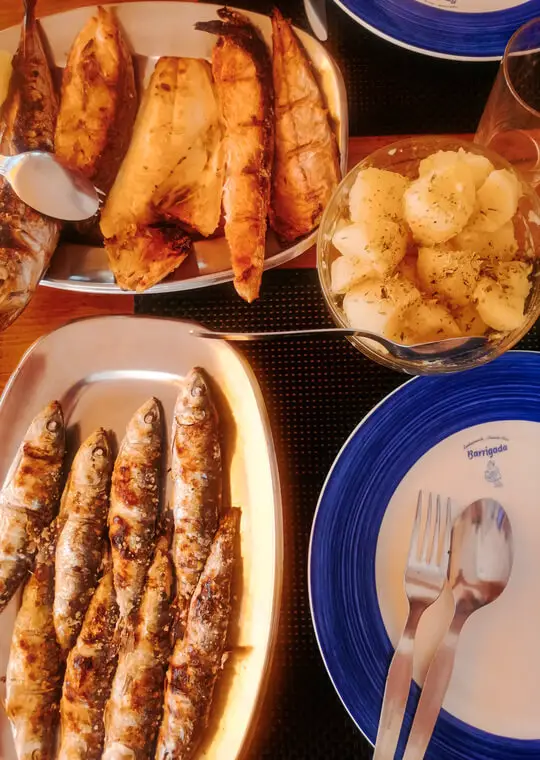
- A Barrigada (€€): traditional fish restaurant where the speciality is mistas de peixe (a combination of many grilled fishes).
- Casa do Prego (€€): restaurant that serves prego (traditionally Portuguese steak served inside bread or on a plate).
» Silves
- Marisqueira Rui (€€€): traditional seafood restaurant with very friendly service. Reservations are not accepted, so it’s best to go early.


» Loulé
- Pizzeria Casavostra (€€): cute and spacious restaurant with very tasty and affordable Italian food. Extremely efficient service.
» Faro
- À do Pinto (€€): located right in the centre of Faro, this family restaurant offers traditional Algarve food at very affordable prices.
» Tavira
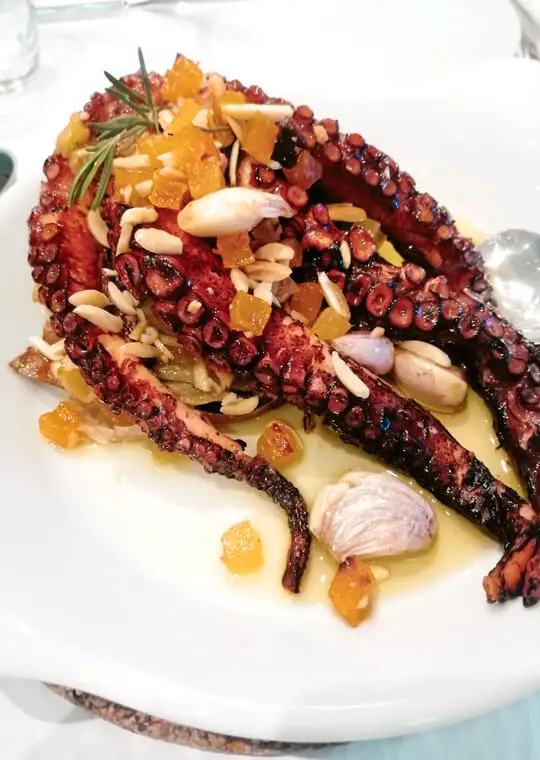
- Ti Maria (€€): tapas with an Algarve twist. I recommend the octopus tempura, the goat’s cheese and spinach puff pastry and the fig pudding.
- Casa do Polvo Tasquinha (€€€): located in Santa Luzia, here the speciality is the octopus. With a pleasant and welcoming atmosphere, it is impossible to leave disappointed.
- Noélia & Jerónimo (€€€): fish and seafood dishes of incredible quality and taste. The restaurant is well known and award-winning, so booking is a must.
- Others I have not tried, but have been recommended: Marisqueira Fialho
Best time of the year to visit the Algarve
The Algarve is a year-round destination thanks to its mild climate. However, the best time to visit depends on the type of trip you’re planning.
If you want to combine sightseeing with beach time, I recommend visiting between May and June or September and October. The weather is usually warm enough to enjoy the beach, but you’ll avoid the biggest summer crowds. Hotels and restaurants are also generally more affordable than during peak season.
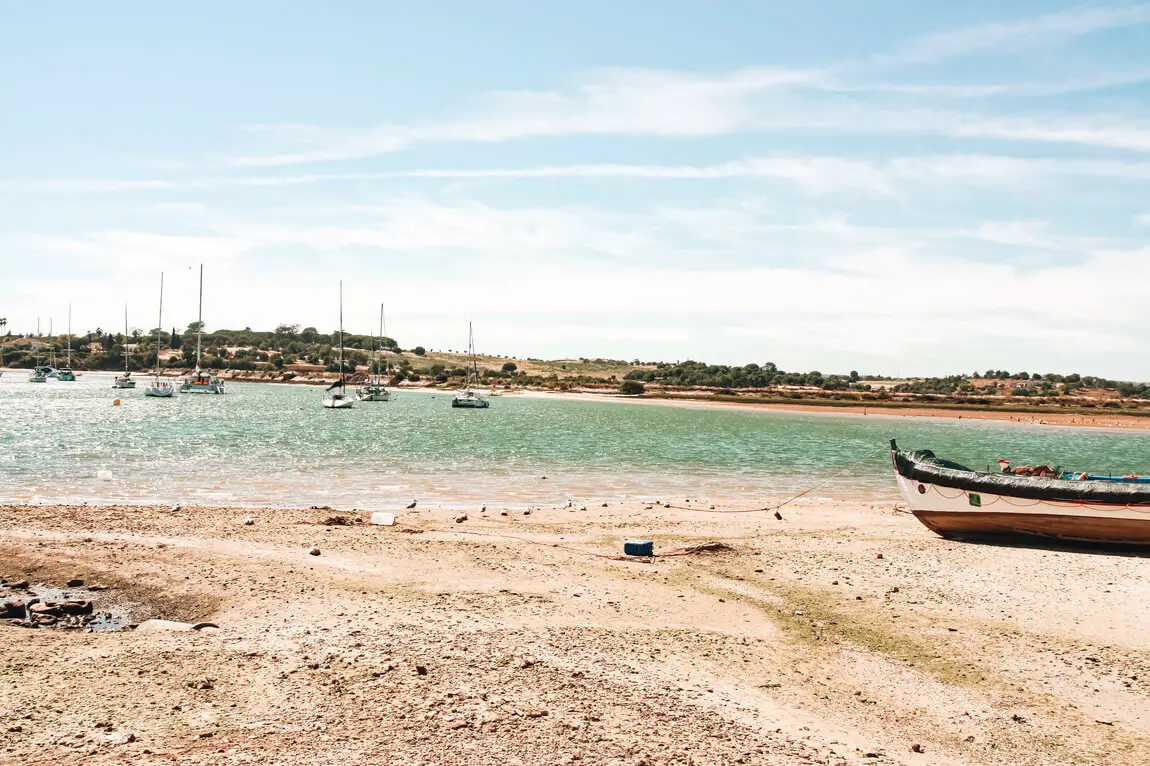
I followed this itinerary in May, and I think it was the perfect time to visit. I had sunny days, comfortable temperatures, and I could enjoy many of the Algarve’s most popular attractions without the long lines you’ll often find in July and August.
If you’re visiting mainly for the beaches and don’t mind busier towns, July and August offer the warmest weather. Just keep in mind that accommodation prices are higher, parking can be challenging, and you’ll need to book hotels and activities well in advance.
💡 PORTUGUESE TIP: Many Portuguese families take their vacations in August. If you can, plan your trip for May, June, or September. The weather is still excellent, but the Algarve is usually much less crowded.
How many days in the Algarve
While you can see some of the Algarve’s highlights in just a few days, I recommend spending at least 7 days if it’s your first visit.
That gives you enough time to enjoy the famous beaches, explore historic towns, hike some of the region’s best trails, and discover places beyond the typical tourist route.
If you have a few extra days, I highly recommend extending your trip to the nearby Costa Vicentina. While most of it lies in the Alentejo region, part of the coastline stretches into the Algarve and is home to some of Portugal’s wildest and most unspoiled beaches.
Final thoughts
I hope this Algarve itinerary has helped you plan an unforgettable trip to one of my favorite regions in Portugal. From breathtaking beaches and dramatic coastal trails to historic towns and hidden gems, there’s so much more to the Algarve than most people expect.
Of course, no two trips are the same. Feel free to adapt this itinerary to match your travel style, whether you prefer spending more time at the beach, exploring charming towns, or discovering quieter places away from the crowds.
If you have any questions while planning your trip, or if you’ve already visited the Algarve and have your own recommendations, I’d love to hear from you. Leave a comment below and I’ll do my best to help. 😊
Disclaimer: this post may contain some affiliate links, which means I get a small commission if you buy something through my links. This doesn’t represent any additional cost to you and you’ll be supporting my work here on the blog😊